- Home
- Service Areas
- Union City
Commercial Roof Repair Planning in Union City, CA
After the region's atmospheric rivers across the end of 2022 and opening weeks of 2023, a Santa Clara, CA manager can use the next rain-season review to clarify a shared-building task. For a property in Union City, CA, who can approve work at the outlet or wall serving more than one occupied area? Commercial Roofing Santa Clara identifies the roof connection and the assigned authority before pricing it. Regional rain supplies planning context, while the building examination establishes the proposed correction.
City is a local reference in Union City. That local civic reference gives an occupied-building setting for the access conversation. It does not assign permissions or roof construction to another premises. The actual building representative provides those inputs. A bid should make the repair boundary, shared interfaces and required operating release understandable so ownership can approve defined construction without assuming access rights from the property's use.
Union City: What the Work Covers
A drain can serve an area beyond the room where water appears. A wall flashing can continue across several occupants' premises. Locate those components and ask the authorized representative which work can be approved. A tenant's request for a repair may not include rights to alter the complete shared system. Obtain the relevant release before the task depends on removing a component, entering another occupied space or interrupting equipment controlled by a different participant.
A survey of the reported roof connection should record the examination boundary and related access questions. Keep investigation separate from the proposed permanent correction. A limited visit may leave concealed receiver condition unresolved. Show that limitation with the next required step rather than price an unexamined shared assembly as though every layer had been assessed. The manager needs enough information to secure the appropriate approval before the construction sequence is fixed.
Roof drain and scupper work can include surface clearing, membrane reconnection or component changes. Identify which task the evidence supports. An opening that is clear at the roof does not establish the condition of concealed piping. Its responsible trade may need another examination. Changing outlet elevation or overflow arrangement can involve design review. Ownership should see those participants and questions beside the roofing work, rather than assume a cleaning price covers them.
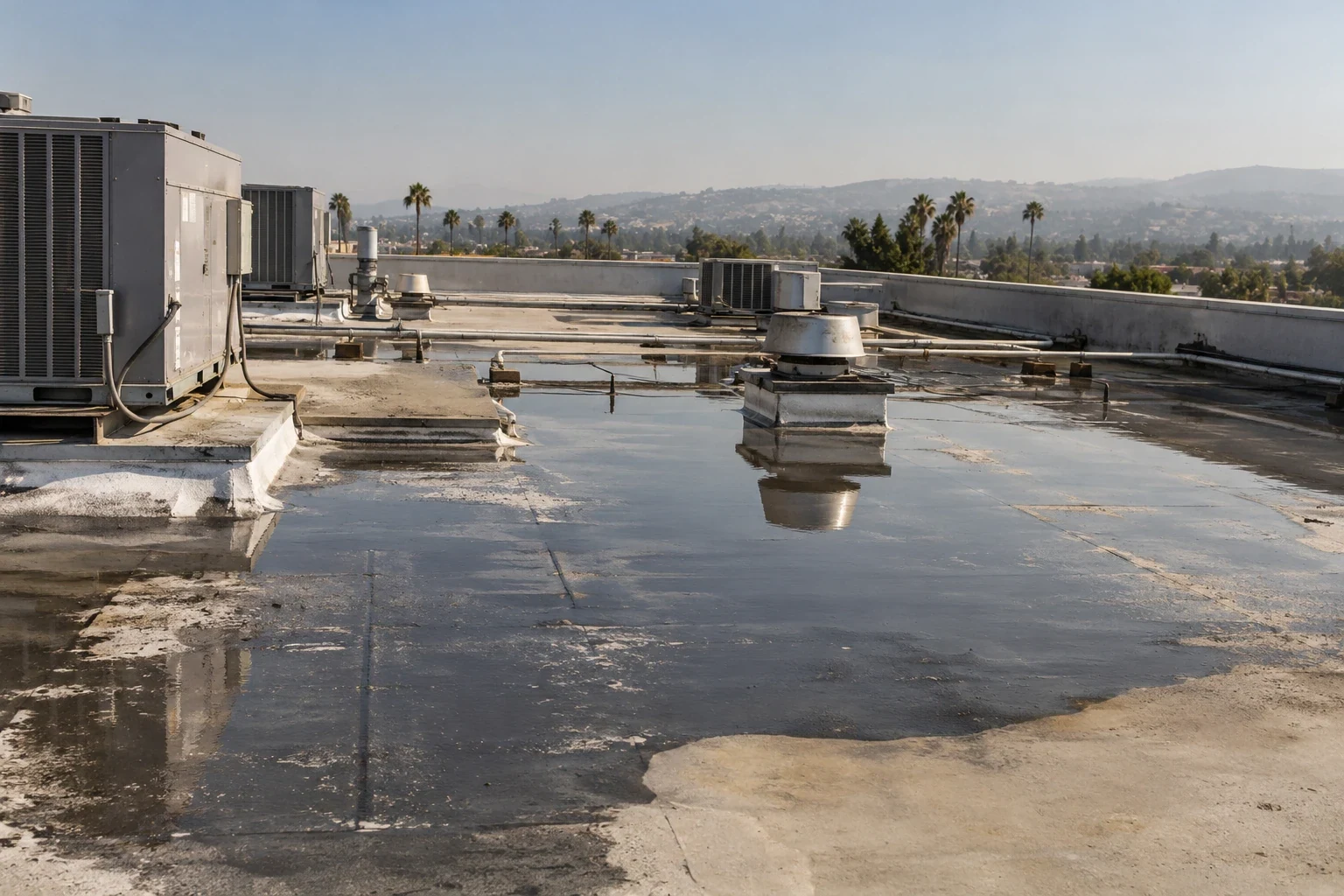
Standing-water correction also depends on the actual surface route and supporting construction. A visible depression may involve slope, added layers or movement. Measure the relevant boundaries before selecting a filling or removal method. Any new height must work with nearby curb and flashing relationships. The intended water route should remain clear of planned supports and service paths. Surface treatment cannot substitute for understanding where the water is supposed to discharge.
A vertical transition needs suitable support, secure upper restraint and compatible joining material. Inspect accessible components and locate deterioration that affects the proposed repair. A bead along the edge cannot restore missing backing or a loose counterflashing connection. Where the roof and wall can move independently, identify a detail suited to that relationship. Uncertain structural or movement questions need the appropriate review rather than a rigid patch installed to hide the visible split.
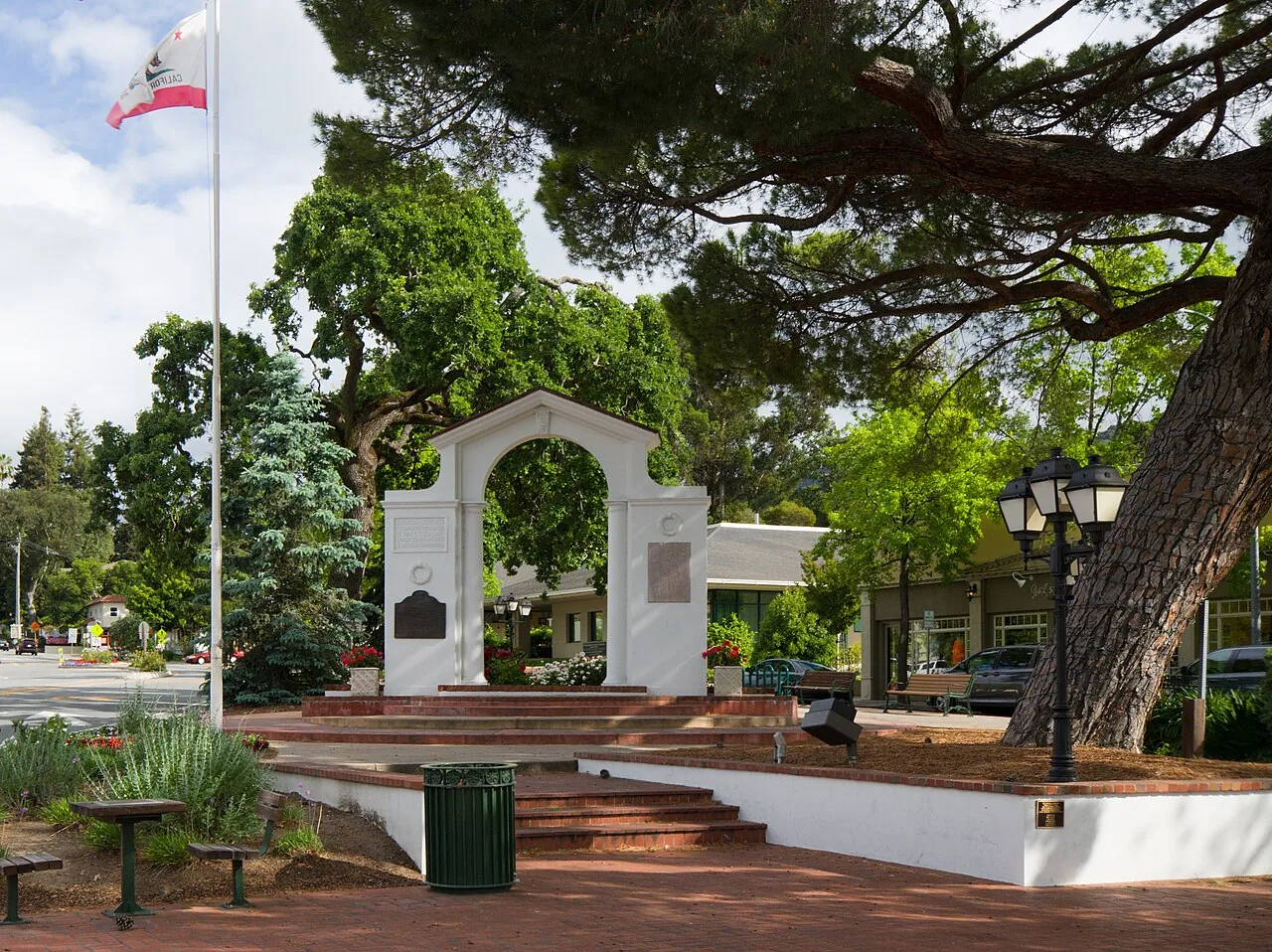
Work on a public building retains its actual approval and procurement requirements. For another commercial premises, use its own authority and assigned representatives. The Ruggieri Center reference on Alvarado-Niles Road helps locate a civic setting, not a roof specification. A modified bitumen repair option requires the installed layers and application method established. Other assemblies need their own compatible detail and preparation.
Planning and Completing the Work
The proposed work area can affect an entrance, room beneath an opening or route used for deliveries. Ask the building contact to identify actual activity that needs protection. Define material lifting, temporary exclusion and disposal arrangements before the bid assumes a receiving position. A roof should not be used for concentrated storage without the required load assessment. Limited staging can change delivery size, handling and the amount of repeated setup needed to complete the task.
Roof work above occupied rooms should state its daily protection and stopping points. The operator controls equipment isolation and service return. A reserved work period does not itself establish those permissions. If another trade is not ready, the roofing sequence needs a safe boundary and protection for unfinished connections. Price those arrangements with the construction so a narrow material allowance is not compared against another proposal that includes the full operating task.
Establish the actual Union City reviewing authority and accepted application basis where the proposed work requires review. The task's classification, assembly change and applicable exceptions determine the relevant requirements, including energy provisions. A Santa Clara coordination contact cannot transfer Santa Clara's local modifications to a separate jurisdiction. Roof attendance and preparation for inspection also do not establish accepted construction. Keep any approval-dependent design or supporting work identified before procurement relies on it.
Requests for an address in Fremont or Newark need the same property-specific review of access and construction. A consistent bid sheet helps a manager compare findings across several addresses, but each site's quantities remain separate. Similar interior complaints cannot establish identical assembly damage. Explain the evidence behind the local correction and the extra investigation needed where concealed conditions may change its scope. That gives ownership a usable basis for the expenditure decision.
Completed roofing details should be located in the work record with installed materials and useful preparation photographs. A report separating findings and completed tasks keeps unresolved related work visible. Roof completion, equipment release and interior acceptance can remain separate decisions. Name the responsible contact for each outstanding item. The next manager should be able to assign that task without interpreting a roof closeout as approval of every shared building component.
Applicable issued warranty terms determine care and alteration obligations for their covered construction. Retain the relevant requirements with the repair record so later equipment service can protect the installed connection. For Union City, set the observed repair boundary. Immediate protection depends on safe access and the exposure found, with any permanent follow-up explained. For planned work, a pre-season roof examination helps ownership review the measured task and operating protection before another rain period.
For a Union City shared-building assignment, confirm which party controls the roof, the common components and the affected interior. We identify the authorized contact for each release before opening a wall or roof detail. Drain work should state whether the task is cleaning, flashing repair or another discharge investigation. Keep each responsibility in the bid and closeout record. That prevents a completed roofing connection from being confused with component work or access still assigned to another operator.
For a Union City shared roof, document which party controls the common drain and which contact can release the interior. Confirming that division before inspection prevents a roofing allowance from silently absorbing another operator's component work or access responsibility. Keep each approval tied to the building section it covers.
Union City planning: clarify the shared task
Arrange a pre-season examination with the authorized building contact. We will explain the repair boundary and operating protection for ownership review.
Frequently Asked Questions
The actual alteration rights and approving party must be identified. Work can extend beyond the tenant’s own occupied area.
No. A concealed discharge restriction may require investigation by the responsible plumbing trade.
Show the permitted material arrangement, delivery handling and any repeated setup beside the construction task.
Equipment return, interior release and other shared-building acceptance retain the checks and approvals of their responsible parties.
Roof Assessments
Santa Clara & the South Bay
Membrane, flashing, drainage and edge details checked and written up before any work is priced.
Request a Roof Assessment