- Home
- Property Types We Roof
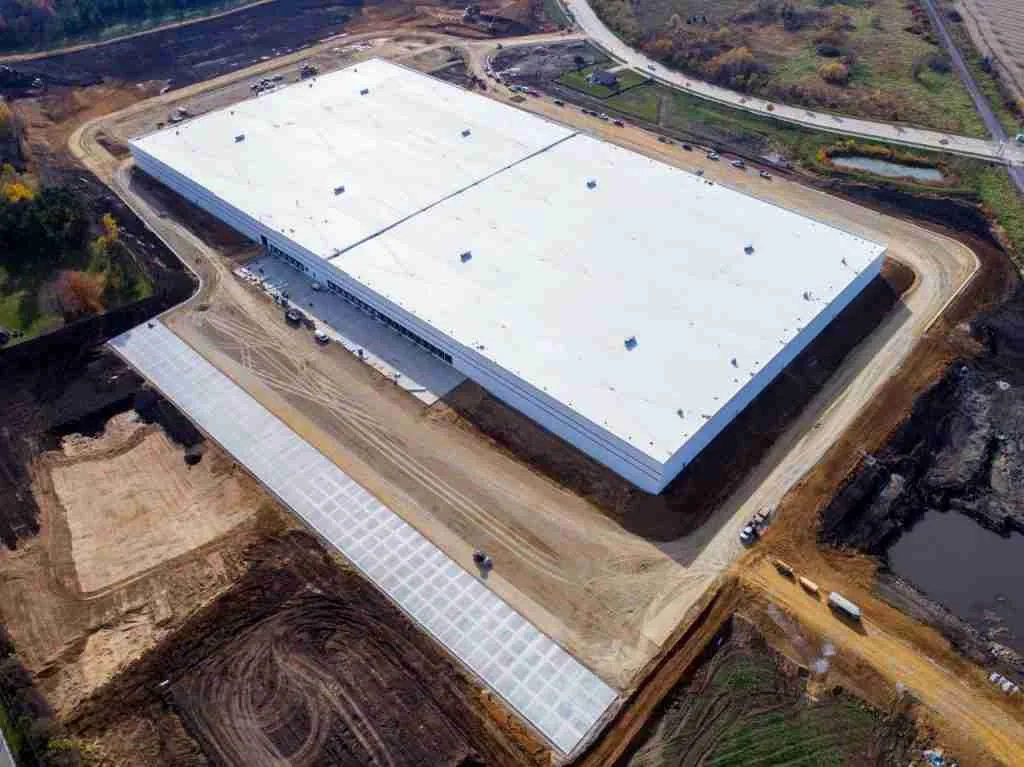
- Distribution Center Roofing
Distribution Center Roofing in Santa Clara, CA
The regional storms spanning the end of 2022 and the start of 2023 give a distribution manager a schedule question: can the next roof stage be closed before receiving starts again? Santa Clara, CA roof work needs a practical answer based on the building and the approved shifts. Past regional weather sets the preparation priority. Current conditions and the inspected assembly determine what can be opened and completed.
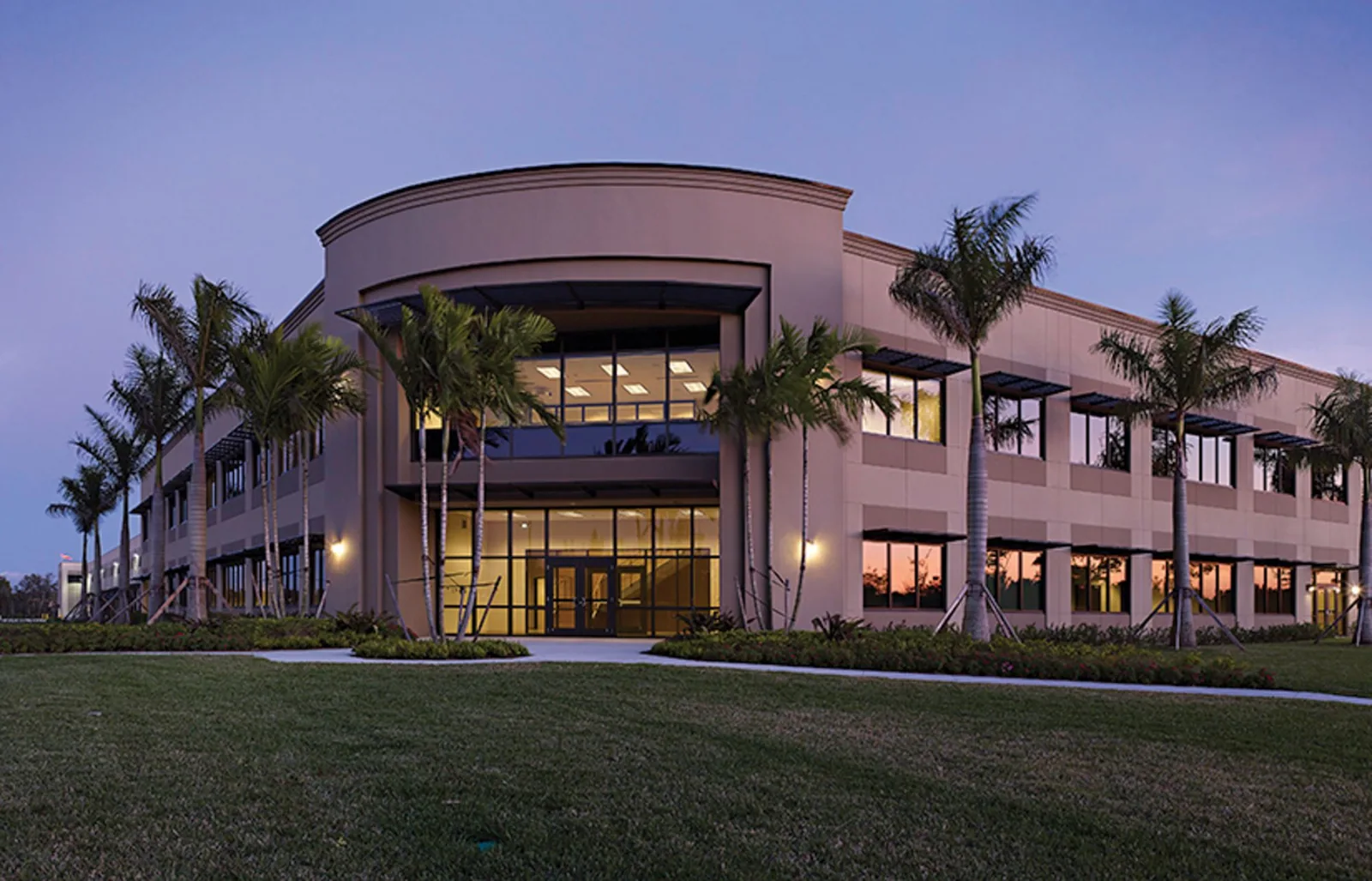
A distribution center can have a roof project, incoming freight, and outgoing freight competing for access. We establish the actual handling restrictions before setting a construction period. The bid sheet connects those restrictions to removal, substrate preparation, installation, and daily closure. Ownership sees the scope being purchased and the operating limits that affect its cost. The manager sees which dock positions or routes need temporary release. Both are necessary for a roof sequence that can be reviewed before award.
Distribution Center Roofing: What the Work Covers
A material lift can interfere with a dock even without roof removal above it. We establish lifting exclusions and approved freight movements with the operator. Roof loading also needs review for the proposed delivery and staging arrangement. A convenient lift point does not establish that the roof or yard can accept the intended material placement. We identify any assessment needed before those positions are approved.
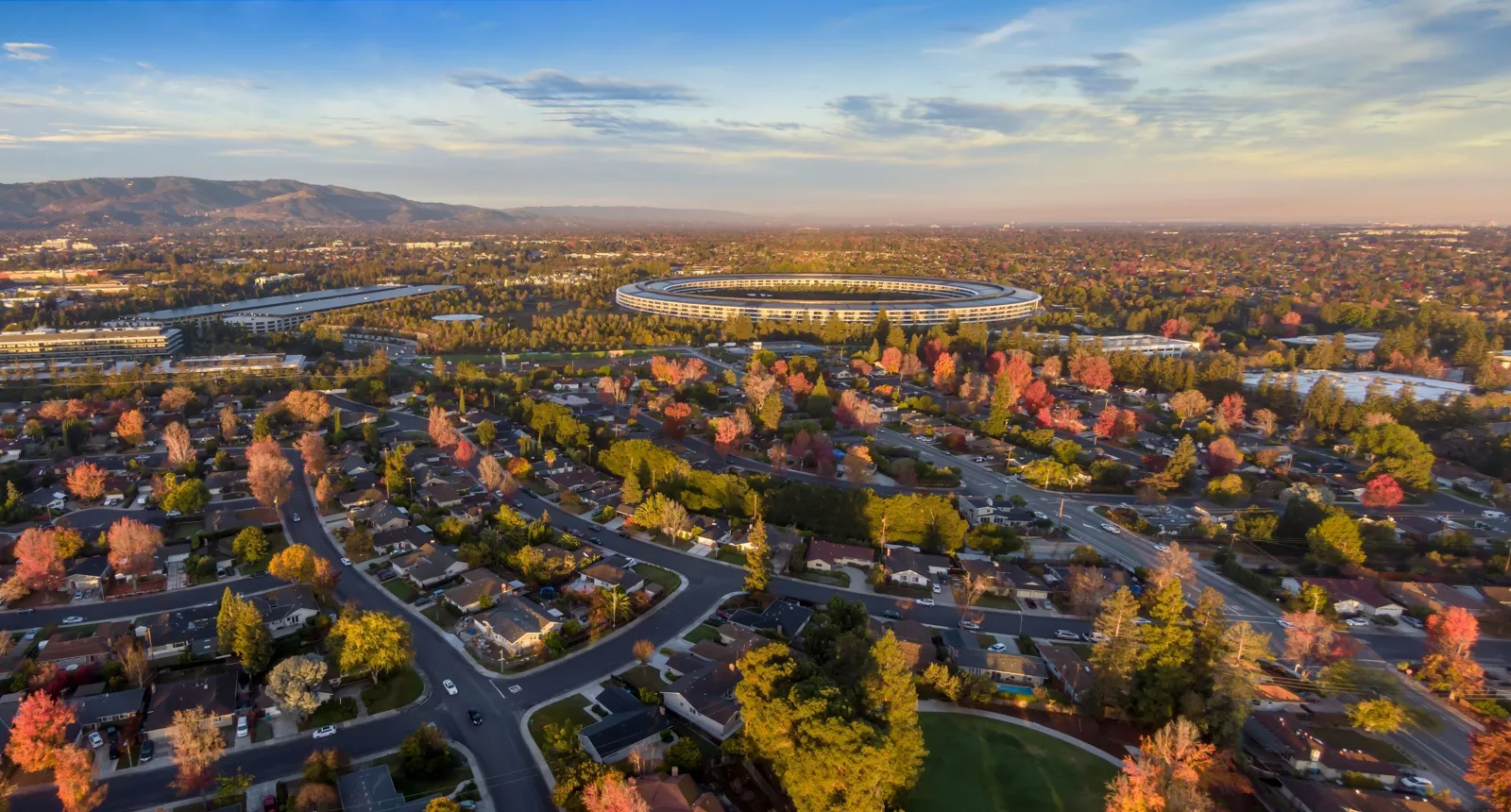
The Scott Boulevard office and R&D setting differs from the Tasman East planning area near Tasman Drive and Lafayette Street. In the Tasman Drive and Scott Boulevard district, the actual distribution property supplies the receiving rules. We do not infer a standard loading arrangement from the corridor name. A building serving manufacturing operations can need additional release conditions. We assign those decisions to the responsible operator and keep them visible with the roof task.
A short permitted shift can make repeated mobilization a significant part of the work. Material delivery, protected access, waste removal, and roof closure take time within that shift. We account for these tasks before sizing the removal area. A bid based on unrestricted access may describe a different sequence from one that preserves specific receiving periods.
We show handling assumptions beside the price. Restricted storage may require smaller deliveries. A shared lift route may need scheduled releases. Additional temporary closure can be required where a stage crosses an operating restriction. These are practical construction costs, distinct from membrane thickness or product selection. The property manager can use the bid sheet to compare the same access arrangement across alternatives. A low total with unspecified shifts should not be treated as a completed comparison while those requirements remain undecided.
Removal exposes construction that may need further review before new material can follow. We describe known deck repairs separately from concealed conditions. The agreed change procedure should identify who reviews the finding, how the correction is priced, and how the opening is protected during the decision. A receiving schedule does not remove the need for an accepted substrate.
For roof removal above operating spaces, we establish interior protection and exclusion zones with the operator. A warehouse with static storage may have different release options from an active distribution space. We use the conditions of this building to decide the work stage. Temporary closure responsibilities should be explicit if a trade or approval is delayed. That lets ownership distinguish a supported construction sequence from one that depends on completing unseen deck work without interruption.
Planning and Completing the Work
A roof stage can temporarily change how water moves near retained material. We identify outlets and the approved drainage arrangement before placing material or temporary protection. Loose debris and packaging must not be allowed to obstruct accessible flow paths. A drain detail needing repair should receive its own task description rather than disappearing within the general reroof quantity.
Our outlet connection and drainage corrections distinguish cleaning, membrane detail repair, and work requiring other trades. Any slope correction needs review of the assembly, available heights, and supporting condition. A plugged downstream pipe calls for a different response from debris at the roof opening. We record those differences. The manager can assign future cleaning while keeping construction repairs in the appropriate budget. The final outlet condition should be observable, with any remaining plumbing work shown separately.
A replacement bid should identify removed layers, retained construction, insulation, cover board, attachment, flashing, and perimeter details. A recover option needs an acceptable retained assembly and adequate interface clearances. A repair alternative needs its own quantities and preparation. We compare these as complete tasks rather than ranking membrane names while the construction beneath them remains undefined.
Permit and energy review follows the actual authority, accepted application basis, proposed scope, and applicable exceptions. We coordinate roofing information needed by the project team. New insulation height can affect equipment curbs and thresholds. Attachment needs to fit the approved assembly and substrate. Ownership should see those decisions before procurement. When an option still depends on further examination, we identify that condition instead of describing the price as ready for installation. The manager can then schedule the remaining decision without committing receiving space prematurely.
Completed work should be recorded by location and detail. We identify repaired areas, replaced areas, retained construction, and outstanding obligations. Material staging and temporary protection receive a removal status. Operator restrictions that continue after the roof stage ends need to remain clear. A completion photograph helps only if staff can connect it to the affected roof area.
A roof condition and completion record gives ownership a basis for future maintenance and budget planning. We include the installed construction and applicable care requirements. The operator receives practical access limits for service personnel. The next season check can compare against a known condition and identify new work without reopening the original scope discussion. That record keeps a successfully completed roof stage from becoming an unresolved access or maintenance task after receiving resumes.
Distribution center phasing: tie roof work to operating zones. A distribution center plan should relate each roof phase to the dock, yard and interior zone beneath it. Confirm which doors or staging lanes must remain available, who can approve temporary restrictions, and how the facility will receive notice before a roof area changes status. The roofing scope should identify daily closure points, weather protection and debris handling for each phase rather than promise uninterrupted operation. Keep roof-specific changes separate from owner-directed logistics changes. This makes the schedule and any extra mobilization reviewable. The closeout should record completed zones and remaining access or repair items before the facility treats the roof phase as finished.
Season check: reserve a workable receiving sequence
Reserve a distribution roof visit ahead of the next wet period. Bring receiving restrictions so we can give ownership a plain bid sheet with dock releases and practical closure stages.
Frequently Asked Questions
The approved exclusion and freight movement plan determines that. We review the lift position with the operator and identify any dock release required before material handling begins.
Repeated setup, delivery, and closure can affect duration and cost. We show those assumptions and size the work stage to the period actually available.
The project agreement should identify the reviewing party and change procedure. We document the finding and maintain the assigned protection until the approved correction can proceed.
The operator supplies access and freight restrictions. We document any safe temporary intervention and define the follow-up repair separately.

Roof Assessments
Santa Clara & the South Bay
Membrane, flashing, drainage and edge details checked and written up before any work is priced.
Request a Roof Assessment