- Home
- Service Areas
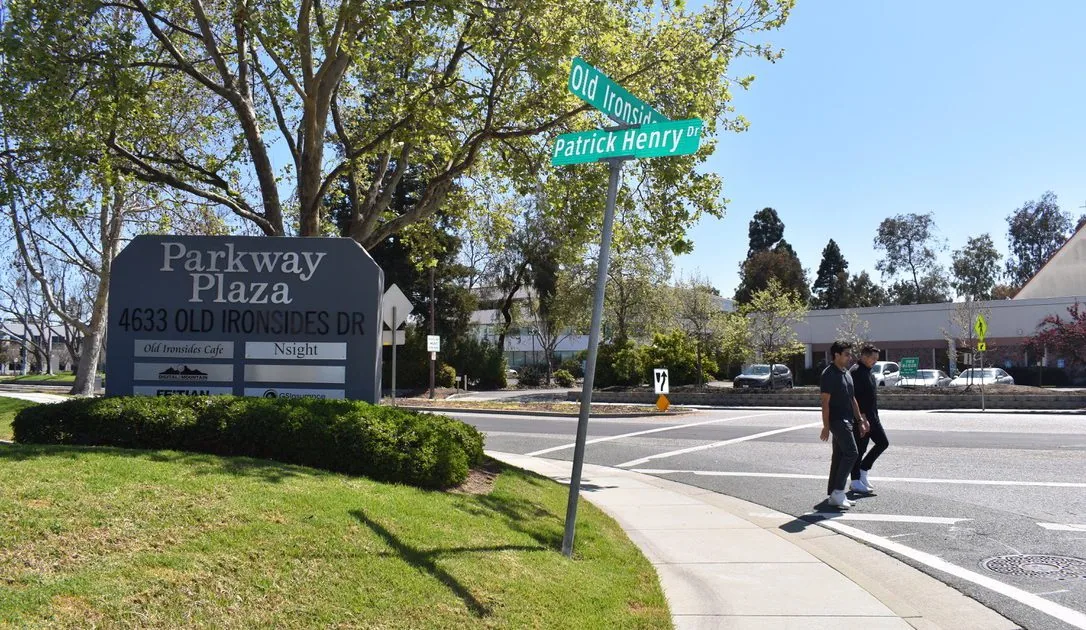
- Patrick Henry Drive Plan Area
Commercial Roofing in the Patrick Henry Drive Plan Area
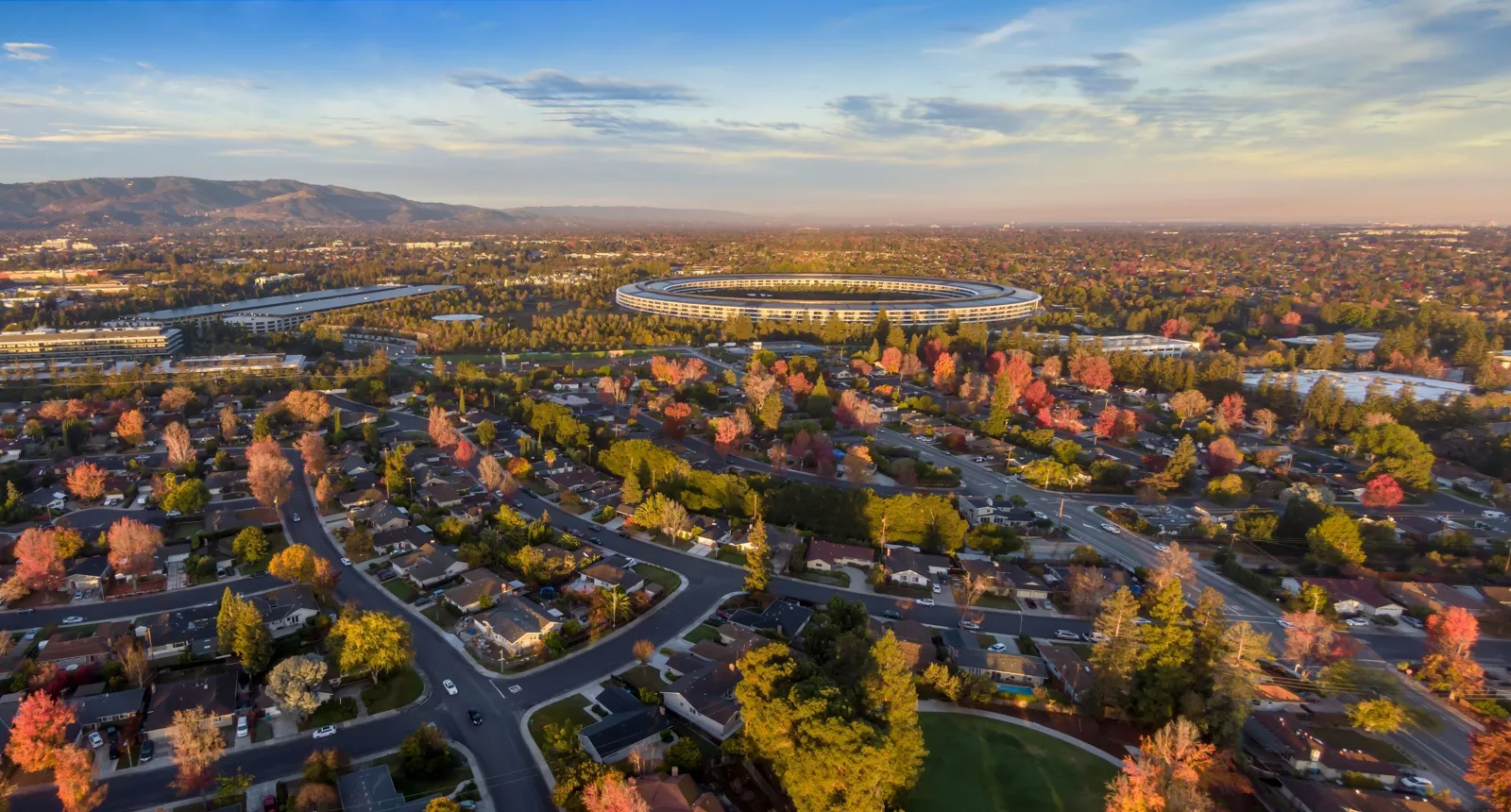
The City adopted a Patrick Henry Drive plan for a defined multi-property area near Mission College and Great America Parkway. Redevelopment planning does not establish the present condition or intended life of an individual roof. We inspect the actual assembly, locate drainage and edge details, and identify access restrictions supplied by the operator. If a property is changing use or management, put the approved occupancy plan beside the roofing scope. Price the repair or capital work that current evidence supports.
The City adopted the Patrick Henry Drive Specific Plan in March 2022. Its boundaries include Mission College, Great America Parkway, and Calabazas Creek. It guides future land use. Our roof capital planning uses the owner’s actual property schedule alongside inspected condition. Planned land use and a present roof correction are different approval decisions.
Patrick Henry Drive Plan Area: What the Work Covers
An owner may expect a building to remain occupied, transfer to a new manager, or enter redevelopment review. We ask for the approved schedule and the operational requirements that apply now. A conceptual plan is insufficient to decide repair duration or daily access. The proposal should identify the condition being corrected and the reason the scope fits the intended use.
A repair on sound surrounding material can provide a limited correction. A patch cannot turn an unsuitable assembly into a suitable one. Wet insulation, insecure attachment, or a damaged deck may require additional removal and review regardless of a short holding period. We explain these constraints in the bid sheet. Ownership can then compare a technically adequate limited scope with a larger option without treating future plans as permission to leave an active defect unresolved.
An interim repair deserves a record of its expected review point. We state which accessible detail was corrected and which wider condition remains for capital evaluation. A manager should be able to explain the decision to a new ownership representative without reconstructing the original telephone conversation. Include the proposed operating restrictions, the repair boundary, and any additional examination needed before a later system choice. The review point is tied to a condition or property decision, not an invented remaining roof life. A sale, changed use, fresh leak report, or approved redevelopment schedule may justify reopening the assessment. The existing record then provides a starting point for that review while keeping present maintenance obligations visible during the period before the larger business decision is settled.
An accessible outlet and the surface leading toward it provide the first roof drainage observations. We note debris, damaged connections, and retained water where present. Persistent ponding needs examination of outlet elevation, slope, and possible piping restrictions. The location of Calabazas Creek in the plan boundary does not establish a roof drainage problem at a nearby property.
Our roof outlet maintenance and repairs separates cleaning from component replacement and plumbing investigation. Surface cleaning may be enough for an accessible obstruction. A damaged connection needs another task. Changing outlet capacity or adding a drainage point requires appropriate design and permitting review. We put those dependencies before the proposed installation date so the owner does not approve a field change that has not been evaluated.
A recover recommendation needs more than an intact visible sheet. We examine the existing layers, attachment, moisture condition, drainage, and accessible supporting construction. Additional investigation may be necessary to establish whether a retained roof can accept the proposed system. We identify those requirements before describing a recover as an available alternate.
Restoration has a different preparation path. The coating needs a sound, compatible surface, and details may require reinforcement or removal of failed material. Replacement includes tear-off, disposal, deck assessment, and closure of exposed areas. Each option should show its own work quantities. Our assessment for a roof recover explains the conditions that permit retained construction. The comparison stays tied to the actual assembly instead of the property’s street name or broad development identity.
Planning and Completing the Work
Material storage and lifting need approved locations. The manager identifies occupied entrances, deliveries, and rooms requiring special protection. We review the route to the roof and the work area we can safely close each day. Noise-sensitive activities may limit timing or change installation sequence. Those limitations affect production and belong in the proposed price.
Nearby Mission College Boulevard corridor require their own appointment details and work permissions. We can coordinate multiple roof reviews without assigning one building’s access arrangements to another. A shared day of inspections still produces separate findings. For removal work, uncertain deck repair quantities get a defined approval mechanism. They should not be mixed with predictable access costs, which the manager can help establish before the crew arrives.
An alternate should make its difference visible. It may retain an eligible layer, change the proposed system, or reduce an approved phase. It should not quietly omit required flashing or drainage work. We present included quantities, preparation, and outstanding dependencies beside each option. The owner can then see where the lower total comes from.
For a property near Great America Parkway corridor, confirmed operating restrictions may also affect the work date. We ask for those restrictions at the subject address. A condition report with located findings supports the approval request by separating active exposure from future investigation. It does not predict the precise day a roof will fail. A defensible priority explains the present evidence and the consequence of deferring the identified correction.
A property nearing a management change still needs a usable roof record. We identify completed repairs, construction retained at their boundaries, and unresolved conditions requiring approval. Drain locations and accessible traffic paths should remain clear to the next manager. A set of photographs without location labels provides little help after the current staff changes.
Seasonal review can then target the roof’s actual details. Check exposed repairs, accessible outlets, and fresh damage rather than repeating a generic visit list. For the Patrick Henry Drive plan area, set each work limit. Immediate protection depends on safe access and the condition found. The permanent follow-up scope remains visible in the record. That protects current tenants while ownership considers its longer property plan and the next capital decision.
Plan-area coordination: distinguish redevelopment from today's roof scope. The adopted Patrick Henry Drive Specific Plan guides future land use and redevelopment across a defined multi-property area. That planning context can help an owner coordinate roof investment with an approved project timeline, but it does not establish an individual building's condition, ownership or demolition schedule. For a current assignment, verify the parcel and operator, document the roof area available for inspection, and ask whether any confirmed construction or occupancy change affects access. Keep near-term leak correction separate from a longer-term capital decision until the owner confirms the project assumptions. This is especially useful where adjacent properties may be at different stages of planning.
Budget check: Protect the current use
Arrange a pre-season Patrick Henry area roof check. We will prepare a plain bid sheet for ownership with present repair needs, access costs, and capital decisions separated.
Frequently Asked Questions
Present condition still determines necessary correction. We assess limited repair options against the owner’s actual holding schedule and occupied use.
Construction and suitability need confirmation first. We state the investigation required before treating recover as a firm option.
Proximity alone does not establish a rooftop condition. The inspected slope, outlets, and downstream system determine the drainage assessment.
We label buildings, roof levels, and completed tasks. Unresolved items remain clear for the next management handoff.

Roof Assessments
Santa Clara & the South Bay
Membrane, flashing, drainage and edge details checked and written up before any work is priced.
Request a Roof Assessment