- Home
- Roof Systems
- EPDM Roofing
EPDM Roofing in Santa Clara, CA
Flex Alerts accompanied the regional heat event in September 2022, giving managers a reason to examine roof choices before the next hot period. For a property manager in Santa Clara, CA, an EPDM decision starts with an approval question: is the proposed assembly suited to the building, including its surface and energy requirements? EPDM uses a rubber membrane with specified methods for joining its sheets. Its seam methods, accessories and installation choices differ from welded thermoplastic systems. We assess those differences against the actual roof rather than compare material names alone.
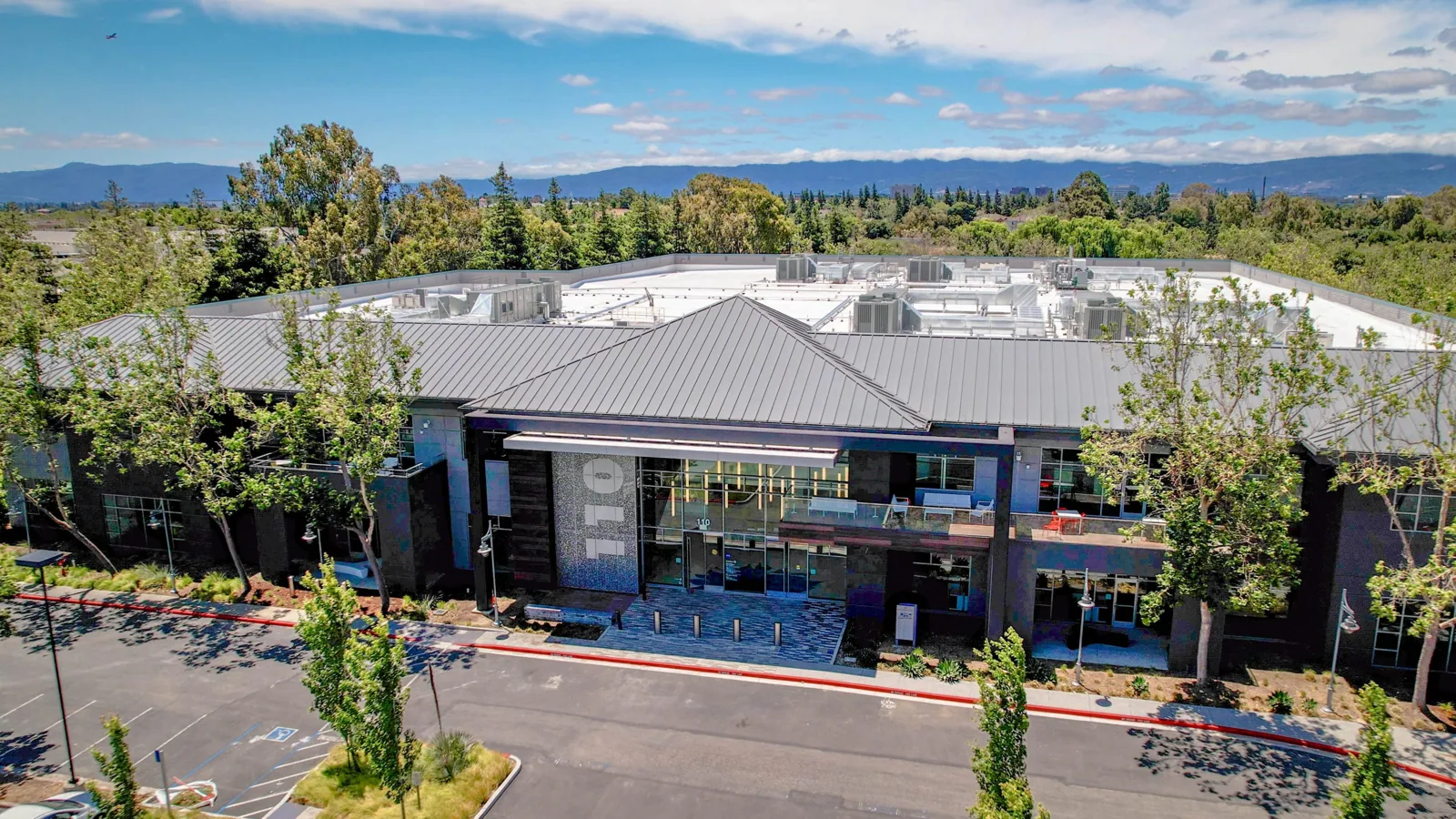
Office and R&D construction in the historical Scott Boulevard office/R&D area provides a local commercial reference for an EPDM proposal. It does not establish a membrane inventory. We inspect the property's accessible construction, discuss operating restrictions and identify needed investigation. Ownership receives a bid sheet separating existing-condition corrections from the selected EPDM assembly and its details.
EPDM Roofing: What the Work Covers
EPDM seams commonly use specified tapes or adhesive systems with suitable surface preparation. They are not made by welding the membrane like TPO or PVC. We inspect seam edges, preparation conditions and the surrounding material before proposing a correction. Product identity and the selected repair method need to be established together.
An existing seam can have an isolated defect or a broader preparation problem. We examine the available length and identify the work boundary supported by the condition. Cleaning and primer requirements belong in the scope. Adding adhesive to an unprepared edge does not establish a durable connection. The bid needs to describe the permanent correction rather than simply promise resealing.
We compare EPDM with a welded TPO assembly using the same building information. Seam methods and compatible accessories differ. Traffic, equipment work and proposed surface performance also deserve consideration. Two systems may both be technically viable, but ownership needs to see what each option includes and how it will be maintained.
A curb concentrates changes in plane and creates a termination above the roof surface. We inspect the membrane condition, accessory flashing and protection at that transition. Movement in the building or equipment can affect the connection. The correction may require rebuilding the detail if a patch would leave the underlying geometry unsuitable.
Penetrations need specified accessories and compatible materials. We review correction of damaged flashing with the condition beneath it. An equipment cabinet or wall opening may provide another water path. We identify the roofing task and coordinate a separate enclosure or equipment review when that is needed.
Edge termination and attachment help hold the installed assembly in place. We examine accessible components and identify design requirements for replacement. A sound field membrane cannot compensate for an unsuitable perimeter detail. We state the edge scope separately so a manager can see whether a competing proposal includes the same work.
Existing insulation condition affects an EPDM repair or replacement decision. Suspected moisture needs an appropriate investigation. A thermal survey may help under suitable conditions, but findings need interpretation and confirmation. We define the removal boundary supported by the evidence. Wet construction should not be treated as a sound substrate simply because the surface can accept a patch.
Deck and substrate information guide the proposed attachment. An adhered assembly needs the specified preparation and compatible bonding materials. A mechanically attached assembly has different connections to the supporting construction. The approved design and system requirements determine the details. We identify needed testing rather than assume every existing deck can receive the same fastener arrangement.
Insulation and cover-board work can change finished heights. Curbs, outlets and edges must match the revised assembly. We compare that scope with a PVC roofing alternative where appropriate. A system comparison should hold the substrate repairs and operating assumptions in view, not make them disappear under a different material total.
Planning and Completing the Work
The Bay Area storm sequence from late December 2022 into mid-January 2023 provides regional planning context. It does not establish a specific EPDM roof's drainage or leak history. We examine the actual slope and accessible outlets. Reported water locations can guide investigation, but they do not establish the exterior opening on their own.
Repair of roof outlets and drain connections may be distinct from field membrane work. We separate damaged components, obstruction and local slope concerns. The permanent detail must suit both the outlet and membrane. A new EPDM surface does not correct an outlet set above the surrounding low area without additional work.
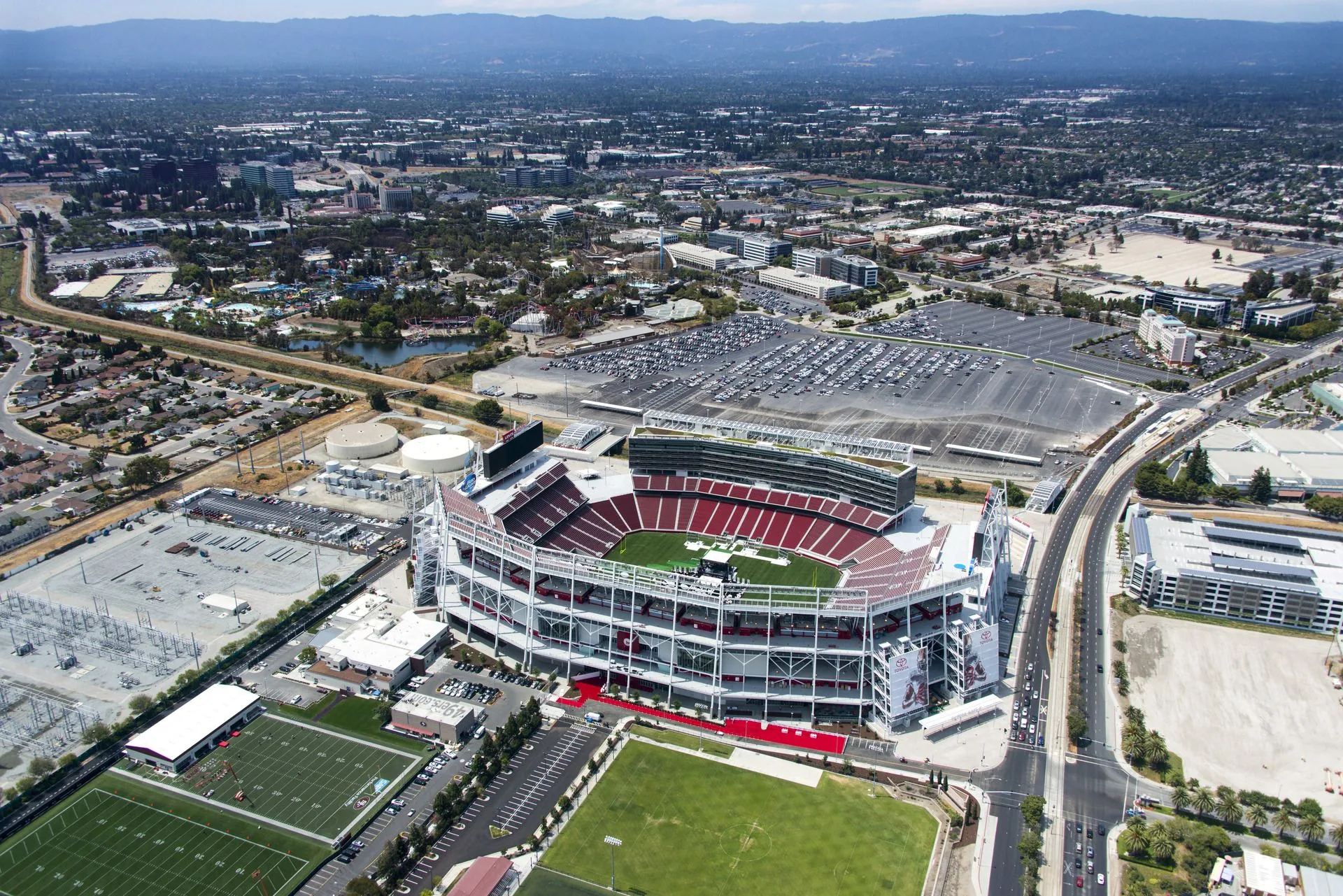
Tasman East planning near Tasman Drive and Lafayette Street supplies a local development reference. Planning approval does not identify roof materials on a present property. For buildings along Tasman Drive and Scott Boulevard, the inspection establishes the membrane, terminations and discharge route. We connect the seasonal review to observed conditions rather than infer damage from regional storms.
An EPDM product's surface characteristics need to be considered with the applicable project requirements. A dark surface and a reflective alternative should not be assigned identical thermal behavior. The owner's energy decision also involves insulation and building systems. We describe roof options without promising a specific utility reduction or indoor temperature.
Santa Clara adopted 2025 California standards and local modifications. Confirm the actual authority, accepted submission basis and work scope. Applicable energy paths and exceptions need project-specific review. An EPDM proposal must be evaluated through that basis. Neither membrane chemistry nor color, considered alone, proves the assembly satisfies the requirements.
For roof work above occupied office space, the selected preparation and adhesive products also affect construction coordination. We discuss ventilation, approved work periods and tenant access with responsible building personnel. Operational restrictions need to be settled before the installation sequence is final. Equipment isolation is performed only through authorized personnel.
A targeted repair bid should identify membrane preparation, compatible materials and the specific detail being corrected. A replacement bid needs removal, substrate work, attachment and perimeter quantities. We distinguish these scopes so ownership does not compare a localized patch with a complete assembly project as if they accomplish the same task.
Concealed conditions require a stated approval procedure. We identify the allowance trigger and how measured findings will be recorded. The manager receives photographs and the proposed correction before additional permanent work is authorized through the agreed process. Daily protection remains part of the plan while that decision is pending.
At completion, we retain product information and photographs of important connections. Future maintenance personnel need the actual EPDM repair requirements. Unrelated patch material or aggressive surface treatment can complicate later work. The owner receives a clear care record alongside the completed installation scope.
Review the EPDM assembly before ownership signs
Book a pre-season roof examination. We will prepare a plain bid sheet with seam work, substrate corrections and tenant coordination identified for approval.
Frequently Asked Questions
EPDM uses its specified taped or adhesive connection methods. Repairs need compatible materials and the appropriate preparation.
Localized work may suit sound surrounding construction. We assess the corner geometry, substrate and membrane before defining that boundary.
The applicable compliance path and selected product determine that review. Confirm authority, submission basis, project scope and any exceptions.
Insulation can contain moisture beneath the membrane. Appropriate investigation helps determine whether surface repair is sufficient.
Flashing height, outlet relationships and perimeter transitions can change. Those details need to be included with the revised assembly.
Roof Assessments
Santa Clara & the South Bay
Membrane, flashing, drainage and edge details checked and written up before any work is priced.
Request a Roof Assessment