- Home
- Commercial Roofing Services
- Commercial Roof Leak Repair
Commercial Roof Leak Repair in Santa Clara, CA
Late 2022 and early 2023 brought a regional storm sequence that makes leak preparation a practical manager's task. For a property in Santa Clara, CA, the useful question is what information will help distinguish roof entry from another source of interior moisture. The regional history cannot answer that for the building. Complaint timing, interior observations, and roof examination provide the starting evidence.
We investigate accessible roof details and identify the correction supported by the findings. Temporary protection and permanent repair have different purposes. The manager receives a bid sheet that separates them and describes any examination still needed. Ownership can then approve a defined task instead of another general leak allowance. A ceiling stain may be associated with water that traveled through concealed construction, but that possibility does not establish its entry point. We keep the diagnosis and repair boundary explicit.
Commercial Roof Leak Repair: What the Work Covers
A report should identify the affected interior area, first observation, weather or operating conditions at the time, and any previous intervention. Staff can document what they safely observe without accessing roof areas outside their permission. The operator handles electrical hazards, sensitive equipment, and interior precautions. We use the reported information to direct the examination rather than treating an interior mark as a roof coordinate.
The manager should also identify prior patches and any equipment or construction changes relevant to the complaint. Those details help distinguish a new condition from an unresolved one. They do not replace roof investigation. We record what was reported separately from what the examination establishes. Ownership receives enough context to understand the proposed next task, while the bid remains tied to the observed roof details instead of assigning every complaint after rain to the same assumed defect.
Accessible seams, curbs, walls, outlets, edges, and sheet condition can provide different entry candidates. We inspect the relevant area and evaluate which details need further examination. Some conditions support a local correction. Others remain uncertain because access, concealed construction, or test conditions limit the initial visit. We explain those limits instead of naming a cause simply to complete a repair price.
Our roof examination for an unresolved leak identifies those findings. Where suitable, thermal indications of possible concealed moisture can guide confirmation. A survey is not a direct map of every active entry point. The permanent proposal describes the detail supported by the investigation and any additional step still needed. Ownership can compare that defined correction with broader work without treating diagnostic uncertainty as proof that the full assembly requires removal.
Water can appear far from its path through the assembly. A roof opening, wall transition, plumbing line, HVAC condensate route, or duct penetration may lead to the same interior mark. We compare the report timing with accessible roof details and interior conditions, then select a test that can distinguish plausible paths without introducing uncontrolled water. If the evidence remains incomplete, the proposal names the next examination rather than labeling a suspected source as confirmed. That keeps the permanent repair quantity tied to what the investigation actually found.
Some leak investigations can justify controlled testing of a suspected interface. The method must fit the construction and the operating restrictions. We coordinate the appropriate precautions and explain what the test can establish. Water introduced without a considered plan can create additional exposure or obscure the result. We do not use testing as a substitute for identifying safe access and interior protection.
A medical office with active appointments can need operator-approved precautions during investigation. A warehouse holding sensitive goods may have different interior protection. The actual property supplies the requirements. Any exploratory opening gets an assigned closure method and status. The bid separates investigation from permanent construction, so a manager can authorize the next diagnostic step without assuming a final repair has already been determined or that every concealed layer has been evaluated.
Planning and Completing the Work
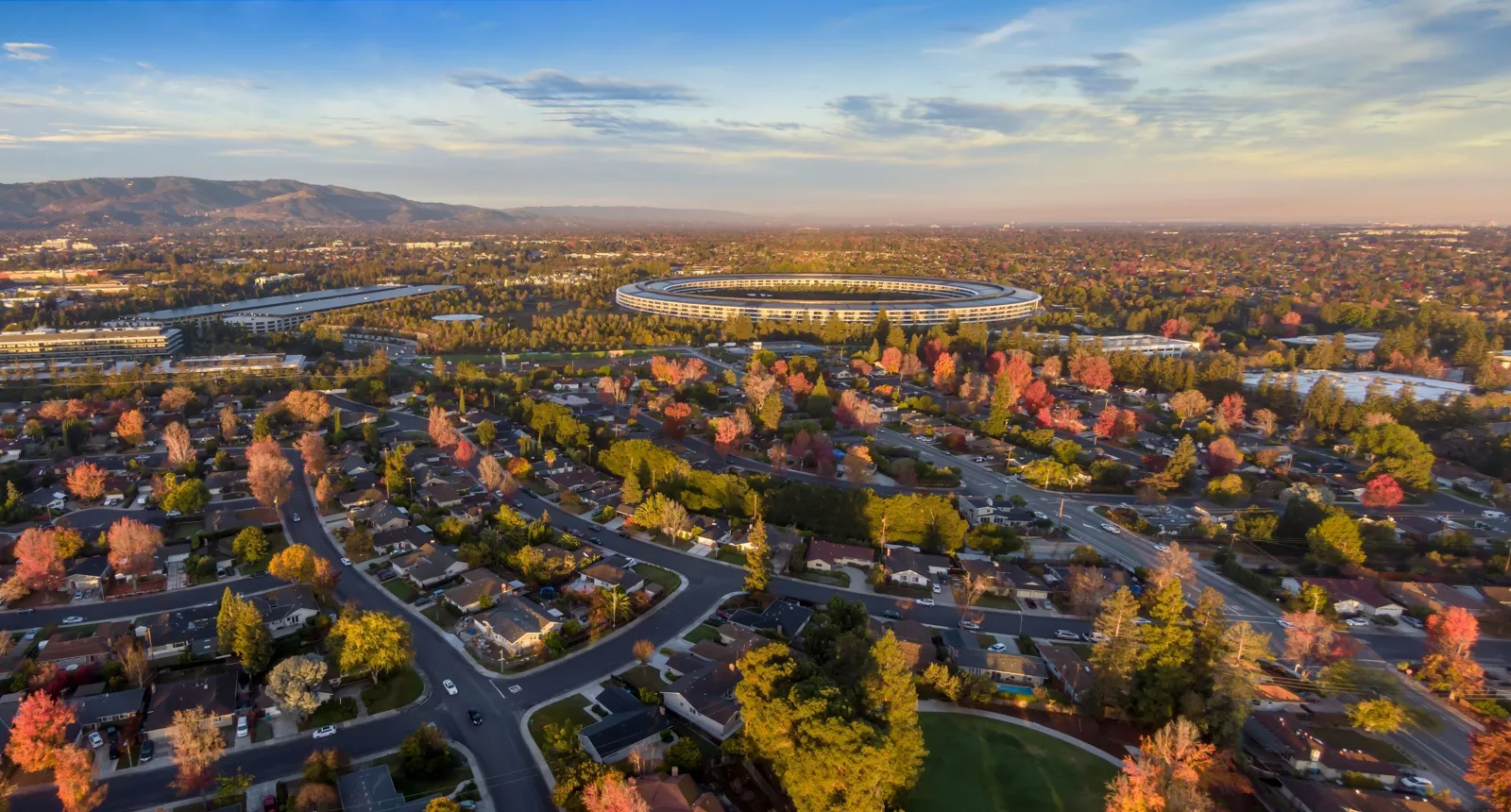
Santa Clara has an office and R&D setting at Scott Boulevard and a Tasman East planning area near Tasman Drive and Lafayette Street. A leak visit in either setting still needs the actual property's access and roof authority. Nearby development identity does not establish tenant rights, installed materials, or roof condition. We obtain the permissions required for the proposed examination and correction.
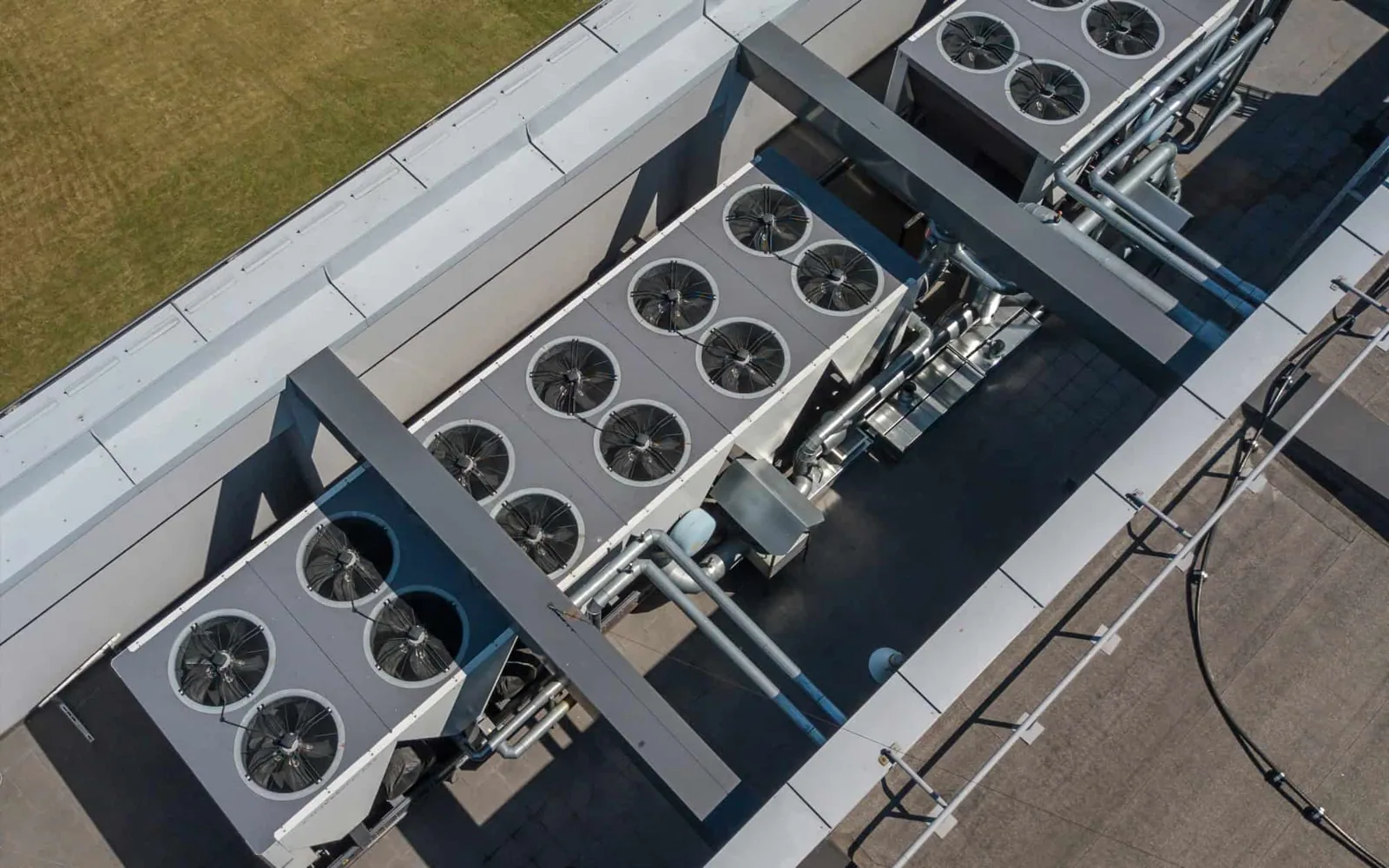
In the Tasman Drive and Scott Boulevard leak service area, a shared outlet or wall can cross the leased boundary. Tenant staff may coordinate the complaint without holding alteration authority. Equipment movement also requires the assigned qualified trade and operator consent. The bid identifies those prerequisites beside the roof task. Ownership can then approve the supported correction without assuming a local complaint provides permission to change every adjacent component used by another party.
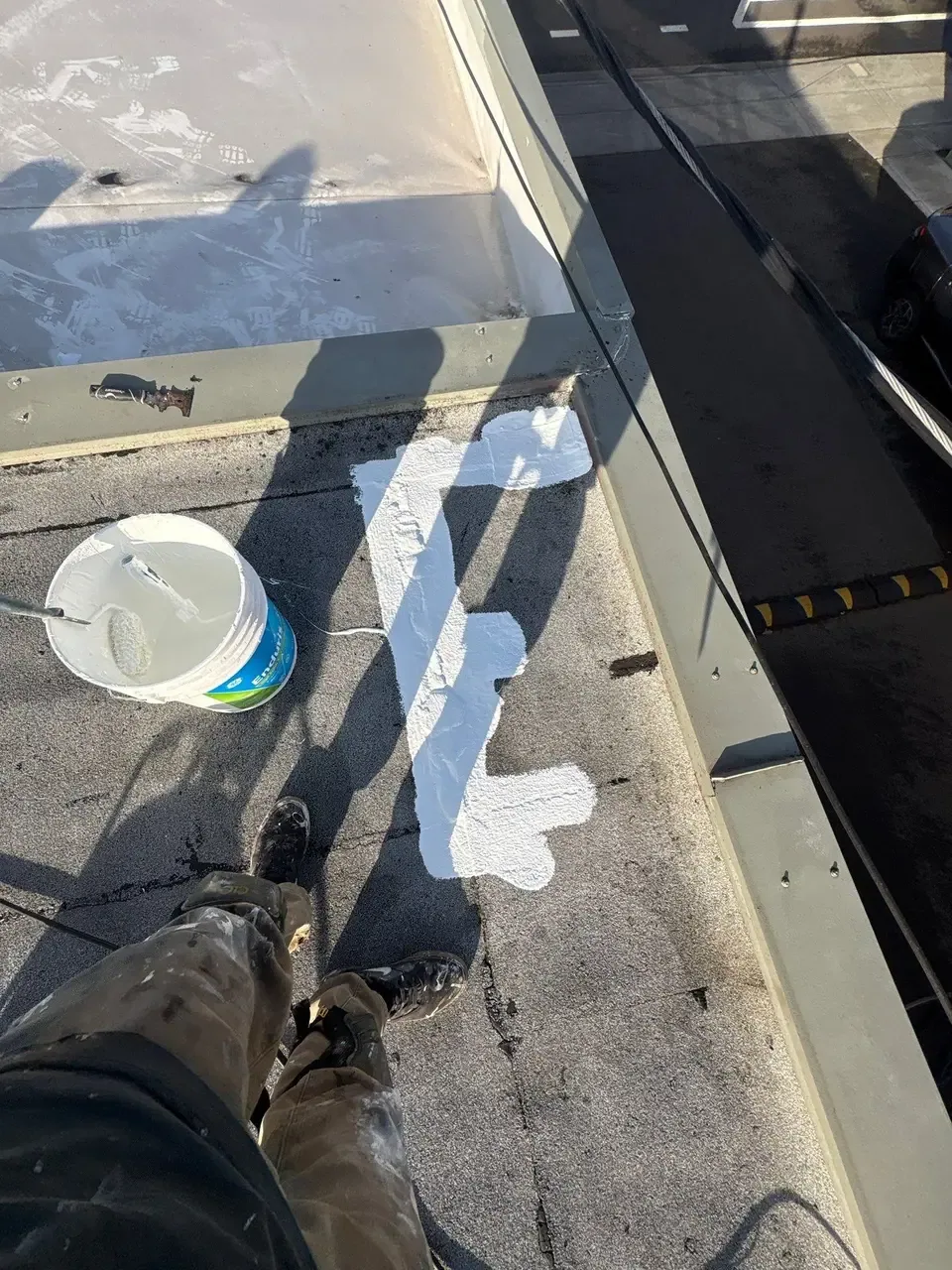
A membrane opening and confirmed wet insulation require different work from a surface sealant correction. We describe removal, preparation, compatible material, and the surrounding repair boundary. A moving penetration or failed support may require another trade's correction before the roof detail can be completed. The proposal should show those dependencies, not leave them hidden behind an instruction to seal the leak.
For permanent correction of a defined roof defect, known quantities remain distinct from concealed conditions. We agree on the review and change procedure before work. Applicable permit or energy review follows the actual authority, accepted project basis, scope, and relevant exceptions. A leak repair should not inherit an unexamined replacement requirement. Ownership receives the actual construction being proposed and the reason for its boundary, with any discovery handled through the agreed approval route.
Completion needs a record of the detail, repair area, materials, and any task still pending. Temporary measures receive an explicit status so staff know whether they remain in place. Equipment return or other trade work is shown separately from roofing completion. A broad statement that leakage has been addressed should not obscure an unresolved prerequisite at the repaired interface.
We identify appropriate follow-up for the correction and ask staff to report renewed moisture with its timing and interior location. That report can be compared with the repair record. The next investigation should not start by guessing which patch was intended to solve which complaint. Ownership can use the known boundary to plan maintenance and future budget work. The manager receives a practical reporting route, with a completed roof task distinguished from any additional condition requiring examination.
The final file identifies the corrected interface beside the examination limits that still apply to retained construction.
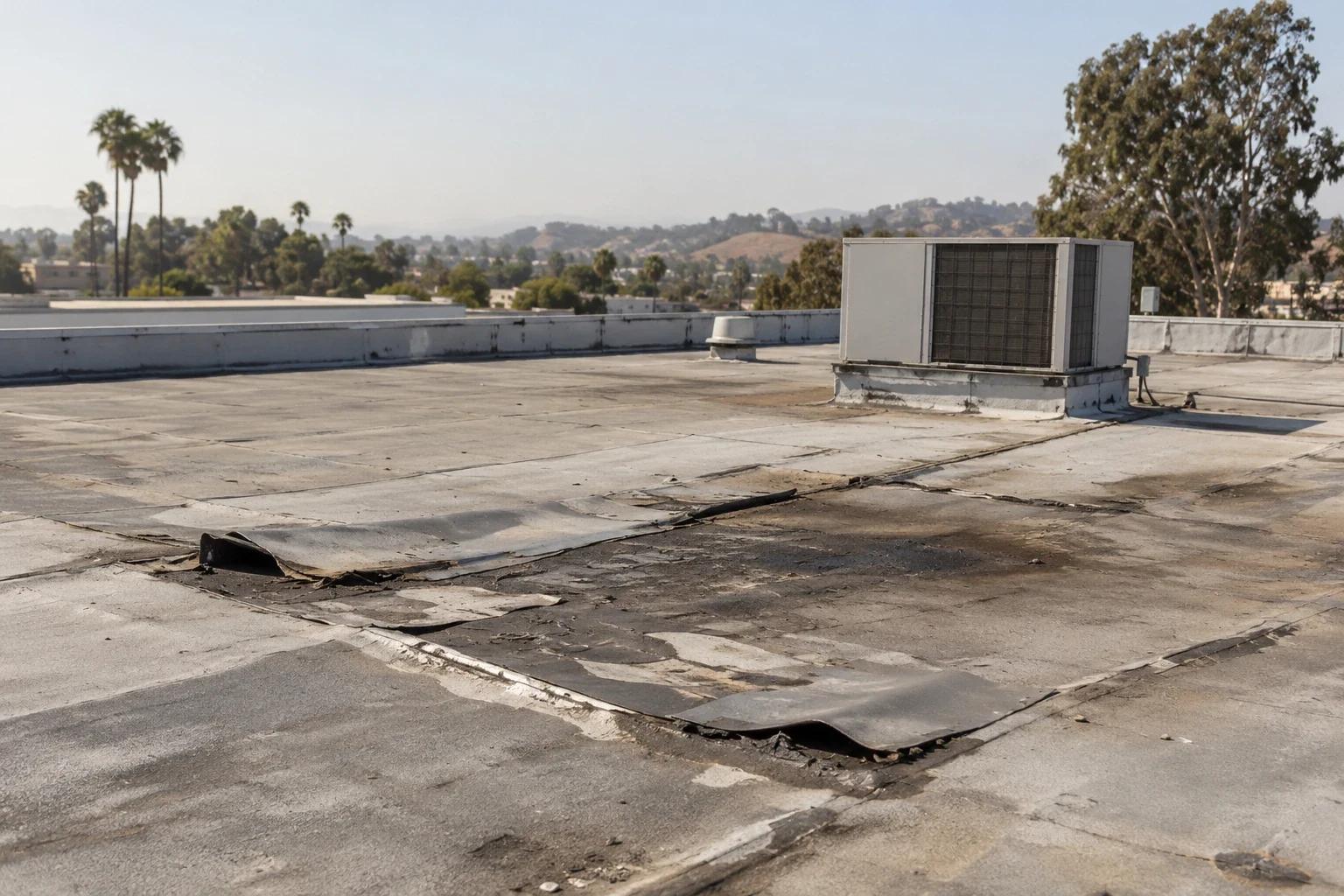
Repair boundary: connect the report to the next decision. A repeat complaint should be compared by interior location, roof reference, weather exposure and prior repair date. We document whether the observed condition is consistent with a roof opening, what adjoining construction remains unverified, and where water could travel before appearing below. The owner can then decide whether to authorize a bounded correction, request an opening for confirmation, or involve another trade. After work, the closeout records the corrected detail and any exclusions so the next visit tests a specific result rather than repeating a broad leak call.
Season check: take a defined leak task to ownership
Arrange a pre-season leak visit with complaint timing and access restrictions ready. The plain bid sheet will separate investigation, temporary measures, and the supported permanent repair.
Frequently Asked Questions
It identifies an interior observation. Water may travel through concealed construction. We examine relevant roof details and state what supports the suspected entry point before proposing a permanent correction.
No. Thermal indications can help direct confirmation of concealed moisture under suitable conditions. They do not automatically identify every entry point or the time water entered.
Yes. The diagnostic task and its protection can be defined separately. We then present the correction supported by the findings, with any remaining examination limit explicit.
For commercial roof leak repair, define the work boundary. Access, weather, and safety control immediate measures. Temporary intervention is documented for the follow-up repair decision.

Roof Assessments
Santa Clara & the South Bay
Membrane, flashing, drainage and edge details checked and written up before any work is priced.
Request a Roof Assessment