- Home
- Industries We Serve
- Manufacturer Facility Roofing
Manufacturer Facility Roofing in Santa Clara, CA
September 2022 brought regional heat and repeated Flex Alerts. For a manufacturing property manager in Santa Clara, CA, that history raises a scheduling question: which roof tasks need an approved process interruption? Roof condition still needs examination. Electrical demand is not evidence of membrane damage. The useful first step is to place actual roof defects beside the restrictions imposed by the operation below them.
Manufacturing roof work can involve exhausts, pipe crossings, service paths, and equipment supports. Each needs a defined owner. We separate roofing corrections from mechanical isolation and structural changes. A tenant can explain a production constraint; building ownership must approve work within its authority. The bid sheet should identify both. Otherwise, a low roof price can omit the protection that allows the work to proceed. We prepare that distinction before material selection, so the manager can present a complete proposal rather than an open-ended roof allowance.
Manufacturer Facility Roofing: What the Work Covers
A cutting operation, clean workroom, and ordinary storage room may require different controls during overhead work. We ask the operator to identify sensitive interior areas and approved response procedures. That information determines exclusion zones, temporary protection, and the size of a practical work stage. A roof drawing alone cannot settle what happens to the operation below an opened deck.
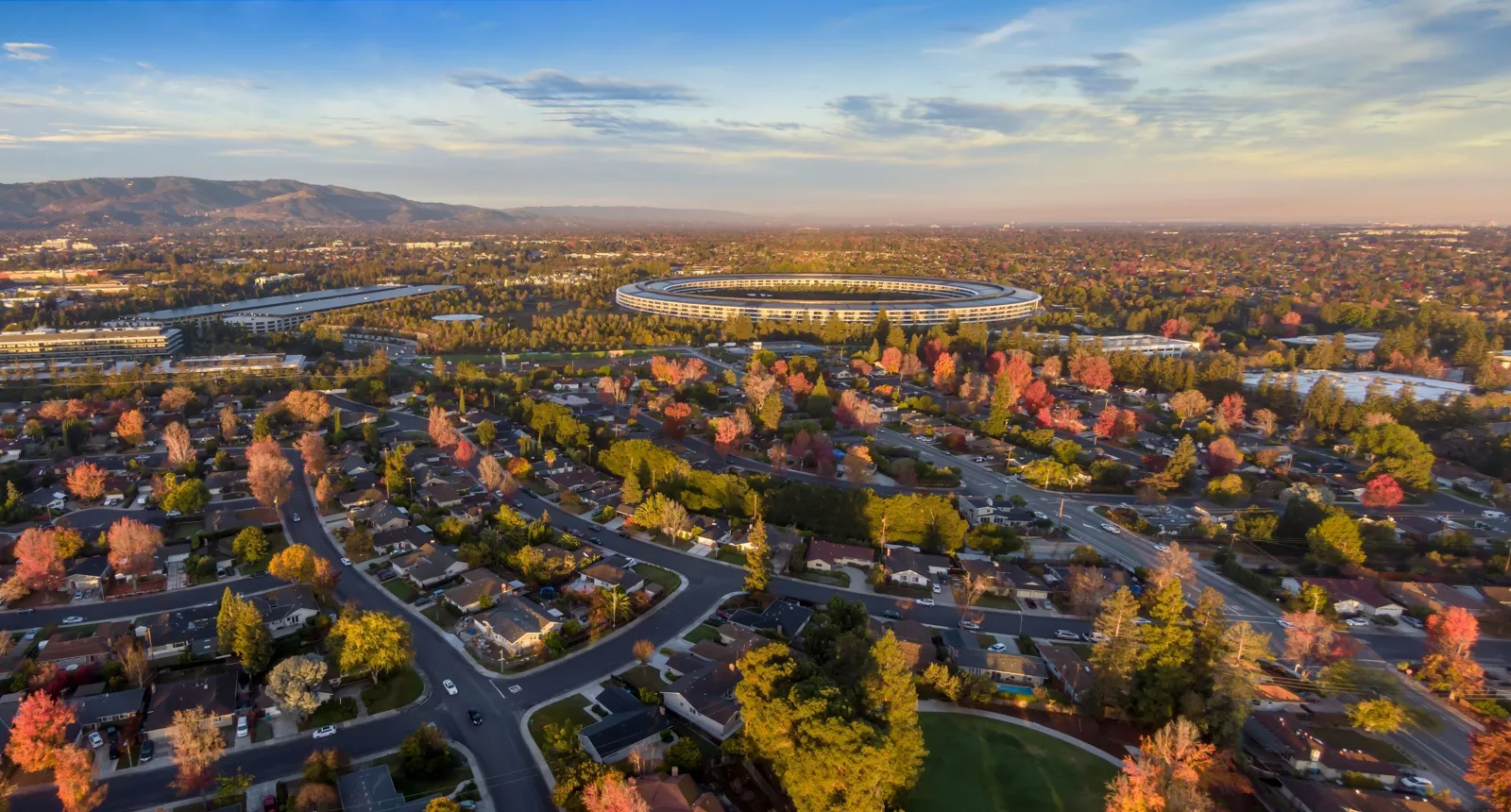
Office and R&D development at Scott Boulevard gives Santa Clara a distinct commercial setting. Tasman East planning near Tasman Drive and Lafayette Street gives another. Neither description identifies the assembly at a proposed work address. Within the Scott Boulevard and Tasman Drive work area, we examine the actual roof and confirm operator permissions. A manufacturing tenant sharing an office or research property can need coordination with the property management firm. That discussion belongs in the scope, including responsibility for protecting equipment and reporting any interrupted service.
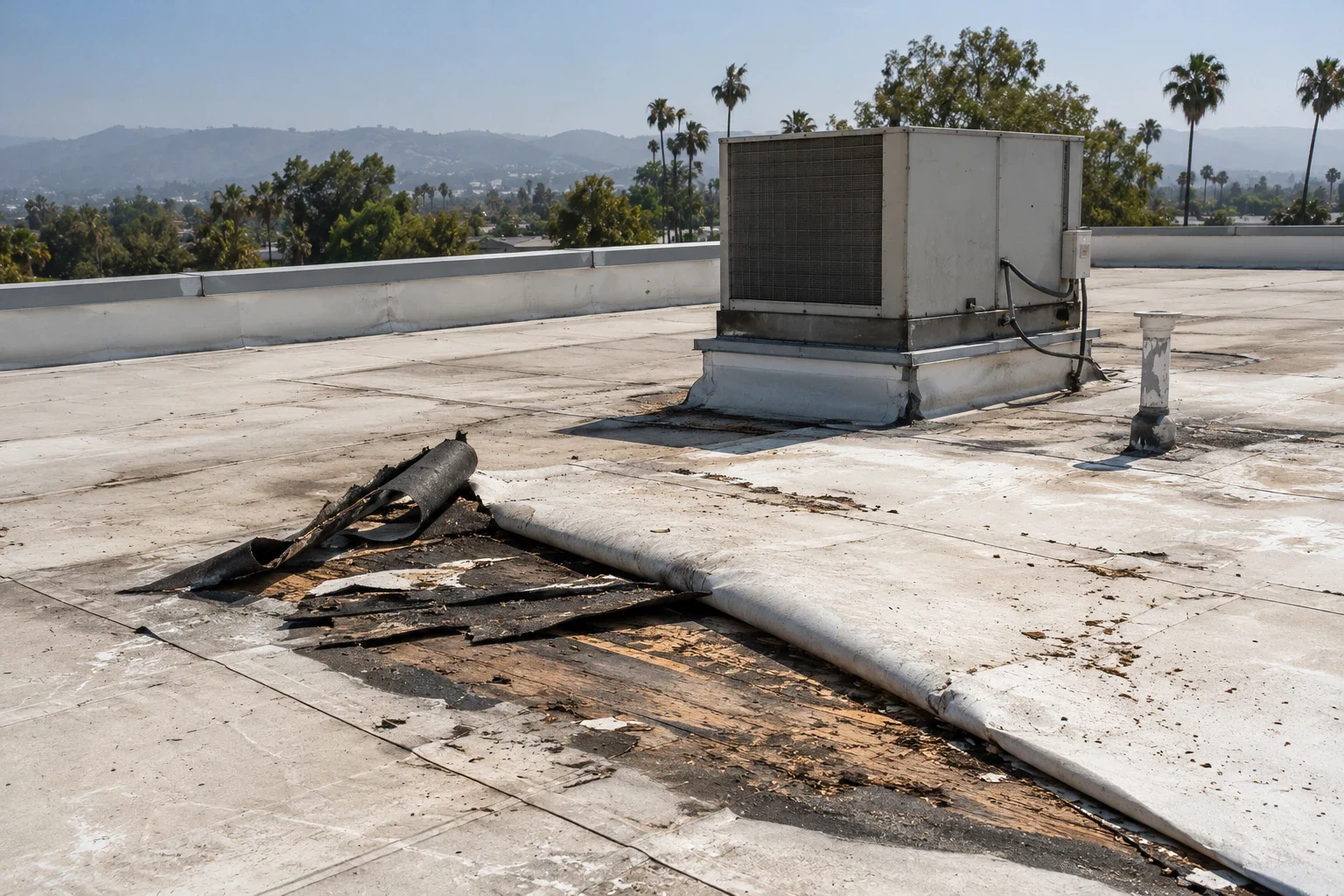
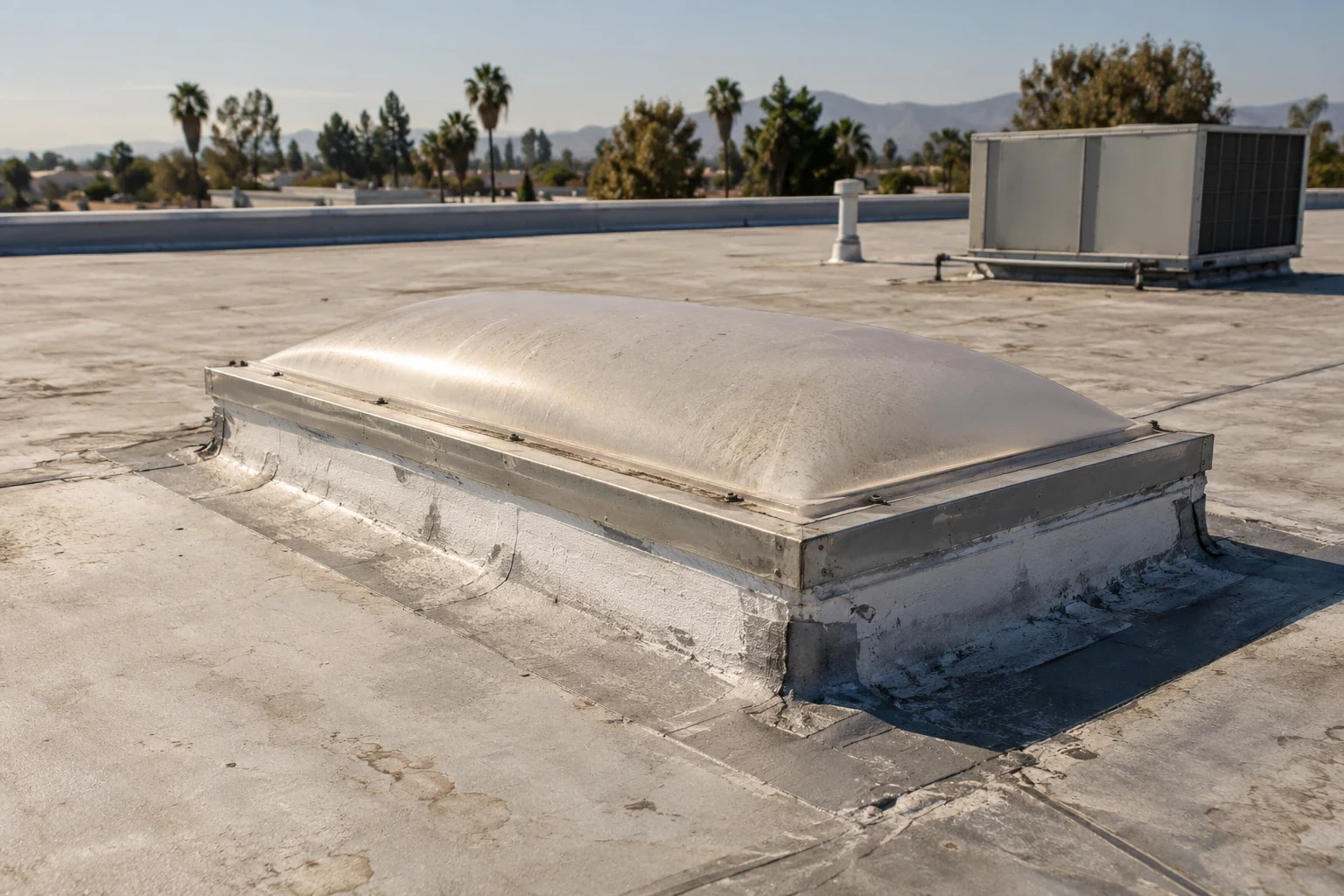
A pipe collar split at the top needs a different correction from a loose support bearing through insulation. We examine the moving joint, the support arrangement, and the surrounding sheet. We look for incompatible sealant, compressed insulation, and flashings too low for the intended work. Replacing surface sealant without correcting movement can leave the same stress at the new repair.
Our penetration flashing repairs distinguish the sheet detail from changes to the penetrating item. Qualified trades handle equipment disconnection, process isolation, and support alteration as required. We coordinate their completed work before closing the roof detail. Where testing or exploratory openings are needed, we define the location and temporary closure. The manager receives a repair boundary they can authorize. They also receive a list of prerequisites that belong to someone else, with those tasks assigned rather than hidden in a general exclusion.
Chemical discharge and routine foot traffic can affect system suitability. We identify the exposure with the operator and examine the existing membrane before proposing a replacement material. A roof over manufacturing space is not automatically exposed to every chemical used inside. The discharge route and actual contact matter. Product compatibility must fit that exposure and the supporting assembly.
For roof work over manufacturing operations, the investigation also considers moisture beneath the sheet. An infrared survey can help locate areas to examine; it does not establish every wet layer by itself. Selected openings can clarify the assembly and the removal boundary. We state the examination limits in the bid. A coating needs a sound, prepared substrate and suitable adhesion. A recover needs an acceptable existing assembly. Neither should be selected simply because it avoids describing the damaged material that remains underneath.
Planning and Completing the Work
An approved shutdown can be short enough that a complex deck repair no longer fits. We review the permitted working period against removal, inspection, drying, trade work, and weather protection. The operator decides process interruptions. We define which roof stage can be closed safely within those restrictions. A half-completed penetration should not become an unpriced overnight exposure.
The regional rain sequence spanning late 2022 and early 2023 makes the daily closure plan a useful part of seasonal preparation. We check the current forecast and material requirements for the scheduled task. The general contractor coordinating other trades needs the same stage boundary when the roofing is part of a larger project. We also identify lifting locations, temporary storage, and protected staff routes. Repeated setup, restricted access, and off-hours labor belong beside their quantities. That makes the operating cost visible before ownership chooses between repair and replacement.
A bid that says only repair flashing leaves too much unresolved. We show the affected details, preparation, wet-material removal where established, compatible replacement, and completion photographs. We price any uncertain substrate work through a clear allowance or change procedure. The manager can then see what the base price accomplishes and which discovery would change it. Quantity differences become apparent without relying on broad assurances.
Applicable permits and energy requirements also depend on the actual project. The adopted 2025 standards, accepted application basis, proposed scope, and available exceptions need the proper authority review. We coordinate the roofing information needed for that decision. Insulation and cover-board selection must fit moisture, fastening, exposure, and the required assembly. Ownership should receive the proposed construction, not just a membrane name. At handover, we distinguish completed roof details from remaining operator or trade obligations, so the next maintenance task starts with an accurate record.
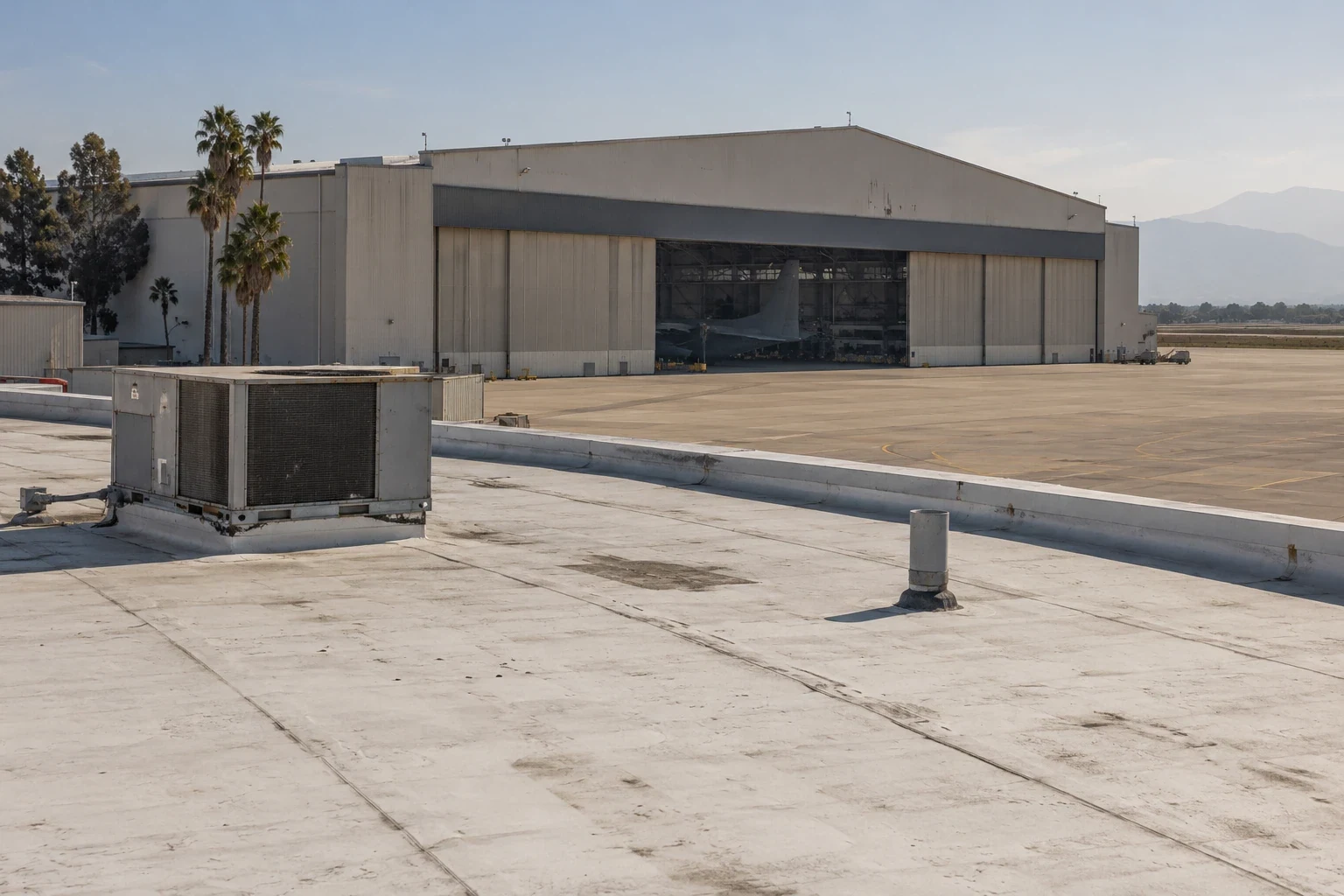
Service access deserves a final check before handover. We identify where rooftop personnel can travel and where movement needs additional protection. Equipment clearances must remain workable after new insulation or flashing changes. A material delivery left across an outlet can undo drainage preparation. The final walk checks these practical details and records unresolved items with an assigned party. It also gives the manager a basis for budgeting future inspections without turning every minor observation into immediate replacement.
We mark those access decisions beside the affected details.
Plant property group review: separate roof findings from process risk. A manufacturer managing several facilities can use a common report format for roof zone, process area below, observed condition, access limits and recommended next action. The content should remain site-specific: process exhaust, chemical exposure, equipment and production constraints differ by building. Identify which task requires the plant to release equipment or authorize a shutdown, and which scope is strictly roofing. Where a repair depends on a process or mechanical interface, name the responsible trade and preserve the unresolved question. This distinction supports capital prioritization while avoiding unsupported conclusions about production continuity or equipment performance.
Season check: protect the work below
Book a pre-season manufacturing roof check. Take a plain bid sheet to ownership with process restrictions, trade responsibilities, and the proposed repair boundary.
Frequently Asked Questions
The shutdown must allow the full repair and safe closure. We review the permitted period with the operator and identify trade prerequisites. A short window may support a smaller work stage.
Actual exposure controls that choice. We examine discharge contact and obtain compatibility information for the proposed assembly. Unexposed roof areas may have different requirements from the area beside an exhaust.
The assigned qualified trade handles movement and isolation under operator approval. Our scope identifies that prerequisite and the roof work needed after the equipment returns to its approved position.
For a reported leak, access and safety determine what immediate measures are appropriate. We record temporary work and provide the permanent correction separately.
Roof Assessments
Santa Clara & the South Bay
Membrane, flashing, drainage and edge details checked and written up before any work is priced.
Request a Roof Assessment