- Home
- Roof Systems
- Built-Up Commercial Roofing
Built-Up Commercial Roofing in Santa Clara, CA
Late December 2022 through mid-January 2023 brought a regional succession of atmospheric rivers. The planning question for a built-up roof in Santa Clara, CA: which concealed layers are included in the repair decision? A dry-looking surface alone cannot answer it. We inspect the asphalt assembly, identify investigation needs and explain what the proposed scope retains before the manager takes it to ownership.
Built-up roofing uses successive reinforcing plies with bituminous material and a protective surface. That layered construction needs sound connections at its boundaries. Deterioration can be local, or it can involve material beneath the visible surface. Historical office and R&D development on Scott Boulevard provides a local commercial setting for the discussion. Roof material and condition still come from the particular property. We connect seasonal review to that examination, with a bid sheet that states the retained assembly.
Built-Up Commercial Roofing: What the Work Covers
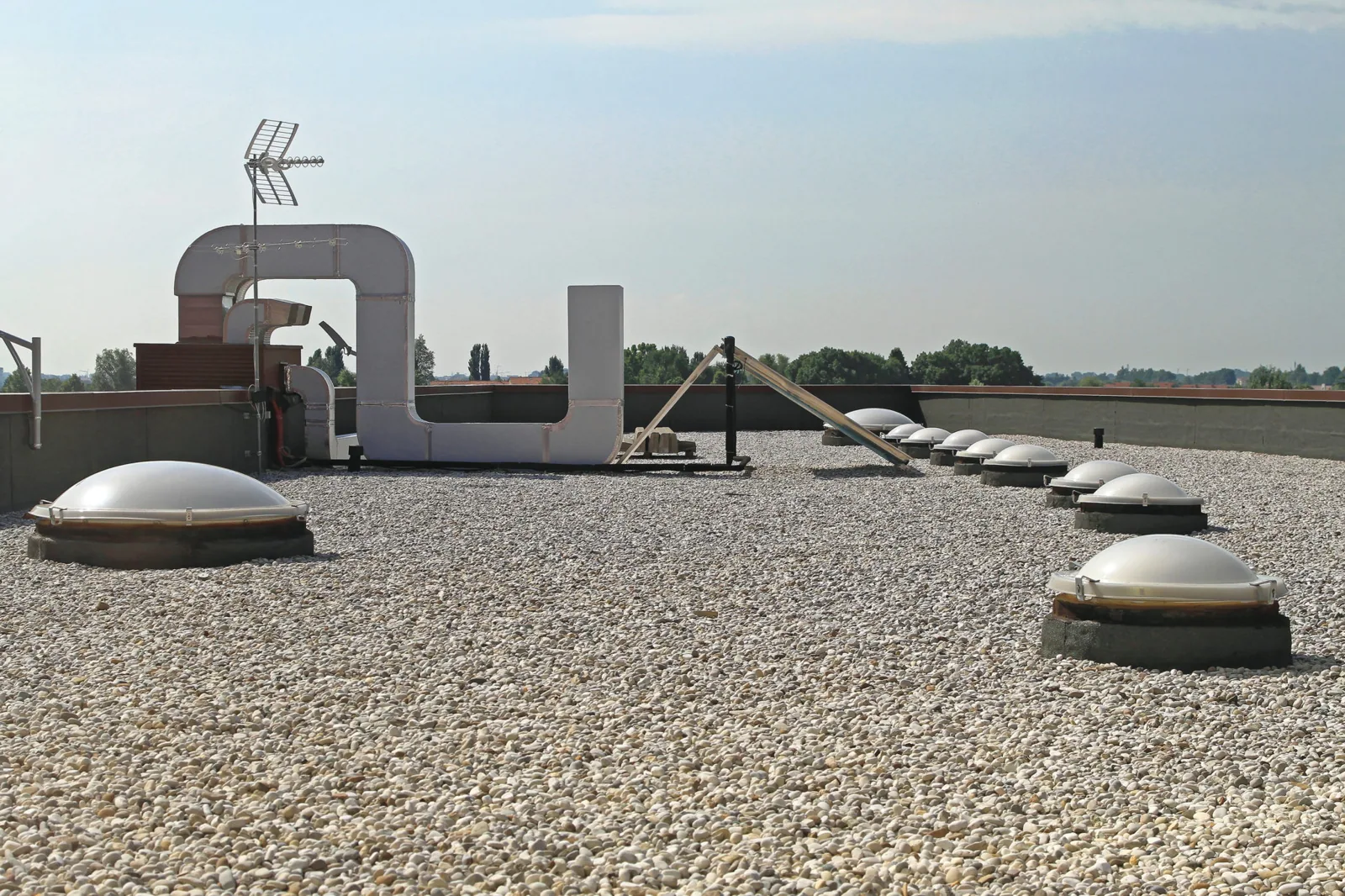
Loose aggregate and a coated surface require different inspection approaches. We examine accessible areas without treating surface appearance as proof of ply condition. Displaced aggregate can expose bitumen to sunlight. A worn coating may need attention even where the reinforced layers remain serviceable. We identify the type of surfacing, areas of exposure and evidence of deterioration. The recommended task should restore the appropriate protection and address the construction beneath it.
A repair needs a compatible receiving surface. Cleaning and preparation come before new material. Debris, unstable aggregate or an unsuitable previous coating can prevent the intended bond. We distinguish surfacing maintenance from Installing reinforced asphalt sheets as a repair or replacement choice. Owners should not compare the two as equal quantities of roofing work. The bid should describe the area treated, material removed, layers added and how the surface will be finished after the repair.
A surface crack may be shallow, but a split reaching through the plies can admit water into the assembly. We examine its length, adjacent bond and relationship to joints or movement. The same visible symptom can require different repairs on different receivers. A localized correction should reconnect sound construction, rather than bridge unstable material. Soft areas, separation or recurring defects can require openings before a practical repair limit is established.
We can use Roof moisture screening to guide that investigation under suitable conditions. Selective confirmation helps distinguish a thermal indication from actual moisture in a particular layer. The manager receives the removal basis and any access limitations. Wet insulation may require removal even where the surface is intact. That cost should appear beside temporary protection and deck work. A coating proposal that retains concealed wet material does not resolve the condition that justified opening the roof.
A parapet flashing must meet the field plies and finish securely at the wall. We examine the backing, corners, top restraint and counterflashing. A loose wall component can affect the roofing connection, so the scope needs more than an asphalt patch. Equipment curbs also deserve separate examination. The roof connection, curb condition and service access path can each produce a different task. Qualified trade involvement is arranged where the work extends beyond roofing.
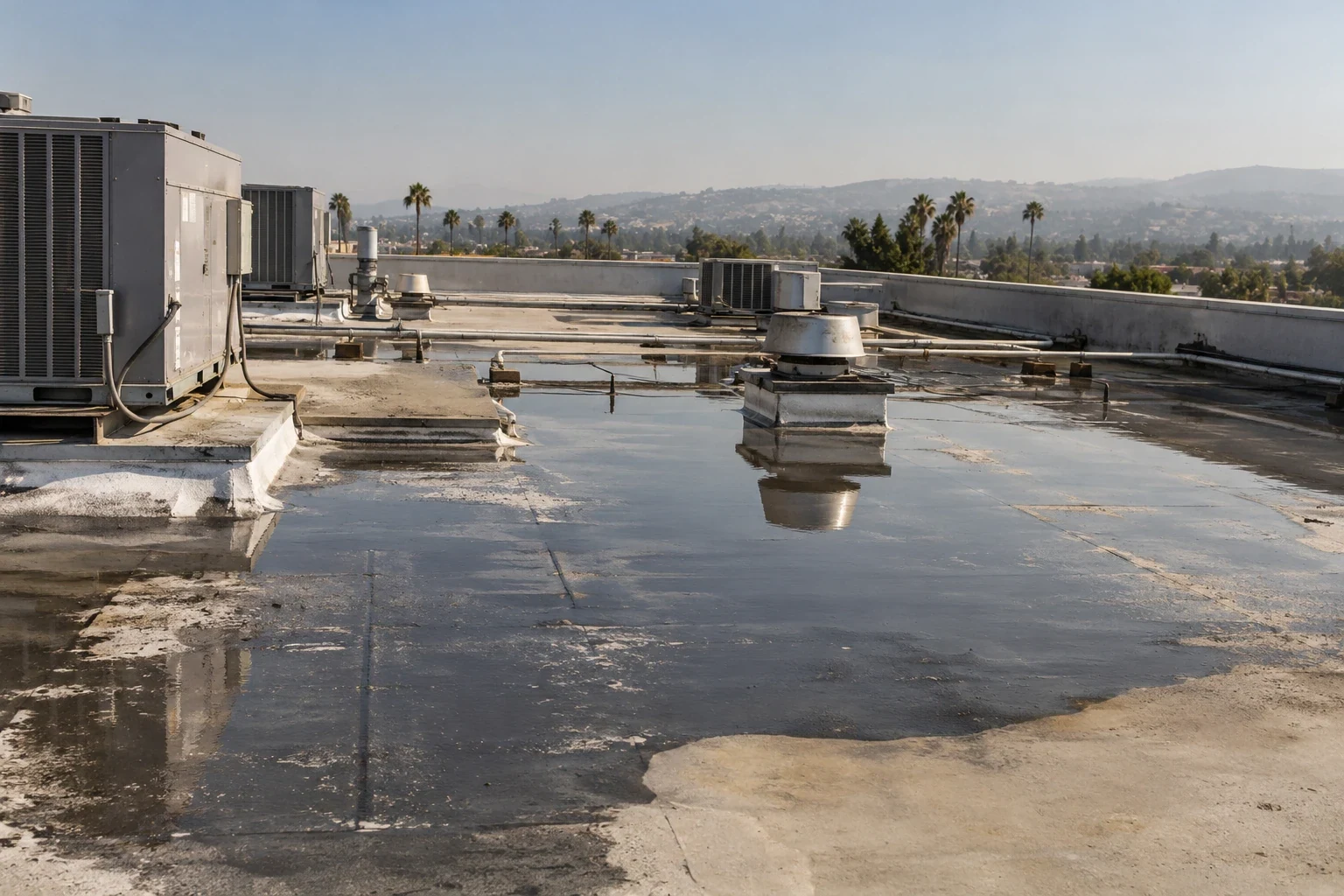
Drain connections need an appropriate transition through the roof layers. We examine the receiver and clamping arrangement, then consider how water reaches that outlet. Correcting an observed ponding condition requires finding its actual mechanism. Debris, an obstructed opening and an inadequate slope are different findings. The regional rain sequence does not prove any of them. We identify the affected drainage route and include design review if the correction alters the assembly or drainage layout.
Planning and Completing the Work
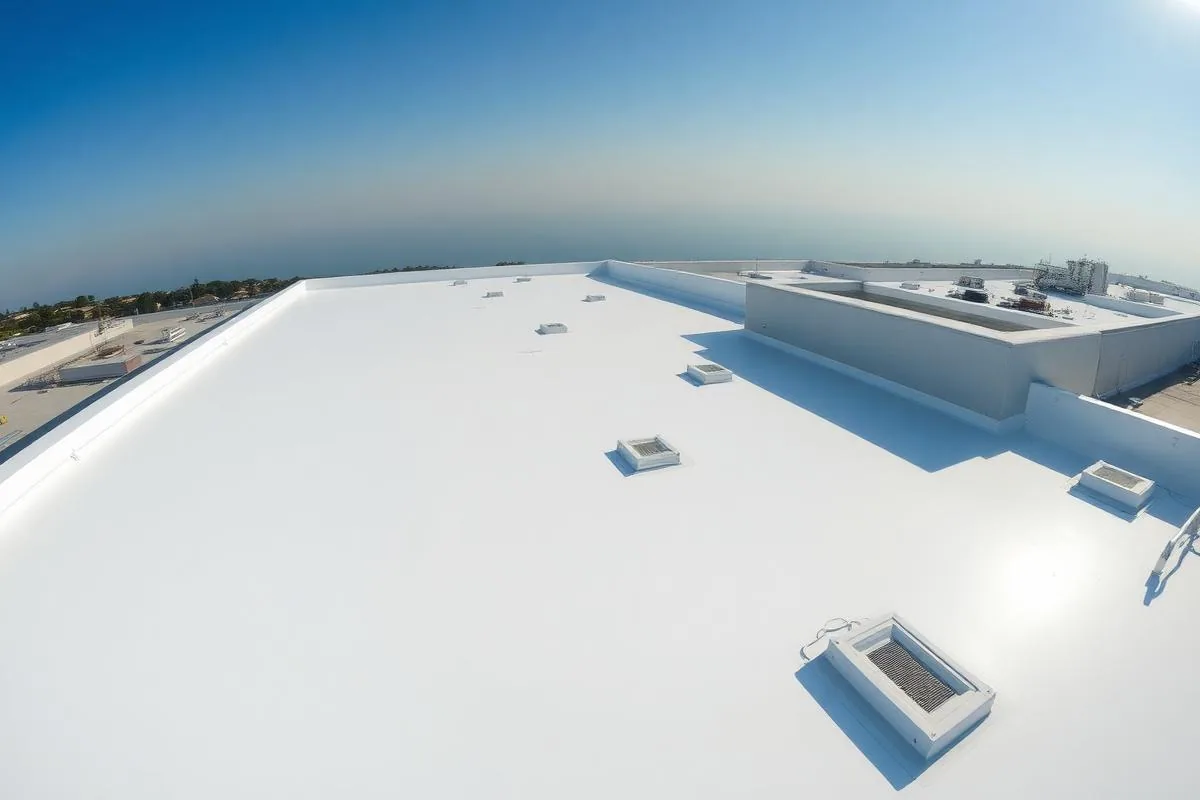
A built-up replacement bid should identify plies, bituminous material, surfacing, insulation and attachment. Removal depth also matters. Deck condition may require repair, and the budget needs a defined treatment for concealed deterioration. We inspect the receiver and establish the proposed work limits before comparing systems. A single-ply TPO alternative changes construction and installation methods, but it still needs an acceptable deck and a resolved perimeter and drainage arrangement.
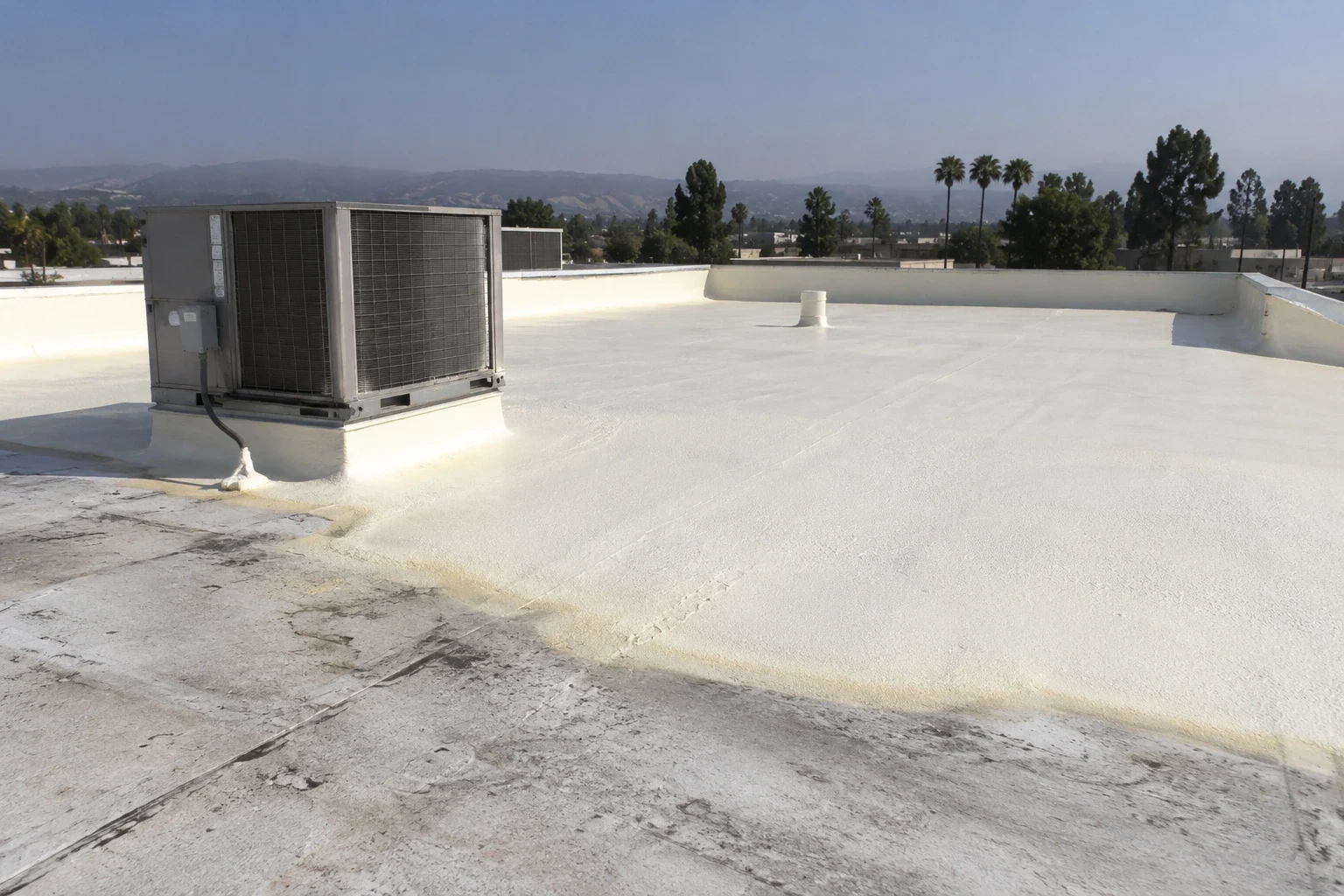
A suitable existing surface may support A restoration coating after preparation. That option needs adhesion evaluation, compatible materials and repairs to the underlying roof. It does not add a new set of reinforcing plies unless specifically designed to do so. Compare retained defects, removal needs and future maintenance obligations alongside the initial scope. An ownership decision should distinguish a surface treatment from renewed roofing construction, even when both proposals include a reflective finish.
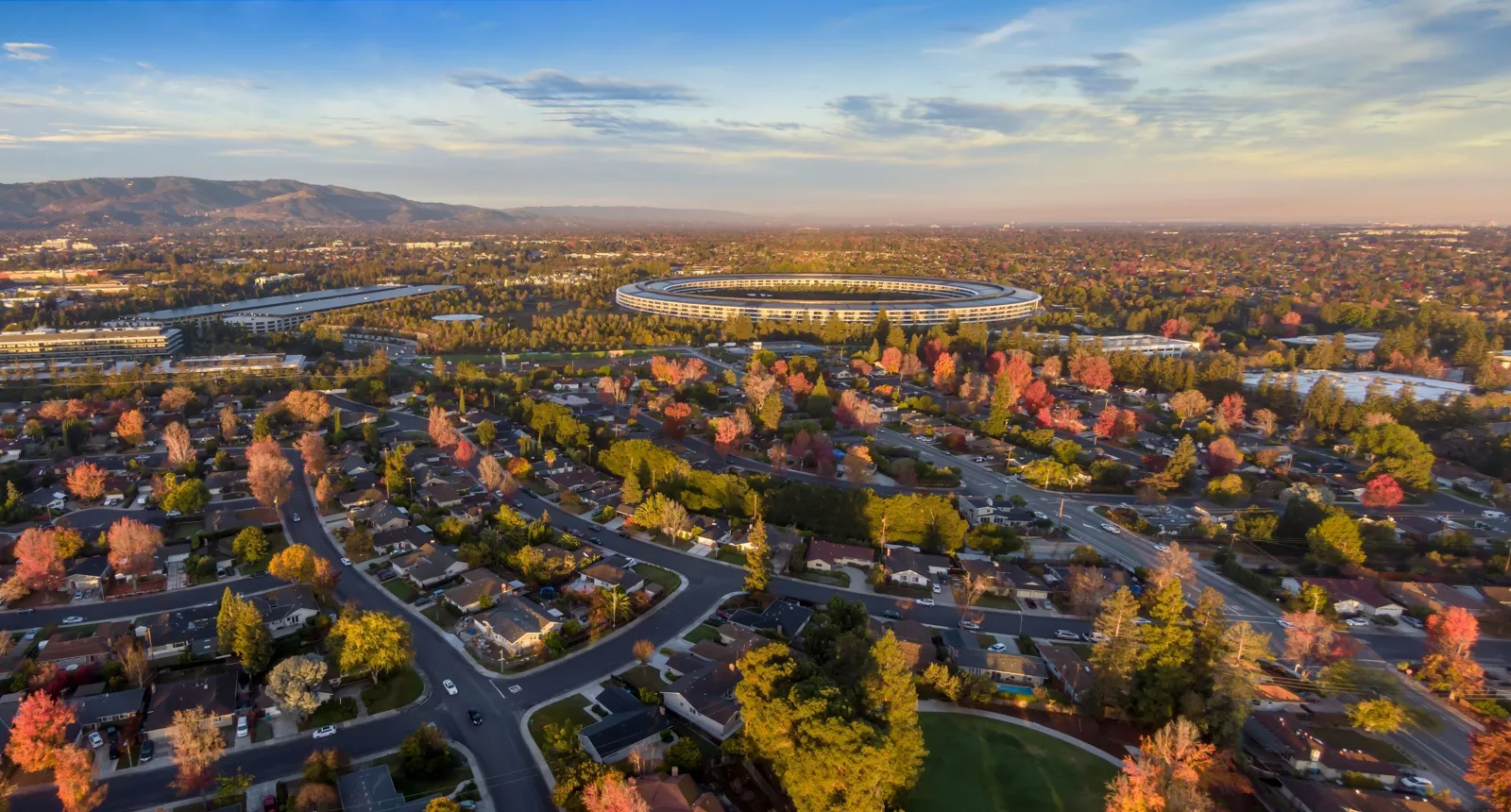
Tasman East's adopted planning framework identifies an area near Tasman Drive and Lafayette Street. For a building in the Tasman and Scott commercial corridor, that context helps identify the property discussion. Records and inspection establish the actual roof. Santa Clara has adopted California building standards with local modifications. We establish the relevant authority, accepted permit application basis, work scope and applicable energy compliance path, including exceptions that may affect the proposal.
Occupied work needs practical odor, access and debris controls. An office roof project should identify tenant notice timing and protection beneath removal areas. Material application controls must suit the method being used. We arrange safe work limits and a watertight stopping plan for exposed areas. For built up roofing, define the work boundary. Safe access and the observed construction determine the temporary actions, followed by an explanation of permanent options.
Photographs of exposed layers can make a concealed repair understandable after the surface is closed. We record the location, removed material and completed transition where appropriate. Ownership can then distinguish work performed from conditions retained. A maintenance plan should address the selected surfacing, outlet access and protection from service traffic. Different surfaces have different repair preparation needs, so the closeout description names the installed materials.
Warranty language also belongs in that package. The issuing party, covered work, exclusions and maintenance duties should be clear. A material statement alone may not describe coverage for retained construction. We help the manager identify the relevant requirements and establish how later alterations will be handled. That keeps a future equipment project from changing a finished detail without a roofing review.
Built-up assembly: verify transitions before extending. A built-up roof can include multiple plies, surfacing and insulation conditions that vary across a building. The survey and bid should say which areas are retained, removed, or included as an allowance, and what observation triggers that allowance. At a tie-in, confirm whether the adjoining construction can accept the proposed new layers and how drainage will transition without trapping water. Where aggregate or other surfacing affects access and repair, account for its handling in the scope. These details let the manager compare a true like-for-like project and keep discovered deck or insulation work distinct from the roof assembly price.
Rain-season review: Price the layers clearly
Request a built-up roof check and a plain bid sheet. We will identify preparation, retained construction and tenant protection for ownership review.
Frequently Asked Questions
Stable aggregate outside the repair may remain. The bonding area needs preparation suited to the repair material, and loose or unsuitable surface material must be addressed.
A crack warrants examination, not a moisture conclusion. We assess its depth and use confirmation where concealed layer condition affects the scope.
Each retained or removed layer affects labor, disposal, temporary exposure and the receiver. The bid needs to state those limits before comparison.
A surface coating is a different treatment. Its role and reinforcement, if any, must be specified without confusing it with renewed multi-ply roofing.

Roof Assessments
Santa Clara & the South Bay
Membrane, flashing, drainage and edge details checked and written up before any work is priced.
Request a Roof Assessment