- Home
- Roof Damage Repair
- Ponding Water Roof Repair
Ponding Water Roof Repair in Santa Clara, CA
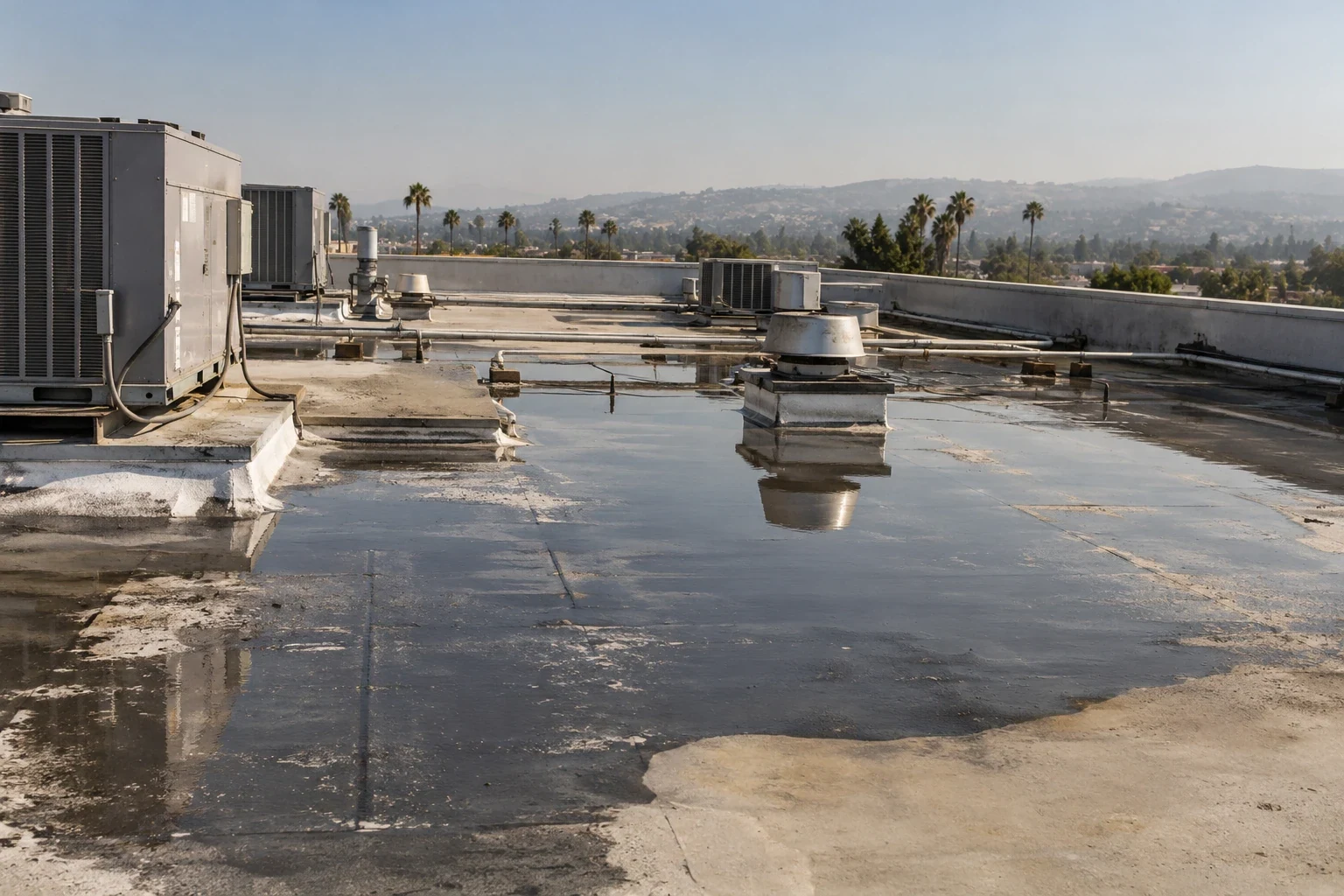
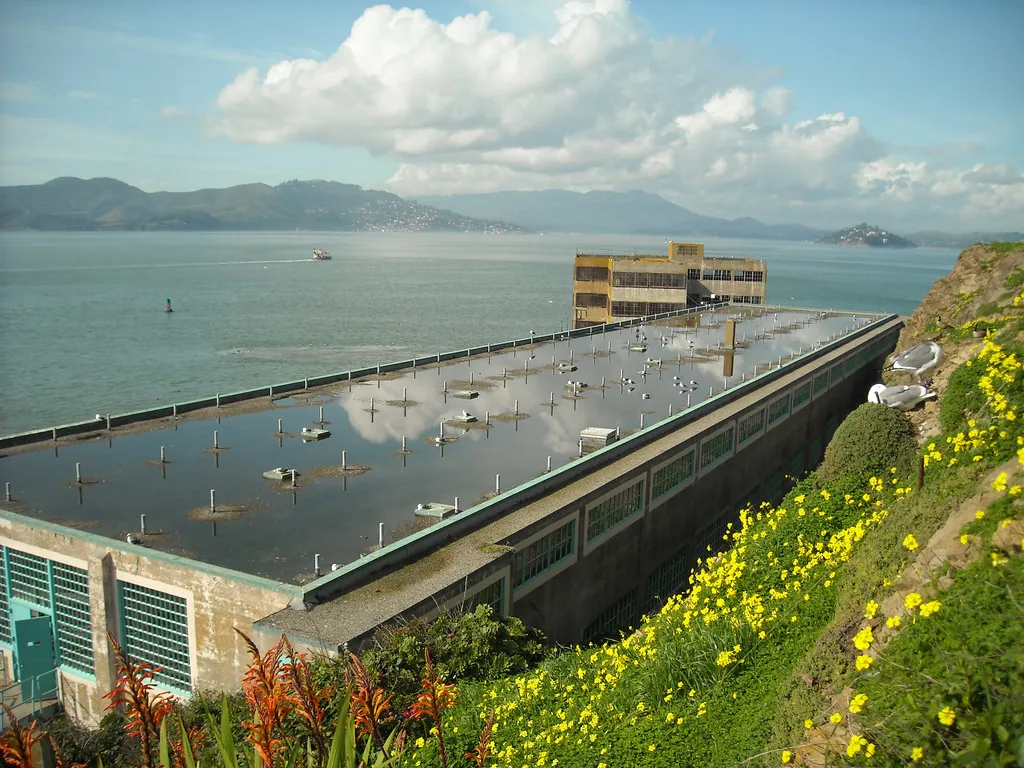
Successive regional atmospheric rivers between late December 2022 and mid-January 2023 provide a reason to review rain-season readiness. For a property manager in Santa Clara, CA, the question is specific: why does water remain in this roof area after surrounding surfaces drain? We examine the drainage route and receiving construction before proposing a correction. The regional weather account cannot establish a ponding defect or its cause on the subject building.
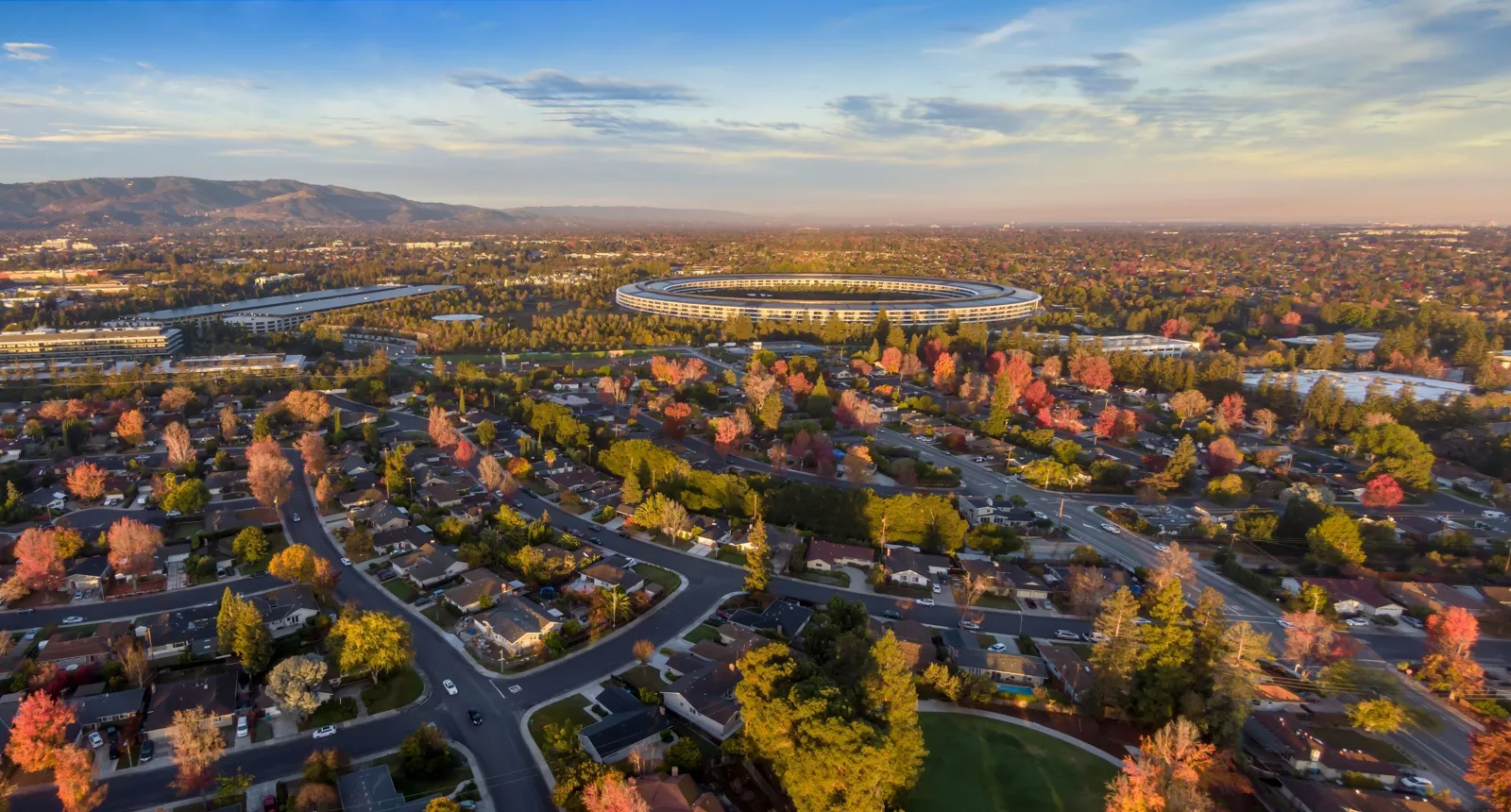
A blocked outlet, raised drain connection and depressed roof surface need different work. We identify what is actually present and explain the next investigation where the cause remains uncertain. The historical office and R&D development identified on Scott Boulevard is useful context for this commercial roof discussion. It does not establish the roof's age, slope or material. The manager receives a condition-based scope that separates routine clearing from roofing, plumbing or structural corrections requiring ownership approval.
Ponding Water Roof Repair: What the Work Covers
Debris at a drain can obstruct water without a defect in the membrane. We inspect accessible strainers, openings and surrounding surfaces, then distinguish cleaning from component repair. A missing or damaged part needs its own task. We also look at how the roof meets the drain. A receiver standing above the adjacent surface can leave water behind even with a clear opening. Its connection and elevation should be evaluated before adding more roofing material around it.
Drain and scupper work with defined limits can include roofing connections and qualified plumbing work. We identify the responsible trades and their access needs. Discharge conditions beyond the visible roof may need further investigation by the appropriate trade. Clearing debris alone cannot establish that the concealed drainage system is functioning properly. The bid states what will be examined and what remains outside the roofing task, so the manager can secure the right review without paying for an unrelated surface treatment.
A low area needs examination of its boundaries and relationship to the outlet. We look for changes in slope, added roofing layers and evidence of movement or deterioration. A footprint of retained water is useful evidence, but it does not explain the mechanism by itself. Observations may need measurements or selective openings. Where deflection or support condition is involved, the appropriate design review establishes the correction rather than a general promise to fill the depression.
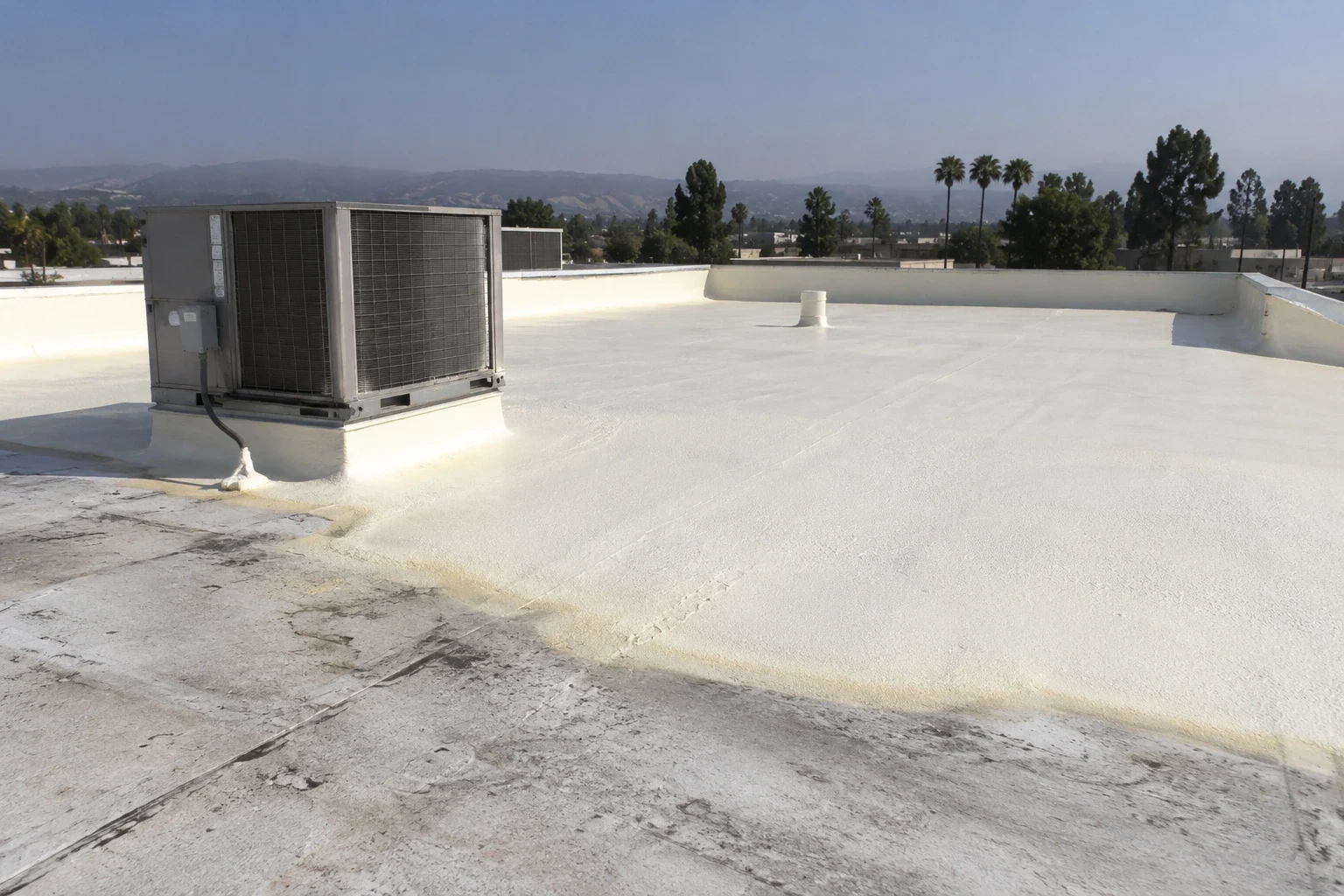
Tapered insulation or surface shaping may be part of a designed repair. That work should state where water is intended to go and how transitions will meet the retained roof. Foam used for a specified drainage shape still needs a suitable receiver and protective coating. It does not replace structural evaluation. Adding height can affect curbs, doors, wall flashings and outlet connections. Those changes belong in the same scope instead of appearing as surprises after the drainage material is installed.
Water standing above a sound roof and moisture inside its layers are different findings. We examine the surface for membrane openings needing repair, damaged flashing connections and areas needing investigation. Where concealed moisture affects the repair, selective confirmation can establish removal limits. Thermal screening may help direct those openings under suitable conditions, with interpretation and limitations explained. A ponding area should not be declared wet underneath solely because water remains above it.
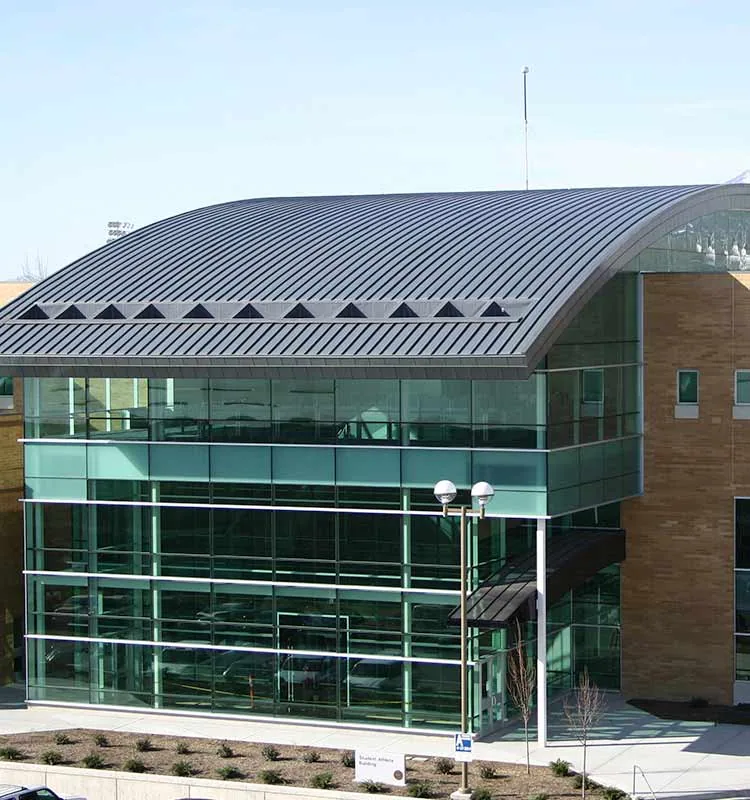
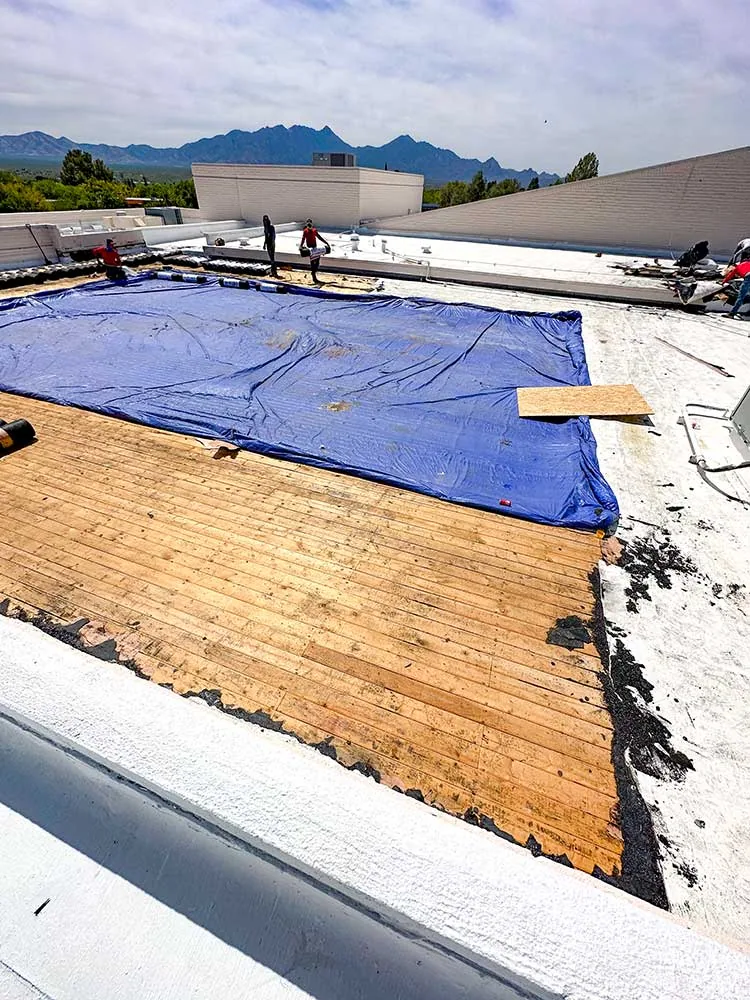
A reinforced asphalt assembly needs compatible materials and a sound receiving layer for repairs. Single-ply sheets have their own preparation and connection requirements. We identify the installed construction before choosing the detail. Wet or deteriorated materials that are confirmed need appropriate removal and replacement. The manager should receive those quantities or a defined method for establishing them, together with temporary protection and any conditional deck work. That makes the concealed repair part of the ownership decision.
Planning and Completing the Work
A coating product can have particular water exposure limitations. Those limitations should be considered after the drainage condition is understood. A surface treatment cannot lower a raised outlet or restore a weakened support. We examine suitability for the retained roof and explain any preparation or repair needed before coating. Choosing a material with different exposure properties does not eliminate the need to assess the actual water route.
Restoration of a suitable roof surface can be compared with a localized drainage correction or broader replacement. Compare the physical changes, retained construction and maintenance duties for each. A vague promise to eliminate low areas gives ownership no clear construction to approve. We specify the proposed approach and note any investigation or design step needed before its final quantities can be established. Water inside the building also requires tracing the entry route, rather than assuming the nearest ponding area is responsible.
Local modifications accompany the California building standards adopted by Santa Clara. For drainage work, we identify the authority reviewing the property and establish which application basis it accepts. The review then addresses the proposed correction's scope. A local surface repair and an alteration to drainage or structure can have different review needs. Applicable energy compliance paths and exceptions are considered where the roofing work triggers them. The proposal should identify that review instead of assigning a universal requirement to every ponding repair.
Tasman East provides adopted planning context in the area near Lafayette Street and Tasman Drive. An examination remains necessary to establish installed construction at a property in the Scott Boulevard and Tasman Drive area. Planning identity does not establish completed work or present roof condition. A report distinguishing findings and investigation needs helps the manager explain the correction to ownership. Include photographs, affected locations and the limits of what was examined.
After corrective work, the finished outlets and transitions need examination against the intended drainage arrangement. We record completed work and identify any remaining areas requiring review. Testing, where appropriate, must use a method suited to the building and authorized work. The manager should not be left to judge completion only from a roof photograph taken while the surface is dry. Closeout should explain the change and its relevant maintenance requirements.
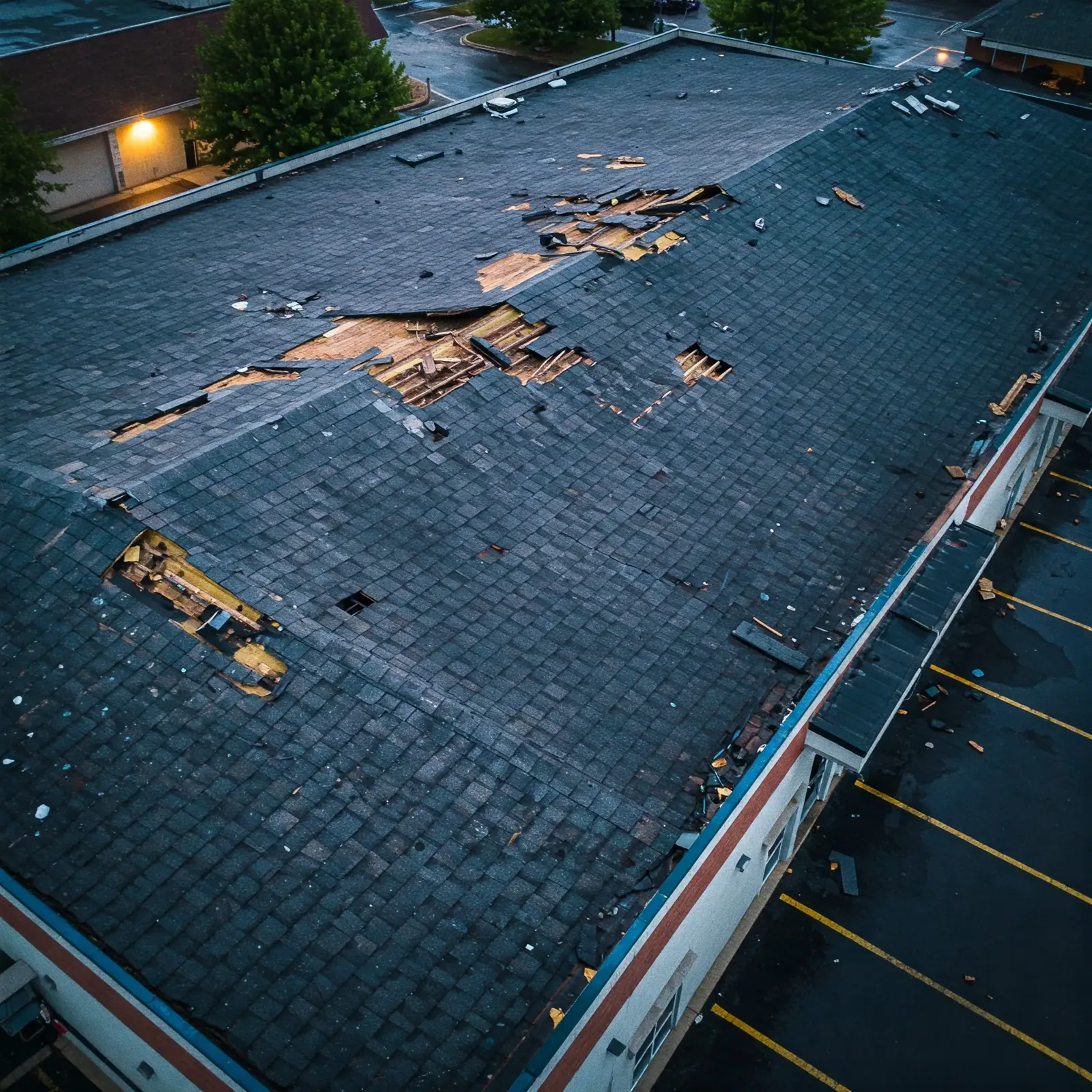
Occupied repairs need coordinated access, debris controls and protection beneath openings. We agree tenant notices and material movement with the property representative. Later equipment work must preserve the new water route rather than obstruct it with supports or storage. For ponding water roof repair, define the work boundary. Initial action follows safe access and the observed condition, with permanent corrections defined after the relevant cause and construction have been established.
Ponding review: trace the drainage path before proposing correction. Document where water remains, the apparent duration if observable, adjacent drains or scuppers, roof slope and any related interior report. A single visit cannot establish the full drainage history or structural capacity. Check whether an outlet is obstructed, a drain component is damaged or the surrounding plane appears deficient, then identify what additional design review is needed before changing slopes or adding load. Separate routine outlet service from a permanent drainage correction. The bid should show the drainage area and proposed work boundary so the owner can review whether the quantity addresses the observed condition.
Before rain season: Put the drainage task on a bid sheet
Arrange a ponding review. We will define the outlet and roof work, tenant protections and investigation needs for a clear ownership decision.
Frequently Asked Questions
No. Water above the surface and moisture within the assembly require separate evaluation. Confirmation establishes whether concealed material needs removal.
Clearing may resolve an observed obstruction. We also examine the receiver and water route to identify any separate condition that remains.
A coating does not change the outlet elevation or restore support. The actual drainage mechanism needs assessment before surface treatment is selected.
A change involving slope, drainage layout or structural behavior can require design review. We identify that need before proposing the final construction.
Compare the physical correction, preparation, retained layers, component work and investigation limits. Each alternative should explain where water will go after the repair.
Roof Assessments
Santa Clara & the South Bay
Membrane, flashing, drainage and edge details checked and written up before any work is priced.
Request a Roof Assessment