
- Home
- Roof Damage Repair
- Commercial Roof Puncture Repair
Commercial Roof Puncture Repair in Santa Clara, CA
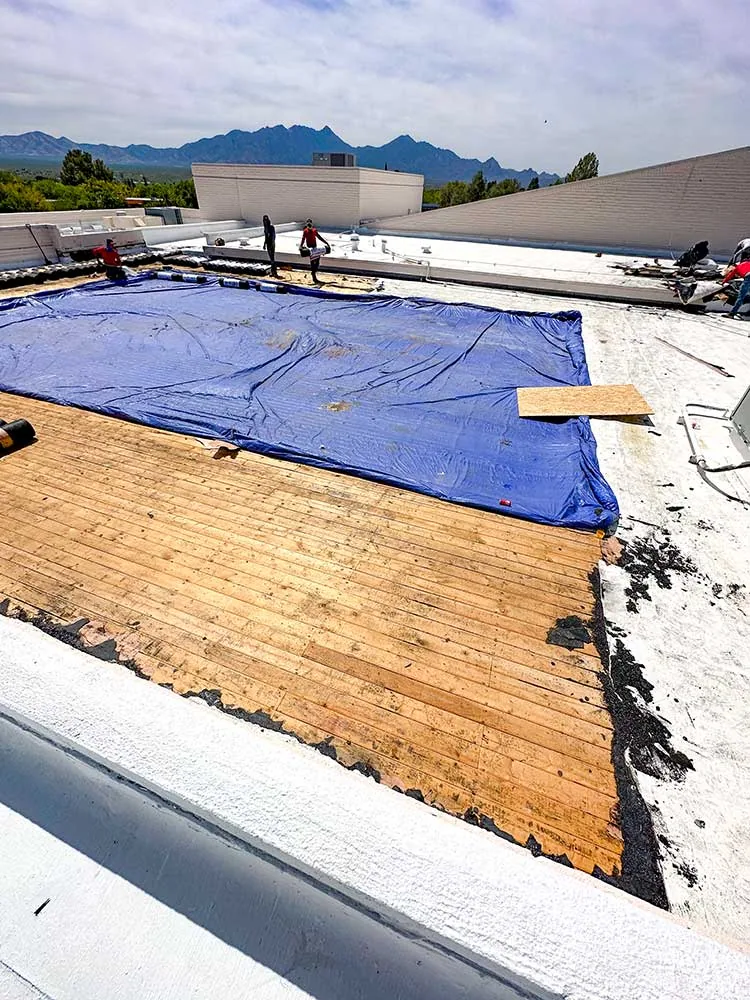
Late December 2022 into mid-January 2023 brought a regional atmospheric-river sequence. For a property manager in Santa Clara, CA, a puncture repair raises a specific seasonal question: can the opening be closed over sound material, or does concealed damage need removal first? The regional account supports reviewing exposed defects before another rain period. It does not establish that a puncture exists or that the weather caused one at this property.
A small opening can need a straightforward compatible repair, but its dimensions do not answer the entire scope question. We examine the membrane, adjacent bond and receiving construction. Historical development for offices and R&D on Scott Boulevard identifies a local setting for commercial roof planning. Installed roof material, service traffic and condition still require examination. We give ownership a defined repair boundary with investigation limits and tenant protections, rather than treating every visible cut as the same patch task.
Commercial Roof Puncture Repair: What the Work Covers
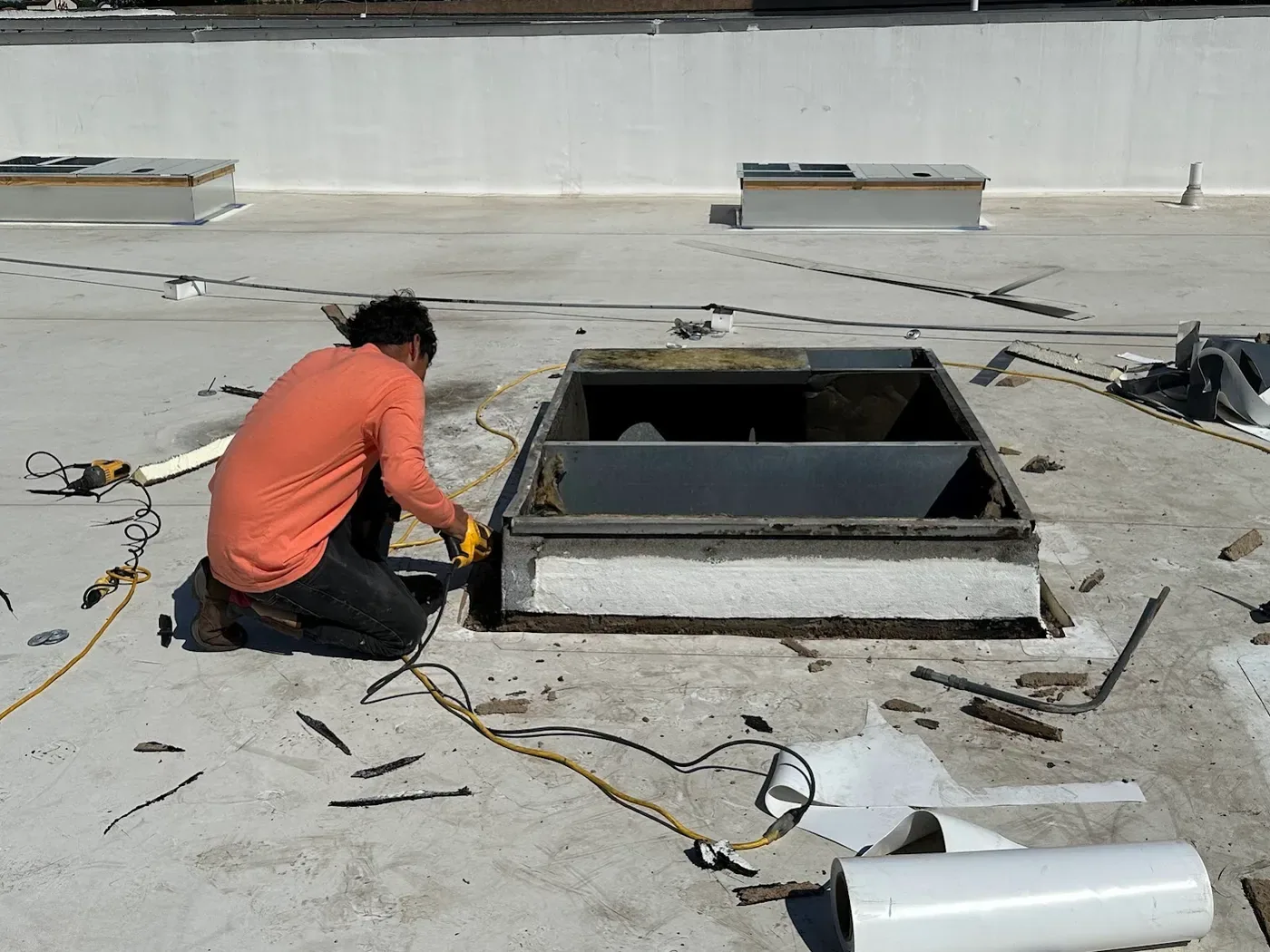
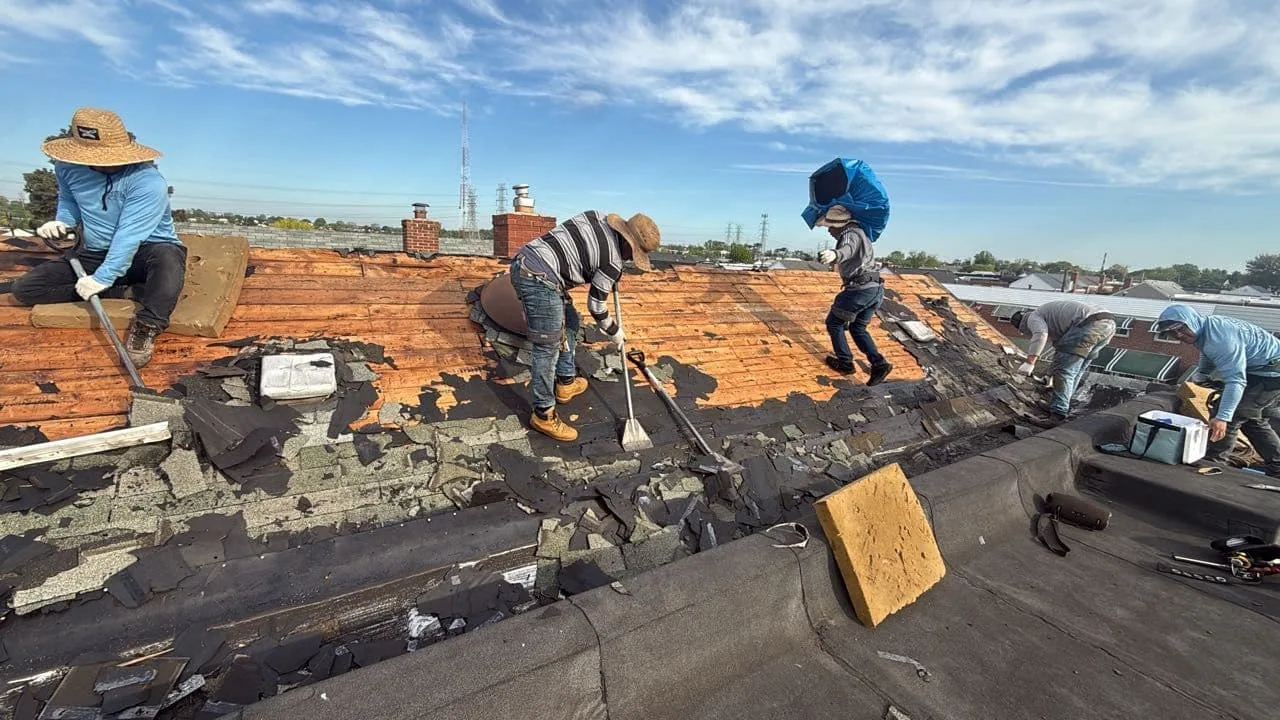
A cut, abrasion and crushed area can affect different parts of the roof. We inspect the opening and surrounding material to establish where a suitable repair can connect. The membrane type determines compatible preparation and patch materials. An existing compound can interfere with the bond and may need removal. The repair should extend to acceptable receiving material using the selected system requirements, not merely cover the visible hole with whatever material is available.
A PVC membrane repair needs compatible sheet and accessories. Repair work on EPDM uses different connection methods and product requirements. We identify the actual assembly before choosing the detail. Where the surface cannot receive a reliable localized patch, we explain the need for additional removal. The manager should see that finding beside the proposed task so ownership understands why the work area can exceed the visible opening.
A puncture can create an entry route without leaving an obvious interior complaint. We examine accessible evidence and determine whether concealed layer condition needs investigation. A dry surface after a rain period does not establish dry insulation underneath. Conversely, an opening alone does not prove extensive concealed moisture. Selective confirmation can resolve the condition where it changes the repair recommendation. Findings should be tied to the affected location and the limits examined.
Moisture screening with selected confirmation areas can help direct investigation under suitable conditions. Wet or crushed material found beneath the cut needs an appropriate replacement task. The deck may also need examination after removal. We identify temporary protection and conditional work before opening a larger area. A repair that restores the sheet while leaving unsuitable backing can fail to correct the physical condition that made the opening significant. Ownership should receive the layer work and membrane work together.
An opening beside a seam may have a different repair boundary from a cut in the middle of a sheet. We inspect the adjoining connection and determine whether it needs correction. Repairing an affected membrane joint can require work beyond the field patch. A damaged penetration detail likewise needs examination of its receiver and termination. The proposal identifies each defect instead of treating the entire area as one unspecified patch allowance.
Rebuilding a damaged flashing connection may involve component repair and qualified trade coordination. A sharp or loose adjacent part can need correction where it is observed to threaten the repaired membrane. We document that condition rather than assume all punctures come from service work. The manager should know which physical hazard is being removed and which roofing detail is being installed. Those are separate tasks that can both be necessary for a complete repair.
Planning and Completing the Work
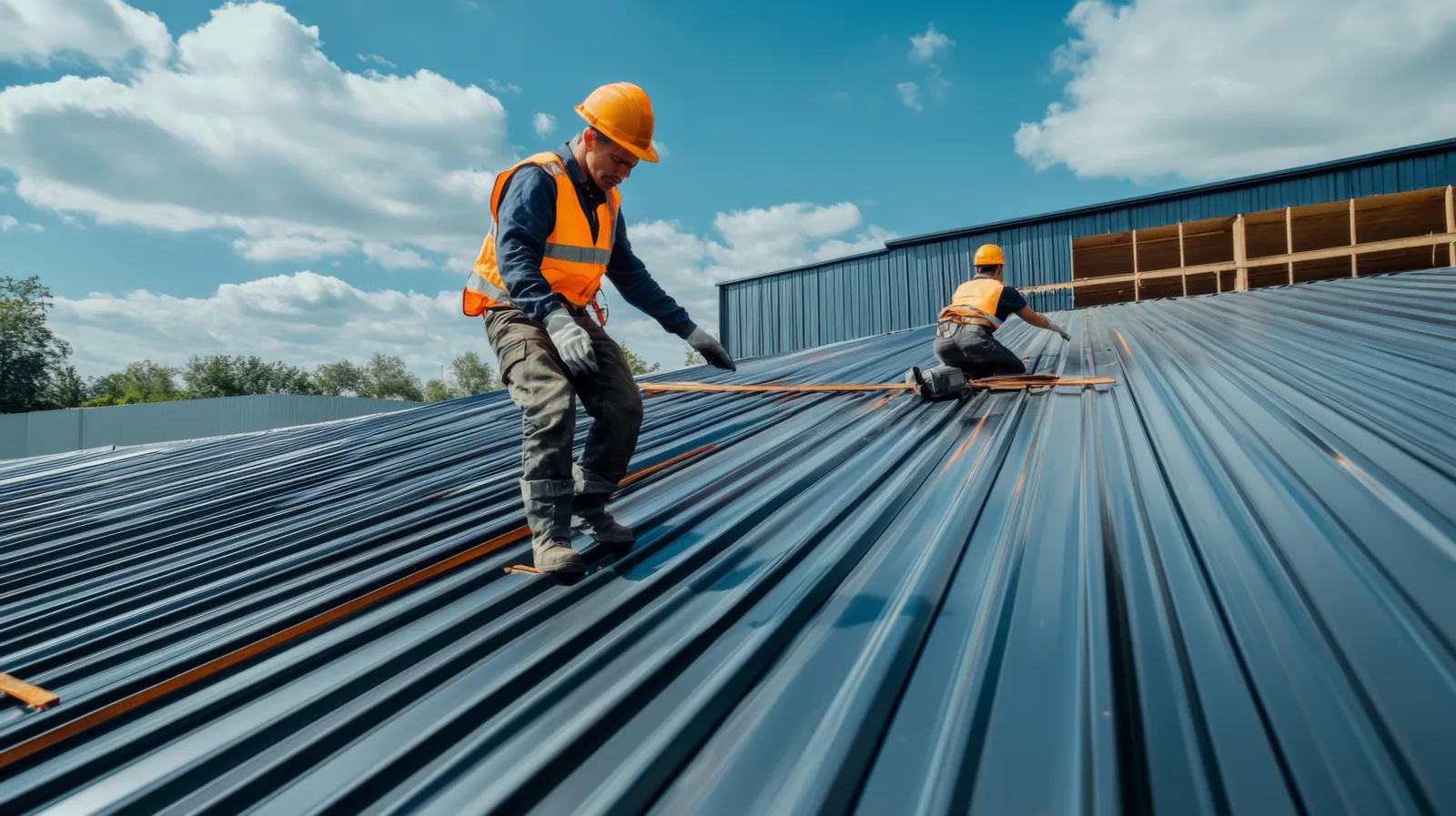
A rooftop work route should respect the installed assembly. We discuss appropriate traffic protection, material staging and handling with the property representative. Protective surfaces need to suit the roof and its drainage. Unapproved fastening can create new openings, while stored materials can obstruct outlets or stress details. The access plan should address actual service activities instead of assigning a cause to the puncture without evidence.
Equipment contractors need a clear roofing coordination contact where their work intersects repaired areas. Relocation or shutdown requires operator approval and the appropriate trades. Roof repairs above office tenants also need interior protection where layers are opened, plus notice for noise or access restrictions. We set daily limits and temporary closure arrangements before work begins. A localized patch can still require careful coordination if its location affects tenant operations or equipment access.
California building standards and city modifications form Santa Clara's adopted basis. For puncture work, we confirm jurisdiction and the authority's accepted application basis before reviewing the precise repair or alteration being proposed. A localized puncture repair is evaluated as its actual work, while broader replacement or assembly changes receive the review they require. Applicable energy pathways and exceptions need consideration where relevant. A change in surface color cannot substitute for establishing the requirements that apply to the proposed project.
Tasman East identifies an adopted planning area near Lafayette Street and Tasman Drive. Current construction and roof age still need examination at the property being considered in the Scott and Tasman commercial area. We reconcile records and field findings. The bid sheet should identify preparation, patch work, layer removals and any unresolved investigation. Ownership can approve the defined task with a clear view of retained limitations instead of a blanket recommendation based only on the property address.
After the patch is installed, we inspect its connection and edges using methods suited to the material. The repair record should locate the work and name the materials used. Photographs of removed or replaced layers can explain construction concealed beneath the finished patch. These records help later service personnel preserve compatible connections and distinguish new damage from the original defect. Warranty responsibilities and relevant maintenance requirements belong with that closeout description.
A pre-season roof check can look for fresh cuts, damaged details and outlet obstructions. The task list should reflect observations, rather than assume a complete roof replacement is necessary after an isolated opening. For membrane puncture repair, define the work boundary. Initial work follows safe access and the observed condition. Permanent correction then restores the appropriate membrane connection and any confirmed damaged materials beneath it.
Puncture repair: identify source, depth and area to restore. For a membrane puncture, record its location, dimensions, apparent cause if supported, and the condition of insulation or deck only where verified. Check for nearby equipment paths, fasteners or repeated traffic that may explain a pattern without assuming causation. Define repair preparation, compatible patch or replacement detail, and any required test after work. If an opening is needed to verify wet material, state the authorization and restoration boundary separately from the initial patch. The final report should connect photos to a roof plan and identify any adjacent condition left outside the repair quantity.
Before seasonal rain: Close the puncture scope
Arrange a membrane damage check and a plain ownership bid sheet. We will identify compatible patch work, layer corrections and tenant protection.
Frequently Asked Questions
Confirmed wet or damaged backing can require removal even at a small opening. We examine the receiving layers before defining the permanent patch.
Membrane color does not establish compatibility. We identify the installed system and select suitable sheet, accessories and preparation.
An affected joint needs its own extent check and compatible connection. The proposal identifies that work beside the field repair.
The closeout record locates the patch and names the installed materials. Relevant photographs show concealed corrections and the finished connection.
Cause needs evidence. We examine the opening and adjacent conditions without attributing it to service activity solely from its location.

Roof Assessments
Santa Clara & the South Bay
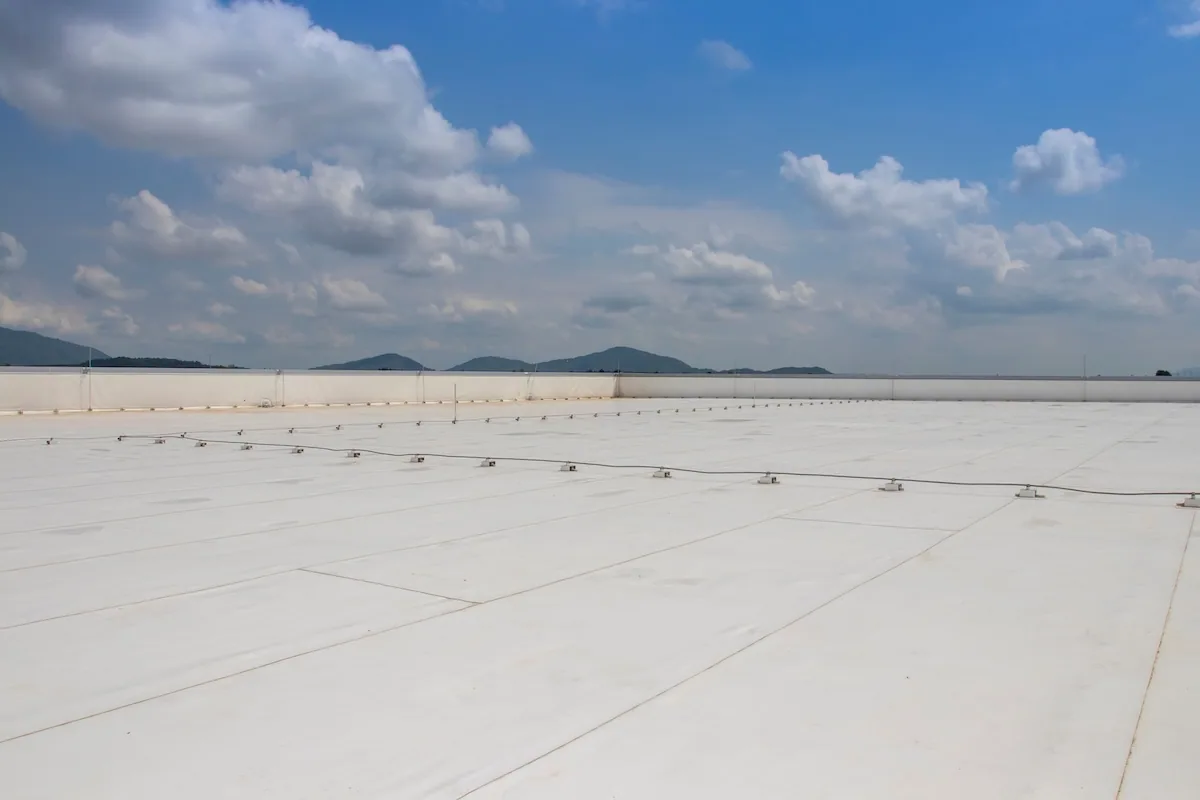
Membrane, flashing, drainage and edge details checked and written up before any work is priced.
Request a Roof Assessment