- Home
- Property Types We Roof
- Data Center Roofing
Data Center Roofing in Santa Clara, CA
Regional heat and Flex Alerts in September 2022 make a data center property manager ask a scheduling question: which roof stages require the operator to release equipment access? In Santa Clara, CA, the facility's procedures control that answer. A grid event cannot establish a roof defect or an individual machine's operating history. We inspect the assembly and identify the roofing task before seeking the approvals needed to carry it out.
Data center roofing needs a carefully drawn boundary between the roof and the systems it serves. We repair membrane, flashing, and drainage details. The operator controls equipment access and service restrictions. Qualified trades handle their assigned changes. The bid sheet should show where those responsibilities meet. Ownership then has a complete basis for reviewing roof work without assuming the roofing price includes isolation, relocation, or approval of equipment changes. That boundary matters as much as the selected membrane.
Data Center Roofing: What the Work Covers
A roof access permission may limit the route, permitted activities, escort, or working period. We ask the operator to identify those restrictions before defining the construction stage. Restricted access changes delivery, waste handling, and the examination possible during an initial visit. We state those limits rather than pricing an unrestricted operation and leaving the difference for construction.
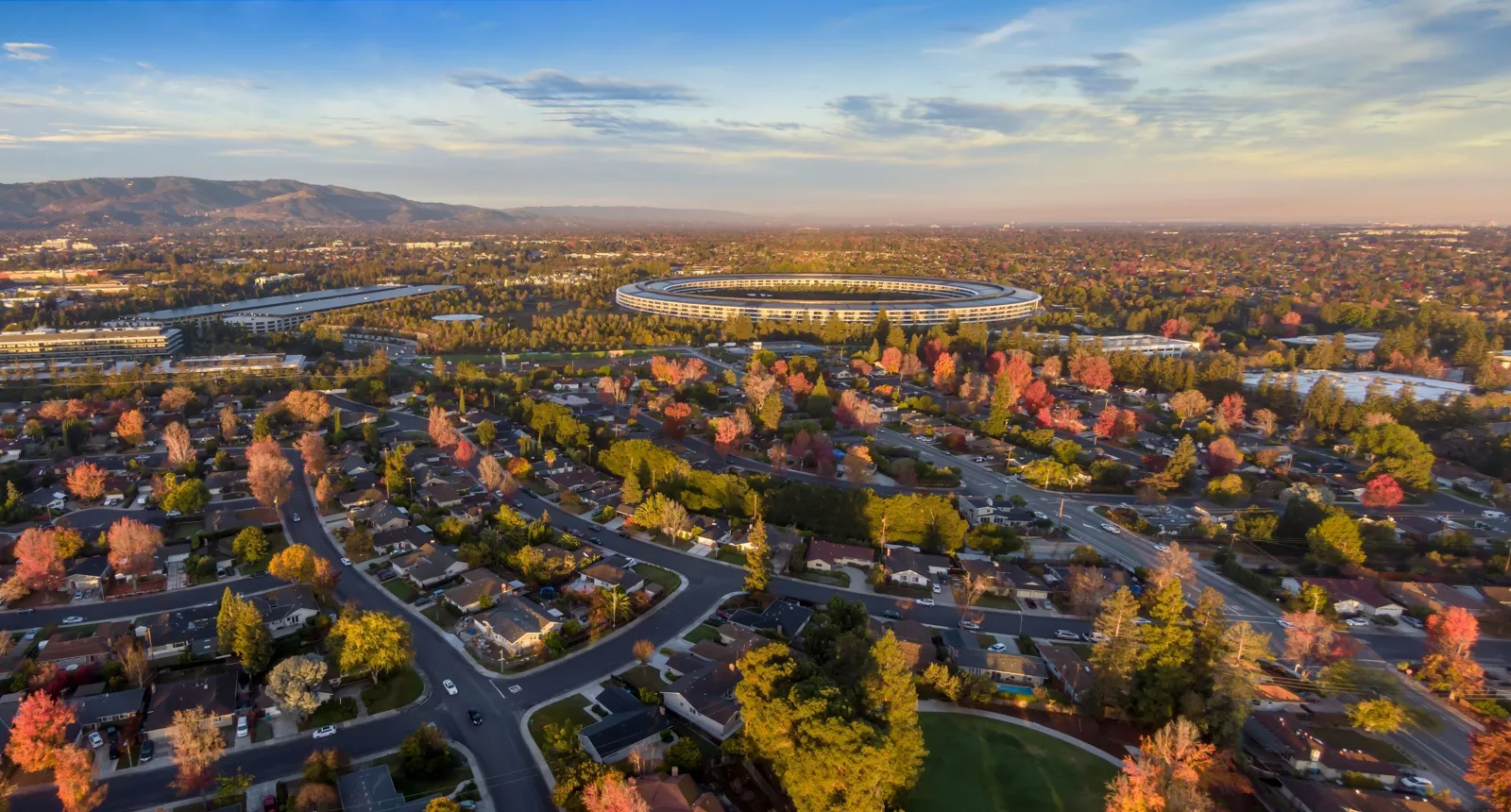
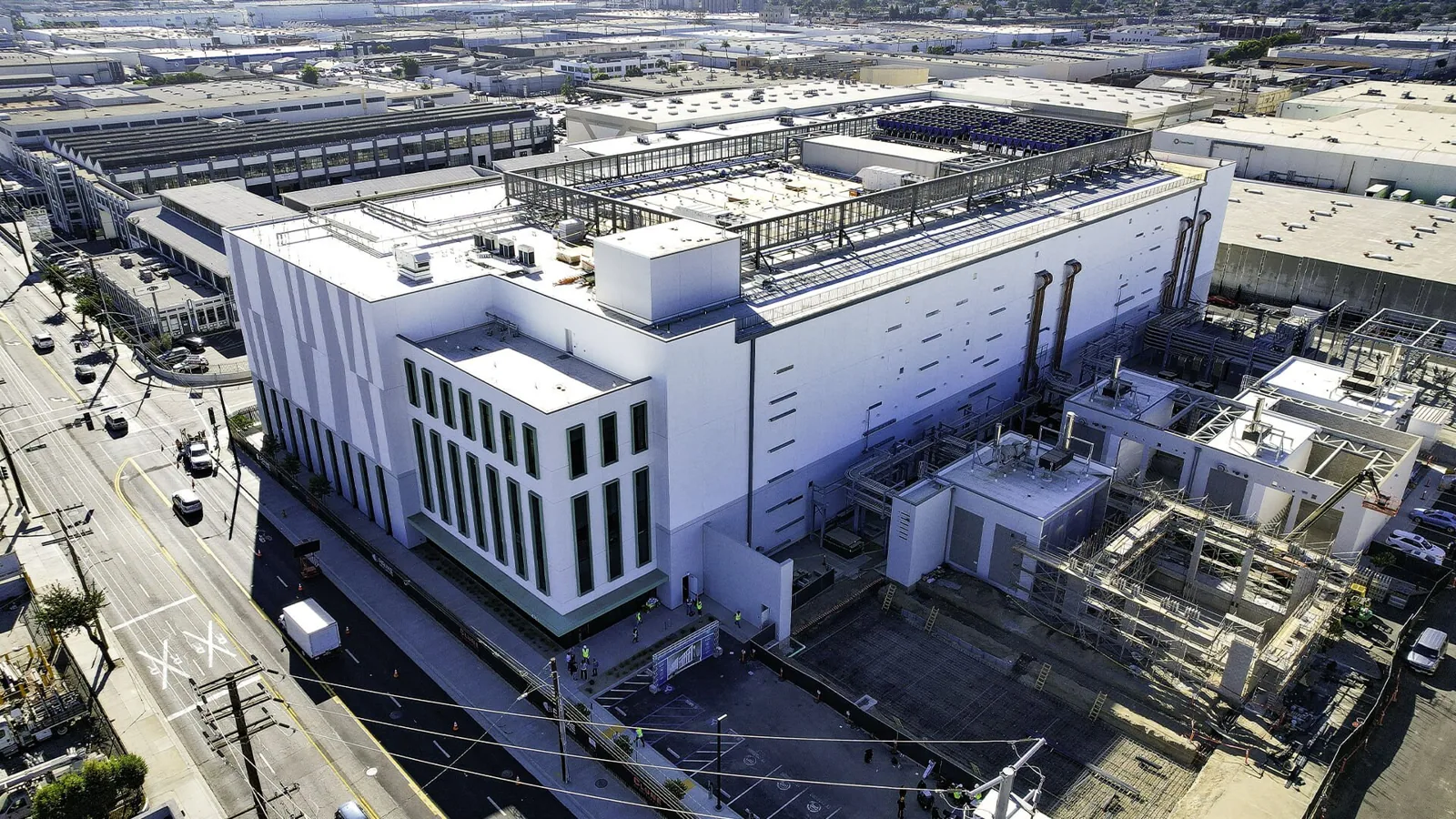
CoreSite identifies SV4 as a Santa Clara data center at Stender Way. Scott Boulevard also has office and R&D development. These local identities give useful geography for coordinating a visit; the actual facility supplies the working rules. In the Stender Way service area, we obtain address-specific instructions. A roof visit to an office building uses a different operating conversation. We do not carry permissions from one property to another. The manager receives the resulting access assumptions with the proposed scope.
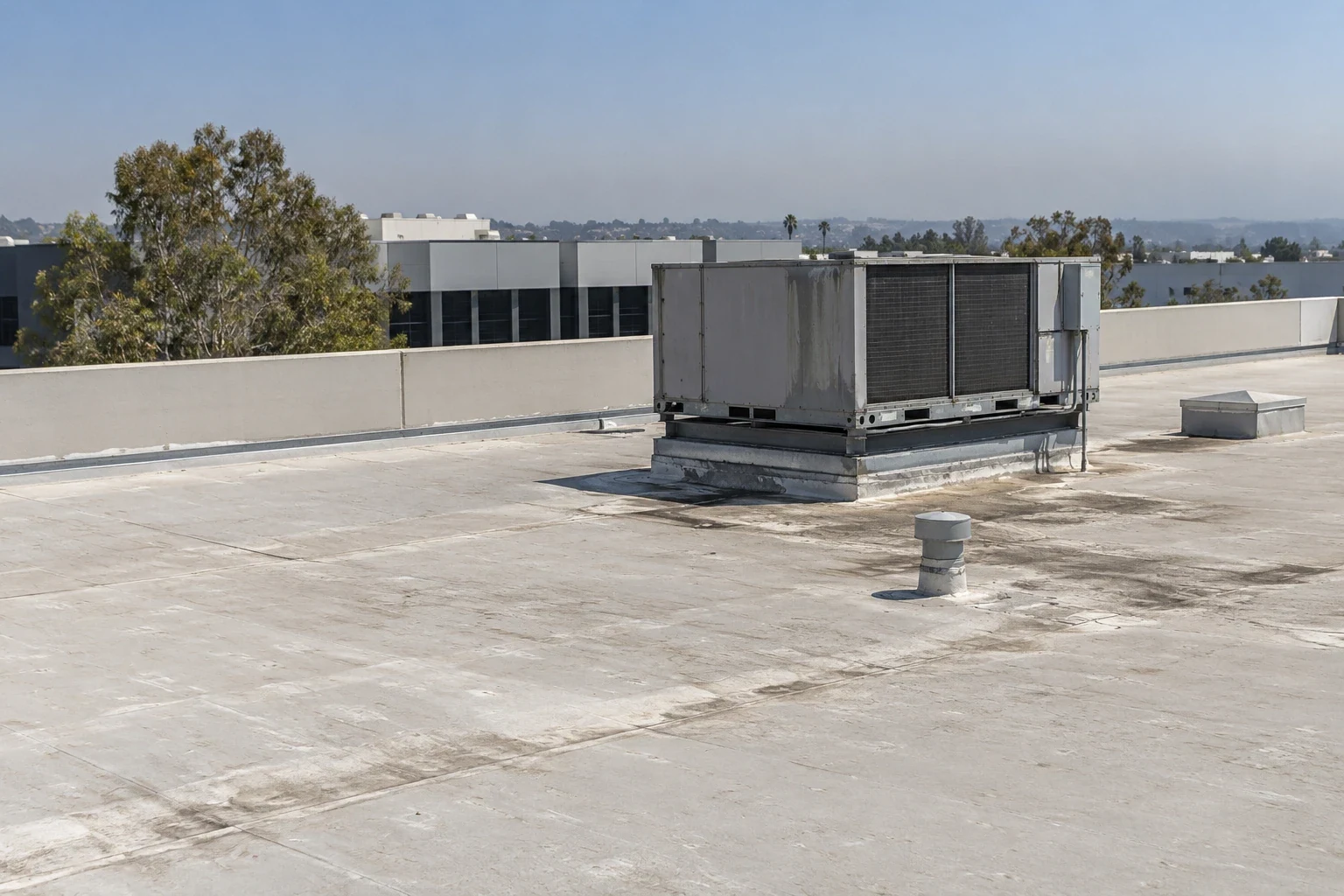
An added insulation layer can reduce available curb clearance. Recover work can also change the finished roof level beside a threshold or service platform. We measure the relevant interfaces and identify whether the proposed assembly fits. A membrane selection cannot settle a curb alteration or structural support change. Those items need the appropriate design and trade review.
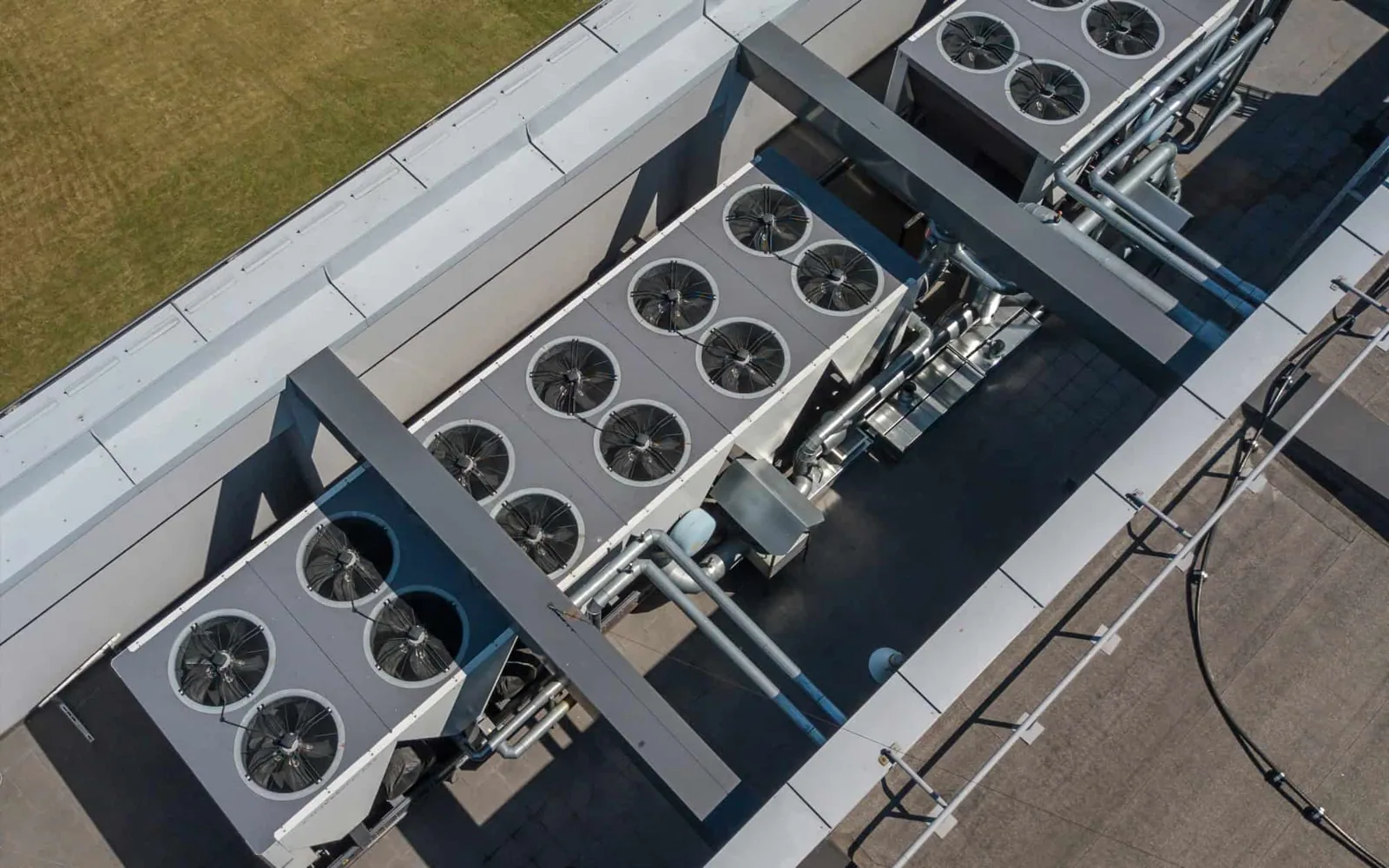
Our roof equipment interface repairs separate roofing details from equipment movement. The bid identifies who releases the unit, who performs any alteration, and when the detail can be completed. We examine surrounding drainage and service routes as well. A new support must not create an unintended obstruction to surface flow. We identify any uncertain detail before procurement so ownership can compare alternatives on the same basis. A low material price is incomplete if it leaves the interface work unassigned.
A visual inspection may show a seam opening without establishing the condition below it. We evaluate whether further moisture work is warranted and identify the appropriate investigation limits. Infrared indications require suitable conditions and confirmation. Selected openings can clarify insulation and deck conditions. Access restrictions may leave an area unresolved, and the bid should say what decision still depends on examination.
For infrared-assisted roof moisture mapping, the report distinguishes observed conditions from areas needing confirmation. A temperature-controlled storage building may require a different investigation approach because its assembly and interior conditions differ. The actual data center roof determines its own removal boundary. We show confirmed wet-material quantities separately from conditional work. Ownership can then review repair, recover, or replacement without treating a survey image as proof of every concealed layer.
Planning and Completing the Work
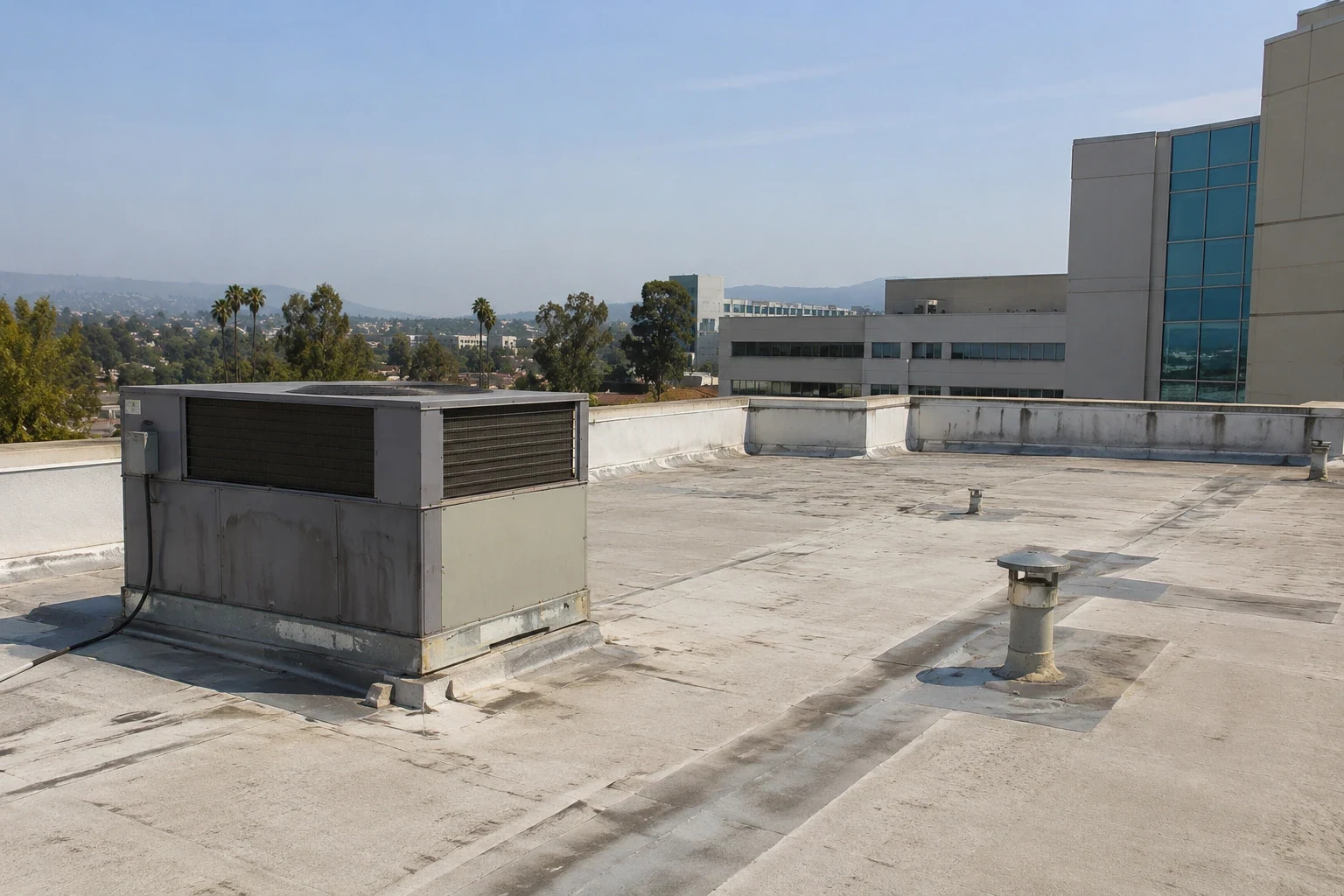
A work stage needs a defined condition at the end of the permitted shift. We review removal, substrate examination, trade readiness, material application, and temporary closure before opening the roof. Weather and operator restrictions can reduce the practical work area. A missed equipment release should not leave a penetration waiting without an assigned protection method.
We coordinate the construction sequence with the operator and, where appointed, the general contractor. Roof work may require exclusion areas and protection of intakes under an approved plan. The responsible qualified trade controls equipment isolation. We specify material handling and waste routes so repeated setup can be priced. A change in access or trade readiness needs a clear approval procedure. The resulting bid sheet identifies the task that can proceed and the prerequisite that still prevents it. That gives the manager a usable schedule rather than a date dependent on unstated assumptions.
Delivery planning also needs roof loading reviewed for the proposed material arrangement. A convenient staging position does not establish that it can accept a concentrated load. We coordinate the required assessment and identify permitted storage positions. Restricted storage can require smaller deliveries or more handling. The bid should carry those tasks explicitly, so a scheduling choice does not become an unpriced construction requirement. Waste removal receives the same access review as incoming material, with the approved route kept clear through each roof stage.
The completed roof record should identify repaired details, retained construction, replaced areas, and outlet access. We photograph significant work and show unresolved items with the assigned party. Equipment return and protection removal can occur after membrane installation, so their status needs to remain visible. A completion statement should not blur a finished roof detail with an outstanding mechanical task.
Applicable authority review, the accepted application basis, scope, and energy provisions determine project requirements and exceptions. We coordinate that information with the project team. Managing the roof warranty obligations also requires the actual installed assembly and issuer requirements. We distinguish completed installation records from remaining issuer actions. The manager gets service-route restrictions and maintenance guidance associated with the roofing work.
Future equipment visits deserve the same attention to detail. Unprotected traffic can damage sheet or flashing even when the equipment task is successful. We identify vulnerable areas and the approved service path. Ownership can use that record to plan a season check without assuming every minor observation needs replacement. The operator can coordinate later work with a clear description of the construction it must protect.
Data-center planning: map critical equipment and approval points. A data-center roof plan should map equipment zones, cable routes, rooftop cooling units, security boundaries and the interior areas below proposed work. The facility owner establishes escort, access and change-control requirements. The roof scope then identifies each opening, temporary protection, closure condition and inspection record before work begins. Any modification to electrical, cooling or fire-protection systems remains with the authorized trade and facility process. Compare proposals for phasing, material movement and protection of active equipment, not only area price. The closeout should identify tested roofing details and unresolved coordination items without suggesting that a roof inspection certifies data-center uptime.
Season check: bring the operator limits with you
Reserve a pre-season data center roof check. We will prepare a plain bid sheet with access restrictions, equipment interfaces, and repair boundaries for ownership.
Frequently Asked Questions
A stage needing that access must wait for the required release. We identify any separate roofing task that can safely proceed and keep its boundary distinct from the blocked work.
Added layers change the finished roof height. We measure the interfaces and identify any required alteration before the assembly is selected. Equipment movement needs qualified trade coordination.
Suitable survey conditions and physical confirmation are needed. We state the examined coverage, confirmed findings, and any unresolved areas so the removal decision has a clear basis.
For a reported incident, safe access and facility controls determine what immediate work is feasible. We document any temporary measure and identify follow-up roof repairs separately.

Roof Assessments
Santa Clara & the South Bay
Membrane, flashing, drainage and edge details checked and written up before any work is priced.
Request a Roof Assessment