- Home
- Commercial Roofing Services
- Emergency Commercial Roof Repair
Emergency Commercial Roof Repair in Santa Clara, CA
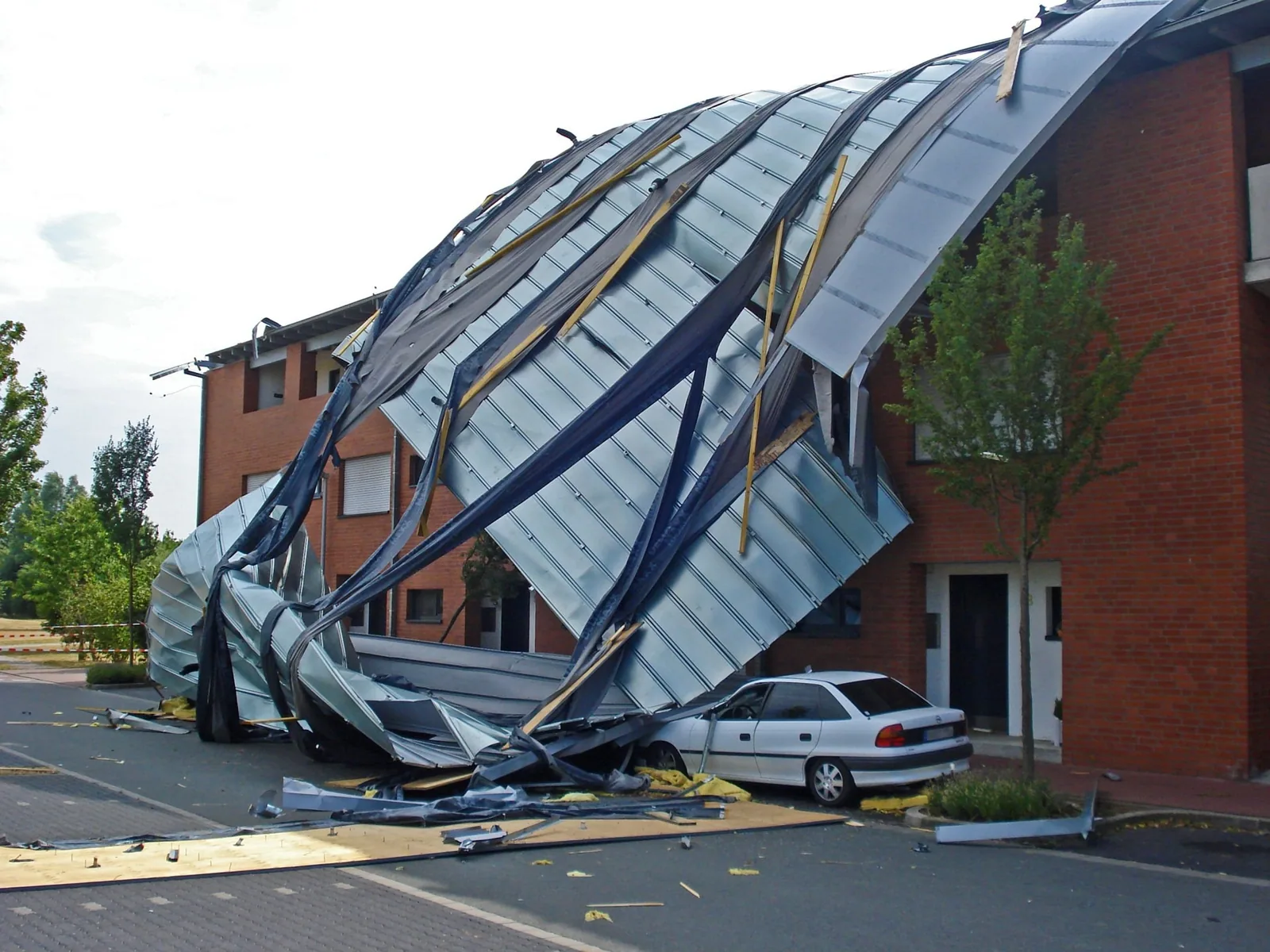
The regional storm sequence across late 2022 and early 2023 gives a property manager an emergency-planning question: who can release safe roof access while staff protect the occupied space? In Santa Clara, CA, those responsibilities need to be established for the actual building. Historical weather supports preparation. It does not prove a current roof opening or establish which immediate measure is suitable. For emergency roof repair, define the work boundary. The response starts with the reported condition, available access, and safety constraints. Immediate work can be limited by weather, equipment, or the assembly. We identify what can be done safely and record its purpose. Ownership needs a plain bid sheet for the permanent correction afterward. Temporary action should not be mistaken for completed diagnosis, approved replacement, or a promise that every condition has been resolved.
Emergency Commercial Roof Repair: What the Work Covers
The manager should identify the affected interior area, current leakage, building access contact, and any sensitive operation. Staff can report observations from permitted areas. The operator manages interior precautions and electrical or equipment hazards through the appropriate qualified parties. We need those restrictions before choosing a roof approach. A photograph can help describe the complaint without establishing its cause.
We also ask what intervention has already occurred. A temporary cover, altered drain, or previous patch can affect the next measure and the later investigation. The report should distinguish current observations from assumptions about the roof. That helps keep the response focused on the actual exposure. The manager receives a clear description of the accessible task, while the owner retains the information needed to decide on the permanent work once examination conditions and access permit it.
A roof hatch, ladder position, escort requirement, or equipment exclusion can control whether the affected area is reachable. We establish the building's actual instructions with the responsible party. Weather and surface condition also affect the work possible. Urgency does not remove those limits. We identify safe alternatives or a deferred task where conditions prevent the intended approach.
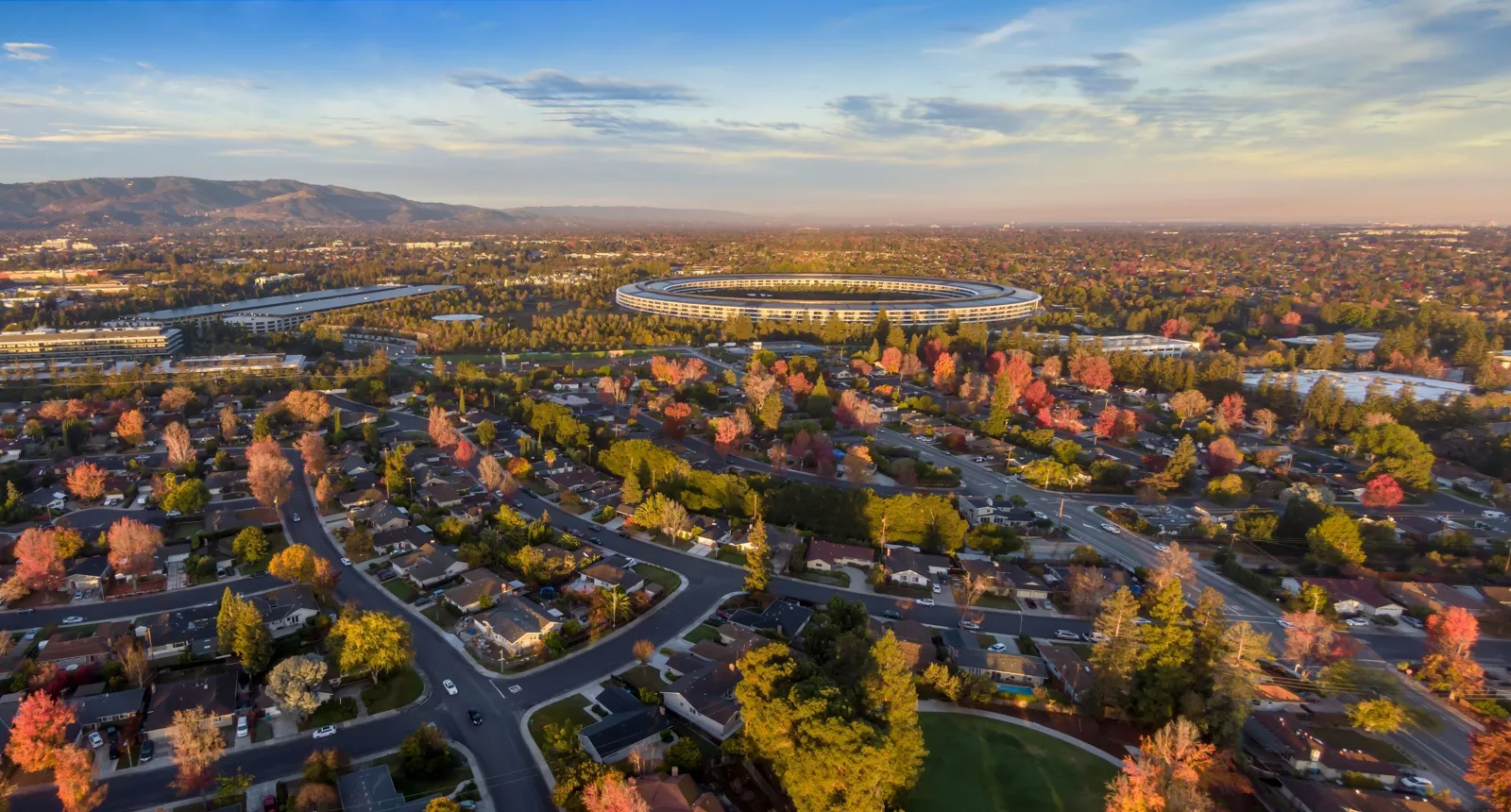
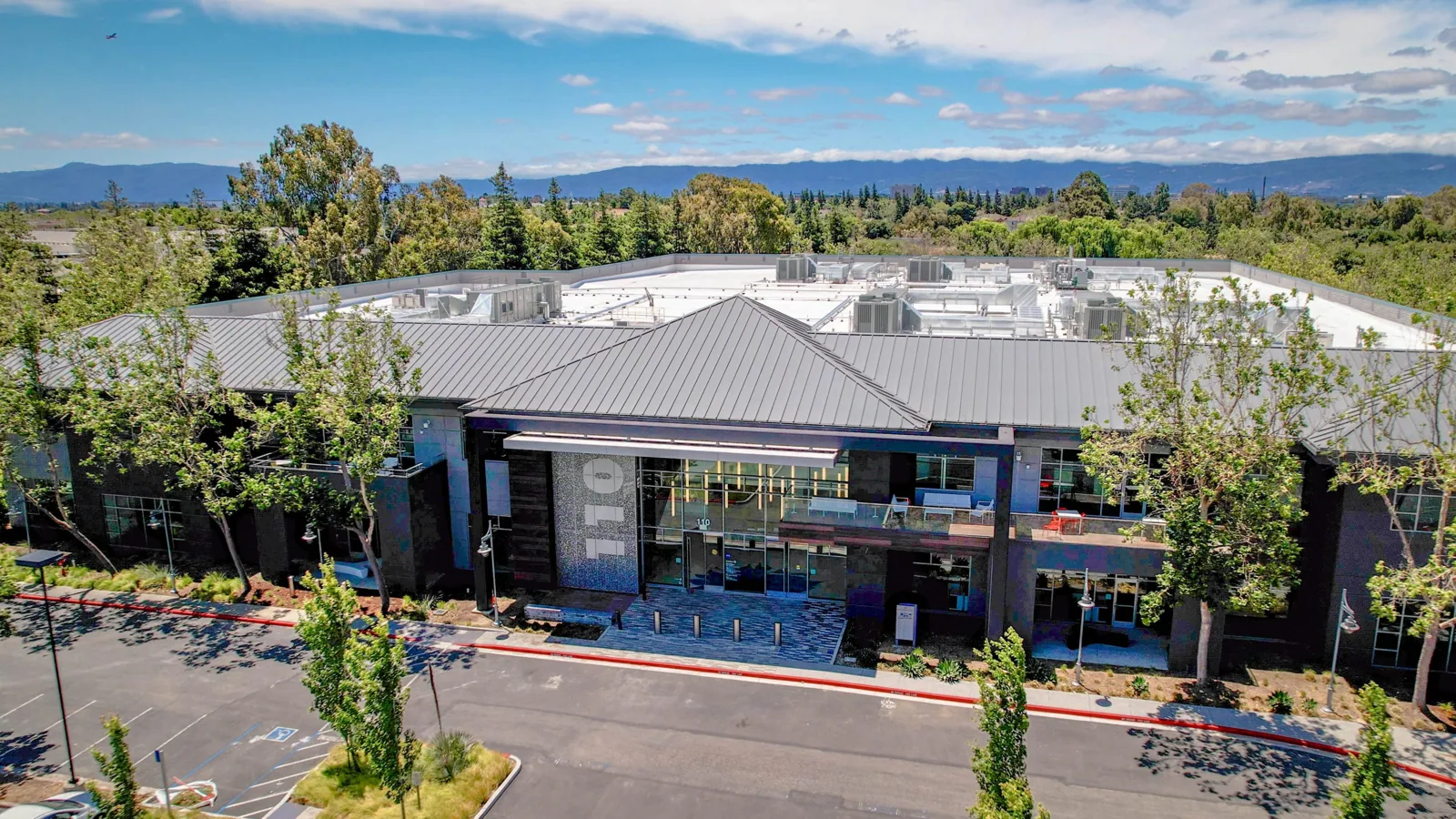
Scott Boulevard has office and R&D development, while Tasman East planning identifies a local area near Lafayette Street and Tasman Drive. In the Tasman Drive and Scott Boulevard emergency service district, the actual property supplies access permissions. A hospital requiring clinical protection can need different operator approvals from ordinary commercial space. We follow the requirements of the reported building instead of carrying assumptions from another address or treating urgency as authorization for equipment changes.
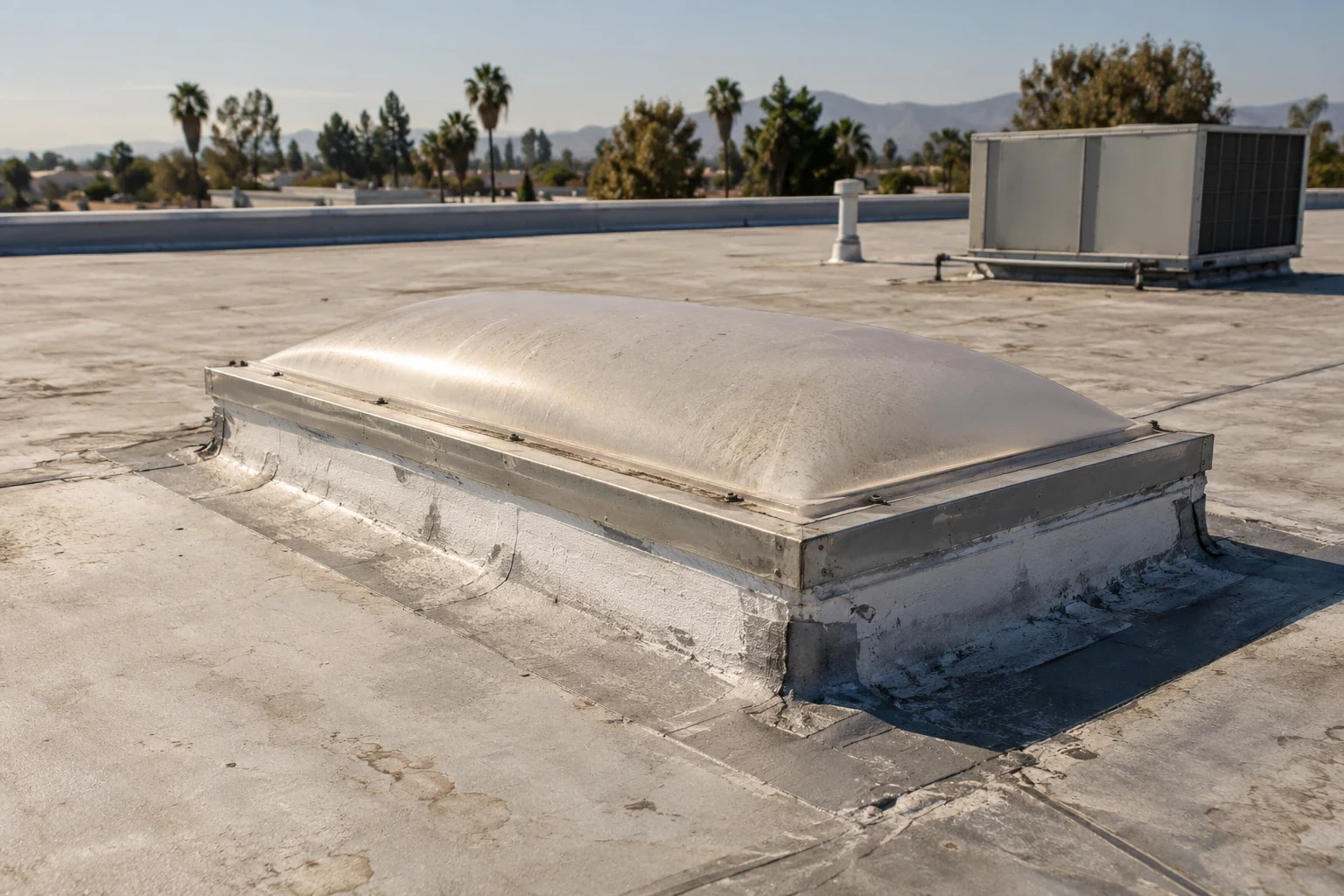
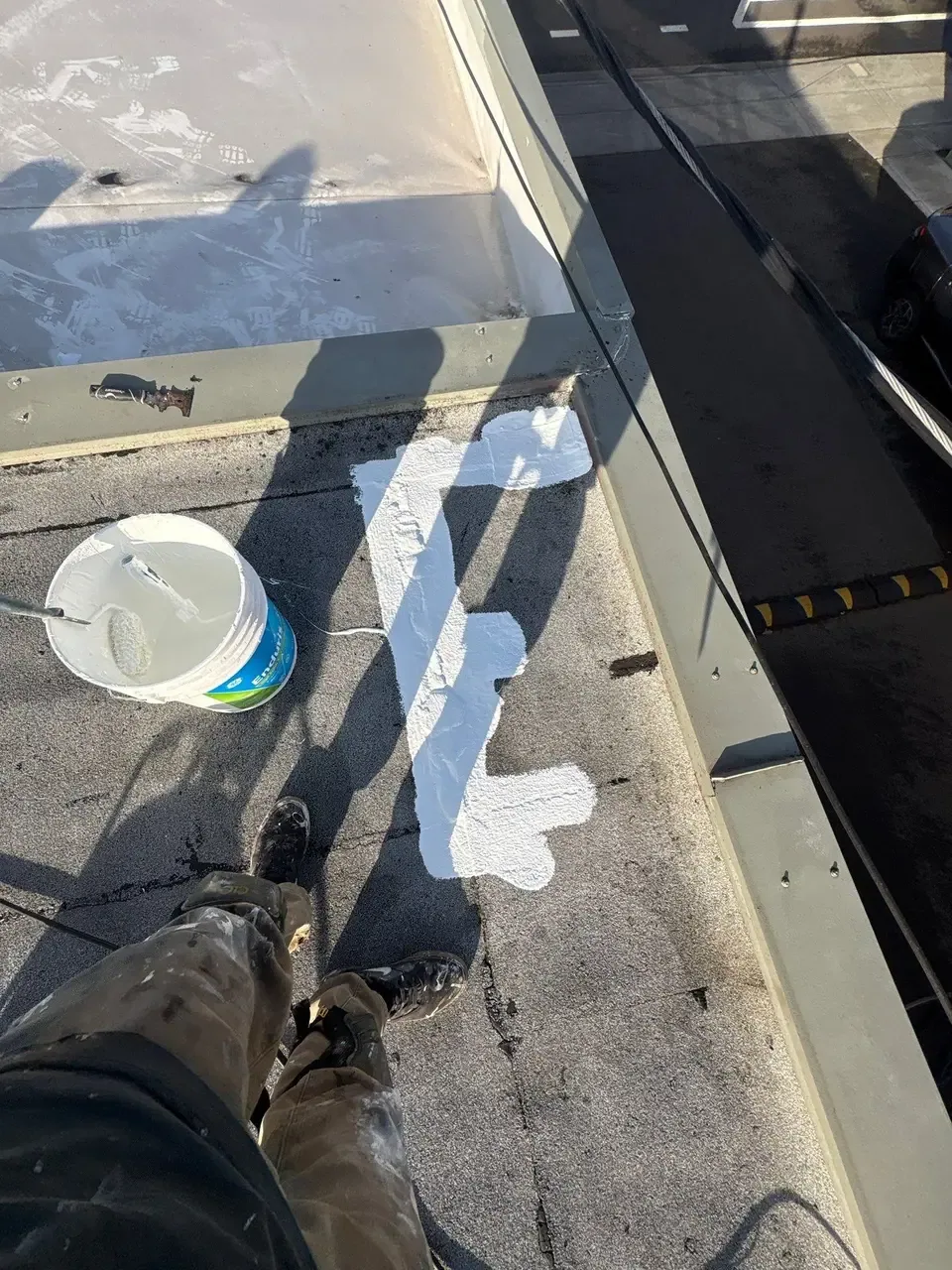
A compatible temporary patch or cover may reduce a defined exposure where conditions allow safe installation. The method depends on the assembly, condition, and accessible detail. We do not treat every leak report as a reason to apply the same material. An intervention must also avoid obstructing outlets or creating an unreviewed load or attachment condition.
For follow-up investigation of roof entry, the temporary record shows its location, installation time, and limits. A warehouse storing vulnerable goods may need operator-led protection below the work. We assign those precautions rather than implying the roofing measure handles every interior concern. Where material or roof conditions prevent the intended temporary correction, we explain that limit. Ownership should understand the actual task accomplished and the permanent decision still pending, without relying on a blanket promise to stop all water entry.
Planning and Completing the Work
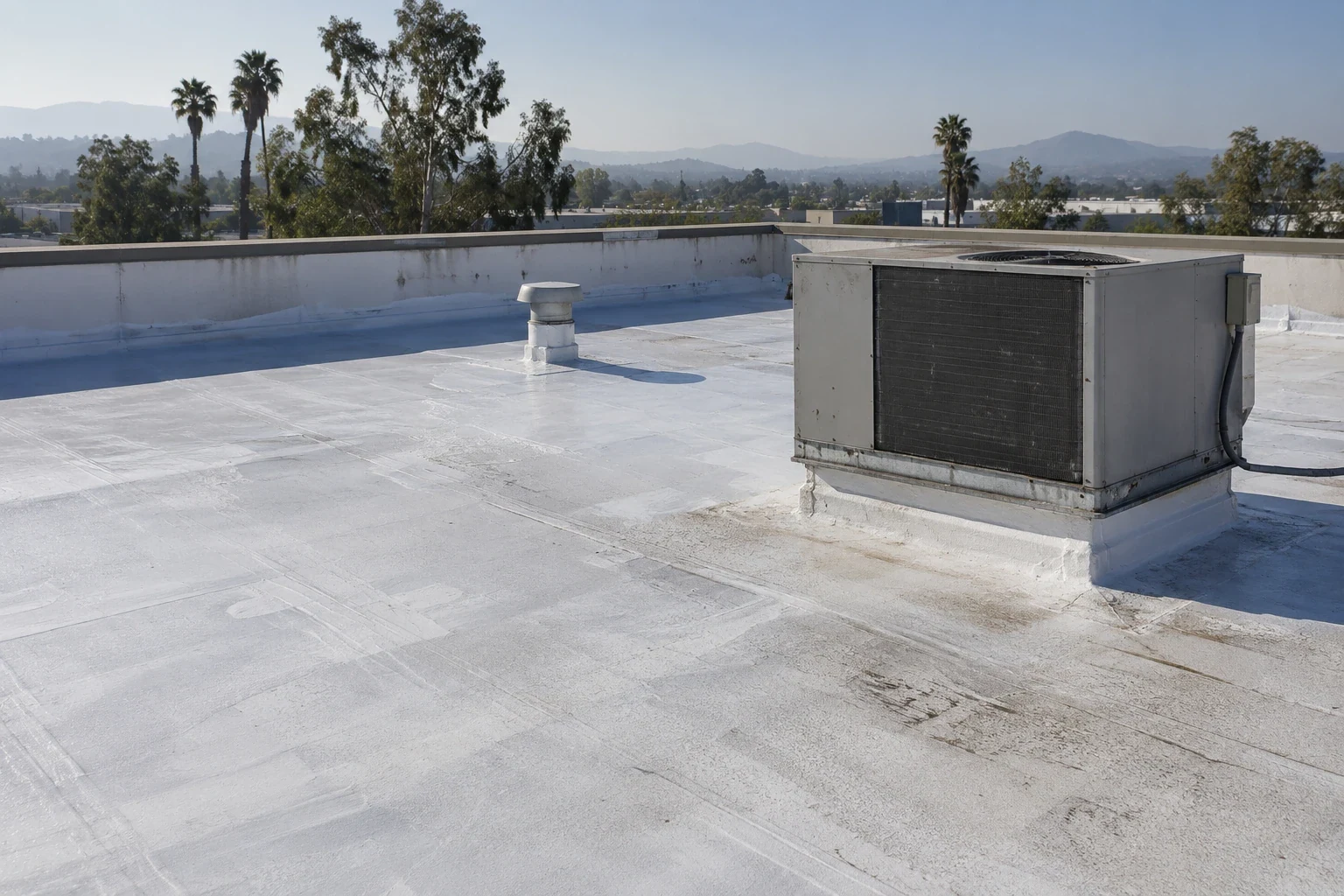
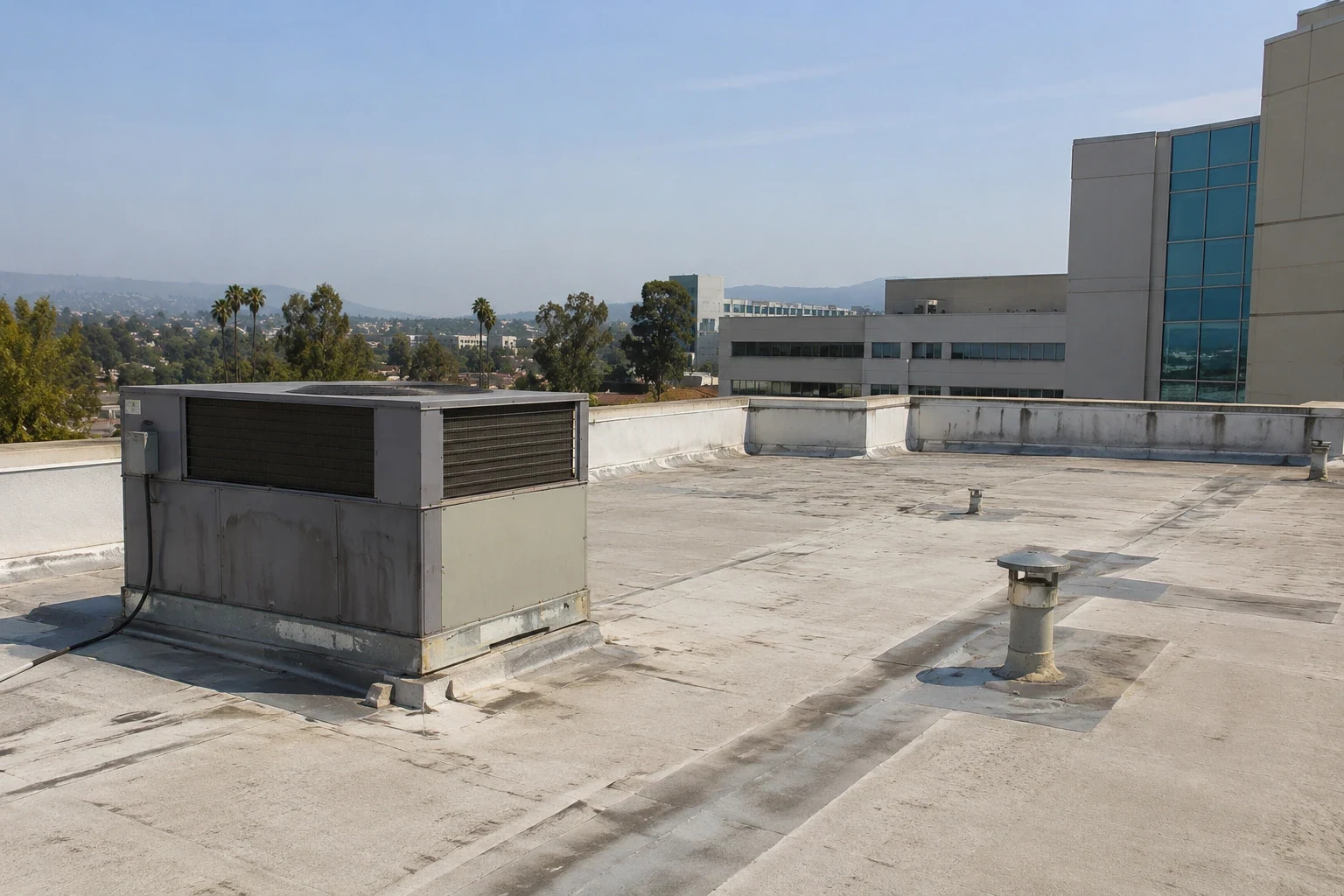
Accessible debris at an outlet can be examined as part of the response. A damaged roof connection, downstream pipe restriction, or supporting depression needs a different task. We do not change a drainage arrangement simply because it appears to offer quick relief. The proposed measure must fit the assembly and safe work conditions. Qualified plumbing or design input may be necessary.
Our roof-side outlet corrections describe the component involved and separate other trade requirements. A temporary cover also needs to preserve the approved flow path. We identify any change it creates and the inspection needed while it remains in place. The manager receives specific responsibilities instead of a general instruction to keep drains clear. That helps temporary protection remain a controlled measure rather than an unrecorded modification that complicates the next rain period or permanent repair.
A response during poor conditions may not establish the full assembly condition. We identify the follow-up examination needed for permanent work. Accessible details, possible concealed moisture, prior interventions, and operator restrictions shape that investigation. Suitable survey methods can support confirmation, but they do not automatically identify every wet layer or active entry point.
The permanent bid separates confirmed correction from additional investigation or concealed conditions. Ownership receives preparation, compatible materials, removal boundaries, and other trade prerequisites. Applicable review follows the actual authority, accepted application basis, scope, and relevant energy exceptions. A temporary task does not settle those requirements. We coordinate the information needed to approve the construction, keeping the response record distinct from the final proposal. That lets the manager move from immediate protection to a supported repair without treating emergency attendance as proof that replacement has been justified.
Before opening a roof, confirm who is present to authorize access and who can protect the space below. The manager identifies hazards, restricted rooms, equipment that must remain in operation, and the contact who can approve a temporary measure. We describe any limit on safe access or suitable materials and record what remains exposed. If the crew cannot complete the defined protection under those conditions, the owner receives the reason and the next needed decision. The record supports follow-up without promising a set arrival time or representing temporary work as a permanent correction.
Temporary work needs an assigned follow-up date or review trigger suited to the condition. Its status should remain visible until the permanent correction or approved removal is completed. Equipment work by others can affect that sequence. We identify the responsible party and the roof detail that must follow. An open prerequisite should not disappear into a general completion statement.
A written roof response and condition record gives ownership the location and boundary of each task. We distinguish completed temporary action, permanent work proposed, and permanent work completed. Staff receive the reporting route for renewed moisture and the access limits for later service visits. The next season check can then compare against the actual construction record. That protects the budget decision by making it clear which expenditure handled an immediate exposure and which addressed the underlying roof condition.
We keep the temporary location references available until the approved permanent task has its own completion record.
Incident handoff: preserve the decision trail. Record who reported the condition, who authorized access, the affected roof zone, reported interior symptoms, examination limits, photographs and any temporary material used. Name the person responsible for the next inspection or permanent-scope decision so a protective measure does not become an undocumented standing repair.
Season check: prepare the response permissions
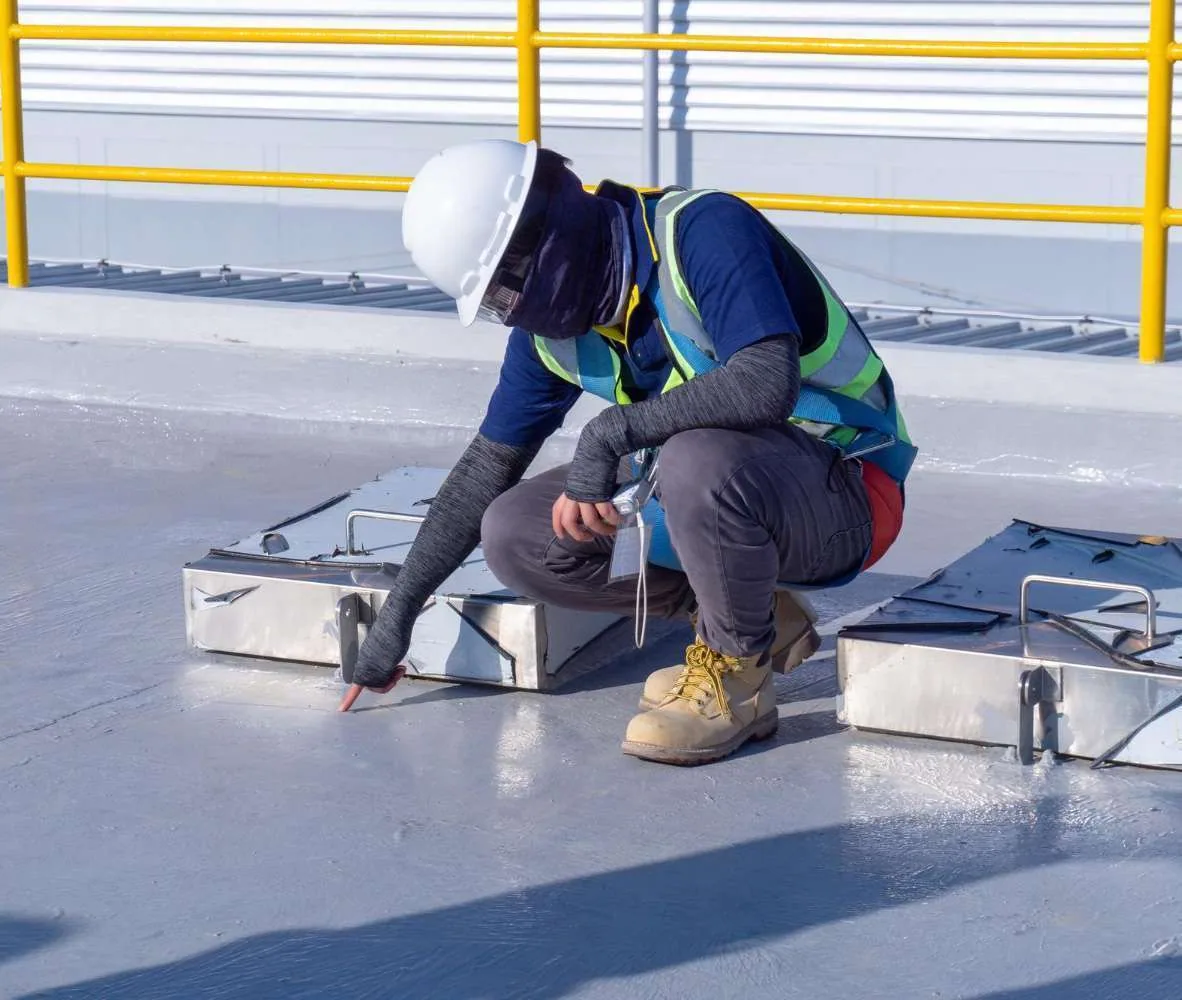
Arrange a pre-season roof visit with building access and operator contacts identified. We will give ownership a plain bid sheet for priority corrections and temporary-work responsibilities.
Frequently Asked Questions
The accessible condition and safe working limits decide what is possible. We record any immediate measure and identify the investigation or approval needed for permanent construction.
The operator directs appropriate qualified personnel and interior precautions. Roofing staff need those restrictions before work. An emergency roof visit does not replace electrical or clinical safety authority.
The cause needs examination. Accessible debris, a damaged connection, downstream restriction, and support condition require different tasks. We describe the component addressed and any further review needed.
For a reported emergency, we assess access and current conditions, then define any safe temporary measure separately from permanent correction.
Roof Assessments
Santa Clara & the South Bay
Membrane, flashing, drainage and edge details checked and written up before any work is priced.
Request a Roof Assessment