- Home
- Roofing Capabilities
- Roof Condition Reports
Commercial Roof Condition Reports in Santa Clara
Before the next rain period, ask what the roof report establishes. The late December 2022 to mid-January 2023 storm sequence affected the Bay Area. It supplies regional context. Your Santa Clara building still needs its own examination.
Commercial Roofing Santa Clara gives the property manager a usable condition report. Located findings. Clear inspection limits. The work each observation supports. Ownership can follow the proposed amount without reconstructing a roof walk.
A Scott Boulevard office building may have several roof sections. Match the report to the actual premises. Another addition or equipment arrangement can change the task. A nearby development's construction history is not this building's roof condition.
Roof Condition Reports: What the Work Covers
Rain planning starts with the area that needs attention. Identify reported water, accessible outlets and previous corrections. Record timing when a concern was noticed. Seasonal context helps prioritize the review without proving an individual defect.
Roof drain and scupper assessment separates accessible debris from damaged receiving construction. Cleaning can be a useful task. It does not establish that piping, outlet capacity or adjoining layers are suitable.
Do not add an informal water load or block outlets. Any water-based investigation needs an appropriate method. Qualified parties establish the relevant construction and safety requirements.
Heat planning deserves the same discipline. September 2022 brought regional heat and voluntary Flex Alerts. That grid event does not establish your equipment's runtime. Inspect the actual connections before turning it into a repair quantity.
The report should state the building question. Weather is context, not proof of damage.
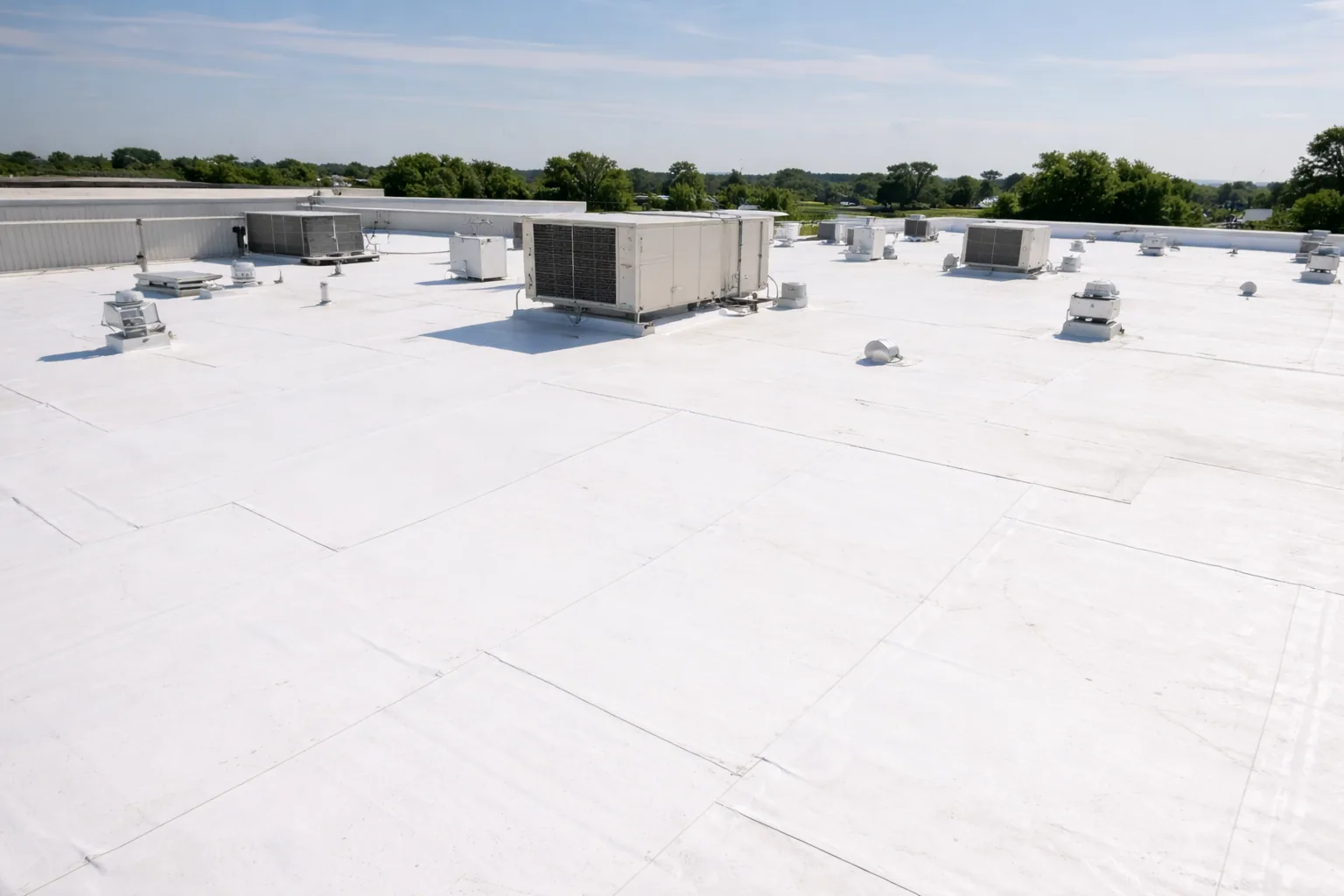
Use recognizable references for each observed condition. A plan mark can connect the detail with surrounding construction. Dated photos should help another manager find it. A wide image provides orientation without showing every hidden layer.
Commercial roof inspection records accessible seams, penetrations and prior treatments. Include adjoining material that a correction would use. State where access was restricted and what remained unexamined.
Match available drawings and repair records with the installation. A drawing may describe an earlier arrangement. Keep field differences visible where they affect the recommendation.
A condition grade needs an explained basis. The number should connect with observations, coverage and practical consequences. It cannot substitute for located evidence or decide removal extent by itself.
If supporting or service concerns limit approach, retain the qualified review. Staff should not cross uncertain material for a photograph. Safe observations can identify where another authorized examination is needed.
A concealed question matters when it changes the owner decision. State which layer, boundary or attachment needs information. Then identify an investigation appropriate to that question. Ownership should understand what the next amount buys.
Interpreted infrared roof assessment can provide patterns under suitable conditions. Confirm their meaning with methods appropriate to the assembly. A scan is not direct proof of every hidden layer.
Samples describe the locations examined. Broader removal or retention needs evidence for the intended extent. Keep an unexamined area separate from a confirmed quantity.
A reported room stain also needs timing and operating information. Roof leak investigation checks the supported exterior mechanism. Equipment or enclosure questions may require another reviewer. The closest penetration is not automatically the entry point.
Investigation and permanent repair are different approvals. Keep their purposes clear on the bid sheet.
Planning and Completing the Work
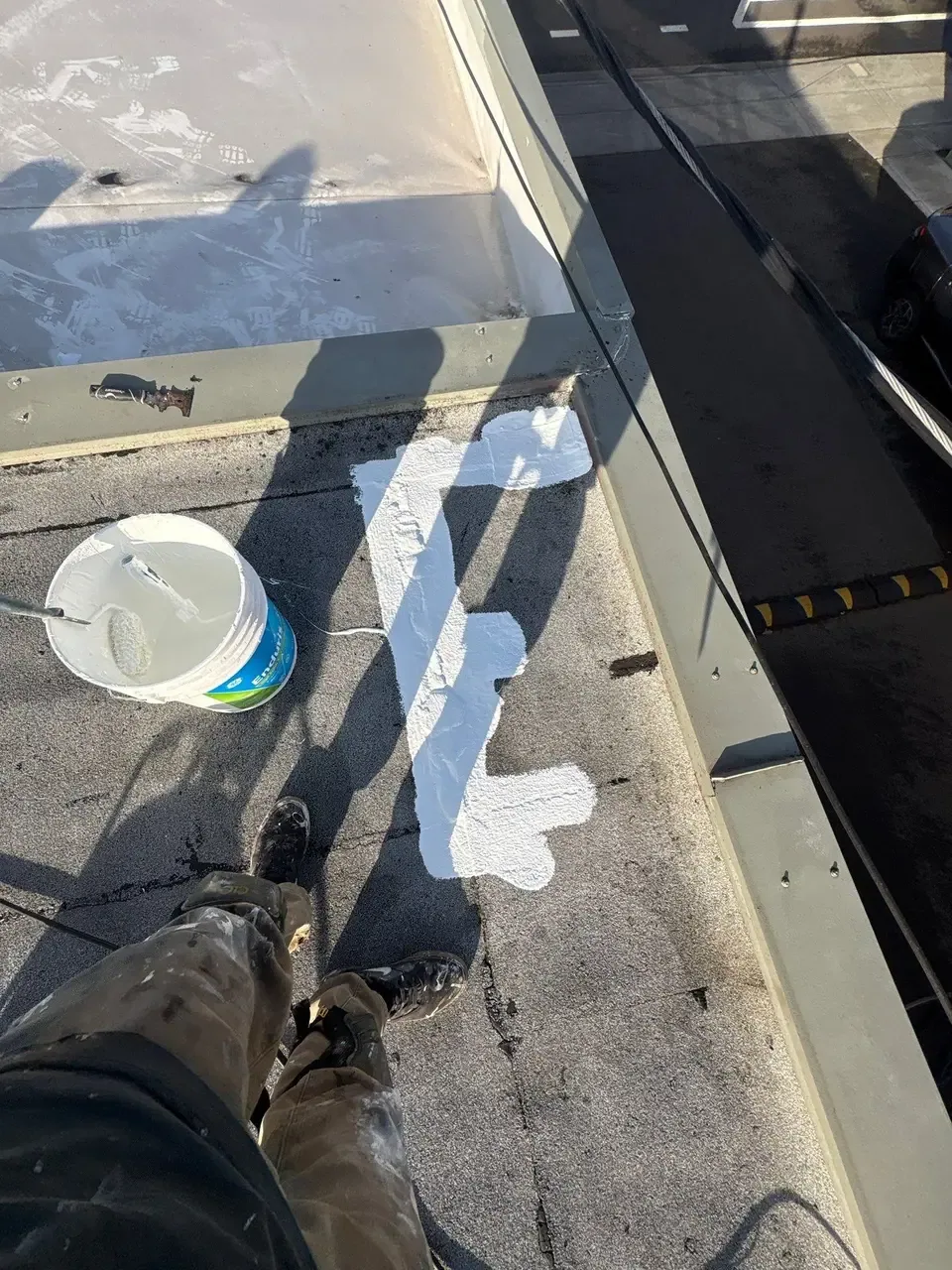
Identify the receiving material and preparation at the repair boundary. Prior treatments or deterioration can change that work. Explain the physical reason for any wider correction.
A small price is useful when it buys a suitable endpoint. Compare removal, preparation and adjoining details across proposals. A field-material amount may omit the task that makes the connection workable.
Roof capital planning places supported current correction beside later options. Keep their evidence and practical provisions visible. Age alone does not establish a fixed remaining duration.
Carry conditional deterioration separately from measured work. Give the allowance a measurement and approval procedure. The line that matters should explain its uncertainty, not hide another construction expense.
For restoration or replacement, review suitability of the intended assembly. Product requirements and receiving condition guide that choice. A reflective surface label does not resolve damaged construction underneath it.
The operator identifies affected rooms, entrances and material routes. Confirm who can approve the work period or a changed phase. Limited handling can require repeated setup. Put the handling and protection needed to perform that correction beside its measured quantity.
Property manager roofing coordination retains the owner and tenant roles. One approval may arrange access while another authorizes construction. Keep both attached to the scope.
For the Tasman Drive and Scott Boulevard corridor, use the subject address. For a Scott Boulevard office or R&D assignment, match available construction records with the accessible roof details. Near Tasman East, identify the building contact and permitted access before the report relies on examining an occupied area.
Santa Clara adopted the 2025 California building standards through Ordinance 2081. Confirm actual jurisdiction, accepted application basis and alteration scope. Energy requirements depend on applicable paths and exceptions. The selected finish is only part of that review.
Installation also needs suitable weather, substrate and product conditions. A booked tenant period does not make an unprepared base ready.
Equipment changes need qualified mechanical, electrical and support parties. Identify the building contact responsible for accepting the equipment interruption before the proposed correction depends on it. Measure the intended finished roof relationship before placement. Added layers can reduce junction clearance. Resolve a needed adjustment while preparation remains accessible.
Include a former equipment opening when a unit moves. It may require deck or insulation reconstruction before closure. Name the party providing that work and its readiness check. A new support price should not conceal the separate task at the old position.
Roof warranty document review retains issued terms beside the installed system. Coverage, notice and repair requirements need their actual documents. A roof condition report does not promise an issuer's acceptance.
After approved work, add preparation photos, installed products and final quantities. Keep the same location references. Separate roofing completion from equipment return and interior acceptance.
Deferred work needs a responsible contact and reassessment trigger. An unresolved question needs its next examination. The next manager should know which item is maintenance and which awaits a construction decision.
A later water occurrence receives new details. Compare it with the earlier findings and intervening changes. The old report is useful comparison. It is not a current inspection of an altered roof.
Condition report: make the observation reproducible. For each reported defect, include the roof area reference, date, observation, evidence, access method and any condition that limited the review. Distinguish active water entry reported by an occupant from a verified roof opening, and note when the path is unresolved. Recommendations should identify the next action, its purpose and the approval needed, not just assign a severity label. A later inspector should be able to revisit the same detail and compare change over time. This keeps the report useful to facilities, finance and contractors without implying that a visual survey confirms concealed construction.
Get the roof findings onto a clear bid sheet
Arrange a Santa Clara season check. We will explain located conditions, complete correction costs and the questions ownership needs answered before wider work.
Frequently Asked Questions
Located findings, inspection limits and complete tasks. Connect each proposed amount with the observation supporting it.
No. Explain its evidence and examined extent. Concealed questions may require another investigation.
It sets context for inspection. The subject building needs evidence for its own defect and correction.
Measurement, documentation and approval requirements. Keep its uncertain quantity distinct from confirmed work.

Roof Assessments
Santa Clara & the South Bay
Membrane, flashing, drainage and edge details checked and written up before any work is priced.
Request a Roof Assessment