- Home
- Roof Systems
- TPO Roofing
TPO Roofing in Santa Clara, CA
September 2022 regional heat and Flex Alerts put roof-surface choices on the approval agenda. In Santa Clara, CA, the useful TPO question is specific: what construction sits beneath the reflective membrane in the proposed bid? The finish can affect absorbed solar heat. It does not establish insulation condition, attachment quality or a building's cooling cost. We examine the assembly before recommending a new installation or a targeted repair.
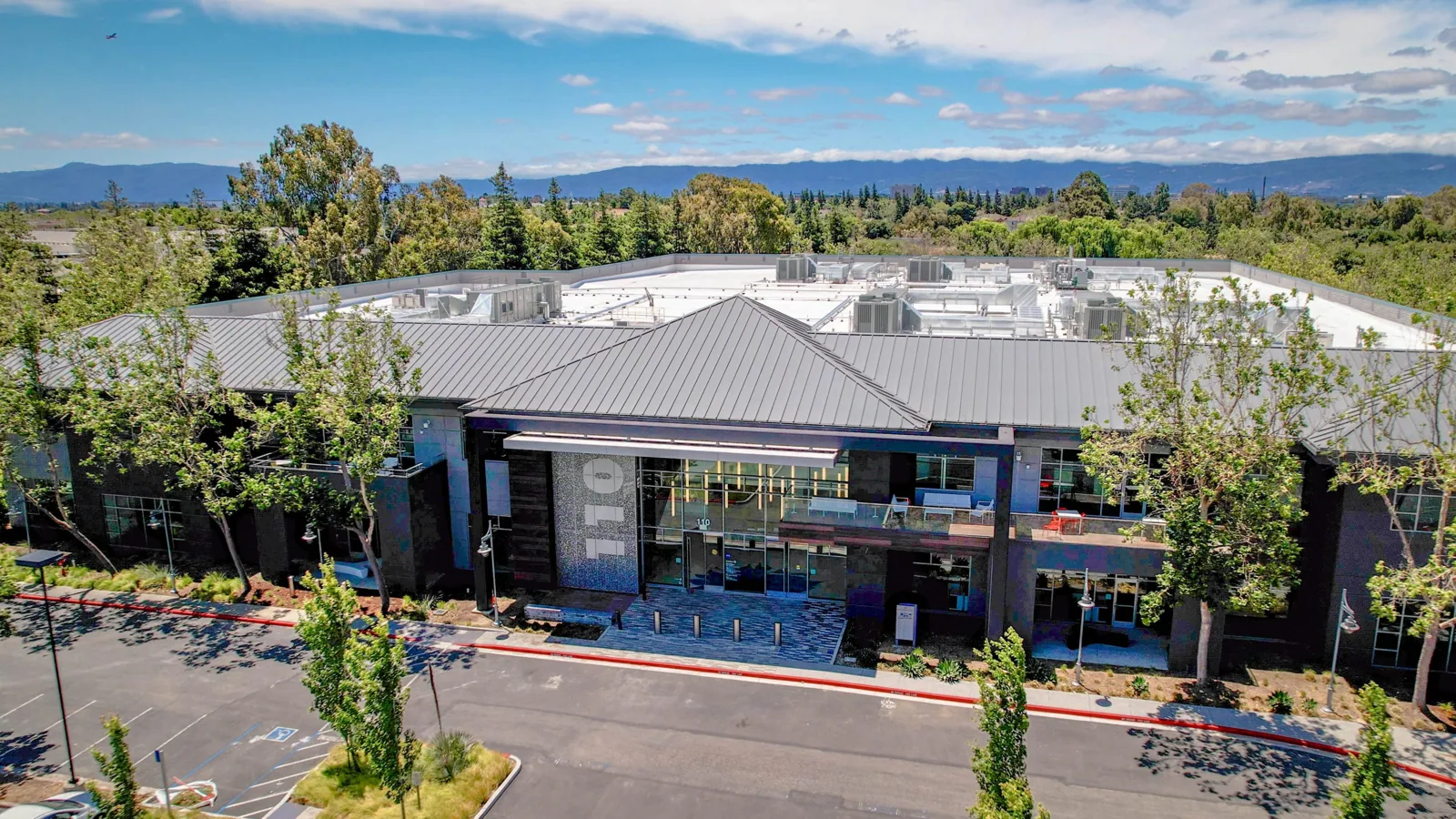
At the historical Scott Boulevard office/R&D area, office and R&D uses supply a local commercial reference for the TPO assessment. The actual property's deck, equipment and use set the scope. We prepare a bid sheet that identifies substrate work, insulation, attachment and welded details. Ownership can then compare TPO options without mistaking a membrane thickness line for the entire project.
TPO Roofing: What the Work Covers
A TPO seam joins compatible thermoplastic materials through controlled hot-air welding. Surface preparation, tool settings and field conditions influence that connection. We use the selected system's procedures and check the completed work. A continuous-looking seam needs appropriate examination; appearance alone does not establish a sound weld.
Existing membrane may have surface contamination or weathering that affects a repair tie-in. We examine the material and prepare a suitable test area where required. An older surface does not justify using an incompatible patch. Repairing an identified seam defect starts with the extent and condition of the actual connection.
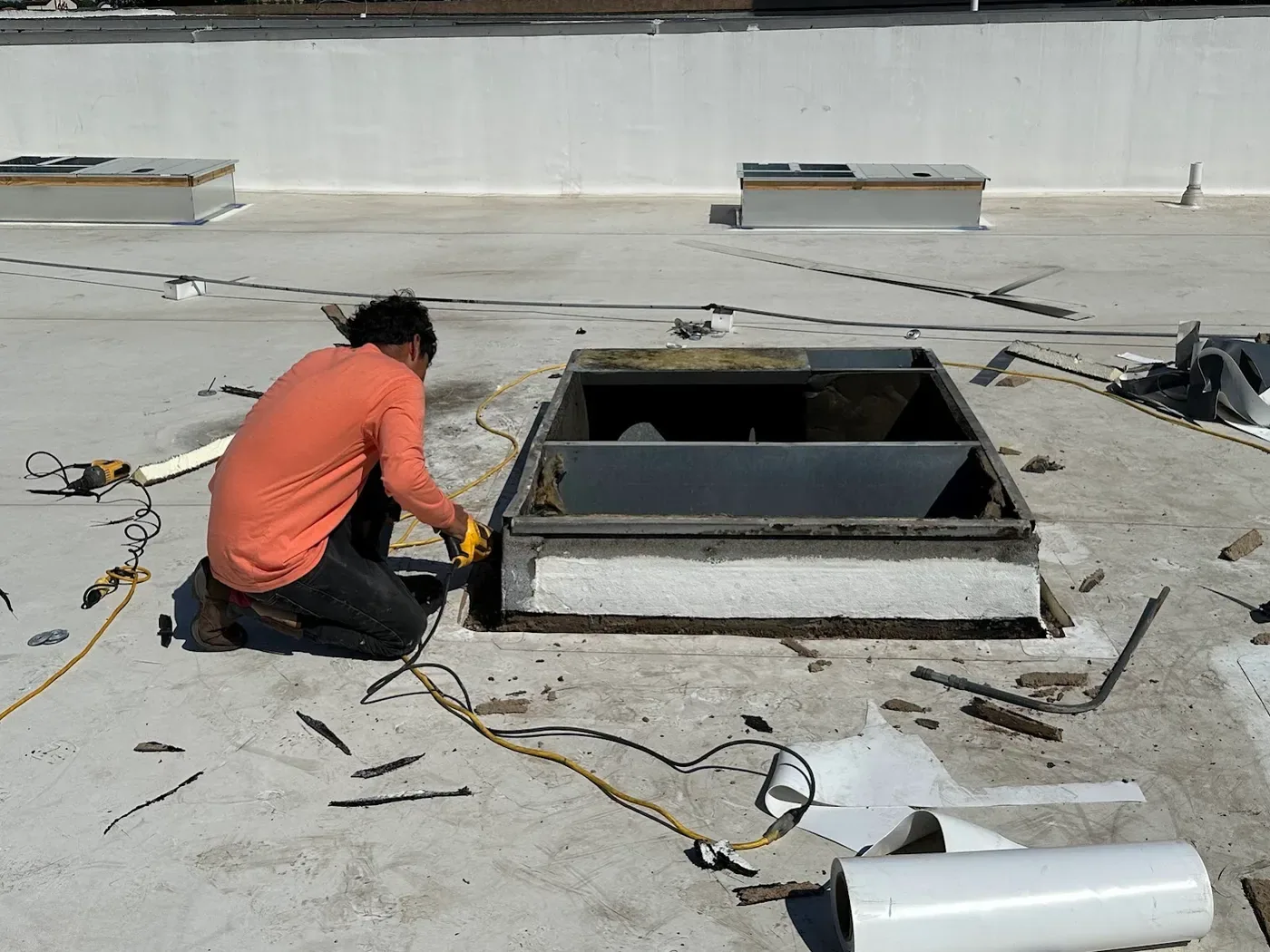
Corners and changes in plane deserve close attention. A curb needs compatible flashing and a protected termination. A penetration detail may use a specified accessory rather than a field improvisation. The bid sheet separates those details from field membrane area. A proposal can name the same roof system while including substantially different connection work.
A mechanically attached TPO assembly transfers forces through fasteners and the supporting deck. An adhered system relies on a different sequence of substrate preparation and bonding. Both need a suitable approved assembly. We inspect accessible deck information and identify testing or design review needed before treating the method as settled.
Insulation and cover board affect the installed system. Wet or damaged material needs a defined correction. New layers also change finished heights at curbs and edges. We coordinate those relationships instead of selecting attachment on the basis of roof color. The selected assembly should describe the materials beneath the membrane as clearly as the membrane itself.
A comparison with a PVC membrane alternative should use the actual property conditions. Both can use welded seams, but their materials and specified accessories differ. Repairs cannot be interchanged simply because the surfaces look similar. We evaluate compatibility, operating exposure and details before ownership selects the preferred option.
A localized puncture in sound construction may permit a compatible repair. We examine the opening and adjacent substrate before describing that boundary. If moisture has moved into insulation, the correction may extend beyond the visible mark. We identify the investigation required and distinguish measured work from an allowance.
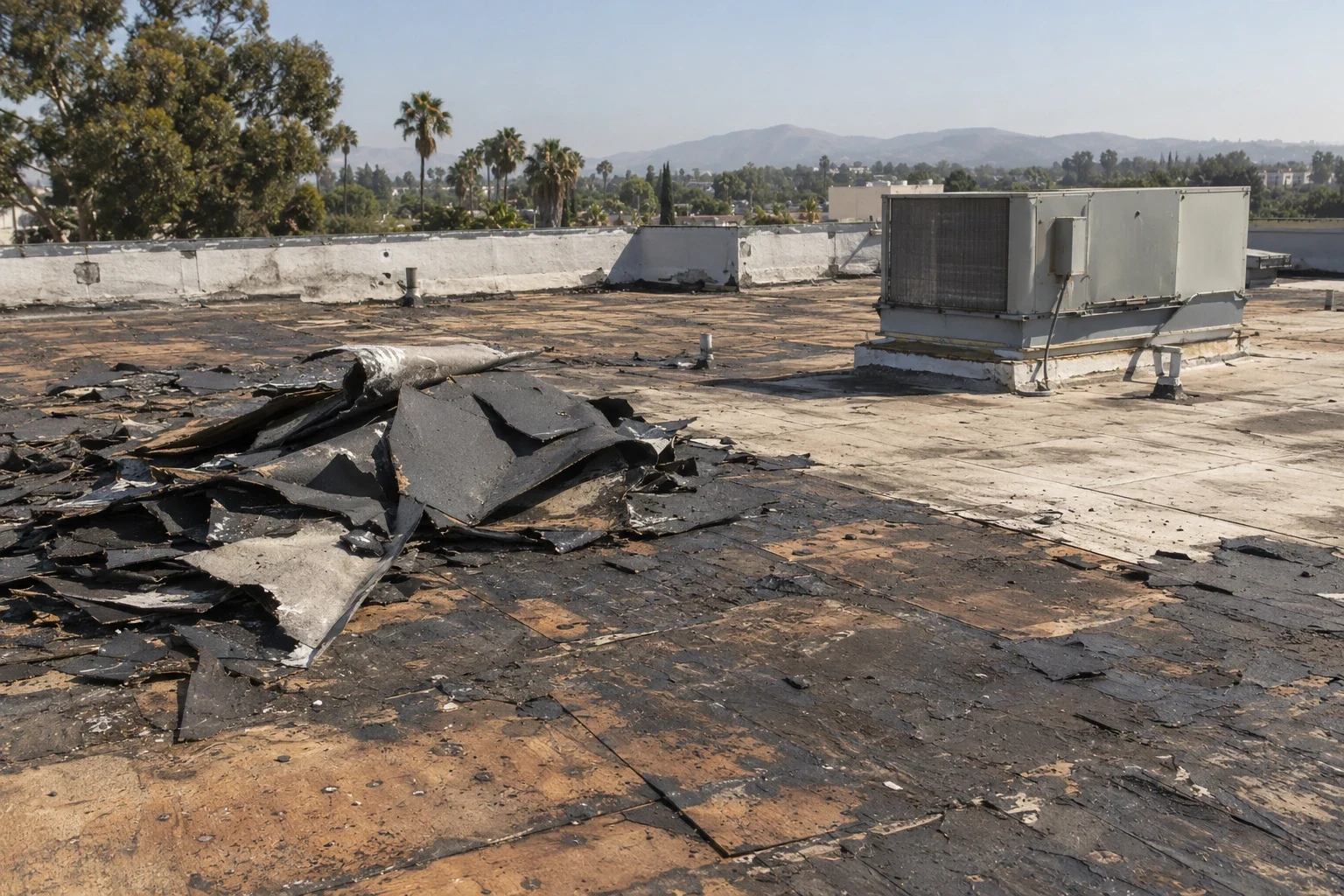
A full replacement needs a removal and protection sequence. Replacing the existing roof assembly can provide access to concealed construction, but it also exposes the building during work. We set daily removal limits and coordinate safe material handling. Occupied-space restrictions belong in that plan before roofing begins.
A recover option retains more construction and therefore needs its own eligibility check. Roof layers, moisture, loading and applicable requirements must support it. Comparing that approach with an EPDM assembly option should make the differences in repair methods and connections visible. A lower initial price is useful only when the proposed assembly is suitable.
Planning and Completing the Work
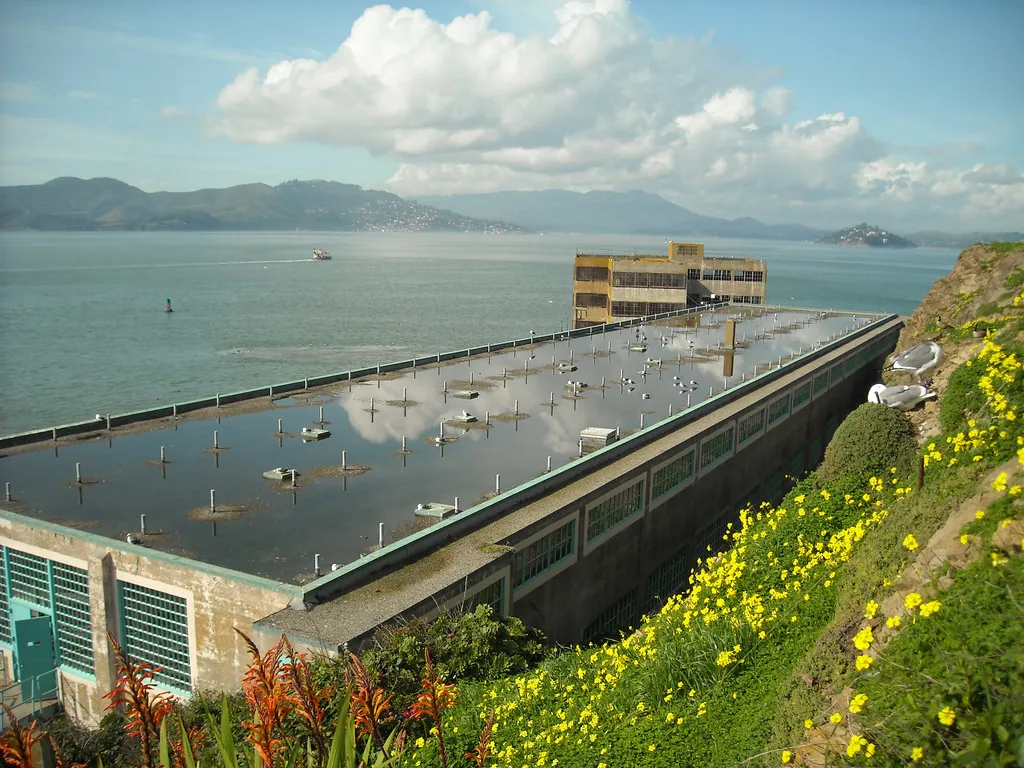
For regional rain planning, consider the atmospheric rivers that began in December 2022 and continued through the middle of January 2023. They support reviewing the water route before the next wet period. That weather history does not show that a particular TPO roof failed. We inspect outlets, local slope and transitions using the actual construction. A reflective membrane does not make a low outlet connection or blocked discharge route irrelevant.
Drain flashing needs compatible material and the correct connection to the outlet assembly. We review drain and scupper work alongside field membrane work. A damaged outlet component may require another trade or a different replacement task. The roofing bid should name that responsibility before the membrane is installed around it.
The Tasman East framework concerns development planning in the vicinity of Lafayette Street and Tasman Drive. It cannot determine a present building's roof material. At a property along the Tasman Drive and Scott Boulevard corridor, our roof assessment establishes the relevant drains, curbs and tie-ins. Planning identity and roof condition remain different inputs.
Santa Clara adopted the 2025 California building standards and local modifications. Confirm the authority, accepted application basis and specific work scope for the property. Energy compliance paths and exceptions require project review. A selected TPO product's ratings may contribute to that review, but the membrane name alone does not establish compliance.
We identify the proposed insulation and surface documentation in the approval package. Design or permit tasks that belong to others need stated responsibility. An alteration may involve different requirements from new construction. We do not apply one numeric surface requirement to every roof proposal.
For an office building reroofing decision, access and equipment coordination affect the finished scope as well. Ownership should compare those tasks with the technical assembly. A material upgrade that omits required curb adjustments can leave the project short of the approved detail.
Completed seams and flashing should receive the specified inspection before protection and access arrangements are removed. We retain photographs of important details. Product identification and compatible repair information belong in the owner's roof file. Future maintenance personnel need to know the system before selecting materials for a patch.
Foot traffic around equipment can damage the membrane. Appropriate walk protection and service routes help reduce that risk without blocking drainage. We inspect those locations during season checks. A new cable or support should be reviewed before it is fixed through the completed roof.
Ownership benefits from separate descriptions for installation, required corrections and future care. We supply those distinctions on the bid sheet. The manager can then take a practical scope to approval and retain the closeout information for the next authorized maintenance task.
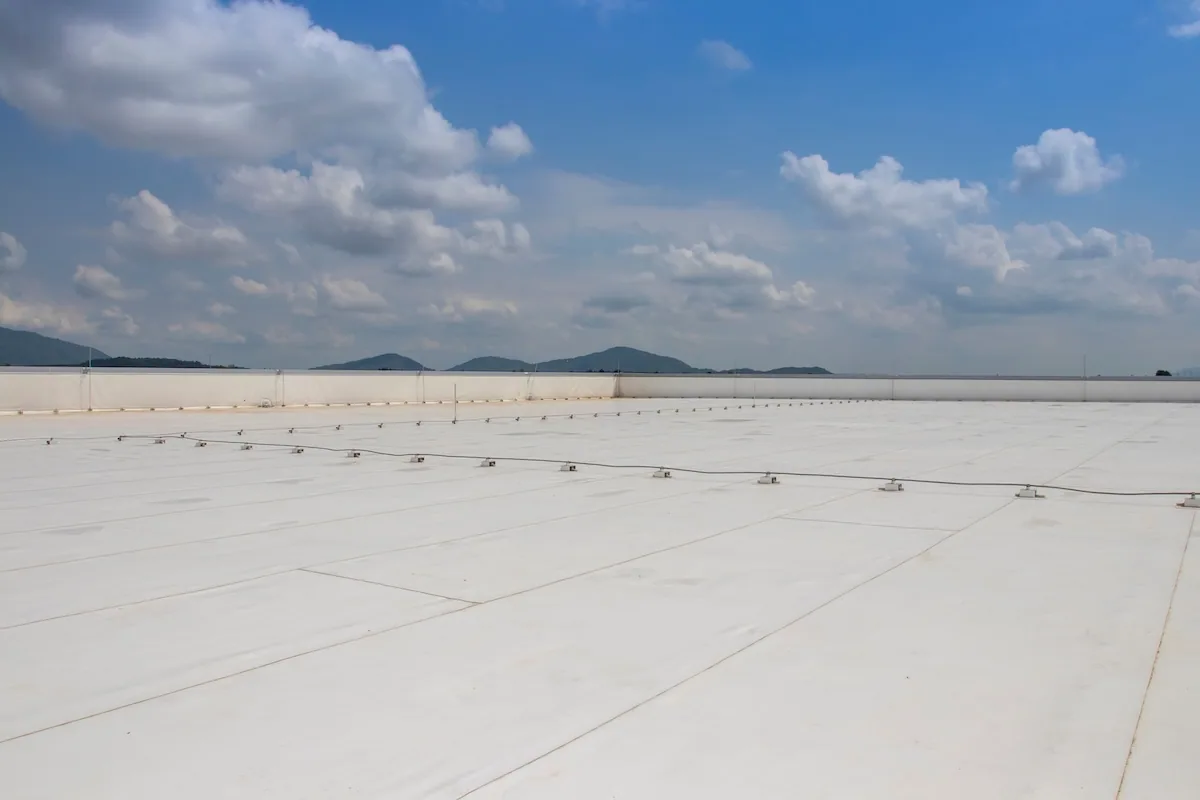
TPO selection: define the assembly and detailing. A TPO proposal should identify the membrane product and thickness, attachment method, insulation and cover board, substrate preparation, and treatment of edges and penetrations. Those items affect both the installed assembly and how a later repair is made. Compare bids for the same tear-off assumptions and perimeter details before using the bottom-line price as a system comparison. At curbs, drains and transitions, the detail must match the existing construction and project requirements. The closeout should preserve product identification, approved maintenance guidance, and photographs of completed seams for the people who will manage future roof work.
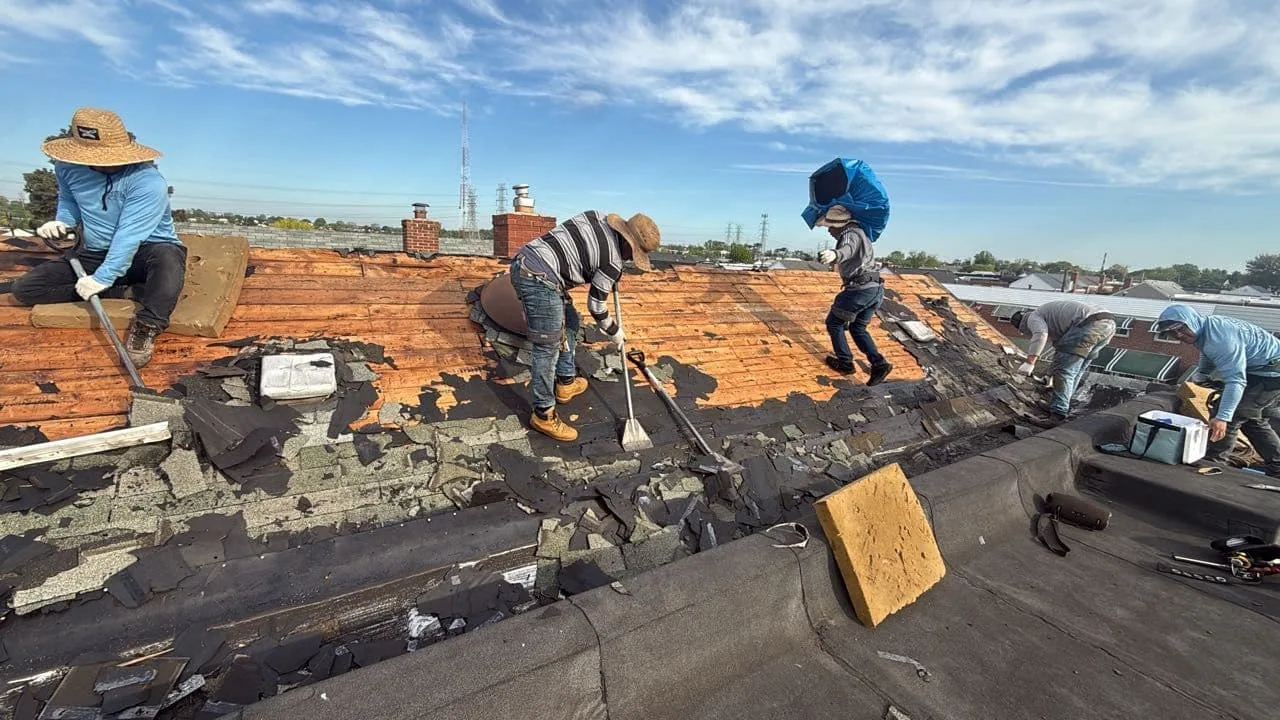
Compare the complete TPO assembly before selection
Book a pre-season roof check. We will give ownership a plain TPO bid sheet showing preparation, welded details and tenant coordination.
Frequently Asked Questions
Compare the underlying assembly and detail quantities as well. Deck preparation, insulation, attachment and flashing can differ despite the same membrane thickness.
Use materials approved for the actual TPO system. Similar appearance does not establish chemical or welding compatibility.
Product ratings are only part of project review. Confirm the authority, submission basis, scope and applicable compliance path.
The existing surface can affect the new weld. Suitable preparation and checks help establish whether the proposed tie-in is workable.
Check the traffic route, new support contact points and any disturbed flashing. Service activity can affect those details without changing the main roof field.
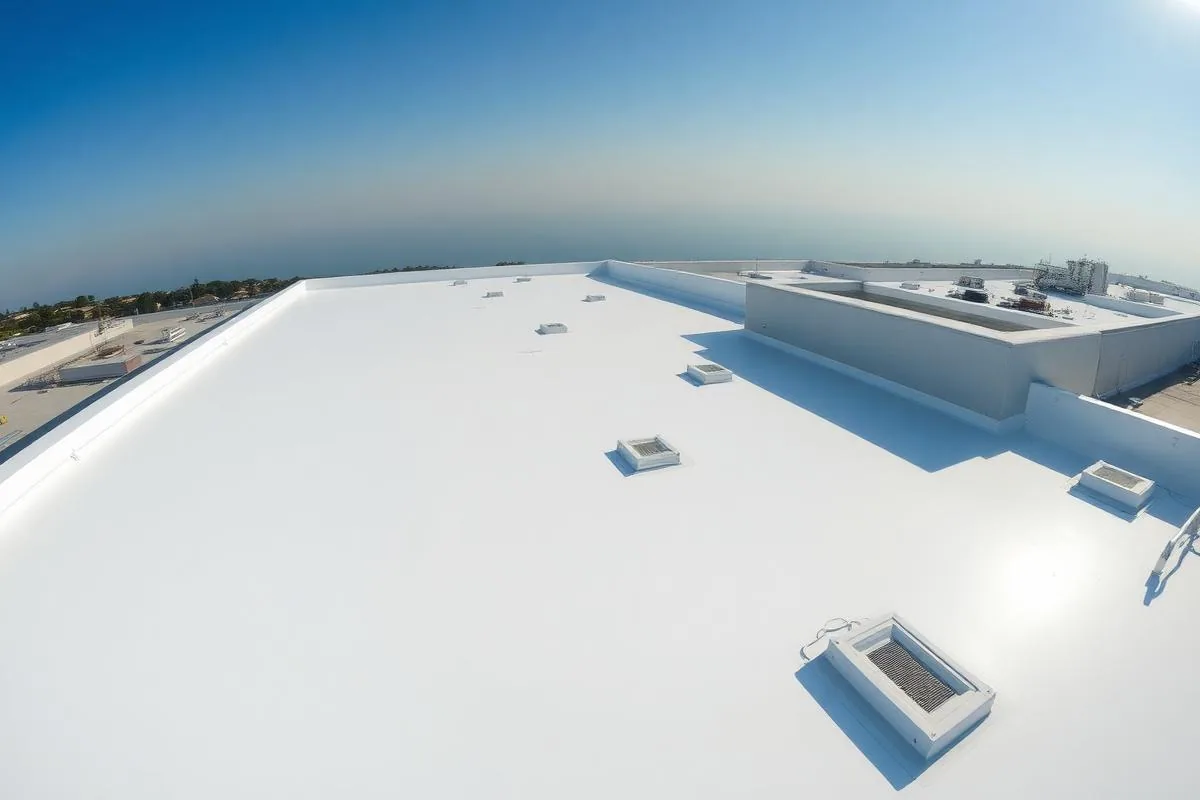
Roof Assessments
Santa Clara & the South Bay
Membrane, flashing, drainage and edge details checked and written up before any work is priced.
Request a Roof Assessment