- Home
- Commercial Roofing Services
- Commercial Roof Repair
Commercial Roof Repair in Santa Clara, CA
The wet regional period from late 2022 into early 2023 gives a property manager a repair question: which observed defect has a defined correction before the next rain period? Santa Clara, CA roof work begins with that examination. Historic weather does not establish debris accumulation or damage at a subject building. We inspect the accessible roof and identify the work supported by its actual condition.
A repair should correct a specified detail, not turn an undefined allowance into repeated patching. We examine seams, flashing, outlets, and affected sheet, then describe preparation and compatible replacement. The bid sheet shows what remains and what changes. Ownership can approve that boundary knowing which finding supports it. Where the condition needs additional examination or a different trade, we identify the prerequisite. That gives the manager a practical task to schedule without claiming a local repair settles every concealed issue across the assembly.
Commercial Roof Repair: What the Work Covers
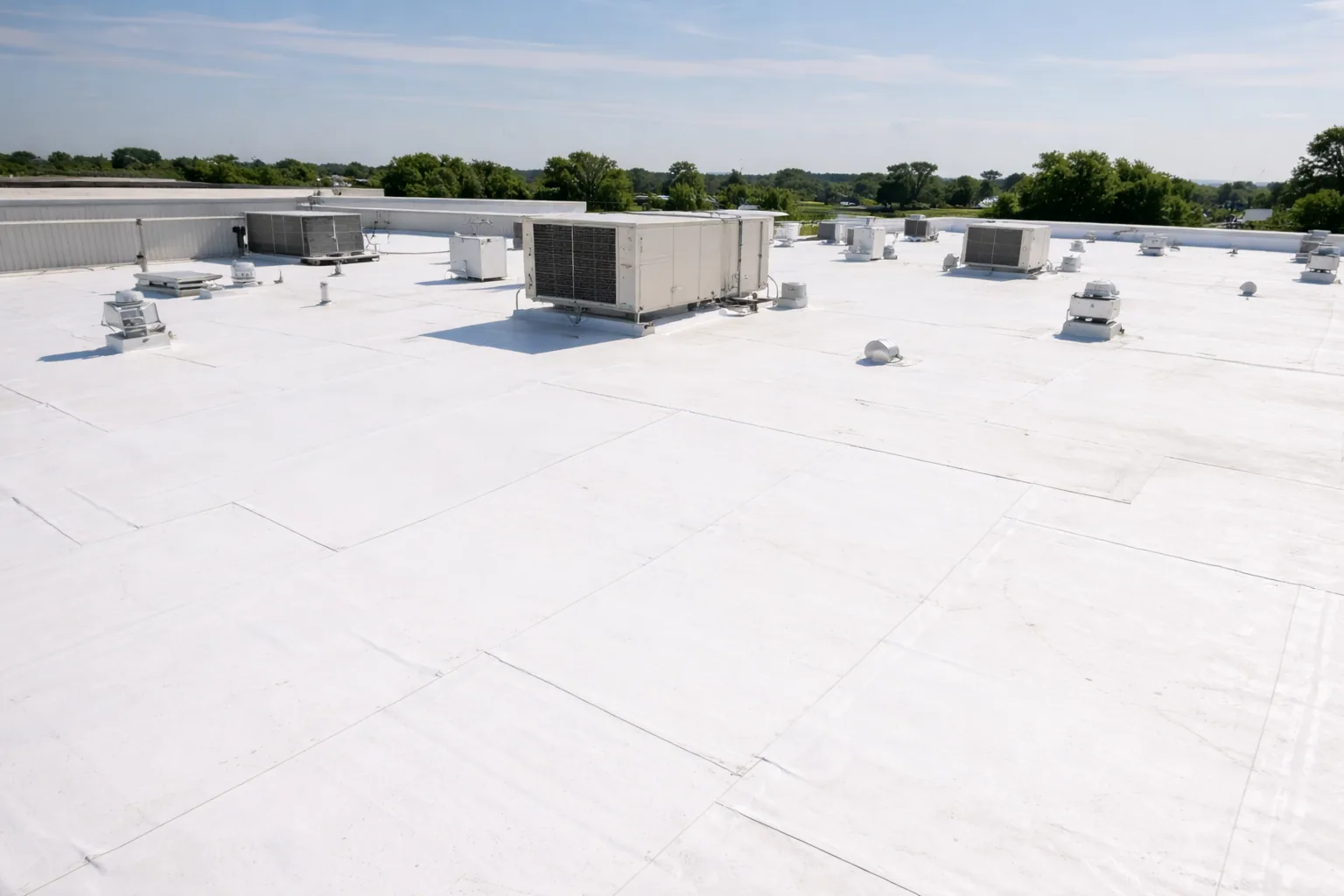
A puncture, separated seam, loose edge, and damaged curb flashing call for different repair descriptions. We locate the affected detail and examine the surrounding construction. A roof plan or photograph reference makes the work identifiable. The quantity should describe the actual correction, including preparation, rather than only a large shaded area that could mean several different tasks.
Our inspection before repair pricing identifies the accessible findings and examination limits. A leak investigation is a separate task where the entry point remains unresolved. We explain which work has a supported boundary and which still depends on further examination. Ownership then receives a repair proposal it can compare, with a clear description of what the base price accomplishes. The manager can also connect the completed task to the original roof finding.
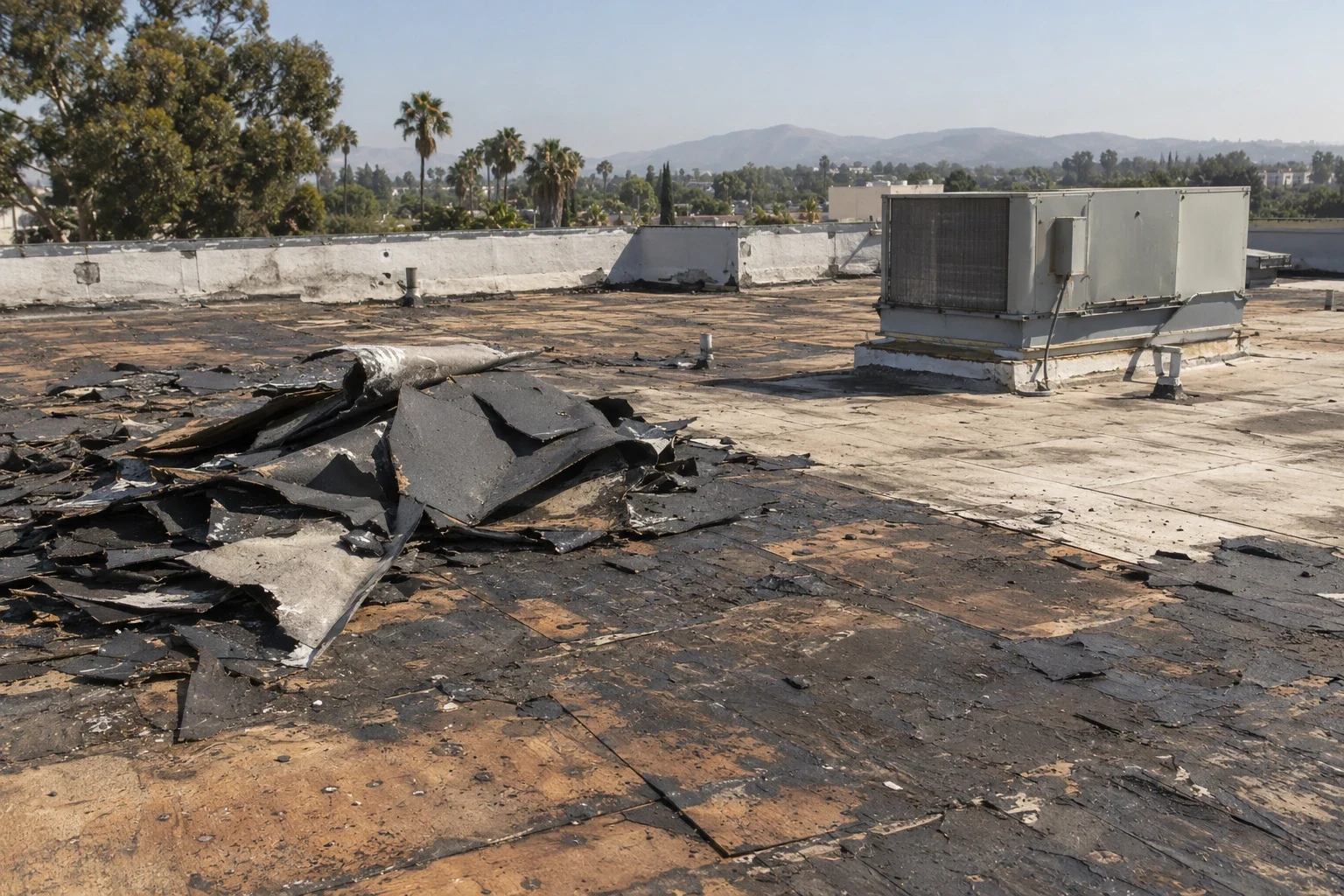
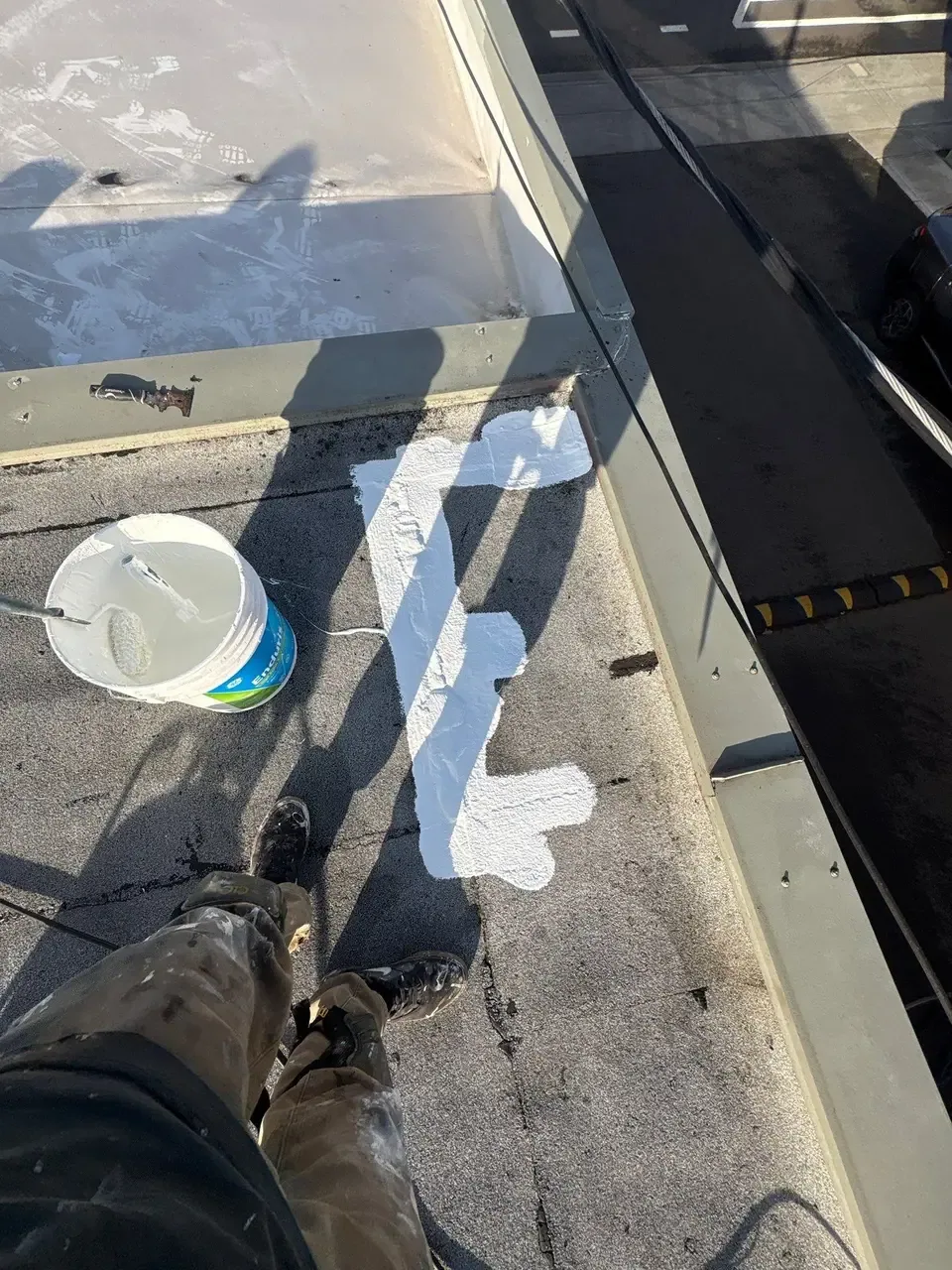
Previous patch material can affect the bond of a new repair. We examine compatibility and the condition of the sheet before selecting preparation. Loose, contaminated, or deteriorated material may need removal. A repair that simply covers a failing layer can inherit its weakness. Cleaning alone is not proof that the surface is suitable for the intended method.
The bid describes preparation beside the compatible material and installation detail. A seam correction might involve different work from replacing a damaged sheet area. Movement at a penetration may require an interface decision instead of another rigid sealant application. We show those differences. The owner can compare actual construction rather than broad labels such as patch leaks or seal roof. That also helps the manager identify any ongoing exposure or maintenance task that must be addressed after the roofing correction is complete.
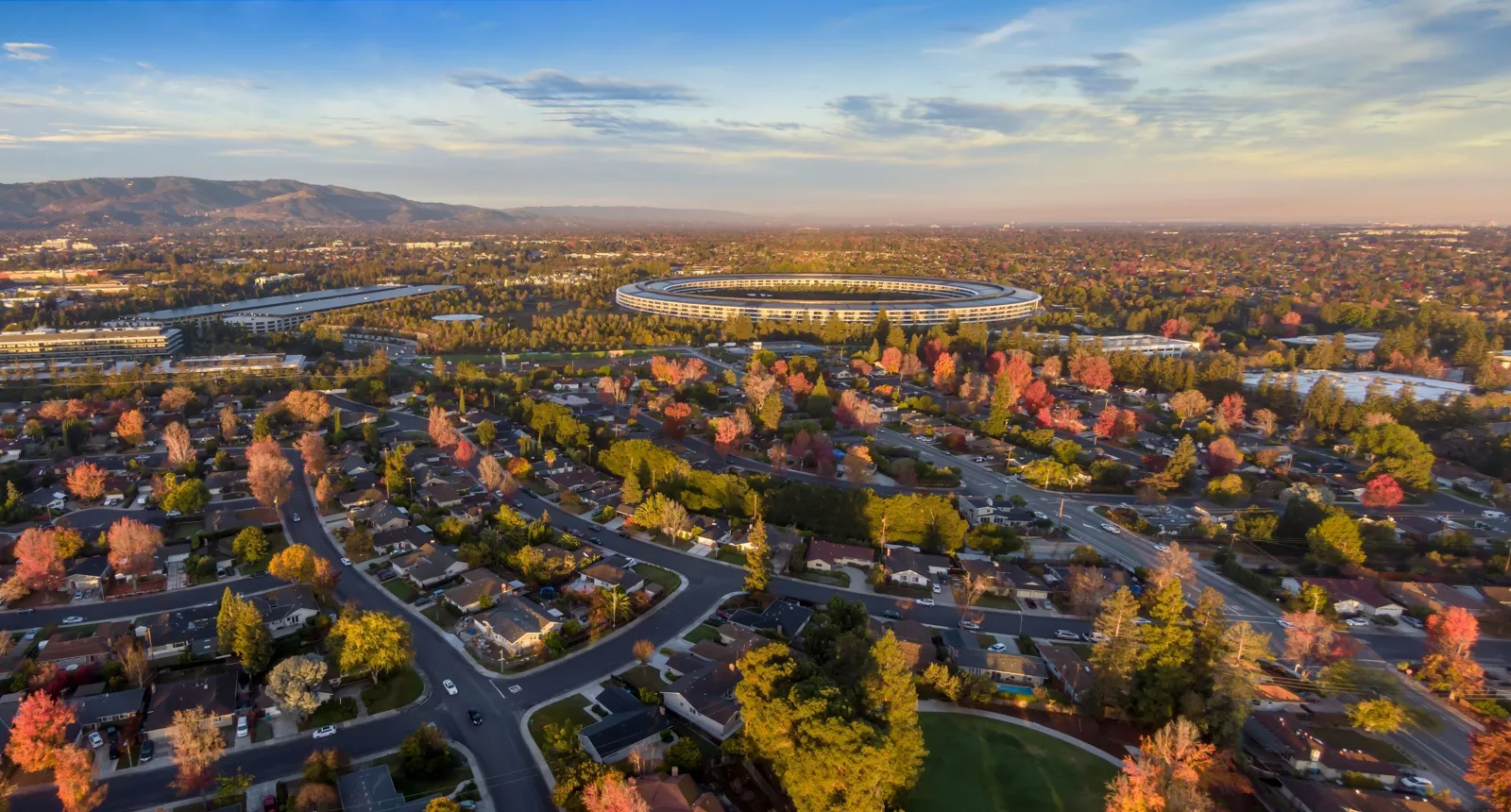
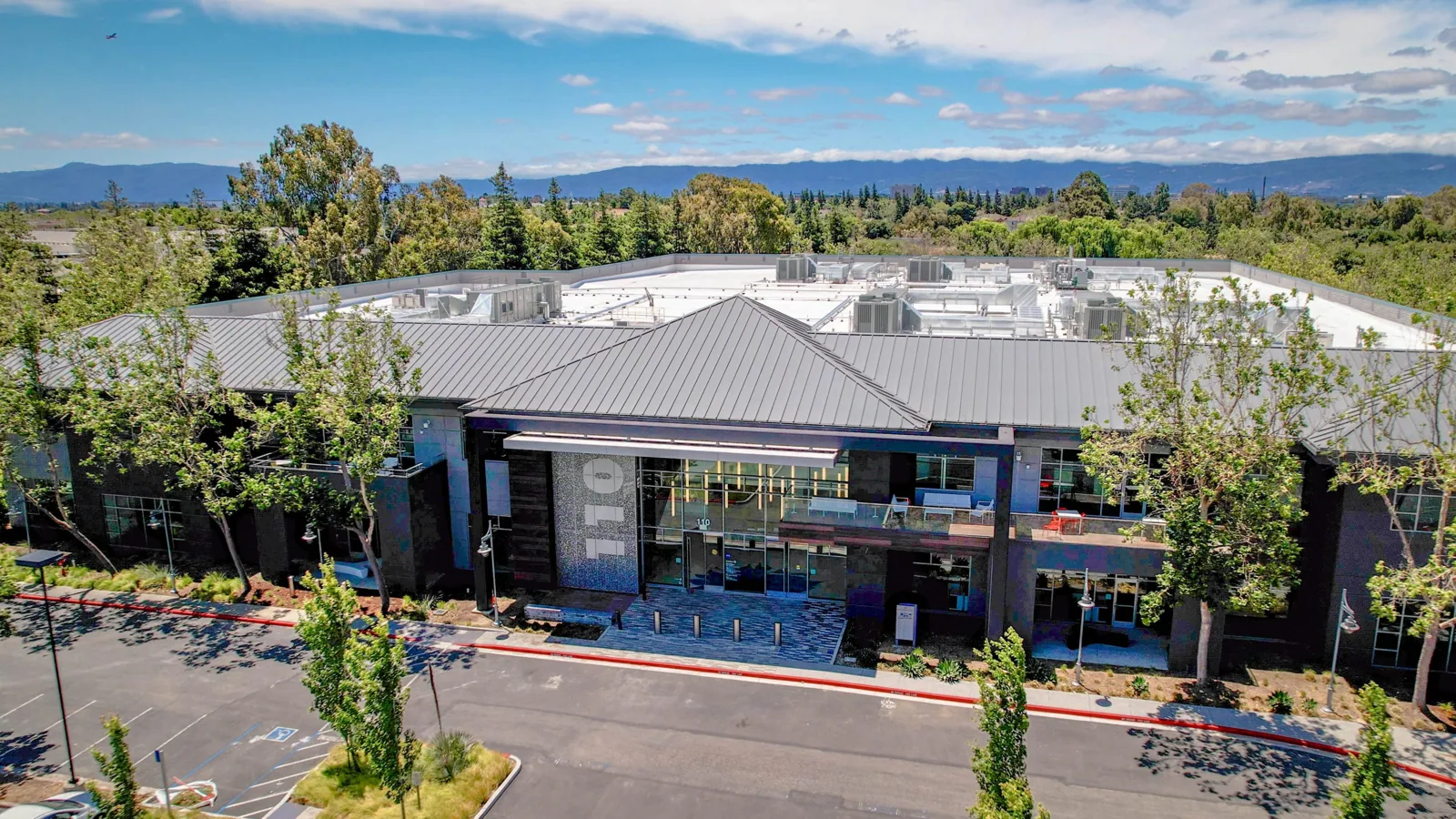
Scott Boulevard office and R&D development and the planning framework for Tasman East near Lafayette Street and Tasman Drive identify distinct Santa Clara settings. The proposed work address still supplies the roof construction and operating restrictions. A corridor identity cannot establish the membrane, tenant, or condition. We confirm access and authority for the actual repair area.
Within the Scott Boulevard and Tasman Drive repair district, a building occupied by office tenants may need different work periods from a storage use. We identify operator-approved precautions and equipment prerequisites. Shared components may also require ownership or landlord consent. The bid places those decisions beside the task. A technically suitable repair is not the same as permission to alter construction controlled by another party, so the manager receives both the proposed correction and its approval requirements.
Planning and Completing the Work
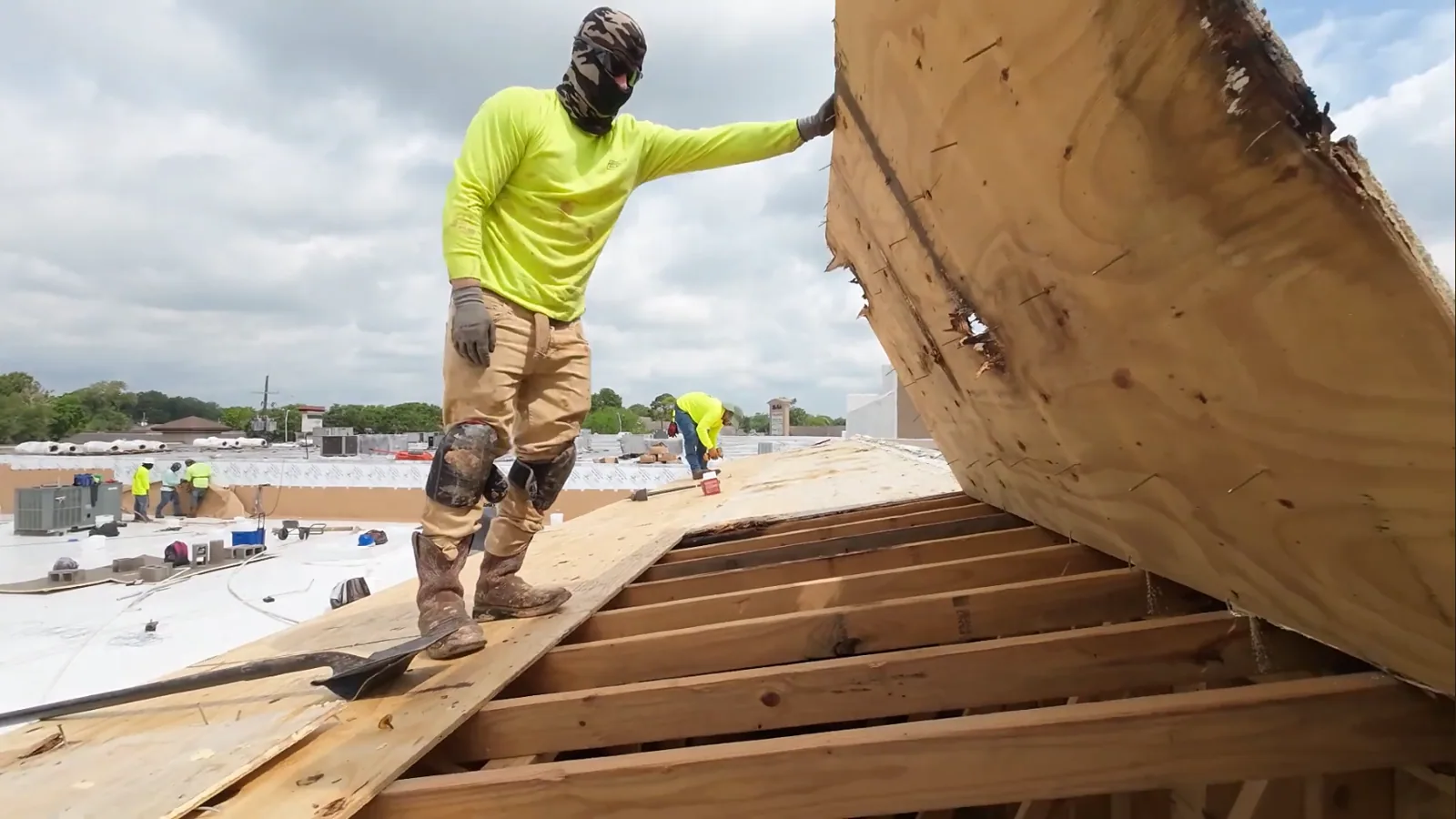
A damaged surface detail can coexist with moisture in insulation or a support condition below. We assess whether further examination is justified before treating the sheet repair as complete. Suitable survey methods and physical confirmation may help define removal. An initial visual visit has limits, and those limits should remain visible in the proposal.
A roof above stored goods can need interior protection during an exploratory opening. The operator identifies that requirement. We define the opening, temporary closure, and follow-up decision. Confirmed removal and concealed conditions receive different treatment in the bid. Where the finding supports a larger correction, we explain why the local boundary changes. Ownership can choose between supported options without treating a small repair price as a statement that every remaining layer is acceptable.
Repair scope should identify its endpoint as well as its start. Mark the surrounding material expected to receive the patch, specify the preparation needed there, and record any adjacent seam or termination left outside the task. If the receiving surface will not hold a compatible detail, stop short of claiming the repair is complete and price the additional opening separately. The closeout record can then show the corrected area and its limits. This is useful when another crew later handles equipment, wall, or drainage work nearby. The labeled limit belongs in the owner’s maintenance file.
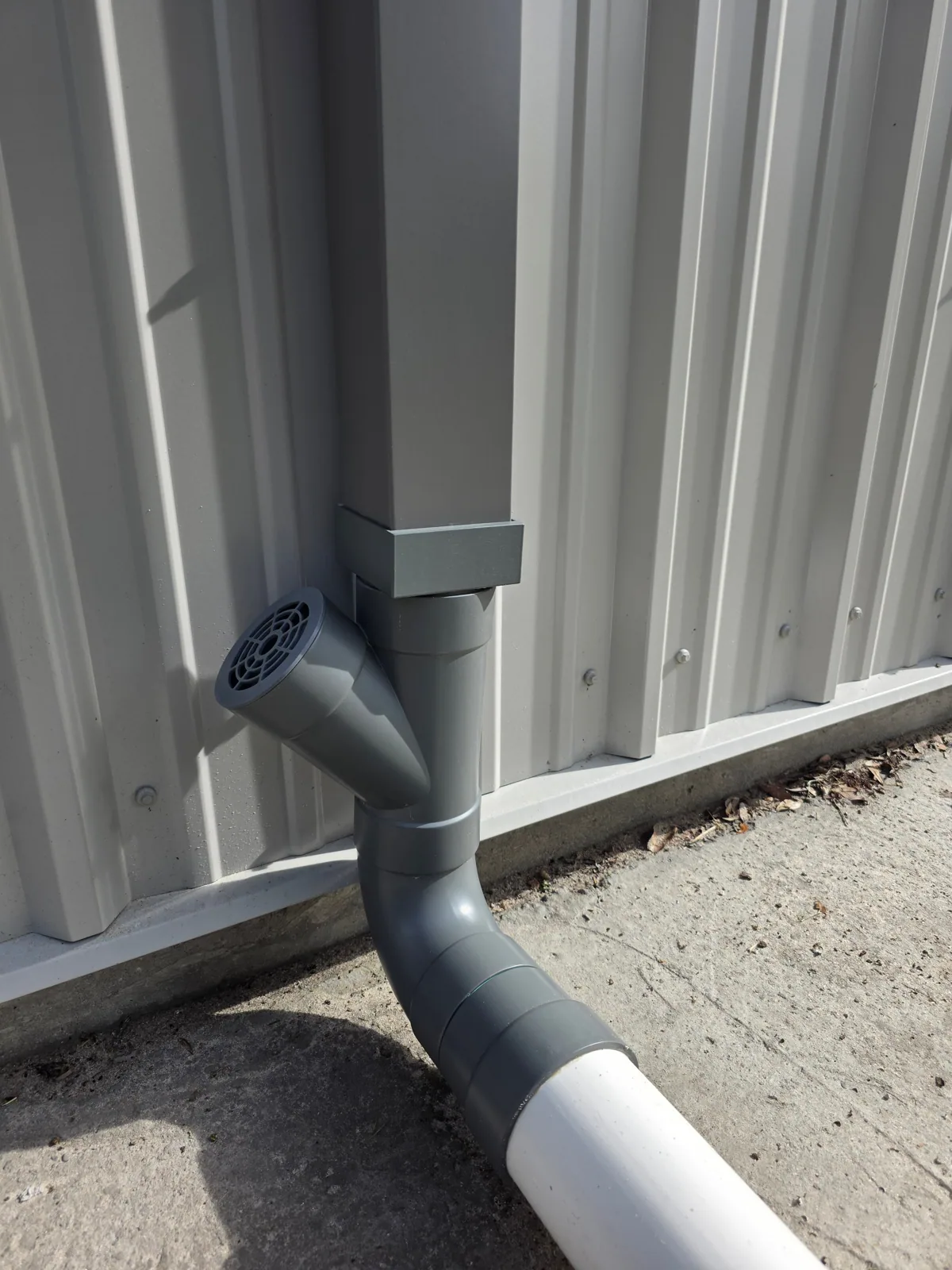
An outlet with accessible debris may need cleaning. A damaged membrane connection requires construction work. A downstream restriction can require plumbing attention. We separate these tasks after examining the roof-side detail and surface flow. Water remaining in a depression may involve supporting construction or a drainage design question, so we do not promise that a membrane patch will cure it.
Equipment supports and prior repairs can alter the route water takes toward an outlet. We examine those interfaces and describe the correction supported by the actual arrangement. Any slope change must fit the assembly and available flashing height. The manager receives assigned responsibilities for cleaning, roof construction, and other trade work. Ownership sees the quantities and preparation required for each. That makes the drainage decision more useful than an undifferentiated allowance to stop ponding across the roof.
The repair sequence needs safe access, suitable material conditions, and an approved closure method. Restricted shifts or equipment releases can change the task. We state those assumptions before scheduling. Applicable review follows the actual authority, accepted project basis, scope, and available energy exceptions where relevant. A local repair should not inherit a universal reroof rule without examining the proposed work.
At completion, we identify the corrected detail and any item still awaiting action. A written record of roof findings and repairs gives ownership the retained construction boundary. Maintenance instructions show how to protect the repaired area during service visits. The next season check can then distinguish renewed damage from a condition outside the completed scope. That provides a practical basis for future budget decisions, while keeping a defined repair from becoming a vague claim that the entire roof has been restored.
Season check: approve a repair with a clear boundary
Bring the roof complaint and operating restrictions to a pre-season visit. We will prepare a plain bid sheet that identifies the defect, preparation, and retained construction for ownership.
Frequently Asked Questions
Investigation can be priced separately. A permanent correction needs a supported detail and boundary. We identify what the visit established and what further examination is required.
Movement and the intended interface need review. A compatible detail may require another construction method or a qualified trade correction. We explain that prerequisite before pricing the permanent repair.
Confirmed findings can widen removal or change the option. We document the condition and follow the agreed approval procedure, with temporary closure assigned while the decision is made.
A commercial roof repair report does not establish a repair quantity. We examine the relevant detail and identify evidence that remains unresolved. Safe access, weather, and material conditions govern immediate measures. The completed temporary task and permanent follow-up are recorded separately.
Roof Assessments
Santa Clara & the South Bay
Membrane, flashing, drainage and edge details checked and written up before any work is priced.
Request a Roof Assessment