
- Home
- Industries We Serve
- Healthcare Roofing
Healthcare Roofing in Santa Clara, CA
After the Bay Area's series of atmospheric rivers spanning late December 2022 and January 2023, a healthcare manager in Santa Clara, CA has a practical planning question: which roof connection needs examination before another prolonged wet period? Commercial Roofing Santa Clara inspects accessible roofing, repairs supported defects and compares renewal where the examined assembly needs wider work. We start with the assigned building and clinical contact. Regional rain history sets a review priority. The subject construction sets the quantity.
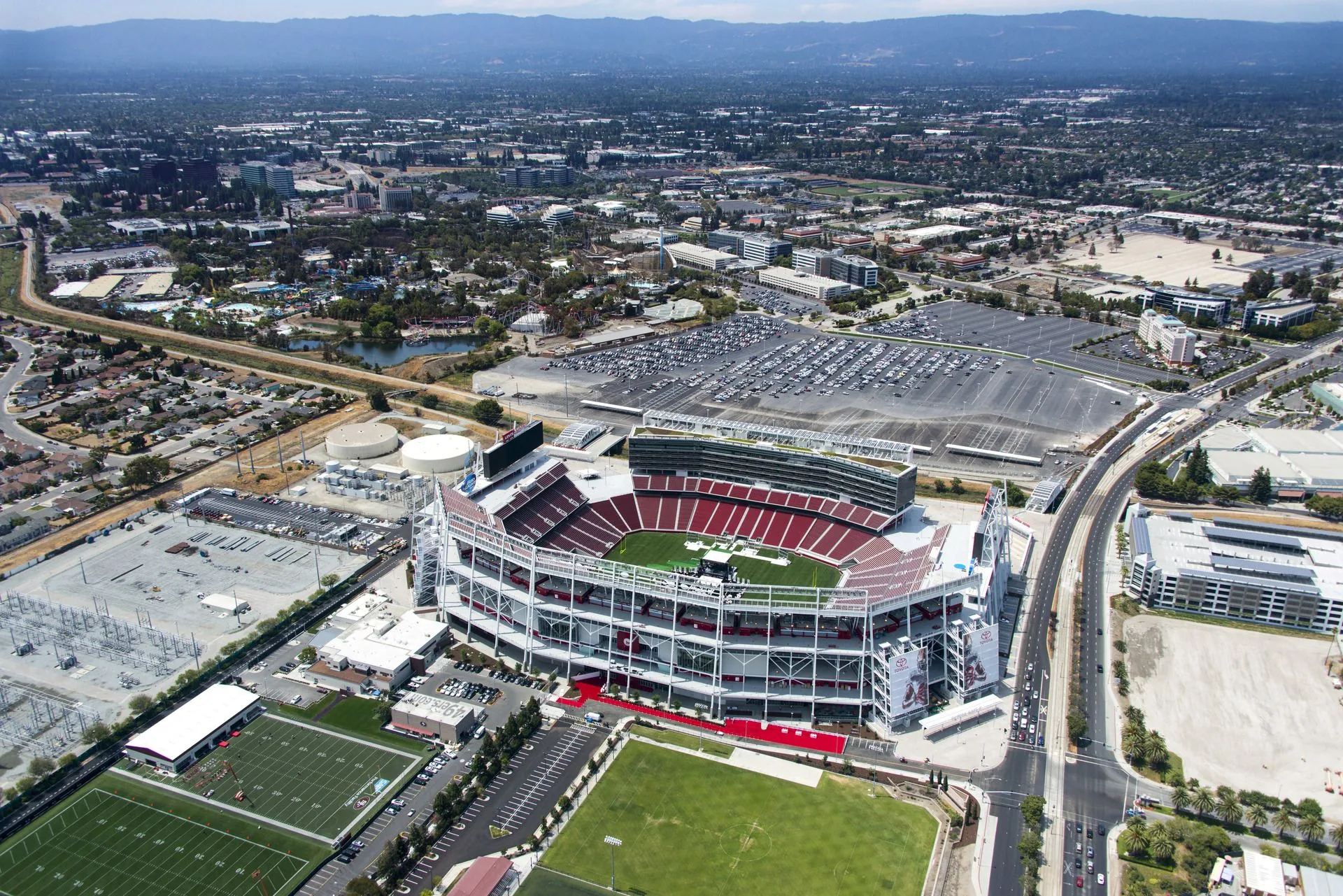
Kaiser Foundation Hospital-Santa Clara is on Lawrence Expressway. A healthcare assignment in that area needs its own room restrictions and access approval established. The institution's location does not replace the actual roof survey or define the material receiving a correction.
Healthcare Roofing: What the Work Covers
A proposed opening above a treatment room needs the facility's protection requirements settled before removal. We locate the roof area against the assigned interior space. The clinical and facilities contacts identify permitted entry, isolation and service restrictions. The roofing method then states the opening limit, handling route and closure proposed for that operation.
Roof construction above hospital functions can need a different sequence from work above an administrative room. We price the actual protection and repeated setup rather than assume one available working period applies across the building. A roof permission does not release every clinical service.
Keep the readiness point clear. The facility accepts its room arrangement. Roofing proceeds with a suitable receiver and achievable closure. Required design and reviewing participants retain their separate decisions. That division helps ownership understand which approval makes the next construction task possible.
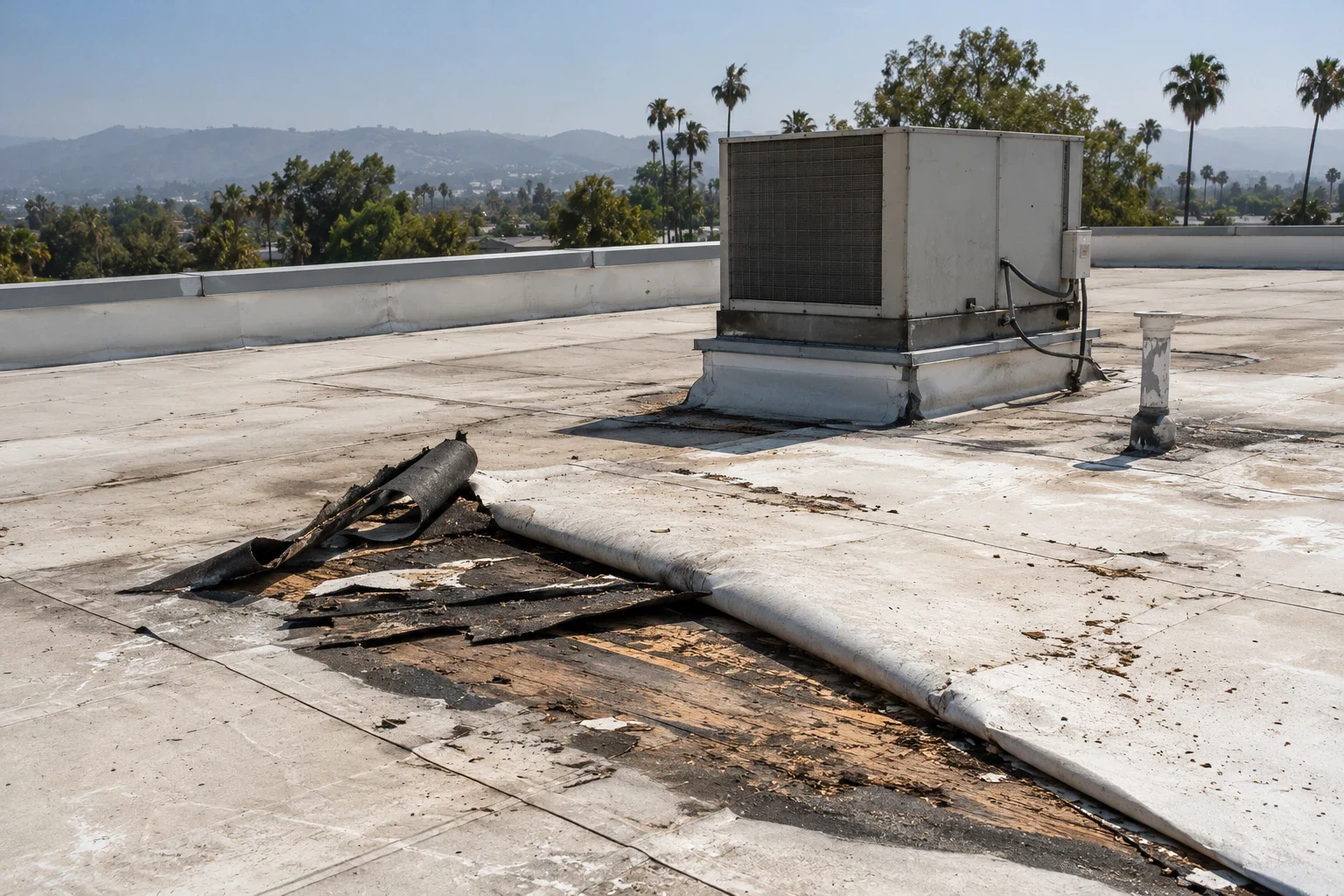
A ceiling complaint beside ventilation equipment requires the interior position compared with exterior joints and mechanical connections. We examine accessible curbs, seams and adjoining wall details. Located findings identify what the roofing can explain. Condensate, equipment insulation or another building component may need a qualified service participant's examination.
Investigation of roof entry above occupied rooms includes the useful test and the protection beneath it. A thermal indication can guide further confirmation under suitable conditions. It cannot measure every concealed wet layer. An authorized opening needs its question and restoration stated before it becomes another expense.
Put the supported waterproofing task on the bid sheet. Keep a separate mechanical or enclosure question identifiable. A new patch should not be presented as finishing an unexamined service defect. The manager needs a short list of actual corrections and the remaining examination, with a responsible participant for each.
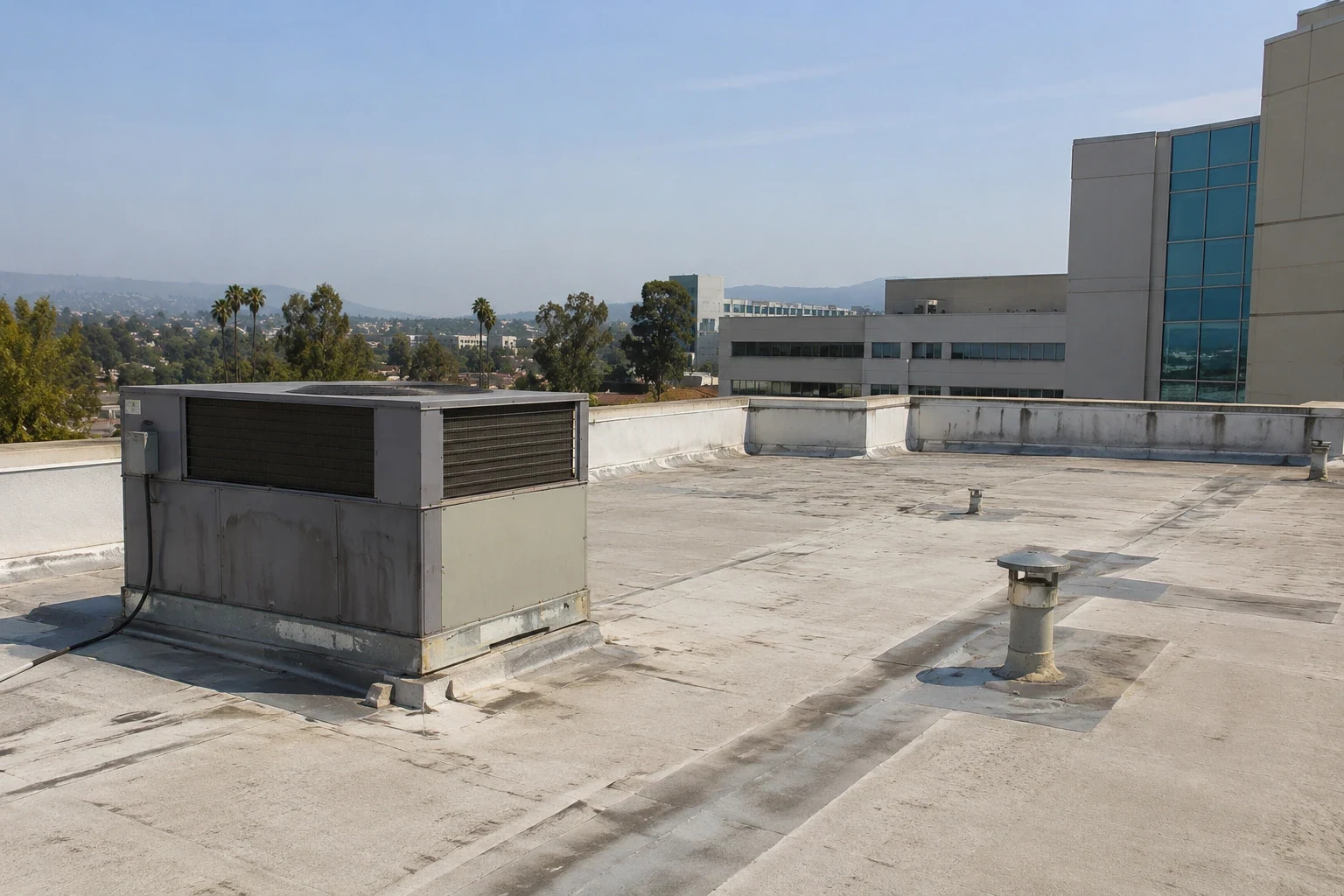
A thicker insulation assembly can leave insufficient usable flashing height at an existing curb. We measure reachable levels and compare the proposed field build-up with the equipment connection. The receiver needs enough room for the selected waterproofing detail. Equipment support or relocation keeps its qualified participants rather than becoming an assumed roofing allowance.
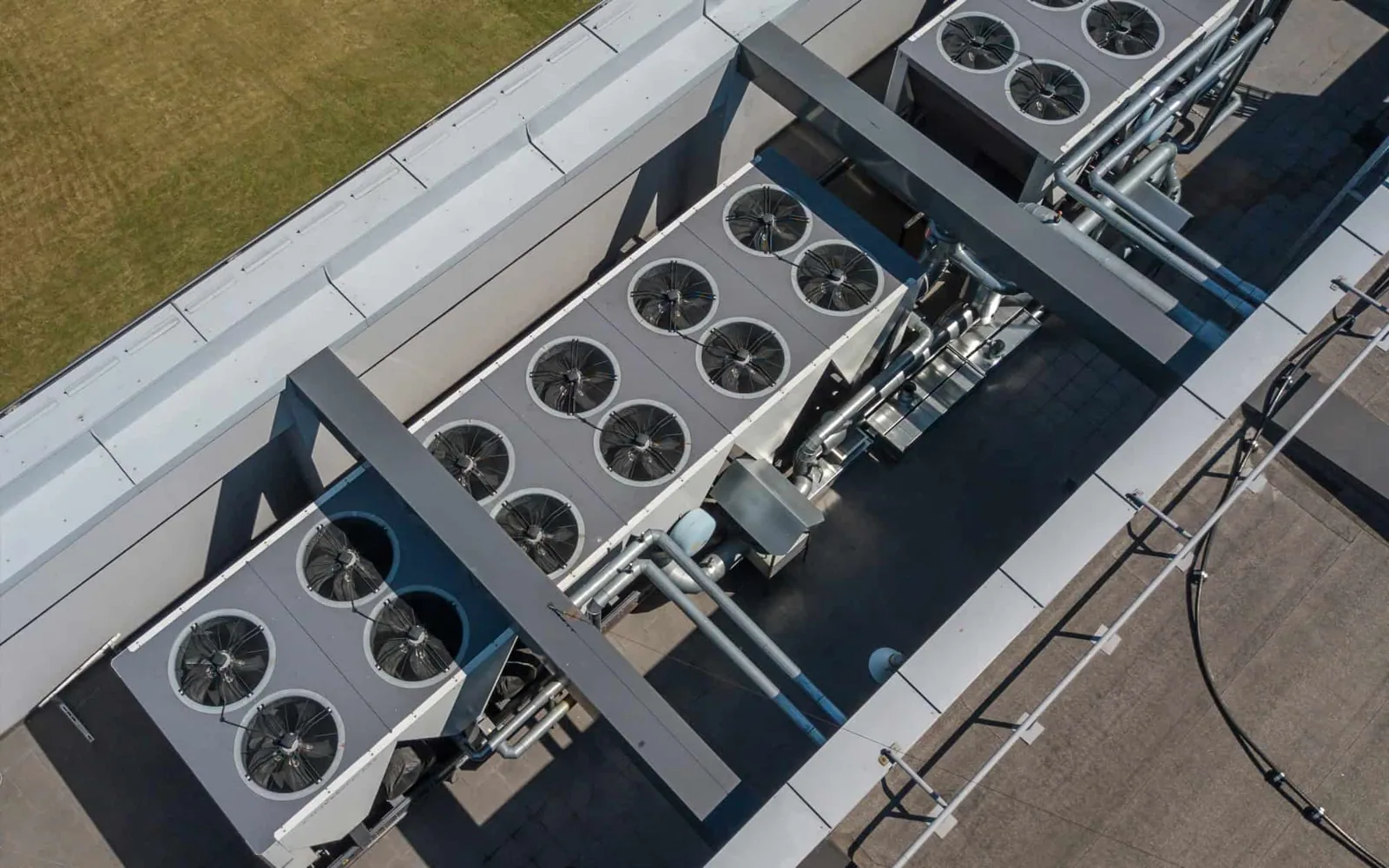
Preparing equipment connections for roofing includes readiness before the unit is positioned. Establish dimensions, service isolation and the intended permanent receiver. A delivered unit cannot settle those construction questions. Moving existing equipment can leave another opening to close, with deck preparation and waterproofing identified separately.
For a medical office near the Scott Boulevard office and R&D area, the suite and building equipment may have different responsible contacts. Locate the assignment. Identify which participant authorizes the alteration before fabrication depends on a curb or support that has not received its required review.
Planning and Completing the Work
A repair price needs its removal boundary and suitable joining material established. A restoration option needs compatible preparation and a sound receiver. Replacement carries another set of removal, insulation, drain and equipment tasks. We compare those complete operations rather than describe different surface products as equal quantities.
Healthcare roof expenditure planning keeps conditional receiving work beside the observations that support it. A concealed layer question stays as a useful investigation until the proposed quantity has adequate evidence. Define how newly exposed deterioration will be measured and submitted for ownership approval before the phase depends on a larger rebuild.
Applicable project authority and accepted submission follow the actual facility and alteration. Healthcare work can involve reviewing participants beyond a municipal roof permit. Fire performance, energy compliance and relevant exceptions need the correct scope assessed. The chosen sheet or coating cannot settle the complete assembly review by itself.
A material lift beside a facility entrance needs permitted positioning and protected movement arranged with the actual operator. We identify deliveries, waste handling and the route to the assigned roof. Equipment interruption and interior access have their own contacts. The sequence describes what can open and what must close permanently within the accepted phase.
Coordination with the healthcare general contractor retains receiver preparation and related trade readiness. A roof area ready for removal can still have another connection awaiting its support or service task. We explain that dependency before a covering-only quantity appears cheaper by omitting necessary work.
Compare the handling operation at the Lawrence Expressway corridor with the actual assigned building requirements. A nearby educational roof project may use a different permission and protection sequence. Each work area keeps the operating participants and construction conditions that apply to it.
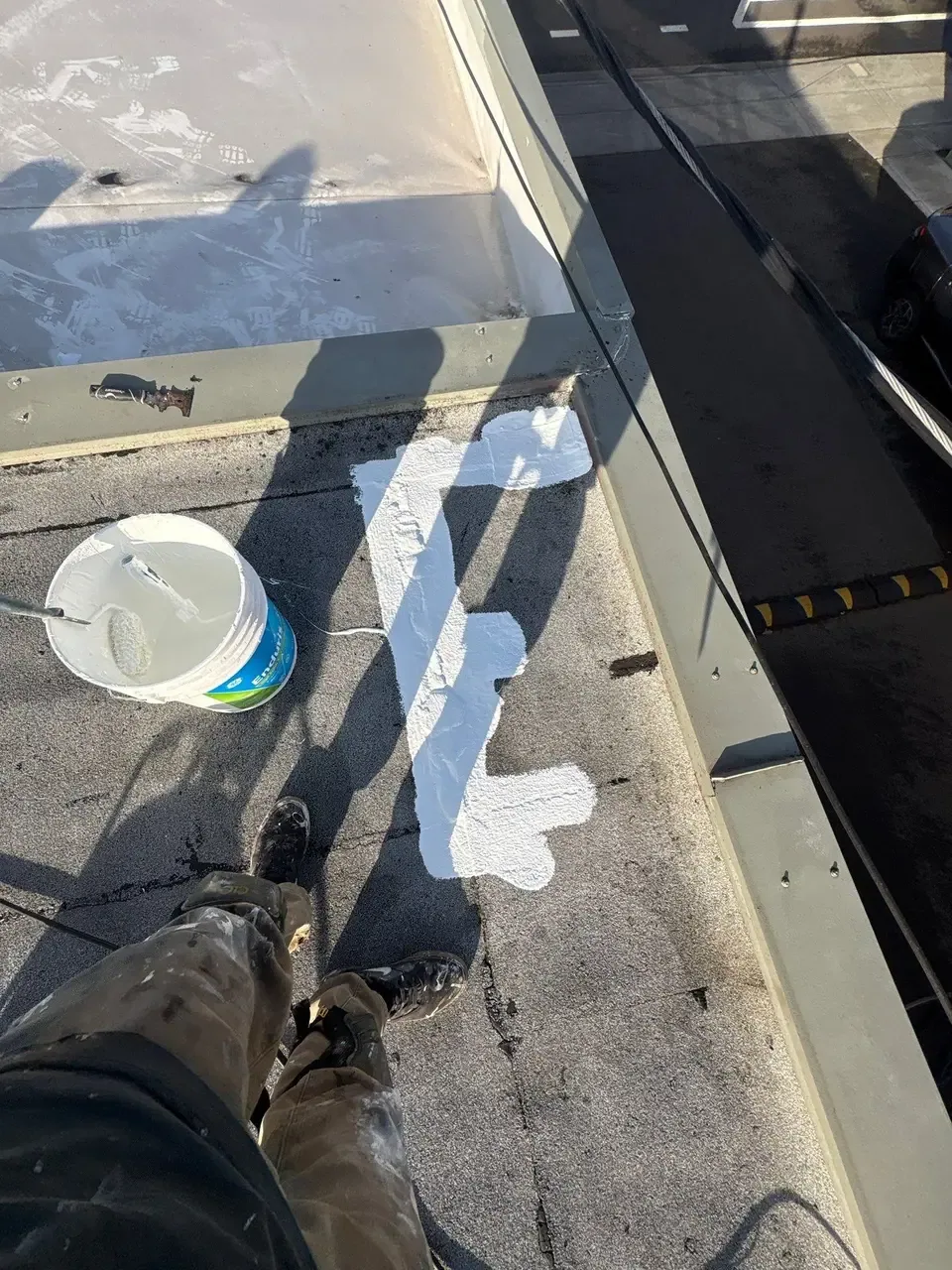
A finished repair needs preparation and final locations matched on the roof reference. We retain installed materials, approved changes and the scope of checks. The manager can identify the joint completed without reading it as examination of every hidden layer. Interior release, equipment return and clinical operation remain their responsible participants' tasks.
Actual issued warranty terms govern care, notice and alteration obligations. We identify any requirement still needing its issuer response. Continuing maintenance follows observed outlets, seams and equipment details rather than a universal task list for every healthcare address.
For an urgent report, safe access and the facility's permitted protection arrangement govern any immediate measure. We document its limits and keep it distinct from permanent correction still requiring examination. Ownership should receive an explained completed task and a clear remaining decision, not an undifferentiated emergency amount.
Health-system property group: coordinate facilities and clinical ownership. For a healthcare network, assign a facilities contact and a clinical coordination contact for each building before work is planned. The roof team records the affected roof zone, room below, evidence and closure sequence; clinical staff establish patient-care access and protection requirements. Similar water reports at separate sites should remain separate investigations unless evidence connects them. Keep roofing recommendations distinct from HVAC, infection-control, fire-safety or interior restoration decisions. A property group dashboard can standardize status fields, but repair quantities and access assumptions must remain property-specific. This gives system leadership a reliable comparison without implying one roof survey verifies the condition of another campus.
Check the healthcare roof before the next wet period
Arrange an assessed roof scope with the facility contact. We explain observed joints, required protection and a plain bid sheet for ownership review.
Frequently Asked Questions
The assigned opening limit, interior protection, handling and permanent closure. We connect those provisions with the facility-approved operation. Related clinical or equipment release stays with its responsible participant.
Examine the roofing connection and the relevant service question first. We identify the supported correction and useful confirmation. An exterior patch cannot establish completion of an unexamined condensate or equipment problem.
The new roof level can reduce usable flashing height. We measure that relationship and identify receiver or equipment changes before pricing the field layers. Necessary support and service work remains separately assigned.
Removal beyond the examined defect needs evidence appropriate to its extent. We state the useful opening or test and its restoration. Retain that dependency beside the allowance rather than treat an unexamined portion as measured deterioration.

Roof Assessments
Santa Clara & the South Bay
Membrane, flashing, drainage and edge details checked and written up before any work is priced.
Request a Roof Assessment