- Home
- Industries We Serve
- Roofing for General Contractors
Roofing for General Contractors in Santa Clara, CA
The atmospheric-river sequence across late 2022 and early 2023 gives a general contractor a scheduling question: who closes the roof if another trade misses its release date? In Santa Clara, CA, that responsibility should be settled before removal starts. Regional rain history supports careful staging. The inspected assembly and current work conditions determine the roofing method, not a claim that a past storm damaged the project.
We prepare roof scopes that separate permanent construction from temporary closure and work by others. A general contractor needs a clear boundary between deck preparation, insulation, membrane, equipment, and perimeter finishes. Ownership needs the same clarity to compare alternatives. We identify those interfaces and the approvals that release them. That helps a manager understand why one price differs from another. It also prevents a roof opening from depending on an unnamed trade obligation that was never included in the schedule or bid sheet.
Roofing for General Contractors: What the Work Covers
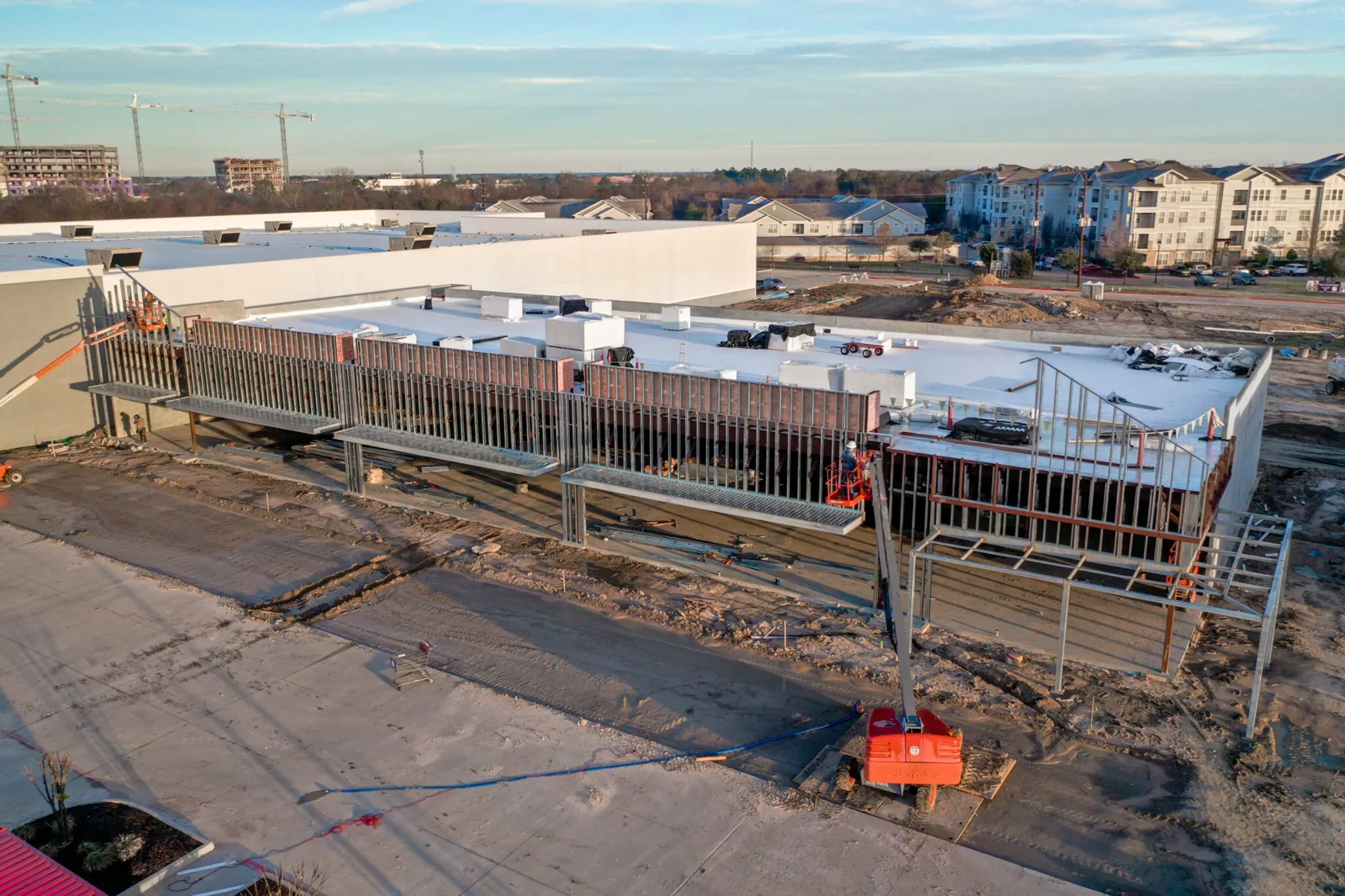
A wall finish that arrives after membrane flashing can change the termination detail. A curb installed at the wrong height can hold roofing work. We review those interfaces against the intended assembly before work stages are accepted. The roof scope should identify substrate readiness, required clearances, and the responsible trade. A drawing marked by others is not enough to establish a completed prerequisite.
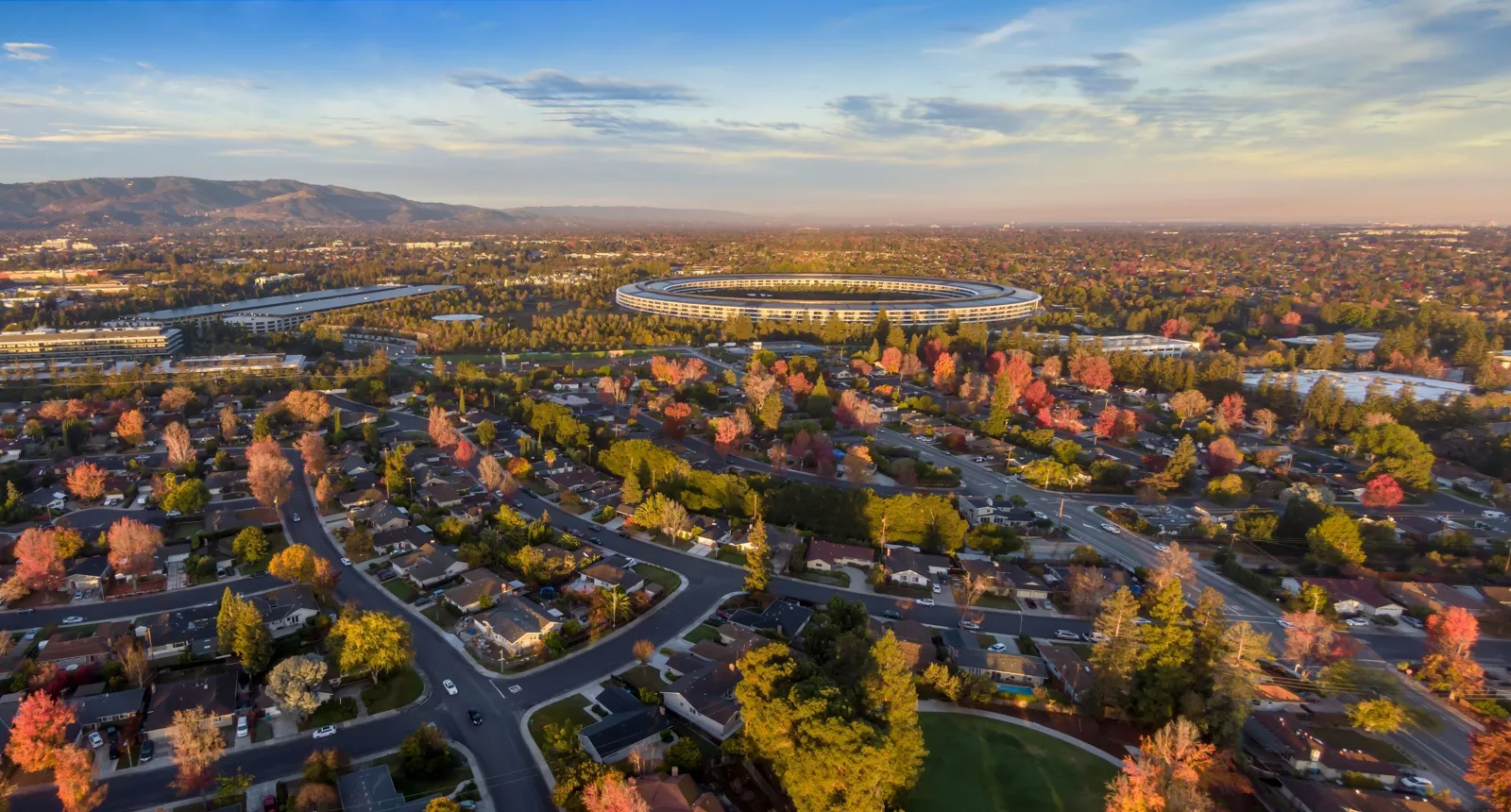
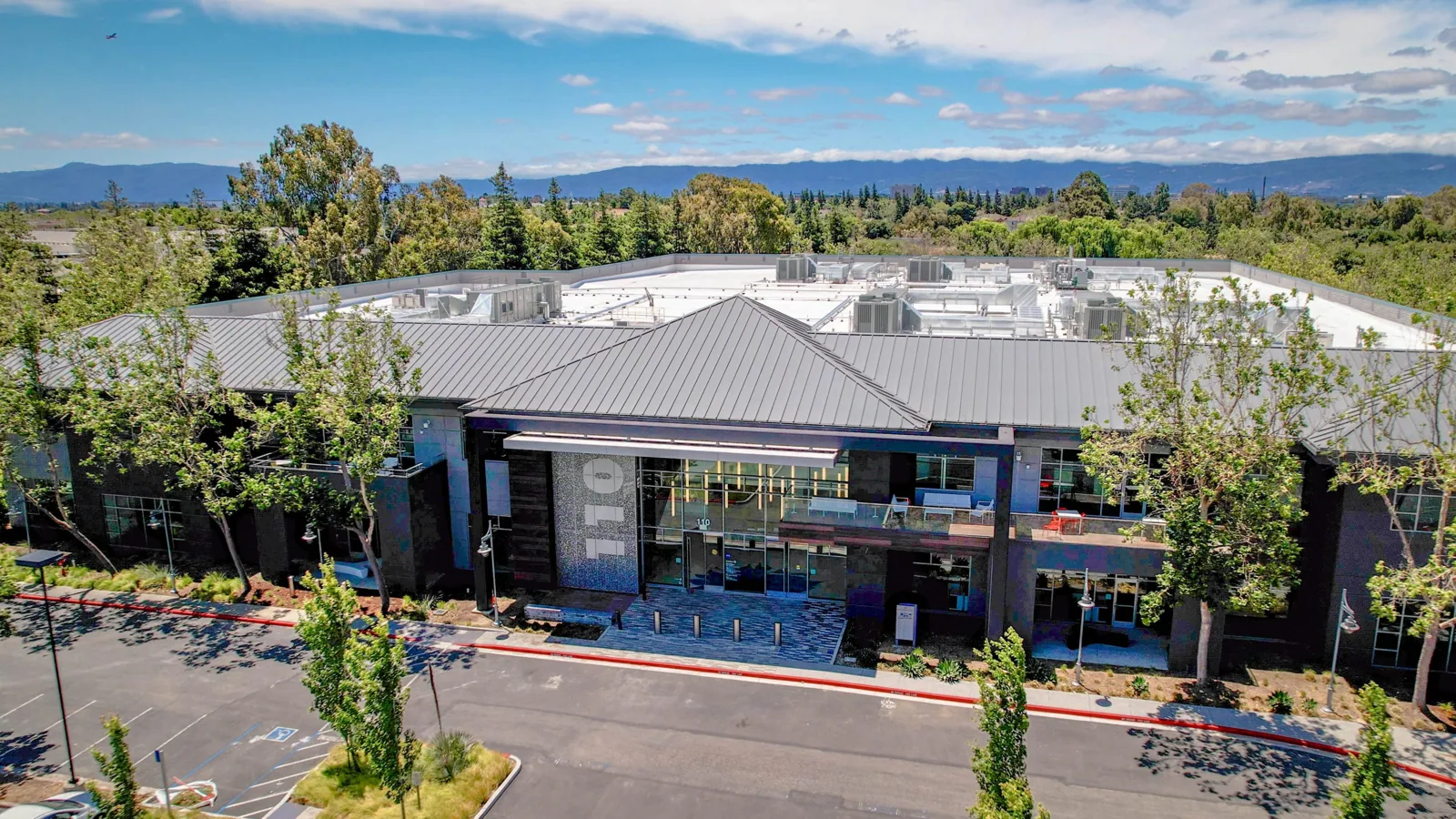
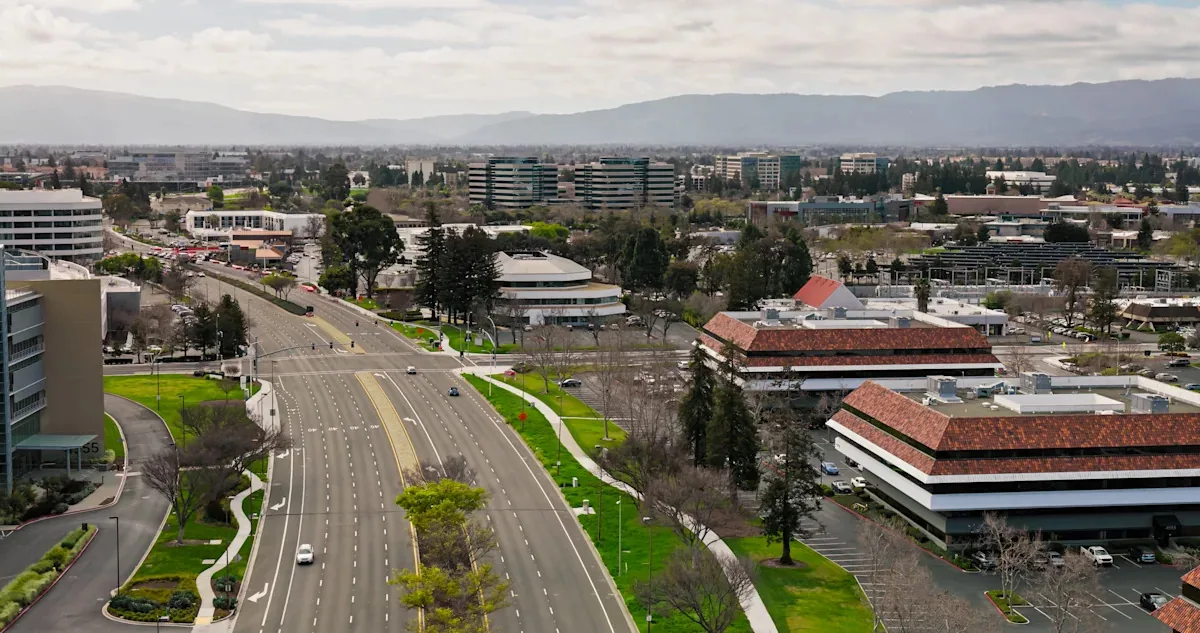
Commercial development at Scott Boulevard includes office and R&D uses. Tasman East planning near Tasman Drive and Lafayette Street identifies another local setting for coordination. Neither establishes the design or construction state of a proposed roof. In the Scott Boulevard and Tasman Drive project area, the actual building supplies the interface details. Coordination with manufacturing property operators can introduce process restrictions. We keep those separate from the general contractor's construction sequence, so operator approval is obtained rather than assumed from a scheduled milestone.
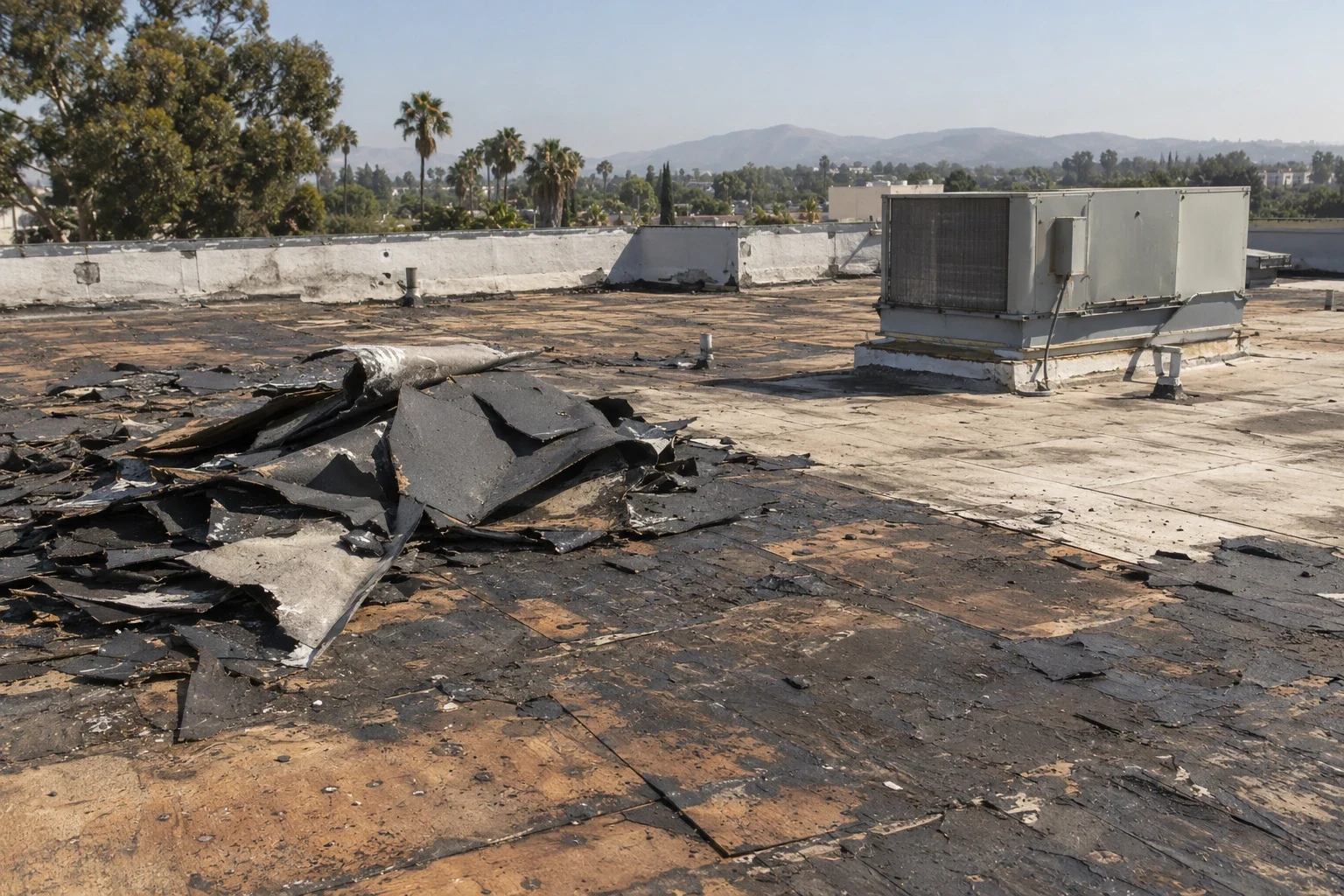
A dry-looking deck can still need repair, fastening evaluation, or further investigation. We examine accessible construction and identify the proposed preparation. Where the design needs testing, exploratory openings, or structural review, the bid states that prerequisite. A new membrane cannot compensate for an unacceptable support layer. We define which roof task can proceed after the substrate is accepted.
For removal and replacement of the roof assembly, hidden deck conditions need an agreed change procedure. Confirmed work belongs in the base quantity. Unknown work should have a transparent treatment rather than an unlimited exclusion. The general contractor can then coordinate review and release without discovering a new commercial arrangement while the roof is open. We identify temporary closure responsibilities if that review takes longer than the available working period. The owner receives both the construction recommendation and its dependency on the accepted substrate.
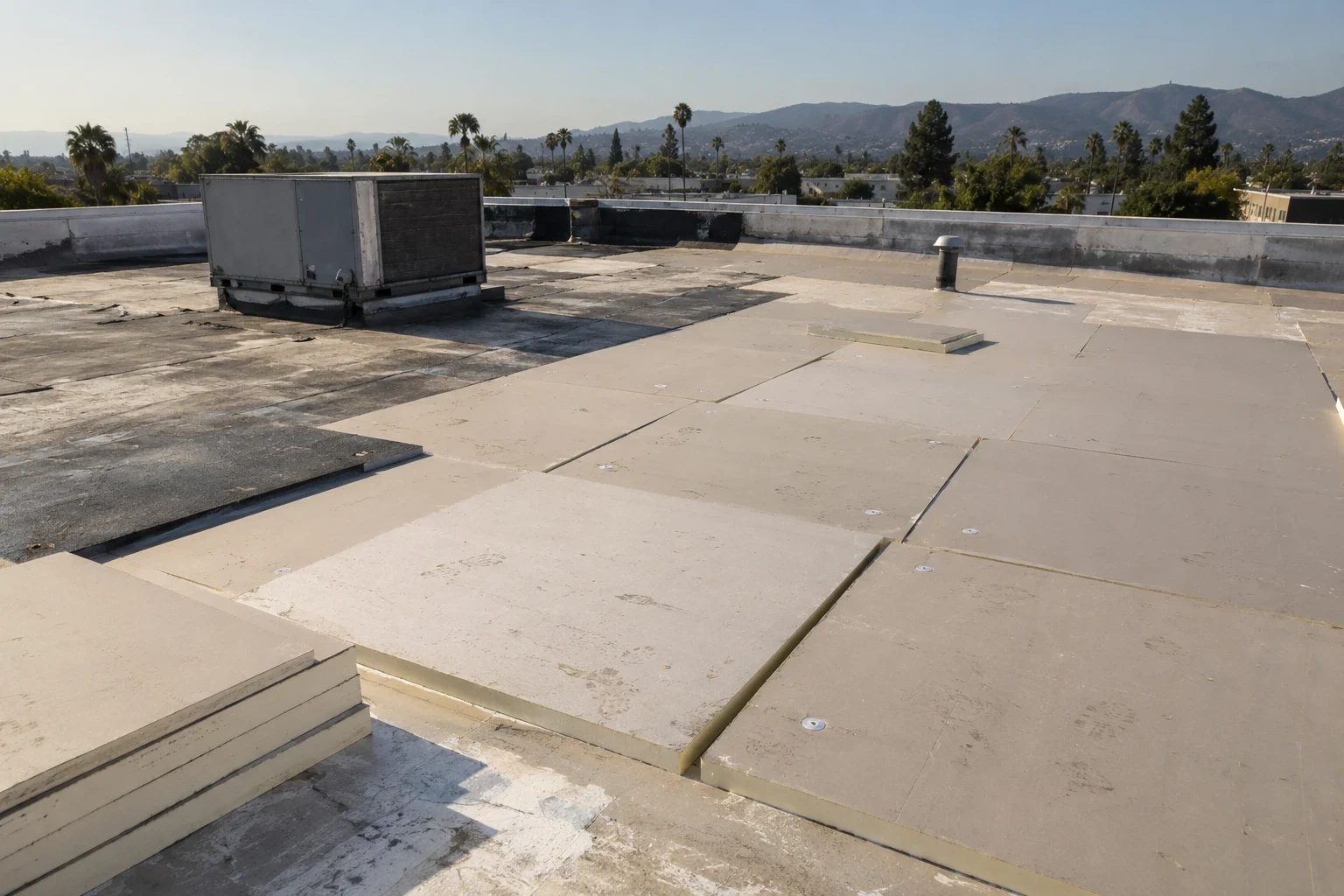
Membrane, insulation, cover board, fasteners, and deck support form a connected assembly. Specifying only the sheet leaves its attachment unresolved. We review the proposed construction against the project requirements and existing conditions. Perimeter details and penetrations need the same attention. A substitution that changes one layer may also change compatibility, attachment, or the approved design path.
Our insulation and cover-board work identifies thickness changes and the interfaces they affect. Applicable permits and energy provisions follow the actual authority, accepted application basis, scope, and available exceptions. We coordinate the roofing information with the design team rather than applying a blanket rule to every reroof. The general contractor needs those decisions before procurement. A material delivery does not resolve an unapproved assembly. We show outstanding selections and their release requirements so the manager can distinguish pricing completeness from permission to install.

Planning and Completing the Work
An open penetration waiting for equipment can require a separate weather protection method. We define the permitted condition at the end of each stage. The proposed closure needs to fit the opening, material requirements, and access restrictions. It should also have an assigned party for inspection and removal. Leaving temporary work unspecified transfers a real task into a schedule assumption.
Work over occupied areas may require protection during roof removal and installation, with operator-approved routes and exclusions. Coordination with hospitality operators controlling occupied spaces can impose additional release periods. We state the effect on setup, handling, and daily work area. The current forecast and substrate condition determine whether a planned stage can proceed. Changes to the sequence need a defined approval route. The general contractor then has a usable method for protecting the building while keeping permanent work and temporary measures commercially distinct.
A final inspection should address completed seams, flashing terminations, drain connections, perimeter work, and accessible repairs. We record significant details and any outstanding items. Other trade completion needs to be distinguishable from roofing completion. Equipment return, wall finish, and removal of temporary protection can affect the final roof condition after sheet installation ends. We identify those dependencies in the handover record.
The owner also needs maintenance obligations and the actual installed assembly in a usable file. Warranty requirements should match that construction. We distinguish installation records from outstanding issuer actions. A general statement that warranty paperwork will follow does not establish its status. The bid comparison should show the required closeout work and the party responsible for each item.
Clear roof quantities support that handover. We identify retained areas, replaced areas, and localized repairs with their preparation. An agreed change should update that boundary so the final record describes the delivered work. The property manager can then make a future repair decision without guessing which layers remain. For the general contractor, the same record provides a practical acceptance trail: completed construction, assigned remaining tasks, and the operating instructions needed by the people taking the building back.
Submittal changes need the same attention as field changes. A proposed product substitution should identify any effect on preparation, attachment, compatibility, and required review. We flag those changes before procurement. That gives the project team a chance to resolve the assembly while the schedule still allows a practical choice.
GC coordination: define the roofing trade boundary at interfaces. For a general contractor, the roof scope should identify substrate readiness, preceding trades, penetrations, temporary protection and the detail that marks roofing completion. Record who releases each area and who owns removal, reset or reconnection of rooftop equipment. Changes discovered after the roof is open should be tied to location, evidence, pricing basis and written direction under the project process. Coordinate submittals and inspection hold points with the specifications and responsible design team. Clear boundaries prevent a roofing bid from absorbing undefined mechanical or structural work and make closeout responsibility reviewable among the trades.
Season check: make the roof scope awardable
Arrange a pre-season roof check before award. We will prepare a plain bid sheet with interface responsibilities, temporary closure, and assembly decisions for ownership.
Frequently Asked Questions
The contract should assign that task before removal. We identify the temporary closure method and its inspection responsibility. A delayed trade release needs an approved revision to the sequence.
A preliminary comparison is possible, but unresolved attachment can change scope and price. We identify the decision still needed and avoid presenting an incomplete assembly as ready for procurement.
The bid separates known repairs from concealed conditions. We agree on the review and pricing procedure before work, then document discovered areas before the approved correction proceeds.
Site rules and current access control whether an urgent visit can proceed. We assess the reported condition and keep any temporary measure separate from permanent contract work.
Roof Assessments
Santa Clara & the South Bay
Membrane, flashing, drainage and edge details checked and written up before any work is priced.
Request a Roof Assessment