- Home
- Roof Systems
- PVC Roofing
PVC Roofing in Santa Clara, CA
The regional storms of late December 2022 through mid-January 2023 put water-control planning in focus. A Santa Clara, CA property manager considering PVC roofing should ask which connections the new system will renew. A welded field membrane is one component. Drains, curbs, edges and the supporting assembly determine whether the proposed project is complete. We examine those details before asking ownership to approve the material choice.
The history of the office and R&D development along Scott Boulevard places that decision in a recognizable commercial setting. The actual building supplies the roof and operating conditions. We compare PVC installation or repair with the inspected substrate, access restrictions and relevant exposure. A system name without those items cannot make two proposals apples to apples.
PVC Roofing: What the Work Covers
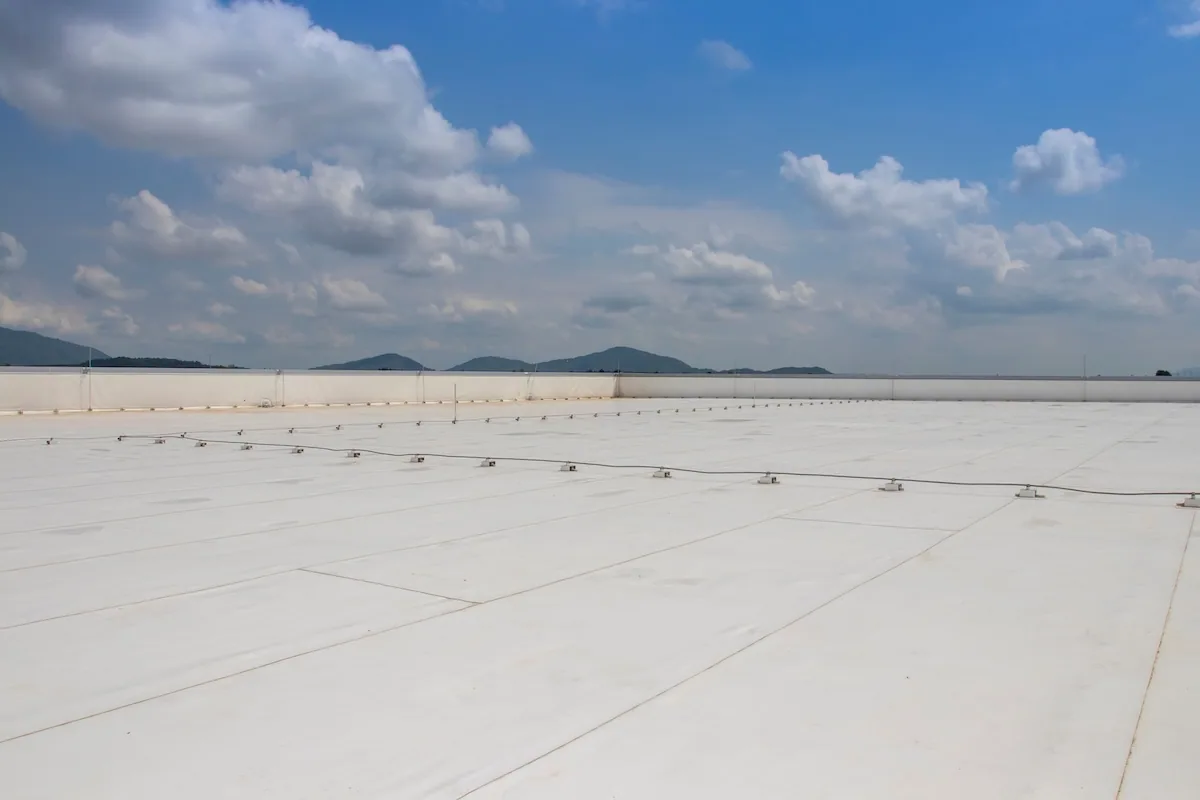
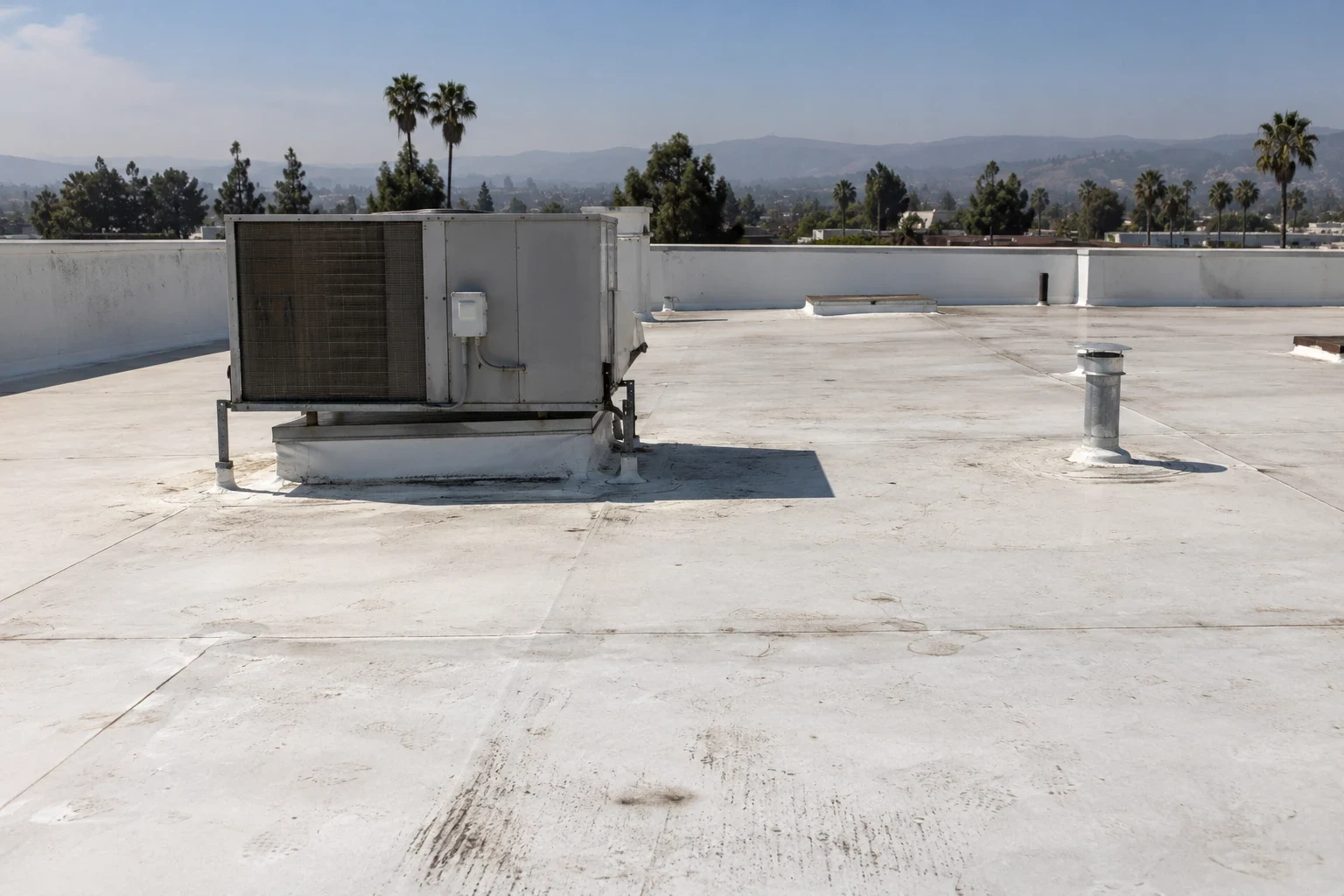
PVC is a thermoplastic roofing material with heat-welded connections. Its specified accessories and repair materials must suit the actual product. A pale membrane could also be another material. We establish the roof identity from available records and suitable examination before choosing a repair. Guessing from color can leave the new connection incompatible with the old surface.
Existing deposits may affect preparation. We examine the area and use the selected system's cleaning and welding procedures. Appropriate test work helps determine whether the tie-in can be made reliably. A repair quantity should include that preparation. A patch price that assumes a clean, readily weldable surface may not describe the actual task.
A comparison with TPO roofing for the same property needs the complete assembly and operating conditions. Both use thermoplastic connections, but their chemistry and approved materials differ. We explain those practical differences in the scope without claiming that one membrane suits every commercial building.
Discharge or deposits near equipment need identification before material selection. Some PVC systems may be suitable for particular chemical or grease exposures, subject to the product's limits. We review the actual exposure and manufacturer's information. A broad claim of chemical resistance does not authorize contact with an unidentified substance.
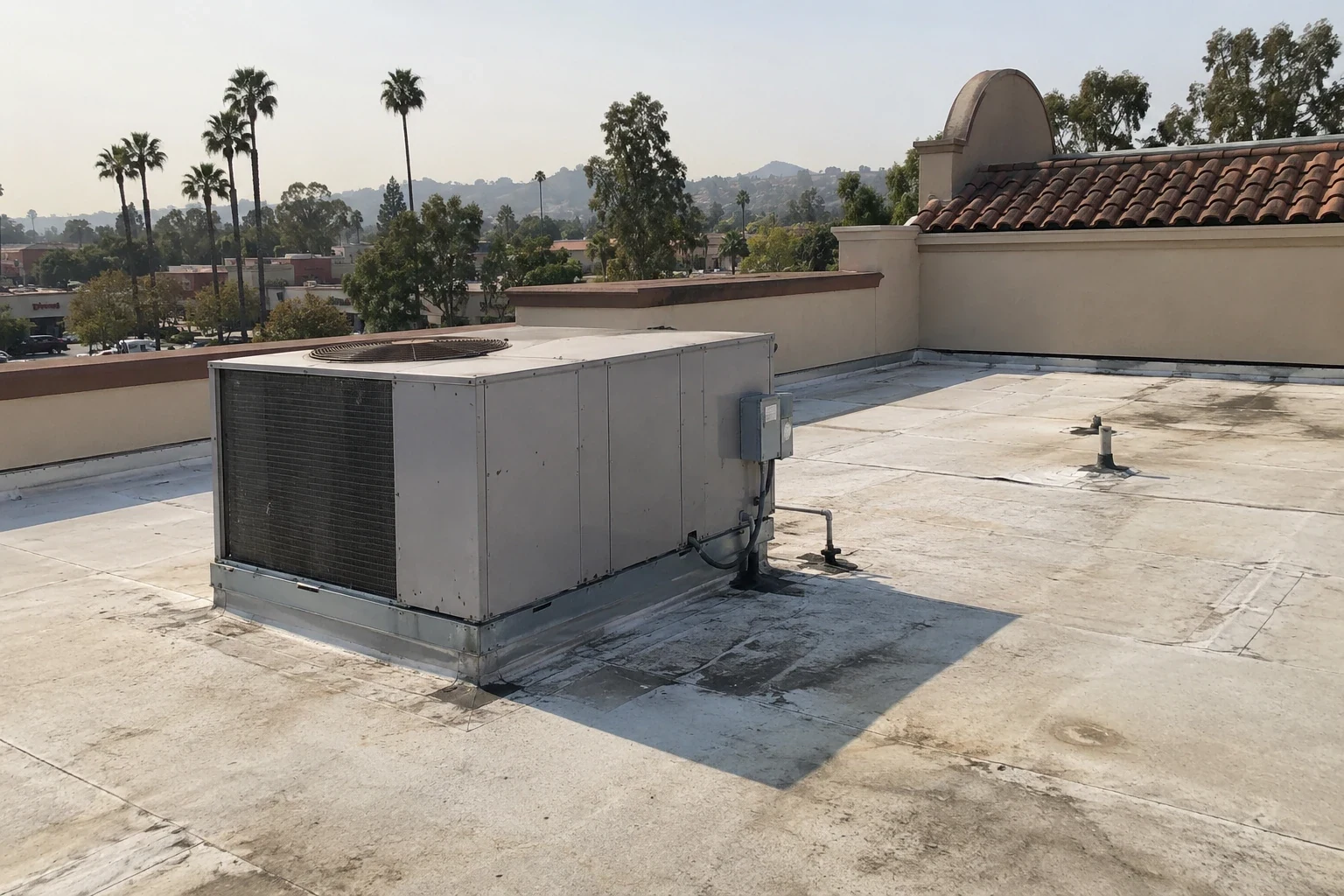
An exhaust-related concern may also require equipment or enclosure correction. We identify the roofing portion and coordinate the other task with the responsible trade. Roof maintenance should not involve an improvised discharge alteration. The bid needs to say whether the underlying exposure will remain after the membrane work.
For restaurant roofs with equipment-related deposits, access to the affected area and appropriate cleaning are part of the review. The property type alone does not prove a grease condition. We inspect what is actually present and choose compatible preparation. Ownership can then evaluate material suitability and ongoing care on a defined basis.
A membrane can appear serviceable while insulation beneath it holds moisture. We assess the evidence and identify further investigation where needed. Authorized openings can confirm an area suspected by other methods. The repair scope must distinguish roof surface work from removal of wet material. Covering the same area with another layer does not establish that the moisture concern has been corrected.
We consider the deck and proposed attachment with the responsible design requirements. Fasteners, adhesives and substrate preparation need the selected approved assembly. New insulation or cover board can change curb heights and edge relationships. Those transitions must be evaluated before the membrane quantity is treated as the finished bid.
A KEE membrane option may warrant comparison for particular conditions. Its product details require their own review. We describe credible alternatives using the actual assembly and exposures. A different membrane label cannot resolve an unsound deck or an unresolved moisture area by itself.
Planning and Completing the Work
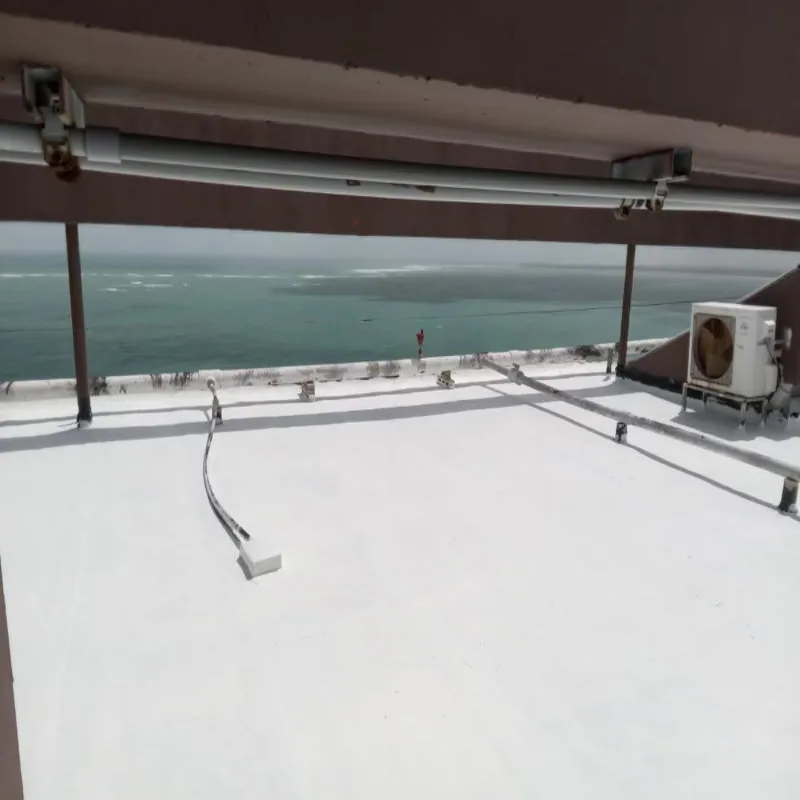
A welded corner needs the correct material arrangement and workmanship. We inspect changes in plane, curb terminations and penetration details. Local movement can stress a connection. The permanent correction may require rebuilding the detail rather than placing another patch over the same weak point. We photograph the concern and explain the proposed boundary.
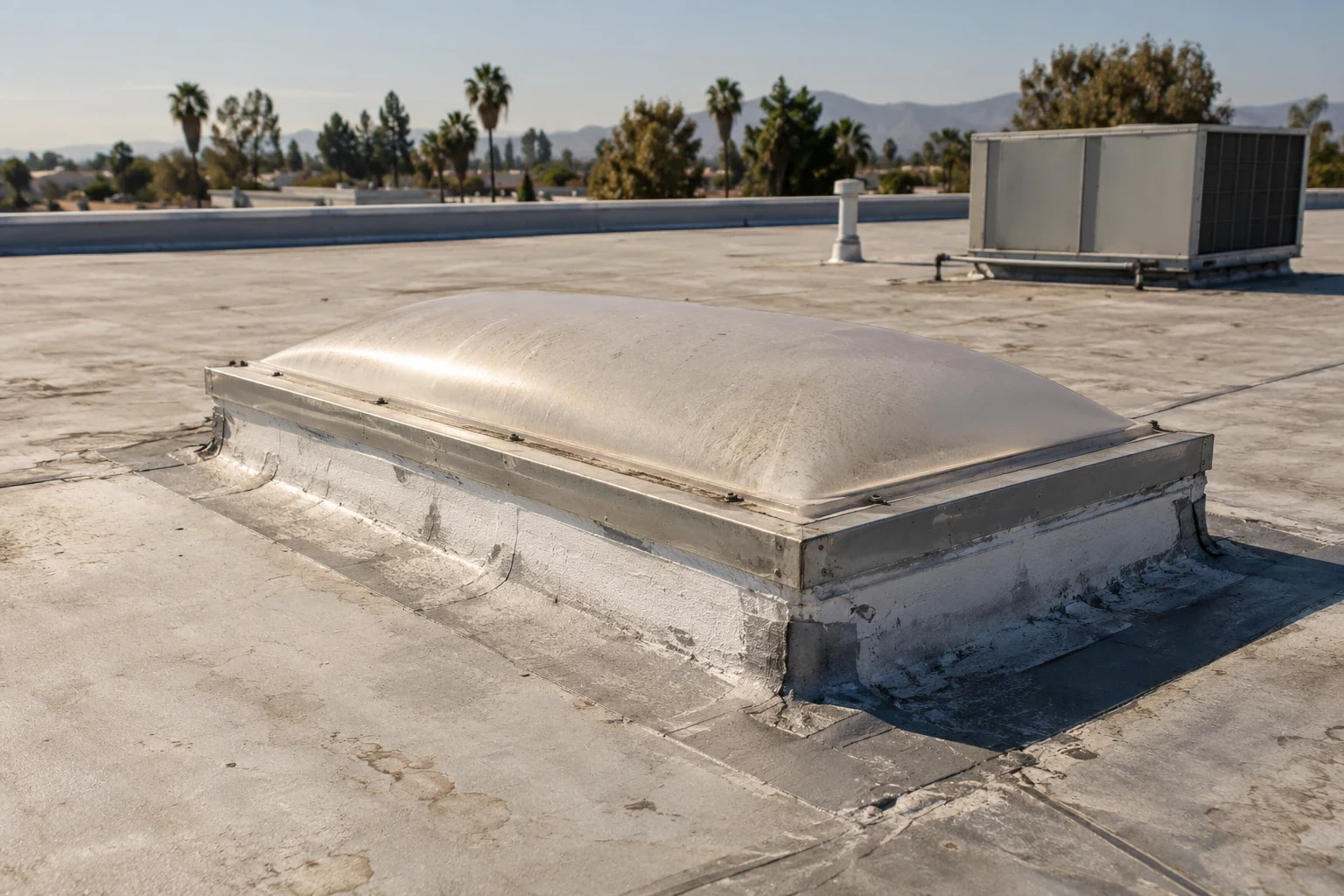
Flashing at skylights and other penetrations deserves its own quantity and scope. A component may have an enclosure leak separate from the membrane. We distinguish those paths where examination supports the finding. The responsible trade needs an identified task if roofing work alone will not correct the opening.
Drains require compatible membrane connections and functioning outlet components. We include drain and scupper corrections where inspection supports them. Surface replacement should not hide a deteriorated connection. A manager can compare bids more accurately when each outlet task is named beside the field work.
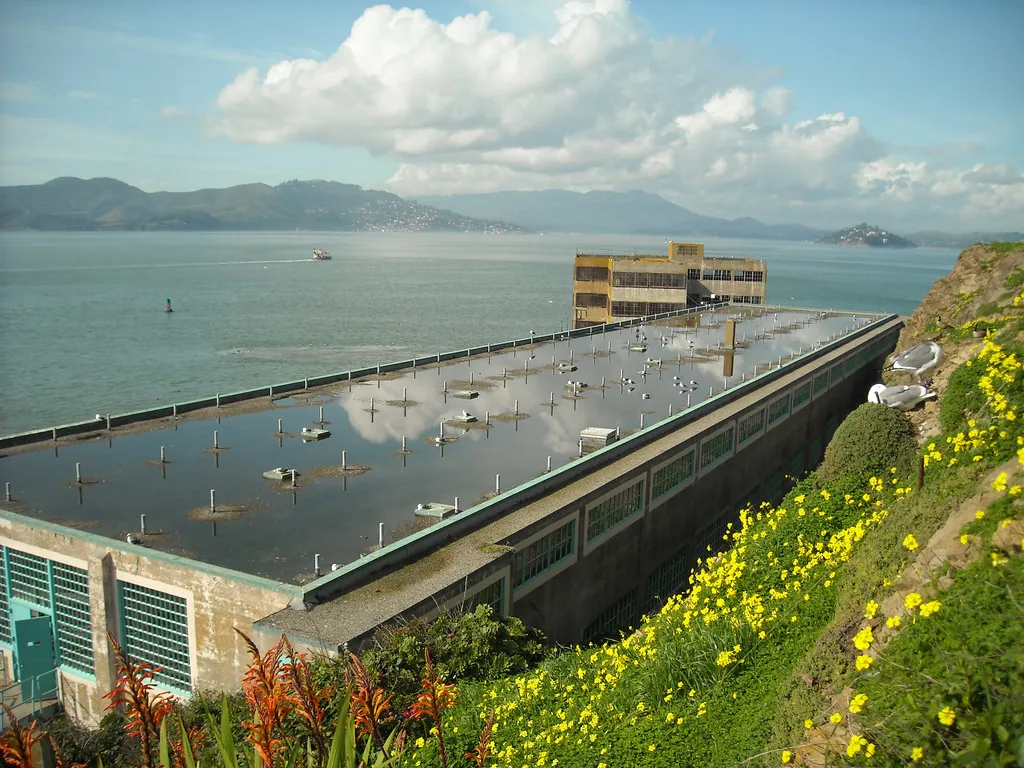
Regional atmospheric rivers are a reminder to inspect accessible water routes before rain season. They do not establish a failure history for the subject PVC roof. We trace outlets and local slope at the property. A temporary closure during work needs the same attention as the final drainage arrangement. Stored materials and removed debris must not interfere with discharge.
September 2022 regional heat and Flex Alerts provide another planning context. A reflective PVC surface can affect absorbed solar heat, but its appearance does not establish a cooling result or product rating. We review selected product documentation and the assembly. Santa Clara's adopted 2025 standards and local modifications require confirmation of the applicable authority, submission basis, scope and energy paths or exceptions.
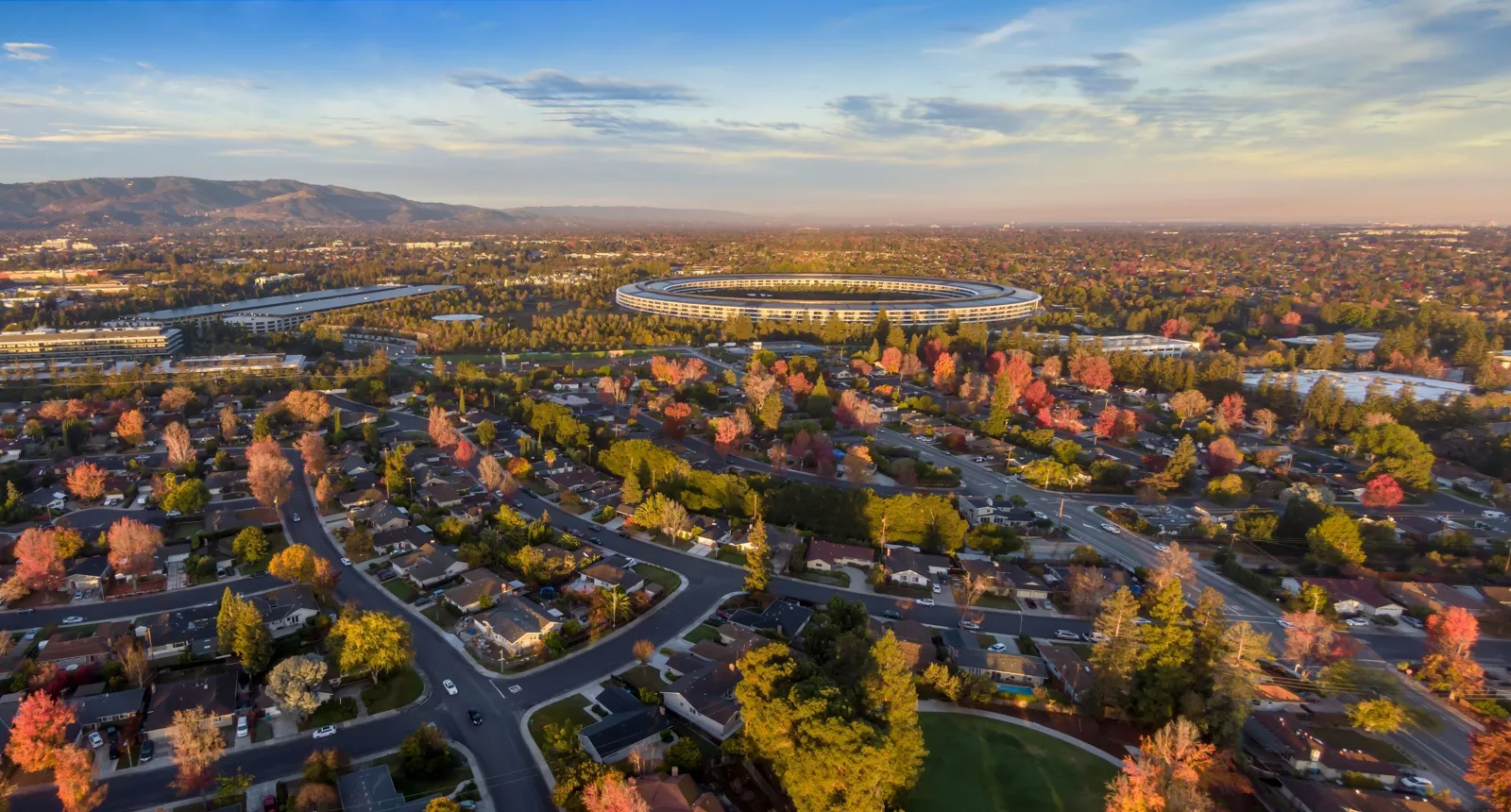
Lafayette Street and Tasman Drive are the setting for the Tasman East planning framework, a local reference for coordinated property decisions. It is not a statement about completed roofs. For buildings in the Tasman Drive and Scott Boulevard corridor, we establish the roof details directly and coordinate the project with known building alterations.
A complete PVC proposal states removal, substrate corrections, insulation, attachment and connection work. We identify quantities that require confirmation after opening. The approval process should explain how those findings will be recorded and priced. A vague contingency can leave the manager unable to defend a changed total.
For administration of the selected roof warranty, the actual documents establish requirements and coverage. Installation details and maintenance obligations should be retained in the owner's file. A compatible repair may still need notice or inspection under those terms. Coverage decisions remain with the parties administering the actual agreement.
We check completed seams and flashing through the specified process and retain photographs. Future service personnel should receive the roof identity and approved care information. That handoff helps the manager protect the installed system when equipment work returns to the roof. Ownership receives a clear distinction between completed roofing and any remaining trade task.
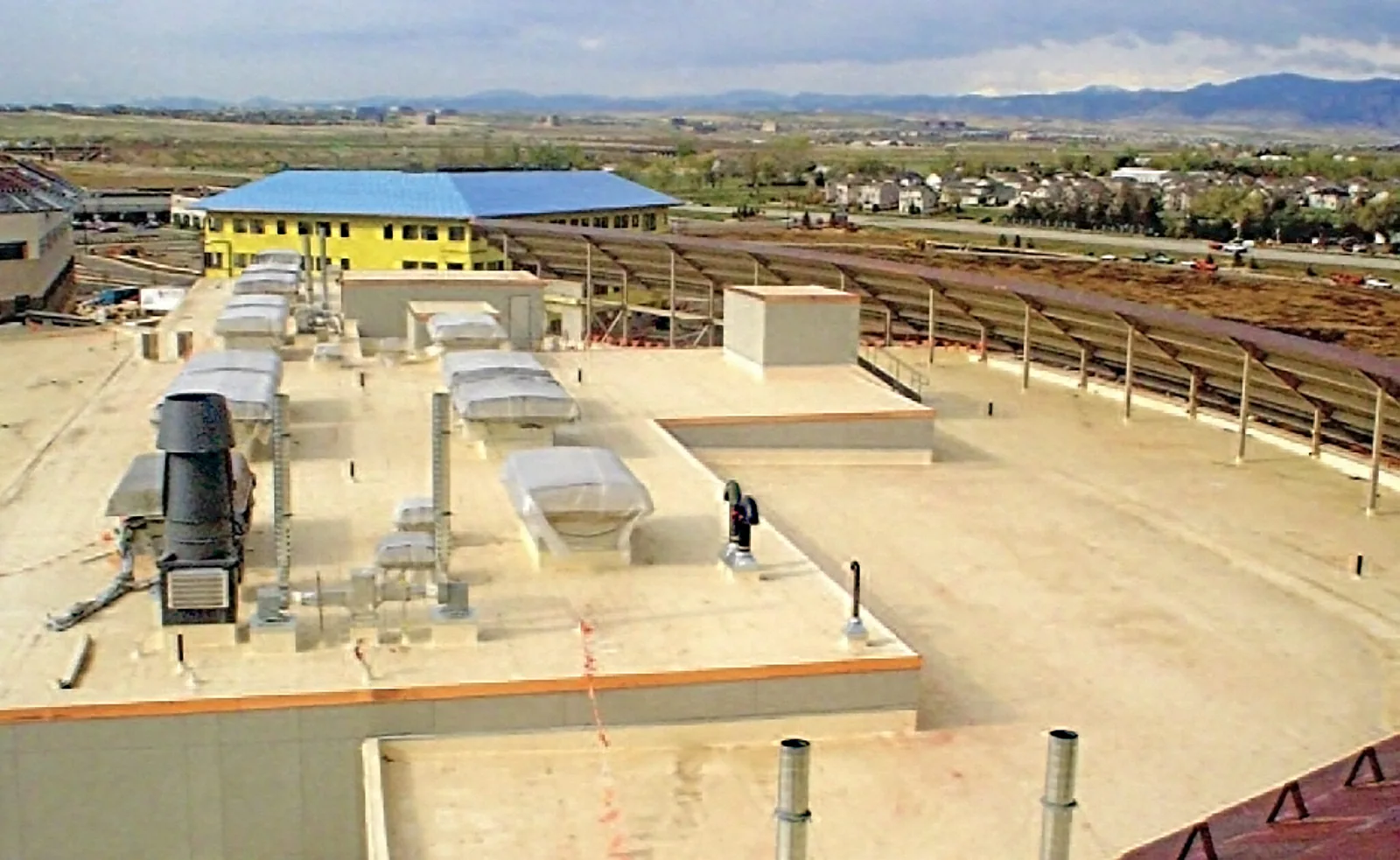
PVC selection: compare chemical exposure and system details. Where rooftop discharge, grease or process residue is present, document the exposure location and review the proposed membrane's compatibility with the project conditions. Material selection should follow manufacturer guidance and the design requirements, not a general claim that one polymer suits every exposure. The bid should also define attachment, insulation, cover board, perimeter restraint and transition work. At penetrations or equipment changes, identify who owns the associated service detail. This makes the scope reviewable and avoids treating a membrane substitution as the only decision when the roof assembly, drainage or adjoining trade work also affects performance.
Put PVC details beside the approval total
Arrange a pre-season assembly review. We will prepare a plain bid sheet showing exposure questions, substrate repairs and tenant protection for ownership.
Frequently Asked Questions
Color is insufficient. Available records and suitable examination establish the membrane before we specify a compatible repair.
The actual substance and selected product limits decide suitability. Unidentified exposure requires review before material approval.
Outlet components and membrane flashing may need different corrections. Separating them shows what the replacement will actually renew.
A workable tie-in requires suitable condition and preparation. We assess the surface and use the specified checks before committing to the detail.
Keep product identification, detail photographs and care requirements. Future repairs need the actual system information rather than a generic membrane description.
Roof Assessments
Santa Clara & the South Bay
Membrane, flashing, drainage and edge details checked and written up before any work is priced.
Request a Roof Assessment