- Home
- Property Types We Roof
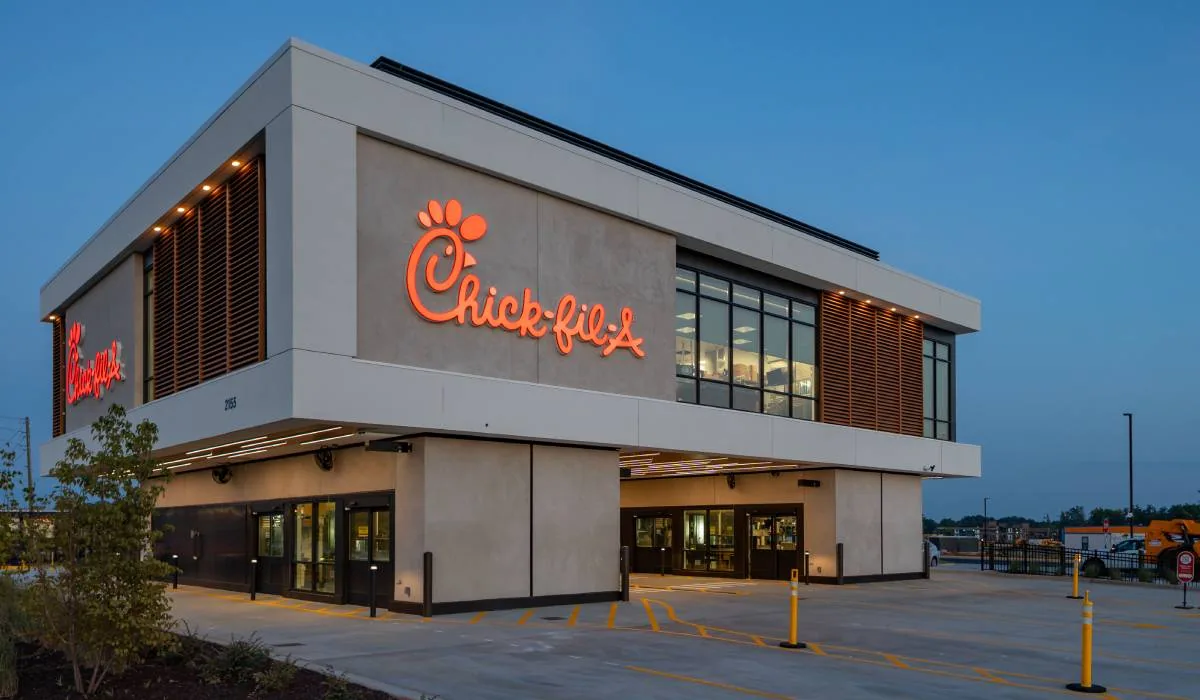
- Commercial Restaurant Roofing
Commercial Restaurant Roofing in Santa Clara, CA
A regional atmospheric-river sequence ran from late December 2022 into mid-January 2023. For a restaurant property manager in Santa Clara, CA, the planning question is precise: does the proposed roof repair address the receiving component and actual rooftop exposure? Seasonal rain context helps prioritize examination. It does not establish a leak, grease discharge or a particular equipment arrangement at this restaurant.
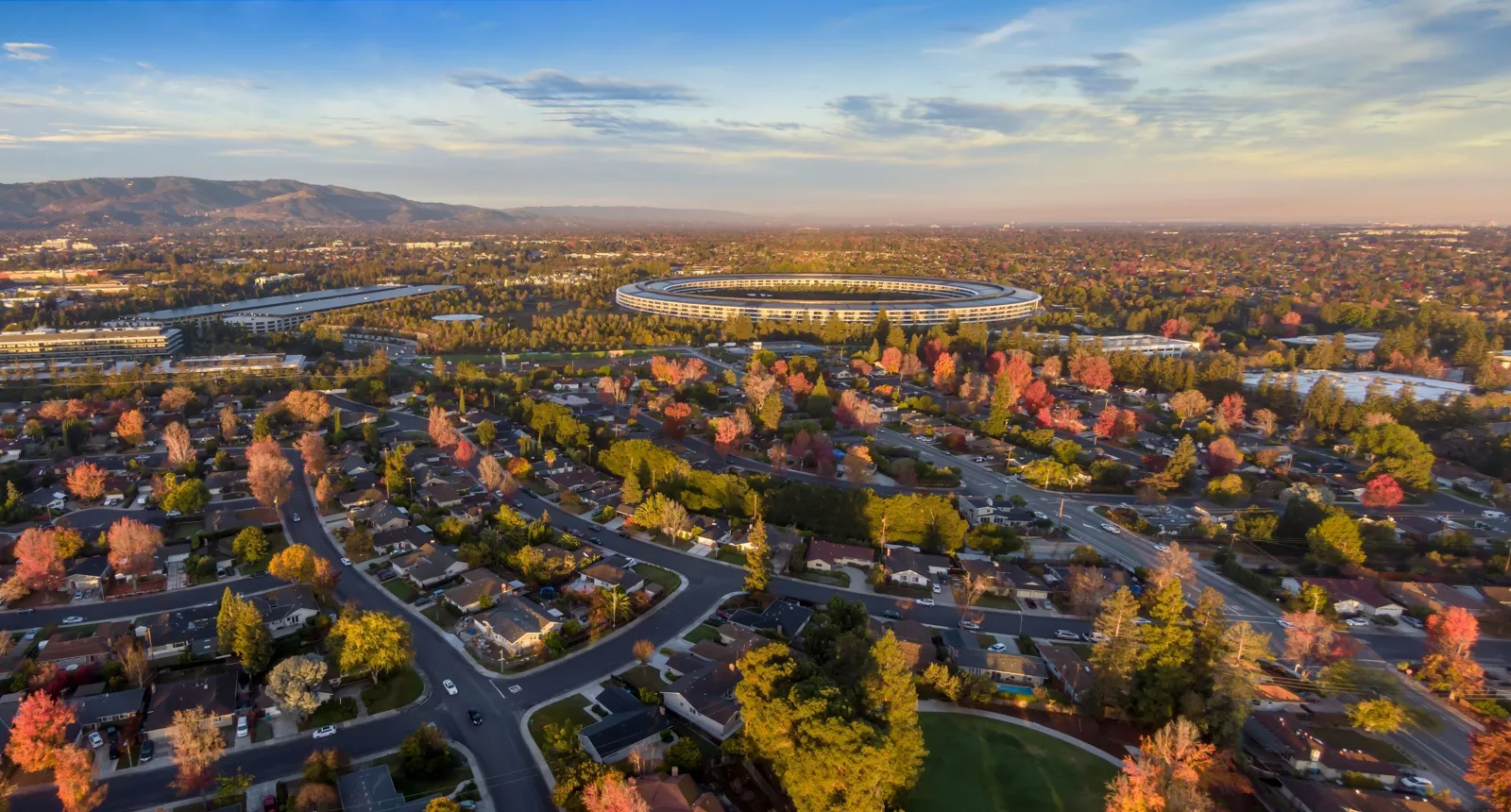
We inspect the roof material, details and accessible water route, then coordinate operating requirements with the actual tenant. Scott Boulevard's history includes office and R&D development, providing local commercial identity without identifying this restaurant's roof. The subject building needs its own records and examination. We give ownership a scope that distinguishes surface preparation, component correction and any authorized trade involvement, so a small patch price does not conceal an unresolved physical detail.
Commercial Restaurant Roofing: What the Work Covers
A roofing product has limitations for chemical or grease exposure. We examine the surface and discuss the actual rooftop process with the operator where relevant. A restaurant use alone does not establish discharge on the roof. If exposure is present, we compare it with the selected product's requirements before proposing a repair. Cleaning and removal of unsuitable material may be necessary to establish a compatible receiver.
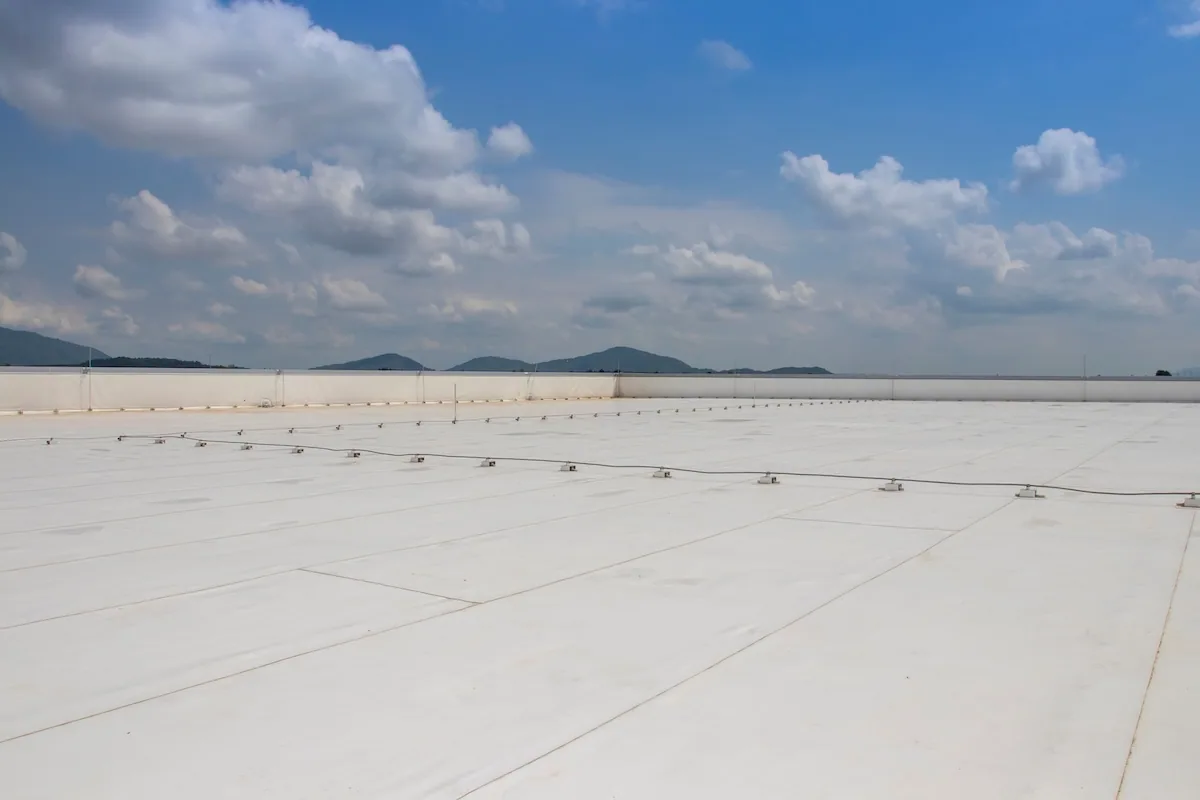
A PVC assembly evaluated for its product limits and other membrane options should not be treated as universally suitable for every substance. Flashing accessories and repair compounds need the same compatibility review. Existing patches can differ from the field membrane and may need separate preparation. The bid identifies those tasks and any unresolved exposure question. Ownership should know what the selected material can receive before installation, rather than rely on a broad claim that one roof type handles every restaurant condition.
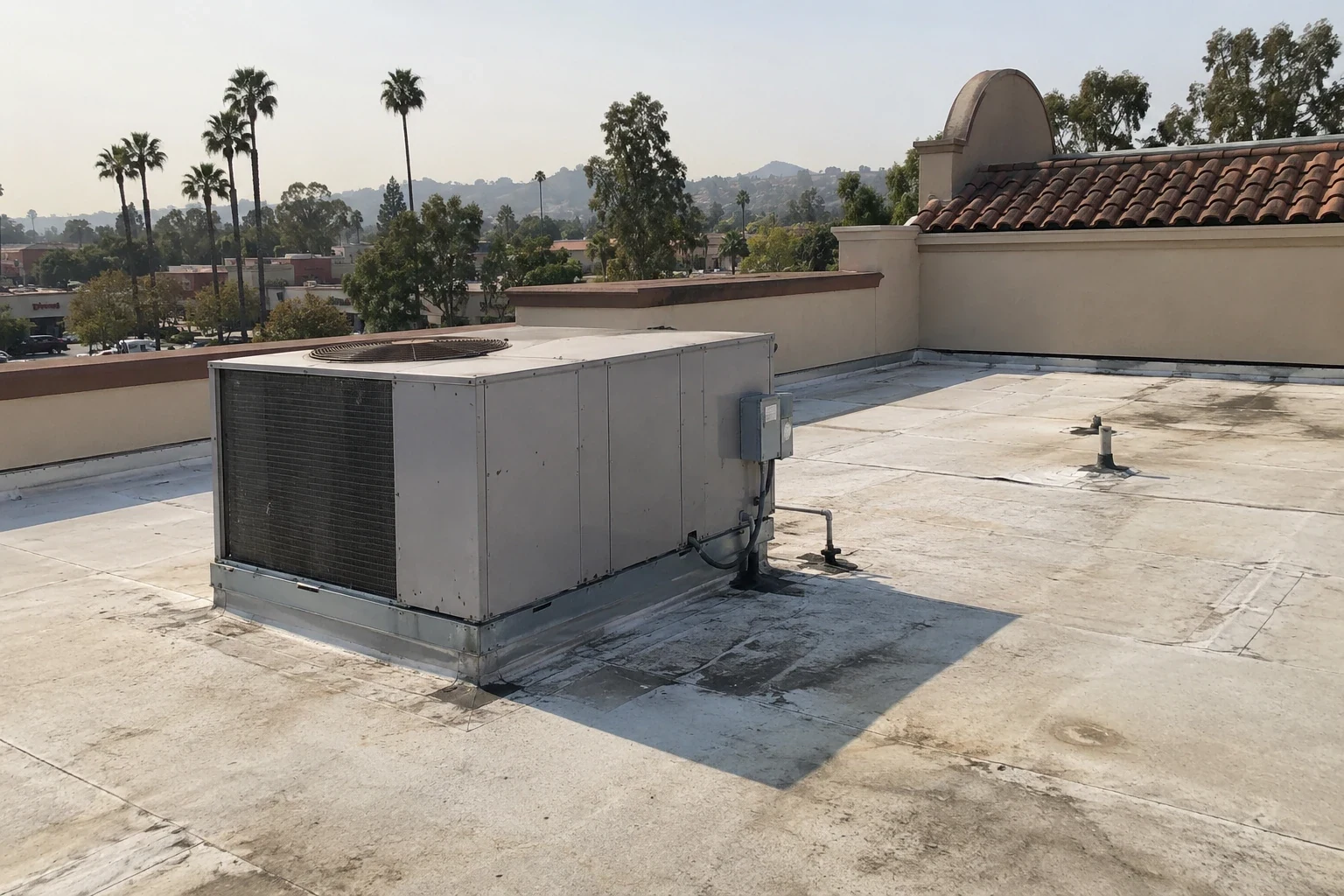
A curb or penetration needs a sound component behind its roofing detail. We inspect the receiver, available flashing height and secure termination. Loose restraint, damaged backing or observed corrosion can require physical correction before new membrane is installed. Sealant is not a substitute for the required connection. Where the component's condition is concealed, we explain what investigation is needed to establish a practical work limit.
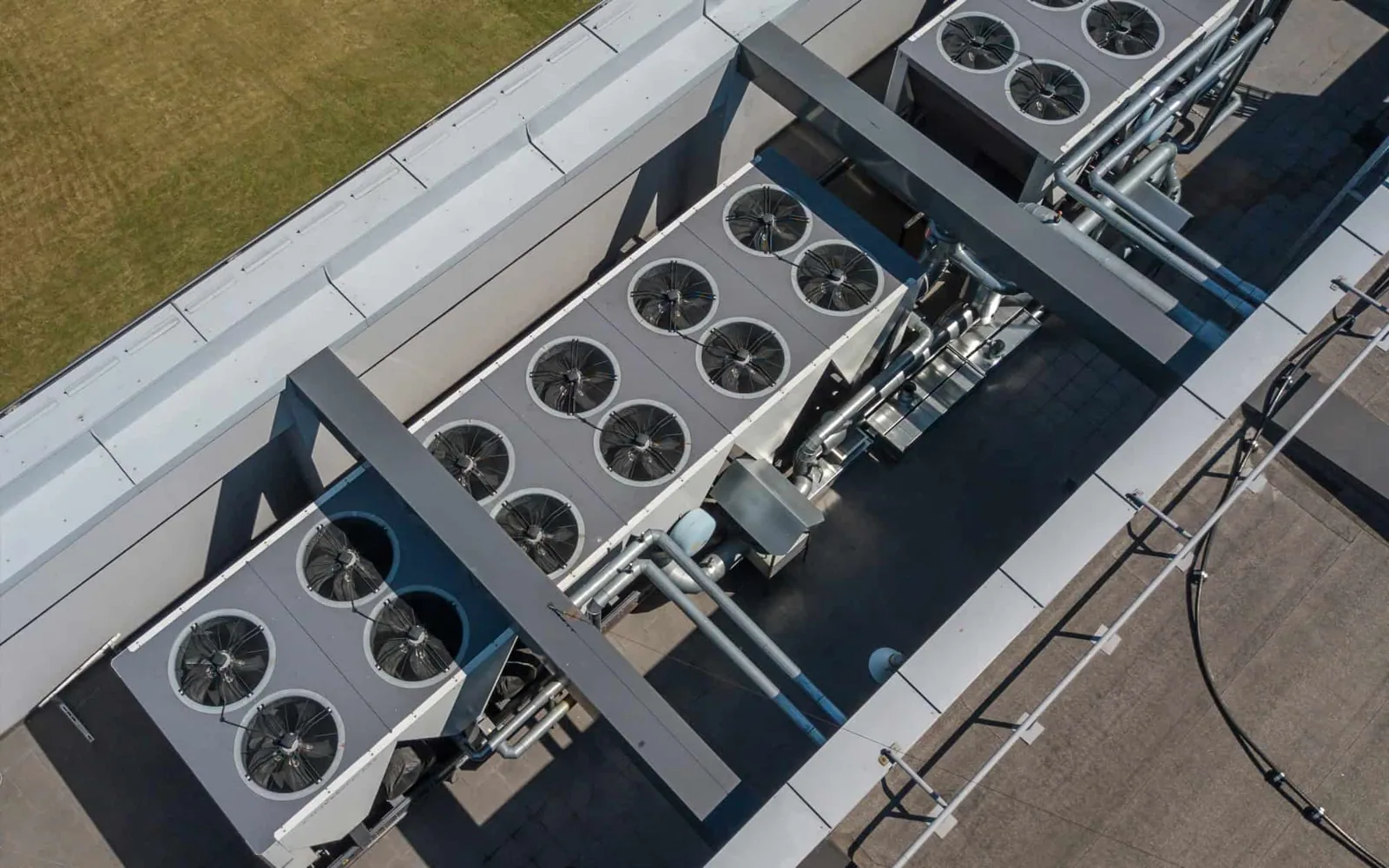
Roofing corrections at equipment curbs can require operator-approved equipment access and qualified trades. Shutdown, relocation and reconnection are coordinated with authorized personnel. The scope separates those tasks from membrane repair. Reconstruction of an examined flashing defect should name the receiving component and compatible transition. That lets the manager explain why complete work may involve both equipment coordination and roofing, rather than simply adding another layer of sealant around the same opening.
Preparation and installation can involve odor, noise or temporary restrictions. We confirm the restaurant's actual schedule and sensitive activities with the operator. Food or interior protection needs must be identified for the subject work, without assuming that every roof task requires the same interruption. Materials, access and debris controls need a defined plan. Daily opening limits must fit temporary weather protection and the authorized operating boundaries.
Work at a shared retail property can involve customer routes or access controlled by another tenant. Roofing where product areas need operator protection raises related coordination questions, but this restaurant sets its own requirements. We identify delivery, lifting and restricted zones with the representative. The manager receives a contact route for interior concerns and a clear procedure for scope changes. That makes the schedule reviewable before work begins over an operating space.
Planning and Completing the Work
An interior stain can show where water appears without identifying its roof entry location. We inspect the actual transitions and water routes, then document observations supporting the proposed repair. A clear drain may still have a raised receiver or unsuitable surrounding slope. Debris, component damage and drainage geometry need separate correction decisions. The regional storm account does not establish that any of these conditions exists at the subject building.
Concealed layer condition can affect the repair boundary. Selective openings and suitable moisture screening can help establish confirmed removals. Indications need interpretation rather than a blanket wet-roof conclusion. The proposal identifies temporary protection and any conditional deck examination. A compatible patch should connect to suitable construction, not close an opening over deteriorated backing. We compare preparation consistently if ownership is considering localized repair, restoration or replacement, with retained limitations stated beside each option.
The California standards adopted by Santa Clara have local modifications. We determine the authority governing this restaurant property, confirm the application basis it accepts and define the proposed roof work. Component reconstruction and local membrane repairs can raise different approval needs. Applicable energy compliance routes and exceptions are considered where the scope requires them. Surface reflectivity alone does not establish that the complete project satisfies its review requirements.
Tasman East's adopted framework provides planning context around Tasman Drive and Lafayette Street. At a property in the Tasman Drive commercial area and Scott Boulevard corridor, that identity does not establish current restaurant operators or completed roofs. We use records and examination to define construction. The bid should keep design, permit and related trade tasks beside roofing installation. Ownership can then approve a complete correction without assigning an unpriced equipment or receiver task to the tenant after the repair starts.
The closeout record locates completed repairs and identifies materials used. Relevant preparation photographs can explain concealed receiver work. Later equipment service needs roofing coordination where it changes flashings, supports or membrane access. We discuss suitable traffic protection and compatible repair requirements with the representative. Warranty responsibilities should state the issuing party, included work, exclusions and maintenance duties so new alterations can be reviewed before they affect coverage.
A pre-season check examines accessible outlets, transitions and surface condition. Observed exposure or damage can require a defined maintenance task rather than an assumed full replacement. A commercial restaurant roofing report does not establish a repair quantity. Document the restaurant roofing finding and the next approval. Temporary actions follow the condition found. Permanent corrections then address the actual receiver, membrane and confirmed concealed damage, with operator coordination preserved for any equipment or interior activity affected by the work.
A completed repair record should identify the exposure and preparation evaluated for that location. Later maintenance can then review changed conditions before repeating the same treatment.
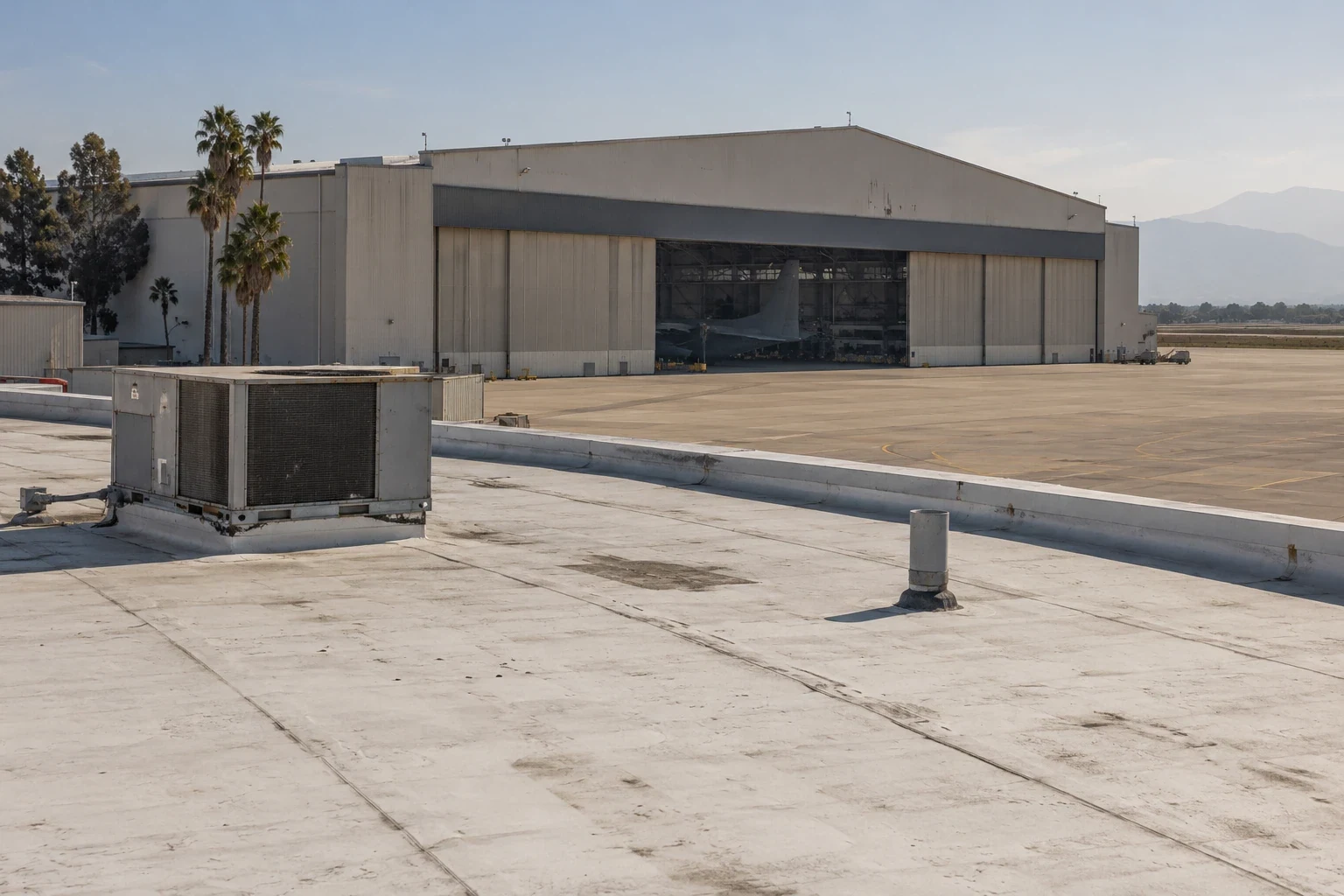
Restaurant coordination: map exhaust and service interfaces. Before pricing a restaurant roof, identify exhaust hoods, grease discharge, make-up air units and penetrations serving the kitchen. The roofing survey can document accessible roof-side conditions, but hood cleaning, duct work and equipment operation belong to the responsible service provider. Coordinate any removal or shutdown with the restaurant's authorized contact and clarify how each curb or penetration will be weathered after reconnection. The work plan should address public entrances, deliveries and the interior area beneath any opening. Closeout should identify the repaired roof interface and any separately assigned exhaust or fire-suppression task.
Pre-season restaurant review: Define the complete detail
Book a restaurant roof check. We will prepare a plain ownership bid sheet showing exposure review, receiver corrections and tenant protection.
Frequently Asked Questions
Actual exposure needs examination and operator information. Material selection follows that condition and product limits, not the building-use label alone.
The receiver needs physical correction first. We identify component work and any authorized equipment task before rebuilding the roofing transition.
The actual task and operator requirements establish restrictions. We develop access, protection and phasing before the tenant accepts a work schedule.
Compatibility and the selected repair requirements govern that choice. Existing compounds and receiving surfaces need review before installation.
Roof Assessments
Santa Clara & the South Bay
Membrane, flashing, drainage and edge details checked and written up before any work is priced.
Request a Roof Assessment