- Home
- Commercial Roofing Services
- Commercial Roof Inspection
Commercial Roof Inspection in Santa Clara, CA
Regional heat and the September 2022 Flex Alerts give a manager a season-check question: which roof details need attention before the building is prepared for rain? In Santa Clara, CA, inspection supplies the answer for the actual property. Historic grid conditions cannot establish equipment runtime or roof deterioration. We examine accessible construction and connect findings to defined next tasks.
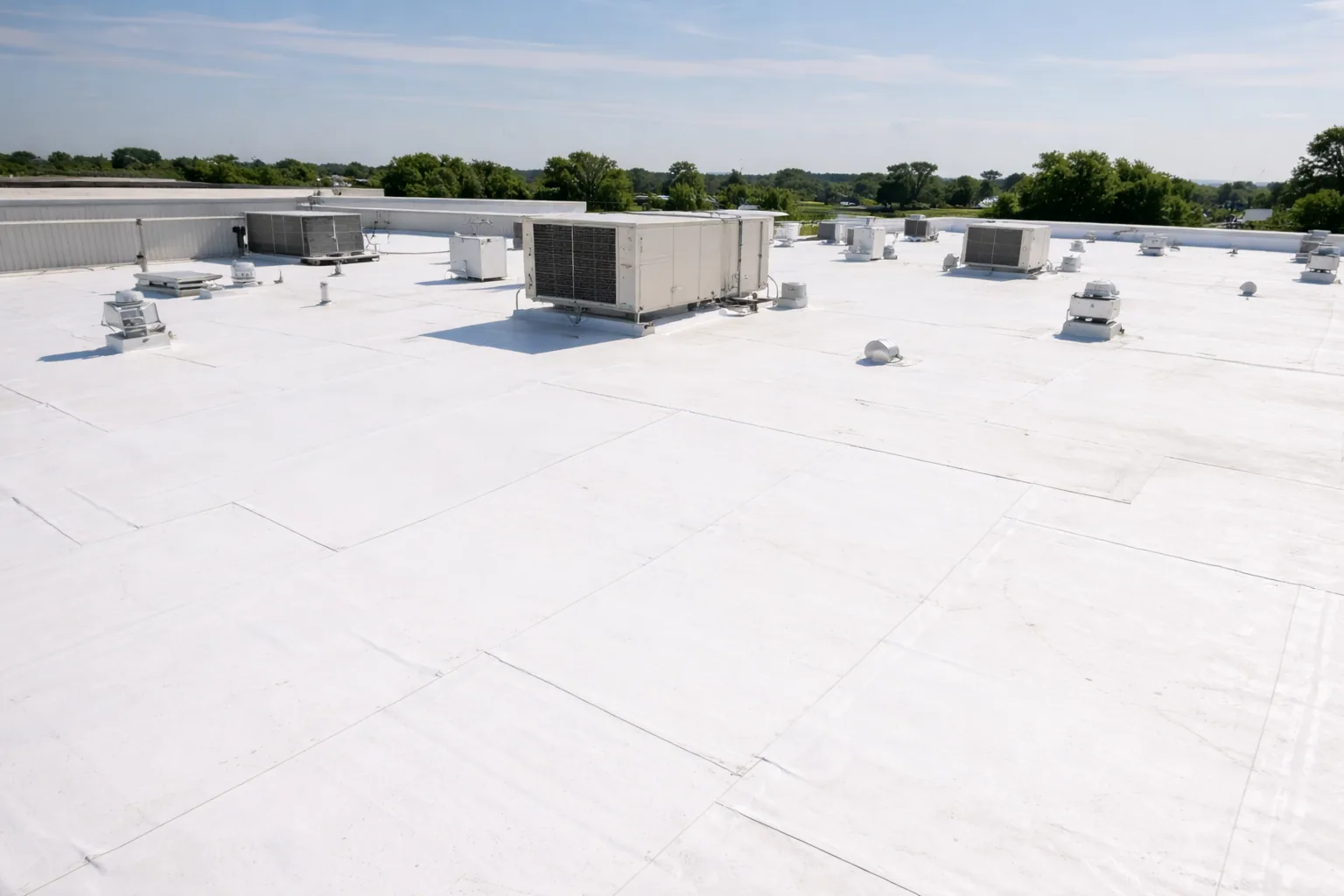
A useful roof inspection distinguishes observation, further investigation, and proposed correction. The manager needs location references and enough detail to explain the recommendation to ownership. We inspect sheet condition, accessible seams, flashing, outlets, and perimeter details within the agreed visit scope. The bid sheet shows the work those findings support. A visual examination has limits at concealed or inaccessible construction, and those limits should remain visible rather than becoming an unsupported statement that the entire assembly is sound.
Commercial Roof Inspection: What the Work Covers
Safe access and operating restrictions define the reachable roof area. We confirm entry, permitted routes, equipment exclusions, and any escort requirement with the responsible party. The inspection plan identifies which details can receive hands-on examination. A route blocked by equipment or unsafe conditions remains a coverage limit. We record that area instead of assuming it matches the construction examined nearby.
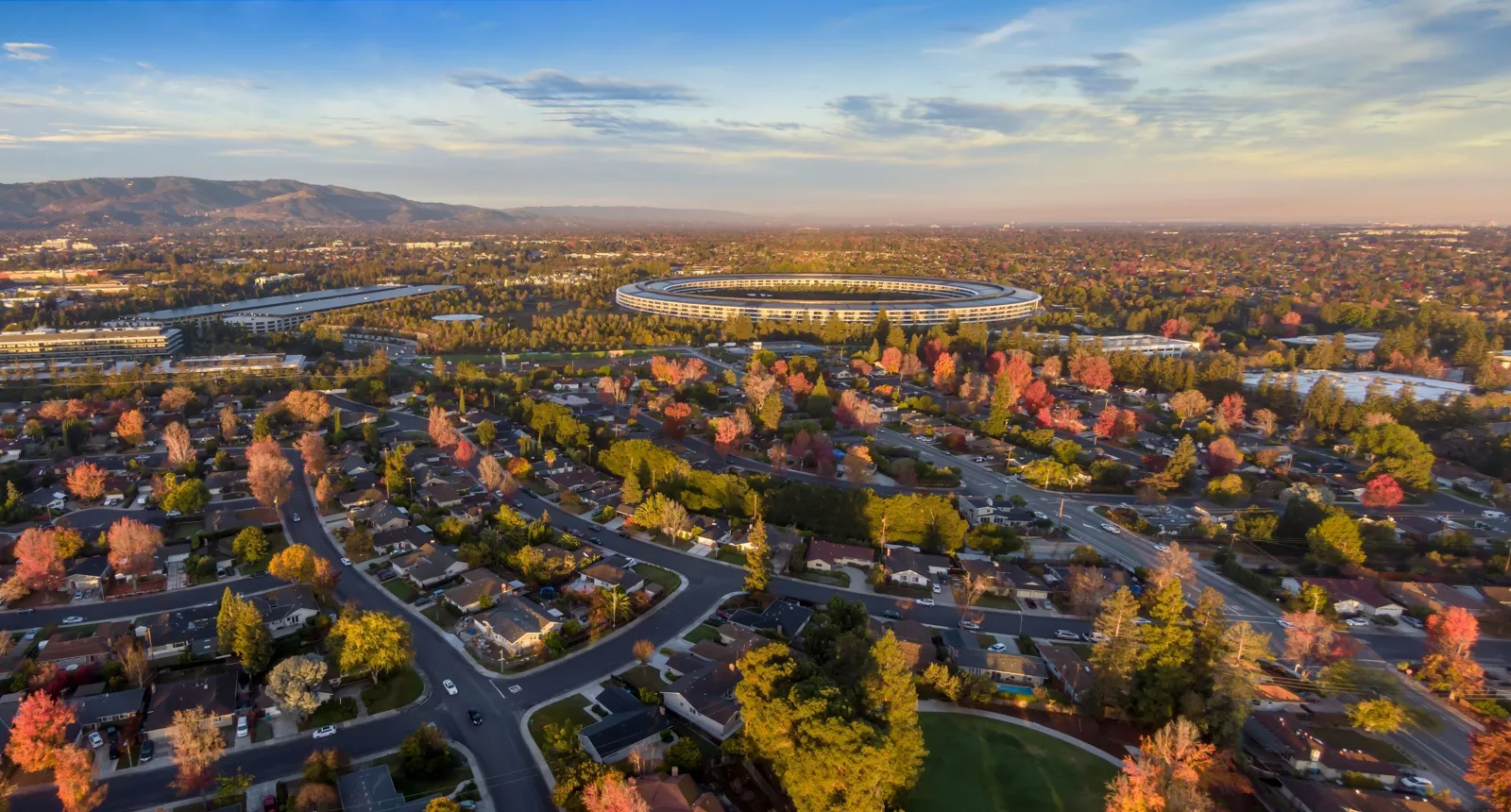
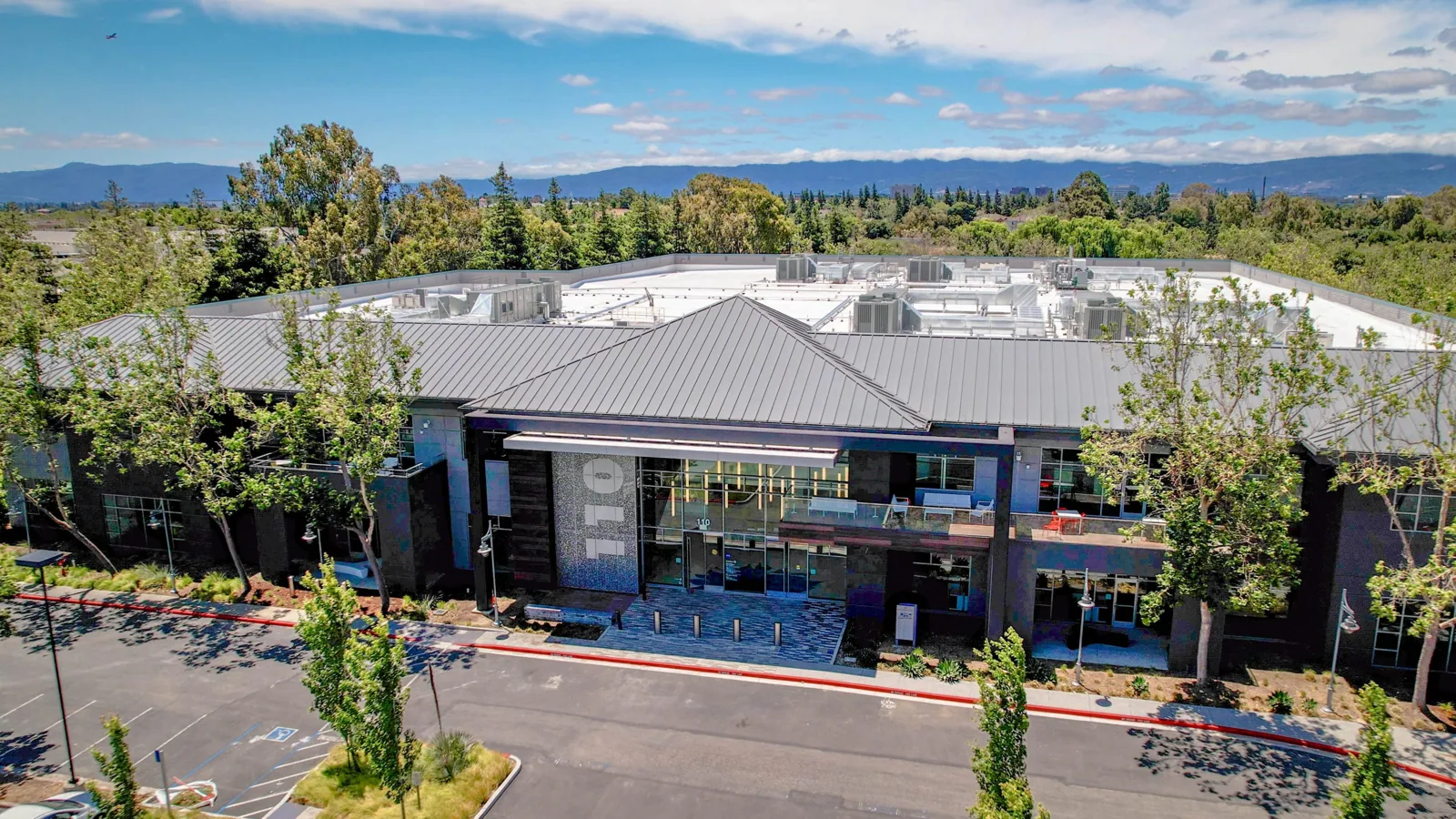
Scott Boulevard has an office and R&D development setting. Tasman East planning identifies a distinct area near Tasman Drive and Lafayette Street. For a visit in the Scott Boulevard and Tasman Drive inspection district, the subject building determines access. An office occupied by tenants may need operator approval for certain routes or work periods. Local identity helps coordinate the visit, while the actual roof supplies the inspected details and examination limits.
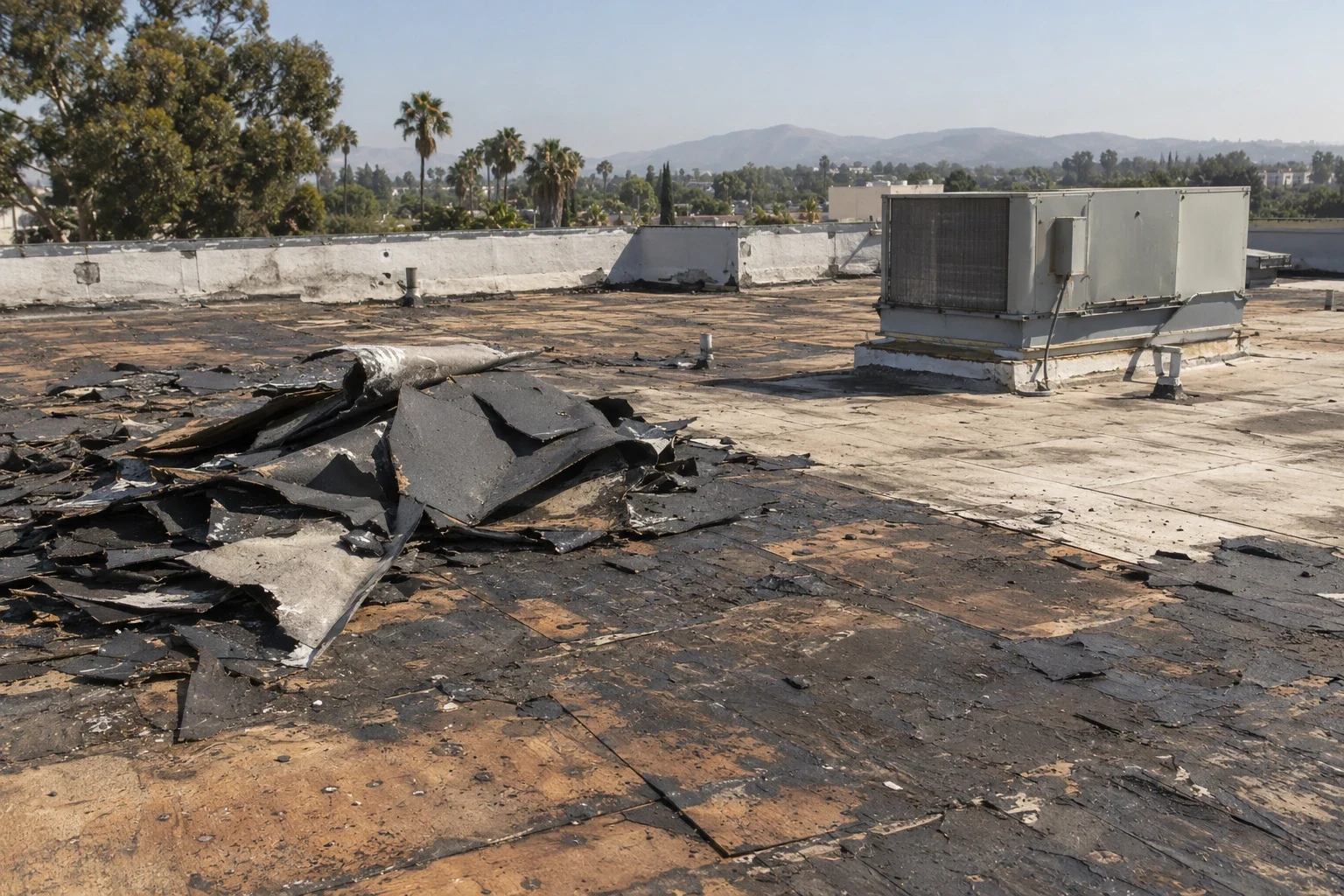
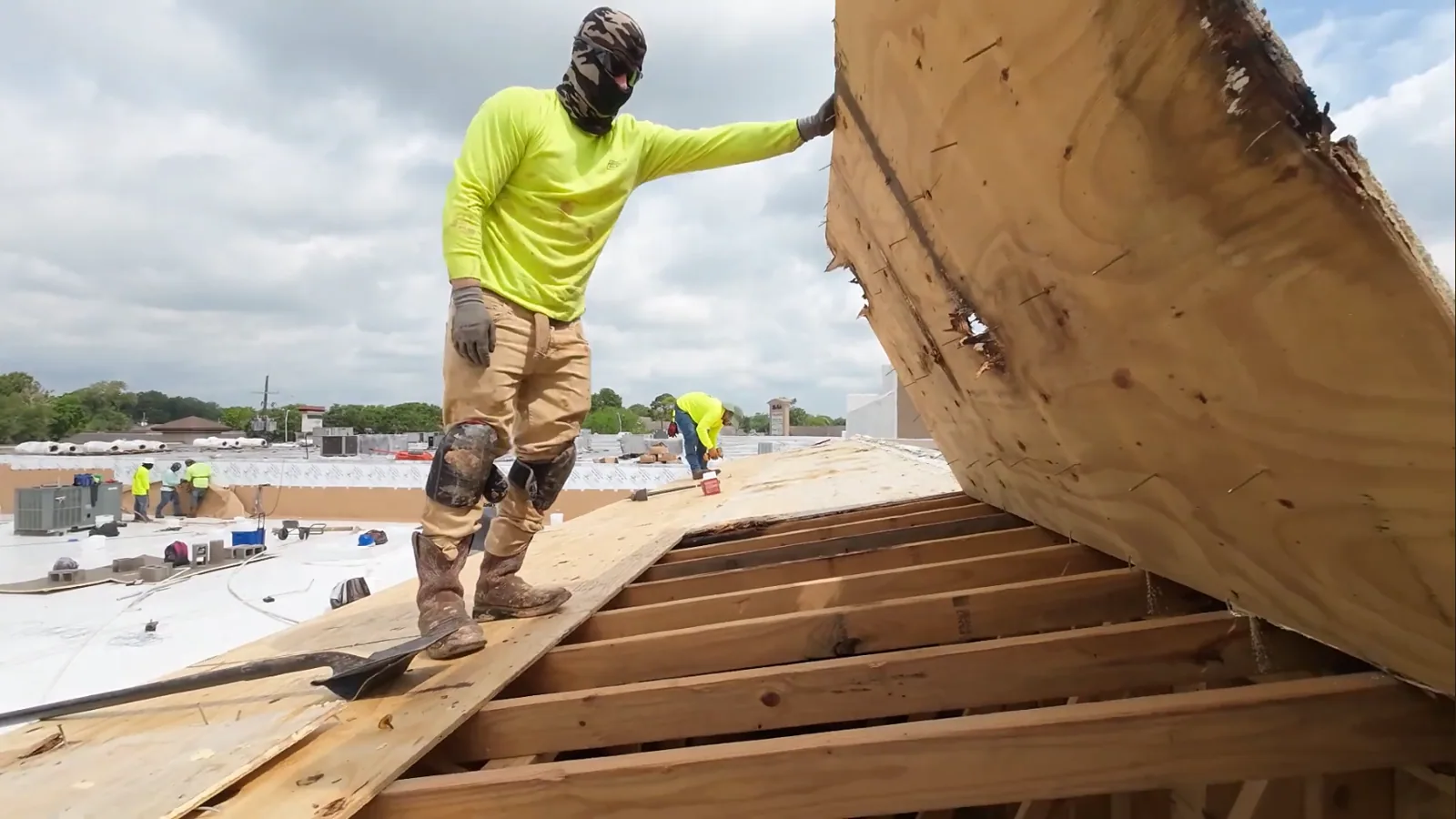
An open seam, puncture, loose edge, or deteriorated curb termination should receive a specific description. We identify where it is and examine the surrounding construction. Preparation and compatibility affect whether a local repair is appropriate. A photo of a detail is useful when it connects to a task the manager can locate and understand, rather than a general statement that the roof needs attention.
Our repair recommendations from inspected details show that boundary. A movement issue at a penetration may need an interface correction by another trade. Accessible drain debris can support cleaning, while a damaged connection needs construction work. We keep those tasks distinct. Ownership receives the proposed correction with its reason, allowing a comparison of actual quantities and preparation. The manager can also identify which item needs operating or landlord consent before work is scheduled.
Visual findings cannot describe every layer below a roof sheet. A suspected moisture area may justify a suitable survey and selected physical confirmation. Records or exploratory openings can also help establish the retained assembly. We explain what further work would answer and the protection it needs. The first visit should not claim a concealed condition has been resolved without that examination.
For additional thermal-assisted moisture investigation, the construction and environmental conditions determine suitability. Survey indications guide confirmation; they do not automatically set the full removal boundary. A refrigerated storage roof can need a different moisture analysis from ordinary office space. The actual assembly remains the basis for the investigation. Ownership sees the unresolved question and the next task separately from any repair already supported by the accessible detail.
Planning and Completing the Work
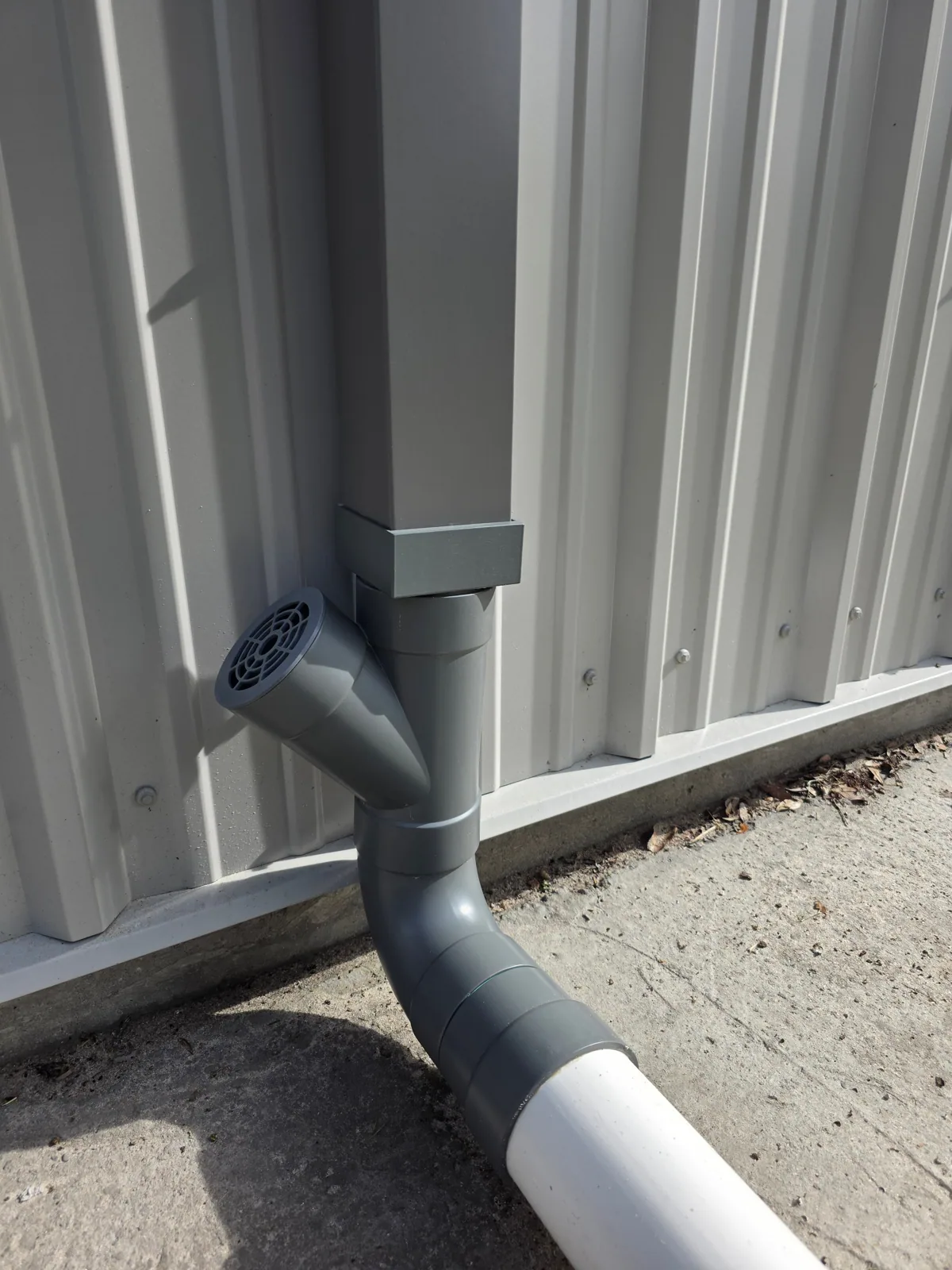
Outlets, scuppers, nearby flashing, and surface flow deserve individual examination. We identify accessible obstruction, visible connection condition, and any area needing further drainage review. A supporting depression can remain even after debris is cleared. We do not treat cleaning as proof that every drainage concern has been corrected. Downstream pipe work may require the appropriate plumbing assessment.
Equipment service routes can also expose sheet and flashing to repeated traffic. We identify vulnerable details and any practical protection recommended. Those tasks are different from changing equipment supports or approving concentrated material loads. The report assigns the required qualified review where relevant. The manager can separate routine accessible upkeep from roofing construction and design questions. Ownership receives a clearer budget request than a single maintenance allowance that conceals whether the task is debris removal, detail repair, or another trade's work.
Inspection may support repair, coating, recover, or replacement, depending on the findings and further information required. Each option needs its own conditions. A coating choice needs its preparation and intended bond assessed against the surface. Recover depends on acceptable retained construction and workable interfaces. Replacement needs support, removal, attachment, and protection decisions. We do not rank options solely by their surface material or apparent disruption.
A recover alternative requiring retained-layer review should show its prerequisites. Before construction, the project team resolves its review authority and application basis, then applies the energy provisions and exceptions relevant to the selected scope. Ownership can compare what the inspection supports and what remains conditional. The manager then knows whether the next expenditure buys a defined repair or the investigation needed to choose a larger task responsibly.
The written record identifies examined areas, location references, photographs, findings, recommended tasks, and limitations. We distinguish urgent exposure requiring a response from scheduled repair and further investigation. The reason for the priority should be the observed condition, not a universal assumption about all roofs after a regional weather event. Operating restrictions remain attached to the relevant task.
Completed repairs can later be recorded against those references. Outstanding items need their own status and responsible party. Maintenance staff should be able to compare a new finding with the previous condition rather than guessing what an unlabeled photo meant. That helps ownership review the next budget request and keeps a season check from becoming an unsupported roof replacement recommendation. The manager gets a short list of usable decisions, each connected to a roof detail, examination limit, or required approval.
The record should also state any equipment or property permission needed for the next visit. An inspection finding can support a task while that access decision remains pending.
Give each finding a status the next manager can act on. Mark whether the condition was corrected during the visit, priced for separate approval, or left for access or design follow-up. Attach the roof reference to photographs, measurements, and any sample location. A later inspection can compare the same detail and identify a change instead of repeating the first visit from memory. This is useful where separate operators control roof access and capital approval. The report should show what was observed, what was not accessible, and which decision remains open.
Inspection scope: make access limits useful. Before the visit, identify who can authorize roof access, escort entry, and provide existing plans or repair records. During the inspection, the report separates observed conditions from areas blocked by equipment, unsafe access, or weather. That distinction matters when comparing bids: one contractor may have examined a different portion of the roof or used a different opening assumption. We identify the location and evidence behind each recommendation, then list the unresolved question and the next step needed to answer it. A visual review should not be presented as a concealed-condition test.
Season check: take specific findings to ownership
Reserve a roof inspection before the wet period. We will prepare a plain bid sheet linking observed details, investigation limits, and the next repair decisions.
Frequently Asked Questions
A hands-on visit examines accessible construction within its scope. Concealed or blocked areas may require records, openings, or another suitable method. We state those limits with the findings.
We describe accessible obstruction separately from visible connection defects and further drainage questions. The proposed task identifies the component being corrected and any other trade requirement.
The finding, location, preparation, repair boundary, and prerequisites need to be clear. Unresolved assembly questions are identified as further investigation rather than hidden within a final construction price.
For commercial roof inspection, define the work boundary. Safe access and current conditions determine immediate work. Temporary measures receive a separate record and follow-up recommendation.

Roof Assessments
Santa Clara & the South Bay
Membrane, flashing, drainage and edge details checked and written up before any work is priced.
Request a Roof Assessment