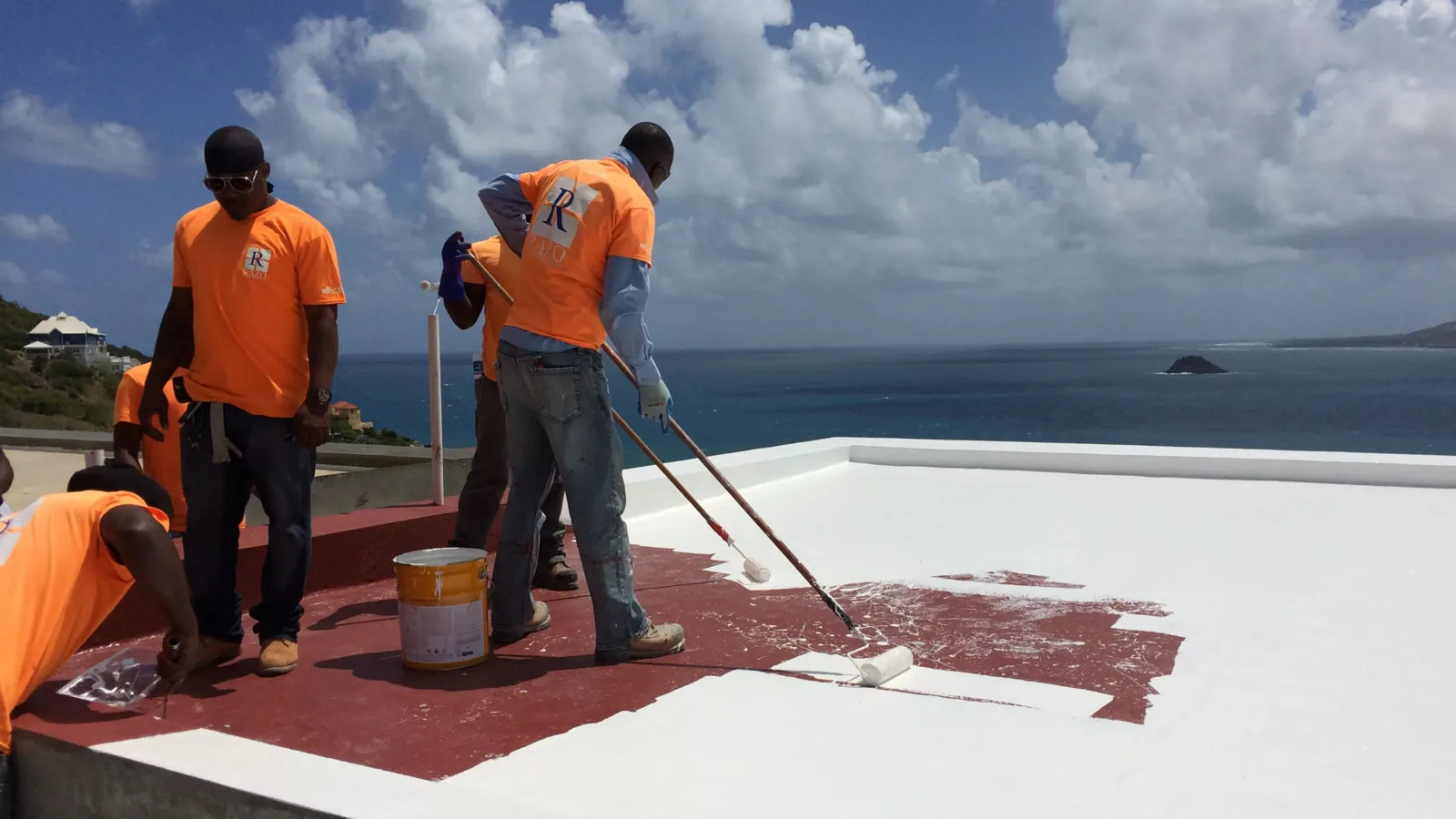
- Home
- Commercial Roofing Services
- Roof Recover and Overlay
Roof Recover and Overlay in Santa Clara, CA
Regional heat during September 2022 gives a manager considering roof recover a practical question: would retaining the existing assembly leave a sound base for the proposed new system? Santa Clara, CA roof work needs inspection to answer it. The associated Flex Alerts are historical planning context. They do not establish membrane condition, equipment runtime, or suitability for an overlay.
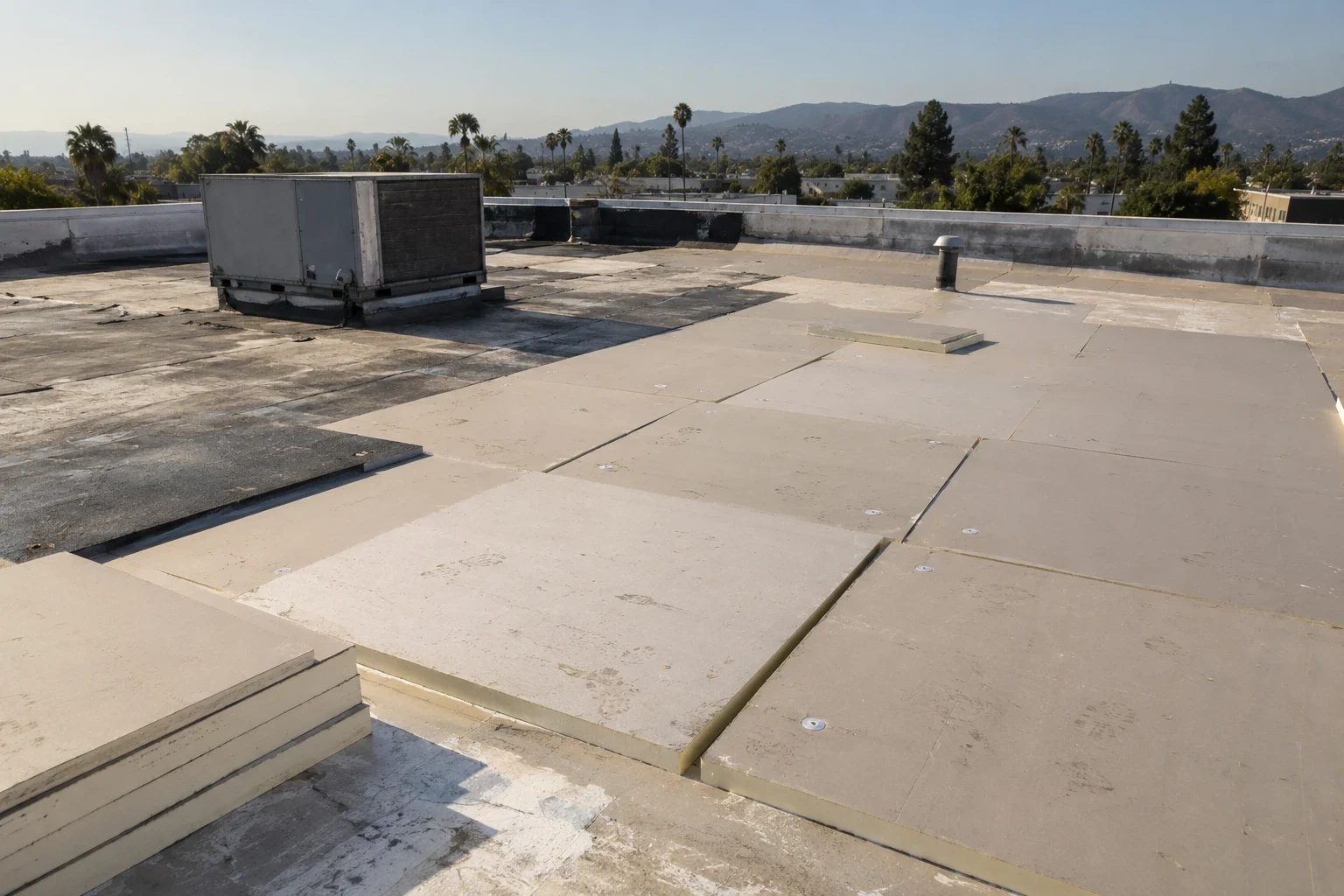
Recover installs new construction over material approved to remain. It can reduce removal, but it also carries the existing assembly into the decision. We examine that construction and explain what must be established before recommending the option. Moisture, attachment, load, available height, and applicable review all matter. The bid sheet identifies the retained layers, any local removal, and outstanding prerequisites. Ownership can compare recover with replacement without treating avoided demolition as proof that the new assembly is technically acceptable.
Roof Recover and Overlay: What the Work Covers
A roof's visible sheet does not describe every layer beneath it. We use available records and appropriate examination to identify construction relevant to the recover decision. Earlier overlays, insulation condition, and deck support can affect what is permissible. Where the assembly remains uncertain, further investigation should precede a final installation scope. We state that need instead of assuming a single existing layer.
Our hands-on examination for a recover decision connects observations to that question. A full removal alternative needs its own preparation and new assembly description. The manager should be able to compare the work retained under one option with the work removed under the other. We explain the condition supporting retention and the limitations still unresolved. That prevents an economical-looking material total from concealing a decision about construction that has not been examined.
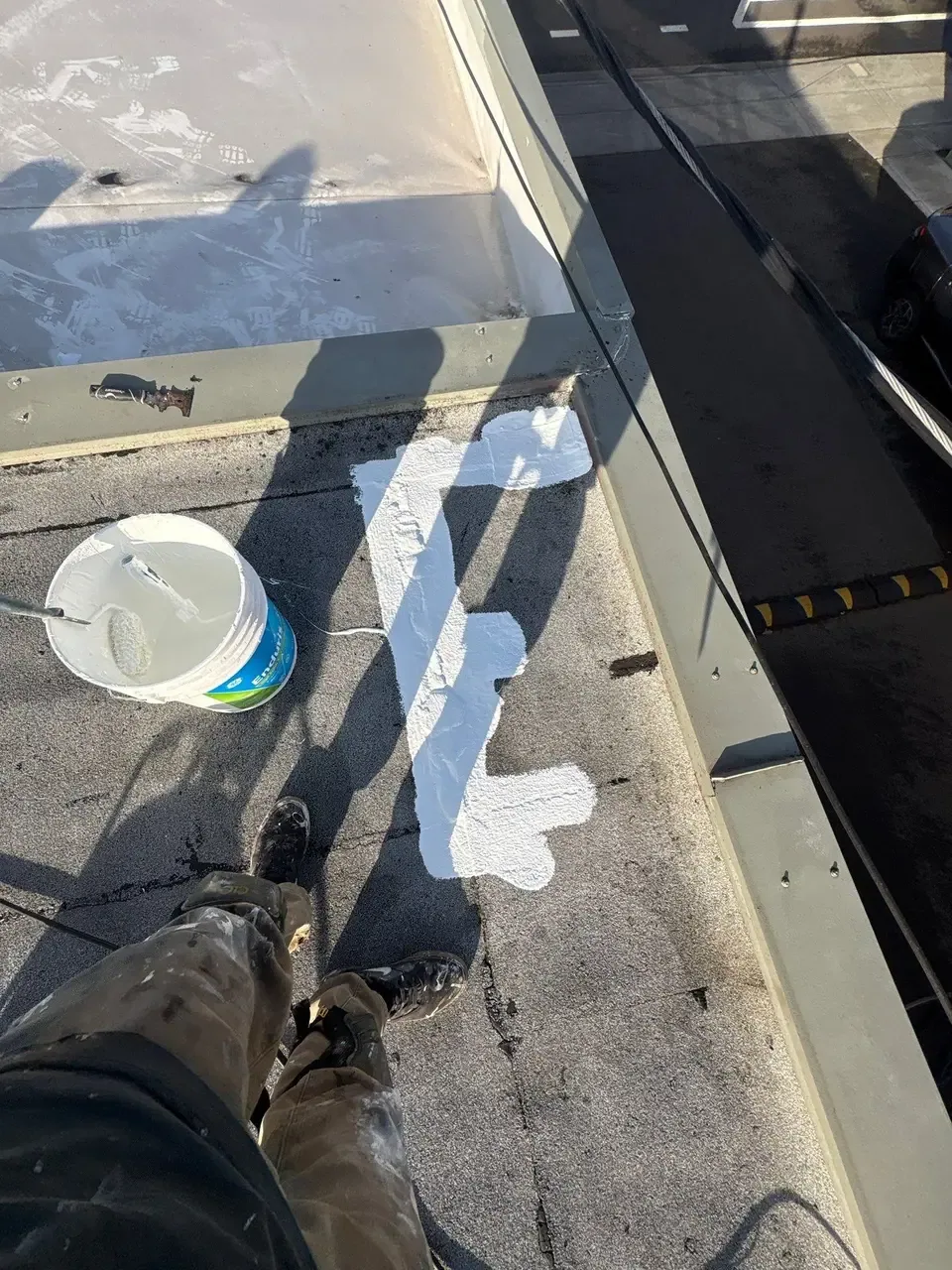
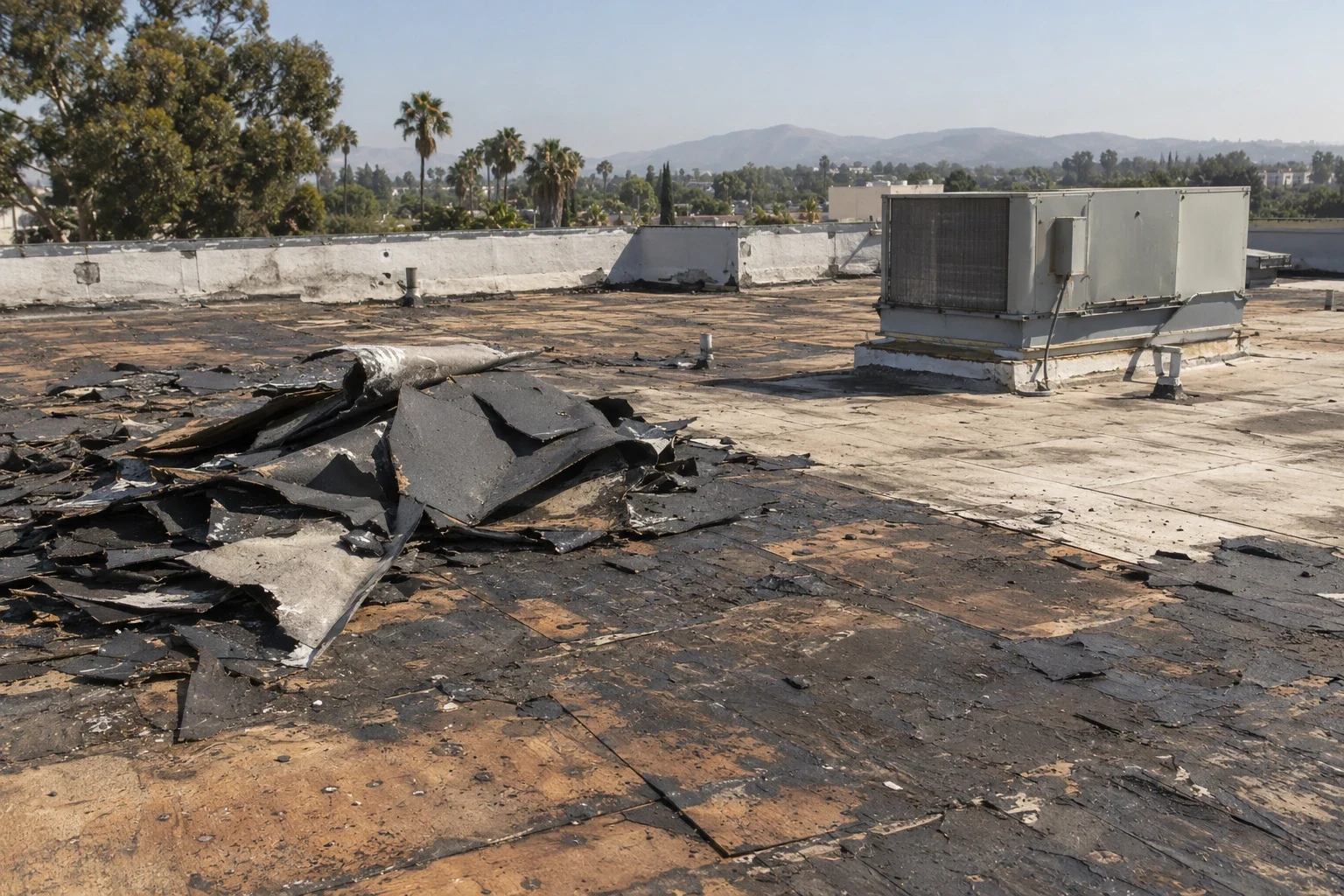
Selective removal should be mapped as carefully as retained material. Show where wet or unsound layers are expected to be opened, what observation confirms the remaining substrate, and how the new edge ties into the retained roof. A localized test can answer a local assembly question; it cannot prove uniform conditions across every section. If more removal becomes necessary, identify the measurement and approval point before the crew extends it. Ownership can then compare the overlay option with replacement using a common boundary and a defined discovery process.
Confirmed wet material can change the recover boundary. We evaluate whether the existing construction needs additional moisture examination and define its limits. Suitable survey conditions may support locating areas for physical confirmation. The confirmed assembly condition then informs selective removal or a different roof option. A roof that appears dry on top is not automatically suitable to retain.
The bid should distinguish established local removal from areas still awaiting examination. An agreed discovery procedure handles concealed conditions exposed during the work. We identify how any removed area will be rebuilt into the approved assembly. A warehouse roof with stored goods below can also need specific protection during those openings. Ownership receives that operating cost beside the construction. A recover proposal should not avoid describing wet-material work merely because most of the visible sheet is scheduled to remain.
New material adds construction to an existing assembly. The project team needs to assess applicable loads, permitted layers, and attachment requirements against the actual deck and roof. A recover cannot be selected solely because it appears lighter than demolition and replacement in a short sales description. The accepted assembly and its support determine the installation method.
For new insulation or protective board over retained roofing, we identify the intended fastening and preparation. Additional testing or qualified design review is assigned where needed. A change to a layer can affect attachment or compatibility elsewhere in the system. The bid shows unresolved decisions before procurement. Ownership can then assess whether the alternative is ready for the required review or still conditional. The manager also knows which assessment must be completed before a construction period is reserved.
Planning and Completing the Work
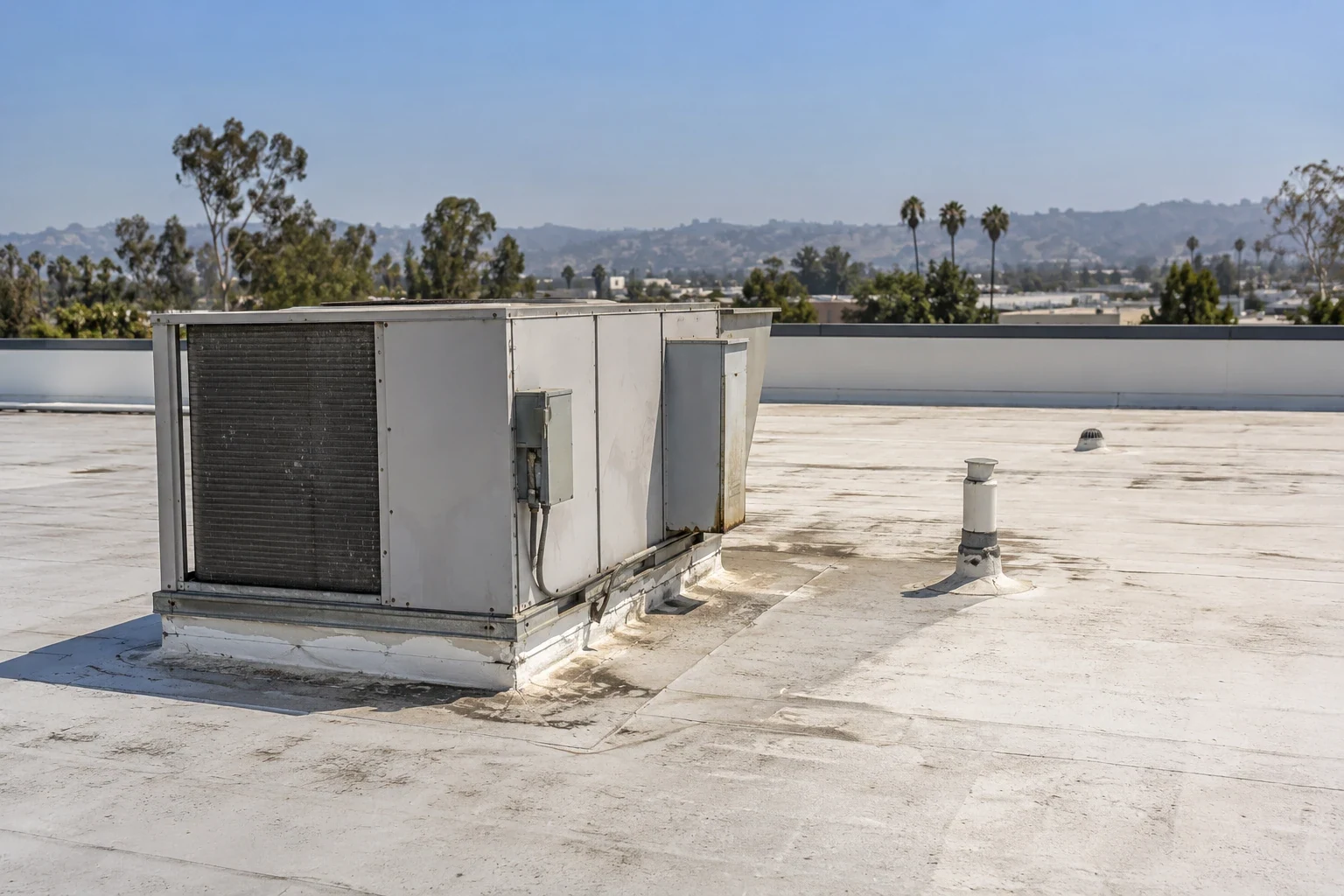
A recover raises the finished roof level. Equipment curbs, door thresholds, walls, drains, and edge details need review against that proposed height. We measure relevant interfaces before deciding the new construction fits. A curb alteration can involve qualified trade and design work. It should not remain hidden behind a broad exclusion for equipment.
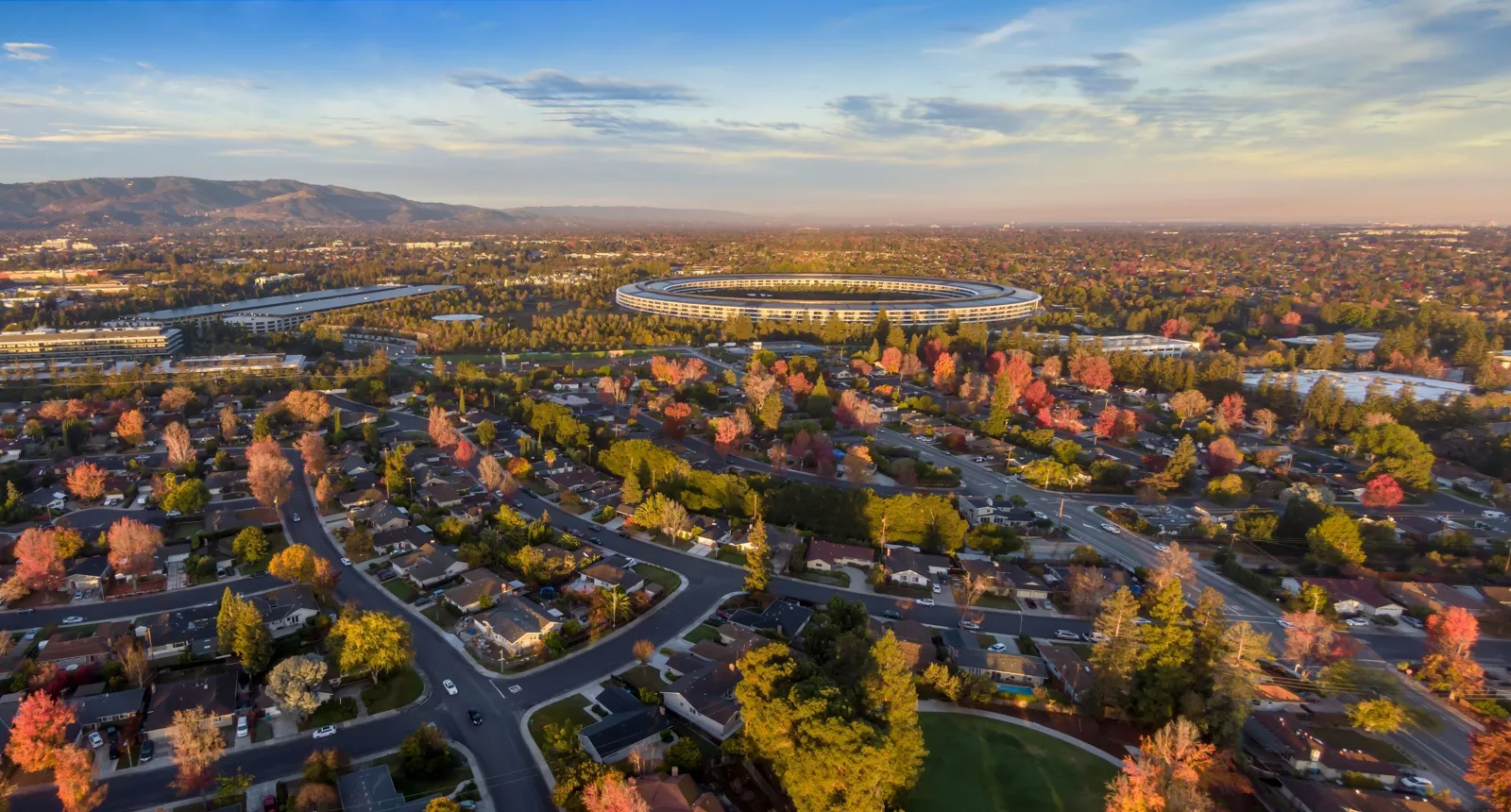
Scott Boulevard provides an office and R&D setting. Along Lafayette Street and Tasman Drive, the Tasman East framework supplies a different local planning identity. A property within the Tasman Drive and Scott Boulevard recover service area needs measurements from its own roof. A roof serving office tenants can have additional operator restrictions. We keep the physical clearance decision distinct from approval to interrupt equipment. Both appear in the bid so ownership can compare the actual interface work, rather than assuming the overlay stops at the membrane field.
Added layers and local removal can change the surface flow near an outlet or curb. We review that arrangement before pricing the recover as a flat field installation. A depression caused by supporting construction may require more than a tapered insulation proposal. Outlet capacity and downstream piping may also need separate review. We do not promise a universal cure for retained water.
The proposed correction should identify its design basis, affected area, and interface consequences. A localized slope change can alter clearance at a nearby wall. Drain connection work needs its own compatible detail. We state what the roof task includes and which issue belongs to plumbing or design. Ownership can then assess whether the recover option addresses the actual drainage finding or merely covers the existing construction. The manager receives a defined task for each affected outlet instead of a general assurance that the new surface will solve drainage.
Actual authority, accepted application basis, project scope, and applicable energy provisions govern review and exceptions. The project team resolves those requirements for the proposed recover. Retaining material does not automatically exempt the project from review. A reflective surface also cannot settle every energy or insulation question. We provide the assembly information needed to reach the accepted construction decision.
During work, retained areas still need protection from traffic, handling, and debris. We identify daily closure requirements and the assigned response if another trade's prerequisite is delayed. At handover, the record describes both old material remaining and new construction installed. Future repairs should not require staff to guess that boundary. The manager receives outlet upkeep and access instructions tied to the actual assembly, giving the next season check a clear basis for comparison.
Season check: make retention an informed choice
Book a roof review before choosing an overlay. Ownership will receive a plain bid sheet identifying retained layers, local removal, and the height and attachment decisions needed before rain season.
Frequently Asked Questions
The final assembly decision needs that information. We identify the examination or records required and keep a preliminary option distinct from a ready installation scope.
Confirmed moisture can require local removal or a different option. We show the supported correction and its rebuilding detail before recommending retained construction.
The drainage review must establish the cause and examine the proposed arrangement. Supporting construction, outlet details, capacity, and clearances can affect the correction. We define the task supported by those findings.
For roof recover overlay, define the work boundary. Any temporary measure should have a defined limit and follow-up decision. Immediate safe measures depend on access and current conditions. Temporary work is recorded separately from the proposed recover.
Roof Assessments
Santa Clara & the South Bay
Membrane, flashing, drainage and edge details checked and written up before any work is priced.
Request a Roof Assessment