- Home
- Service Areas
- Stender and Lafayette
Stender and Lafayette Roof Work for Controlled Facilities
Bay Area rain arrived in repeated rounds during late December 2022 and mid-January 2023. For a facility manager in Santa Clara, CA, the pre-season question is specific: who authorizes opening a roof detail above a controlled operating area? We provide commercial roof examination, repairs, and replacement planning around Stender Way and Lafayette Street. The permission sequence belongs beside the roofing scope. A repair that requires unavailable access is not ready for approval.
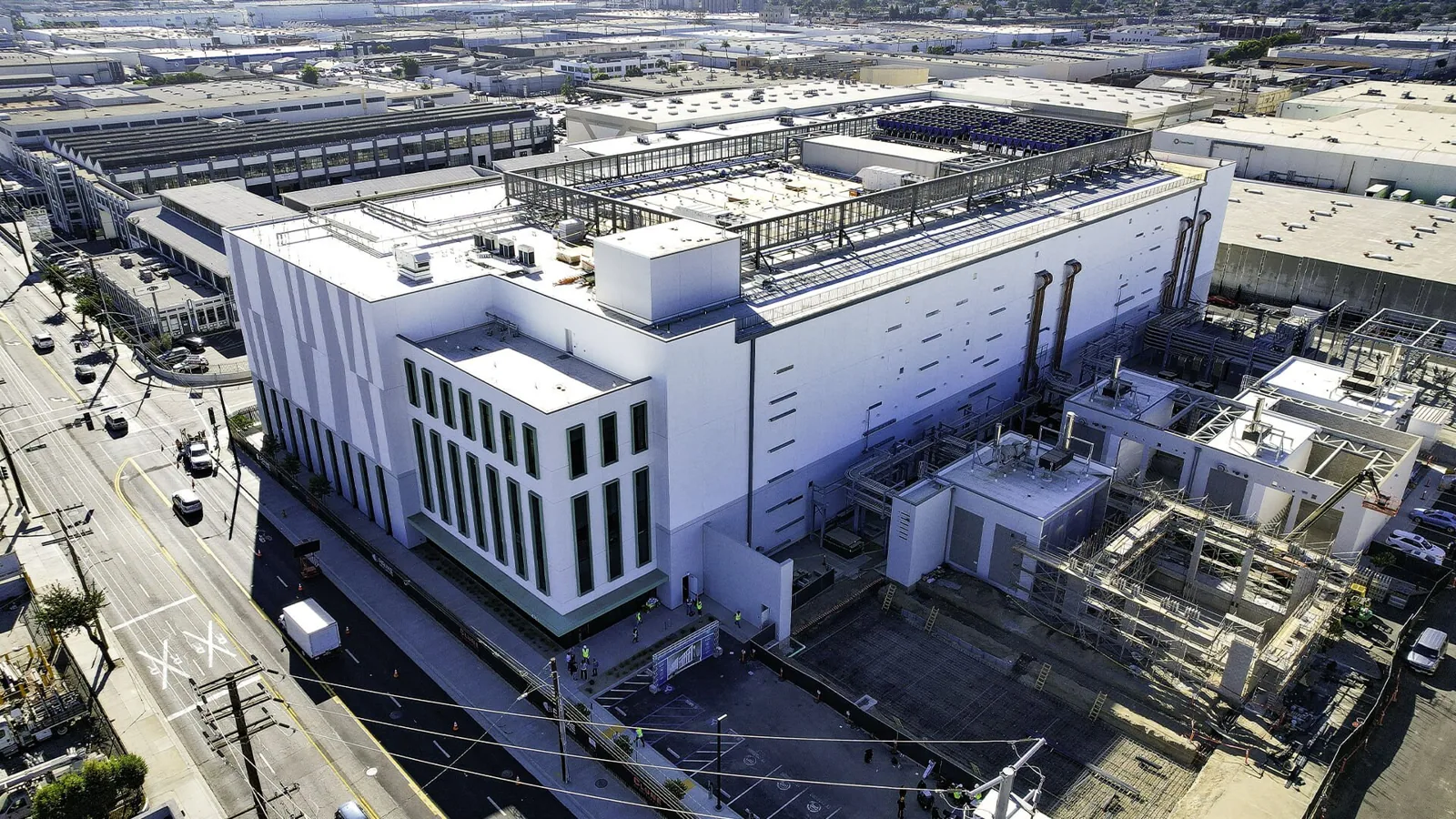
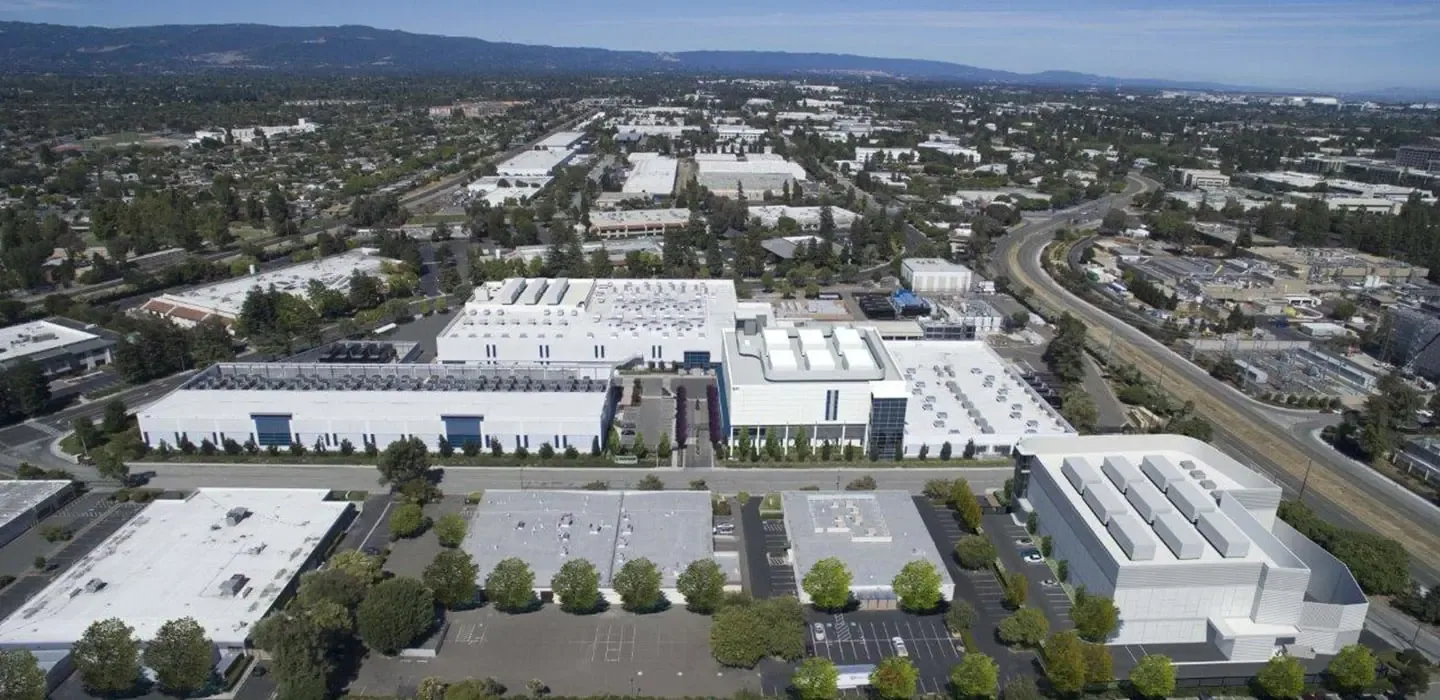
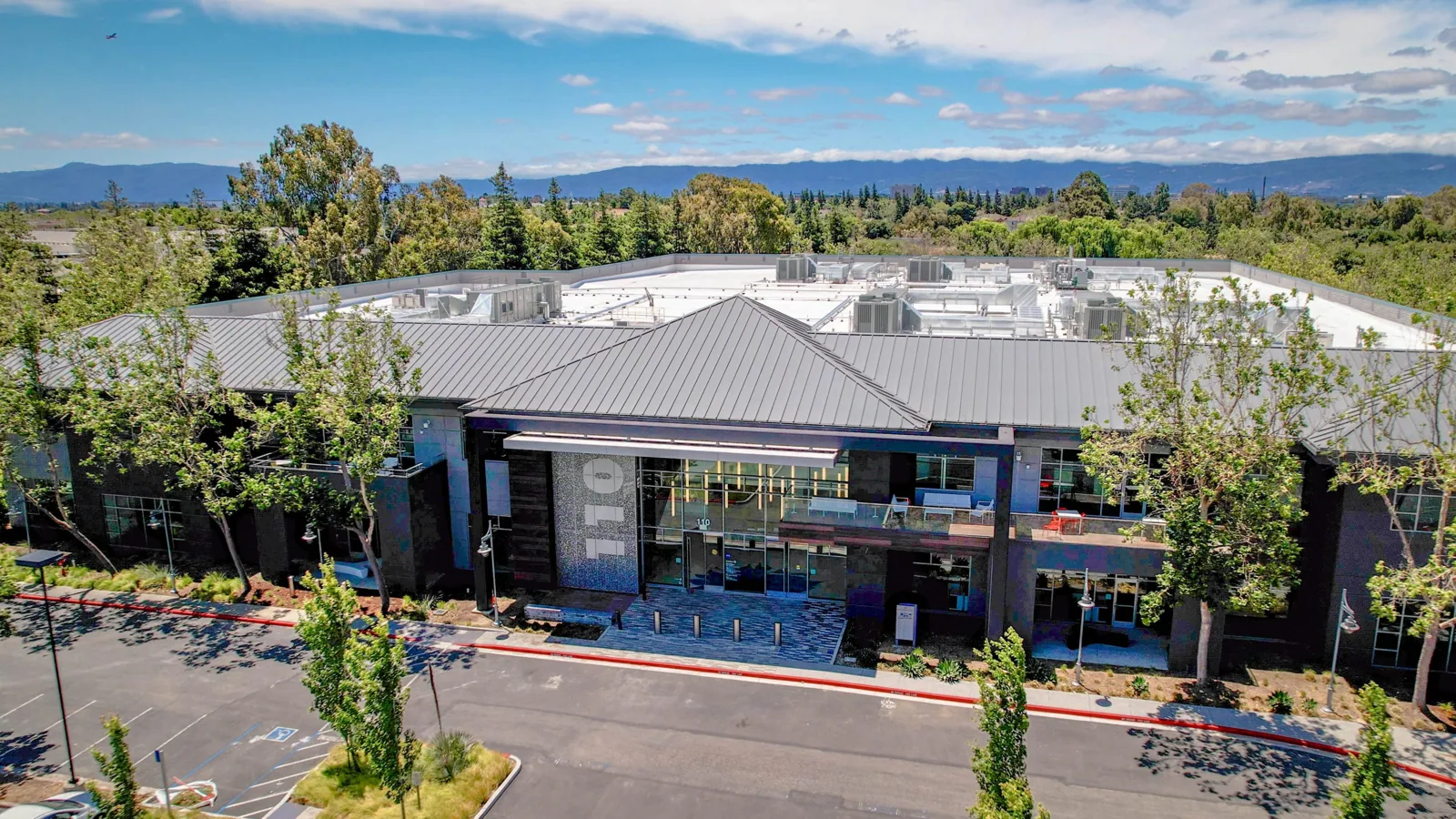
CoreSite’s SV4 data center is a local reference in Stender and Lafayette. Digital Realty’s SJC11 is a local reference in Stender and Lafayette. Roof planning here begins with the facility operator and the particular repair area. Our roof work for data-center properties starts by confirming the particular building’s construction, access rules, and operating limits with its designated manager.
Stender and Lafayette: What the Work Covers
An escort can authorize entry without authorizing destructive testing. We establish who approves inspection, controlled openings, temporary protection, and permanent repair. The facility supplies its current rules and contacts. Those instructions become part of the proposed method. We do not touch equipment controls or arrange a shutdown through a general roofing authorization.
A facility may also restrict photography or surveying equipment. We agree the permitted record format before the appointment and identify any resulting report limitations. Similar requirements may apply at the Northwestern Parkway employment corridor, but each operator decides its own process. A prior appointment elsewhere does not confer access. Crew arrival times, escorts, material review, and the path to the roof need confirmation for the subject property.
The facility should also identify the person who can approve a change after an area is exposed. Hidden deterioration can require a decision during a limited shift. We establish the notification route, the permitted interim protection, and the quantity record needed for approval. That does not authorize unlimited extra work. It creates a controlled way to stop, document the condition, and obtain a decision without leaving the manager searching for the correct approver. The original scope should state any unit measurement used for replacement materials. A photograph, location label, and measured area make the request reviewable. The permanent correction then follows the authorized change, while the operating record explains why the repair boundary differs from the initial estimate and what material was removed.
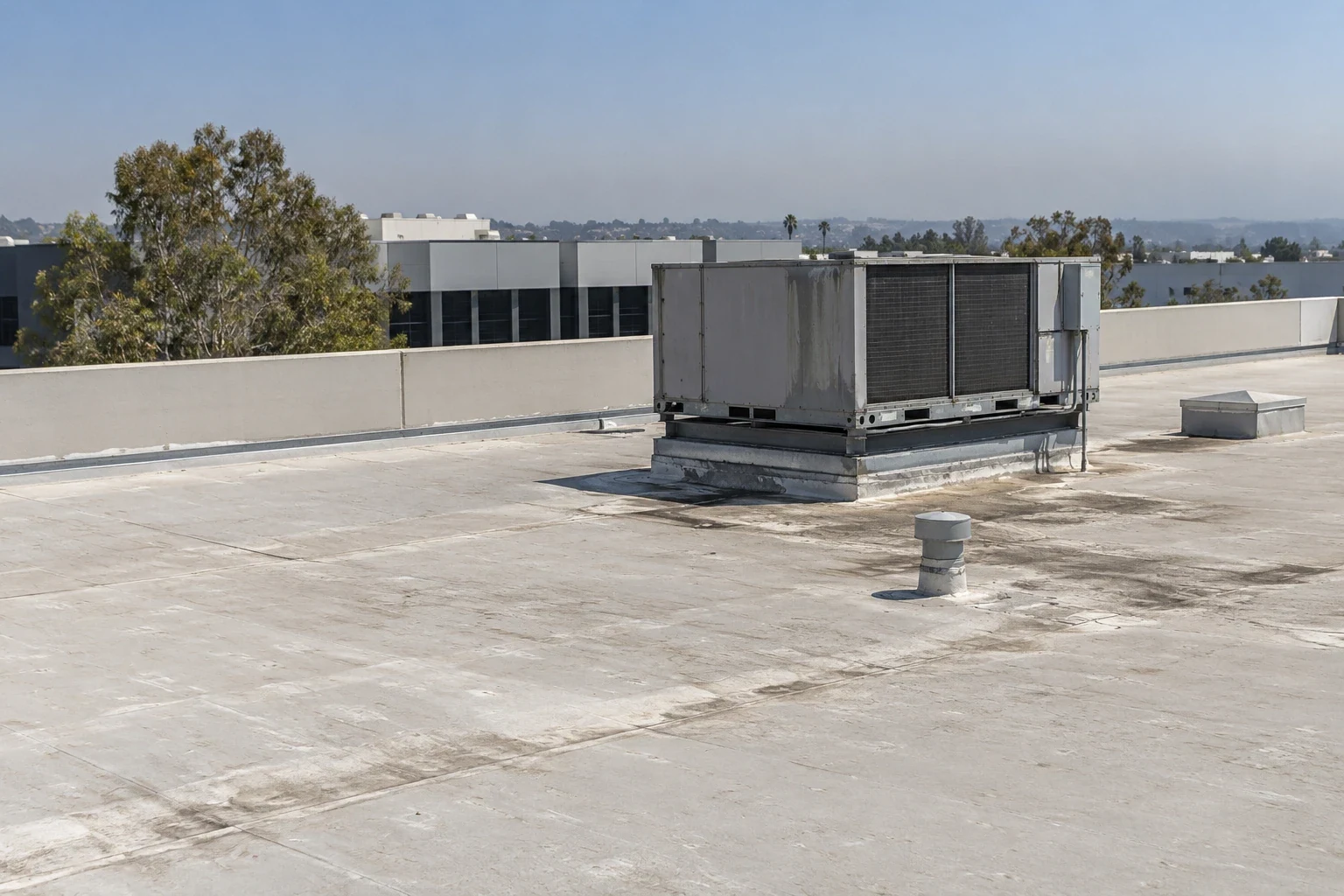
A sleeve, support, and curb are separate details. We record what is actually present and how the waterproofing joins it. Movement, inadequate height, or an insecure termination can require more than fresh sealant. The roof repair must remain compatible with the retained system. Equipment support or service correction may require an additional qualified trade and review by the facility.
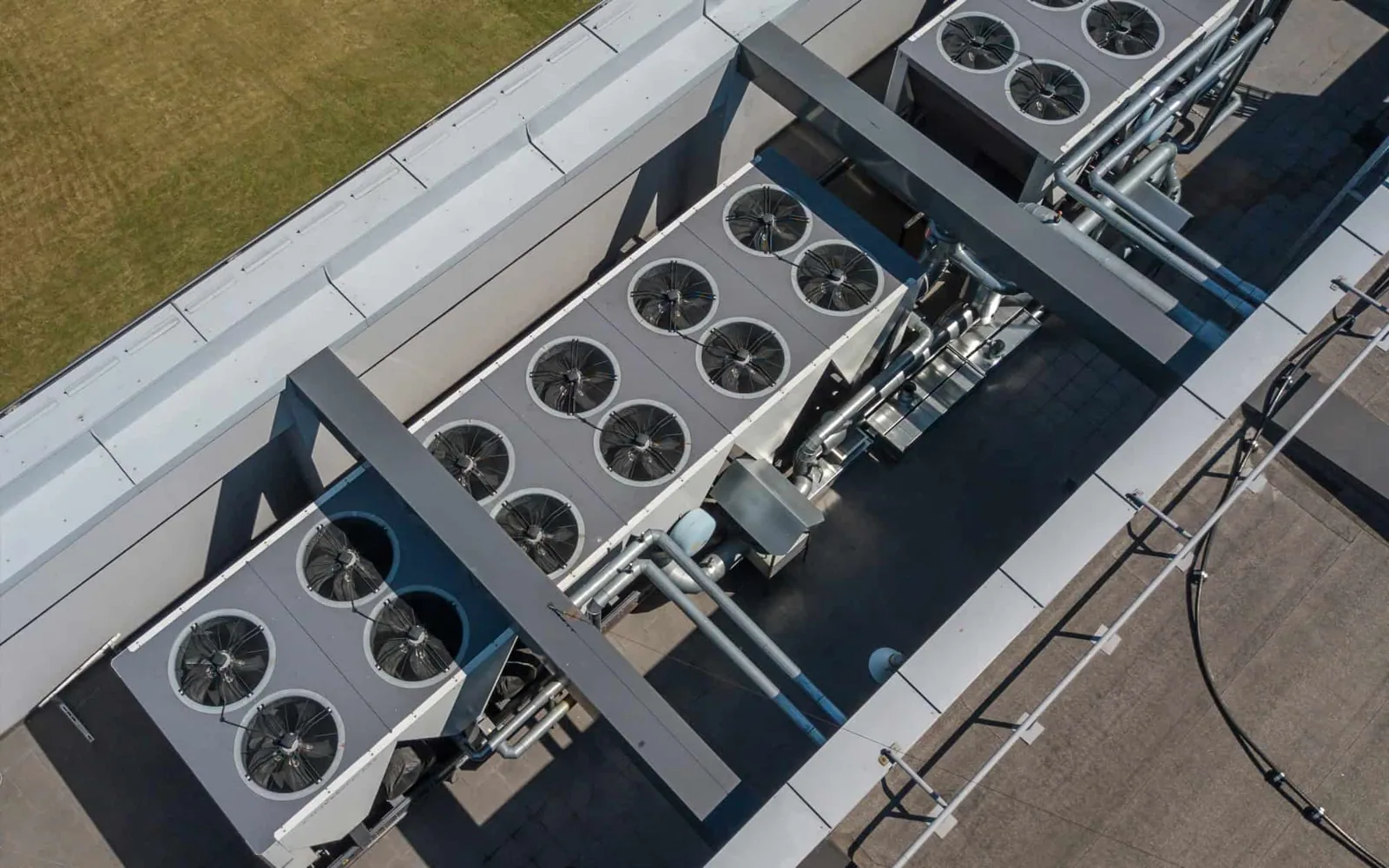
Our curb and support roofing work defines the membrane and flashing tasks separately from equipment work. We identify nearby traffic protection and access needed to complete the detail. Roof loading and support modifications require appropriate design evaluation. A small footprint can still involve a complex work sequence. Ownership should see those dependencies before comparing the price of a patch with a more complete correction.
A clear drain bowl says little about concealed piping. We examine the accessible membrane interface, clamping components where present, and evidence of retained water. An outlet below an equipment walkway may need an approved access arrangement before inspection. The location stays on the report even when examination must be deferred. Omitting it would make the maintenance scope look more complete than it is.
Where an outlet component is damaged, we separate the roofing connection from plumbing work. Persistent standing water can also require slope review or evaluation of downstream capacity. Design changes need the proper review rather than a field improvisation. The outlet correction scope identifies which conditions the work addresses. We state any remaining limitation so the manager knows whether another appointment or trade is needed before rain-season preparation is complete.
Planning and Completing the Work
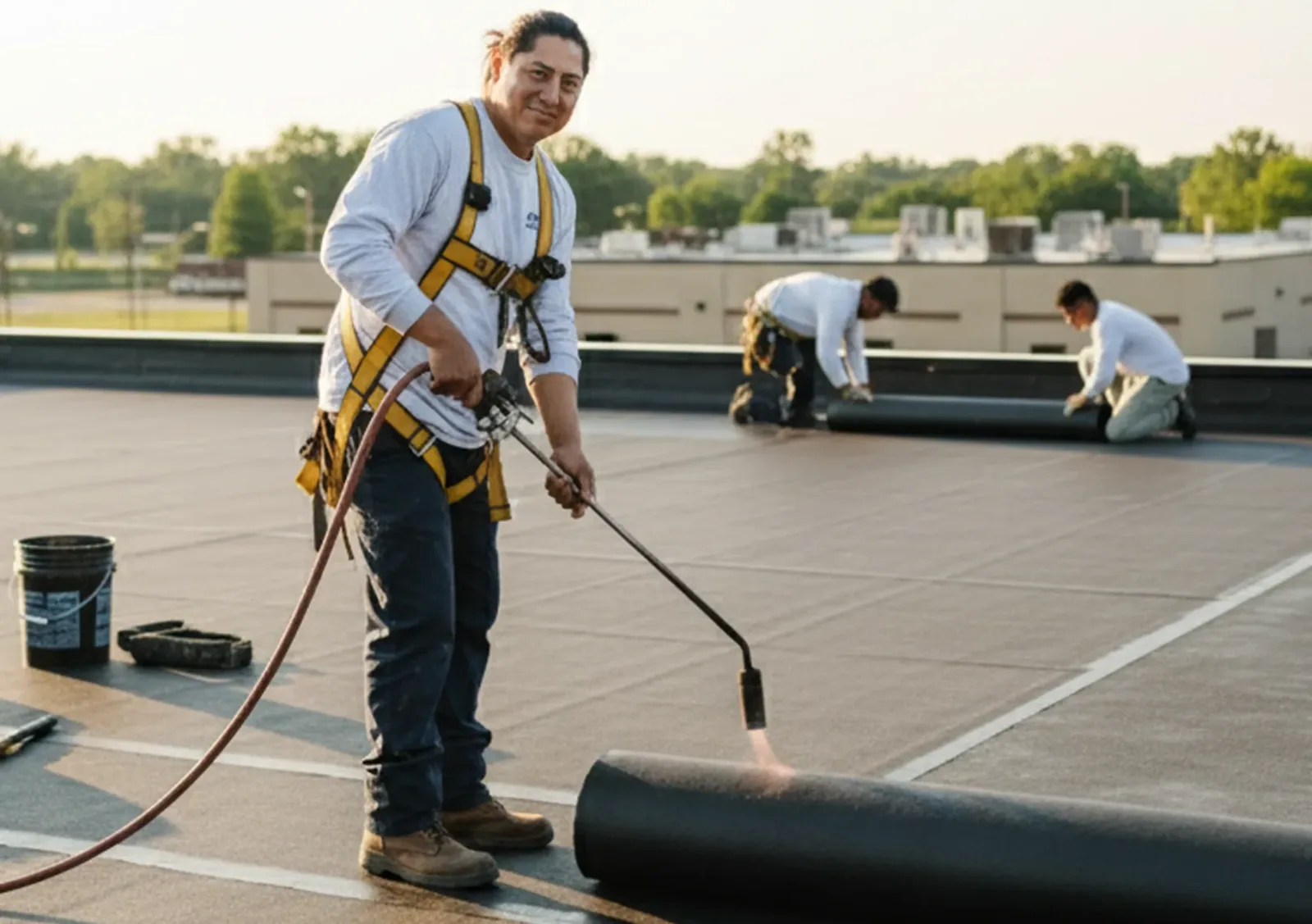
Removal of existing layers creates a temporary opening in the building enclosure. We set the proposed daily limit according to the assembly, work method, forecast, and facility requirements. The closure detail should be defined before removal starts. This is especially important where the facility requires additional hold points before an area may be covered.
Materials also need a reviewed storage location. An approved roof route does not automatically make a deck suitable for concentrated loads. We evaluate loading requirements and obtain needed design input. Inside protection, debris control, and disposal handling belong in the method statement. A short work period may call for smaller areas or a different sequence. We price that constraint openly so ownership does not mistake reduced daily production for an unexplained increase in roofing cost.
The existing roof material and the position of nearby equipment set the repair method. We identify both during the assessment. That information controls compatible repair materials, attachment details, and work access. The bid includes measurable roof tasks rather than assumptions drawn from the building use.
For work also planned along Tasman Drive and Scott Boulevard, keep investigation and repair allowances separate for each property. A written roof condition record can identify why a limited patch is adequate in one area while removal is needed in another. Findings requiring structural or equipment evaluation remain assigned to the correct responsibility. That keeps the approval decision focused on the actual roof rather than an incomplete general contingency.
The completed repair record should show location, materials, and the interfaces affected by the work. Any facility-required hold point needs its corresponding record. We provide photographs where permitted and identify items left for separate correction. The manager can then close the approved roofing task without accidentally closing an unresolved plumbing or support issue.
Keep authorized access contacts and emergency procedures available after the job. A fresh water-entry report needs the affected room, time, and any safe observations the facility can provide. For stender way and lafayette street data center cluster, define the work boundary. The facility’s entry and safety rules still determine the work that can be attempted. Temporary protection receives a permanent-work follow-up requirement. It should not disappear into the maintenance record as though the full assembly correction had already been completed.
For a controlled-use property, list every penetration the roofing scope can reach and the permission required to examine it. We confirm whether an observation, moisture survey or small opening will answer the facility's question. Mark the test location and its closure method before work begins. Keep any equipment or security coordination with the responsible operator, while the roofing proposal describes its own preparation and permanent tie-in. This produces a bounded task without assuming that a nearby data facility shares the same access or roof assembly.
Keep each access release with its own roof task.
Facility check: Prepare a controlled roof scope
Arrange a pre-season facility roof review near Stender or Lafayette. We will provide a plain bid sheet with access dependencies and tenant protection for ownership approval.
Frequently Asked Questions
Not necessarily. We obtain the required work authorization and agree the closure method before cutting into the assembly.
Some details need separate trade coordination. The facility and qualified equipment personnel determine any isolation requirement before work is scheduled.
We agree an allowed reporting format and state its limits. Repair locations and scope quantities still need a usable record.
Access must be authorized first. We identify that outlet as pending examination instead of treating it as cleared.
Roof Assessments
Santa Clara & the South Bay
Membrane, flashing, drainage and edge details checked and written up before any work is priced.
Request a Roof Assessment