- Home
- Property Types We Roof
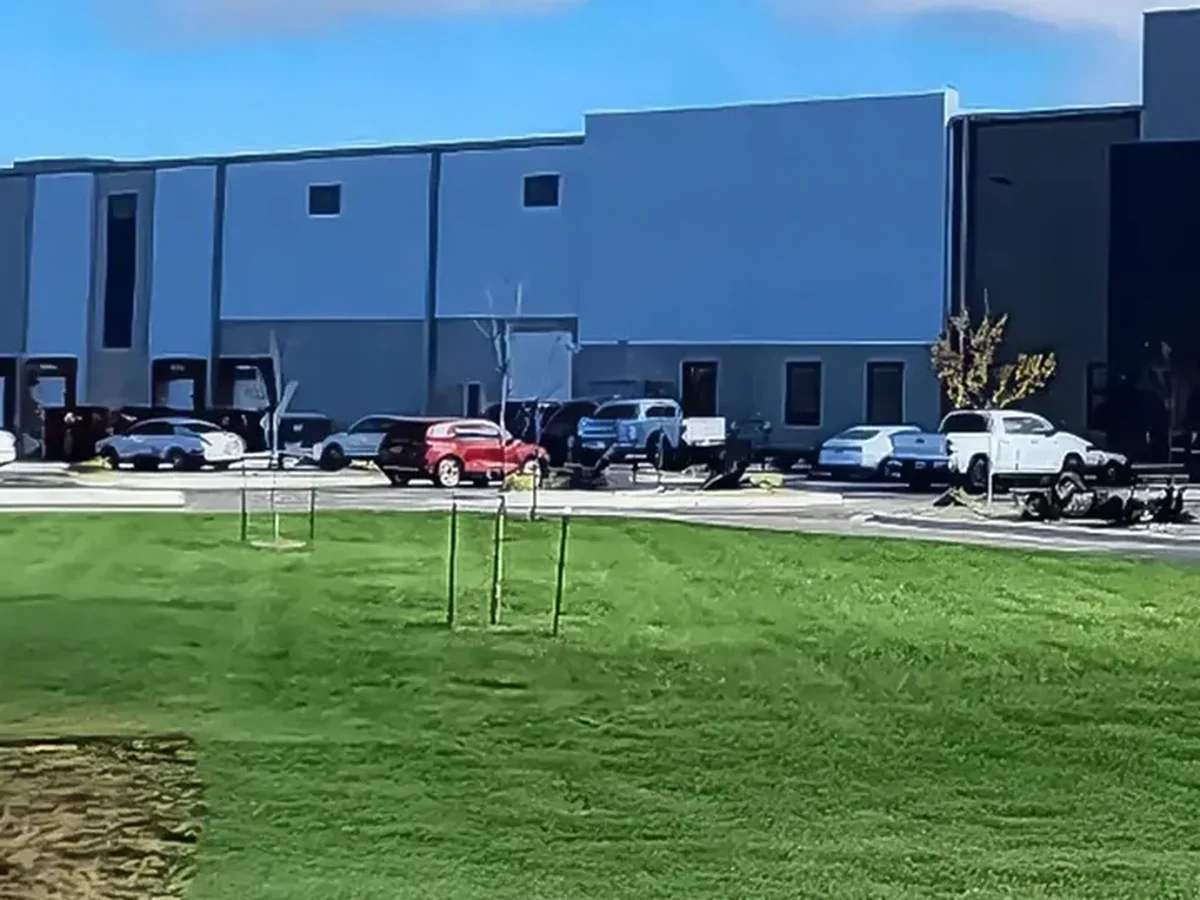
- Manufacturing Plant Roofing
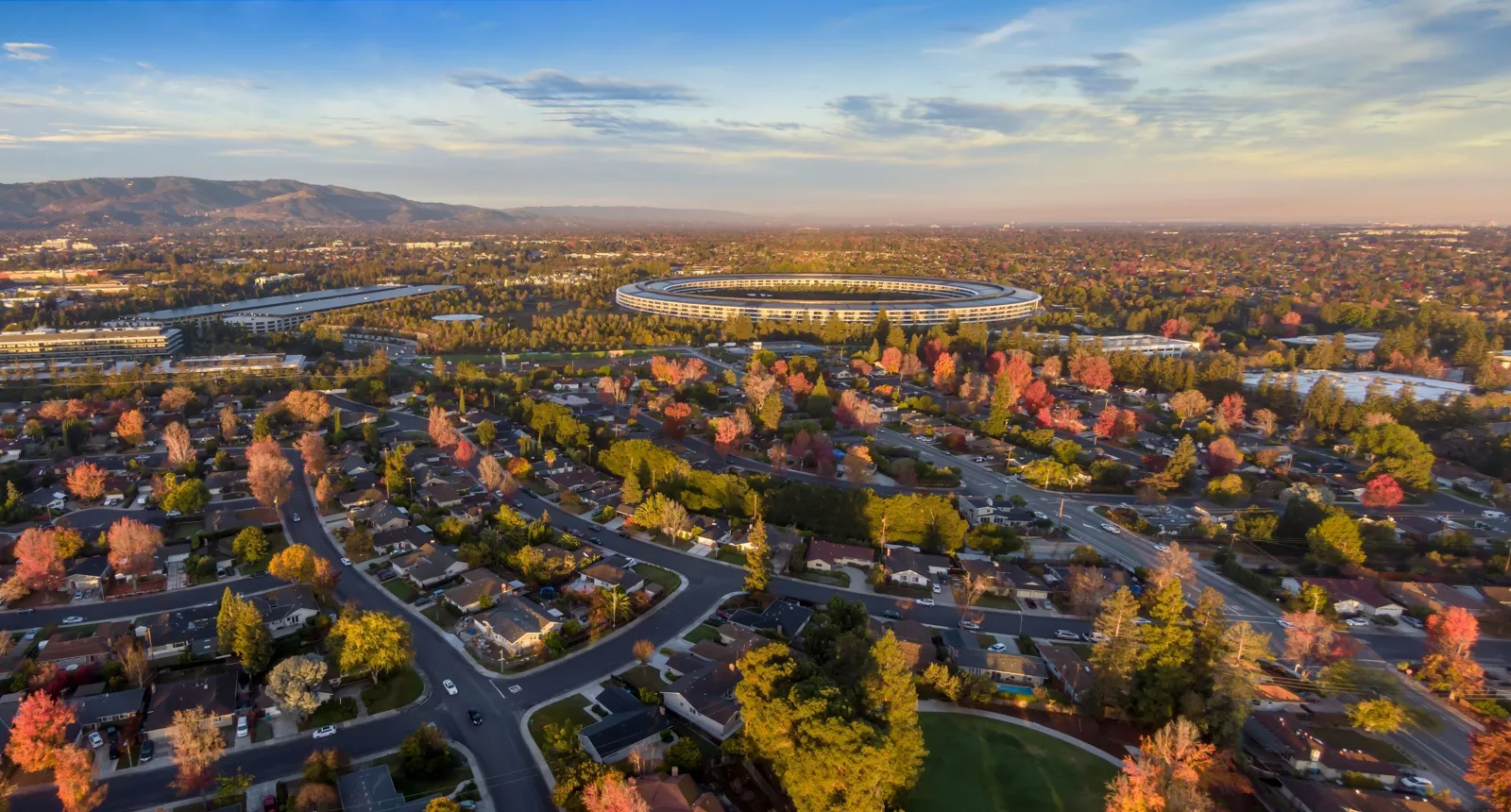
Manufacturing Plant Roofing in Santa Clara, CA
Heat-related roof planning at a plant needs equipment consent identified. Regional heat and Flex Alerts during September 2022 give a manager a practical question: which maintenance task depends on releasing process ventilation? A manufacturing building in Santa Clara, CA needs its own equipment and roof assessment. Historic grid conditions do not establish operating hours, chemical exposure, or membrane condition. We identify the actual roof construction and the restrictions that apply to the proposed task.
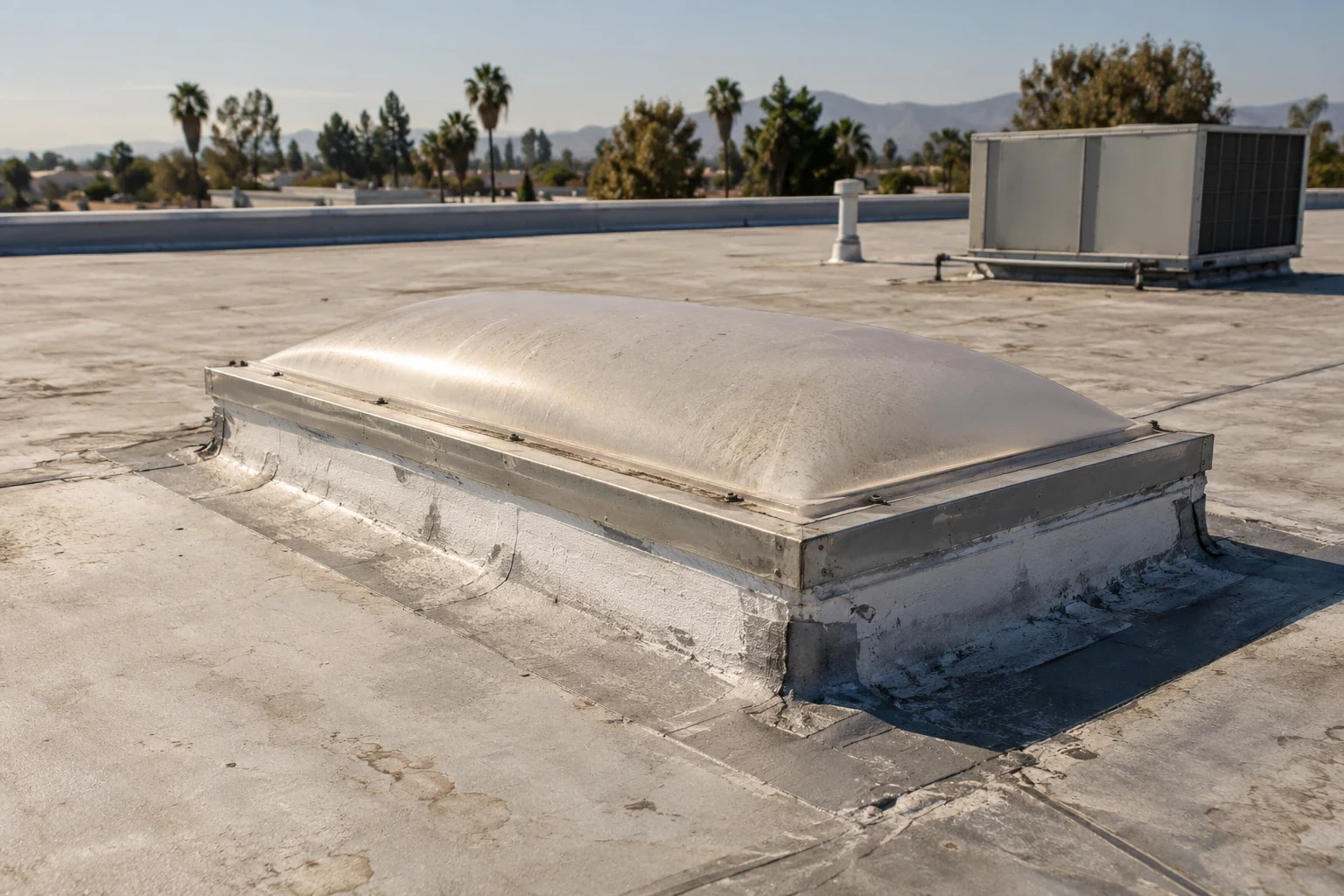
A manufacturing roof may include pipe crossings, exhaust details, supports, and equipment service routes. Each can create a different repair decision. We inspect the detail and the surrounding assembly, then separate roof work from process isolation and other trade changes. The owner receives a bid sheet with the repair boundary and its prerequisites. The operator receives the sequence requiring approval. That approach makes a localized penetration correction understandable without treating every rooftop item as a standard flashing replacement.
Manufacturing Plant Roofing: What the Work Covers
Chemical use inside a plant does not establish rooftop chemical contact. We ask the operator to identify discharge paths and the substances relevant to the affected detail. We examine residue and material condition where safe access permits. Compatibility needs to fit the actual exposure and assembly. A coating or patch selected without that review can leave an unsuitable material in contact with the discharge.
Scott Boulevard has office and R&D development; Tasman East planning sits near Tasman Drive and Lafayette Street. Those Santa Clara settings reinforce the need to confirm the actual work address and operation. In the Scott Boulevard and Tasman Drive work district, we examine the subject roof. A roof over offices does not establish the exposure at a plant. The bid identifies contamination preparation and any operator or mechanical correction needed to make the selected roofing treatment suitable.
A compressed area beneath a pipe support needs more examination than a surface puncture. We inspect accessible construction and identify whether the support, insulation, or membrane detail needs correction. The intended load and support change may require qualified design input. We do not turn an equipment-bearing problem into a sheet repair merely because the visible symptom is at the roof surface.
Our roof curb and support corrections distinguish roofing construction from equipment movement and structural work. The project team assigns those other tasks. We identify the completed prerequisites needed before closing the detail. Added insulation may change clearances, so the proposed assembly should be reviewed before procurement. The manager can then compare the actual correction with a small patch, understanding which condition each option addresses and which unresolved item remains outside it.
A rigid patch at a moving pipe can be stressed by the same movement that affected the old repair. We examine the joint arrangement, sheet condition, and compatible flashing options. Process isolation belongs to the qualified operator and assigned trade. The roof scope should identify the approved detail after that work, including preparation and the surrounding membrane repair boundary.
For plant penetration flashing work, we check height and termination as well as the visible crack. Previous sealant can affect adhesion. Wet material below the opening may change removal. We state those conditions clearly. A storage area within the operation can have a different interior protection requirement from a sensitive process space. The operator identifies that difference, and the roof sequence carries the approved precautions rather than assuming the same treatment beneath every detail.
Planning and Completing the Work
Water below a membrane can remain after the visible opening has been patched. We decide whether additional moisture examination is justified and explain the limits of the initial visit. Survey indications help identify areas for confirmation. Selected openings can establish layers and condition. We do not replace a clear removal description with an unexplained survey outline.
Plant roof alternatives need the confirmed assembly information. Recover requires an acceptable retained substrate and workable heights. Coating requires suitable preparation and adhesion. Replacement needs deck and attachment decisions as well as material selection. The bid distinguishes known wet-material removal from concealed conditions handled through an agreed change procedure. Ownership can compare these choices with the actual evidence beside them. That keeps a production restriction from becoming the sole reason to retain material that needs a different construction decision.
An approved process interruption may not allow enough time for removal, examination, trade correction, drying, and installation at once. We review the full task against the permitted period. Smaller stages may be practical where they can be closed safely. The operator decides the interruption, while the roof sequence identifies the work and exposure it would permit.
The regional rain period across late 2022 and early 2023 makes temporary closure a useful planning topic. Current weather and material requirements determine the actual stage. We state the closure method and the responsible party if a trade release is delayed. Delivery and waste handling need the same approval as work at the detail. The bid should include restricted shifts and repeated setup. Those costs can matter independently from the membrane choice, so ownership needs them visible before comparing totals.
We record completed repair details and the construction retained beside them. The operator receives service-path restrictions and care requirements. Qualified trade work still pending is shown separately from roofing completion. A future equipment visit should not require staff to guess which sheet or flashing must remain clear. We identify the vulnerable interfaces and the approved route for access.
Applicable project authority, accepted application basis, scope, and energy provisions govern permits and exceptions. The project team receives the assembly details required for its review. A plant roof condition record supports the owner's decision with findings, examination limits, and proposed tasks. The completed record then gives maintenance staff a known condition to check. Ownership can plan the next season review without treating every observation as proof that the full assembly needs immediate replacement.
Production coordination: define the shutdown interface. A manufacturing roof scope should identify process areas, exhaust equipment, chemical handling zones and any production step that restricts overhead work. The plant contact determines process controls and required isolation; the roofing scope states its work area, protection method and closure point. At stacks, curbs and service lines, record which trade owns removal, reconnection and the permanent weathering detail. Do not treat a roof repair as authorization to alter production equipment. A phased plan should list the release needed before each opening and the evidence required for acceptance. This keeps roofing completion distinct from the plant's process restart decision.
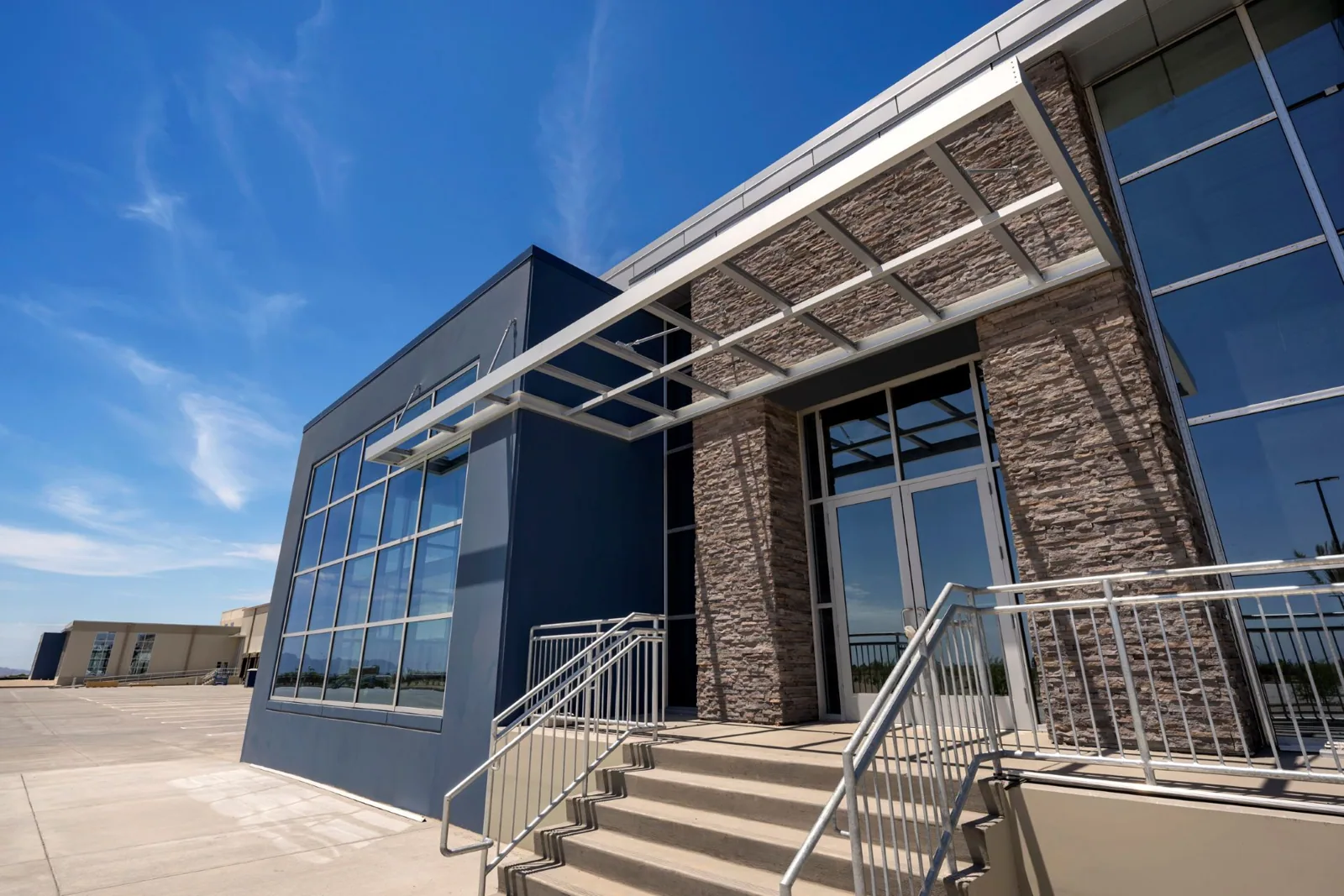
Season check: make the process restrictions clear
Book a plant roof examination while the operating calendar can still be reviewed. We will give ownership a plain bid sheet identifying compatible repairs and process prerequisites before rain season.
Frequently Asked Questions
The discharge contact and assembly decide suitability. We identify the exposed details with the operator and check material compatibility. Areas without that contact may need a different construction choice.
A patch may address sheet damage, but the support and underlying construction still need review. We identify any load, insulation, or design issue before proposing the complete correction.
We review whether a smaller safely closed stage is possible. Process isolation and other trade work must fit the approved period. Temporary measures remain distinct from the permanent task.
For manufacturing plant roofing, define the work boundary. Operator access and safety instructions govern immediate work. The repair recommendation follows the roof examination.
Roof Assessments
Santa Clara & the South Bay
Membrane, flashing, drainage and edge details checked and written up before any work is priced.
Request a Roof Assessment