
- Home
- Commercial Roofing Services
- Skylight and Penetration Flashing
Skylight and Penetration Flashing in Santa Clara, CA
September's regional heat event in 2022, with its Flex Alerts, makes ventilation coordination worth resolving before an opening is reconstructed. Which roof penetrations should your Santa Clara, CA property examine before the next rainy period? Skylights, pipes, conduits, and curbs create different waterproofing junctions. We examine the installed assembly and distinguish failed roof flashing from problems in a skylight frame or connected equipment. Regional weather gives the manager a planning cue; the visible condition sets the task.
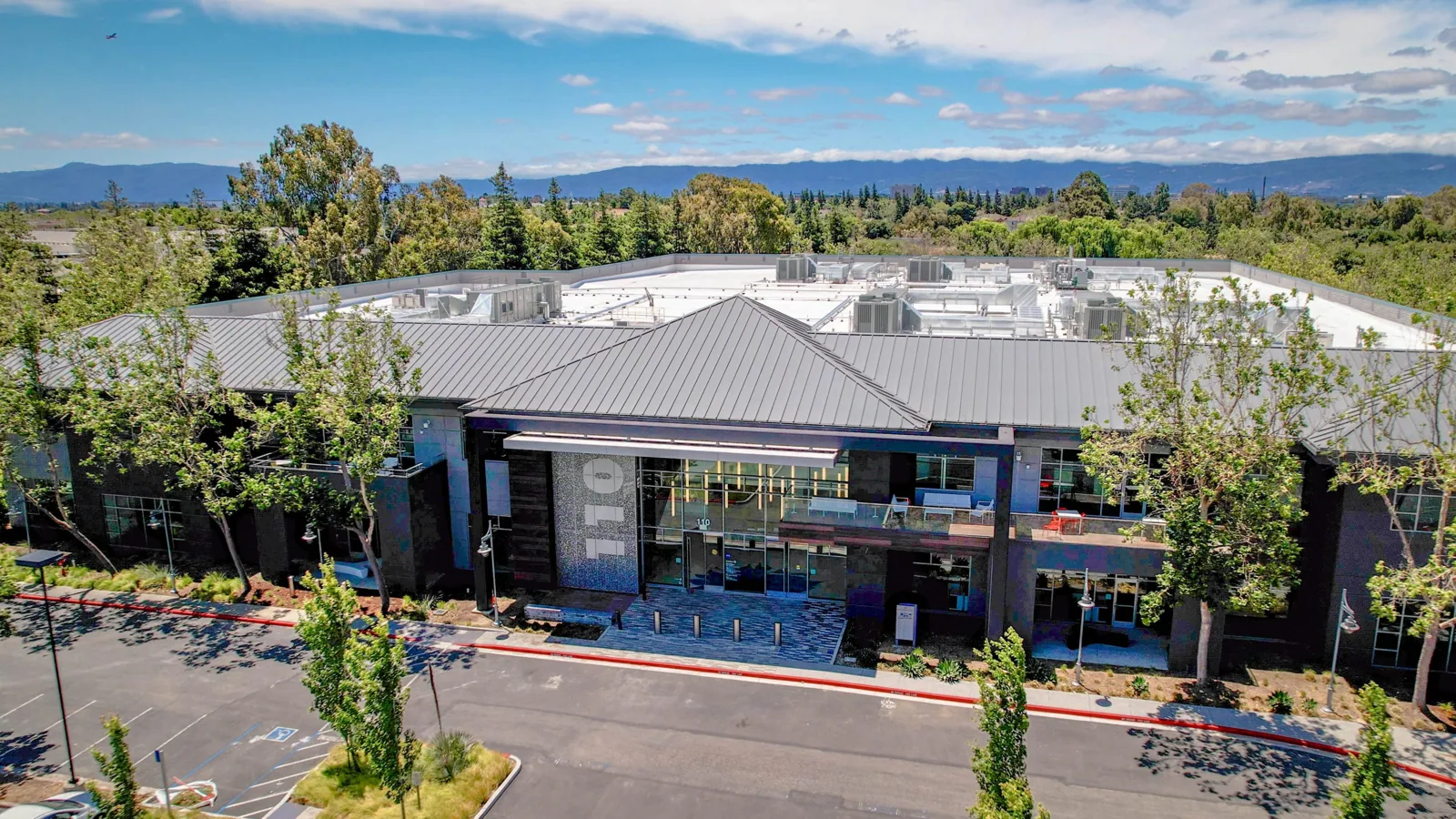
Scott Boulevard office and R&D development offers a local property-management context. An office and R&D property needs a measured inventory of its existing pipes, curbs, and skylights. We count and assess the actual details. Water-entry investigation follows the reported condition rather than assigning every ceiling stain to the nearest skylight. Ownership gets a defined examination and repair boundary before approving removal of roofing, glazing components, or equipment connections.
Skylight and Penetration Flashing: What the Work Covers
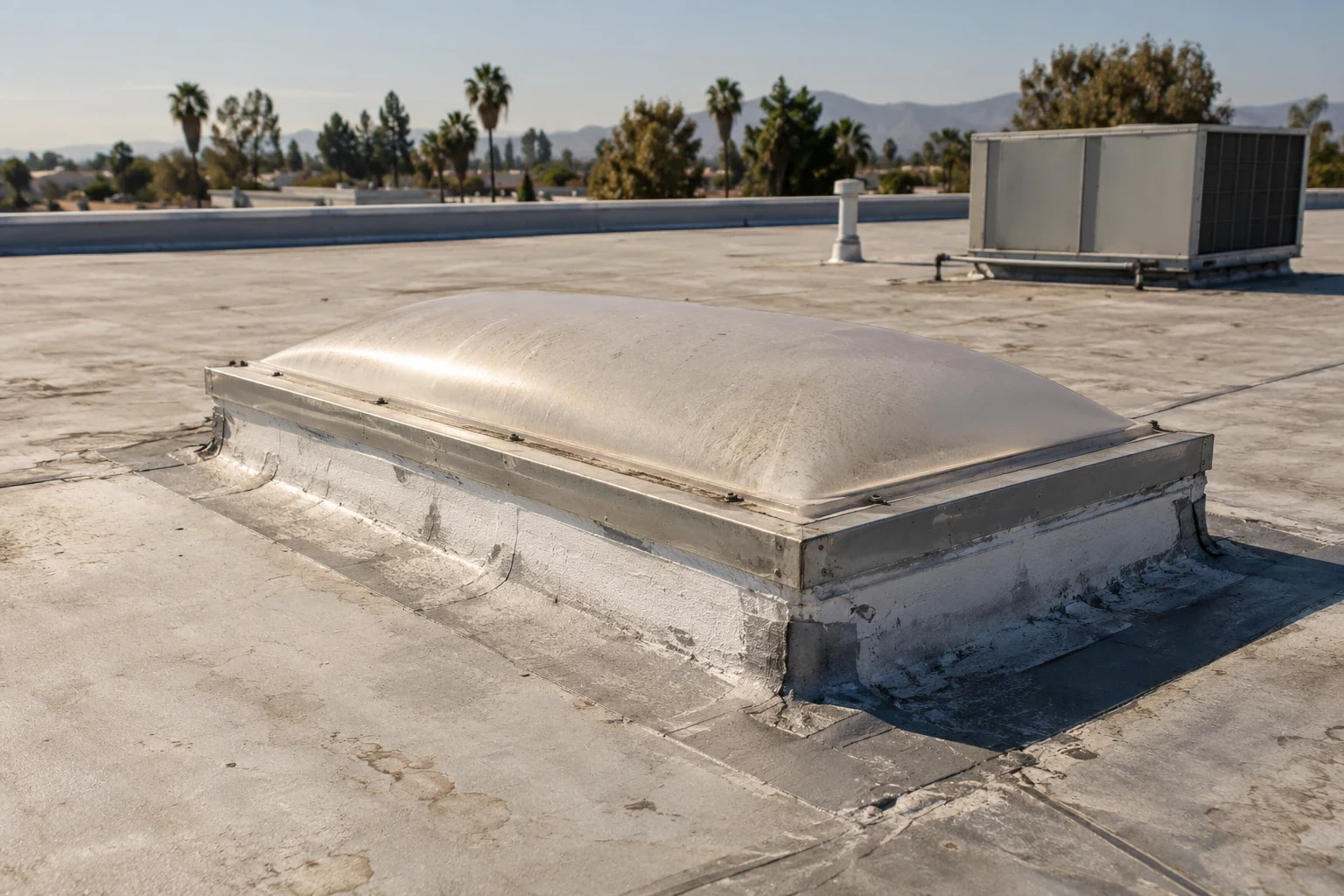
A skylight can admit water through the glazing assembly, frame joints, curb connection, or adjacent roof flashing. Those paths call for different work. We examine accessible components and describe the likely repair boundary. Condensation can also produce moisture around a skylight without an exterior opening. Interior observations and suitable investigation help distinguish the conditions before a roofing repair is selected.
Roof flashing should connect to a sound curb with an appropriate termination. Replacing the outer seal alone may leave damaged material beneath it. The scope identifies membrane removal, curb-side preparation, and replacement flashing where needed. Glazing replacement, structural curb work, or frame repair may require another qualified trade. We coordinate that boundary rather than include it under an undefined roofing allowance. The manager can see who repairs each component and how the completed connections will be protected during the sequence.
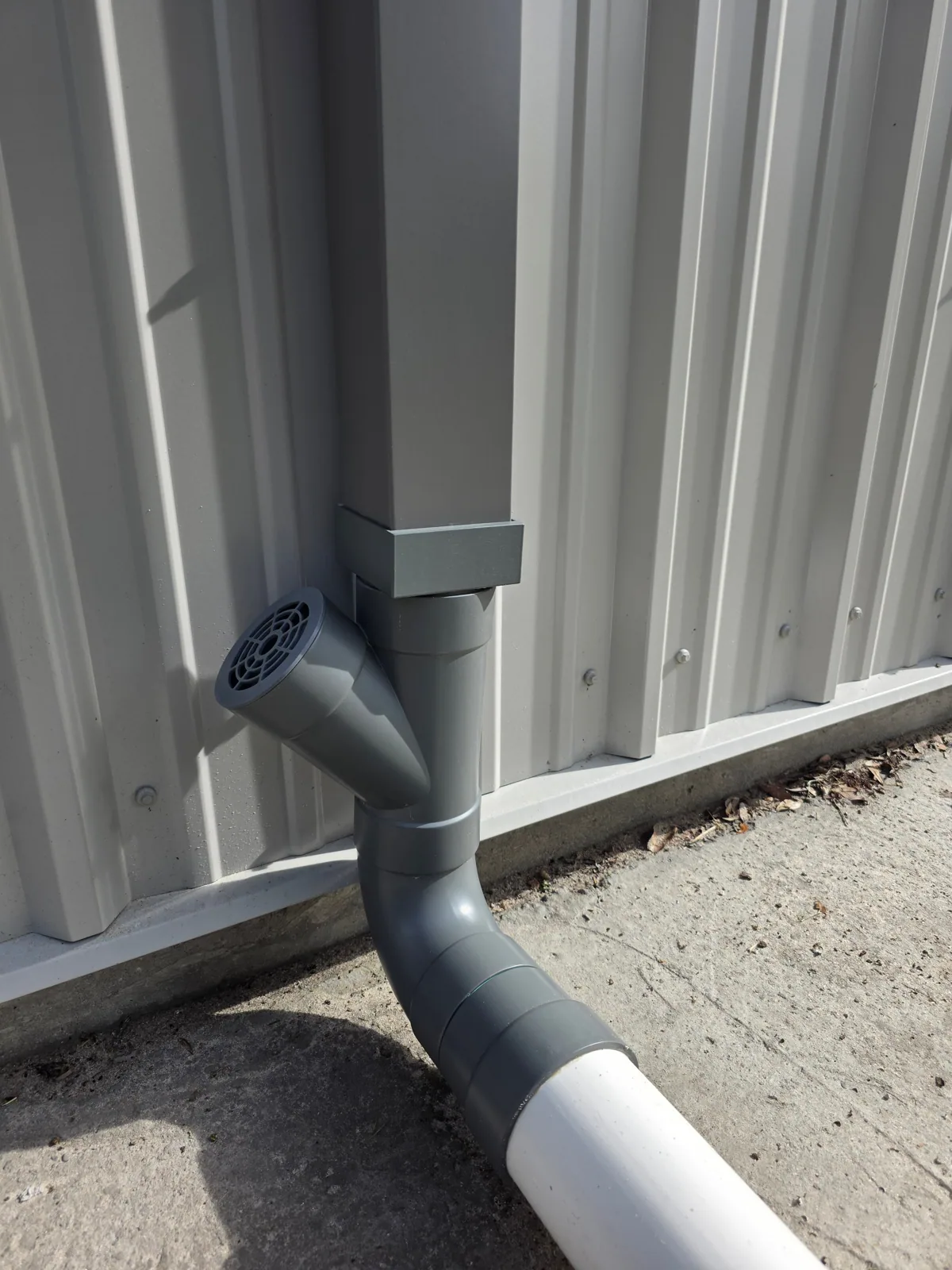
A pipe boot needs a compatible connection to the membrane and a sound seal to the penetration. Pipe size, temperature, movement, and existing coatings affect the repair selection. A metal conduit and a hot vent should not receive an interchangeable patch merely because both pass through the roof. We identify the penetration function before proposing a product or replacement detail.
For damaged penetration flashing, preparation may require removing layers that obscure the existing connection. We inspect the support and the adjoining roof material. On PVC roof assemblies, compatible welding and detail materials matter; other membranes require their own methods. The finished repair should allow intended movement while keeping the waterproofing connection intact. We do not attach roofing to an unstable service line and treat that as a permanent correction. Support or equipment changes need the authorized operator and appropriate trade.
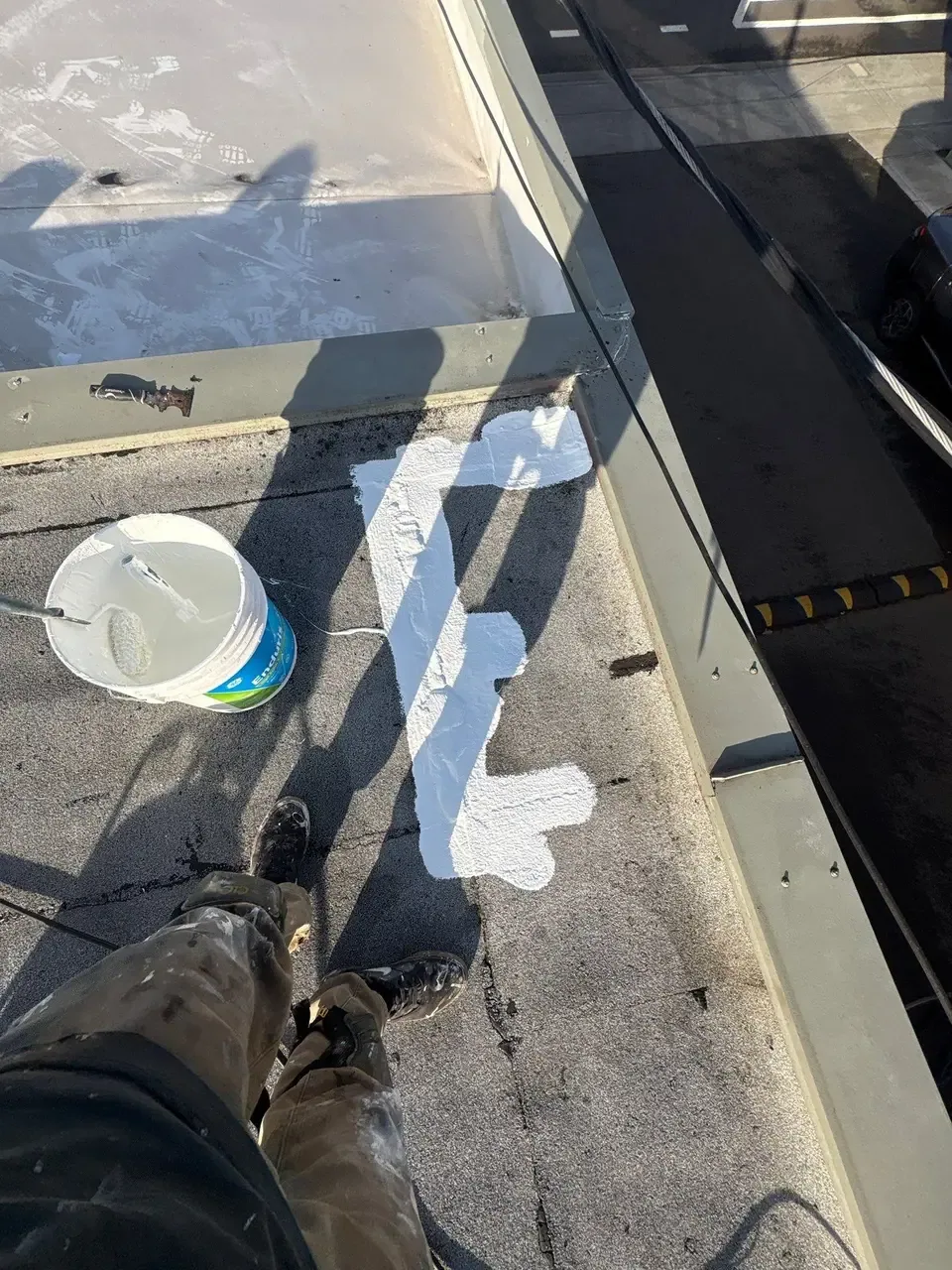
A split at the curb corner may have admitted water beneath the surrounding membrane. The visible patch boundary may be smaller than the affected insulation area. We assess whether moisture investigation or selective opening is warranted. Where material must be removed, the scope shows how the exposed area will be protected and how the assembly will be restored. An opened corner should not be left vulnerable while another trade decides its next step.
Required insulation and cover-board corrections receive their own quantity and compatibility description. The roof covering needs suitable support around the penetration, not a patch bridging deteriorated material. We distinguish findings established during inspection from concealed work requiring further approval. That keeps the bid usable for ownership. A manager can authorize a defined flashing correction while reserving a separate decision for damaged decking or equipment-support construction that the initial examination could not establish.
Planning and Completing the Work
A skylight repair above an occupied area needs a protection plan. Interior access, dust control, restricted work space, and any glazing-related hazard must be assessed for the actual task. The operator identifies occupants and permitted work times. Roof work should not proceed on the assumption that the space below is empty. Some examination can occur without opening the roof; reconstruction may require a different access arrangement.
For office roof penetration work, we show the interruption beside the repair quantity. A building in the Scott Boulevard and Tasman Drive corridor has its own operator restrictions. Tasman East has a development planning framework, while our repair inventory comes from the building being examined. We examine the subject building and coordinate safe roof routes. Skylights must not be treated as walking surfaces. Appropriate fall protection and controlled access remain necessary even where the planned repair involves only a small flashing section.
A proposal labeled skylight repair can mean a surface seal, reconstructed flashing, or replacement of the unit. Those are different approvals. We state the defect, removal limits, finished materials, and component responsibility. Access equipment, interior protection, material delivery, and repeat attendance affect price. Compare those details before choosing the cheaper bid. A short roofing line that excludes the damaged frame may leave the reported water-entry path unresolved.
Santa Clara uses an adopted 2025 California code basis with locally modified provisions. The actual authority, application basis, and alteration determine requirements for a penetration or skylight change. Structural, glazing, energy, and other reviews may apply to the proposed scope. Applicable paths and exceptions need confirmation rather than a blanket claim about every skylight repair. We identify those dependencies before ownership authorizes construction. A repair should not quietly become a unit replacement, new opening, or equipment modification under an approval meant only for roof flashing.
A flashing repair does not automatically include glazing, curb reconstruction or equipment work. Identify the component that failed, the material receiving the new detail and any adjacent connection left untouched. If testing is appropriate, agree on a controlled method that protects the interior and does not introduce water indiscriminately. Record the outcome at the same roof reference used in the proposal. When the repair depends on a new curb, support or unit change, assign that work to the responsible qualified trade and show the roofing tie-in as its own scope.
Completed flashing work should be identifiable in future roof visits. We record the repaired penetration, compatible materials, and any trade-related exclusions. Appropriate seam and detail checks follow the assembly requirements. A suitable test can help evaluate the correction performed, but it must avoid uncontrolled loading or exposing occupants to additional water. The test purpose and boundary should be clear to the operator.
A penetration condition account helps maintenance personnel protect the finished junction. Equipment service, new cabling, and access traffic can disturb it later. Keep the repair description with building-service information so a subsequent trade can see the waterproofing boundary. Active leaks need reporting without waiting for the scheduled review. For skylight penetration flashing, define the work boundary. Ownership gets a repair record that links the corrected detail to tenant protection and the next care decision.
Penetration review: Define the tenant protection
Arrange a pre-season detail check. We will give ownership a plain bid sheet showing flashing quantities, connected components and occupied-area access requirements.
Frequently Asked Questions
Frame seals and roof flashing serve different junctions. We examine the water path and specify the component correction that the condition supports.
It may remain if safe access and compatible detailing permit. Any relocation or service interruption needs operator authorization and the appropriate trade.
Concealed moisture can extend past the visible defect. A justified opening helps establish removal limits and the condition supporting the repaired flashing.
Only if replacement is expressly specified. The bid separates roof work, unit work and connected-trade responsibilities.

Roof Assessments
Santa Clara & the South Bay
Membrane, flashing, drainage and edge details checked and written up before any work is priced.
Request a Roof Assessment