- Home
- Commercial Roofing Services
- Preventive Roof Maintenance
Preventive Roof Maintenance in Santa Clara, CA
Regional atmospheric rivers extended through late December 2022 and into mid-January 2023. Which roof tasks should your Santa Clara, CA property approve before another extended wet period? A calendar entry alone does not answer that question. We inspect the roof, identify its assembly, and separate routine care from repairs that need a priced scope. A maintenance agreement should state what gets cleaned, what gets examined, and what requires separate ownership approval.
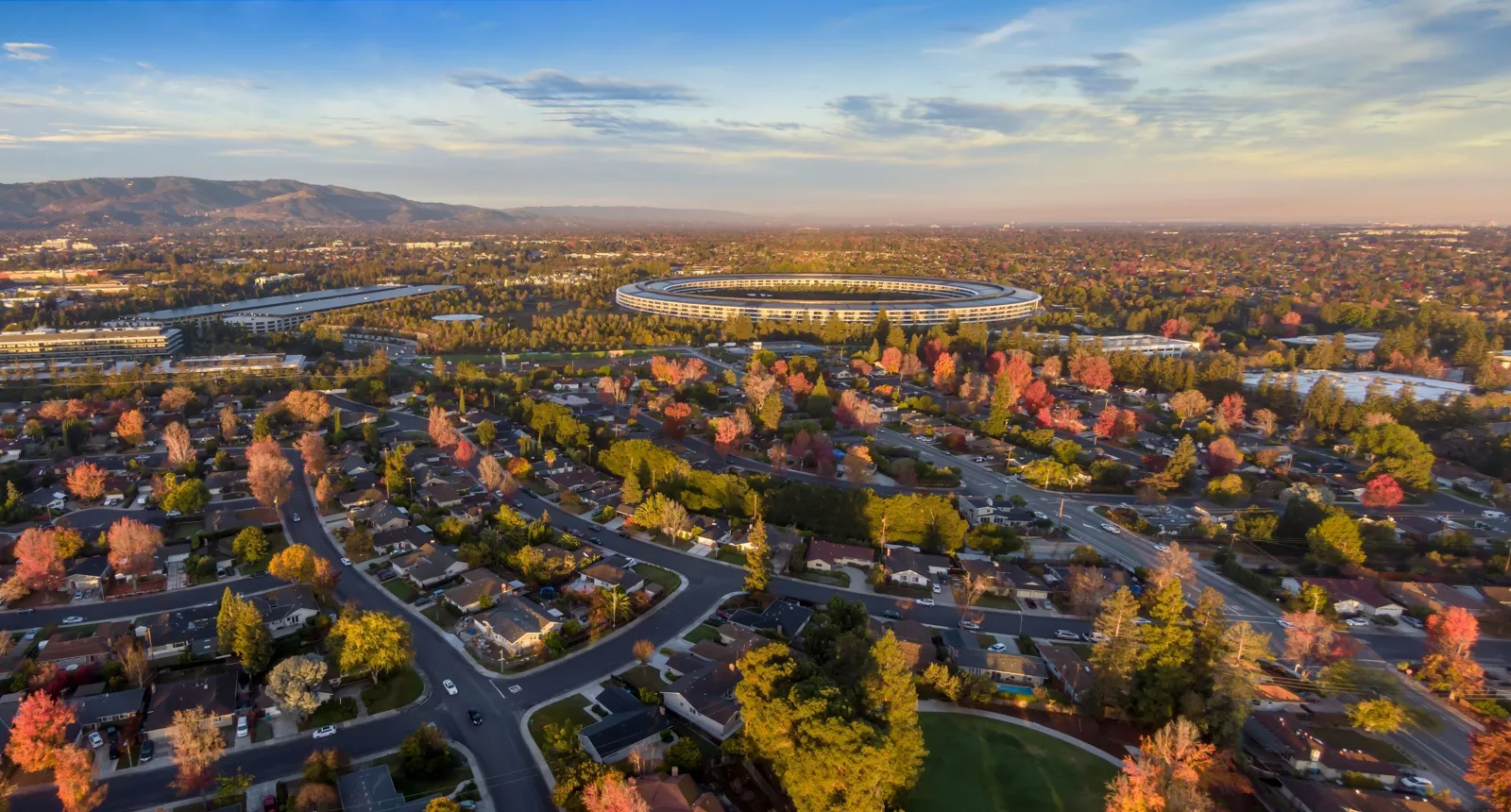
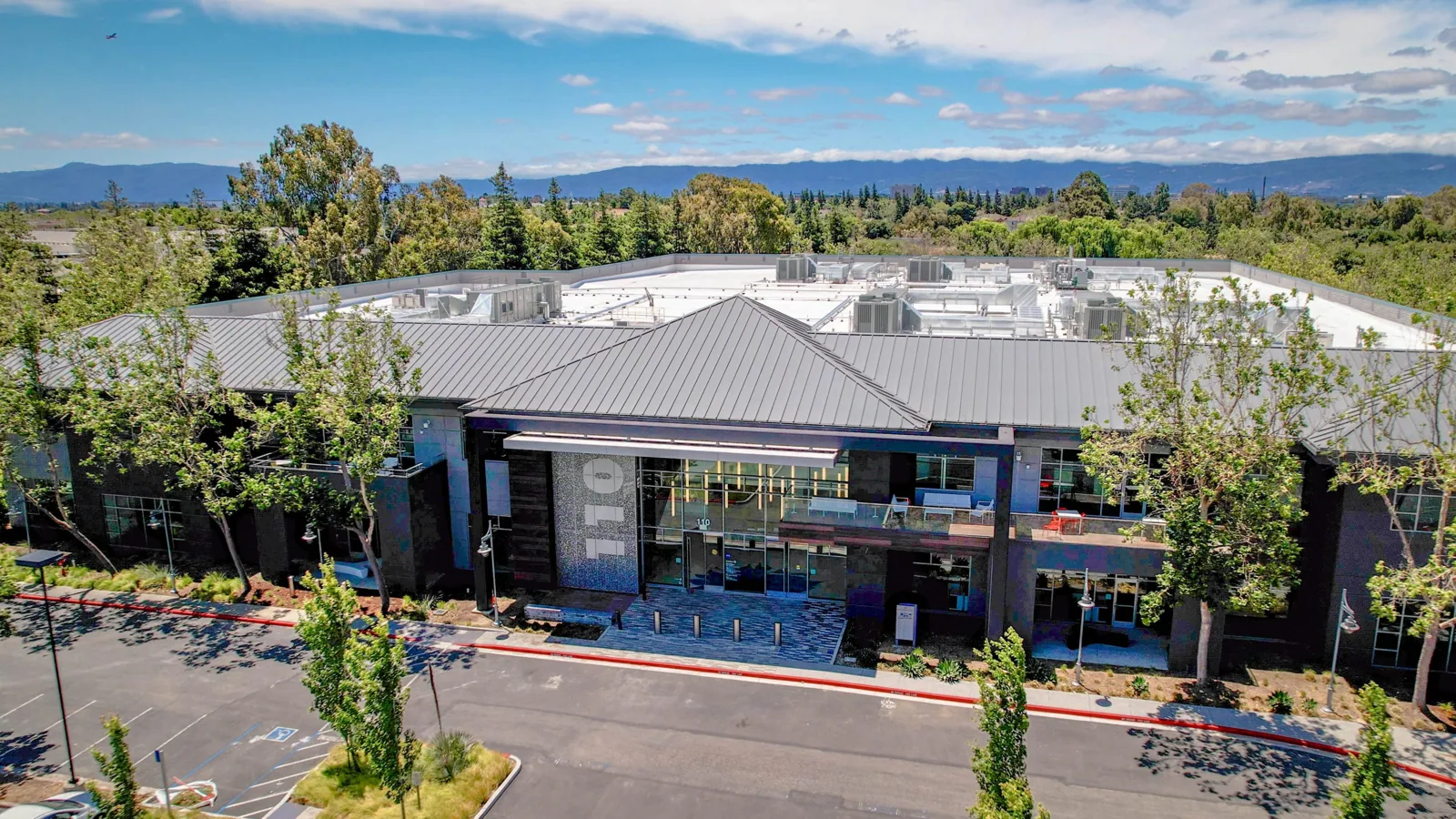
Scott Boulevard has an office and R&D development identity. For a property manager there, the useful starting point is the actual building: roof access, occupied spaces, tenant notice requirements, and the party permitted to approve work. We connect a hands-on condition examination to a practical task list. Regional weather sets a reason to plan. Roof observations establish which tasks belong in your budget.
Preventive Roof Maintenance: What the Work Covers
Loose surface debris can be removed without rebuilding a drain connection. A split flashing cannot be corrected by sweeping around it. We distinguish those operations before work starts. The maintenance scope identifies accessible outlets, loose debris removal, membrane checks, visible seam examination, and photographs of changes. Repair items receive their own description. That gives ownership a usable distinction between an ongoing service and construction work.
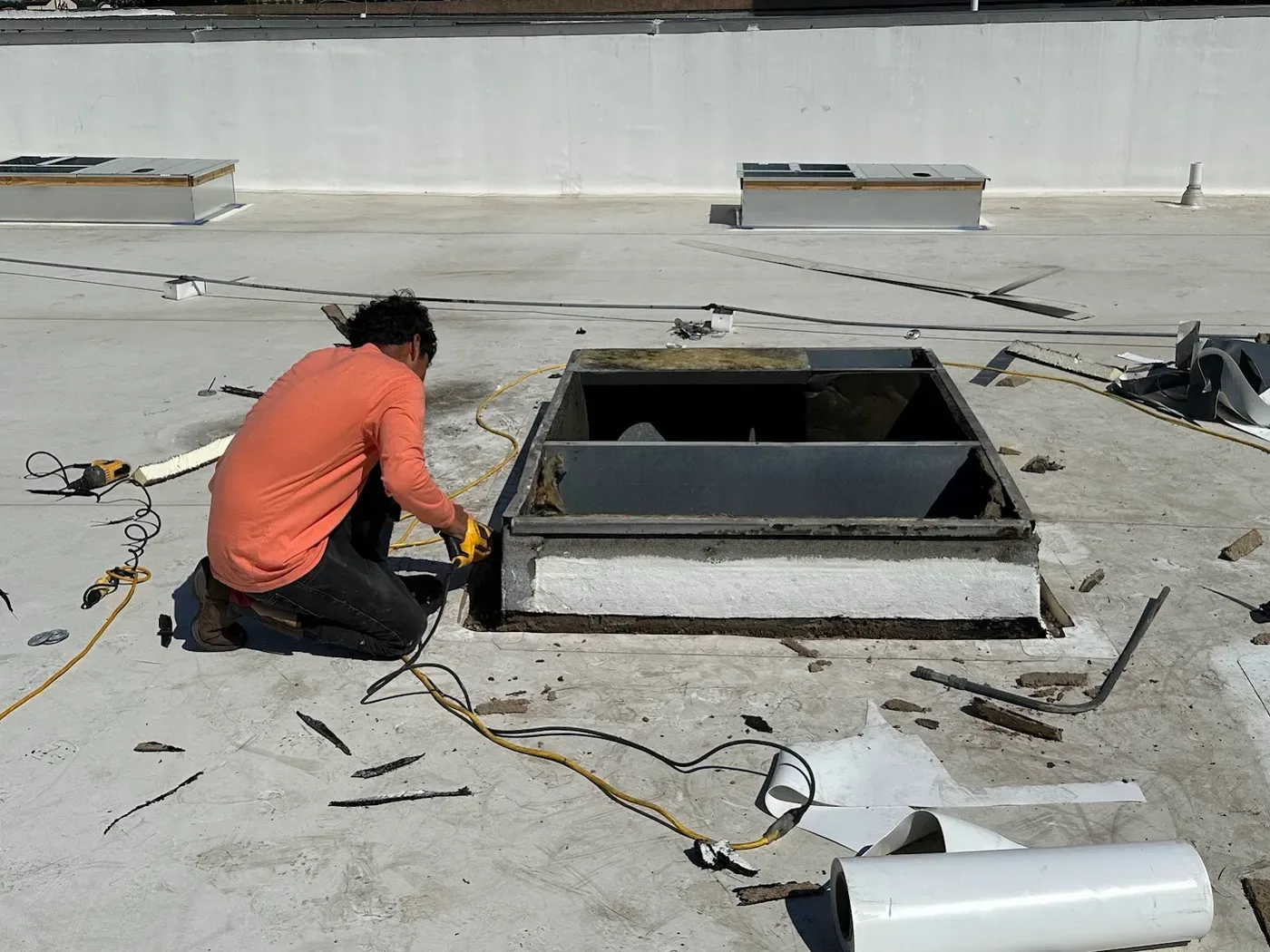
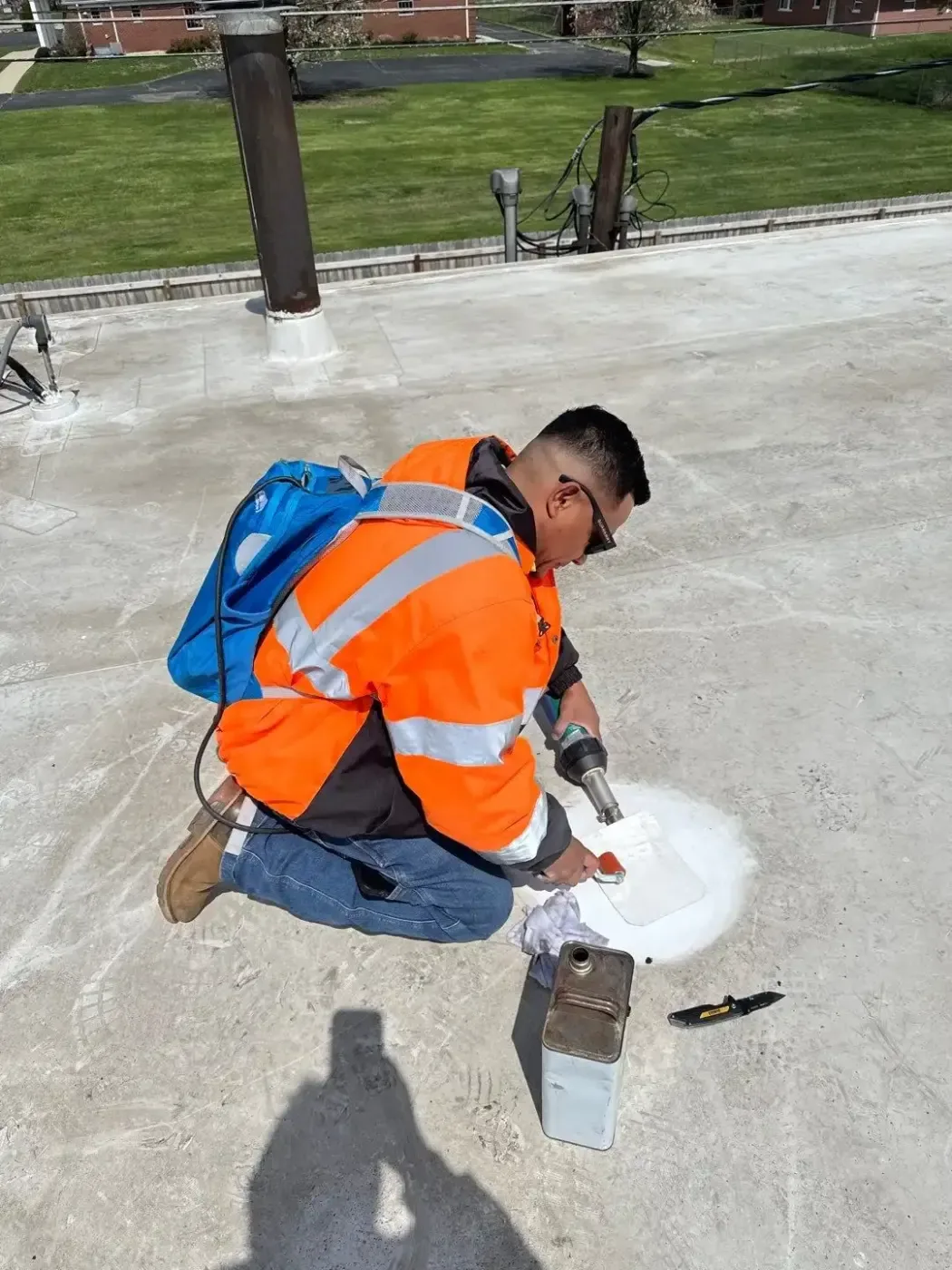
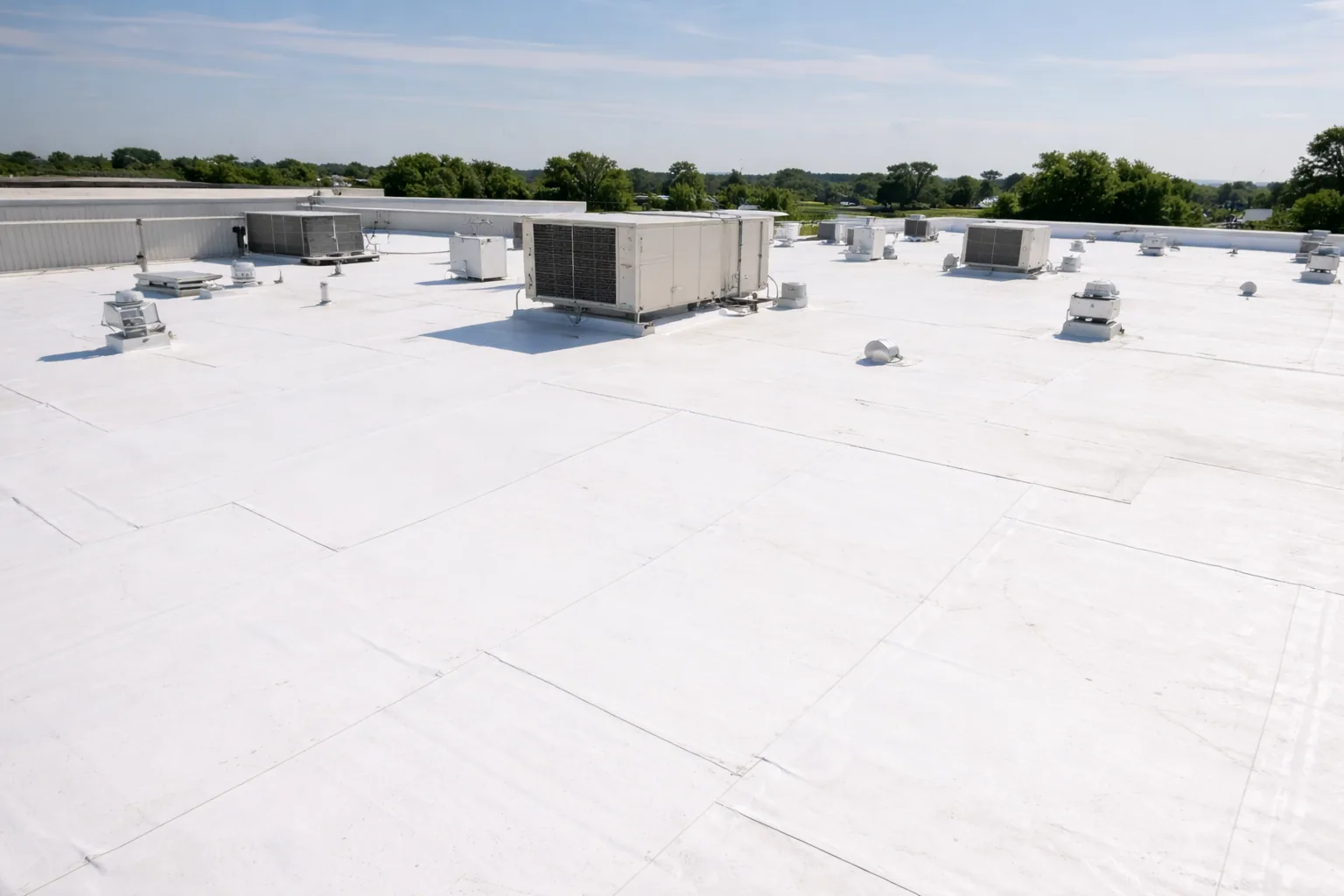
The roof material also decides the method. A welded single-ply seam needs a different evaluation from a modified-bitumen lap. A metal panel has joints and fasteners that require its own attention. We select compatible products rather than treating every detail with the same sealant. For damaged junctions, targeted flashing corrections should show the defect, preparation, and attachment work. An inspection finding earns a repair line only when the observed condition supports it. The manager can then approve defined work without leaving a broad repair allowance unexplained.
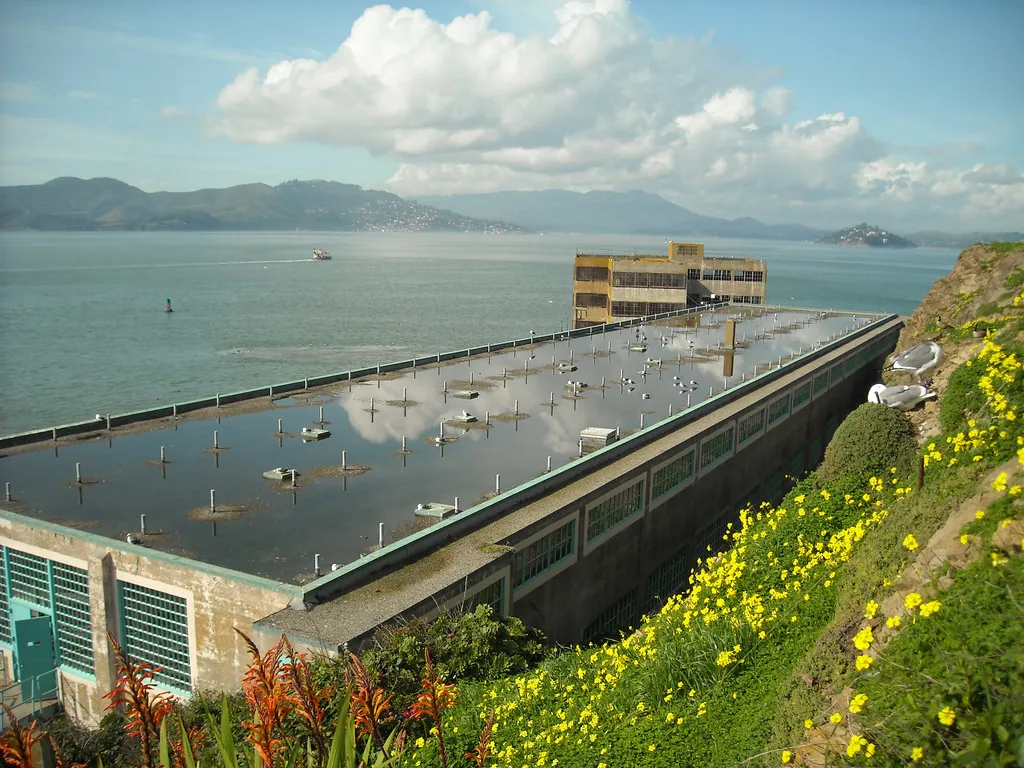
An outlet bowl, clamping ring, strainer, and surrounding membrane have different jobs. Debris may obstruct flow; a loose connection may admit water into the assembly. We look at both. Accessible cleaning belongs in the maintenance description. Deteriorated metal, failed membrane connections, plumbing restrictions, or inadequate drainage layout require a further decision. The bid should identify that boundary rather than promising that cleaning will solve all standing water.
For drain and scupper work, we record the outlet location and condition. Safe access to discharge points matters too. A blocked leader below the roof may need a plumbing trade. Persistent shallow water can involve slope or deflection instead of debris. We explain the likely investigation and the trade responsible. That keeps a seasonal visit from turning into an open-ended authorization. It also helps the manager assign building access before the roof and interior teams arrive.
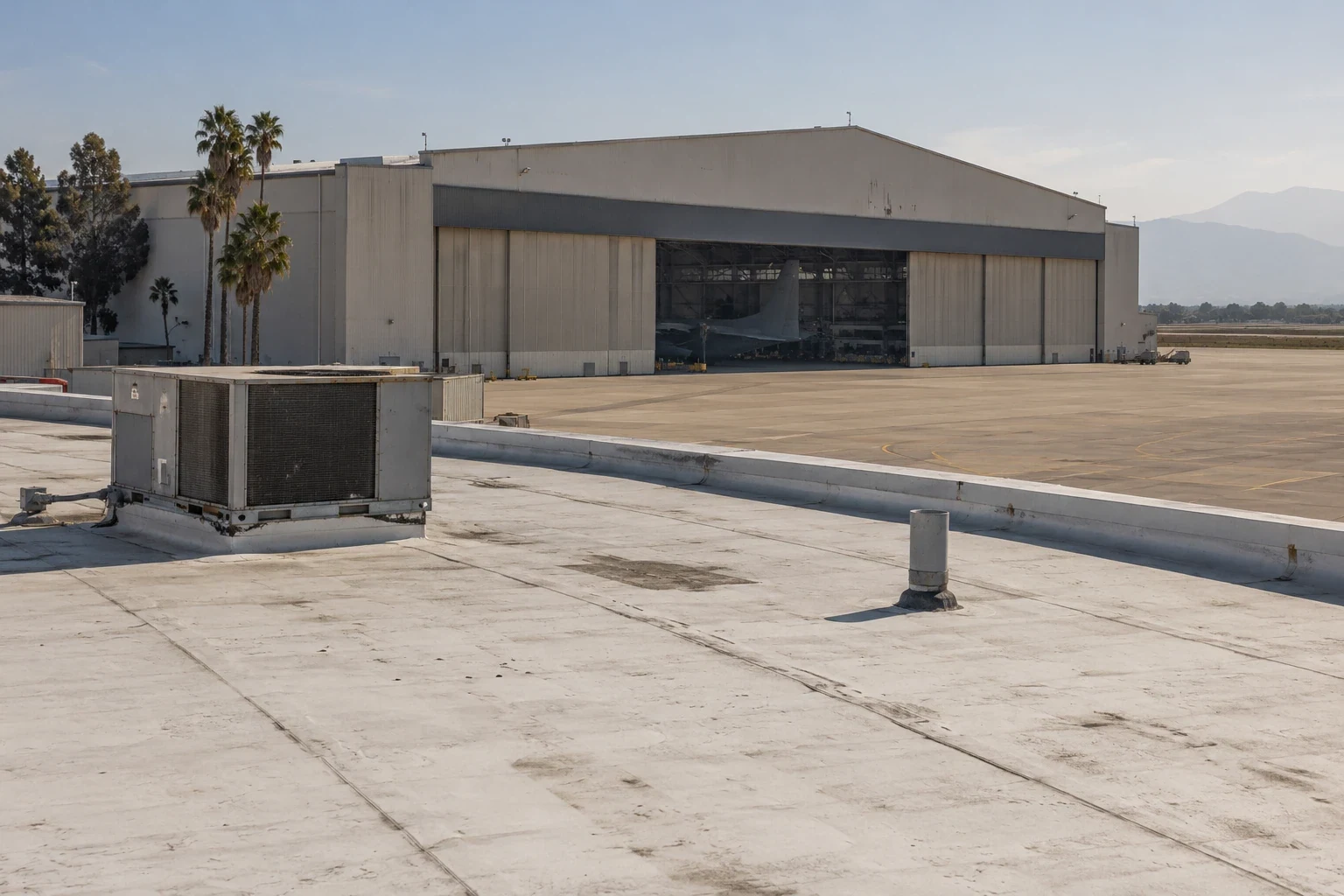
A locked hatch changes the work schedule. So does an area where roof activity could affect an intake, a protected entry, or equipment service access. We identify these constraints with the authorized operator. Roof maintenance does not authorize anyone to move equipment, disconnect a system, or enter restricted tenant space. The planned route must respect those limits while allowing the roof details to be examined.
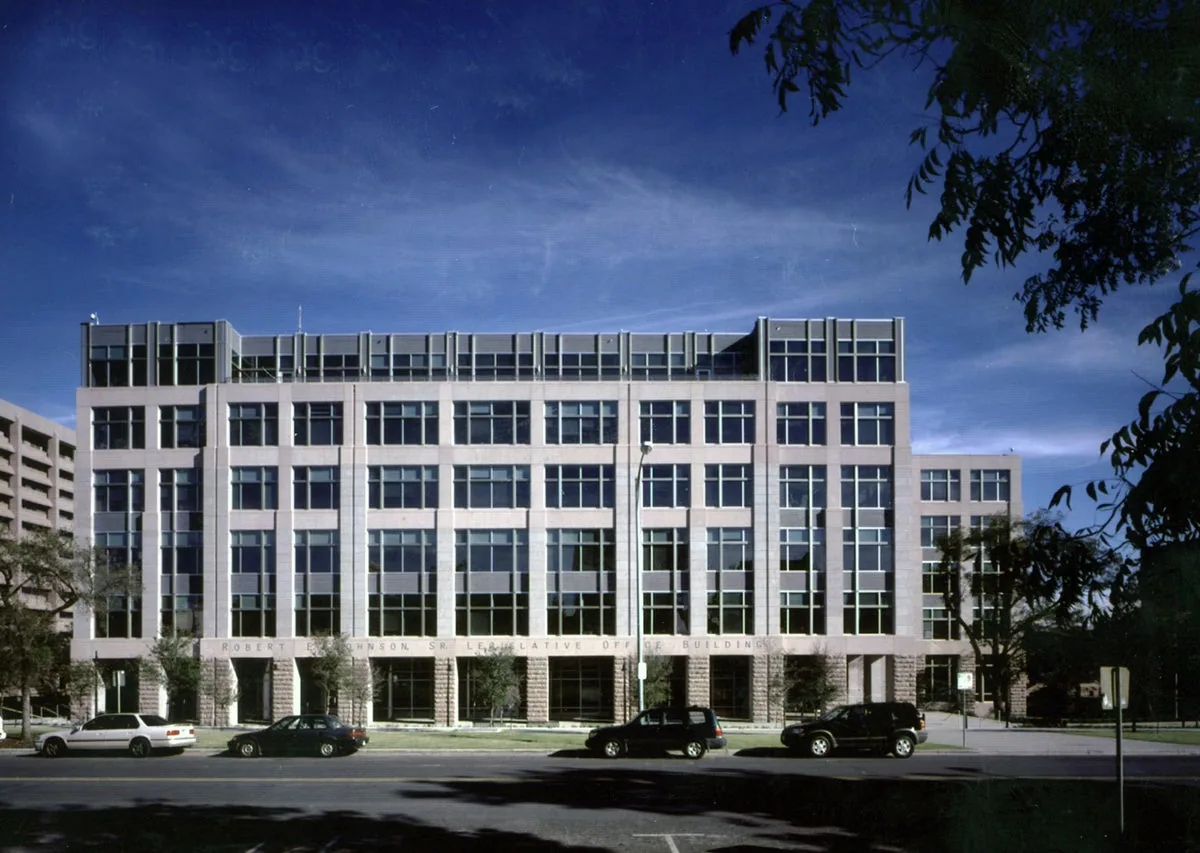
For occupied office properties, inspection timing and repair timing may differ. A short examination can establish a larger task requiring notice, material delivery, or a temporary protected route. We show those differences in the bid sheet. A property in the Tasman Drive and Scott Boulevard corridor gets a schedule based on its operator and assembly, rather than a schedule borrowed from a nearby address. The person approving the work sees the interruption requirement beside the repair, where it belongs.
Planning and Completing the Work
A dated photograph is useful when the next visit returns to the same detail. We record location, condition, and the action taken. New cracking, loose termination, altered equipment access, or fresh surface damage can then be compared with the earlier record. Photos alone do not prove hidden insulation is dry. Where conditions justify it, we identify additional moisture investigation separately from routine observation.
A written roof condition record should make the status clear: cleaned, repaired, further examination needed, or excluded from this visit. We describe the consequence of leaving a defect active. A loose edge may admit water and allow further movement; a puncture can wet concealed materials. The next scheduled visit is not a substitute for reporting a new leak. For reported active leaks, we can review the condition and discuss an appropriate inspection or temporary protection task, subject to safe access and what the roof allows.
After the seasonal visit, set each item as completed, assigned for separate repair, or awaiting authorization. Include the person responsible and any access dependency, then carry open work into the next budget review. A clean drain, renewed sealant and an unresolved equipment curb are not interchangeable completion states. The record helps ownership direct money to a defined correction instead of repeating an annual checklist without checking whether the prior work changed the condition. Carry that status into ownership’s next review.
A maintenance price with no task quantities is difficult to compare. We state the roof areas included, accessible outlets, inspection limits, and allowed minor work. Larger repairs are separated. Mobilization, access equipment, disposal, and repeat attendance can change the price even where the surface task looks small. The cheaper bid needs examination when it omits those items or leaves the repair method undefined.
Tasman East planning provides another local setting for roof decisions. Each property in that specific-plan setting needs its maintenance scope set by the installed construction and authorized operation. Ownership should approve the work against actual construction and operating requirements. We help property management teams group required repairs by urgency while keeping discretionary work separate. Any permit-sensitive alteration receives a scope-specific authority review. Routine maintenance should not quietly expand into reroofing, insulation replacement, or drainage redesign without a revised quantity and approval.
A service invoice should correspond to the approved list. We identify completed tasks and any conditions preventing completion. Concealed deterioration discovered during a repair may change the required construction. We stop that change from being buried inside a general maintenance description. The manager gets the observed condition, the added work proposed, and the reason it differs from the authorized task.
Keep the roof record with equipment-service and tenant alteration information. New penetrations, relocated supports, or changed roof traffic can affect what the next maintenance visit needs to inspect. A roof that remains serviceable may still require a funded repair. A deteriorated assembly may need a capital decision instead of repeated minor work. We explain that distinction with physical findings. The result is a maintenance program ownership can review, adjust, and budget without confusing a completed cleaning visit with proof of the entire roof condition.
Maintenance: Prepare the seasonal approval
Arrange a pre-season roof check. We will put the care tasks and priced corrections on a plain bid sheet for ownership, with tenant access requirements beside them.
Frequently Asked Questions
Only the repair allowance expressly listed. We define minor work and price larger corrections separately, so approval remains tied to an actual task.
Cleaning removes accessible obstructions. Slope, outlet height, deck movement, or plumbing restrictions can require additional investigation and a different correction.
Coordinate the routes and timing. The authorized operator sets equipment restrictions; we plan roof access and inspect affected details without taking over another trade.
The task list, quantities, dated photos, exclusions, and repair priorities. Include any interruption or further testing that could change the authorization.



Roof Assessments
Santa Clara & the South Bay
Membrane, flashing, drainage and edge details checked and written up before any work is priced.
Request a Roof Assessment