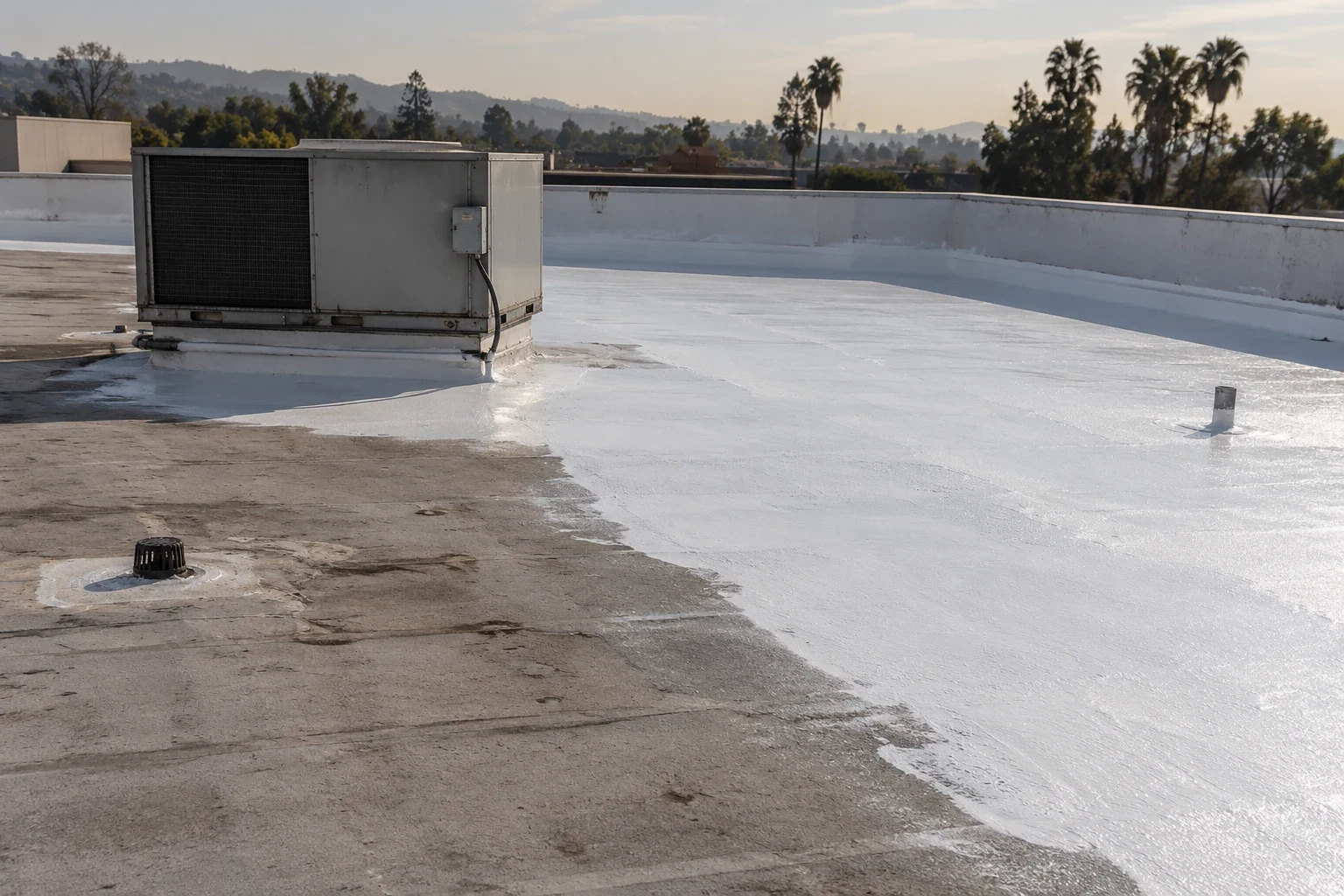
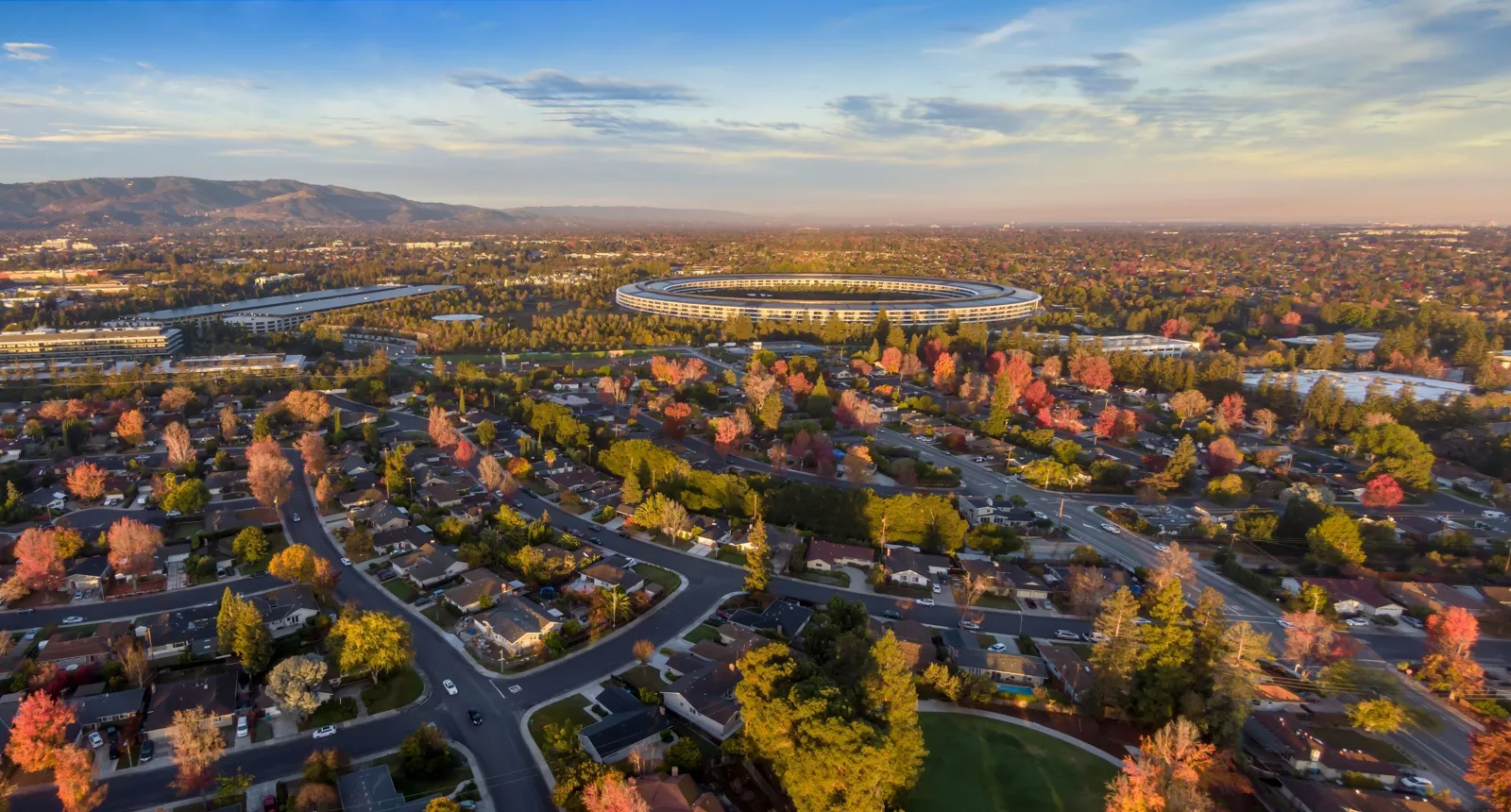
- Home
- Roof Systems
- Silicone Commercial Roof Coatings
Silicone Commercial Roof Coatings in Santa Clara, CA
The late December 2022 to mid-January 2023 regional atmospheric-river sequence gives coating planning a practical question: is the existing roof ready to remain beneath silicone? For a property manager in Santa Clara, CA, readiness needs more than a surface photograph. We examine retained construction, drainage and adhesion needs before calling a coating a suitable restoration option. The weather account sets seasonal context; roof findings establish the recommendation.
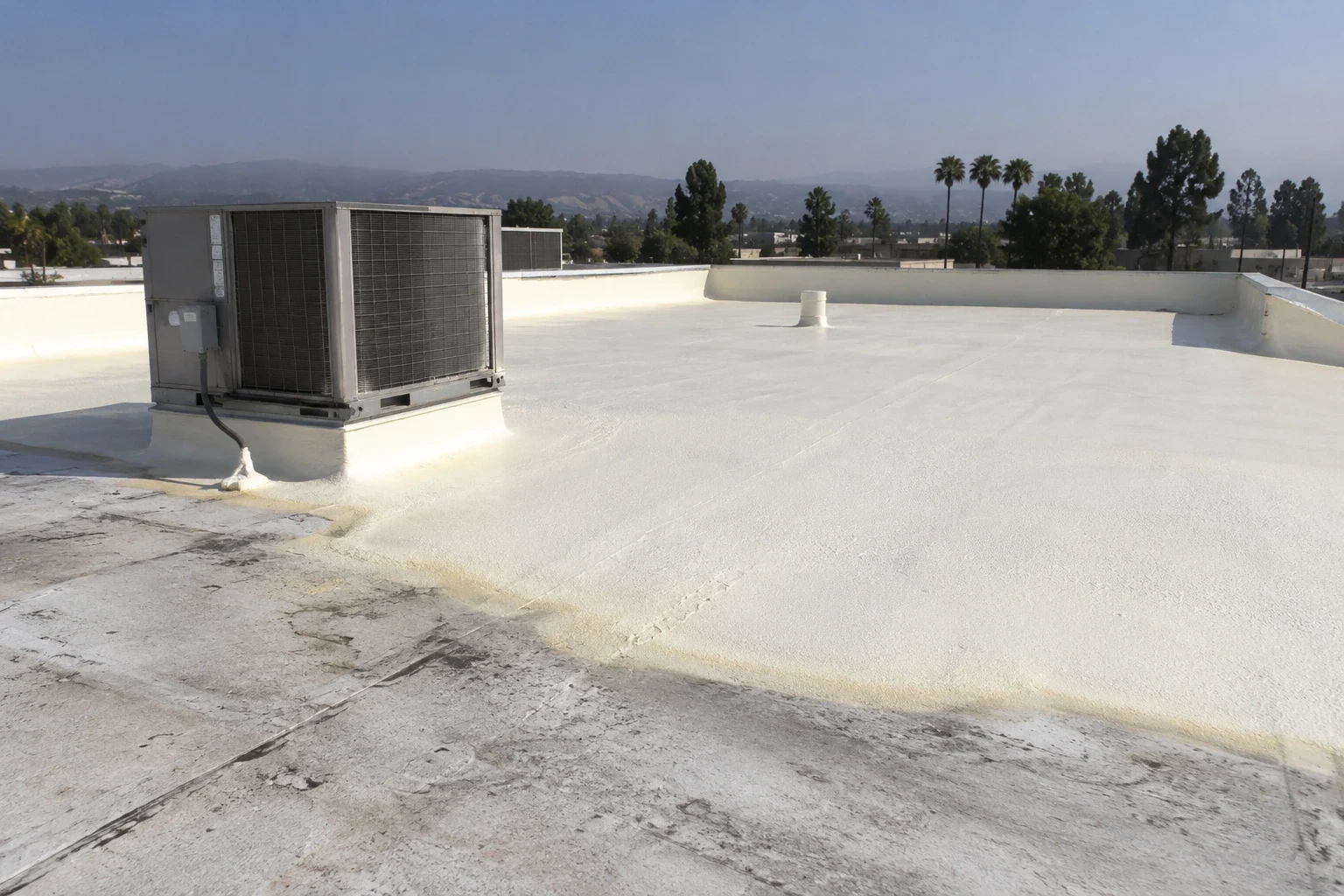
Silicone can protect a compatible, properly prepared surface. It does not remove moisture from concealed layers or recreate missing structural support. Scott Boulevard's historical office and R&D development provides local identity for commercial property planning. It supplies no current roof inventory. We examine the subject property and separate repairs, preparation and coating application so ownership can approve a scope that accounts for the roof underneath.
Silicone Commercial Roof Coatings: What the Work Covers
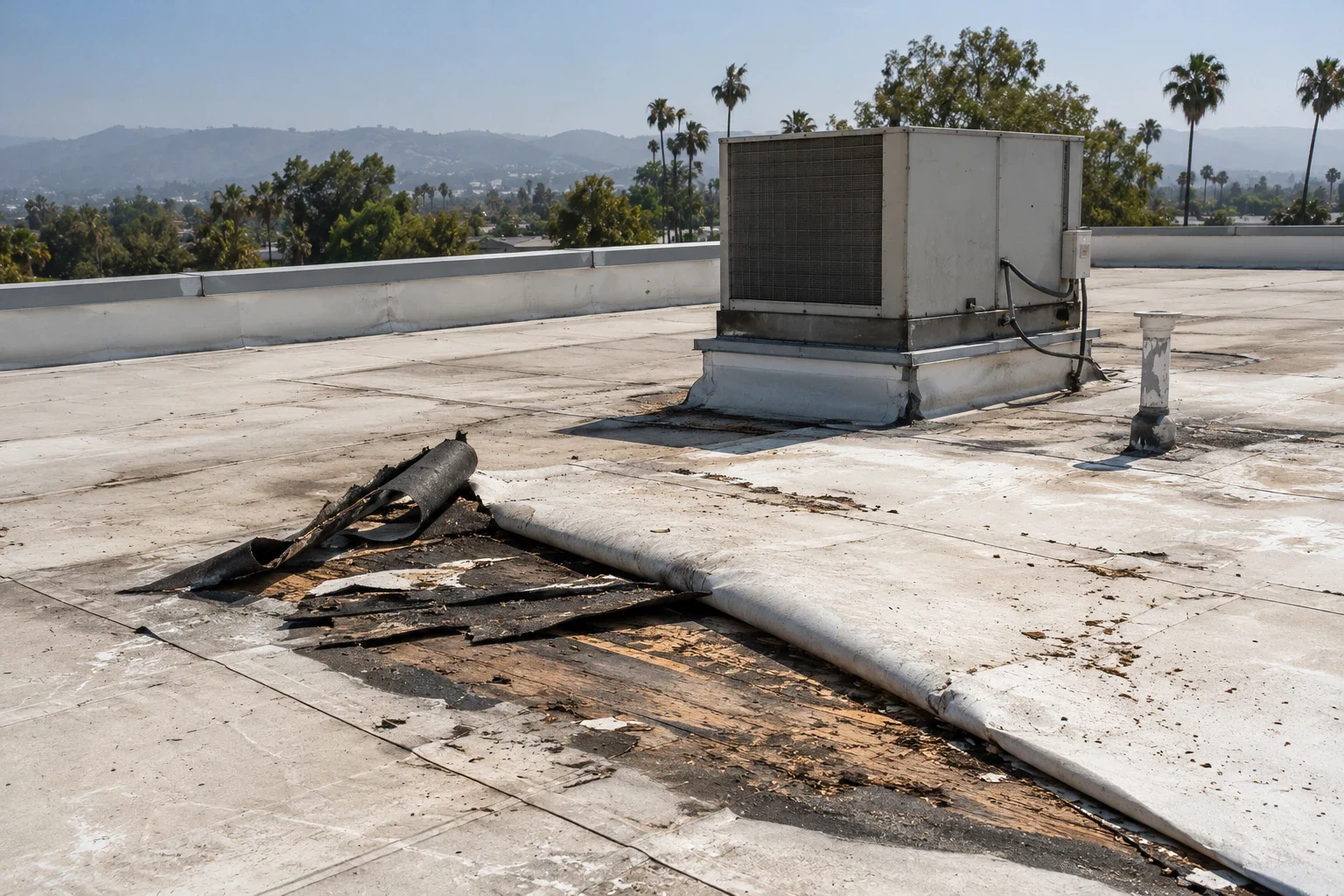
A coating candidate needs stable construction and a surface suited to the selected material. We inspect the membrane or metal, accessible attachment and previous repairs. Defects requiring removal should be identified before coating quantities are measured. A roof with widespread deterioration may need replacement rather than surface restoration. Where concealed condition affects the choice, we recommend investigation that can establish reasonable limits instead of treating an intact-looking finish as a complete evaluation.
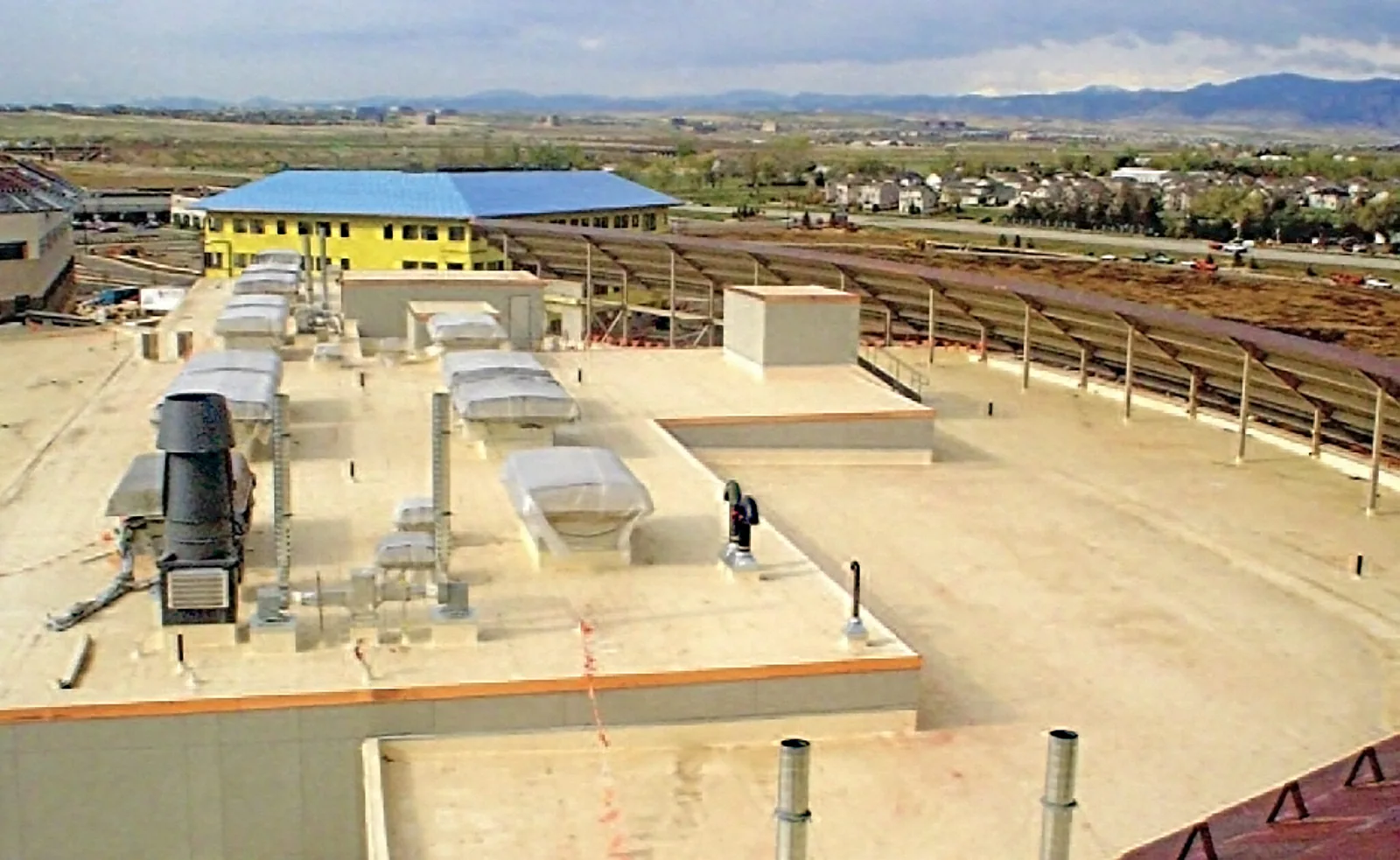
A moisture investigation with thermal screening can support that review under appropriate conditions. Selected openings help confirm what an indication represents. Wet insulation needs a removal and replacement task where it is found. The bid should state how those limits are determined and what remains uncertain. A foam roof needing protective renewal requires examination of both the coating and underlying foam. Surface renewal should not conceal damaged material that needs rebuilding.
Dirt, incompatible compounds and an unstable old coating can interfere with adhesion. We identify the existing surface and review preparation requirements for the proposed silicone. Cleaning must leave the receiver suitable for application, with adequate drying. Adhesion evaluation helps determine whether the selected system can bond as intended. Where a primer is required, its material and application belong in the scope. An unspecified primer allowance leaves a consequential installation decision unresolved.
A sample that bonds on one surface does not automatically establish suitability for every patch or accessory. We examine distinct materials and previous repairs that may need separate treatment. An acrylic restoration alternative should be compared after its own preparation and exposure limits are established. Ownership needs the receiver work beside each alternative. Otherwise a low application price can conceal additional removals or cleaning that the roof needs before either coating can perform its intended role.
A coating over a loose termination still leaves a loose termination. We inspect wall flashings, penetrations, fasteners and perimeter connections before application. The detail may need replacement, secure restraint or compatible reinforcement. Seal materials and fabric, where specified, must suit the system. We identify their extent separately from broad field coating so the manager can distinguish detail repair from surface protection on the bid sheet.
Drains and scuppers need a workable receiver and an open path for water. Repairing a deficient flashing connection can require component work beneath the coating. We examine corrosion where it is actually present and determine whether the receiving metal can remain. A product suited to particular water exposure does not make drainage defects acceptable. Ponding deserves an independent assessment of its cause and any necessary correction. The regional storm record cannot establish that this building has a blocked outlet or failed seam.
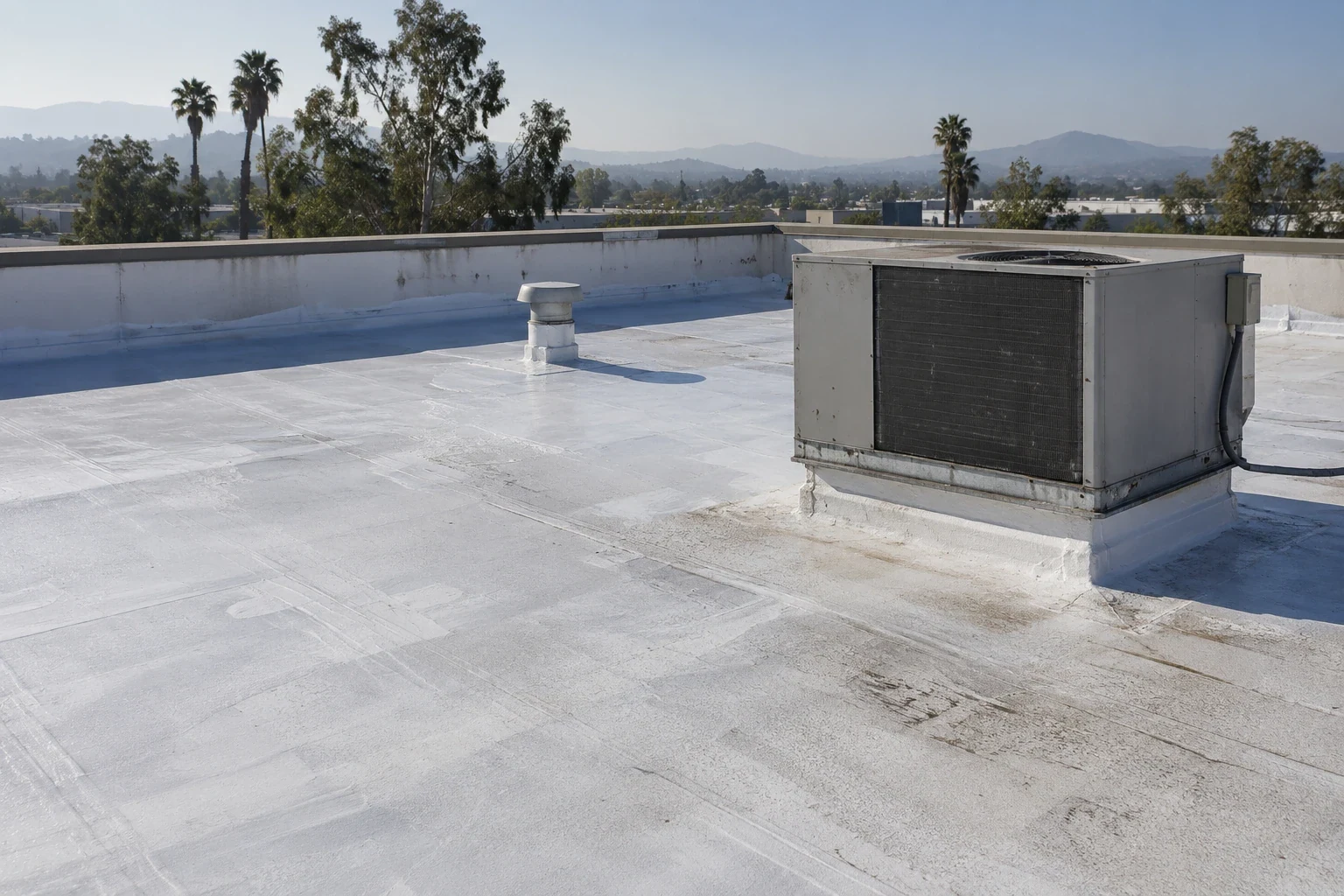
Planning and Completing the Work
A silicone proposal should name the selected system and required coverage, with application conditions and curing restrictions. Material delivered to the roof is not the same as material correctly installed. We follow the product's requirements for surface condition and application, then check the finished work with appropriate methods. Detail areas and irregular surfaces can need additional attention. Those tasks should be included rather than left to the installer to fit inside an undefined field allowance.
Coated surfaces also need a service access plan. Slip conditions, protective walk paths and later repairs should be considered with the building representative. Silicone repair work generally needs compatible materials and suitable preparation. Unrelated patch products may not bond as intended. Maintenance above an office building should coordinate service traffic and tenant concerns. We explain these obligations before application so the finished coating is not immediately damaged by work that was already scheduled on the roof.
Santa Clara adopted California building standards with local modifications. We establish the actual authority, accepted application basis and the precise restoration scope. Permit and energy requirements must be reviewed for that work, including the applicable energy compliance route and any exceptions. Surface reflectivity can be relevant, but it does not settle all requirements. The selected coating, retained insulation and proposed alterations need consideration within the actual project review.
Tasman East's adopted planning framework describes the area near Tasman Drive and Lafayette Street. For a property in the Tasman and Scott Boulevard corridor, we reconcile building records with inspection rather than infer construction from nearby planning. Managing the roof's warranty obligations includes checking how restoration interacts with existing coverage. Ownership should know who issues the new coverage, what work it includes and which retained conditions remain outside it.
A coating can need repair or renewal after exposure and service activity. We evaluate installed condition instead of prescribing a universal interval. Inspection examines wear, cuts, bond and the condition of underlying details. Local damage may need correction before a field renewal is appropriate. Photographs and a defined location list help the property manager distinguish isolated repairs from a broader coating task, then obtain ownership approval on a clear basis.
Occupied application requires staging and protection for nearby property. We agree access boundaries, ventilation coordination and tenant notice needs with the operator. Equipment shutdown decisions remain with authorized personnel and qualified trades. For silicone roof coatings, define the work boundary. A temporary response follows safe access and the observed defect. We then develop the permanent repair so the restored surface and underlying detail receive the correction they need.
Coating renewal: verify the substrate and restoration plan. A silicone coating should be considered only after the existing surface has been evaluated for adhesion, contamination, moisture and retained defects. Record the cleaning and preparation method, required test areas, repair details, target application quantity and treatment of edges and penetrations. A new finish cannot correct a wet or unstable substrate by itself. The bid should explain how the contractor will handle failed areas and how the owner will review those conditions before coverage. Confirm compatibility with the existing materials and project requirements through appropriate product guidance. Closeout documentation should identify the repaired base details and coating scope for later maintenance.
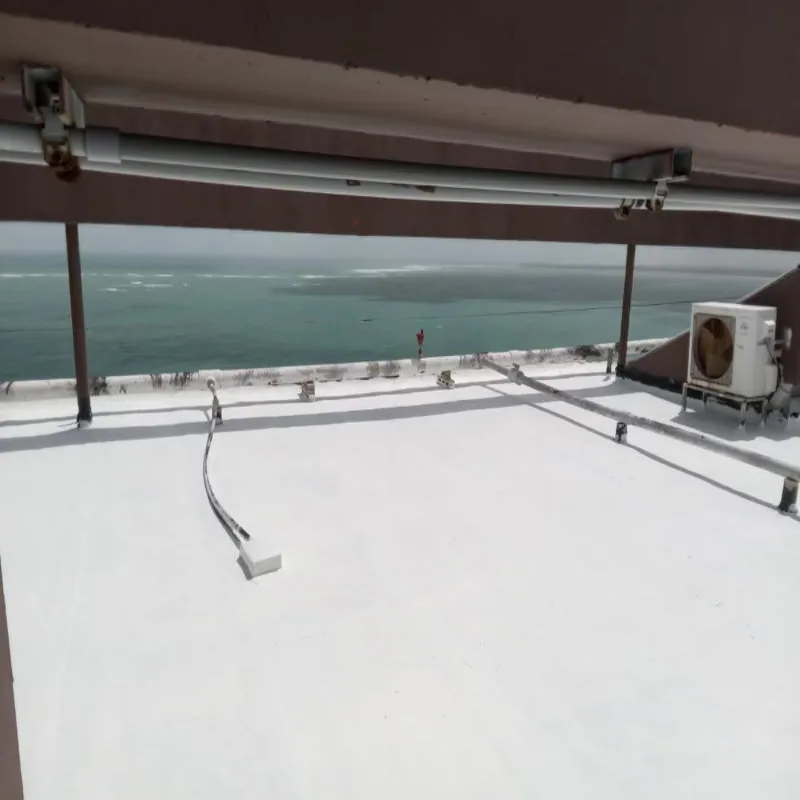
Rain-season budget: Confirm the silicone receiver
Arrange a pre-season coating check. We will prepare an ownership bid sheet that separates repairs and preparation while protecting tenant access.
Frequently Asked Questions
No. Moisture in concealed materials needs investigation and correction. The restoration decision follows that work, not the coating purchase.
Drainage still requires evaluation. A product limitation and an outlet defect are separate issues that need separate decisions.
Patch compounds can differ from the main receiver. We examine those surfaces and establish preparation appropriate to each material retained.
Compatible repair materials are needed. We identify the surface and follow the selected system requirements for preparation and repair.
It should identify existing condition, repairs, cleaning, adhesion needs and the new coating application. A broad recoat price alone leaves those tasks unclear.

Roof Assessments
Santa Clara & the South Bay
Membrane, flashing, drainage and edge details checked and written up before any work is priced.
Request a Roof Assessment