- Home
- Roof Systems
- Acrylic Commercial Roof Coatings
Acrylic Commercial Roof Coatings in Santa Clara, CA
Regional heat and voluntary Flex Alerts in September 2022 make a reflective finish a reasonable planning topic. The property-manager question for acrylic coatings in Santa Clara, CA: can the existing roof accept the proposed treatment under suitable application conditions? We review the surface, concealed condition and water exposure before making that recommendation. Regional heat does not establish damage, interior discomfort or individual equipment runtime at the property.
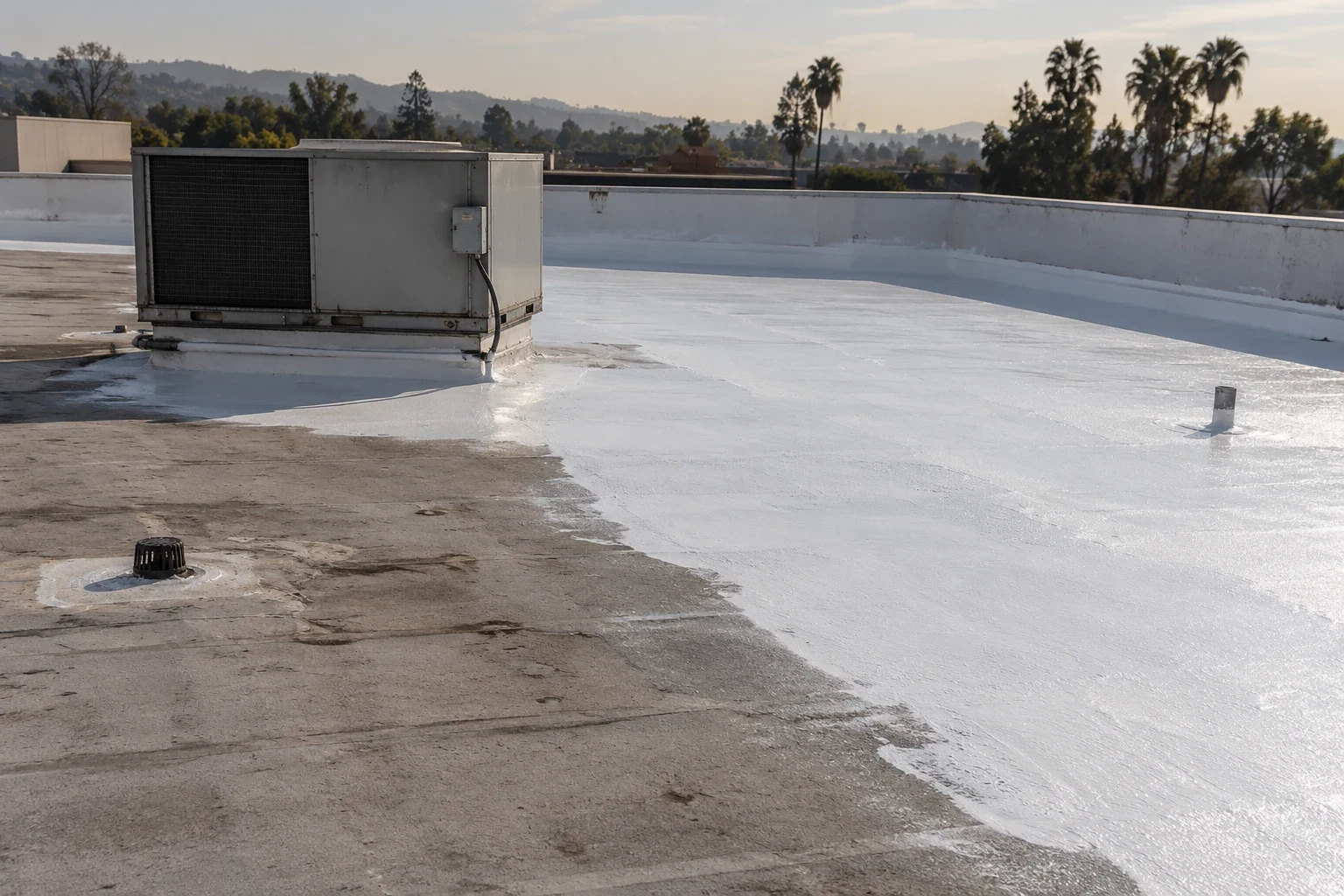
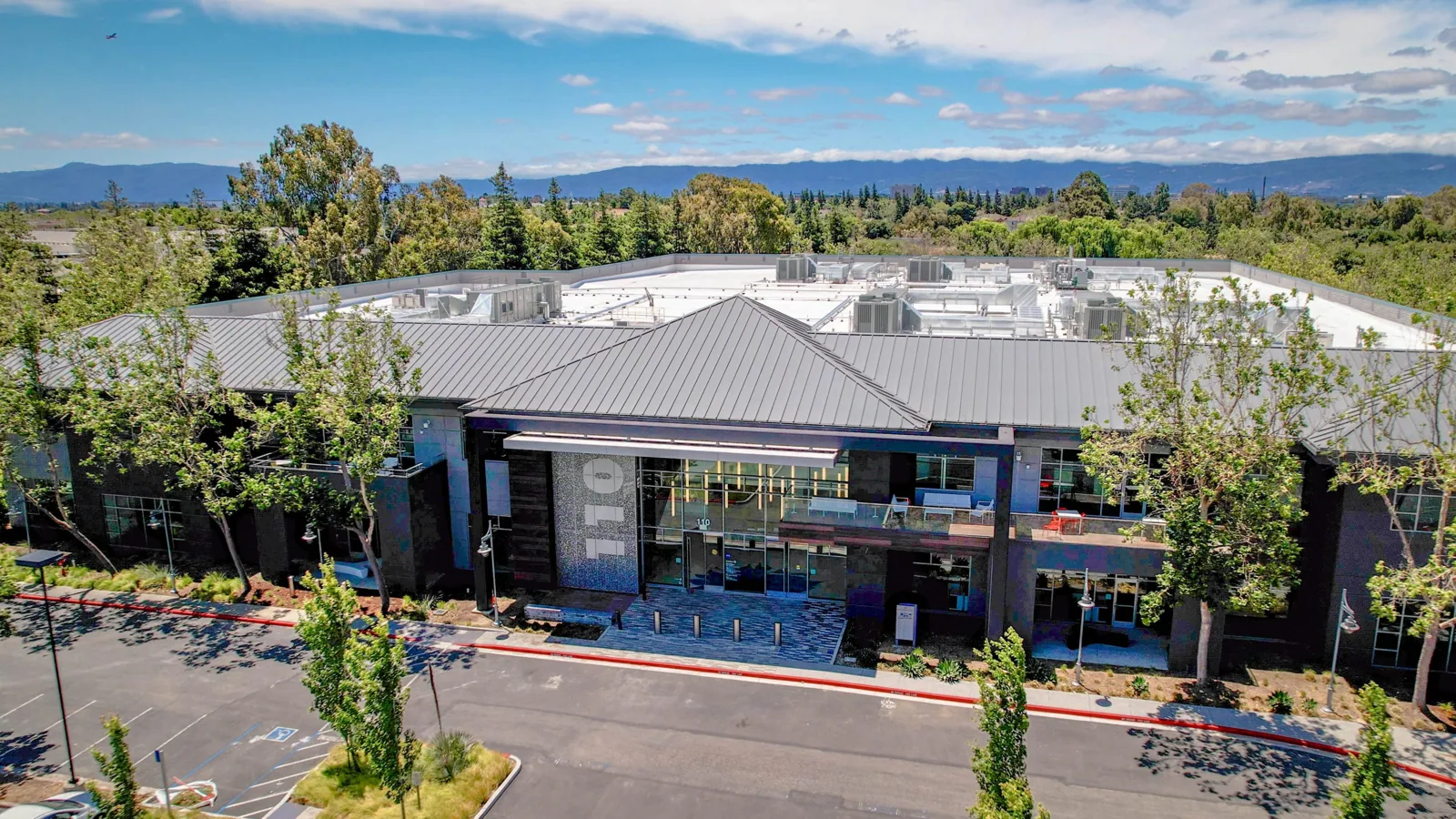
An acrylic coating can restore a suitable roof surface after preparation and repairs. Its success depends on the selected product, receiver and installed protection. Historical office and R&D development on Scott Boulevard gives the corridor a local commercial identity. It does not establish the assembly on any particular building. We examine that assembly and prepare the coating proposal as a defined set of tasks the manager can explain to ownership.
Acrylic Commercial Roof Coatings: What the Work Covers
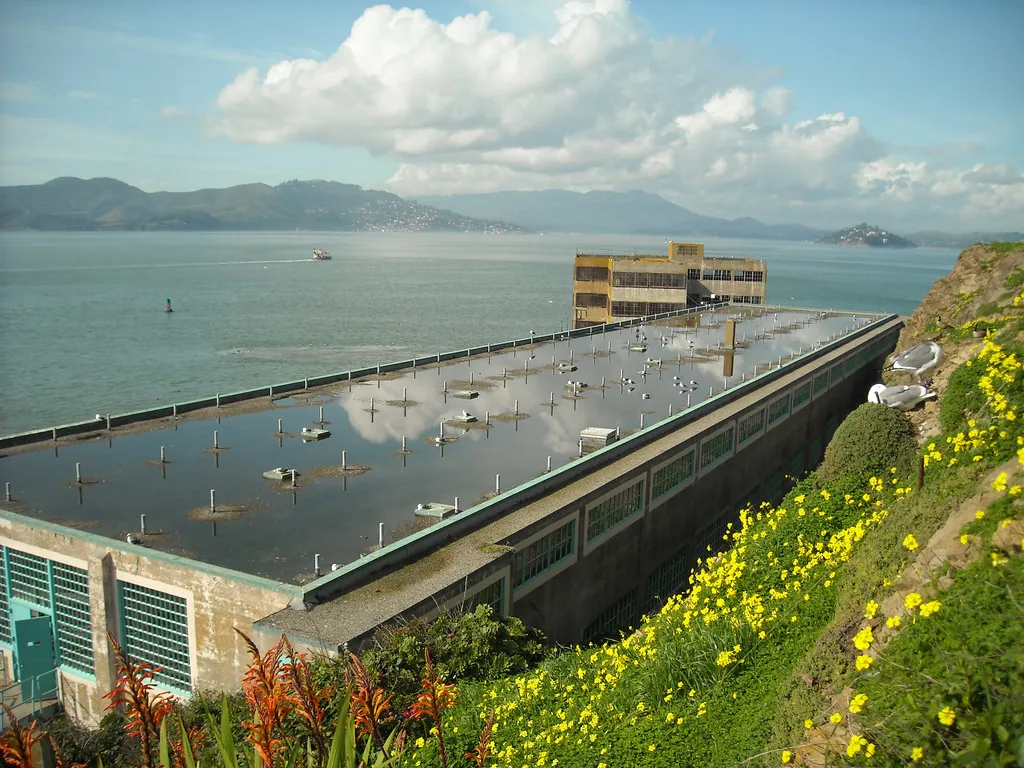
Acrylic products have application and exposure limitations that need review before selection. We inspect drainage and ask how observed water remains on the roof. Debris, outlet damage and inadequate slope are different findings. The chosen coating's limitations must suit the corrected condition. A reflective finish should not be used to bypass unresolved drainage. Where standing water is found, we establish the cause and appropriate correction rather than assume the material alone will handle it.
A silicone coating comparison may be useful where the exposure requirements differ. That comparison still needs a sound, compatible receiver and completed detail repairs. The manager should receive each material's practical limitations with its proposed work. Correcting outlets before surface renewal can require roofing and qualified trade tasks. Identify them before pricing the coating so the completed roof has a defined water route rather than a new finish over an old obstruction.
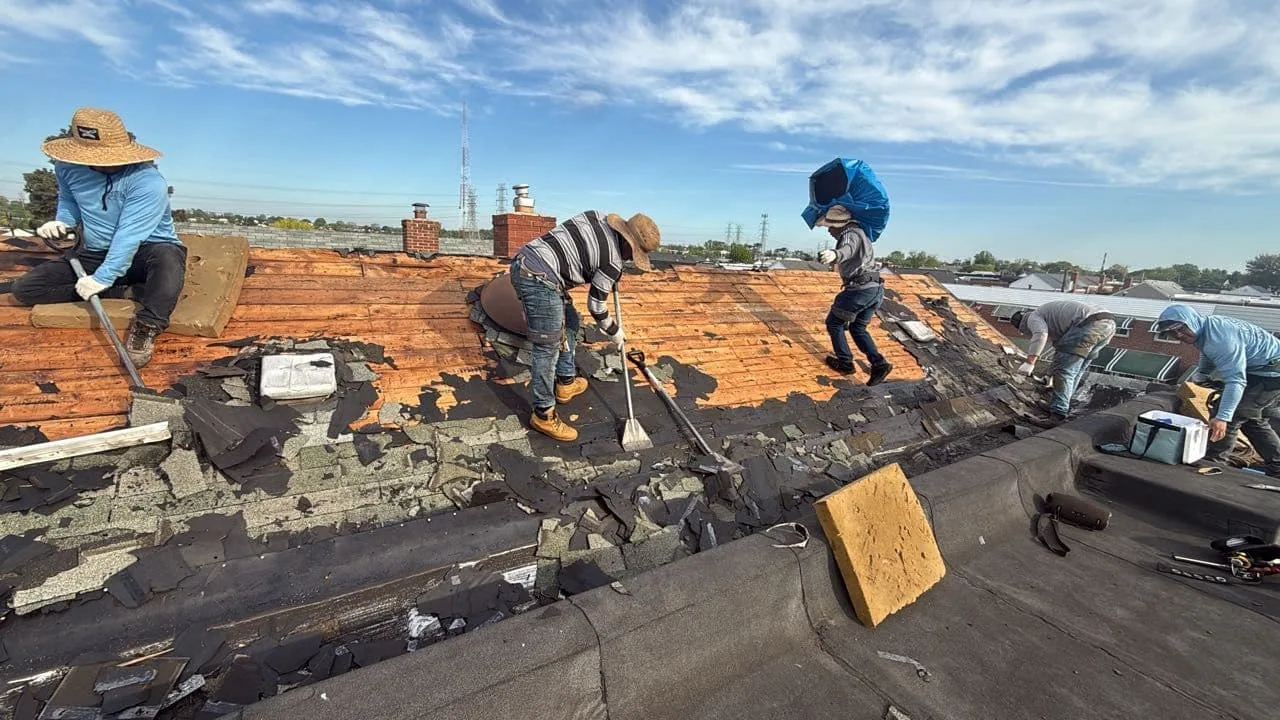
A chalked coating, dirty membrane and exposed metal do not share one preparation method. We identify the surface and review cleaning, adhesion and primer requirements for the selected acrylic assembly. Preparation can require removal where the retained surface is unstable or incompatible. Washing must be controlled and followed by appropriate drying. Adhesion evaluation helps establish whether retained surfaces can receive the new material. We put these tasks beside the application scope so ownership can compare complete proposals.
Previous repairs deserve separate attention. Their compounds and bond may differ from the main surface. We examine them and correct incompatible or unstable areas before coating. A built-up roof considered for restoration requires evaluation of its layers and surfacing, not just its visible color. A surface treatment cannot repair concealed separation or remove wet insulation. Selective investigation may be needed where those conditions affect the option. The bid explains removals and limitations before application is proposed as a practical alternative.
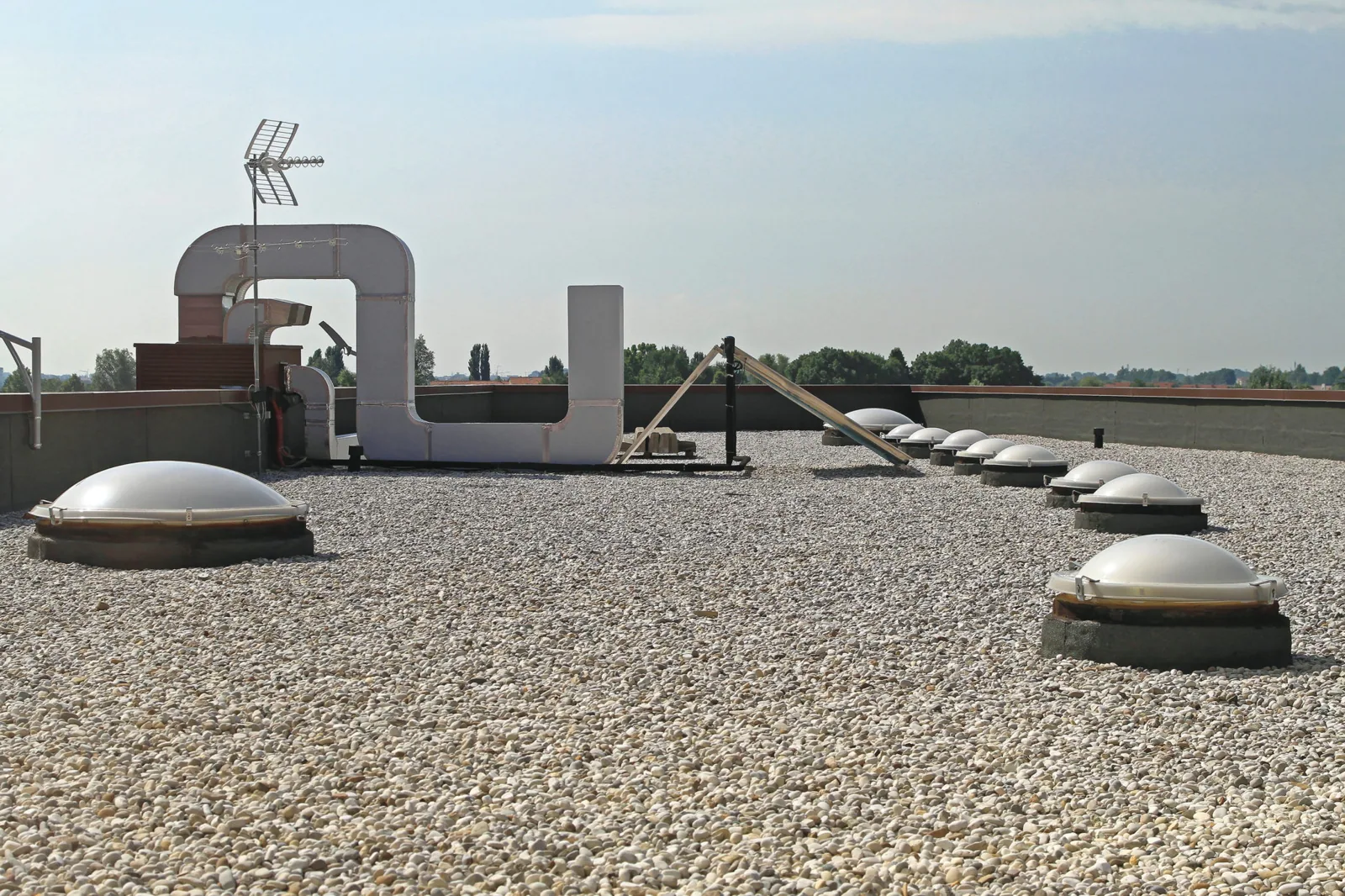
Acrylic restoration often includes detail treatment suited to the selected system. We examine joints, penetrations and terminations to decide what needs repair and what preparation is required. Fabric or reinforced coating work, where specified, needs correct placement and coverage. It cannot secure a loose curb or replace a missing metal connection. Physical defects are corrected first. The coating detail then protects a suitable receiver rather than conceals an unresolved movement or attachment problem.
At a metal roof, visible corrosion requires an extent examination. Sound material may accept preparation and protection; deteriorated components can require replacement. We identify those boundaries with the manager. Repair of an exposed flashing defect should name its receiver and termination work. A regional heat account is not evidence of corrosion or joint failure. Actual observations establish the repair, with design review where the proposed change affects movement, structure or drainage.
Planning and Completing the Work
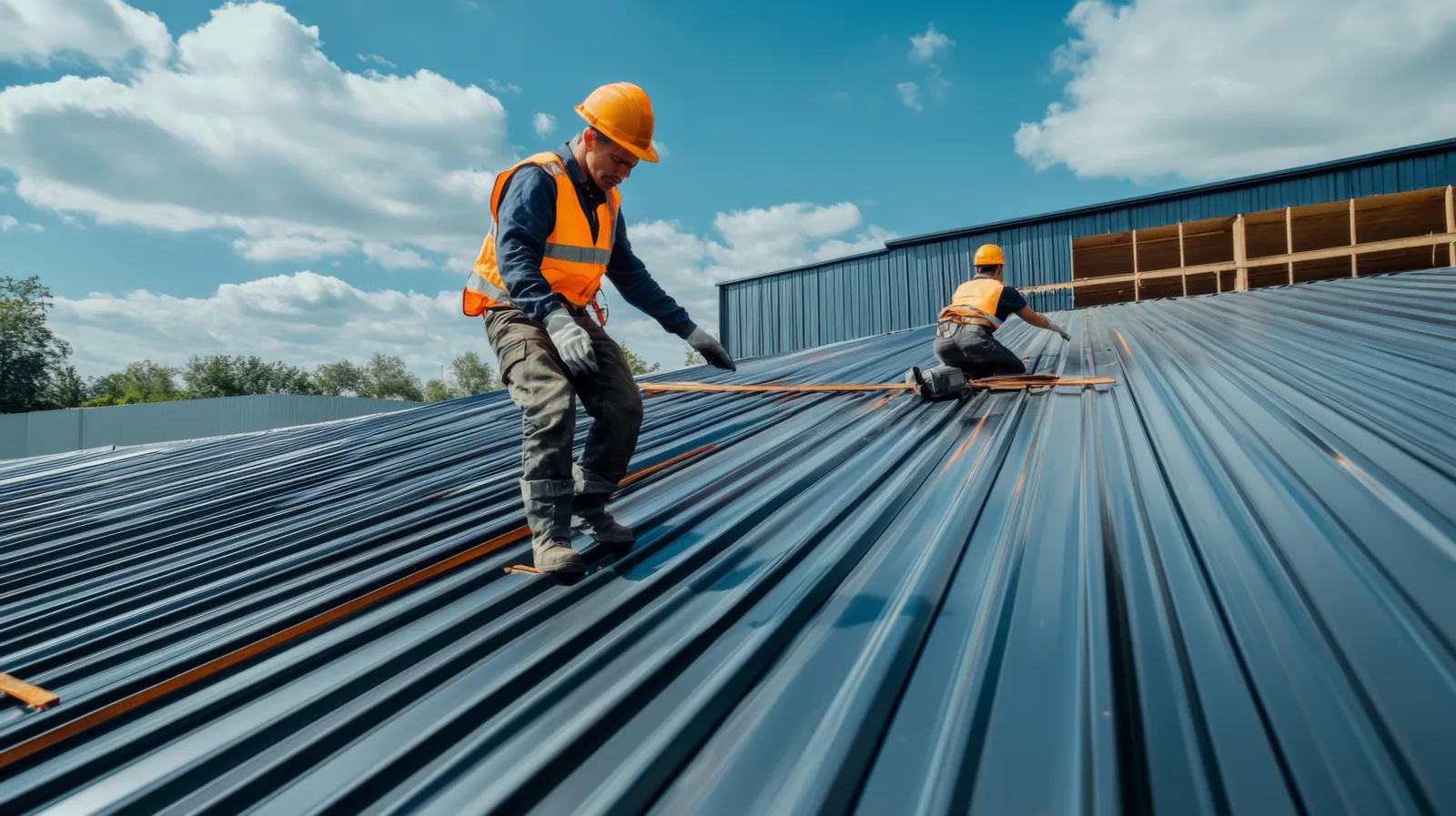
A water-based coating needs the conditions required for application and drying. We review the manufacturer's requirements for the surface, ambient conditions and anticipated exposure. Rain or unsuitable moisture conditions can affect the decision to proceed. The schedule needs enough flexibility to meet those requirements. A calendar commitment should not force material onto an unsuitable receiver. We establish work areas and stopping points that keep repaired details protected while application is completed.
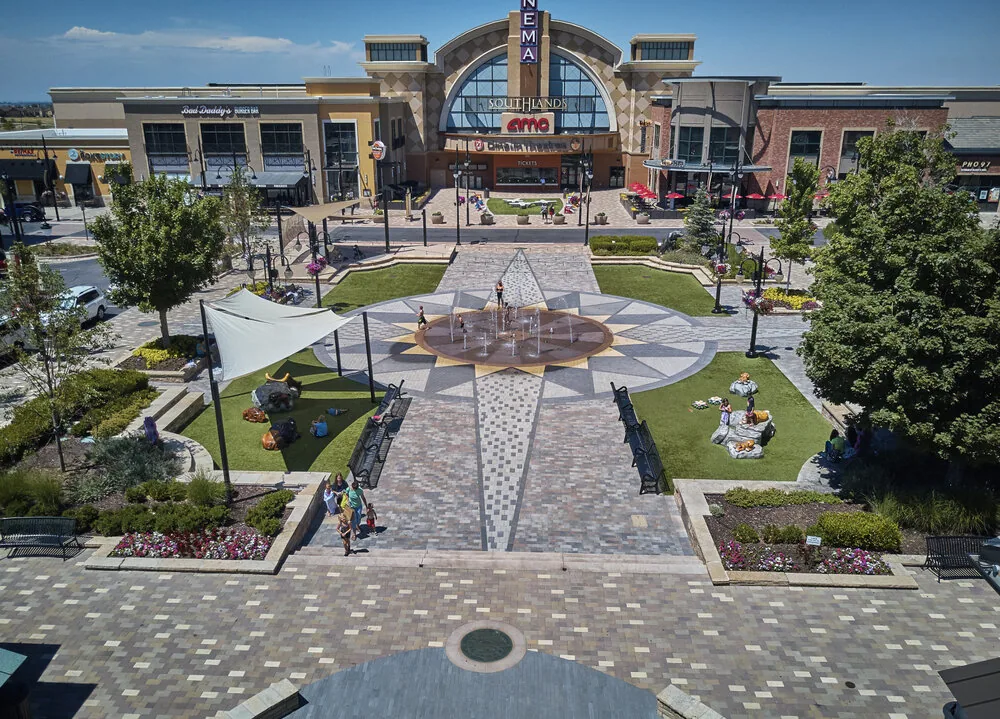
Coverage must be the coverage specified for the selected assembly. We review application methods and inspect completed work using appropriate checks. Thin areas and unfinished details need correction before closeout. Roof work above a shopping center needs protection for customers, vehicles and service access during preparation and application. We agree restricted areas and communication needs with the operator. Intake protection and equipment shutdowns require the appropriate authorization, rather than an assumption that roofing personnel control building systems.
The city adopted California standards with local modifications. We establish the actual reviewing authority, accepted application basis and precise coating or alteration scope. Energy compliance requires review of the applicable project route and exceptions. A reflective surface may contribute to that path, but the material's color does not resolve the entire approval decision. Retained construction and other proposed work need consideration alongside the coating characteristics.
Tasman East has an adopted framework near Tasman Drive and Lafayette Street. For the Tasman Drive and Scott Boulevard corridor, that gives planning context rather than evidence of completed roof work. We rely on the property records and examination to define the receiver. Roof capital decisions can then distinguish a suitable restoration scope from replacement. Ownership should see initial repairs, application requirements and future renewal duties in the same decision package.
An acrylic surface needs inspection after later equipment work or observed damage. We examine cuts, wear and loss of bond and determine the compatible repair. Service traffic may require designated protection. The closeout package should name the installed coating and appropriate maintenance requirements so future repairs do not use incompatible material. Relevant photographs help the manager identify treated areas and distinguish a new defect from construction intentionally retained.
Renewal timing follows condition and the selected system. It should not be assumed from a universal schedule. We check the surface and underlying details before proposing another application, then price repairs and cleaning separately where helpful. For acrylic roof coatings, define the work boundary. Track the acrylic roof coatings limit and remaining work. Safe access and the actual defect govern the initial action. Permanent correction can then address both the coating and any receiving component that caused the problem.
Acrylic coating screen: include drainage and weather conditions. Before approving an acrylic coating scope, check the existing roof's drainage, ponding history, surface condition and ability to receive the proposed system. Define preparation, repairs, reinforcement and application quantity, plus any test or adhesion review required by the product instructions. The project schedule must account for the specific application and curing conditions required for that system; do not assume a coating resolves drainage or concealed moisture. Compare the same substrate corrections and detail work across bids. The closeout should note the areas completed, materials used and maintenance restrictions so later work does not contaminate or damage the renewed surface.
Season check: Make the acrylic scope clear
Request a pre-season surface review and a plain bid sheet. We will define preparation, drainage needs and tenant protection for ownership approval.
Frequently Asked Questions
Application must meet the selected product conditions and drying requirements. We schedule work to satisfy those limits rather than treat an approaching rain period as a suitable deadline.
Appearance is only one finding. We examine bond, cleanliness, underlying condition and compatibility before recommending another application.
A savings promise needs a building-specific basis. We focus the proposal on suitable roofing work and evaluate energy requirements through the applicable approval path.
A loose receiving component needs physical correction. Reinforcement, where specified, protects a correctly prepared detail after that repair.
Concealed moisture, unstable layers or extensive deterioration can make restoration unsuitable. We explain those findings before ownership compares the alternatives.
Roof Assessments
Santa Clara & the South Bay
Membrane, flashing, drainage and edge details checked and written up before any work is priced.
Request a Roof Assessment