
- Home
- Roof Systems
- KEE Commercial Roofing
KEE Commercial Roofing in Santa Clara, CA
The regional heat of September 2022 coincided with voluntary Flex Alerts. For a property manager in Santa Clara, CA, does a proposed KEE roof address the complete assembly or just offer a reflective surface? We check the receiver, insulation, attachment and drainage before the material becomes an ownership decision. Heat context can prompt that review. The roof findings determine its scope.
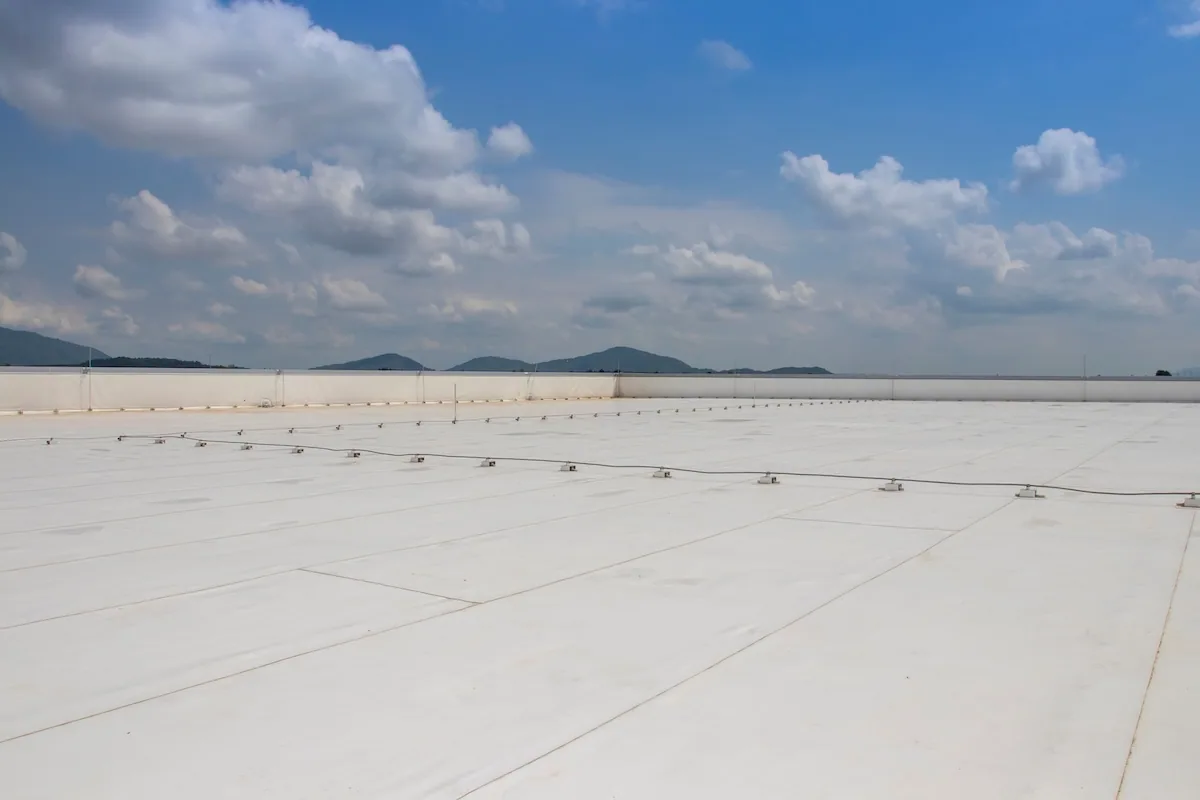
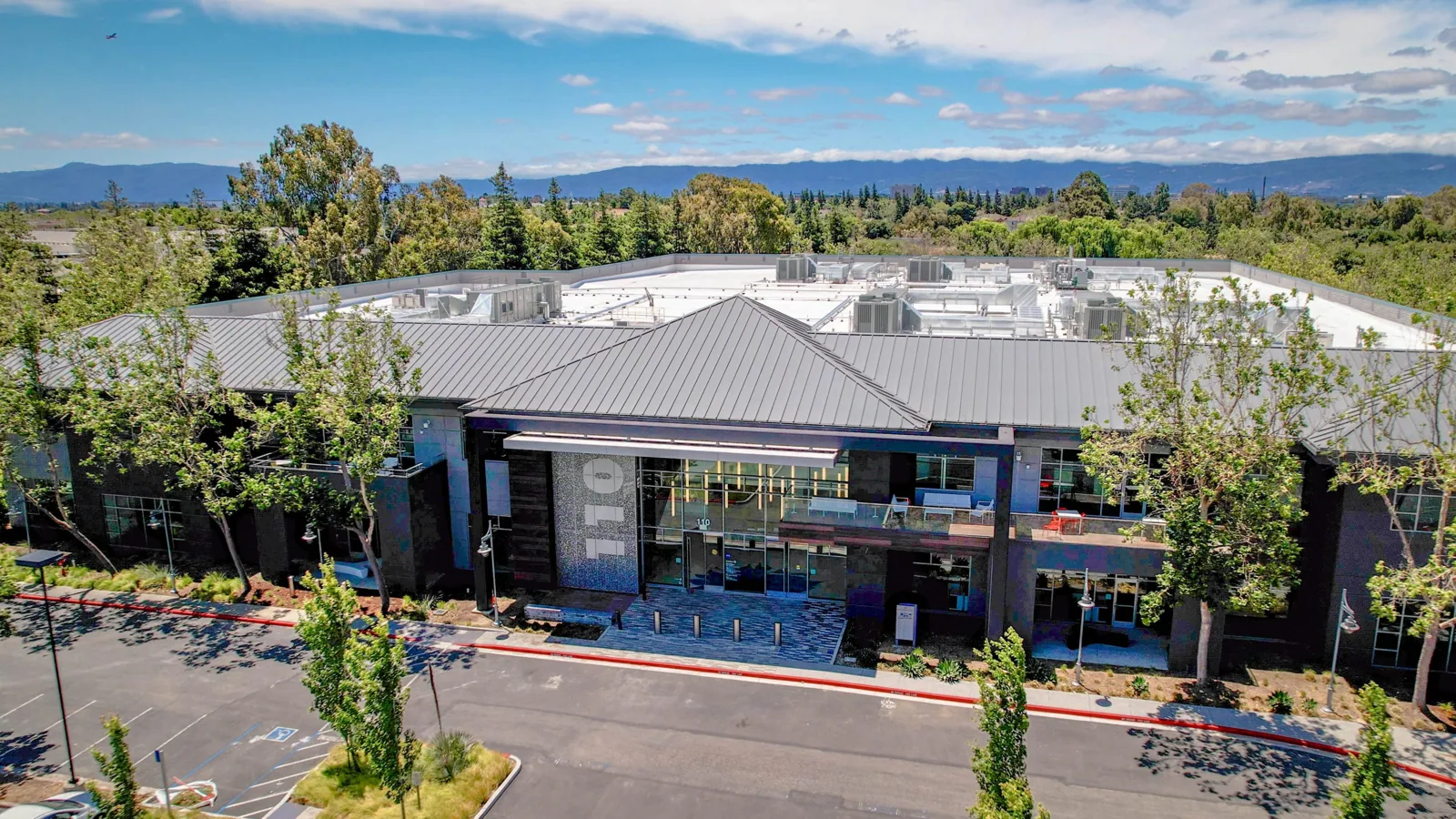
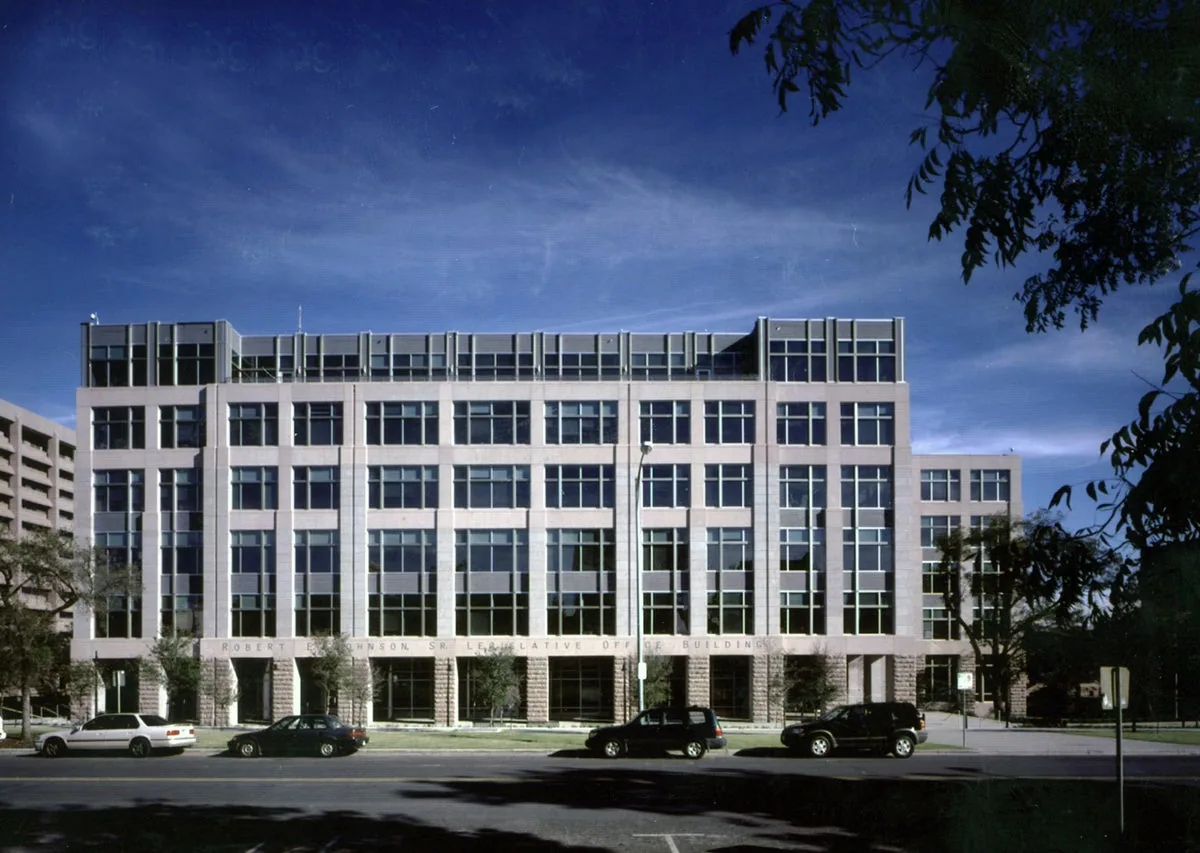
KEE modifies the membrane compound. The finished roof still needs correctly joined sheets, secure terminations and workable transitions at equipment. A smooth white surface cannot answer questions about concealed moisture. At the historical office and R&D development on Scott Boulevard, the local identity is useful for planning access and tenant communication. The actual building needs its own examination. We provide that examination, explain the available paths and put the differences on a bid sheet.
KEE Commercial Roofing: What the Work Covers
A KEE proposal should identify the membrane being furnished, its reinforcement and the approved assembly. Products described with the same material acronym can have different installation requirements. We check the manufacturer's instructions for the sheet, adhesives, fastening and flashing accessories. A substitute needs a compatibility review before it enters the work. The manager should receive a clear description of the material change and its effect on the assembly.
KEE and PVC membrane options can enter the same replacement discussion. That does not make their accessories interchangeable. Existing patches also deserve attention. We examine their bond, edges and connection to the original sheet. Chemical exposure from a rooftop process requires its own assessment. We compare the actual exposure with the selected product's published limitations. Neither the building's business address nor the membrane color establishes chemical suitability.
A soft area beneath an intact sheet can change a recover proposal. We examine accessible construction and use selective openings where needed to establish layer condition. Thermal moisture screening helps direct that investigation under suitable survey conditions. Its indications require interpretation and confirmation. Wet insulation is not something to hide beneath a new membrane. The bid identifies removals and how their limits will be established.
A stable, dry receiver may support a recover after the existing layers, attachment and permit limits are checked. A deteriorated deck, unsuitable surface or unacceptable layer arrangement can require removal instead. A TPO assembly comparison belongs beside KEE only after those common requirements are set. Otherwise one bidder may price a prepared receiver while another prices installation over unresolved defects. Put deck repairs, cover board and temporary protection beside the membrane choice. That makes the ownership comparison useful.
A membrane joint needs appropriate preparation, welding settings and inspection. We inspect completed seams with the method suited to the product and correct suspect joints before they are concealed. Dirty surfaces, unsuitable patches or poorly shaped transitions can prevent a reliable connection. The roof edge also needs restraint. We examine termination bars, coping connections and the condition of the wall beneath them rather than treating a bead of sealant as the entire detail.
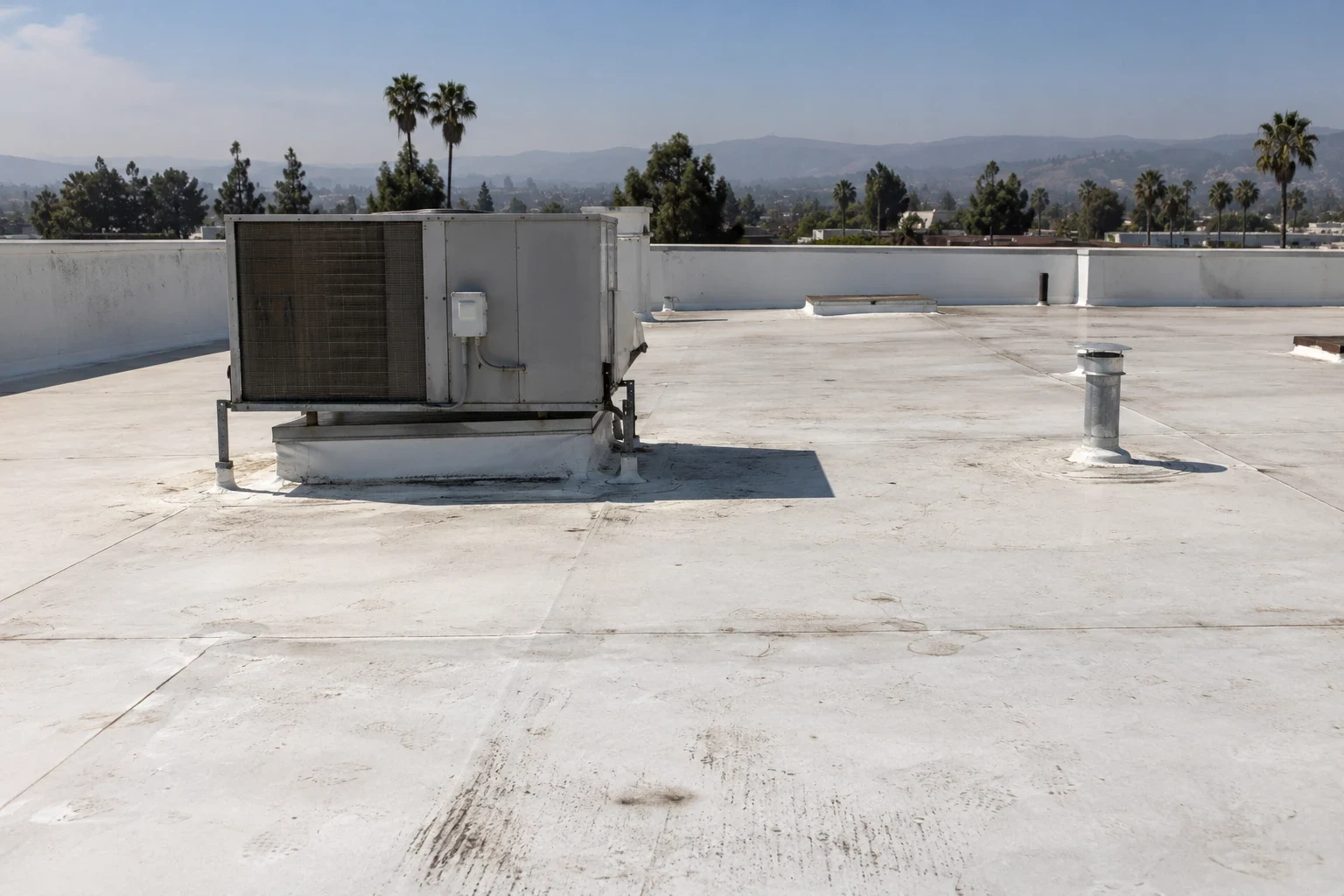
At a drain, the membrane must connect to the actual receiving assembly. We check the bowl, clamping components and surrounding surface. Correcting a failed flashing transition may involve more than adding sheet material. A raised curb, loose receiver or damaged component needs its own task. Water should reach the outlet without a new obstruction. Drainage alterations require design review where appropriate. Seasonal planning is a reason to examine these items, not proof that this building has an outlet defect.
Planning and Completing the Work
The city adopted California building standards with local modifications. For a KEE project, we establish the authority reviewing this property, the accepted application basis and the exact repair, recover or replacement scope. Those distinctions affect the approval path. Energy provisions also need a project-specific review of the applicable route and any exceptions. Reflectivity is a product characteristic; compliance concerns the proposed work and the relevant assembly requirements.
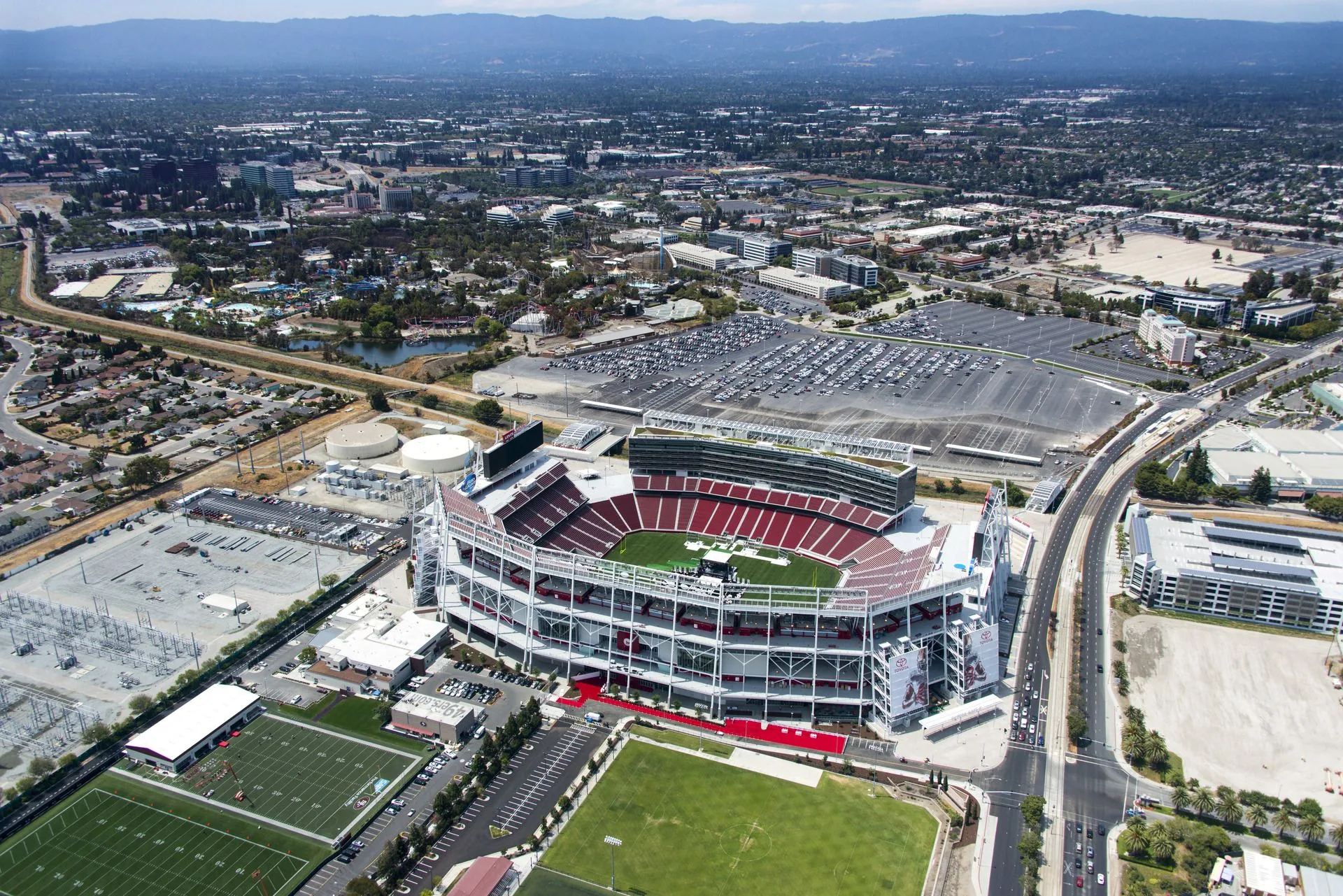
Near Lafayette Street and Tasman Drive, Tasman East is identified by its adopted planning framework. For work in the Tasman and Scott corridor, planning identity does not establish roof age or installed material. We reconcile available building records with field findings. A manager's approval package should distinguish the roofing price from design services, permit work and qualified trade tasks. Avoid a broad allowance that leaves all those decisions unresolved until the roof is open.
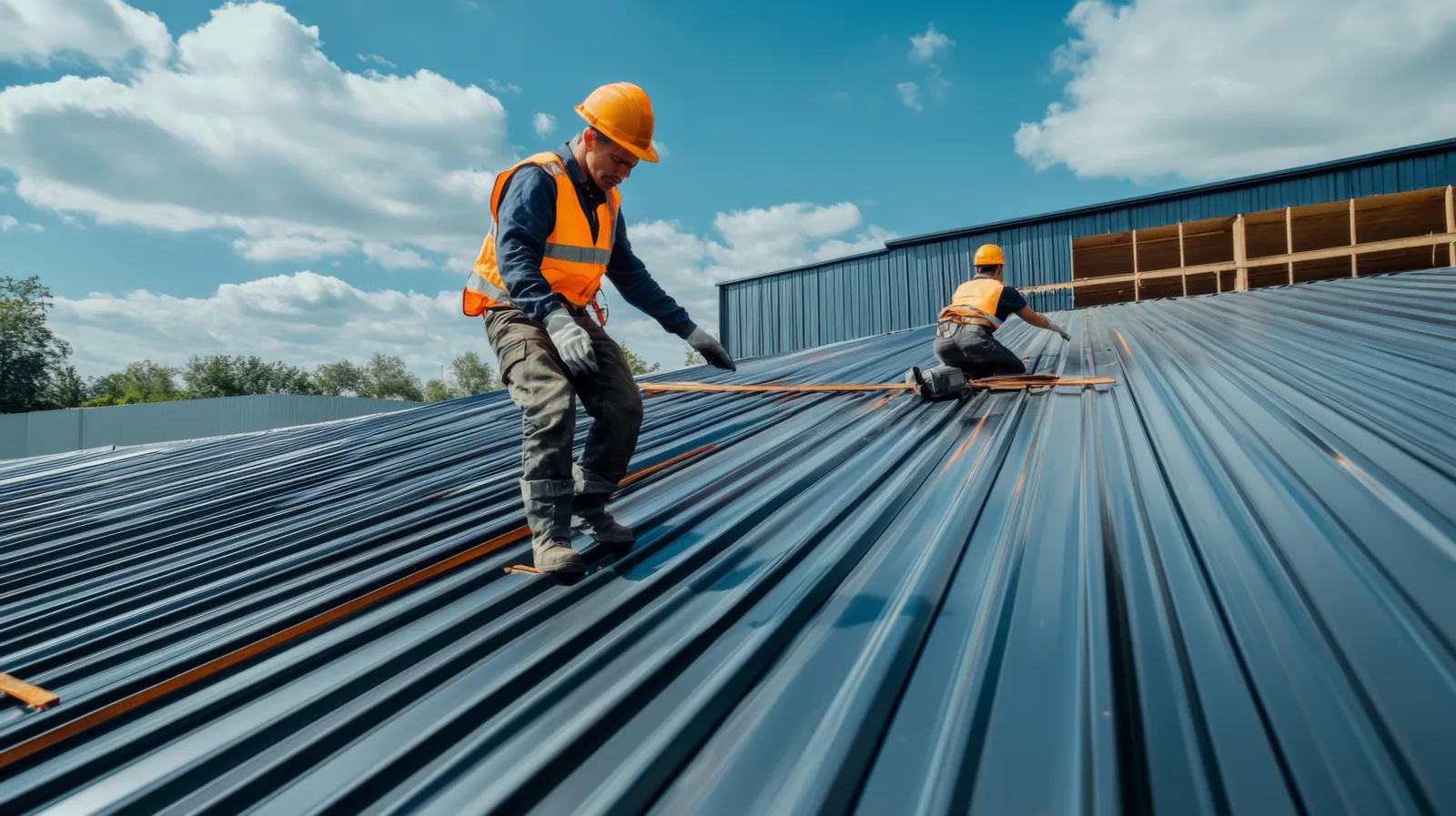
An occupied office requires a practical sequence. We agree roof access, material staging and pedestrian protection with the property representative. Adhesive use, ventilation concerns and sensitive operations need coordination before installation begins. Roofing for an office building also needs a route for tenant notices and a defined contact for interior concerns. Equipment shutdowns belong to the operator and the qualified trades, with authorization established before work.
Compare removal limits, deck allowances, perimeter details and inspection records together. Warranty fine print should identify the issuing party, required assembly, exclusions and maintenance obligations. We provide photographs of relevant concealed work and a clear closeout description. Afterward, service traffic should use appropriate protection. A pre-season check can look at outlets and detail condition without treating every visit as a replacement decision. For kee roofing, define the work boundary.
A replacement also needs an equipment plan before the existing sheet is removed. We identify supports, curb transitions and service routes that intersect the work. Equipment belonging to a tenant may require a separate approval contact. The manager should know which roofing details can proceed independently and which await trade work. We also examine roof access points and protection for materials moving across the surface. The bid states who coordinates those tasks and how unfinished areas receive temporary protection. This planning can reveal a missing part of the proposal without changing the membrane choice. Ownership then reviews a workable installation sequence alongside the assembly description and the defined preparation quantities.
KEE bid review: keep product and assembly separate. A KEE proposal should state the exact membrane and accessory products, reinforcement, thickness, attachment design, insulation and cover board. The polymer name alone does not establish the complete assembly or its suitability for every exposure. Confirm how the scope treats existing layers, substrate corrections, perimeter restraint, drains and roof transitions. If two bids use different preparation or attachment assumptions, ask for those differences to be priced and shown before comparing totals. The owner should also identify which party reviews structural capacity or design criteria when required. At closeout, retain product data, approved maintenance instructions and detail photographs with the roof plan so future repairs can be matched to the installed system.
Before rain season: Put KEE on a complete bid sheet
Arrange a roof check so ownership can compare KEE preparation and details while tenant access and budget decisions are still manageable.
Frequently Asked Questions
No. Insulation condition is decided separately. We establish wet or unsuitable areas and identify their removal before recommending a receiver for KEE.
A patch must be examined for compatibility, bond and shape. Unsuitable material comes out so the next transition meets the selected assembly requirements.
Color alone cannot settle that review. The authority, application basis, work scope, applicable energy route and exceptions all need consideration.
Compare preparation, deck exposure, attachment, drain connections and perimeter work. Each belongs beside its quantity or clearly defined allowance.
We compare the actual chemical exposure with the selected product limitations before proposing membrane and flashing materials. Unsuitable exposure can rule a product out.

Roof Assessments
Santa Clara & the South Bay
Membrane, flashing, drainage and edge details checked and written up before any work is priced.
Request a Roof Assessment