
- Home
- Commercial Roofing Services
- Infrared Roof Moisture Survey
Infrared Roof Moisture Survey in Santa Clara, CA
The late 2022 and early 2023 regional rain sequence gives a property manager a moisture question: what examination will support the insulation removal quantity? In Santa Clara, CA, the actual construction and survey conditions determine the method. Historic rainfall context does not establish wet material at a building. Infrared work can help identify thermal patterns worth investigating, but it does not automatically map every wet layer.
We define the intended survey coverage and the confirmation needed for a usable roof decision. The manager receives a record that separates indications, physical findings, and unresolved areas. Ownership gets a plain bid sheet connecting the examination to repair, recover, or replacement. That distinction matters before a removal quantity is accepted. A thermal image can guide the investigation; the supported assembly condition defines the construction. We explain both so the proposal remains understandable without overstating what the instrument established.
Infrared Roof Moisture Survey: What the Work Covers
Roof materials, layer arrangement, surface condition, and environmental history can affect the thermal response. The proposed method must suit the construction and the question being asked. Some roofs or areas may not provide a useful contrast under the available conditions. We evaluate those limits before promising a survey result. A reserved date alone does not establish the conditions needed for interpretation.
A roof inspection ahead of thermal work can identify relevant construction and access restrictions. A roof above refrigerated space may require different assessment because interior conditions affect the assembly's response. We use the actual building information to decide suitability. The bid states assumptions and the further examination needed if useful coverage cannot be obtained. Ownership then knows whether it is buying a supported survey task or an investigation option still dependent on conditions and construction information.
Equipment, walls, surface materials, and restricted access can limit what can be examined. We define the intended roof area and record the usable coverage obtained. A blocked or unsuitable area should not be silently included in a roof-wide conclusion. The manager needs to know where another method or later visit may be necessary.
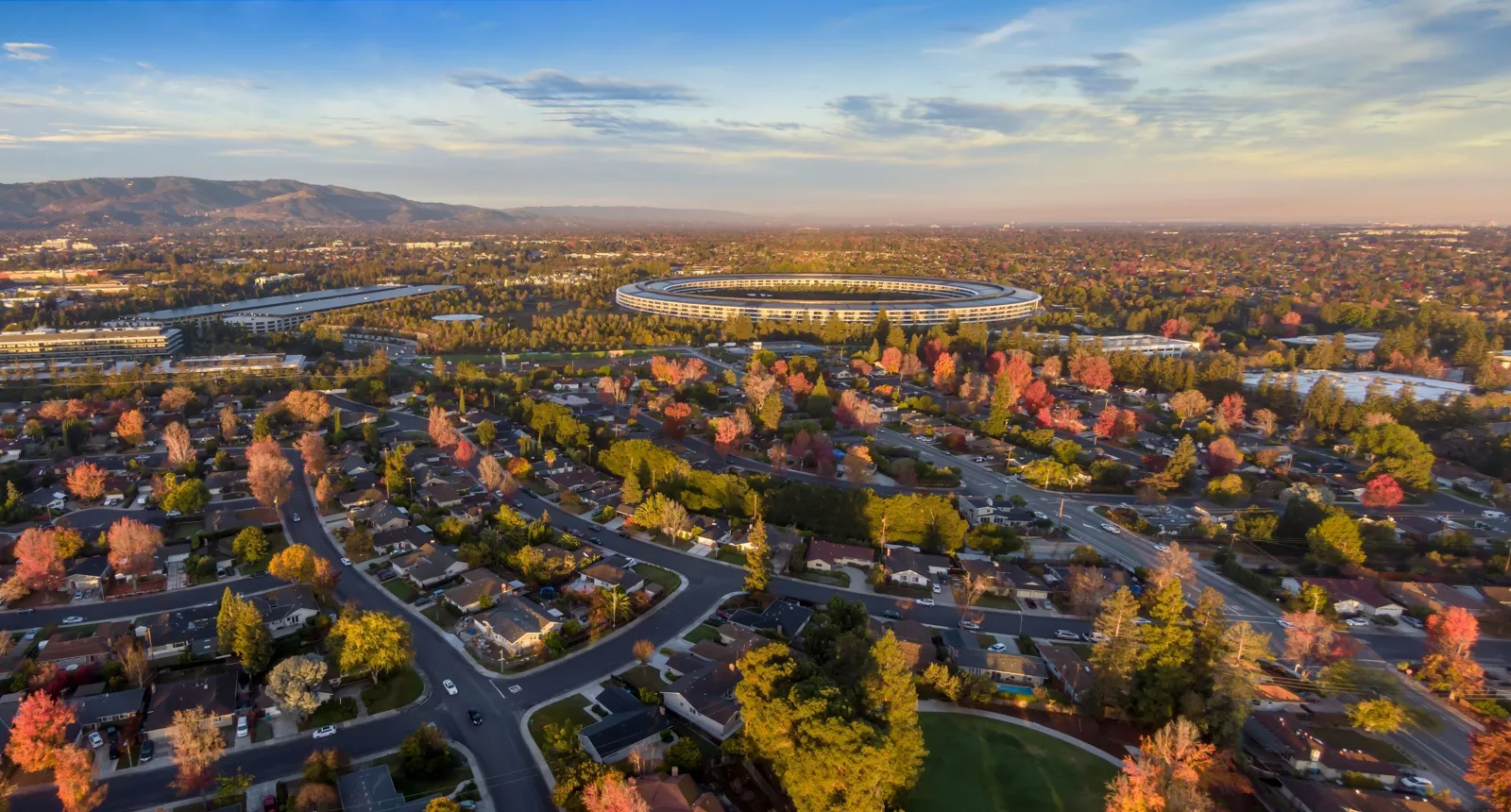
An office and R&D identity belongs to Scott Boulevard. Tasman Drive and Lafayette Street mark the local setting for the Tasman East planning framework. In the Scott Boulevard and Tasman Drive moisture survey area, those identities help locate the work, while the actual roof determines coverage. A roof serving a data center needs operator-specific permissions. We identify its access rules before planning the examination. The resulting report ties findings and limitations to the subject property rather than inferring an assembly from nearby development.
Thermal differences can have more than one explanation. Materials, thickness changes, heat sources, and moisture can affect the observed pattern. We describe relevant indications and avoid treating color contrast alone as a defect. Interpretation should be tied to the construction and survey conditions. The image belongs beside those details, not apart from them as an automatic removal map.
We identify the areas selected for further examination and the reason they merit it. Useful location references let the manager connect images to the roof. A thermal pattern may justify an opening without establishing the full extent of wet insulation. It also does not automatically identify the active entry point or the time water entered. Ownership receives those distinctions. The next decision can then follow the evidence, with confirmation tasks priced separately from permanent construction rather than concealed inside a broad recommendation to replace the roof.
Survey timing and surface conditions can change the temperature pattern being measured. Record the method, area, relevant weather context and instrument limitations, then compare indications with a roof plan. A suspicious pattern should lead to a targeted confirmation step, not an automatic removal quantity. If openings are authorized, mark their exact locations and record the layers actually exposed. Ownership can then review the image, confirming evidence and proposed repair together instead of treating a color difference as a moisture measurement. Keep installation and repair decisions separate until confirmation supports a method.
Planning and Completing the Work
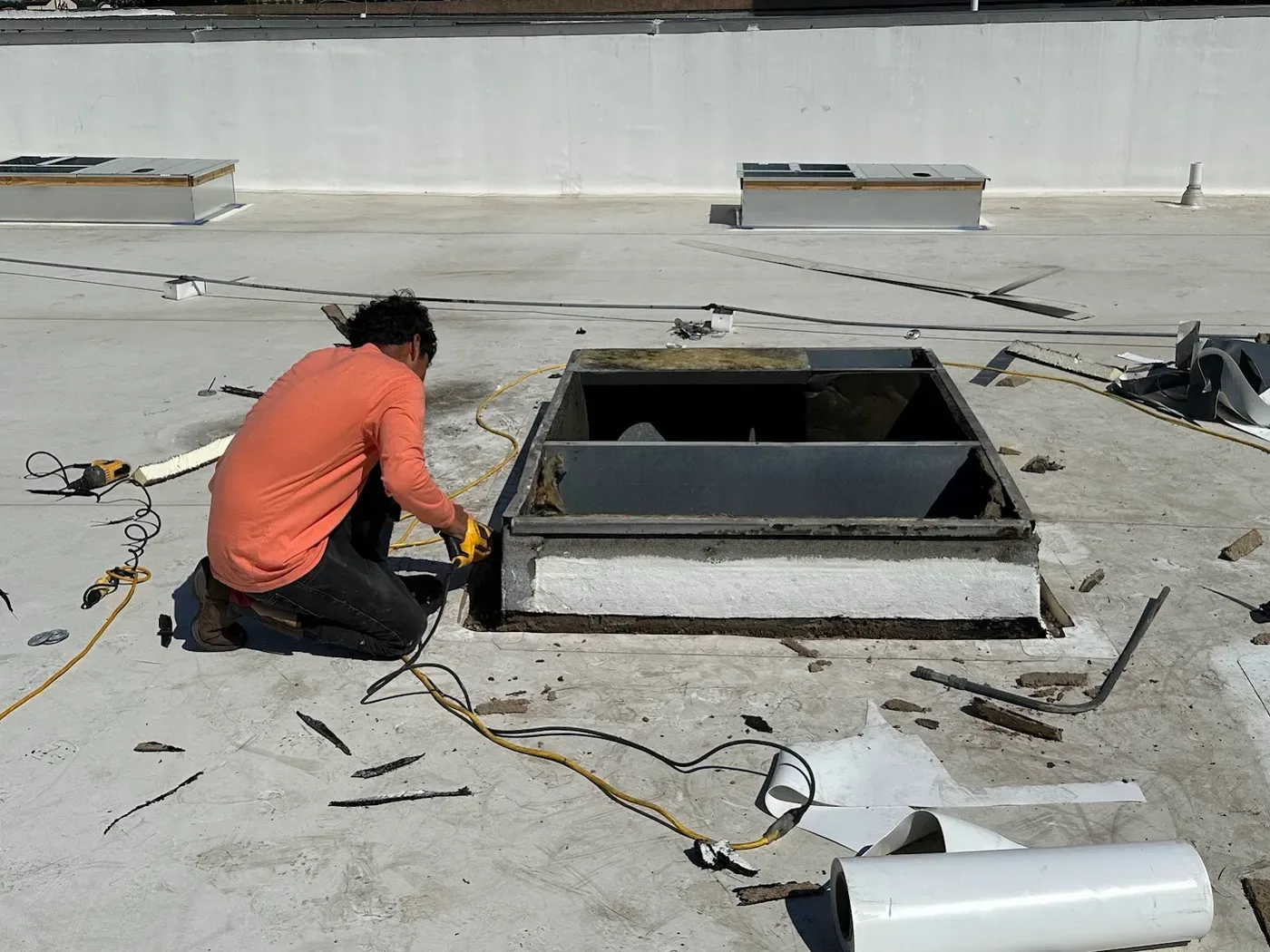
Appropriate physical confirmation can establish layers and condition at selected locations. The examination needs safe access, operator consent, and an assigned closure method. We state the purpose and limits of each opening. Findings at a location support conclusions within the relevant investigation boundary; they do not establish every concealed area without a justified method.
For a recover decision involving retained material, the confirmed condition can affect local removal or suitability. A repair option may require rebuilding the affected detail into the accepted assembly. The bid distinguishes indicated areas, confirmed findings, and uncertainty still requiring examination. We coordinate any design or qualified trade prerequisite. Ownership can then assess the retained construction with its limits visible, rather than interpreting a survey image as confirmation that every area outside the thermal outline is dry and sound.
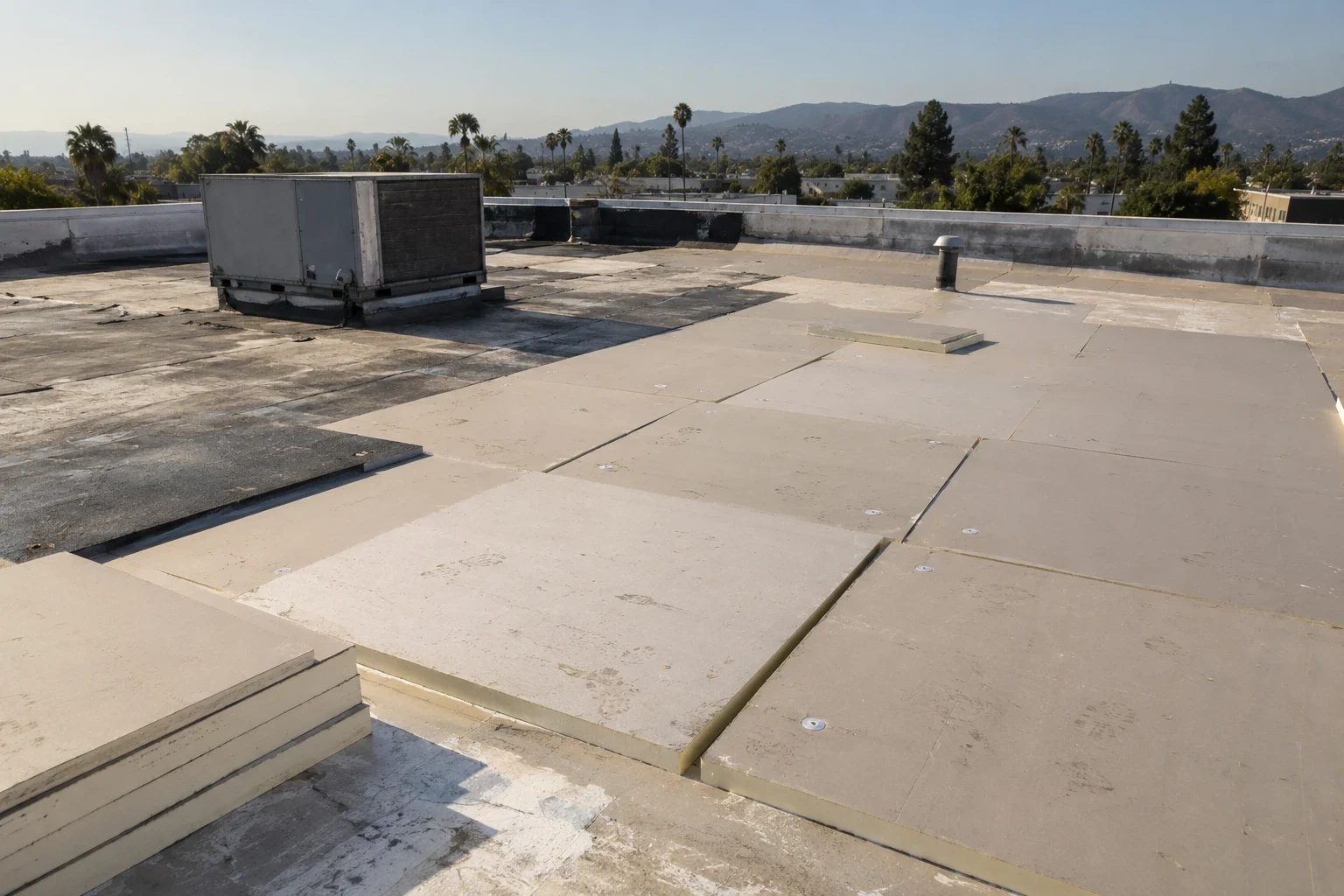
A proposed removal boundary needs the confirmed assembly information and the intended construction. Wet layers, deteriorated sheet, and damaged support can call for different corrections. We show what the examination established and why that finding supports the task. An unexplained shaded outline should not be the only description of a replacement quantity.
Our replacement scopes supported by assembly investigation identify known removal separately from concealed conditions handled through an agreed procedure. Localized work gets its own preparation and rebuilding detail. Added insulation or recover height can affect curbs and terminations, so the construction decision also needs interface review. The selected construction needs its own authority and application-basis review, with energy requirements and exceptions resolved for that scope. The survey informs that process; it does not settle every design or approval question required to install the new assembly.
The completed record identifies the method, relevant conditions, examined coverage, indications, confirmation locations, findings, and limitations. We connect the information to proposed next tasks. The manager can take ownership a repair or investigation request with the reason for it clearly stated. An unresolved area remains visible rather than becoming an implied condition assessment.
Later work should record any additional finding and update the construction boundary through the agreed review procedure. Completion photographs identify repaired openings and permanent details. Future season checks can compare accessible conditions against that record without assuming the original survey answered every concealed question. Ownership receives a practical basis for budgeting the next task. The instrument remains a useful investigation tool within that decision, with its limits preserved instead of turning an image into a blanket assurance about the roof.
Survey validation: confirm indications before pricing removal. An infrared pattern is a lead for investigation, not a measured quantity of wet insulation. We compare indicated areas with roof details, interior observations and suitable confirmation methods before defining removal. The owner should receive the method used, survey conditions, limits, and a marked area whose boundary can be reviewed in the field. Where confirmation requires a test cut, the authorization should name the location and restoration responsibility. This sequence helps avoid pricing a broad replacement from an unverified image while preserving a traceable basis for the repair or renewal decision.
Season check: price the confirmation as well as the survey
Arrange a pre-season moisture review with the assembly decision identified. Ownership will receive a plain bid sheet separating thermal coverage, confirmation, and supported removal.
Frequently Asked Questions
The pattern needs interpretation against materials and conditions, followed by suitable confirmation. We separate thermal indications from established assembly findings in the report.
Usable coverage and the investigation method set the limits. We identify unexamined or uncertain areas rather than treating the absence of a visible pattern as proof of every concealed condition.
It can guide moisture investigation under suitable conditions. Entry-point diagnosis may need separate detail examination or testing. We do not assign an active leak cause from the image alone.
For infrared moisture survey, define the work boundary. Safe conditions and access govern immediate measures. Temporary work and the permanent correction receive separate records.
Roof Assessments
Santa Clara & the South Bay
Membrane, flashing, drainage and edge details checked and written up before any work is priced.
Request a Roof Assessment