- Home
- Commercial Roofing Services
- Cool Roof Installation
Cool Roof Installation in Santa Clara, CA
Reflective-roof planning after September 2022's regional heat and Flex Alerts needs an explained construction scope in Santa Clara, CA: what does the proposed option actually include? A surface rating is only part of the answer. Ownership also needs the condition of the existing assembly, the preparation work and the applicable energy requirements. We inspect those items before placing a cool-roof option beside another roofing bid.
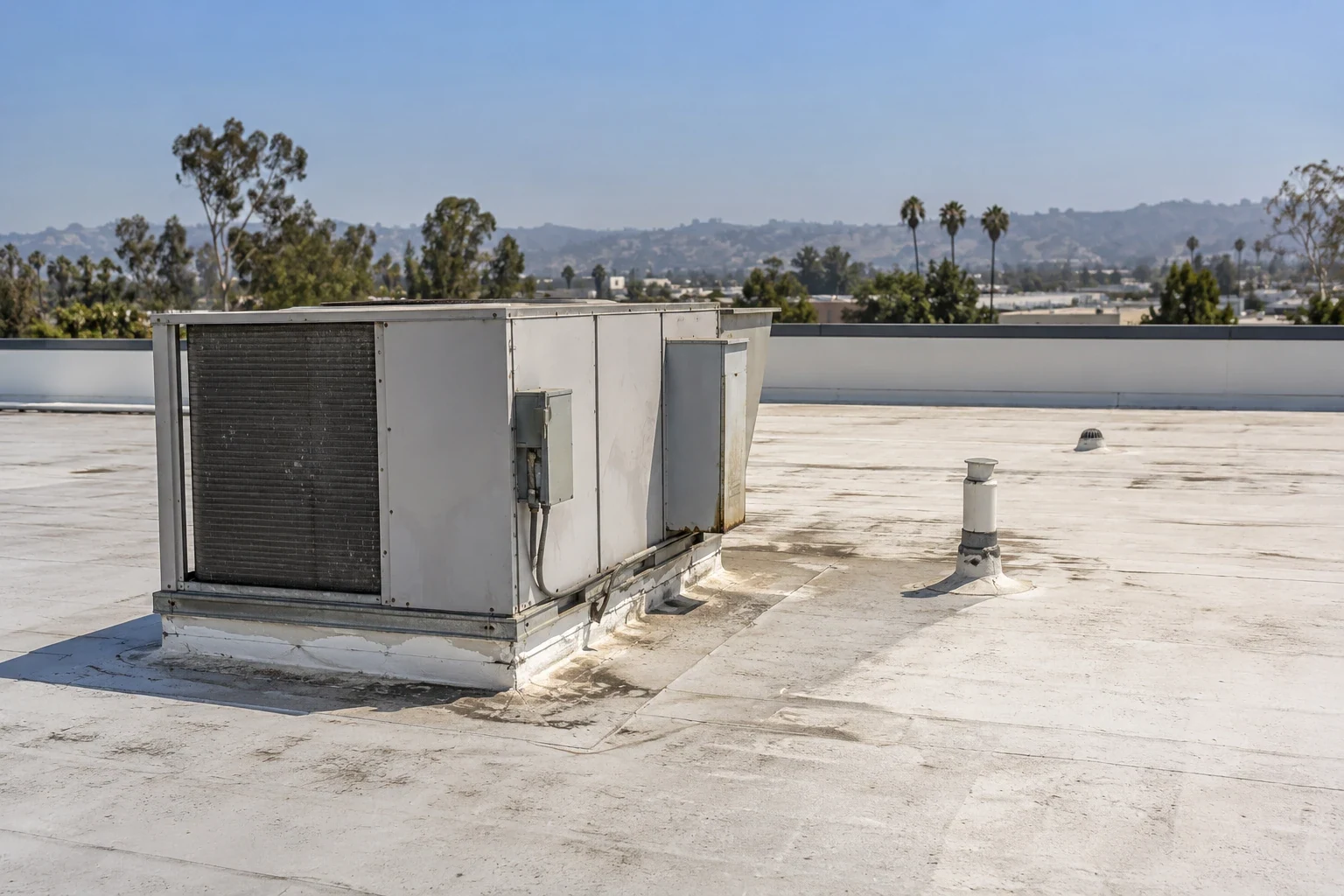
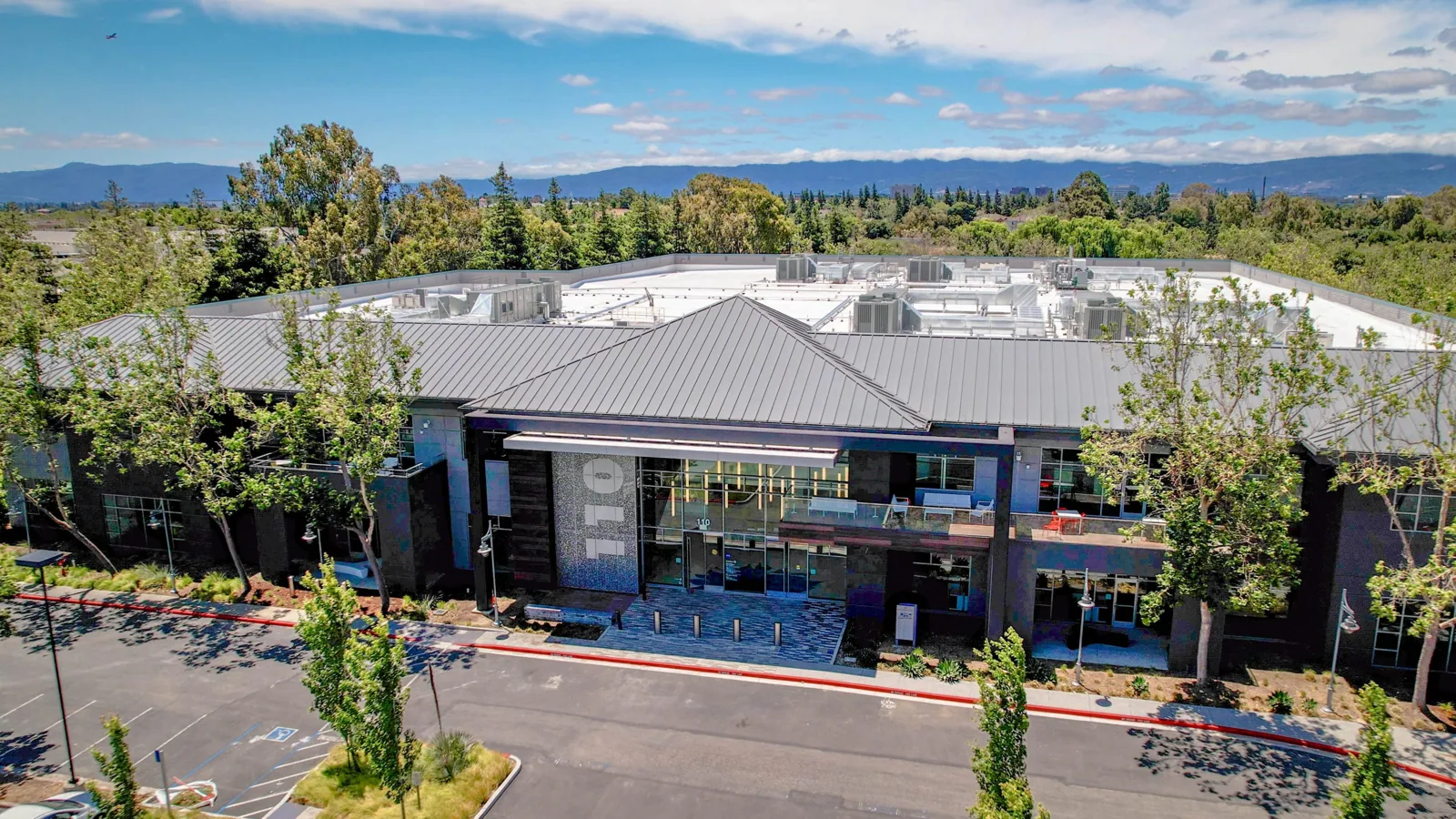
A reflective roof can reduce absorbed solar heat at its surface. That does not establish a particular cooling bill or indoor temperature for your property. Insulation, ventilation, building use and mechanical systems influence the result. The office and R&D history of Scott Boulevard employment area supplies a Santa Clara commercial setting for this assessment. The building being reviewed supplies the thermal and roof information for the decision.
Cool Roof Installation: What the Work Covers
A white membrane and a reflective coating are different construction choices. One may replace the waterproof layer. The other may restore a suitable existing assembly after repairs. We examine substrate condition, moisture and compatibility before recommending either. Painting over an unsound roof does not correct trapped water or loose attachment. Ownership should see the required preparation beside the selected surface.
A reflective TPO membrane assembly needs compatible flashing and a designed attachment method. A coating needs an eligible substrate, adhesion preparation and the specified application conditions. We identify those differences in the bid sheet. Membrane thickness or coating coverage should describe the actual selected system, rather than stand in for the entire roof specification.
Surface appearance alone cannot establish compliance. The relevant product ratings, listed assembly and required documentation must match the project. Dirt accumulation and maintenance can affect reflectance over time. We identify a suitable maintenance approach without promising that every bright roof produces the same energy outcome.
A soft area under foot can require further investigation. We examine accessible roof condition and use suitable moisture assessment where it helps define the scope. Wet insulation needs a stated removal boundary. Hidden damage may require authorized openings. The bid should distinguish measured quantities from allowances so ownership knows which uncertainty remains.
Restoration with a compatible roof coating may be a practical option where the assembly remains suitable. Its scope still needs seam corrections, penetration work and drainage review. A coating over the field does not automatically renew every curb or coping joint. We separate those repairs from surface preparation and record the selected materials.
An additional roof layer raises different questions. Existing layers, attachment, moisture, loading and the authority's requirements determine whether recovery is eligible. We compare a proposed roof recover with removal using the actual conditions. Retaining an unsuitable assembly to reduce the initial demolition line can leave ownership with an incomplete project.
Santa Clara adopted the 2025 California building standards with local modifications. The authority handling the actual property, accepted application basis and proposed work determine the applicable requirements. A roof alteration, a recovery and new construction may follow different compliance paths. Exceptions also need review. We identify the project basis with the design and permit team rather than attach one universal reflectance value to every building.
The owner needs to know whether the proposal includes energy documentation and any required insulation work. We describe that responsibility in writing. A product that carries useful ratings does not, by itself, demonstrate that the whole project follows the required path. The permit package and installed scope must agree.
Near the intersection of Lafayette Street and Tasman Drive, Tasman East supplies an adopted planning reference for development decisions. Planning considerations can influence future building decisions, but the actual construction proposal establishes roof requirements. For property work along Tasman Drive and Scott Boulevard, we confirm the specific authority and submission basis before ownership compares the roofing alternatives.
Planning and Completing the Work
An outlet set above a low spot remains a drainage concern beneath a reflective finish. We examine field slope, discharge points and the area around curbs. Standing water needs a supported diagnosis. Cleaning an outlet, rebuilding a connection and altering slope are different tasks. The bid must identify which condition is being corrected.
The late December 2022 to mid-January 2023 regional storms provide a planning reminder to review drainage before rain season. They do not establish the condition of any particular roof. We assess drain and scupper corrections from the inspected construction. Roof preparation should preserve usable outlets throughout the work, with temporary protection that does not create another blockage.
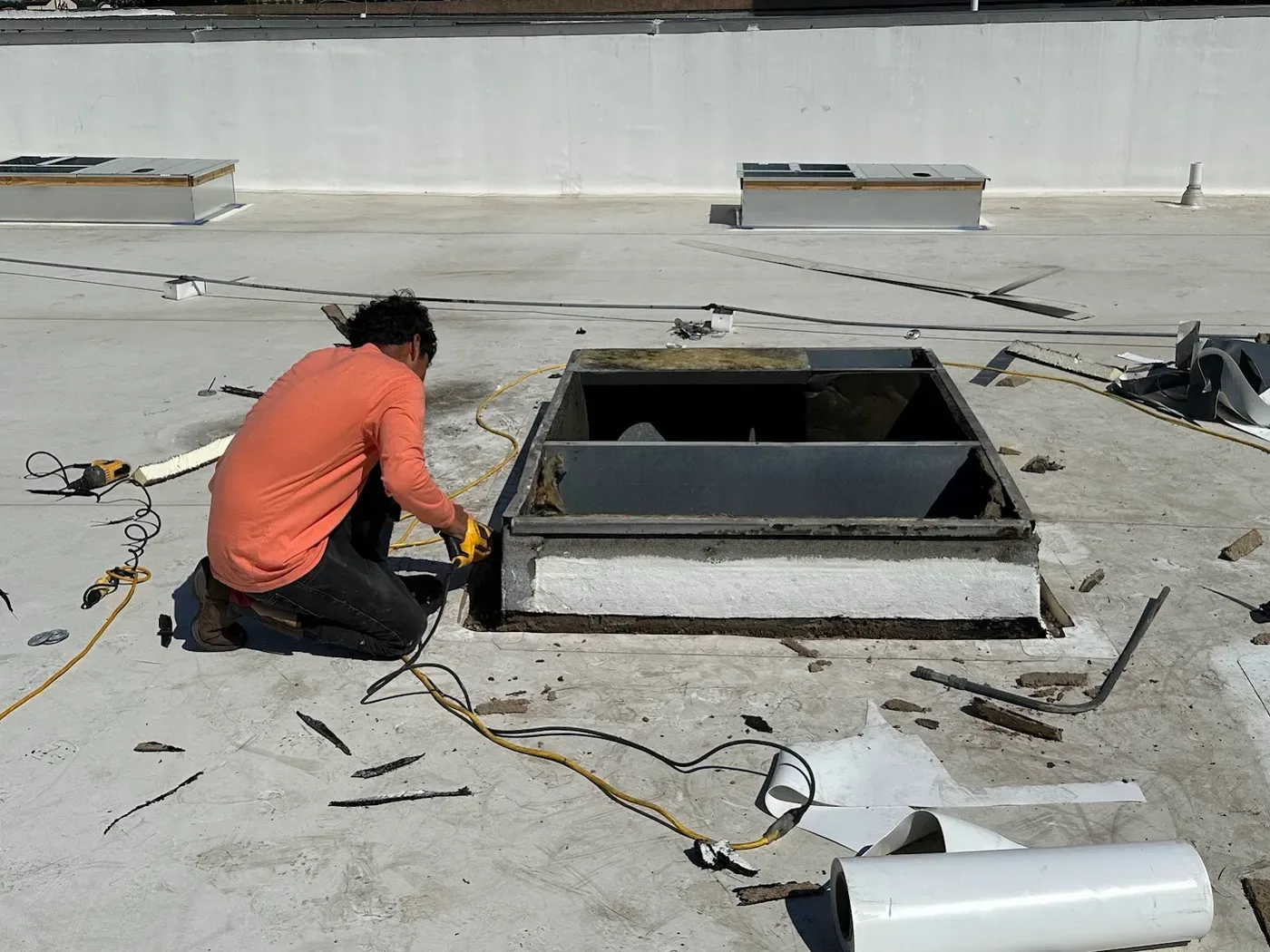
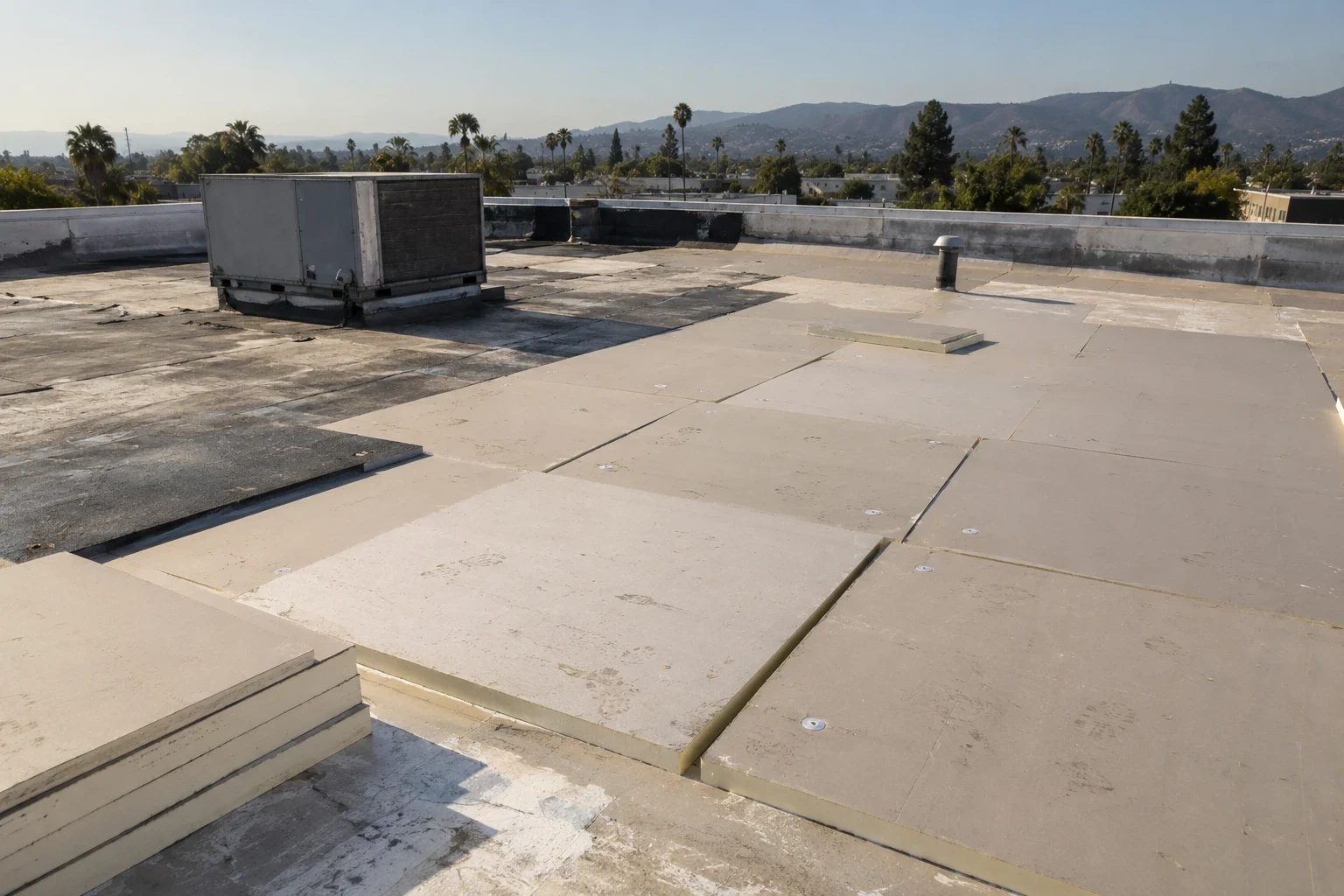
Added insulation can change curb height and edge details. A roofing scope for occupied offices also needs tenant protection while those transitions are rebuilt. We coordinate access, material handling and any authorized equipment interruption. The reflective surface is installed after the required substrate and detail work are ready.
A complete proposal separates demolition, substrate repairs, insulation, waterproofing and reflective performance documentation. We identify exclusions and the conditions behind any allowance. A cheaper option may omit a required detail rather than offer the same finished assembly at a lower cost. Ownership needs that distinction before selecting a bid.
Compare attachment and edge work as carefully as color. We evaluate the roof deck and the chosen system's requirements. Design questions go to the responsible professional. The selected method may require testing or review of existing construction. We describe those tasks before treating the attachment scheme as settled.
Capital planning for the roof investment should include repairs that remain outside the selected surface option. We give the manager a clear approval package, including photographs and decision points. A surface upgrade that leaves an unresolved wet area or failed flashing connection belongs with those limitations stated.
A surface reflectance value describes a product property, not the building’s full energy performance. Compare roof options using the proposed assembly, insulation, drainage, interior use and documented maintenance requirements. If ownership wants an energy estimate, the appropriate design professional should state the assumptions and method. Keep that analysis separate from the installation scope and its measured quantities. The roof contractor can still confirm that the selected surface and accessories meet the project specification without promising a bill reduction that the construction proposal cannot substantiate.
A completion file should identify the product and installed assembly. It should also show the completed flashing, outlets and accepted inspection items. We retain that record so future service work can use compatible materials. Maintenance instructions should suit the roof and safe access conditions, rather than default to aggressive cleaning that could damage the finish.
Season checks focus on deposits, seams, penetrations and drainage. Cleaning methods need approval for the installed product. A reflective roof still requires repair when the waterproof layer is damaged. Report traffic-related scuffs or equipment work promptly so the affected area can be examined before another rain period.
Budget reviews become clearer when surface upkeep and assembly repairs have separate descriptions. We help the manager present both. That distinction protects the intended installation and gives ownership an informed basis for the next maintenance authorization.
Review the reflective roof option before approval
Book a pre-season assembly check. We will prepare a plain bid sheet showing surface choices, required repairs and tenant planning for ownership.
Frequently Asked Questions
No specific indoor result can be promised from the roof surface alone. We evaluate the roofing assembly; mechanical and building conditions need their own review.
Suitability comes first. Moisture, adhesion, material compatibility and required repairs determine whether coating is a credible option.
The selected product and assembly must follow the applicable project path. The actual authority, submission and any exceptions need confirmation.
Higher insulation or altered membrane details can affect flashing height. We measure those transitions and include the required adjustment.
Preparation and assembly corrections belong in the project. Later cleaning, inspection and localized repairs should be described separately.
Roof Assessments
Santa Clara & the South Bay
Membrane, flashing, drainage and edge details checked and written up before any work is priced.
Request a Roof Assessment