
- Home
- Industries We Serve
- Logistics and 3PL Roofing
Logistics and 3PL Roofing in Santa Clara, CA
Repeated regional storms from late December 2022 into January 2023 make a logistics manager ask a concrete question: where could roof work interfere with receiving during the next rain period? In Santa Clara, CA, we resolve that question against the actual building and freight schedule. Historic weather sets a planning priority. It does not establish water entry at a warehouse or determine the size of its replacement.
A logistics roof bid needs more than a material choice. Loading doors, yard movements, storage areas, and roof access can limit the work sequence. We examine the roof and ask the operator to identify protected freight and permitted interruptions. The resulting bid sheet shows the repair limits alongside those restrictions. Ownership can then compare a local correction with a wider reroof without losing the handling constraints that affect both. The operation gets a sequence it can review before a construction date is accepted.
Logistics and 3PL Roofing: What the Work Covers
A material lift near a loading position can displace a truck movement even when roof work stays outside the building. We establish lifting positions, exclusion areas, and waste routes with the operator. A staging plan must account for roof loading and ground access. We do not treat an available parking space as approval to store roofing material there. The assigned authority must accept that use.
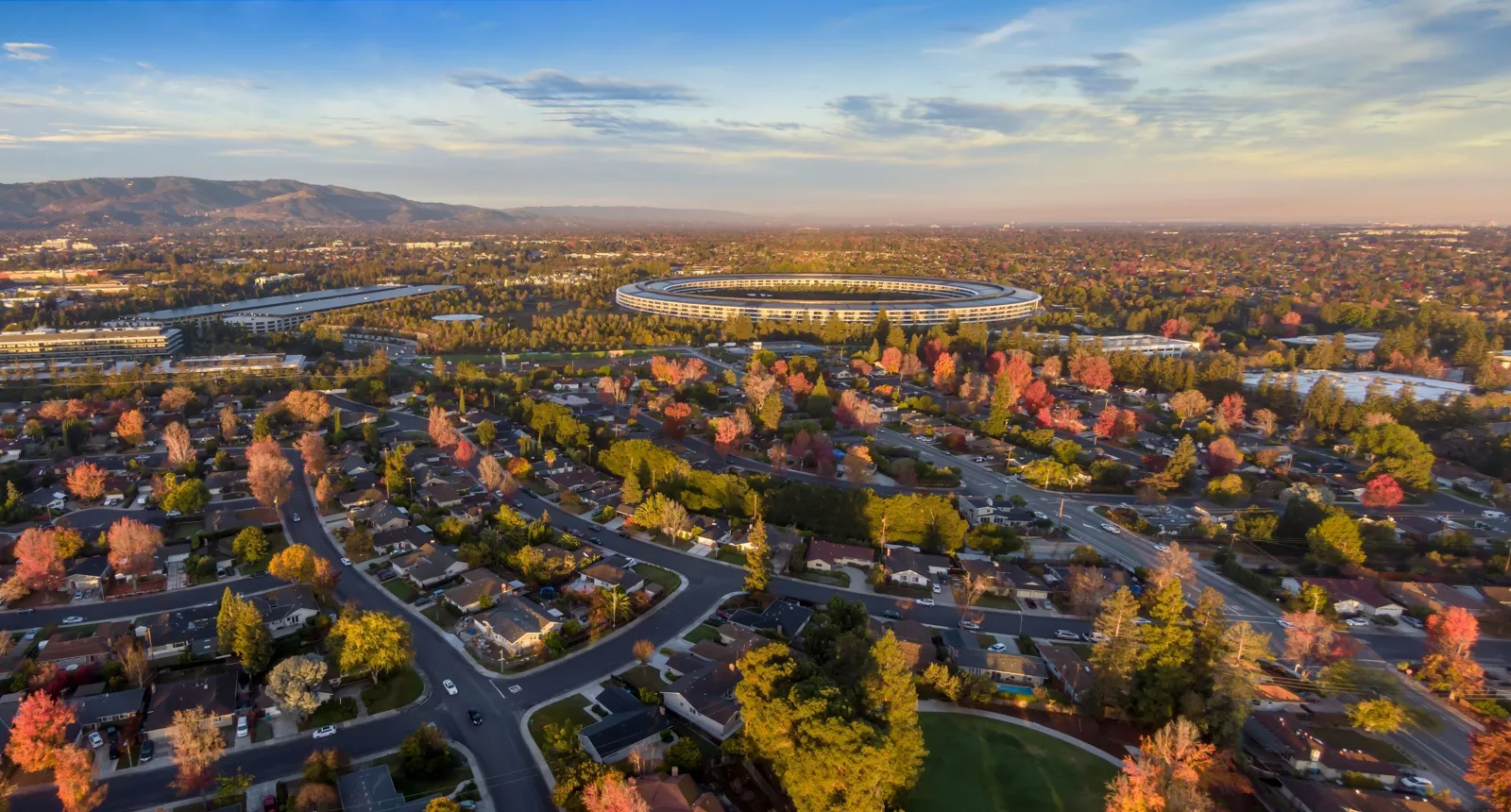
Scott Boulevard has office and R&D development. Tasman East has a planning framework near Tasman Drive and Lafayette Street. These different Santa Clara settings reinforce the need to confirm the actual property arrangement, rather than assuming a standard freight yard. For work within the Tasman Drive and Scott Boulevard corridor, we identify the access rules at the work address. Coordination with manufacturing operations receiving freight can add handling restrictions. We include them where they apply, with responsibility for releasing the work area clearly assigned.
A stain above stored goods calls for immediate interior protection and investigation. It does not define the full roof removal area. We trace accessible roof details and examine the assembly for moisture. A survey can identify areas worth opening. Physical confirmation and assembly conditions then support the removal proposal. The scope explains where examination was possible and where an obstruction left uncertainty.
For distribution facility roof work, the removal stage needs an approved method for protecting goods below. We identify roof openings, possible falling debris, and the closure requirements before starting. Wet insulation cannot be priced as a cosmetic sheet repair. A dry area also should not be removed solely because it falls inside a large outline on a drawing. We show the evidence for the boundary and a clear procedure for newly exposed conditions. That gives purchasing staff a basis for comparing quantities.
Debris at a drain is visible. A failed membrane connection or restricted downstream pipe needs a separate diagnosis. We examine the roof-side condition and identify plumbing work where needed. Changing the roof surface does not automatically correct the pipe below it. Drain cleaning, connection repair, and changes to slope should not appear as one vague drainage allowance.
Our roof outlet repairs specify the task at each affected outlet. We check surrounding flashing and the path water takes toward the outlet. Equipment supports and previous patches may redirect that flow. Any slope correction must fit the assembly and available heights. We also define who clears accessible debris after construction, since a shipping operation can have separate building and tenant maintenance responsibilities. A photograph of the final outlet condition and the assigned upkeep task gives the manager a useful record for the next season check.
Planning and Completing the Work
A removal area must be small enough to close under the approved daily plan. We review the forecast, material handling limits, substrate work, and permitted shifts before choosing that area. Limited loading access can reduce production even on a dry day. A bid that assumes unrestricted delivery can understate the time required. We place those logistics limits beside the sequence so they can be reviewed before award.
Roof work coordinated by a general contractor managing the overall schedule also needs defined release points between trades. Deck repairs may need approval before insulation follows. A mechanical change can hold a curb detail open. We identify each dependency and the temporary closure needed if it is delayed. Longer work duration, repeated setup, and protection changes affect cost independently from membrane thickness. Ownership should see those drivers without having to interpret a single total and an unexplained list of exclusions.
A repair proposal should identify the seam lengths, flashing details, and confirmed wet-material removal. Replacement needs its own description of deck preparation, insulation, attachment, perimeter work, and outlet treatment. We make conditional items explicit. A hidden deck defect is handled differently from a quantity known before award. Clear unit treatment or an agreed change procedure prevents the unknown area from swallowing the base scope.
The actual jurisdiction and application basis govern permit review. Proposed work must also follow the applicable energy path and its exceptions. We establish those requirements for the accepted scope rather than assuming a surface replacement has the same obligations as a full assembly change. Planning the roof expenditure works best when access, removal, and permanent construction appear in the same decision. A manager can then recommend the option supported by the building condition and the freight restrictions.
At completion, we record the roof stage boundaries and any areas retained under the approved repair scope. The operator gets the access restrictions needed for future service visits. Ownership receives completed details and unresolved items separately. A maintenance visit should not require staff to reconstruct which drain belongs to which party or whether temporary work was made permanent. That record helps keep receiving activity and roof upkeep from creating conflicting instructions during the next rain season.
Receiving staff also need the approved daily access changes.
Network planning: align roof phases with tenant and receiving windows. A logistics operator can make roof scopes easier to compare by mapping each work phase to the building, dock zone, route and operating contact affected. The site team sets receiving and tenant constraints; the contractor describes staging, debris movement, access and weather closure. Keep shared-building responsibilities visible where the operator does not control the roof or adjoining systems. If a schedule change adds mobilization or protection, tie it to an approved phase change and record its operational basis. property group summaries should distinguish a verified roof condition from an access restriction or tenant request so network leaders can prioritize work accurately.
Season check: keep receiving in the scope
Schedule a pre-season logistics roof check. We will prepare a plain bid sheet with loading restrictions, repair quantities, and closure stages for ownership.
Frequently Asked Questions
Only under the approved exclusion and movement plan. We establish the affected positions with the operator. A lift may require a temporary change to receiving even when the building remains open.
We separate confirmed removal from areas needing further examination. The bid states the investigation limits and the agreed treatment for additional conditions exposed during work.
The roof-side repair and downstream plumbing are identified separately. Where pipe work is needed, the qualified plumbing scope must be assigned before the roof detail is closed.
For logistics 3pl, define the work boundary. The operator supplies safe access and freight protection instructions. Permanent repair follows the roof examination.

Roof Assessments
Santa Clara & the South Bay
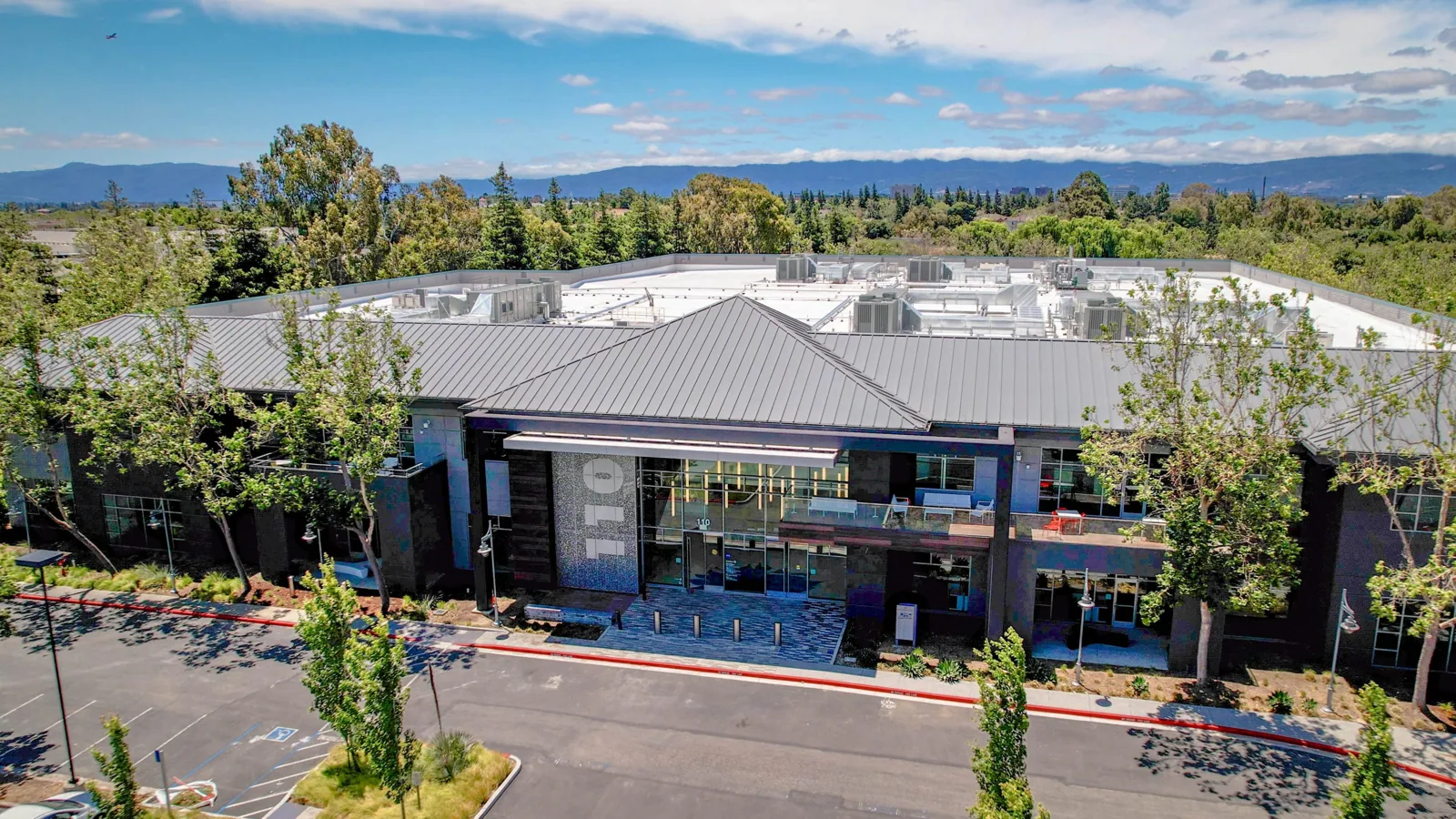
Membrane, flashing, drainage and edge details checked and written up before any work is priced.
Request a Roof Assessment