- Home
- Service Areas
- North San Jose
North San Jose Roof Scopes for Occupied Properties
During the regional storms spanning late December 2022 and mid-January 2023, repeated rain provided a useful planning lesson: does your North San Jose scope identify the outlet task before it prices a broad roof repair? Confirm the actual condition first. Our commercial roofing service based in Santa Clara, CA, examines the building, discharge route and receiving layers so a manager can approve a proportionate correction.
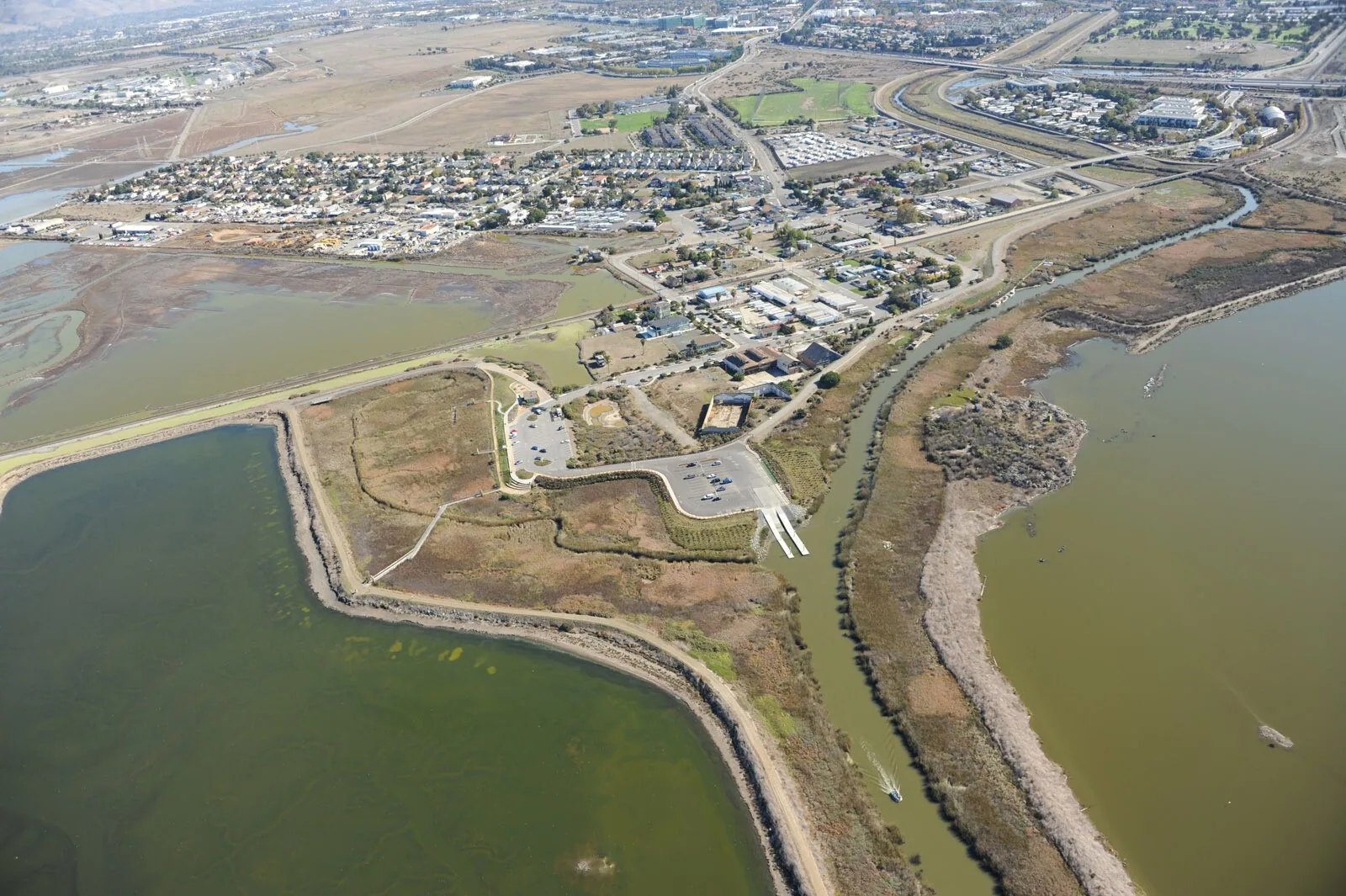
Interstate 880 forms the south and east sides of the city-defined North San Jose area; State Route 237 lies to its north. Those boundaries locate the district. They do not describe a particular roof or establish the authority for its alteration. A commercial property there needs its own construction record, operator release and applicable review. We separate regional scheduling context from the condition evidence that supports the actual work.
North San Jose: What the Work Covers
An outlet can be obstructed while another part of the roof holds water for a different reason. We examine the flow path and visible roof-to-outlet connection, then identify further investigation as needed. Accessible debris can support a cleaning task. A damaged flashing connection, local slope issue or suspected concealed piping problem requires a different correction. Do not let one maintenance description absorb all of those responsibilities.
Our drain and scupper repairs identify the opening and surrounding preparation. A proposed slope change needs review of retained insulation, supporting conditions and discharge design. If a test is appropriate, coordinate the method and protection for receiving spaces. Regional storm history is not evidence that this building experienced a leak or that its outlet is undersized. The actual finding and necessary design review should establish the repair quantity. A complete bid makes each of those steps visible.
Interstate 880 and State Route 237 help define the city's North San Jose planning area. A planning boundary does not establish the age, roof assembly or present use of a property. We identify the requested building and scope before selecting the investigation. Published development policies are also different from an approval for roofing construction. Confirm the actual authority and permit requirements applicable to the proposed alteration.
A manager scheduling nearby work in North First Street corridor or Alviso should retain individual property records. A common district name is not a common access release. Each inspection needs marked work areas, accessible findings and stated limits. Ownership can then compare the particular tasks instead of accepting one roof assumption across a district. Where the building identifier or authorization remains unresolved, establish it before relying on that property in a priced construction sequence.
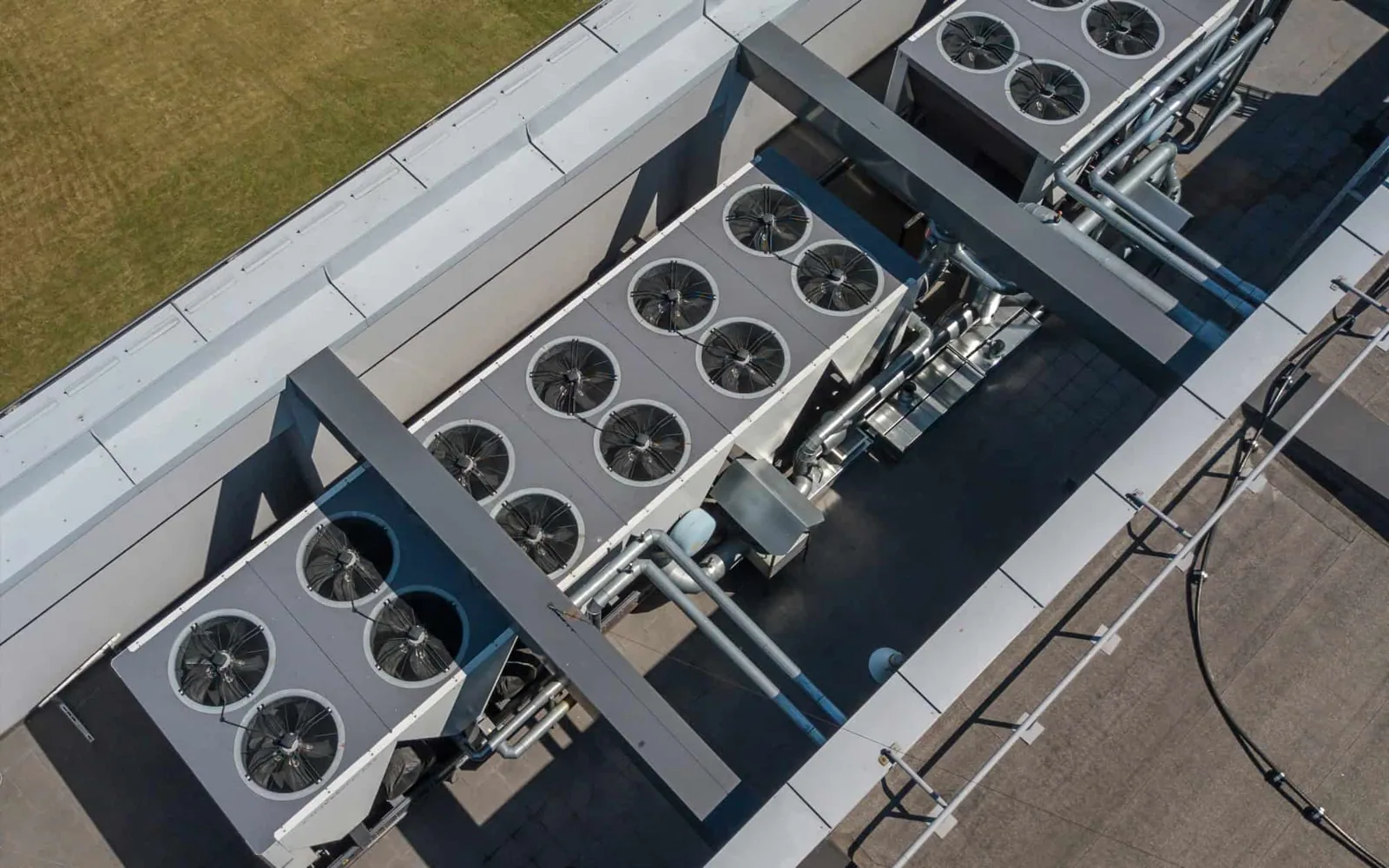
A roof serving equipment may need inspection around curbs, supports and service penetrations. The actual arrangement determines the task. We examine fastening, flashing height, movement and the receiving material. If equipment must be lifted, isolated or relocated, authorized personnel and any required design review need to be assigned. Roof access does not authorize interruption of an operating system. The operator's current requirements decide the release.
For curb and support corrections, the roofing detail should be priced separately from equipment work. Identify the sequence, temporary closure and acceptance contact. September 2022 regional heat and voluntary Flex Alerts are a reason to review scheduling, not proof of this property's equipment operation. A proposed night task can still have a shutdown restriction. State that dependency before ownership compares a total that assumes the equipment remains available throughout the work.

Planning and Completing the Work
A membrane defect can be visible while the condition beneath it remains uncertain. We examine the accessible surface and choose additional methods when the repair decision depends on concealed layers. A suitable thermal moisture investigation may direct confirmation under appropriate conditions. Temperature differences need interpretation and suitable follow-up. They do not establish every layer or provide an automatic removal quantity.
If sampling is authorized, identify the location, construction question and compatible closure. Record what the opening actually establishes. The price should distinguish confirmed removal from a provisional concealed-condition allowance. A manager needs the measurement basis and approval point for any extension after exposure. Additional evidence may justify a wider boundary; a single indication should not silently become a whole-roof assumption. This keeps the budget connected to what the investigation supports and makes later adjustments easier to review.
A recovery proposal retains part of the existing construction. That retained material must support the selected system and permitted design. We examine attachment, layer condition, drainage and transition heights before treating recovery as an alternative. A new surface can change relationships at curbs, edges and outlets. Required modifications belong in the initial scope. Unsound or wet retained material may make another intervention more appropriate.
For roof recovery work, specify retained layers and preparation. A replacement option should identify the removal extent and receiving surface to be restored. A localized repair can be suitable when the condition evidence supports its boundary and method. Compare these options using the same building findings. The lower total may retain a different amount of construction or omit necessary detail work. Ownership should see that difference before approving a material choice or assuming that the proposed scopes are equivalent.
A production room, office or tenant entrance can require protection if it lies beneath the work. The operator identifies the actual use and allowed removal period. We define the roof zone, staging and closing method within that release. The workday must allow time to close openings and inspect affected details. A large daily removal quantity is inappropriate if the access arrangement cannot support its safe completion.
For reroofing during building use, show the temporary tie-ins and operational dependencies beside the installation quantity. Equipment personnel retain responsibility for authorized shutdown and restart. For north san jose, define the work boundary. Immediate protection has a stated boundary. Permanent work follows the established findings and required approvals. The manager receives a clear account of which exposure was addressed and which repair remains, rather than an ambiguous emergency completion claim.
A repair recommendation needs a location and a reason. Our roof condition reports connect photographs and examination limits to the proposed task. Include access, disposal, receiving-layer preparation and concealed-condition approvals in the bid sheet. Separate optional changes from the work required to finish the selected detail. Confirm permit and warranty dependencies for the actual property rather than import another city's approval basis.
At final review, inspect the repaired transitions and affected outlets. Match the completed work to the original roof marks and record limitations that remain. Operator acceptance of equipment or occupied spaces may be a separate step. The next pre-season visit can then revisit the completed details and unresolved examination tasks. Ownership receives a specific maintenance decision with a useful record behind it, while the manager keeps tenant protections and remaining budget exposure visible.
North San Jose check: prepare the ownership decision
Schedule the district property check and receive a plain bid sheet for its actual roof. Connect each repair quantity to the actual building, tenant protections and required approvals.
Frequently Asked Questions
Building records and field examination establish the assembly. A planning area describes location, not the roof being priced.
Interpret the indication and confirm the relevant layers. The quantity needs evidence appropriate to the proposed removal boundary.
Examine the affected transitions first. Added roof thickness may require detail changes that belong in the recovery scope.
Confirm the authority for the actual North San Jose property and task. The service location does not decide the approval basis.

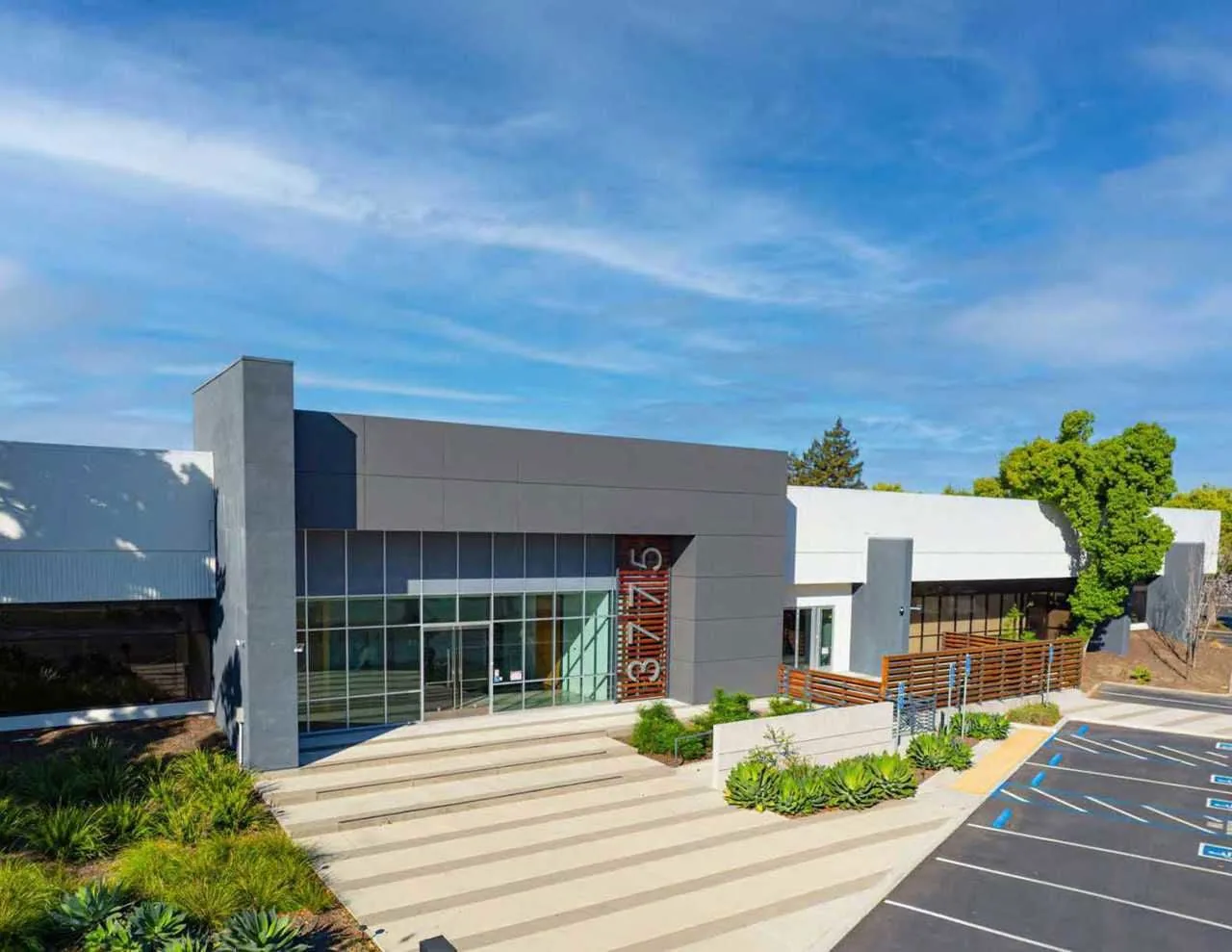

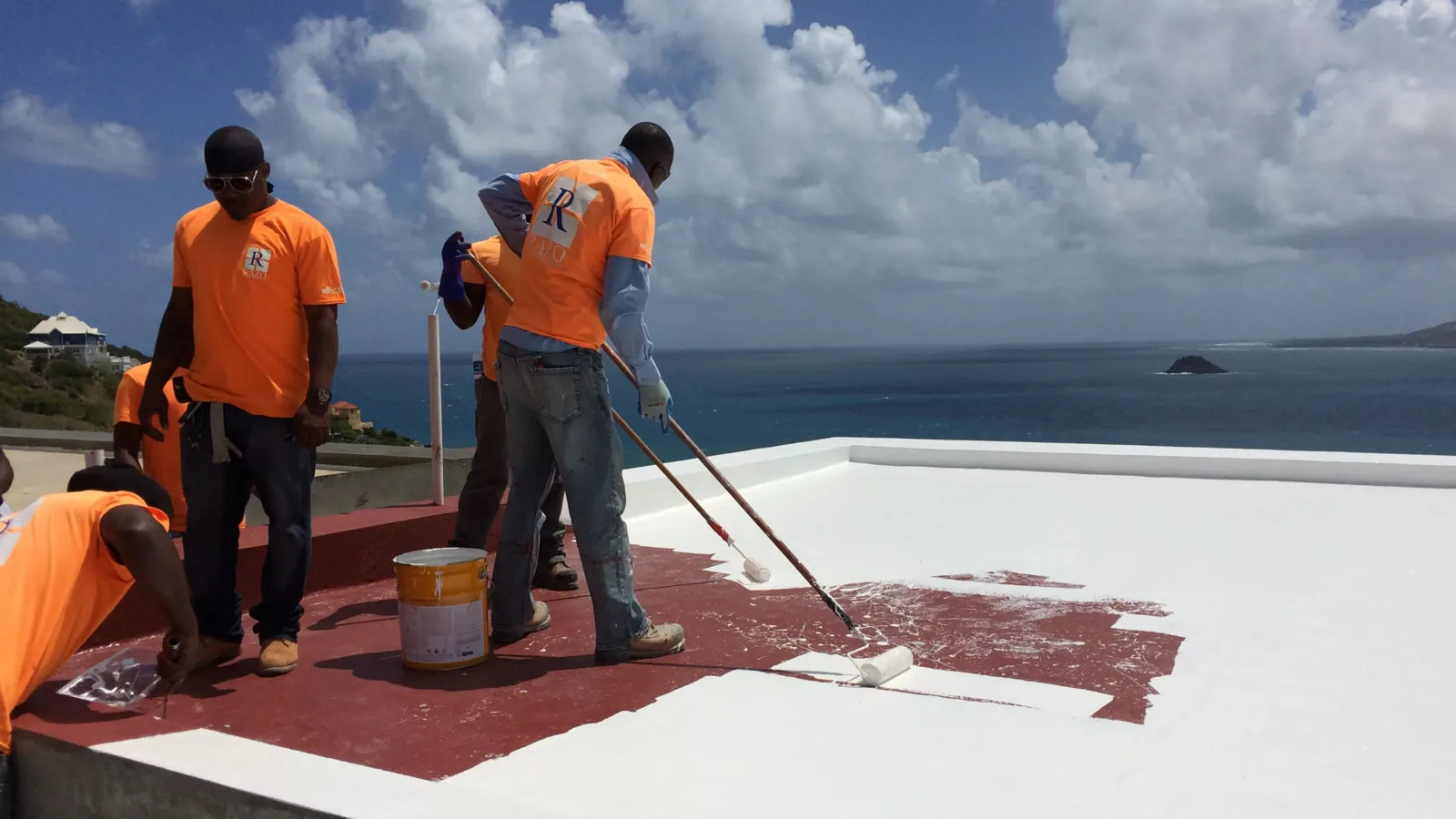
Roof Assessments
Santa Clara & the South Bay
Membrane, flashing, drainage and edge details checked and written up before any work is priced.
Request a Roof Assessment