- Home
- Roof Damage Repair
- Wind Damage Roof Repair
Commercial Wind Damage Roof Repair in Santa Clara
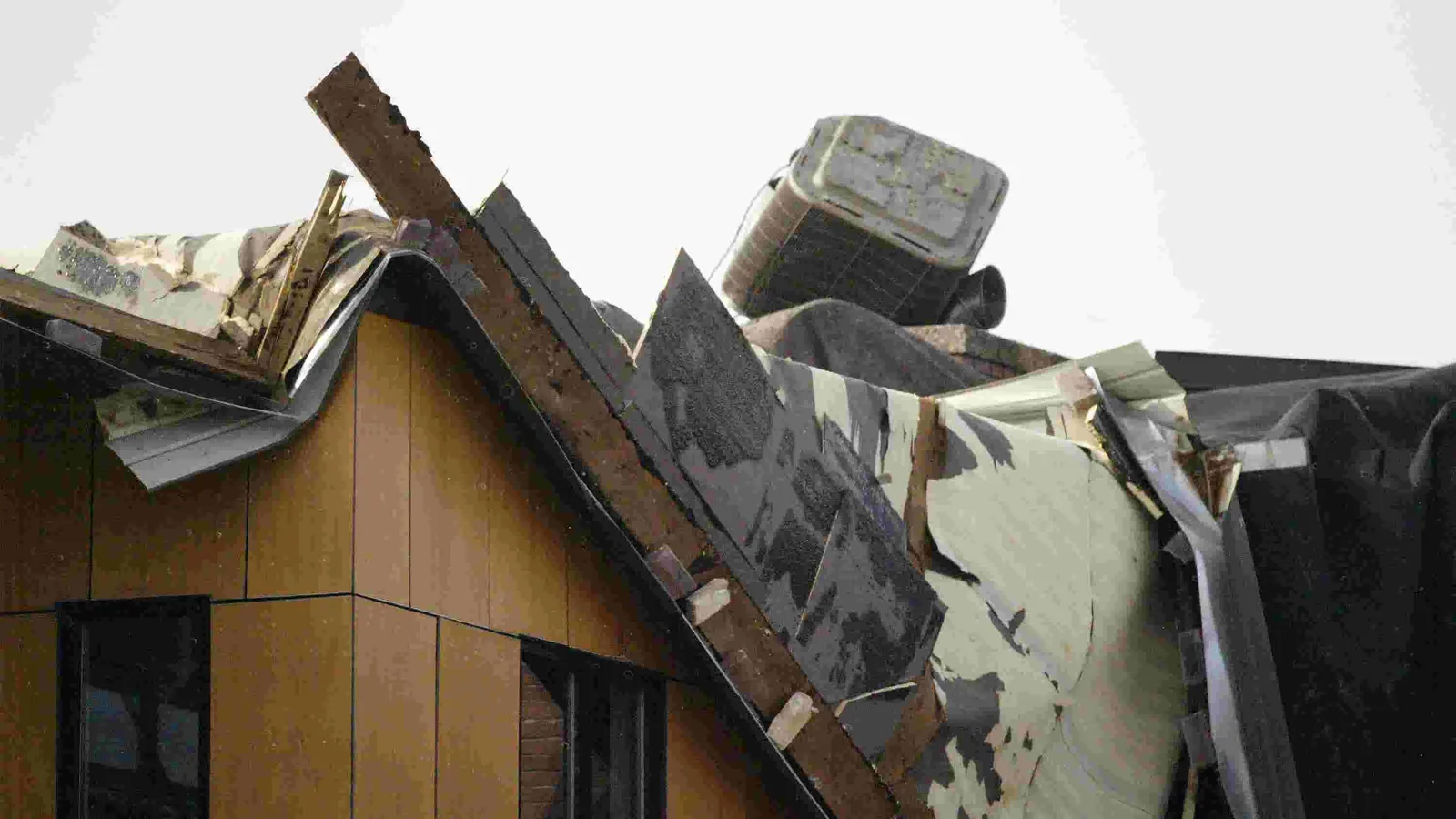
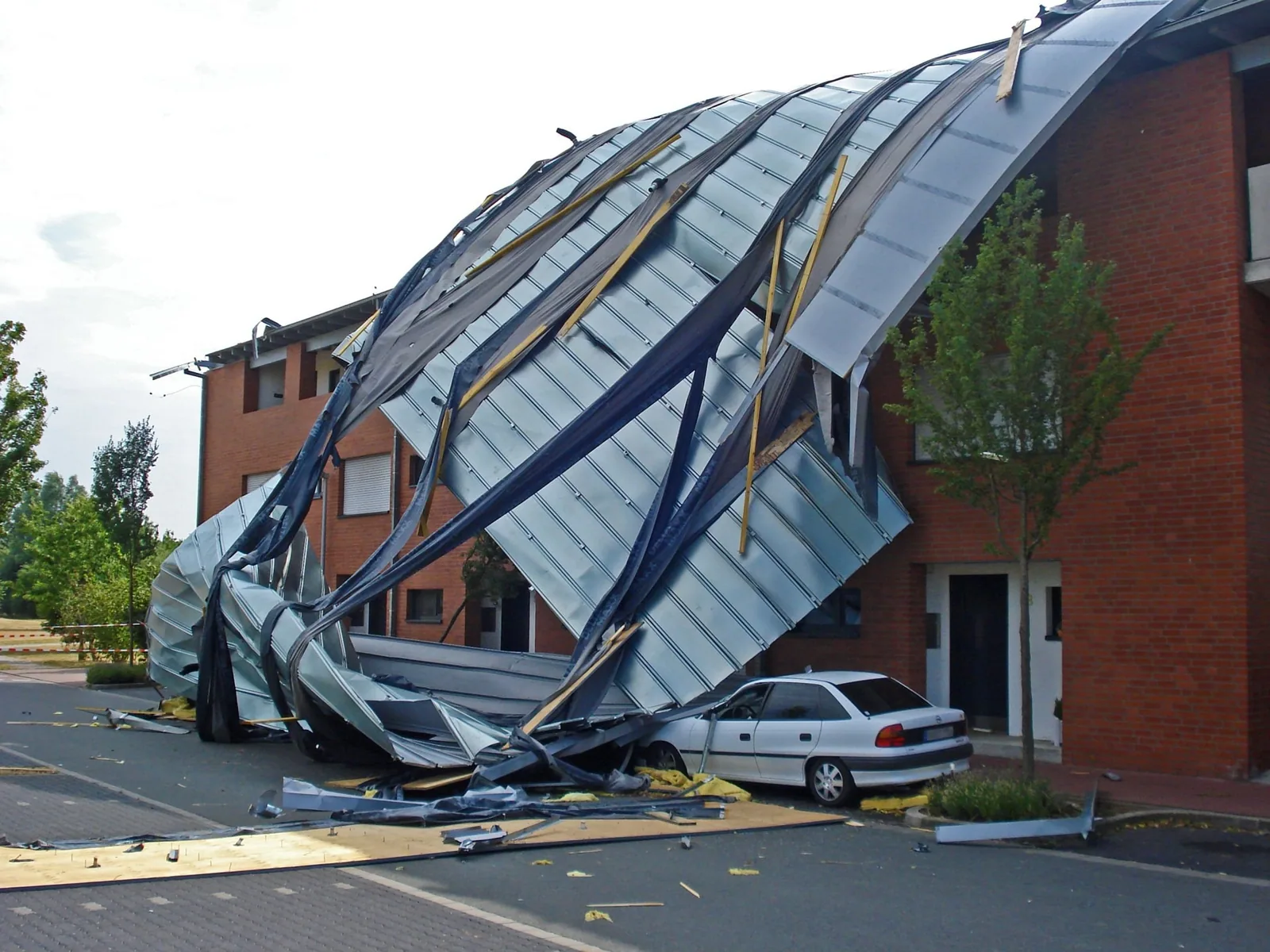
After a windy rain period, document the roof concern before selecting the correction. The Bay Area's late 2022 and early 2023 storms included damaging winds. That regional account does not establish a defect on a Santa Clara property. The actual attachment and receiving construction need examination.
Commercial Roofing Santa Clara gives the manager a located finding. We distinguish a temporary response from permanent work. The owner can follow the supported quantity and the question still open.
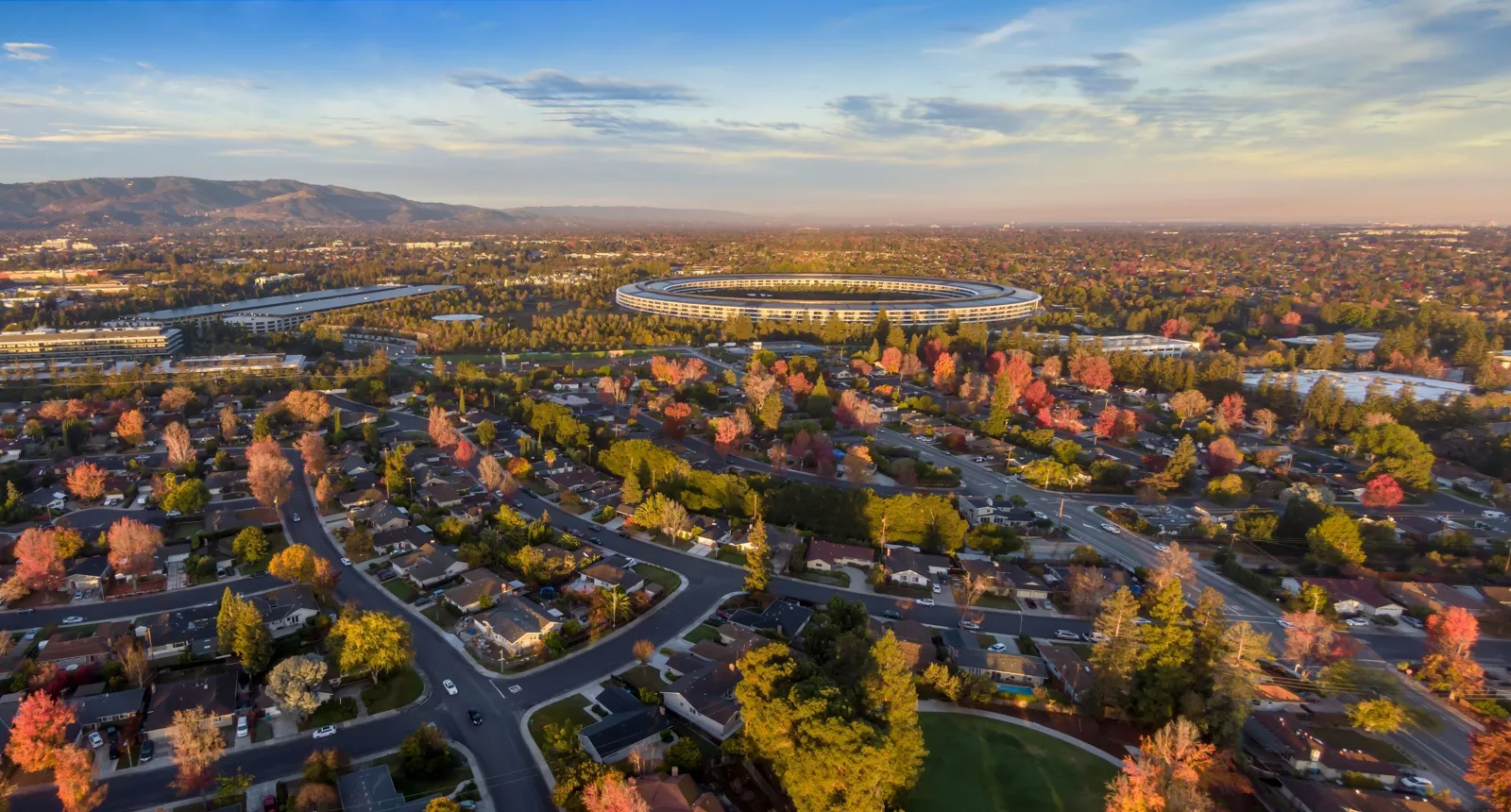
A building near Scott Boulevard has its own roof assembly and operator. Historical office development cannot establish current fastening or equipment arrangements. Match the inspection with the subject premises.
Wind Damage Roof Repair: What the Work Covers
Record when the concern was noticed and where it appeared. Ask what the observer saw. Include intervening roof or equipment work. Keep that account separate from conditions examined during the visit.
A weather report supplies event context. It cannot date every existing defect. Do not assign all deterioration to the latest storm without supporting evidence.
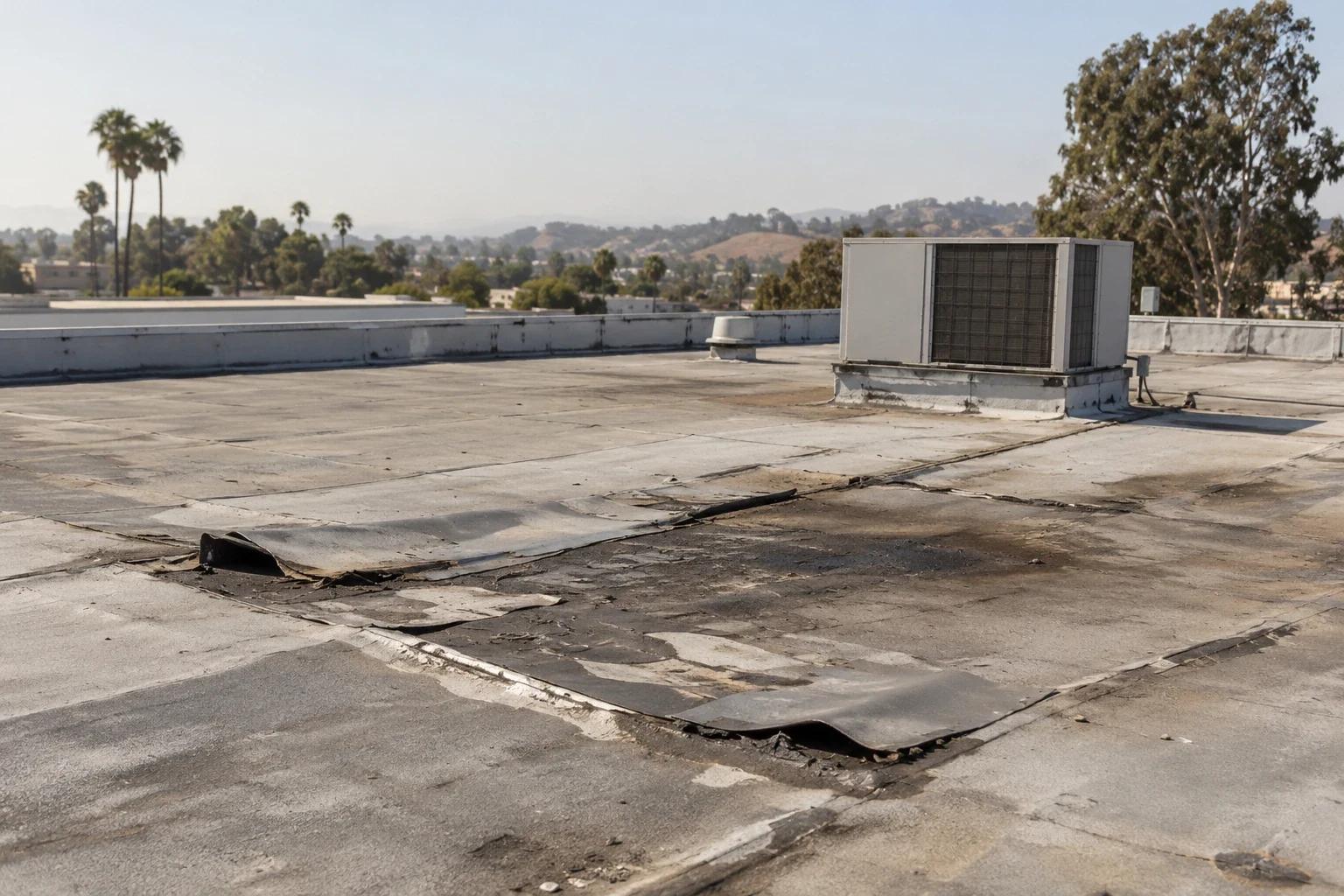
Commercial storm roof assessment identifies accessible displaced material and affected junctions. Photographs should show recognizable roof references and adjoining construction. An overview alone does not establish hidden attachment.
State excluded areas. Unsafe approach or obstructed details remain inspection limits. Qualified supporting or service review applies where the task depends on those conditions.
The manager needs a construction question that can be answered. A broad event label is not a repair scope.
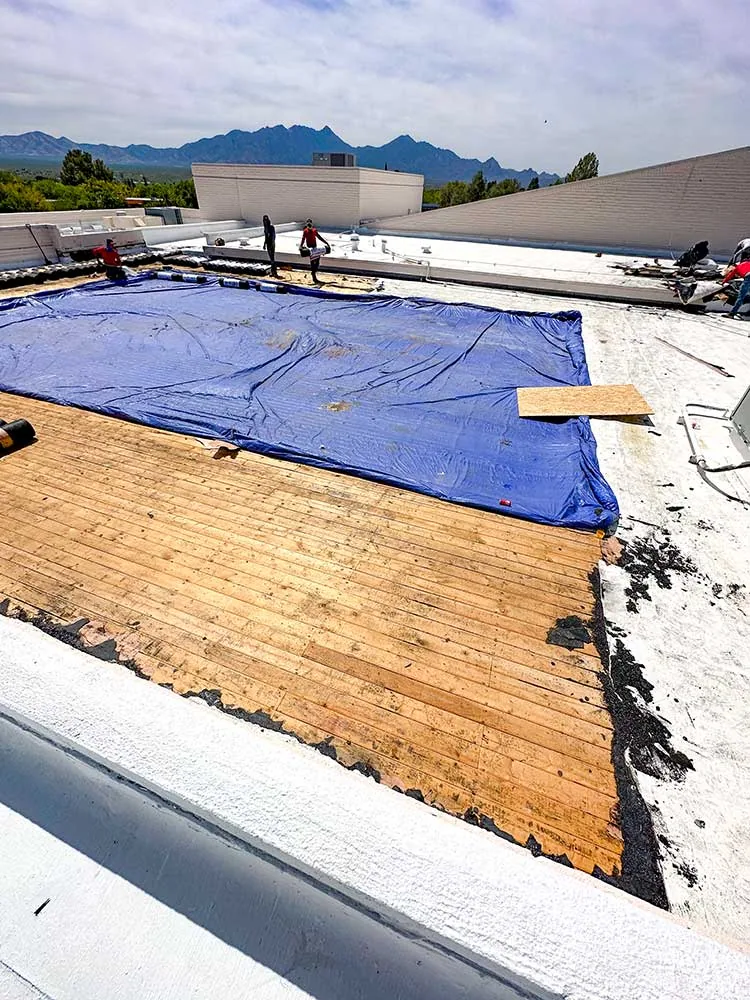
Assess whether safe access and suitable receiving construction permit an immediate measure. Confirm the method's attachment and drainage provisions. A tarp or sealant arrangement is not a universal answer for every roof opening.
Emergency roof assessment intake records the property and concern. Available crews, weather and safe access determine the work possible. Confirm the actual response before carrying it as a scheduled arrival.
Record temporary work by location and purpose. State what it leaves unresolved. Assign the party checking it and the condition requiring another review. Do not promise an unsupported duration.
Related equipment hazards remain with qualified reviewers. Roof access does not authorize work around an unresolved electrical or supporting concern. The facility representative coordinates those responsibilities.
Initial protection is a separate task. Its acceptance should not be mistaken for completion of a permanent correction.
Identify the affected component and its adjoining base. Prior treatments or deterioration can alter preparation. The repair boundary must support the selected permanent method.
Roof edge metal and coping assessment checks the actual junction and fastening arrangement. Product and applicable design requirements establish the selected connection. A city name or storm description cannot provide universal attachment spacing.
Supporting construction may need work before the exposed component is replaced. Name that task and its provider. A material-only amount can leave the roof without a suitable receiving connection.
Concealed questions need investigation where they change suitability. State the purpose and method. Samples establish their positions; wider removal needs evidence for the wider extent.
A local damaged edge does not automatically select replacement of the entire roof. Explain the physical basis for any expanded boundary.
Match useful drawings with the affected junction before selecting its detail. Later modifications may differ from the original plan. Preserve that difference in the report where it changes preparation or the responsibility for supporting work.
Planning and Completing the Work
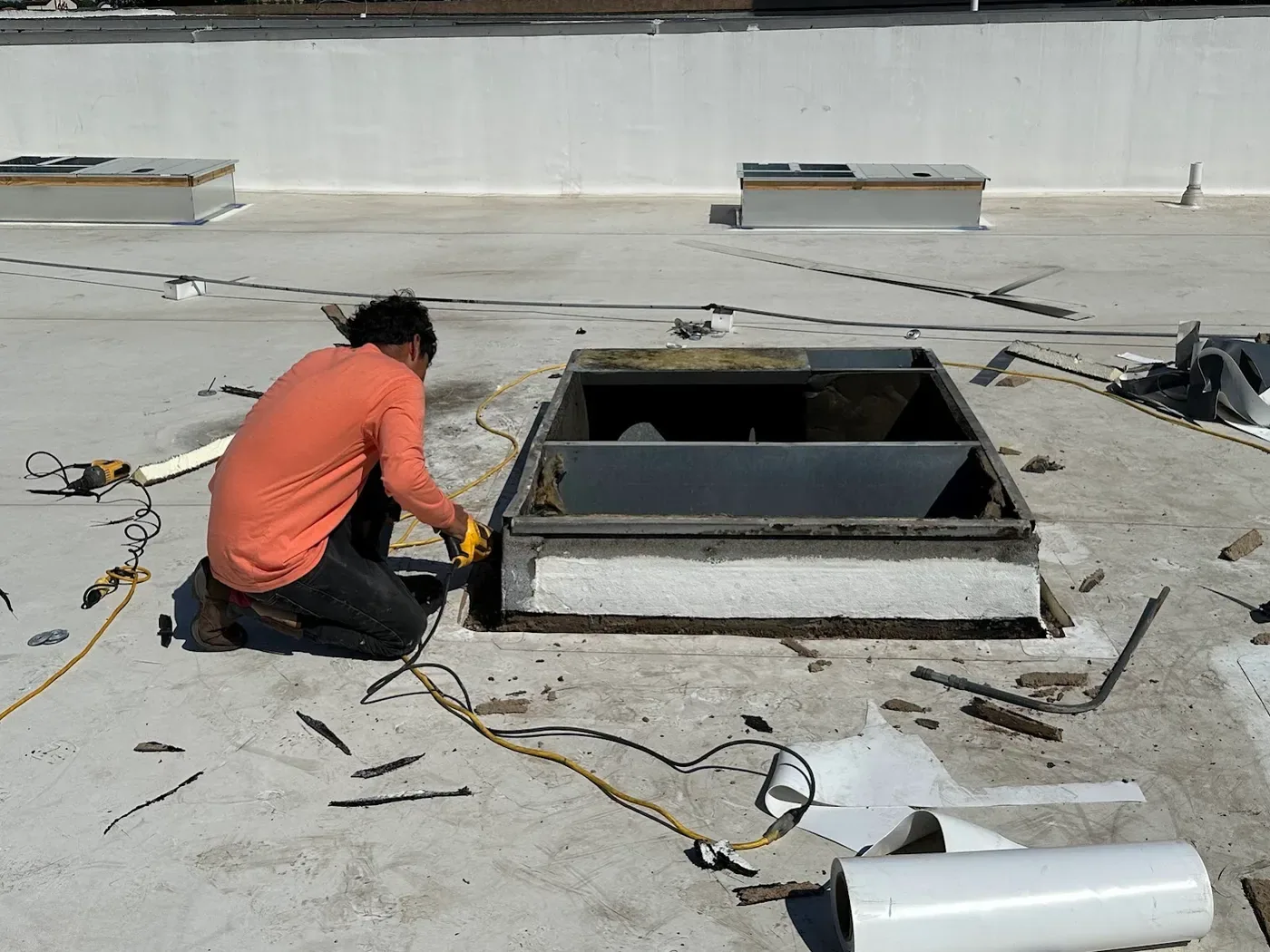
State removal, preparation, new material and final tie-ins. Compare these tasks across proposals. The smaller number may include fewer receiving adjustments or practical provisions.
Flashing failure correction can be another supported task. Keep its location and receiving work identifiable. An edge correction does not automatically resolve a separate wall or penetration opening.
Locate newly exposed deterioration, measure its rebuilding extent and obtain the required release before expanding the wind-damage correction. Retain the discovery photos and explanation before additional work is covered. Confirmed quantities remain separate from unexamined extent.
If a retained-system option is proposed, assess the actual assembly. Suitable attachment and receiving condition need appropriate review. Added layers can alter heights at adjoining details.
Ownership should understand what the selected scope completes. A preferred price or deadline cannot supply the evidence for its construction boundary.
If displaced material also left a puncture in the roof sheet, locate the patch and receiving preparation separately. That correction has a different boundary from edge reconstruction.
Locate the work beside affected entrances, rooms and material routes. The operator confirms restrictions and protection. Limited periods can require additional setup. Include that cost where the accepted method needs it.
Occupied-building roof phase planning retains those arrangements. A larger removal boundary can affect another space. Review the change before extending work beyond the approved phase.
Equipment movement requires qualified mechanical, electrical and support tasks. The facility representative authorizes operating changes. Roof entry permission does not approve a service interruption.
Check the finished roof and equipment relationship before placement. Required receiving adjustments should be resolved while preparation remains accessible. A moved unit's former opening may need another construction task.
For the Scott Boulevard and Tasman Drive corridor, confirm the premises and current contact. Historical development and planning identity do not supply tenant authorization.
Ordinance 2081 establishes Santa Clara’s adoption of the 2025 California standards. Identify the reviewing authority and the filing basis accepted for this alteration before specifying its assembly. Evaluate relevant energy compliance routes and exceptions with that project scope.
The permanent repair needs a usable receiver and suitable application conditions for its selected materials before installation proceeds. A preferred reopening period is a planning constraint. It cannot make unsuitable receiving conditions acceptable.
Roof insurance evidence assistance retains located observations and construction quantities. Keep reported event information distinct from inspected condition. The insurer and applicable parties decide policy coverage and settlement.
An estimate sent for review is not proof of accepted work. Retain owner authorization for the physical correction alongside separate administrative responses.
A different enclosure or equipment question gets its own assessment. The roof scope should not claim to resolve a cause the examination has not established.
Roof condition and completion reporting retains preparation images before concealment. Add installed products, final references and approved quantity changes. Another manager should identify the corrected connection.
List temporary measures, permanent work and remaining examination separately. Equipment and interior acceptance stay with their responsible parties. Give deferred concerns a contact and next action.
A later occurrence requires new timing and position details. Compare it with completed work and intervening changes. The first report supplies comparison without deciding the mechanism of every future concern.
The final record should make the owner decision clear: what was approved, what was delivered and what needs another answer.
Wind-loss documentation: separate observed damage from exposure. After wind exposure, record the roof zone, lifted or displaced component, attachment evidence and any interior report before selecting a repair. Photographs should show context and detail, with measurements or a marked plan connecting the finding to the proposed quantity. Distinguish a displaced edge or flashing condition from nearby pre-existing wear that is outside the reported event. Temporary protection, permanent correction and broader renewal should be described as separate scopes when supported. The property owner or its claim representative determines coverage and cause; the roofing report documents accessible conditions and limits without making that determination.
Get the wind-related roof task onto a clear scope
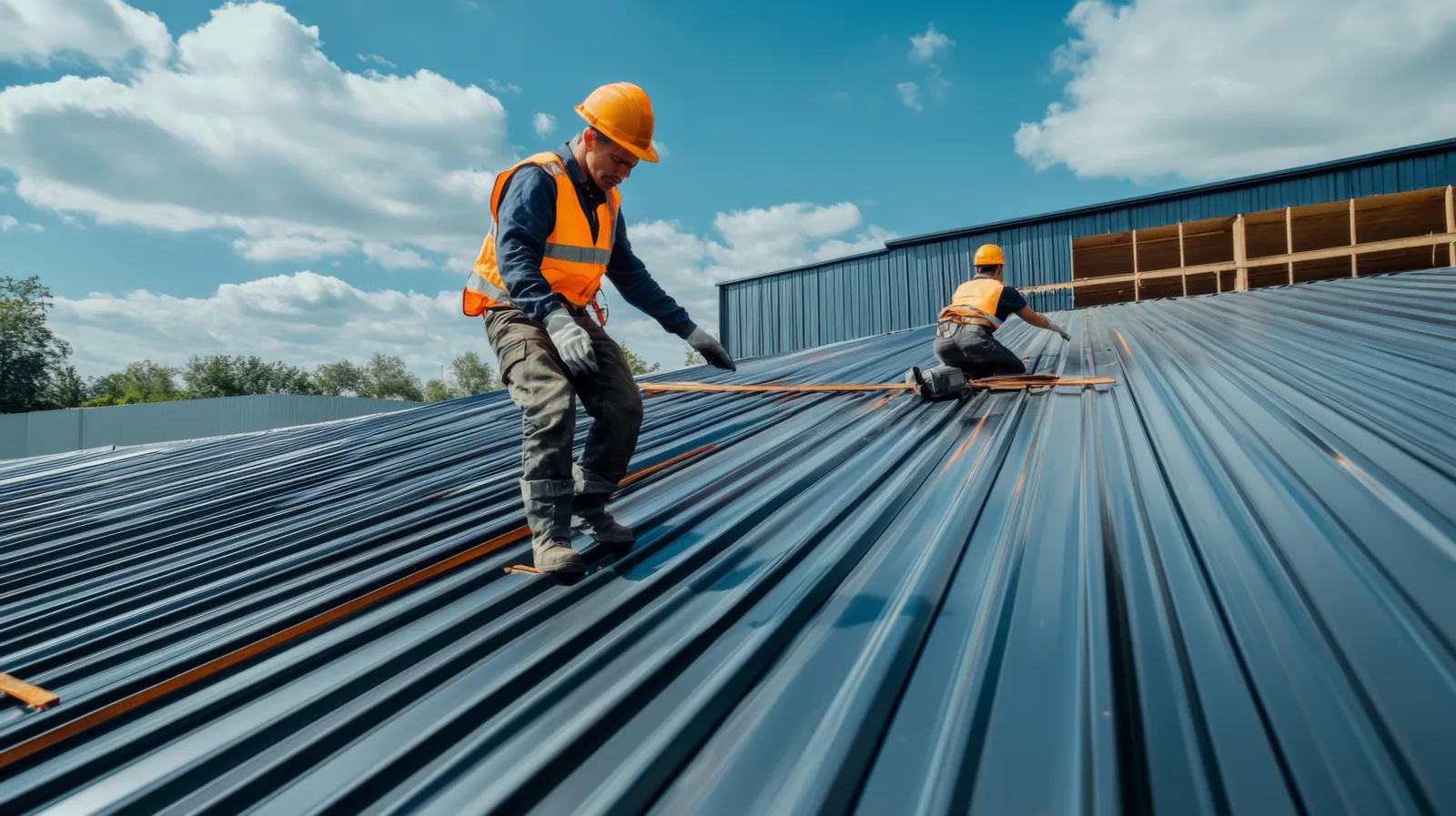
Arrange a Santa Clara roof assessment. We will locate the concern, distinguish temporary work and explain the supported permanent correction for ownership review.
Frequently Asked Questions
No. Inspect the subject construction and retain occurrence information separately from the findings.
The affected component and suitable receiving work, with applicable product and design requirements for that connection.
Its method, purpose, limits and checking responsibility. Do not assign an unsupported remaining duration.
No. It supplies roofing observations and quantities. The insurer and applicable parties make the coverage decision.
Roof Assessments
Santa Clara & the South Bay
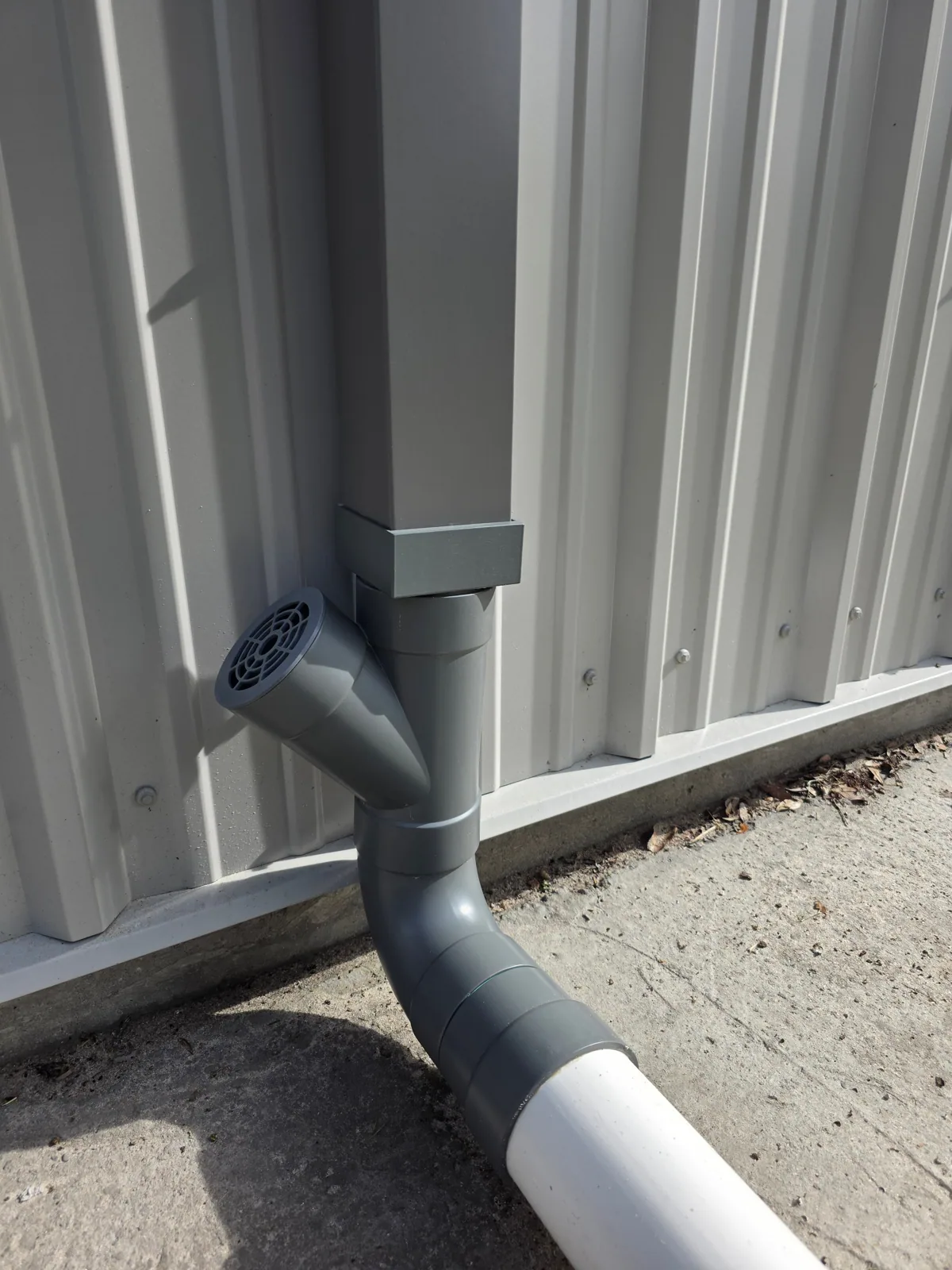
Membrane, flashing, drainage and edge details checked and written up before any work is priced.
Request a Roof Assessment