
- Home
- Commercial Roofing Services
- Roof Edge Metal, Coping and Gutters
Roof Edge Metal, Coping and Gutters in Santa Clara, CA
Late-December 2022 to mid-January 2023 regional atmospheric rivers prompt an edge-detail question for the next wet season. Does your Santa Clara, CA bid repair the perimeter connection or merely cover its exposed joint? Roof edge metal, parapet coping, and gutters perform different tasks. We examine their attachment, waterproofing interfaces, movement, and discharge before assigning a repair method. The rain history motivates a review, not an assumption that a particular edge has failed.
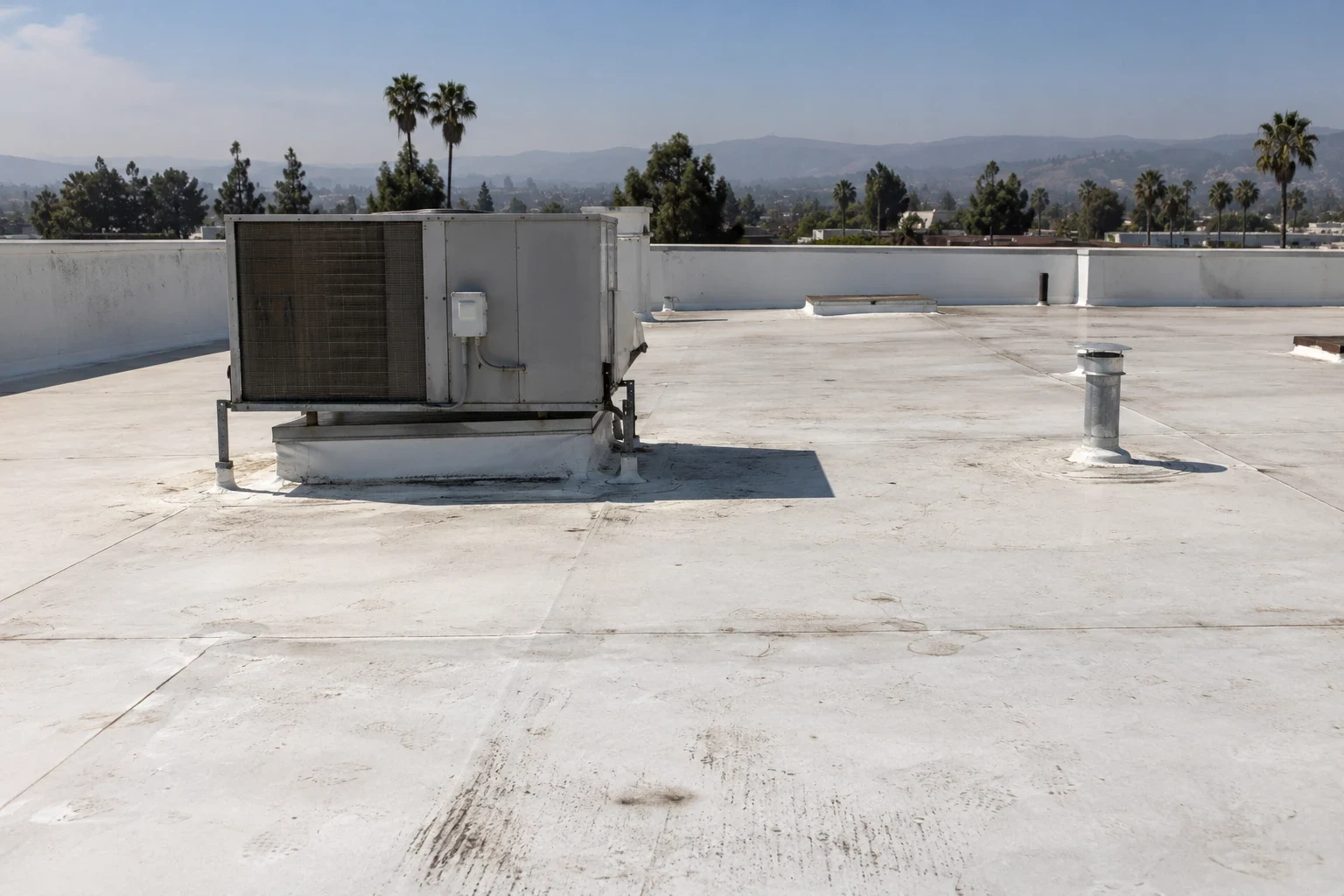
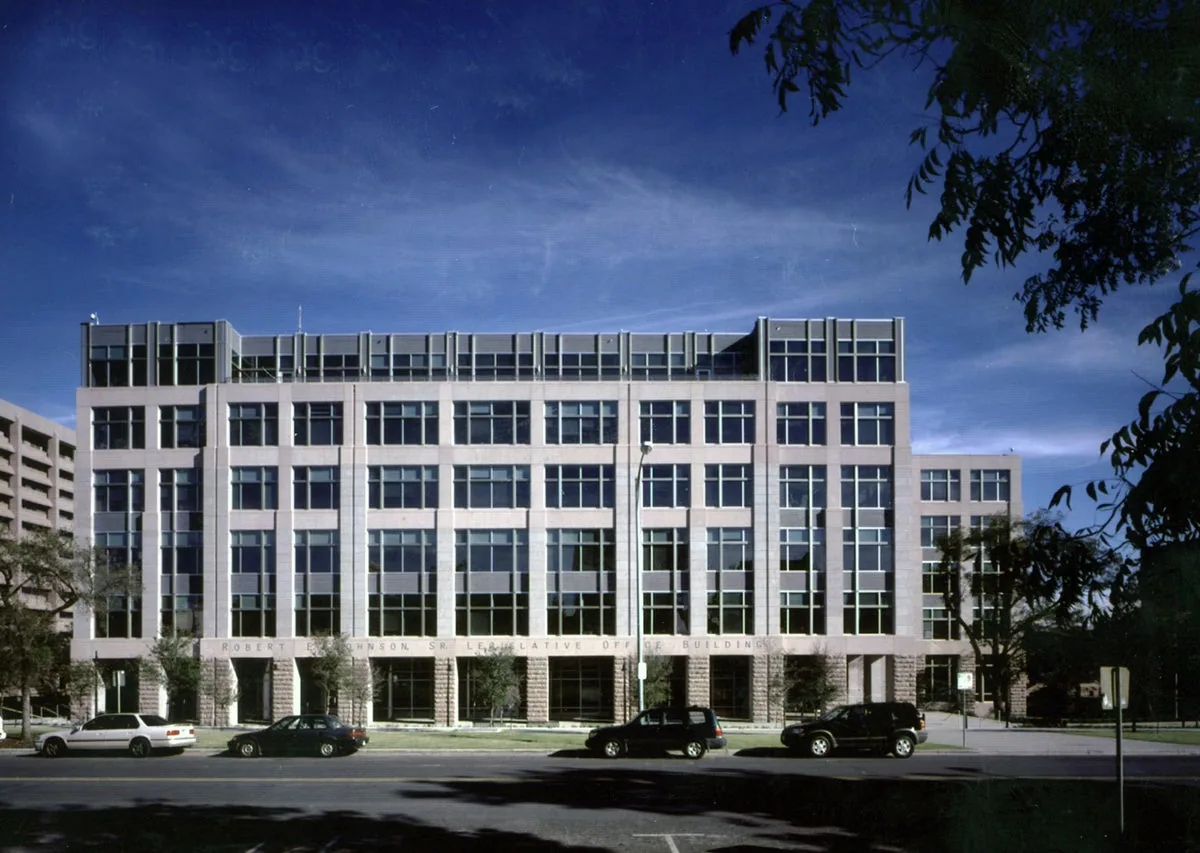
At a Scott Boulevard office and R&D property, the subject construction sets the perimeter scope. The office setting makes tenant access a planning item; we measure the coping profile and identify the membrane at the building. We identify each detail before proposing measured roof repairs. Safe exterior access and tenant routes matter as much as roof access. Ownership should see metal quantities, membrane work, and access controls on the same bid sheet, where their combined cost can be understood.
Roof Edge Metal, Coping and Gutters: What the Work Covers
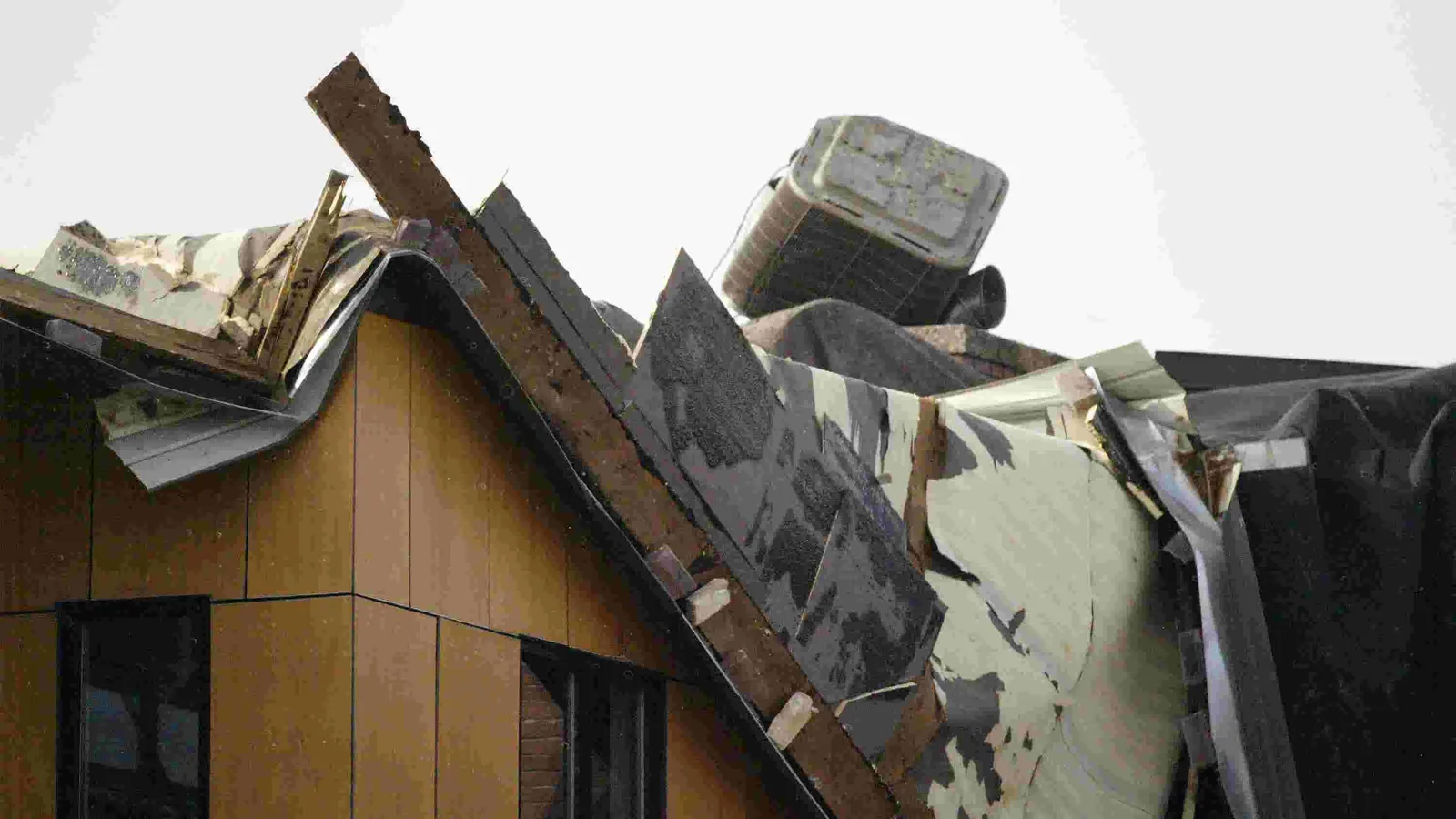
An open coping joint may involve failed seals, displacement, inadequate support, or a damaged cover. Metal expands and contracts. A repair should address how that movement is accommodated rather than lock unrelated pieces together with a rigid patch. We inspect visible joints and the supporting connection where accessible. The wall-top waterproofing interface also needs attention because water may pass beneath an apparently intact metal cover.
A proposed coping replacement identifies profile, compatible materials, joints, and attachment requirements. Removing metal can expose the parapet top and connected roof flashing. Temporary protection and reconstruction belong in the scope. For parapet flashing corrections, we explain which layer provides waterproofing and how it terminates. A cosmetic metal replacement can leave a failed concealed interface untouched. The owner needs that distinction before authorizing the work, especially where the edge will be difficult to access again after installation.
A coping scope should distinguish the removable cover, its attachment, the receiving nailer or support and the membrane termination beneath it. If any part cannot be verified before removal, name the inspection point and approval path for concealed deterioration. The finished detail must connect the metal and roof assembly without blocking required movement or drainage. Include corner conditions and transitions where the measured run changes direction. Ownership can compare bids by the complete edge condition, rather than accepting a linear-foot allowance that leaves critical ends and supports undefined.
A loose perimeter strip may be a metal problem, a membrane attachment problem, or both. We examine the connection rather than assume fresh fasteners alone will restore the required assembly. Substrate condition, fastener holding, cleats, and membrane termination can influence the correction. Deteriorated blocking or displaced components may expand the removal boundary. Those conditions require explanation before the added quantity is approved.
For wind-affected perimeter repairs, the roof edge must be assessed as a connected system. Metal thickness alone does not establish performance. The specified attachment and supporting construction matter too. We coordinate design-dependent requirements for the actual building and applicable scope. Repairs need compatible membrane transitions. An existing TPO edge, for example, should receive detailing suited to its welded membrane system, rather than a generic sealant bead presented as a substitute for a reconstructed roof termination.
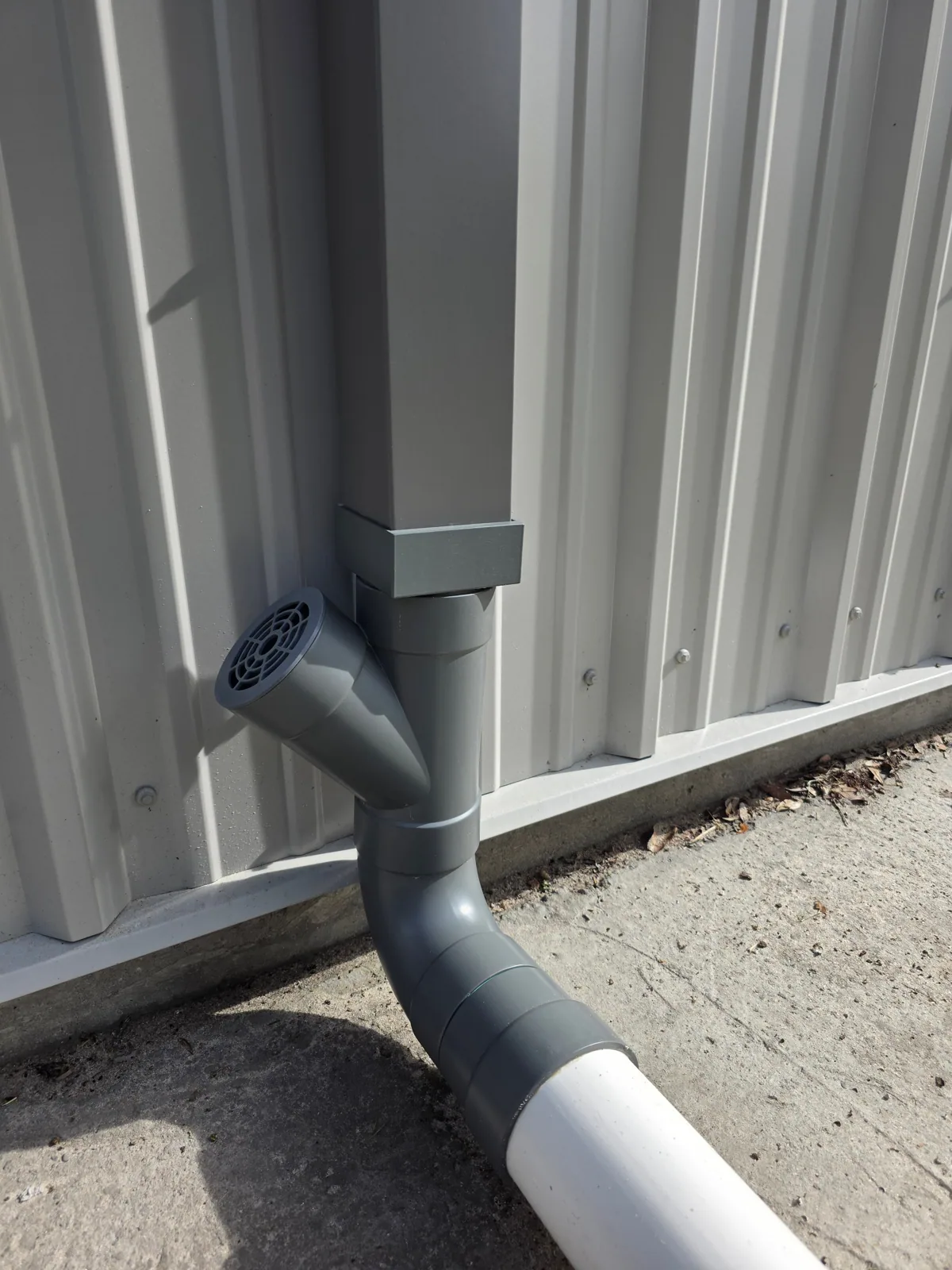
A gutter needs support, joints, outlets, and a useful water route. Debris removal can restore an obstructed opening, but sagging sections or corroded metal may need further correction. We look at how the roof feeds the gutter and how the water leaves it. A functioning roof-to-gutter transition can still discharge into a restricted leader. That downstream condition needs the appropriate access and trade assessment.
The proposed outlet and discharge work should identify which connections are included. Gutter changes can affect flow direction and adjacent waterproofing. We do not treat a larger replacement profile as proof of sufficient capacity. Design-dependent changes require the relevant review. The bid distinguishes cleaning, localized joint repair, support correction, and replacement. A property manager can then compare practical options without assuming that every gutter leak requires full removal or that every overflow can be corrected with a surface patch.
Planning and Completing the Work
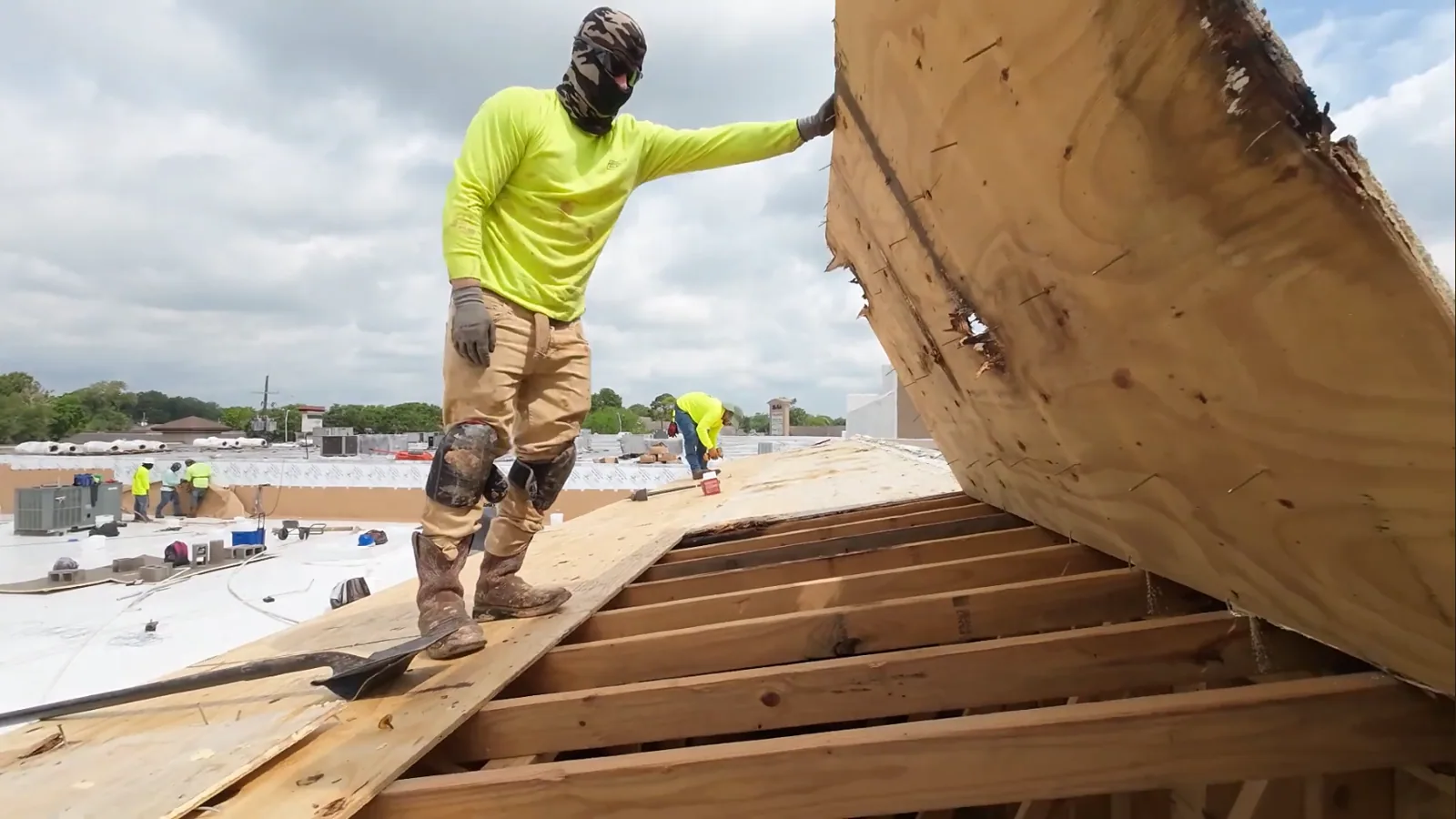
An edge above a busy doorway can require controlled access below the work. Material handling, falling-object protection, lift placement, and permitted work times influence the sequence. We establish those constraints with the authorized operator. Access from the roof does not eliminate the need to protect the ground route. A limited repair can still carry meaningful setup cost where the edge is difficult to reach safely.
For office building perimeter work, tenant notice and entrance management should be settled before metal removal. The Tasman Drive and Scott Boulevard corridor provides local identity; the actual building determines those restrictions. For a property in the Tasman East planning area, parapet dimensions and operating restrictions are assessed at that building. We measure the edge and coordinate with the operator. Ownership sees the interruption requirement and access expense beside the metal quantity rather than discovering them after approval.
A bid for new coping should show more than a length and finish. It needs removal limits, substrate assumptions, joint arrangement, attachment, membrane interfaces, and protection while the wall top is exposed. A gutter scope also needs outlets and supports. Compare those details across proposals. The cheaper bid may carry a narrower task even where its metal quantity resembles another offer.
Santa Clara adopted 2025 California building standards and local modifications. The actual authority, accepted application basis, and proposed alteration govern the applicable requirements. Perimeter changes can call for design input. Associated roof work may introduce an energy review with applicable paths or exceptions. We address those items at the scope stage. Ownership can approve a defined correction and understand which concealed findings require an added decision. An unspecified allowance should not become blanket permission to replace deteriorated support or alter the entire drainage route.
Completed edge work needs identifiable locations. We record repaired lengths, replaced joints, attachment-related corrections, and any excluded conditions. The finish color is useful for future matching, but the construction detail matters more for future repair. Subsequent equipment work or unrelated façade activity can affect the perimeter. Keep the approved assembly information where the building team can use it before disturbing the metal.
A perimeter condition report should distinguish finished repairs from items requiring further examination. A sealed joint is not proof that concealed wall construction is dry or sound. We explain the inspection boundary. For edge metal coping gutters, define the work boundary. Safe access and site restrictions determine the immediate measure. The manager receives an edge repair decision that protects tenant routes and remains readable when the next seasonal review returns to the same detail.
Perimeter check: Bring ownership a complete scope
Schedule a pre-season edge examination. We will prepare a plain bid sheet showing metal, flashing, access and tenant-route requirements as an integrated repair decision.
Frequently Asked Questions
Its support, attachment and movement arrangement need examination. Added fasteners alone may not correct deteriorated backing or a failed waterproofing interface.
The repair may require safe exterior reach and protection below. We show that setup separately so ownership can compare the complete task.
Only if the relevant water-entry path is corrected. Roof flashing or wall-top waterproofing may need reconstruction alongside the metal.
We assess compatibility and requirements first. Matching appearance is useful, but the finished connection must suit the actual roof and supporting construction.
Roof Assessments
Santa Clara & the South Bay
Membrane, flashing, drainage and edge details checked and written up before any work is priced.
Request a Roof Assessment