- Home
- Commercial Roofing Services
- Roof Insurance Claim Assistance
Roof Insurance Claim Assistance in Santa Clara, CA
Extended regional storms from late December 2022 through mid-January 2023 make one preparation question useful: what roof evidence would ownership need after a reported loss? For a Santa Clara, CA property, the answer starts with dated observations and an identifiable repair scope. A storm history alone cannot establish the condition of the subject roof. We inspect reported damage, record what is present, and describe the construction required to correct it.
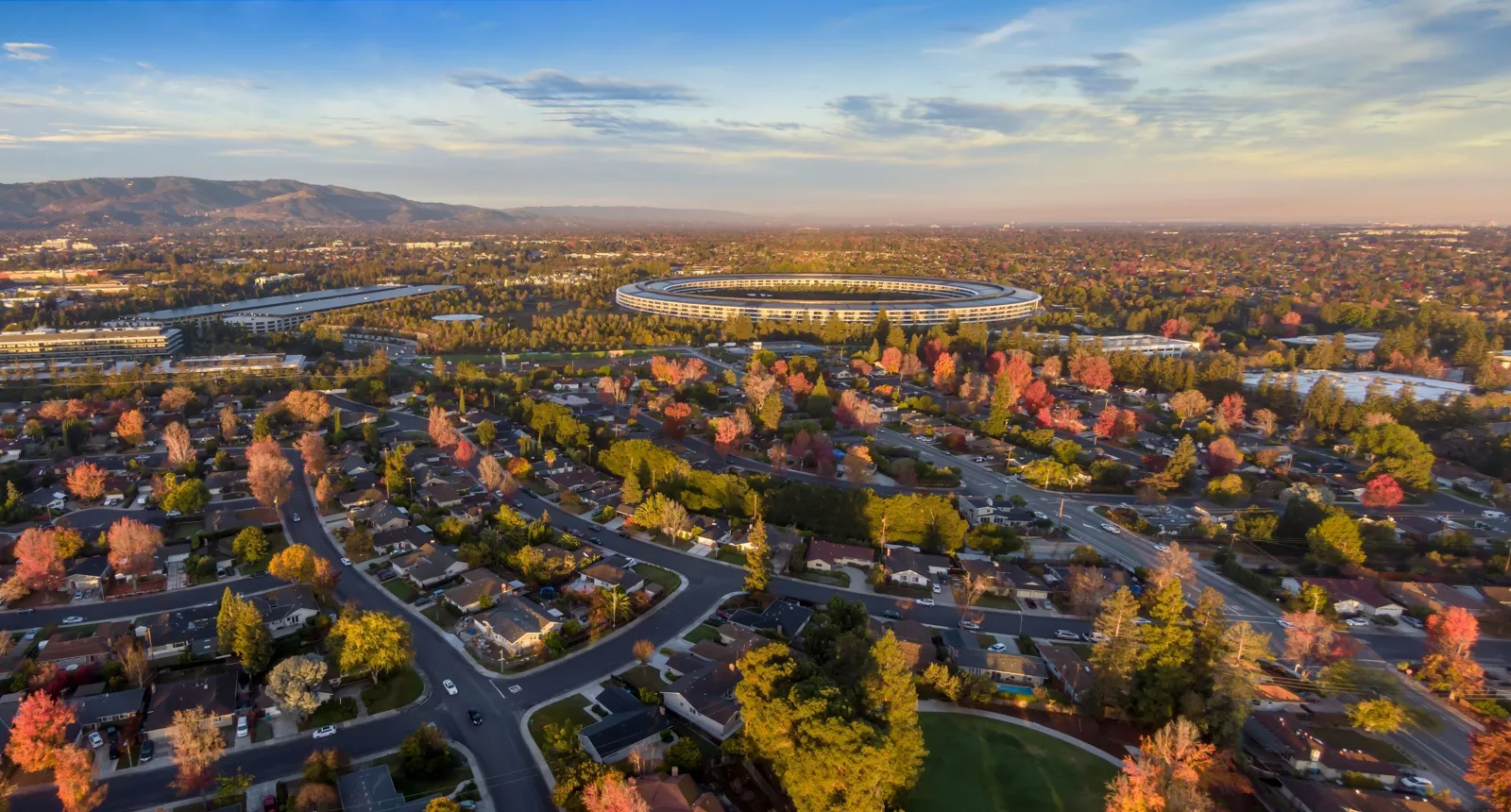
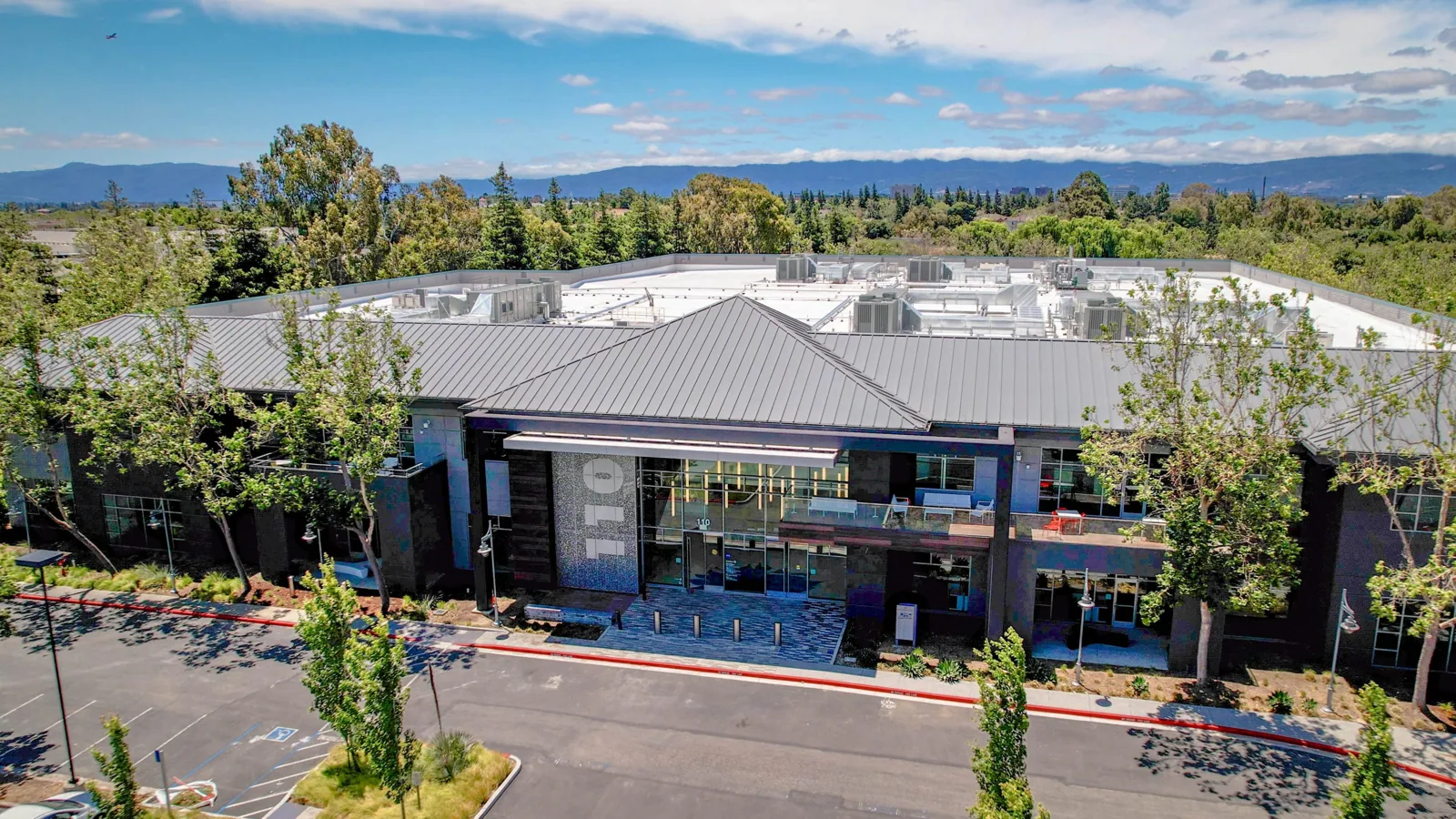
Scott Boulevard office and R&D development gives the manager a setting for preparing property-specific roof evidence. The actual roof assembly, authorized operator, and reported incident establish the investigation. We connect storm-related repair assessment with photographs and measured items that ownership can use. We are the roofing contractor. The insurer evaluates coverage, policy conditions, exclusions, and payment. A clear roof record helps those discussions without treating the proposed construction price as proof that every item is covered.
Roof Insurance Claim Assistance: What the Work Covers
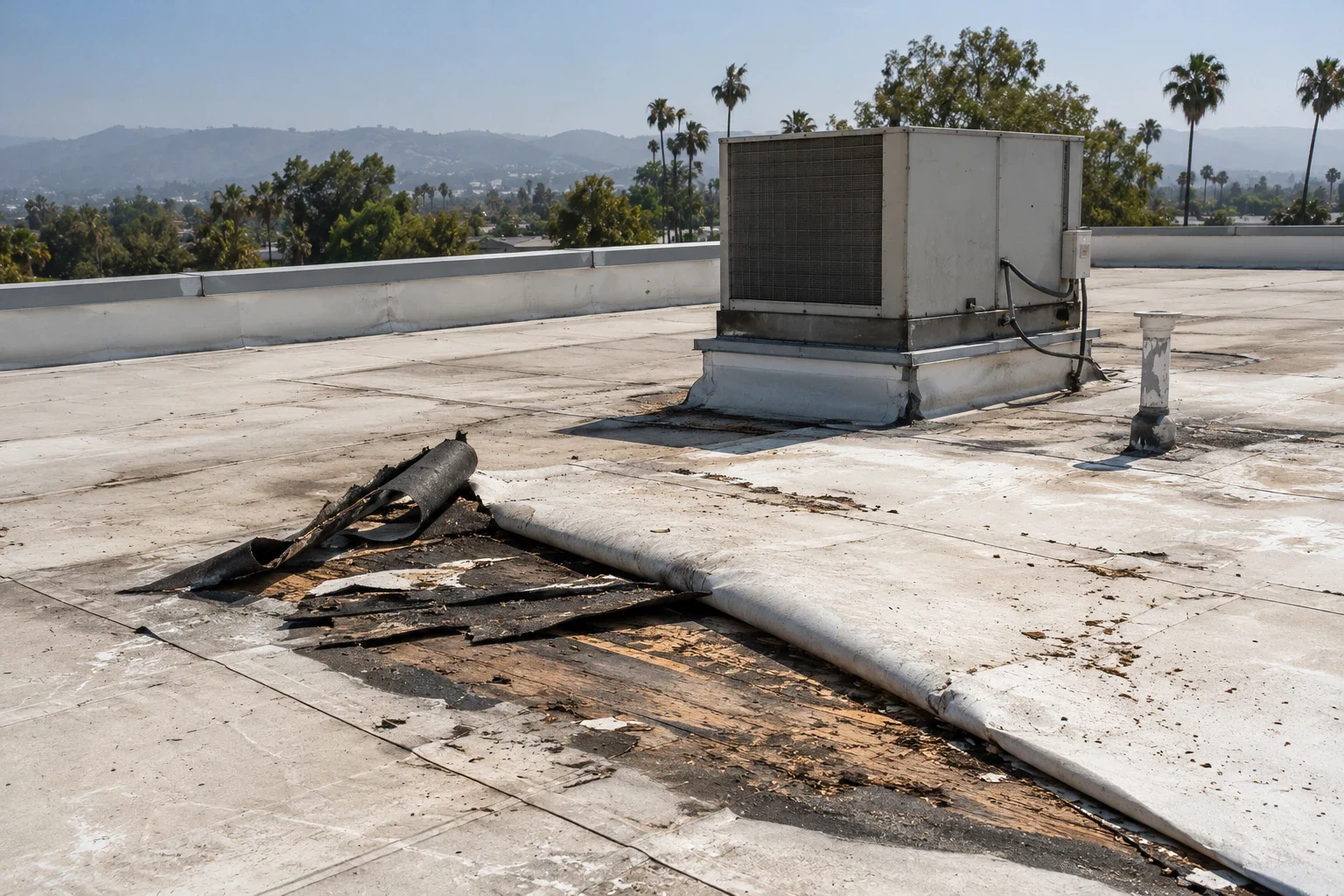
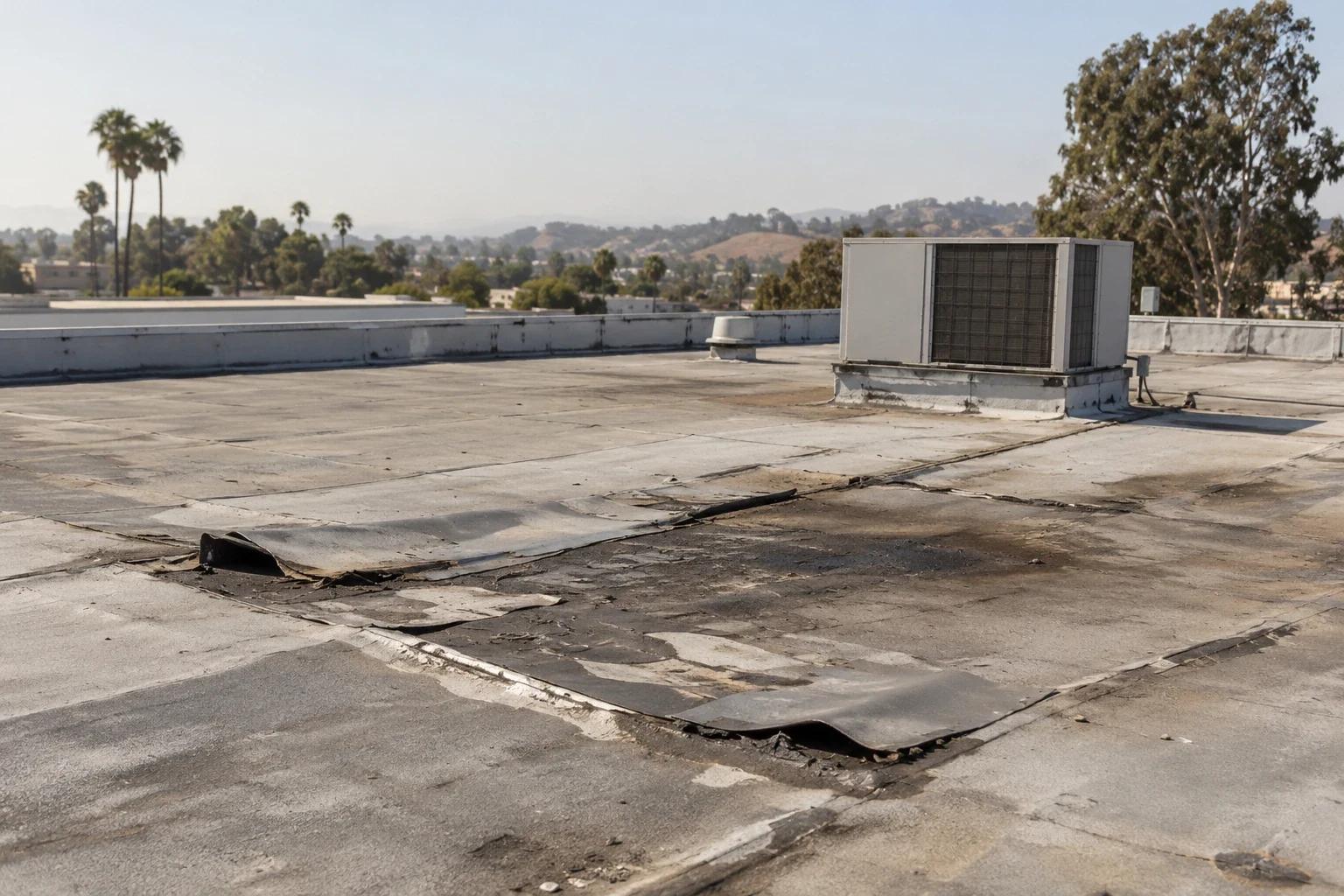
A photograph of a split needs a location and a surrounding view. Otherwise, the person reviewing it may not know which roof area needs attention. We identify damaged seams, membrane openings, flashings, and perimeter details with practical descriptions. The condition record separates observations from proposed tests and repairs. That distinction matters where an image shows a symptom but does not establish the concealed assembly condition.
We describe the relevant damage and the repair sequence. Existing wear, unrelated repairs, and newly reported conditions should not be merged into one loss description. A written roof condition account can place those items beside their photos. Ownership gets an explanation of why each construction item is proposed. The evidence should allow another reviewer to follow the roof assessment without relying on broad labels such as total storm damage or complete restoration of an unspecified area.
Temporary protection changes the roof condition. We photograph the exposed area when safe, identify the protective measure, and record the work location. Removed components and access restrictions may affect later inspection. The operator should understand which protection can remain and which will require removal during permanent repair. A temporary measure is a separate construction step with its own limitations.
For emergency roofing attendance, the description should state labor tasks, materials, and any restricted access that affected completion. For roof insurance claim assistance, define the work boundary. Safe conditions govern what can be done on arrival. Ownership directs the authorization while the insurer evaluates payment under the policy. We keep the protection record usable for both parties. That avoids leaving a later reviewer to infer what happened from an invoice title that gives no detail about the roof work performed.
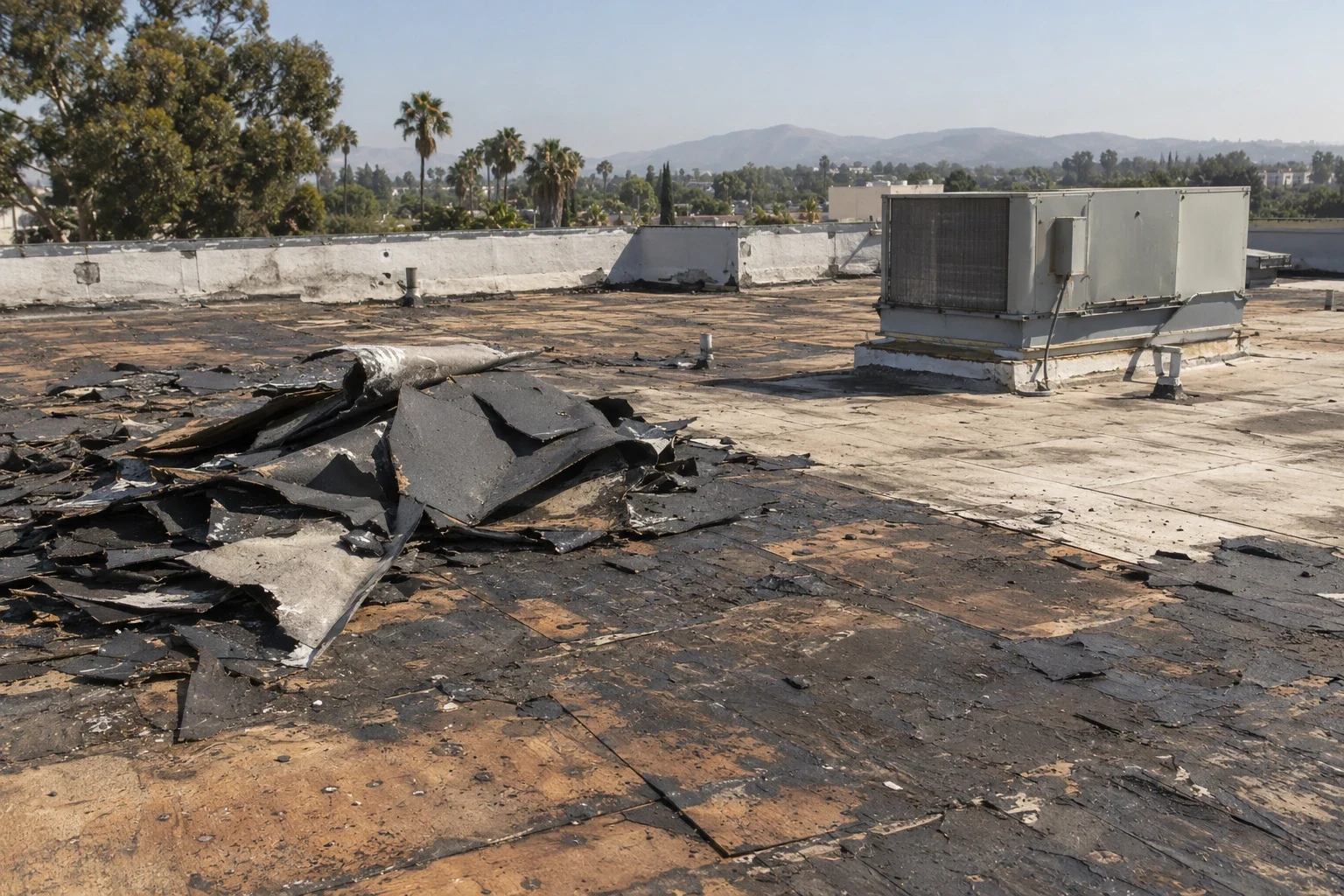
An estimate should connect each quantity to the observed repair area. Membrane replacement, wet insulation removal, flashing reconstruction, and edge correction are different tasks. They need appropriate material and preparation descriptions. An undifferentiated roof allowance makes it difficult to understand where the construction cost comes from. We state measured work and identify any concealed condition that may require an approved change after opening.
A proposed roof replacement needs its own physical justification. Repair difficulty, assembly condition, compatibility, and applicable requirements may affect the choice. We explain those factors without equating a replacement recommendation with insurance acceptance. Separate bids should be compared on the same removal limits and finished assembly. Differences in access, disposal, testing, and temporary protection can account for different prices. The property manager can then discuss a real scope with ownership rather than choose between totals whose construction content is unclear.
Planning and Completing the Work
A joint examination needs roof access that the operator permits. We identify the route and restrictions before the appointment. Tenant areas, locked equipment zones, and required escorts can affect what can be examined. An adjuster appointment does not authorize equipment shutdown or entry into a restricted space. Those permissions remain with the people responsible for the building and its systems.
In the Tasman Drive and Scott Boulevard corridor, the subject building sets the access plan. For a building in the Tasman East specific-plan area, we establish roof construction and occupancy restrictions directly with examination and the authorized operator. We coordinate office roof investigations with actual operating restrictions. Where selective openings are proposed, the plan includes repair of the opening and suitable conditions for the work. The manager gets an inspection boundary, not an assumption that every requested test is already authorized.
A disagreement may concern repair area, material, access cost, or whether a component belongs in the loss. We make the construction issue specific. A damaged termination may need replacement to produce a compatible repair even where the field membrane can remain. We explain the physical connection and proposed work. That lets ownership see the technical basis without dressing a coverage argument as a roofing fact.
Santa Clara has adopted 2025 California building standards with local modifications. Requirements depend on the authority, application basis, and alteration being proposed. Applicable energy paths and exceptions need review for that scope. A code-sensitive item should show the construction requirement separately from the policy question about its funding. We work with insurance restoration coordination while keeping those responsibilities clear. Ownership chooses the authorized repair; the insurer decides what its contract will pay. Neither decision should remain hidden inside an unexplained estimate adjustment.
Opening a damaged area can reveal deterioration that was not visible during the initial examination. We record the condition and proposed additional construction before it becomes an unapproved expansion. The change description explains the new quantity, removal, replacement, and effect on timing. Ownership can review it against the original repair boundary. A photograph of exposed material should accompany the relevant change rather than float separately in an email chain.
After repairs, the record identifies completed areas and unresolved items. Supporting documents can include the approved scope, photographs, authorized changes, and invoice descriptions. These records assist claim review and future roof management. They do not promise payment, settlement timing, or a particular coverage outcome. The manager should retain insurer communications with the repair account so that funding decisions and construction decisions remain readable. We provide the roof details ownership needs to approve work and explain the resulting repair to the parties involved.
A clear change record can prevent the construction file from drifting as the claim review continues. Date each added condition, identify the roof location, show the supporting photograph and measurement, then attach the owner’s authorization and revised price. Keep requests for insurer review beside, but separate from, the approved construction scope. At closeout, reconcile installed quantities with accepted changes and identify any work that remains unapproved. This gives ownership a record another reviewer can follow without implying that the insurer accepted a cause, quantity or payment obligation.
Claim preparation: Make the roof record usable
Schedule a pre-season roof check and review your approval contacts. We will prepare a plain bid sheet and dated condition record for ownership and tenant protection decisions.
Frequently Asked Questions
Coverage and payment are insurer decisions under the policy. We provide roof observations, repair quantities and construction explanations for review.
Age alone does not settle the observed condition. We examine the damage and distinguish deterioration from the reported incident without promising a coverage result.
Record the concealed finding and obtain approval for the added construction. We explain the change against the original repair boundary.
Compare their construction first. Removal limits, compatible materials, protection and access must match before the totals offer a useful comparison.

Roof Assessments
Santa Clara & the South Bay
Membrane, flashing, drainage and edge details checked and written up before any work is priced.
Request a Roof Assessment