- Home
- Industries We Serve
- Insurance Restoration Roofing
Insurance Restoration Roofing in Santa Clara, CA
The regional rain sequence from late December 2022 into mid-January 2023 gives an owner a claims-planning question: does the roof record distinguish the reported event from older conditions? In Santa Clara, CA, the answer requires inspection and clear dates. Regional weather supplies context. The condition at the subject building determines the roofing recommendation, and the insurer evaluates coverage under the policy.
We help owners and restoration teams document visible roof conditions, immediate protection, and the proposed permanent correction. These tasks need separate boundaries. A temporary cover is not proof that a replacement has been approved. A ceiling stain does not establish the cause or full extent of roof damage. The property manager needs a plain bid sheet showing inspected findings, investigation limits, and the work proposed to protect the building. Ownership can then review the repair decision without mixing policy questions with construction assumptions.
Insurance Restoration Roofing: What the Work Covers
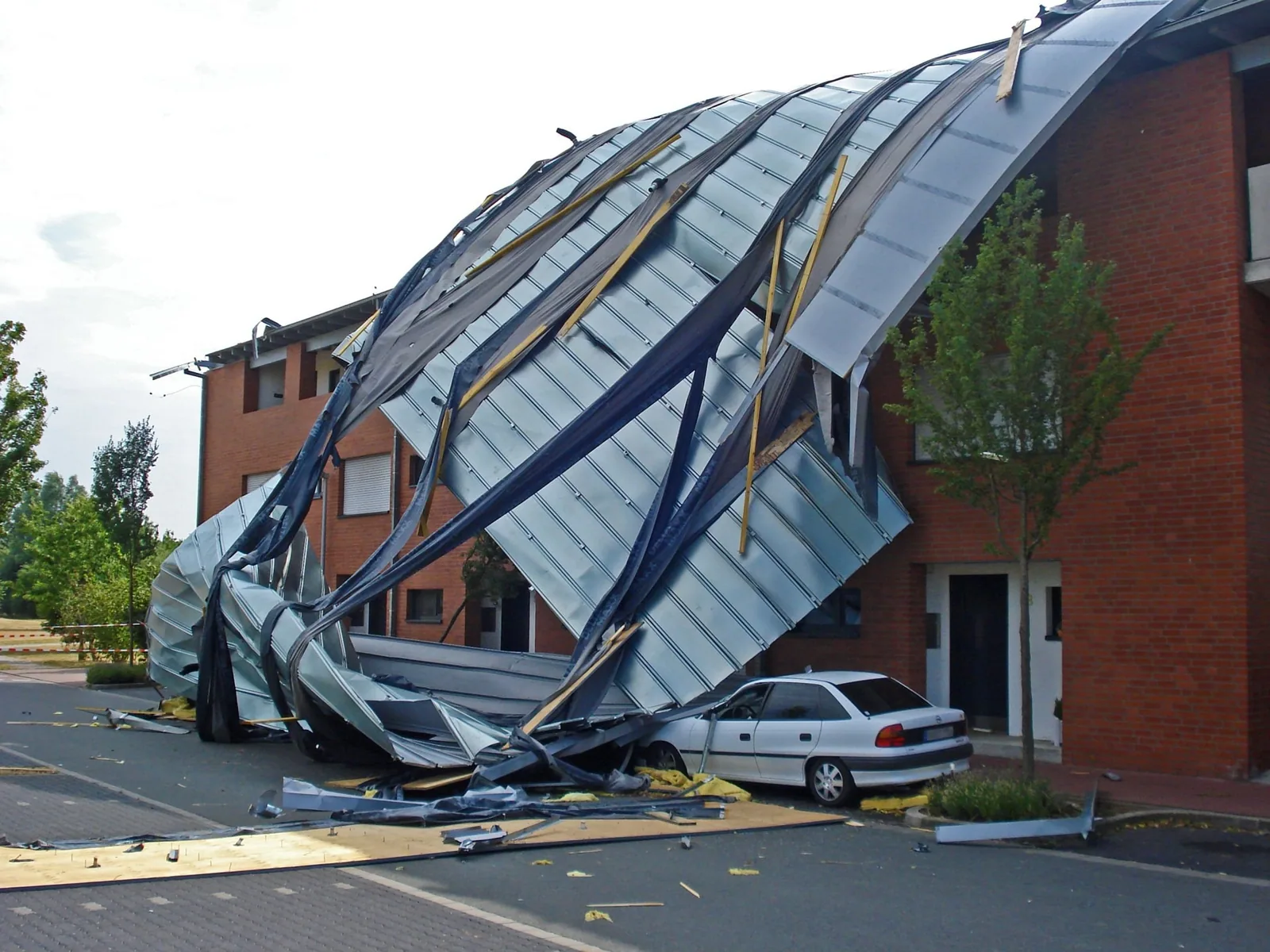
Active leakage can call for safe temporary protection before the permanent scope is settled. We identify accessible entry candidates and the measures possible under the current conditions. Interior protection and equipment precautions belong to the responsible operator or restoration team. Roof access, weather, and the assembly determine what can be done safely. Temporary action should be recorded with its location and limits.
Our temporary emergency roof measures are distinguished from permanent construction. We document the work performed and the follow-up needed. Removed material and photographs may matter to the loss record; we coordinate preservation requirements before disposal where practical and safe. The owner should not have to infer whether a temporary patch remains in place. We identify that status and avoid presenting emergency attendance as completion of the underlying roof correction. A permanent repair needs its own inspected scope and approval.
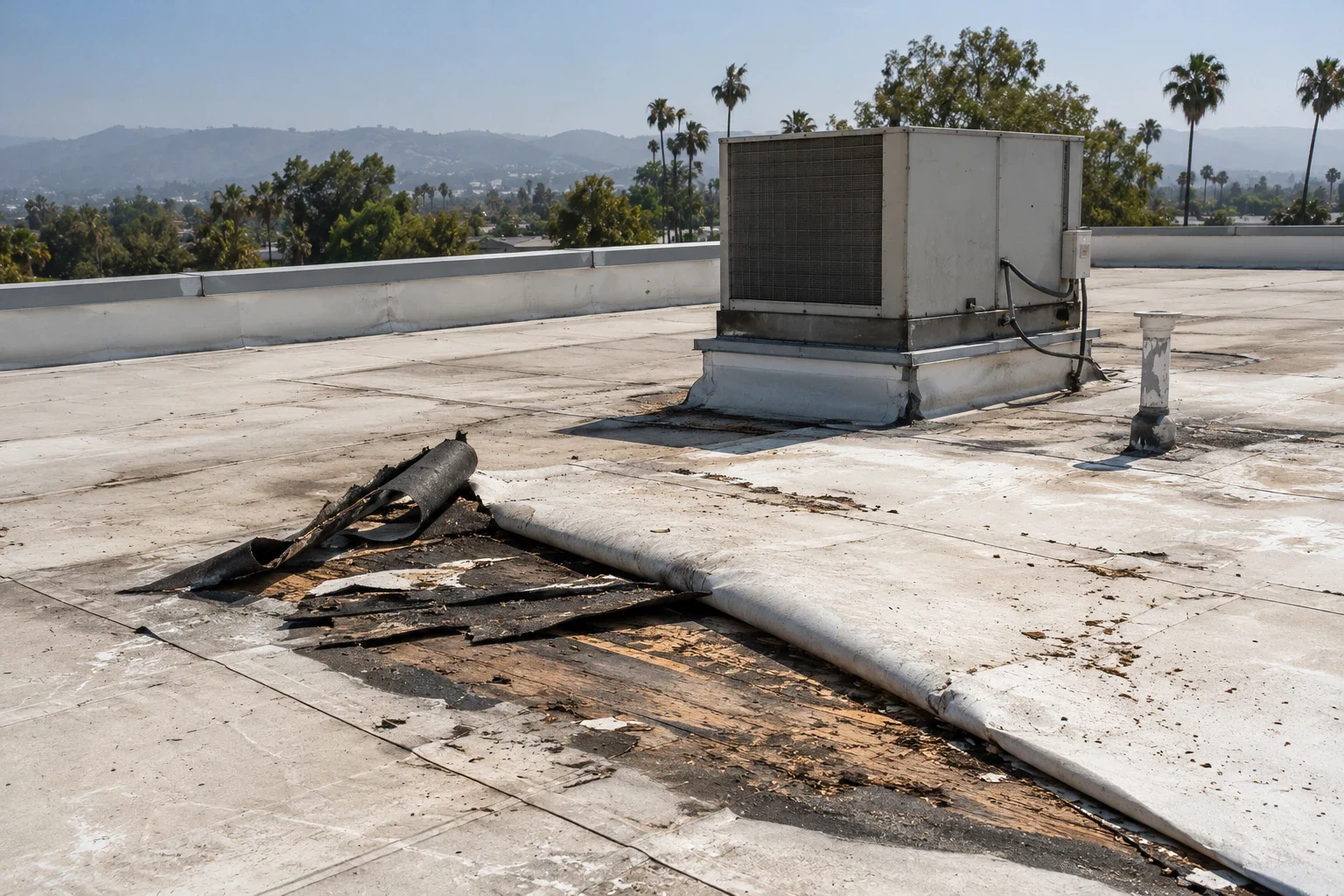
A split seam, puncture, or loose flashing is an observation. Establishing how and when it occurred can need additional evidence. We photograph accessible conditions and identify the examination limits. Previous repairs, aged material, and new damage may appear together. The roof recommendation should state the affected construction without assigning every defect to one event solely because the complaint followed rain.
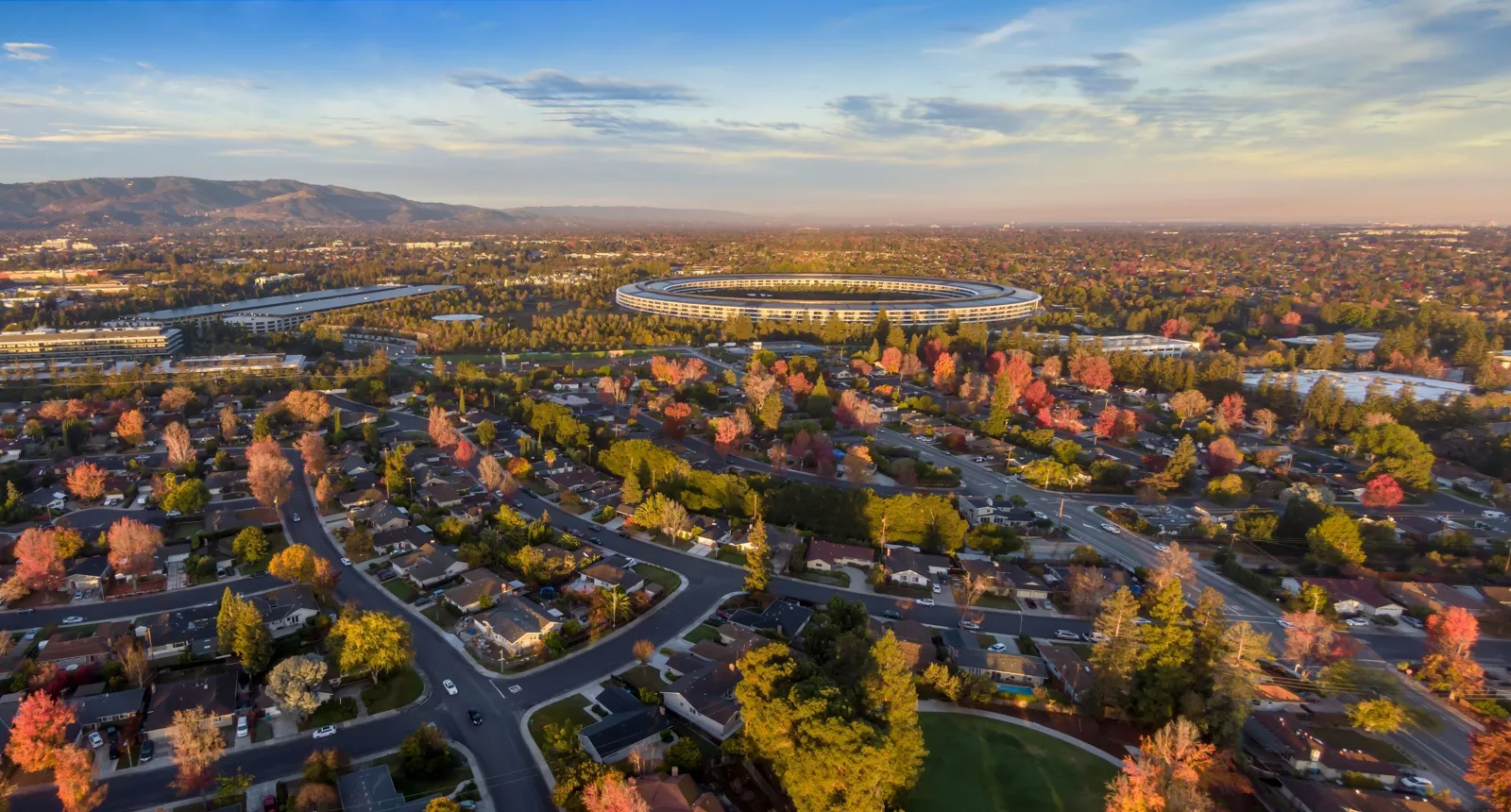
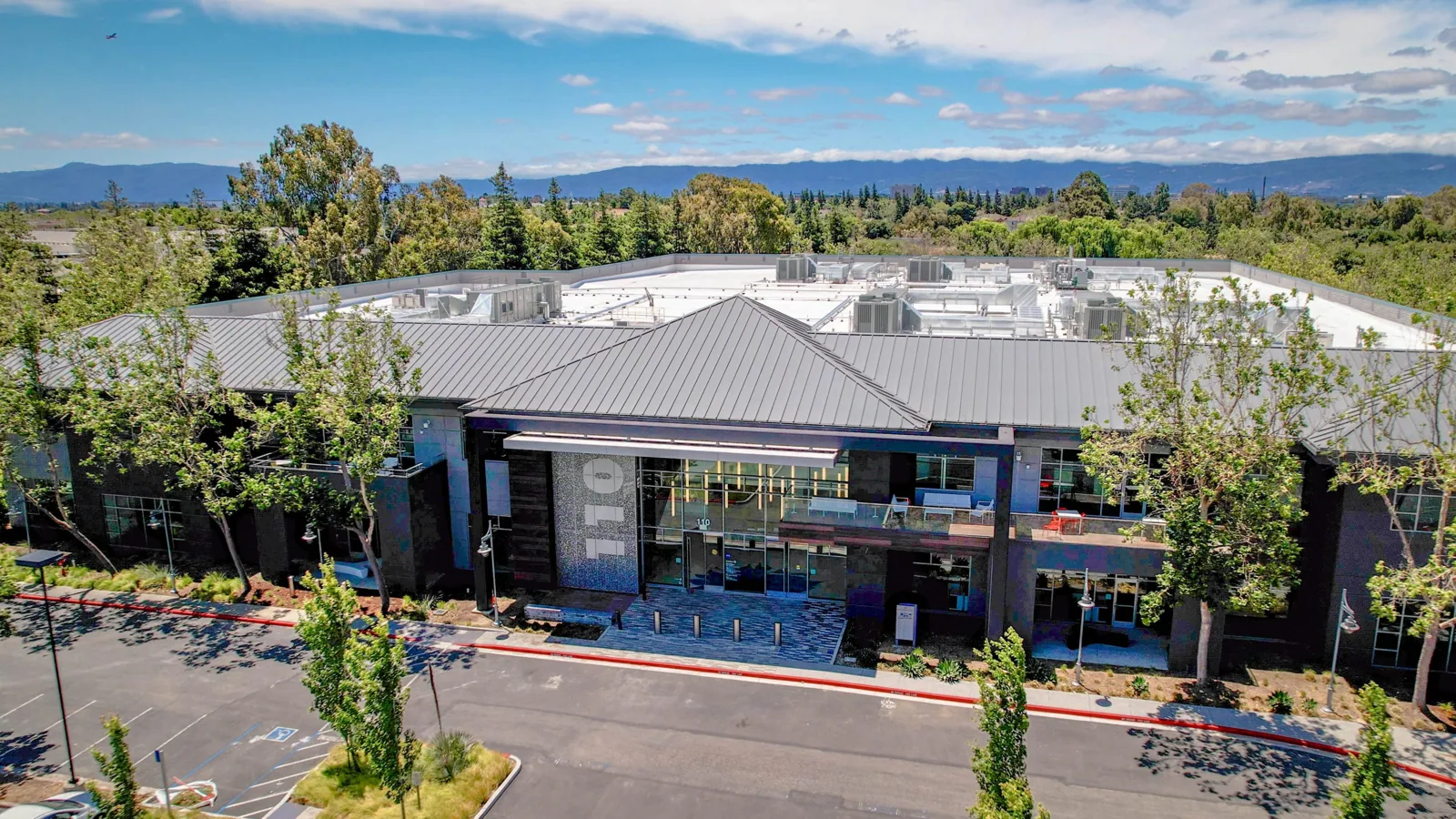
Scott Boulevard includes office and R&D development, while Tasman East planning identifies the area near Tasman Drive and Lafayette Street. Those local identities help locate work in Santa Clara. They do not establish a roof's age or condition. In the Tasman Drive and Scott Boulevard area, the actual property examination supplies the roof findings. Coordination with the management company handling the building helps obtain complaint dates, access, and prior repair information. We keep those records distinct from conclusions that require further investigation.
Water beneath insulation can extend beyond a visible sheet defect. We examine accessible assembly conditions and identify whether further moisture work is justified. Survey indications may support selected openings. Physical findings then help define removal. A broad shaded area on a drawing is not enough to explain a replacement quantity. The owner needs to know what construction is included and why.
Our roof condition support for an insurance claim includes repair descriptions and photographs. Policy interpretation and coverage decisions remain with the insurer and the appropriate claim professionals. We prepare construction information they can evaluate. A localized flashing correction differs from replacing wet layers and rebuilding the detail. We show those tasks separately, including preparation and compatible materials. If hidden deck conditions remain uncertain, the bid provides a defined discovery and pricing procedure. That keeps the construction recommendation usable even while the claim review continues.

Planning and Completing the Work
Interior drying, equipment work, and roofing can depend on different approvals. We coordinate the roof stage with the parties controlling those tasks. An interior restoration plan does not by itself release a roof opening. Operator consent, safe exclusions, and qualified trade work still matter. Where equipment must move, the assigned trade completes isolation and relocation before the roofing detail can follow.
Coordination with the general contractor directing restoration trades needs clear release points. Retail and restaurant operators resuming business may also need restricted shifts and protected customer routes. The bid identifies those conditions and any temporary closure required between stages. Repeated setup and delayed access can change cost without changing the membrane area. We make those drivers visible. The manager can then distinguish an operating restriction from a new roof condition, rather than receiving both as an unexplained change to the original total.
Permanent repairs need an owner-approved scope even when an insurance claim is underway. We identify the proposed construction, retained areas, removed materials, and outstanding decisions. A claim payment and a roofing contract serve different purposes. The manager needs to know what ownership has authorized us to build. We do not promise a coverage result or treat an adjuster's visit as a construction release.
Applicable permit and energy review follows the actual authority, accepted application basis, project scope, and available exceptions. A replacement may require information that a local maintenance repair does not. We coordinate the roofing details with the project team and show any prerequisite in the bid. At completion, we record repaired details, final drainage access, and remaining obligations assigned to others. Temporary measures receive an explicit final status.
The handover should also preserve the distinction between loss documentation and maintenance findings. A retained area needing future attention does not become completed claim work simply because it appears in the same inspection. We identify its condition and proposed next action separately. Ownership then has an accurate construction record for the claim file and a practical basis for the next roof budget. That helps the manager answer later questions without overstating what the restoration contract accomplished.
Complaint timing belongs in the record with the observed roof condition. We ask for the first report, any temporary work already performed, and the areas staff could safely observe. Those details can guide investigation without replacing it. The final roof scope states which findings support the correction, leaving policy conclusions to the claim review.
Restoration documentation: preserve the observed condition and scope. When roof work follows a reported loss, document the reported date and area, accessible conditions, photographs, measurements and limits of inspection. Keep temporary protection, permanent repair and elective renewal as distinct scopes. The contractor can describe visible damage and the repair proposed; cause, coverage and claim valuation remain with the owner and its insurer or adjuster. If concealed conditions are discovered, record the location and obtain direction through the applicable claim and contract process before expanding the work. This preserves a clear record for review without promising a coverage outcome or treating a repair proposal as a claim decision.
Season check: bring a clear repair record
Book a pre-season roof check or a loss-condition visit. We will prepare a plain bid sheet separating temporary protection, permanent repair, and ownership decisions.
Frequently Asked Questions
No. The condition at the subject property, event information, and policy terms need evaluation. We document roof findings and proposed construction; the insurer determines coverage.
We record each task with its location and status. Temporary protection receives a follow-up recommendation. Permanent work proceeds under the approved scope rather than an assumed claim outcome.
Further examination can support a revised removal boundary. We document the finding and apply the agreed approval procedure before changing the permanent construction scope.
We document the reported condition and any immediate measure when access and site conditions permit. Cause and coverage remain with the owner and insurer; permanent construction receives a separate scope.
Roof Assessments
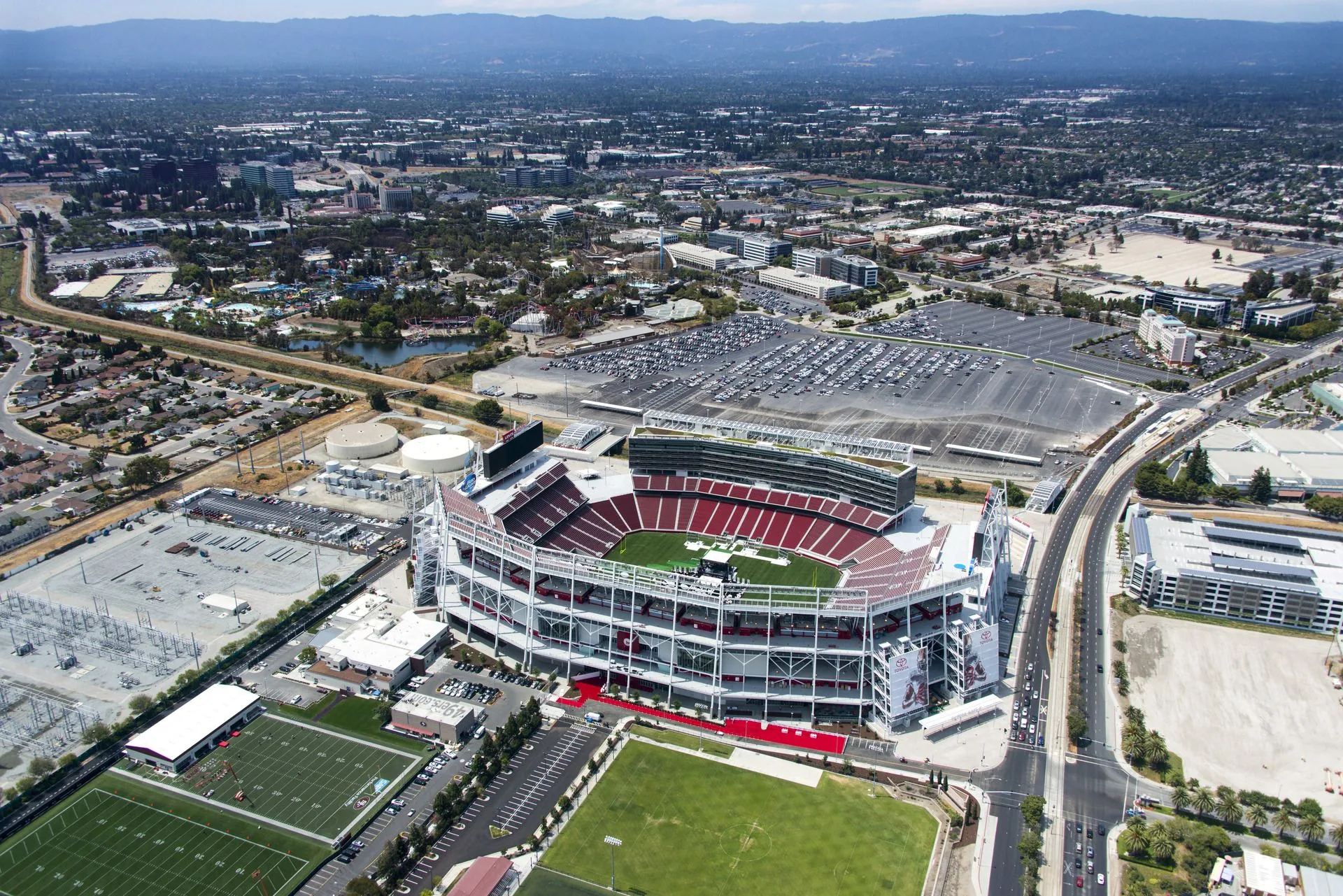
Santa Clara & the South Bay
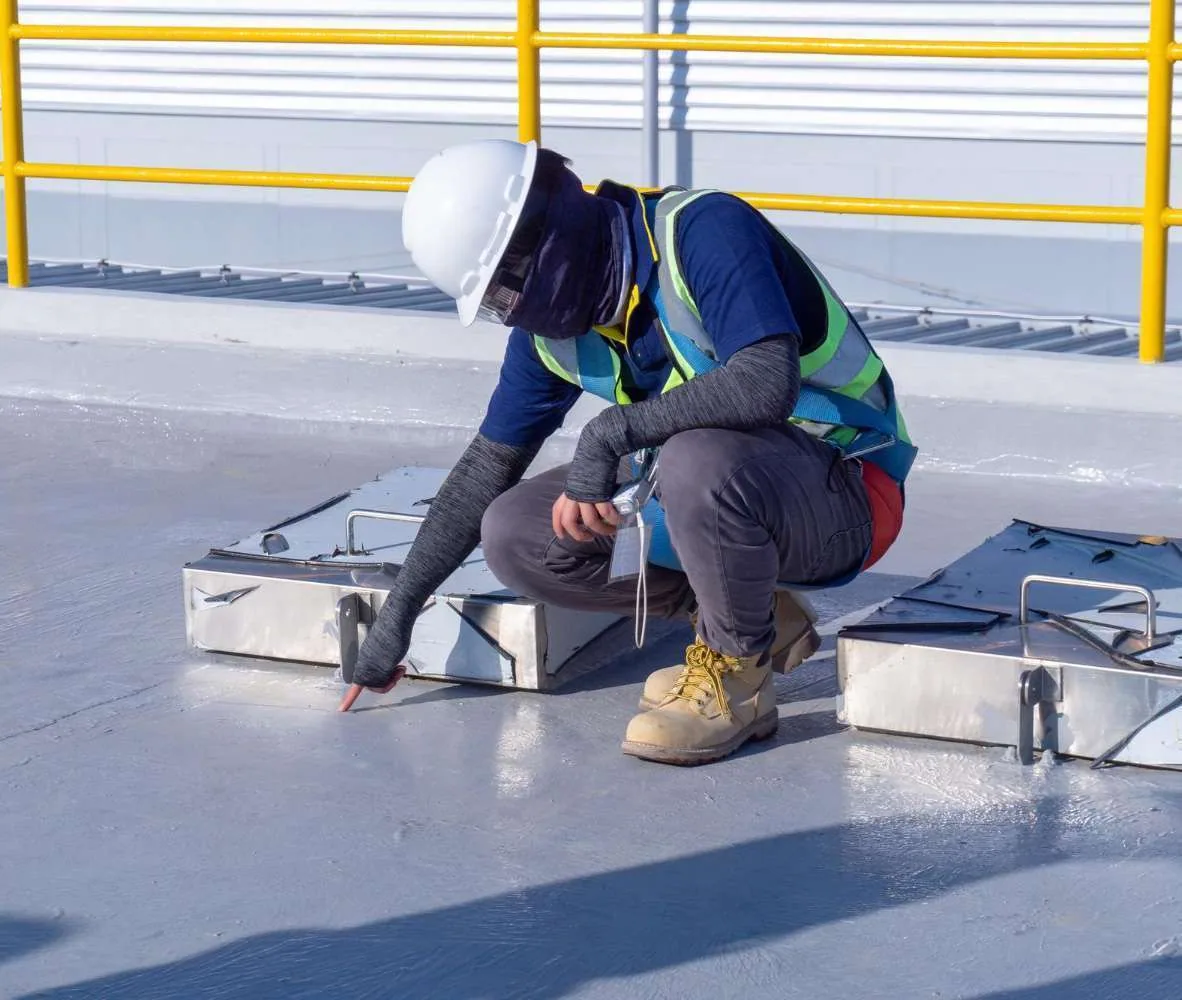
Membrane, flashing, drainage and edge details checked and written up before any work is priced.
Request a Roof Assessment