
- Home
- Industries We Serve
- Retail and Restaurant Chain Roofing
Retail and Restaurant Chain Roofing in Santa Clara, CA
The regional September 2022 heat event and Flex Alerts give a retail manager a useful planning question: can roof work be scheduled without an unapproved interruption to store ventilation? In Santa Clara, CA, the answer starts with the actual equipment and operating rules. A heat event does not establish a damaged membrane. We examine that membrane, its attachment, and its interfaces before proposing a repair or replacement.
A chain needs consistency in purchasing without treating every outlet as identical. One restaurant may have grease at an exhaust discharge. Another may share a roof with neighboring tenants. A retail unit may have no roof rights in its lease. We put those differences on the bid sheet. The store manager can explain the operating requirements; the person with building authority must approve the scope. Both decisions belong ahead of material ordering.
Retail and Restaurant Chain Roofing: What the Work Covers
A shared drain or party-wall flashing can carry a repair beyond the leased space. We check the boundary of the proposed work against the roof layout. The roof above a sales floor is not automatically the part a tenant can alter. Landlord consent, equipment access, and responsibility for adjacent areas need written resolution. That keeps a small leak correction from turning into an unauthorized change to a shared assembly.
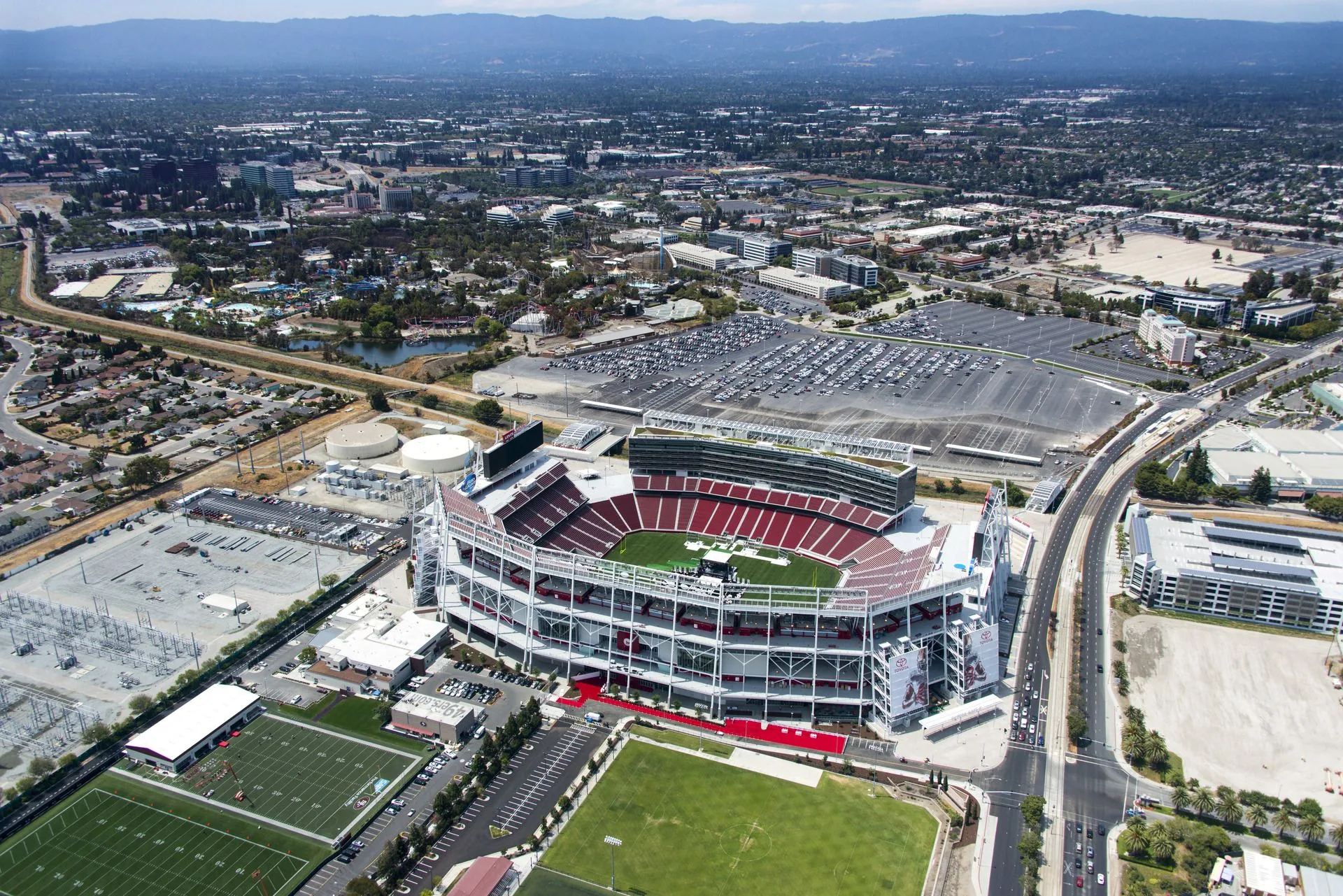
Santa Clara has office and R&D development at Scott Boulevard and a Tasman East planning framework near Tasman Drive and Lafayette Street. Those distinct property settings call for an address-specific access conversation. A development description cannot settle rooftop permissions. For stores served through the Tasman Drive and Scott Boulevard corridor, we identify the actual approving party. Work coordinated with the building management company needs the same clear boundary as work purchased directly by a chain.
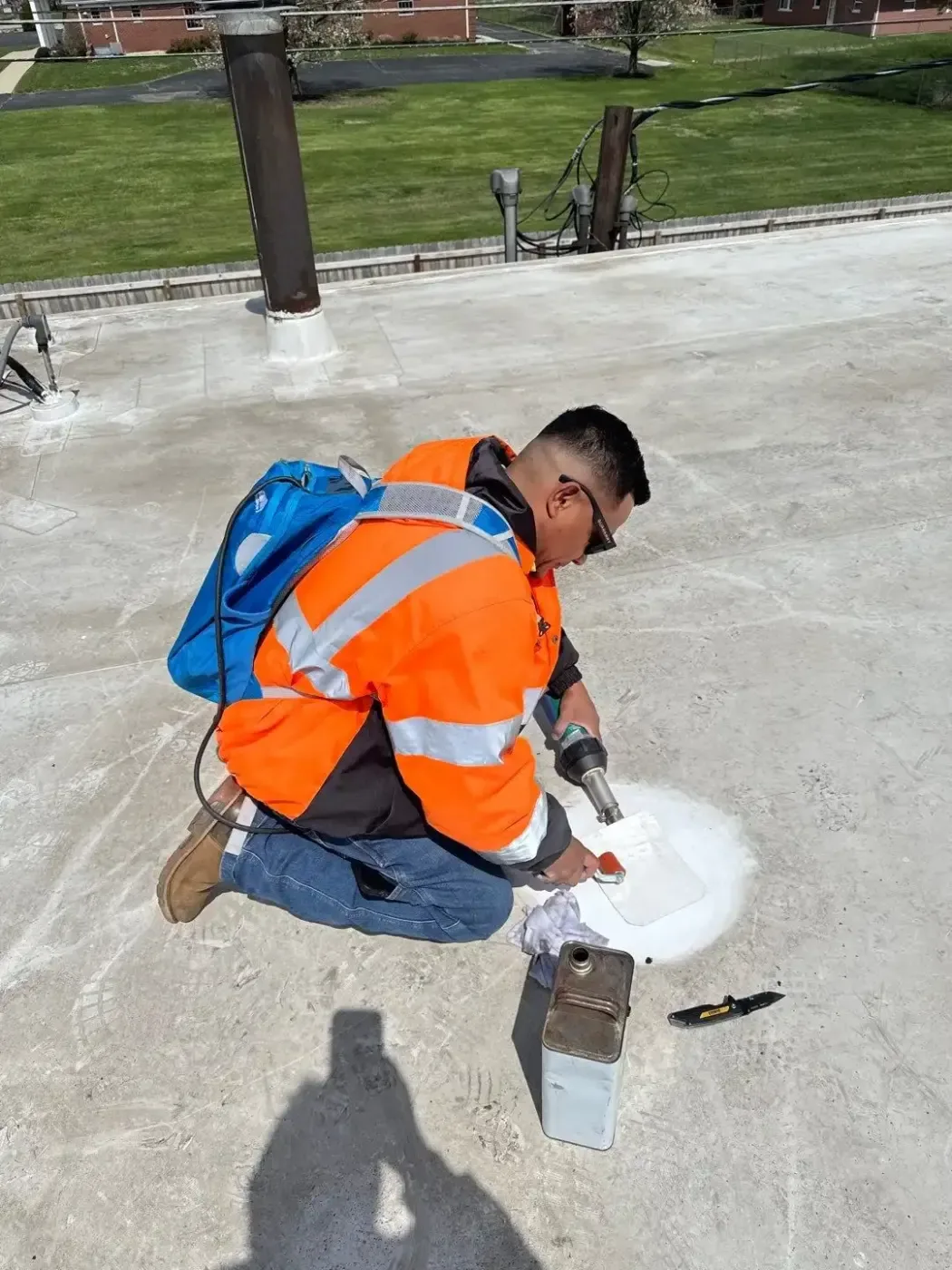
Grease around an exhaust unit changes the preparation question. We look at where residue lands, how it travels, and whether the membrane or previous patch has softened. A coating over contamination can lose its bond. An exhaust problem also needs the responsible mechanical trade. Roofing treatment alone cannot correct the discharge arrangement or establish that a fan can safely be shut down.
For restaurant roof repairs near exhaust equipment, the scope distinguishes cleaning, removal of affected material, compatible replacement, and changes by other trades. PVC can suit some grease-exposed applications, but system selection still requires the actual chemicals, assembly, and installation details. We identify protected work routes and keep removed residue out of outlets. The bid should state who maintains discharge containment afterward. A clean handover with no assigned upkeep leaves the same exposure in place.
A protective pad beneath a service route also needs compatibility review. Some loose materials hold residue or obstruct inspection. We select a route that lets maintenance staff reach equipment without repeatedly crossing vulnerable flashing. The operator receives the restrictions for cleaning products and rooftop storage. Those instructions should travel with the store maintenance file rather than remaining only with the construction buyer.
A roof drain can serve more than one storefront. We trace the surface flow before pricing a repair over the unit with the complaint. We examine outlet access, membrane clamping, nearby flashing, and any visible obstruction. Clearing debris differs from correcting a split drain connection. Water beneath insulation needs its own assessment. These tasks should carry separate descriptions so ownership can compare preparation and repair quantities.
The late 2022 and early 2023 regional rain sequence makes seasonal drain access worth scheduling. It does not tell us which store needs replacement. Our drain and scupper corrections follow the inspected arrangement. A blocked outlet and a sagging substrate require different work. We also check whether a planned walkway or equipment curb obstructs flow. On a shared property, the completion record identifies the affected roof area and the party responsible for keeping the outlet reachable.
Planning and Completing the Work
Deliveries, kitchen preparation, and customer entrances affect where material can be lifted and staged. We establish those restrictions before accepting a sequence. A restaurant air intake may need temporary protection under an approved plan. A sales floor may need overhead exclusion areas during deck work. The qualified operator controls any equipment interruption. We do not assume an overnight shift removes these requirements.
The bid for roof work over trading premises should include the permitted shifts, temporary protection, waste routes, and daily closure method. Chain purchasing staff can then compare like tasks. Delivery and logistics operators may need coordination where a service yard is shared. A reduced staging area or repeated mobilization affects cost differently from the membrane choice. Put those restrictions beside the price rather than leaving them to become scope creep after award.
An inspection may support a local repair, selected wet-material removal, or a broader reroof. We explain why the observed condition supports the proposed boundary. A repeat repair allowance is not a substitute for identifying open seams, failed flashing, or water held below the surface. For several stores, we keep the condition and the operating constraint beside each address. A chain-wide material preference still needs approval for the particular assembly.
Replacement also needs the applicable permit and energy review. We resolve the actual jurisdiction, accepted application basis, extent of removal, and available exceptions with the project team. A reflective surface alone does not answer the insulation or fastening question. Coordinated roof purchasing across stores should standardize the information ownership receives: repair limits, alternatives, excluded mechanical work, protection, and completion evidence. That makes a cheaper bid understandable and gives the local manager a task they can schedule.
At closeout, we record repaired details before they become hidden by equipment screening or tenant fixtures. We separate completed roof work from items still awaiting landlord or mechanical action. Store staff get a practical reporting route for renewed leakage, including the time and affected interior area. Ownership receives enough detail to distinguish a new condition from an unfinished obligation. That distinction protects the next budget decision and reduces the chance of paying twice for the same unresolved task.
Multi-site retail: compare operating impacts alongside roof scope. For a retail or restaurant chain, a shared intake can capture store identifier, roof zone, operating contact, interior concern, access limits and evidence. Use it to prioritize investigation, not to assume a uniform roof assembly or cause across locations. The site manager identifies hours, receiving and customer-route constraints; the roofing proposal states work boundaries, protection and closure by store. Restaurant exhaust and retail signage may need their own service providers. property group reporting should distinguish a completed repair from an open access issue or an unapproved capital option so regional leaders can compare status accurately.
Season check: keep the stores ready
Reserve a roof check before rain season with store access included. We will prepare a plain bid sheet with landlord decisions and repair limits for ownership approval.
Frequently Asked Questions
It can set a purchasing standard. Each assembly still needs examination for attachment, insulation moisture, grease exposure, and permitted work. We show any required variation beside that outlet.
The lease and building owner establish that authority. We identify shared components and obtain the required consent before changing them. A store manager can coordinate operations without holding roof alteration rights.
Cleaning is only one part of the decision. Remaining contamination, membrane condition, adhesion, and moisture determine suitability. A failed patch or softened sheet may need removal rather than another surface treatment.
For retail restaurant chains, define the work boundary. Safe roof access, weather, and operator instructions determine the work possible during that response. Temporary protection receives a follow-up scope.

Roof Assessments
Santa Clara & the South Bay
Membrane, flashing, drainage and edge details checked and written up before any work is priced.
Request a Roof Assessment