- Home
- Service Areas
- Stanford Research Park
Stanford Research Park Roof Work With Defined Trade Interfaces
Rain and lingering showers across the Bay Area in the late December 2022 to January 2023 sequence create a research-property manager’s planning question: who must release a penetration detail before the roofing crew can close it? We assess commercial roofs in Stanford Research Park in Palo Alto, CA. The answer comes from the property’s actual equipment, construction, and authorization process. Regional weather supports early coordination without proving a defect at any research building.
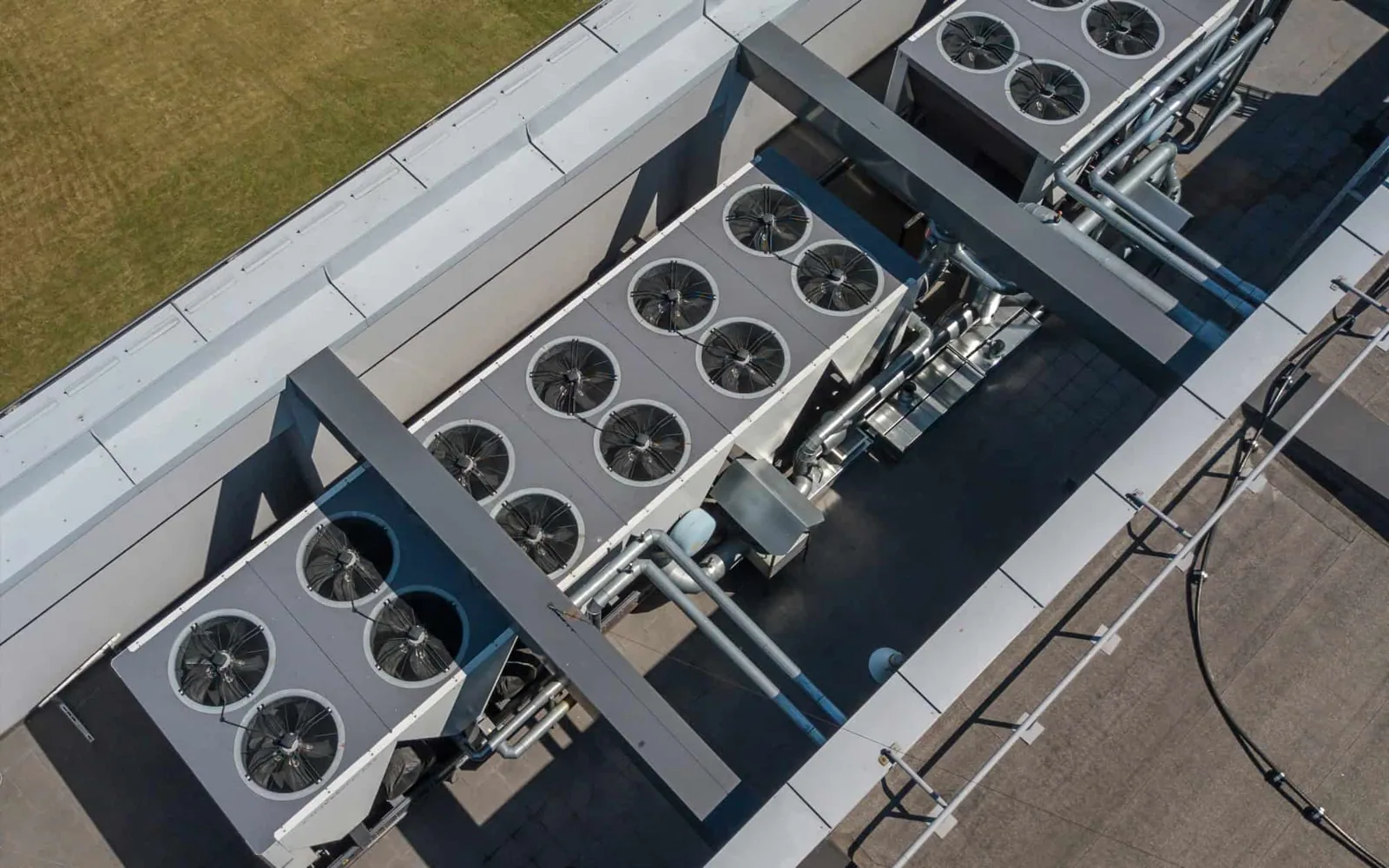
Stanford Research Park has a life-sciences and R&D identity, with boundaries at Page Mill Road, El Camino Real, Foothill Expressway, and Arastradero Road. A property within that setting needs its own roof assessment and operator instructions. Our roofing at equipment curbs and supports separates waterproofing from equipment and structural tasks, so ownership sees the dependencies before approving installation.
Stanford Research Park: What the Work Covers
A penetration can involve a membrane, sleeve, support, and equipment service requirement. We record the accessible construction and identify the roofing correction proposed. Moving equipment or altering its support is a different task. Qualified parties and the property authority determine the required isolation, design, or operational approval before that work proceeds.
The bid should name any dependency clearly. A roofing scope can include coordination without including another trade’s work. We state that distinction in the estimate and identify the necessary sequence. The manager then knows whether an approved roof task can proceed independently or must wait for a separate correction. A small connection can carry substantial coordination cost. Its footprint alone should not decide the labor allowance, especially where the available access period must accommodate testing, equipment preparation, and closure of the waterproofing detail.
A trade handoff should include the condition needed before roofing resumes. We identify the support, sleeve, or adjoining surface that must be ready and any review required before it is covered. The manager coordinates the responsible party’s attendance. That makes the dependency measurable in the schedule. A general instruction to coordinate on site is insufficient if the roofing closure cannot proceed until an unassigned person confirms a separate piece of construction or operational preparation.
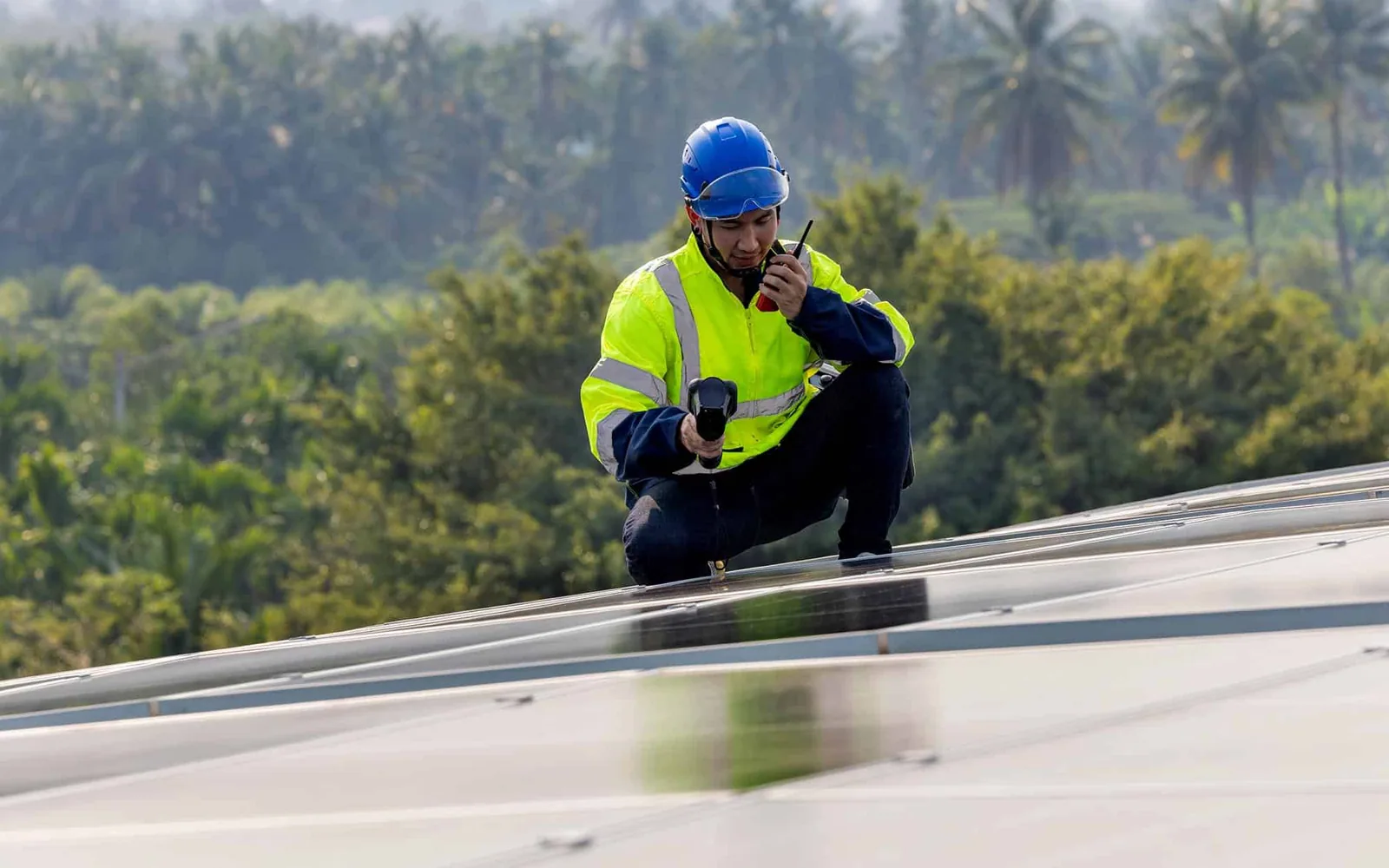
A roof walk, thermal survey, and controlled opening need different preparation. We establish the approved method and the relevant contact for the subject property. Photography, equipment use, escorts, or restricted routes may need operator review. Those requirements come from the building’s current instructions, rather than from the research park name.
For owners also reviewing other Palo Alto properties, keep permissions tied to the address and intended activity. Approval for observation should not be stretched to authorize cutting into the roof. A controlled opening requires compatible closure and a defined work period. We explain why the examination is needed and which decision its result will support. That helps the manager obtain a precise authorization instead of submitting a broad request that fails to describe the exposure or the method the crew intends to use.
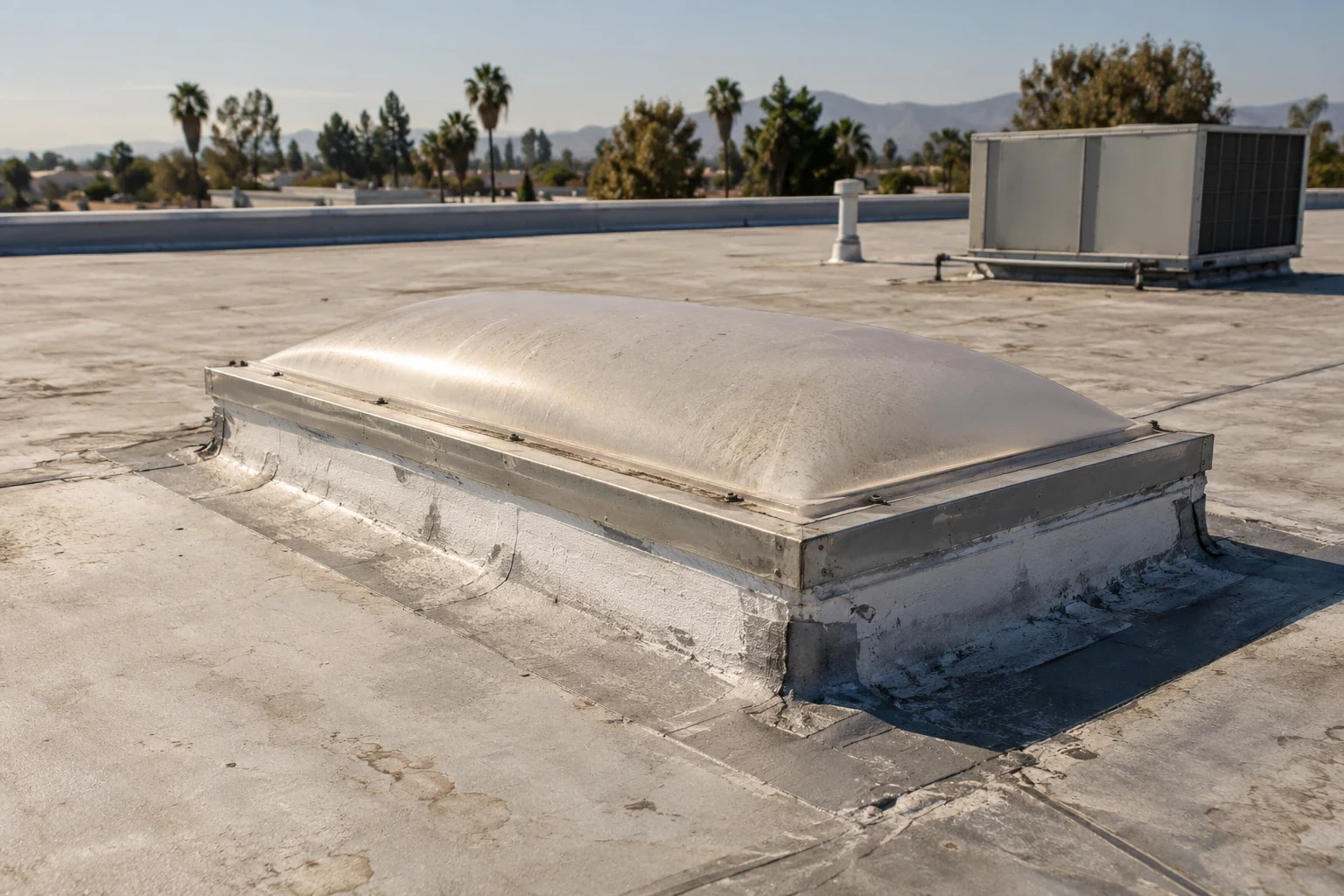
A curb repair must join the surrounding membrane in a compatible way. We identify the sheet or surface construction before selecting welded material, adhesive, or another suitable method. Existing patches and prior treatments may change preparation requirements. Removal can be necessary where retained material cannot carry the new connection adequately.
Our repair of roof penetration flashings includes the accessible upper termination and adjoining construction. Equipment movement or support condition may affect the detail design. We identify those limits and coordinate the relevant review. Applying more surface sealant can leave a loose attachment unchanged. The owner should see the distinction between a limited compatible repair and a broader correction requiring other trades. That makes scope comparison more useful than treating every penetration as an identical unit simply because it appears on the same roof plan.
Planning and Completing the Work
Evidence of possible retained moisture can change whether insulation remains during repair. We compare the visible condition with available roof records and interior water-entry reports. Further investigation should answer the specific question affecting removal or system eligibility. A survey without a clear decision purpose can leave the manager with information that does not improve the bid.
Our thermal examination for possible roof moisture is subject to assembly and environmental suitability. Temperature indications require interpretation and may need confirmation by appropriate follow-up. We state those limits and identify controlled openings only where they are useful and authorized. The resulting recommendation separates suspected moisture from established conditions. Ownership can then review the proposed removal quantity or the next investigation step without assuming that a thermal pattern directly identifies every layer needing replacement.
The approved shift should include material handling, preparation, required reviews, and a secure daily finish. We assess the work area against those tasks. A hold point needing operator attendance must have an available reviewer. If that dependency remains unresolved, removal should not begin on the expectation that permission will arrive before the day ends.
For a manager coordinating property work in Mountain View as well, operator restrictions stay separate. A shared owner does not imply shared laboratory activities, equipment, or access rules. We use the actual operating information supplied for each building. The bid identifies handling and protection costs beside the roof quantity. It also distinguishes known restrictions from hidden construction allowances. That lets ownership understand whether a revised total reflects a changed operating plan, newly established deterioration, or a genuine change in the proposed system.
A completed roof detail needs its location and relevant material record. We identify any adjoining work still assigned to another trade. The manager should be able to close the roofing task while leaving an equipment or support issue open where correction remains pending. A broad statement that work is complete can obscure that boundary.
Our condition records for repair and capital decisions keep those responsibilities visible. Accessible details, deferred examination, and completed corrections remain distinct. For stanford research park, define the work boundary. Track the stanford research park limit and remaining work. The property’s entry rules and safety conditions determine the protective work possible. Temporary protection gets an assessed permanent follow-up task. That record helps the manager carry the next approval through without confusing short-term containment with the full authorized assembly correction.
Research-park work: coordinate with the managing property contact. Stanford Research Park is a defined multi-property employment area managed by Stanford, with buildings occupied by different organizations. Confirm which party controls the assigned roof, grants access and approves the construction scope before arranging a survey. An occupant's service request may require coordination with property management and building facilities. Map the equipment or penetration at issue, then identify whether the work belongs to roofing or another trade. Keep security, escort and operating constraints tied to the specific building's instructions. The repair record should identify the property and roof zone without implying the same access rights or system details apply across the park.
Research Park season check: Define the dependencies
Request a pre-season roof check in Stanford Research Park. We will prepare a plain bid sheet with trade interfaces and occupied-space protection for ownership and operator review.
Frequently Asked Questions
No. We identify accessible construction and use the property’s actual equipment information. The building operator supplies current work restrictions.
Equipment authorization stays with the responsible qualified parties. We identify the roofing dependency and sequence before scheduling the correction.
We provide its purpose, location, proposed method, and closure requirement. The designated property authority approves the activity before it proceeds.
The record identifies completed waterproofing and adjoining tasks still pending. Each responsibility remains attached to its location.
Roof Assessments
Santa Clara & the South Bay
Membrane, flashing, drainage and edge details checked and written up before any work is priced.
Request a Roof Assessment