- Home
- Service Areas
- Mountain View
Mountain View Roof Decisions: Map the Equipment Interfaces
Regional September 2022 heat and statewide Flex Alerts provide a planning prompt for a Mountain View manager: which rooftop interfaces need examination before authorizing an equipment-related roof correction? We inspect and repair commercial roofing in Mountain View, CA. The weather episode does not establish an equipment operating schedule or a damaged roof component. The installed assembly and the property's service arrangements decide what work is needed.
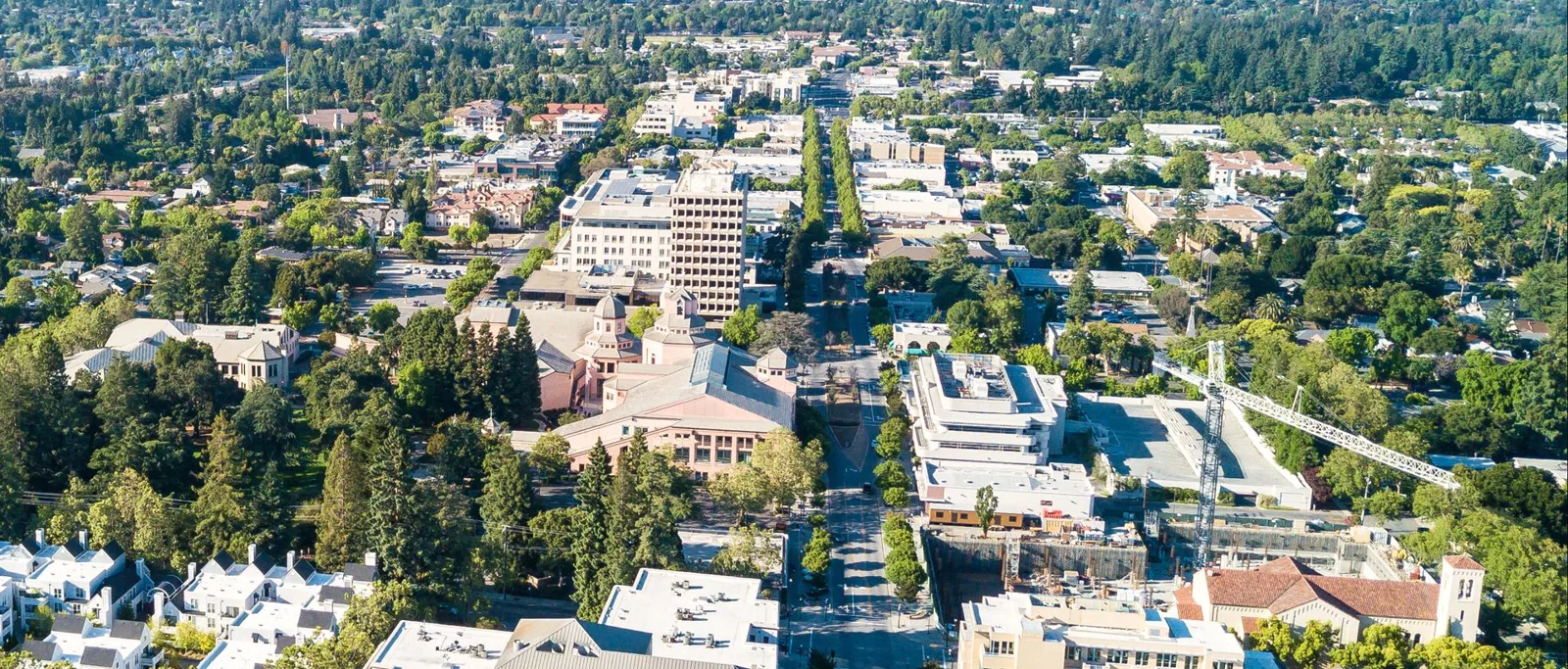
Mountain View's City Hall is on Castro Street, and the public library holds outdoor programs in Pioneer Park. Those civic locations give the area a real identity without describing their roofing. For the manager's building, we obtain the equipment alteration history where available and identify the authorized service contacts. Roofing at equipment supports and curbs requires a clear work boundary. Ownership should see the flashing correction, any equipment dependency and the release sequence as separate tasks. A roof estimate should not quietly authorize a shutdown or relocation.
Mountain View: What the Work Covers
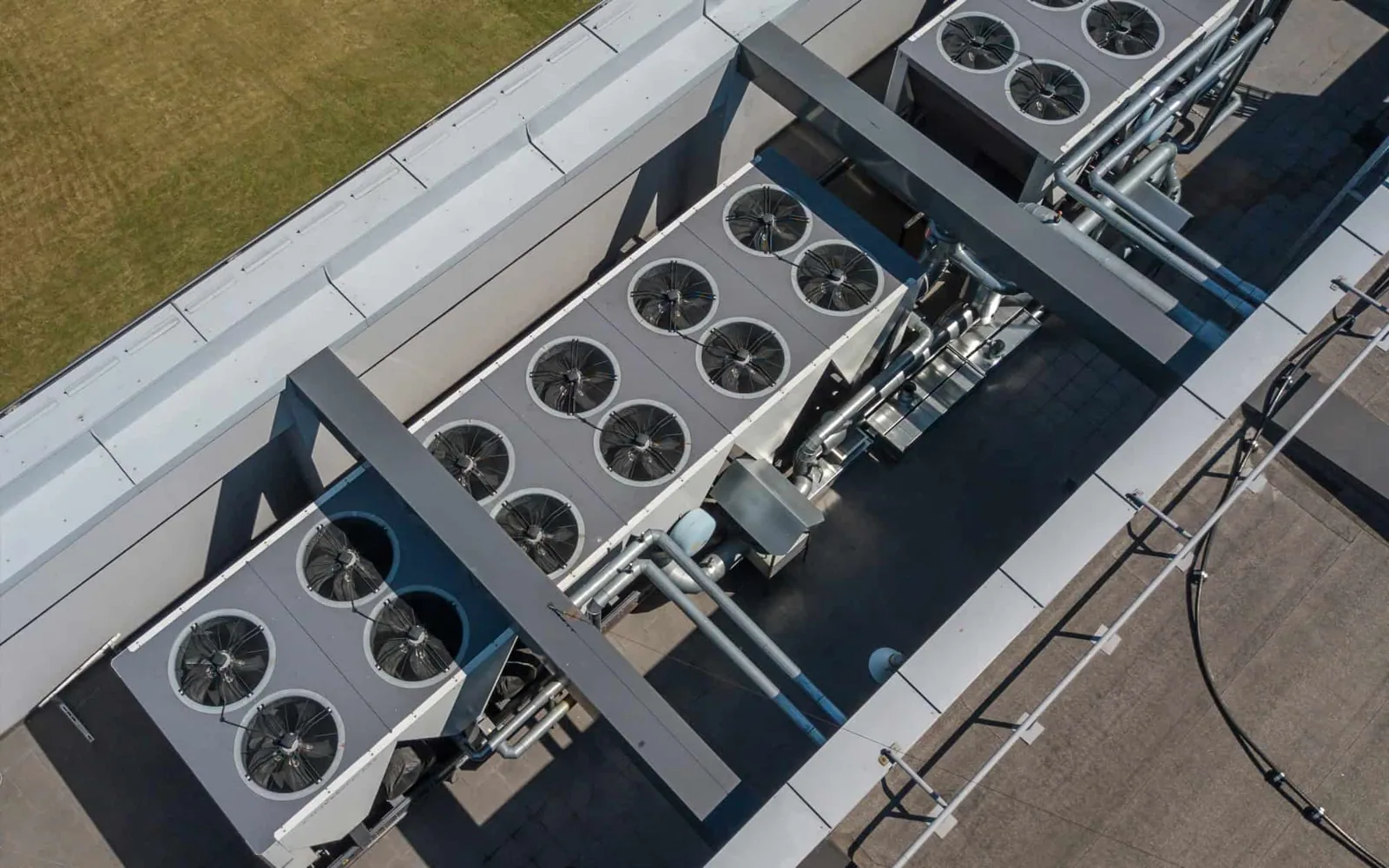
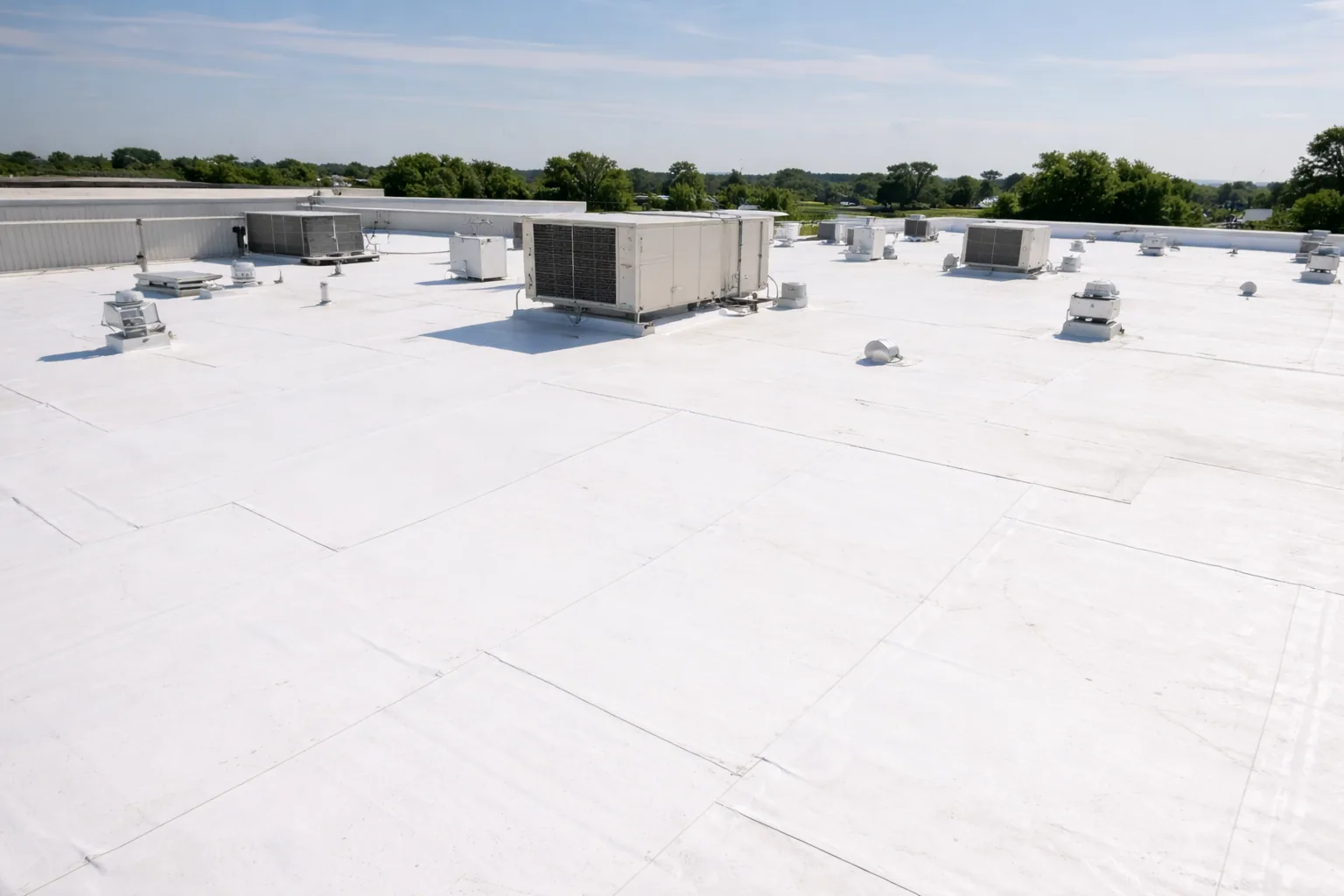
A rooftop unit can have electrical, mechanical and drainage connections as well as its roof attachment. Roofing personnel need to know which connections may be touched and which require the equipment service trade. A suspected leak around a curb does not authorize disconnecting the unit. We inspect accessible roofing interfaces first, record the limitation and coordinate additional access when the condition calls for it.
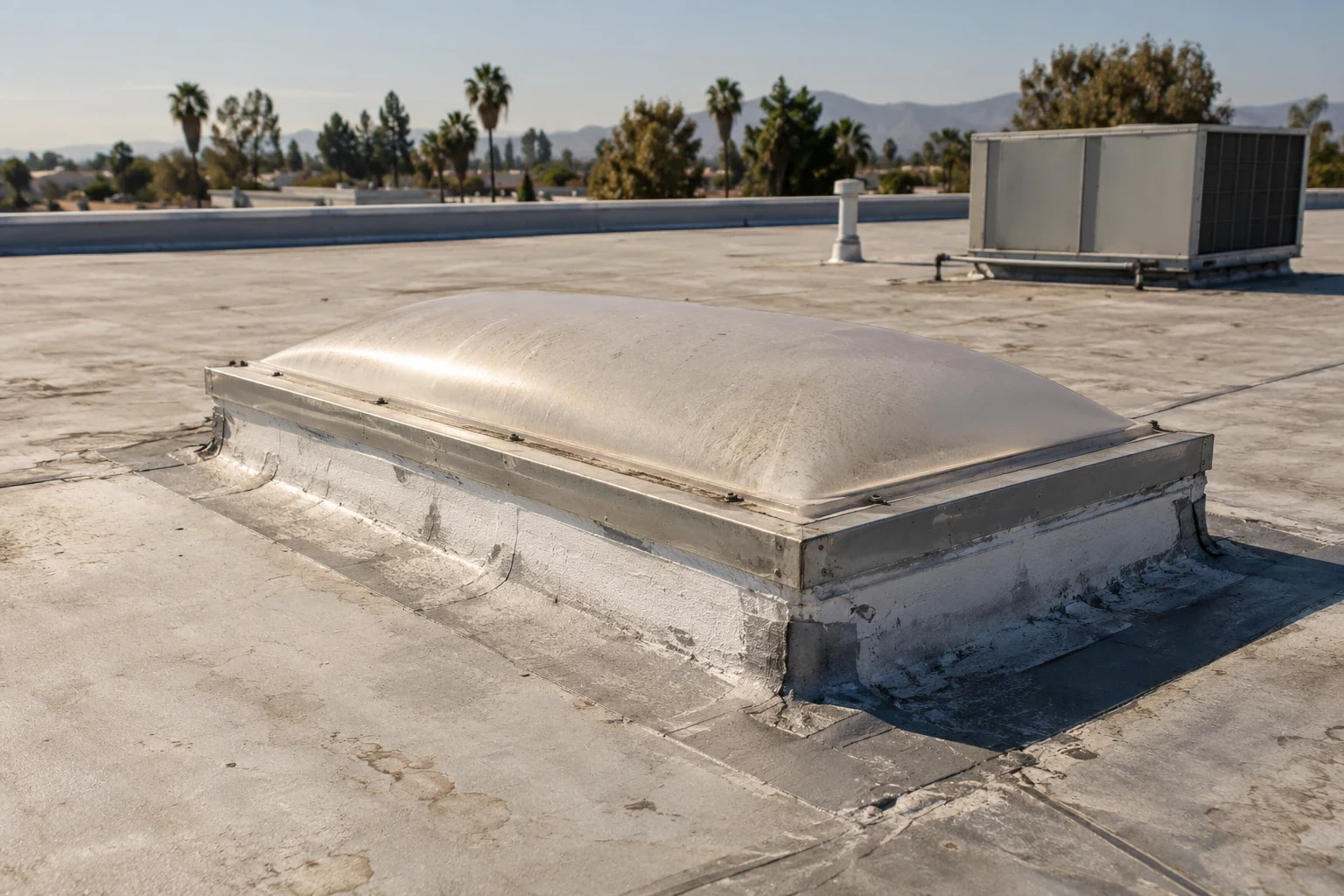
Supports and penetrations need enough clearance for proper preparation and installation. A repair detail that can only be reached after moving equipment needs that dependency stated before pricing. Include the authorized isolation procedure where necessary and the contact responsible for return to service. Flashing around roof openings also requires attention to the opening's own construction. Glass, frames, ducts and pipe systems may need separate specialist work. The manager can then approve a complete sequence instead of a roofing patch that cannot be installed with the proposed method. Keep trade approvals attached to the work order so the field crew is not asked to settle them on arrival.
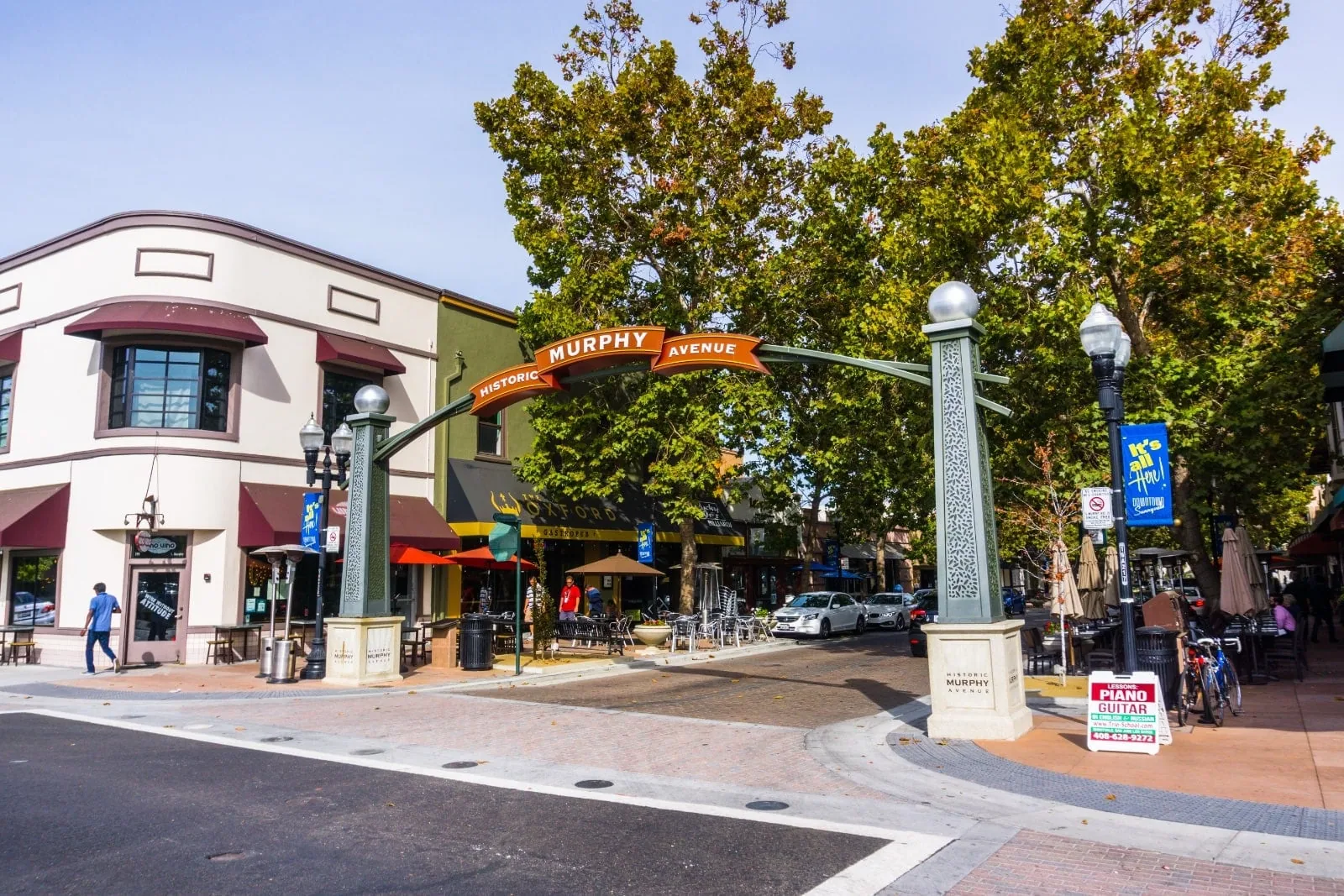
City Hall is a local reference in Mountain View. Library activities take place both inside the public library and outside in Pioneer Park. They are separate local references with their own operating requirements. Work at any public facility needs the applicable authorization; nearby private work needs that property's permission. A familiar civic address does not establish roof access, system materials or inspection rights for another building.
For an office or other commercial property, identify which roof zones serve which occupied rooms. The relationship affects interior protection and service coordination. Managers with another building toward Sunnyvale should keep equipment plans attached to the correct address. We use a mapped roof examination to connect visible concerns with the actual roof zone. Include available equipment labels for coordination without treating them as a roofing diagnosis. The inspection record should distinguish observations at the curb from concerns in the unit itself. That makes the estimate useful to both ownership and the service contractor.
A curb flashing detail includes more than the exposed lower edge. We examine corners, vertical faces and upper termination where accessible. A defect at the top can allow entry behind an apparently sound lower repair. Material transitions also need compatibility: a membrane patch, metal termination and sealant joint have different installation requirements. The proposed detail should explain how those components work together rather than relying on an unexplained coat of sealant.
Movement and support condition can affect the repair. We record loose components or visibly stressed details and identify any engineering or equipment review needed before roofing proceeds. Do not assign structural adequacy from a visual roof visit alone. For correcting failed flashing connections, the scope needs removal limits and a sound substrate at the repair boundary. If concealed deterioration changes that boundary, obtain the agreed approval before covering the work. A documented opening helps ownership understand why the quantity changed. It also separates a legitimate field discovery from an undocumented expansion of the original scope.
Planning and Completing the Work
Equipment replacement can make roof access easier in a limited area, but it does not establish that the full roof needs replacement. Compare the identified curb work with the broader assembly findings. A suitable localized correction may protect the interface without disturbing sound surrounding material. A larger renewal needs its own basis, including moisture, attachment, drainage and the condition of existing layers.
Roofing coordinated with a building toward Cupertino should use the same clear procurement format but separate construction quantities. For each estimate, distinguish equipment service, roofing removal, substrate repair, insulation, flashing and final inspection. Show who restores any temporary opening and who accepts the equipment's return to use. The order of tasks can affect mobilization costs. A low roof price that excludes essential equipment coordination is not equivalent to a complete sequence. The ownership request should identify those exclusions before scheduling, especially where the equipment access determines whether the roofing correction can be performed safely.
A safe maintenance path should avoid unnecessary traffic over vulnerable flashing. The operator identifies required service points, and the roof system requirements guide any protection placed along the route. Do not attach walk protection through the covering without the appropriate detail. Include its placement and installation requirements in the scope where needed.
Service visits after roof work can introduce new foot traffic, tools and alterations near a completed detail. Establish an approved route and the requirements for contacting the manager before modifying a penetration. The maintenance record should show which interfaces were repaired and what system requirements apply to future work. A small new cable opening deserves a proper roofing detail even when the equipment change seems minor.
Before rain season, review completed flashing and accessible outlets together. Keep the service contact and roofing contact available to the manager so a complaint can reach the responsible party quickly. For mountain view, define the work boundary. Safe access and authorization determine what immediate correction can proceed. Temporary work should have a recorded follow-up, including the equipment dependency if one remains. Final photos and the completed quantities support ownership's acceptance. That handoff protects the repaired area from an undocumented alteration and gives the next investigation a clear starting point if another complaint arises.
At a Mountain View equipment interface, define the roofing and mechanical responsibilities before either trade opens the curb. We identify the flashing surface, supporting material and connection that must be rebuilt after equipment work. The proposal should say who will isolate or move a component, who provides a safe opening and which trade confirms readiness for final flashing. If the equipment plan changes after inspection, revise the detail and quantity before installation rather than forcing the roofing into an unapproved transition.

Book the Mountain View interface season check
Arrange a pre-rain inspection with the appropriate facility contacts. We will separate equipment dependencies from roof quantities on a plain ownership bid sheet.
Frequently Asked Questions
The operator and qualified service trade authorize equipment isolation. We coordinate the roof detail within that approved sequence.
Accessible clearance and the required detail decide. We state any removal or lifting dependency before work is released.
Assess the wider assembly separately. An equipment project does not prove that sound roofing requires removal.
The authorized equipment representative handles that release. Roofing acceptance concerns the completed roof scope.
Keep the repair map and alteration requirements with the facility record. Require approval before adding or changing penetrations.
Roof Assessments
Santa Clara & the South Bay
Membrane, flashing, drainage and edge details checked and written up before any work is priced.
Request a Roof Assessment