- Home
- Property Types We Roof
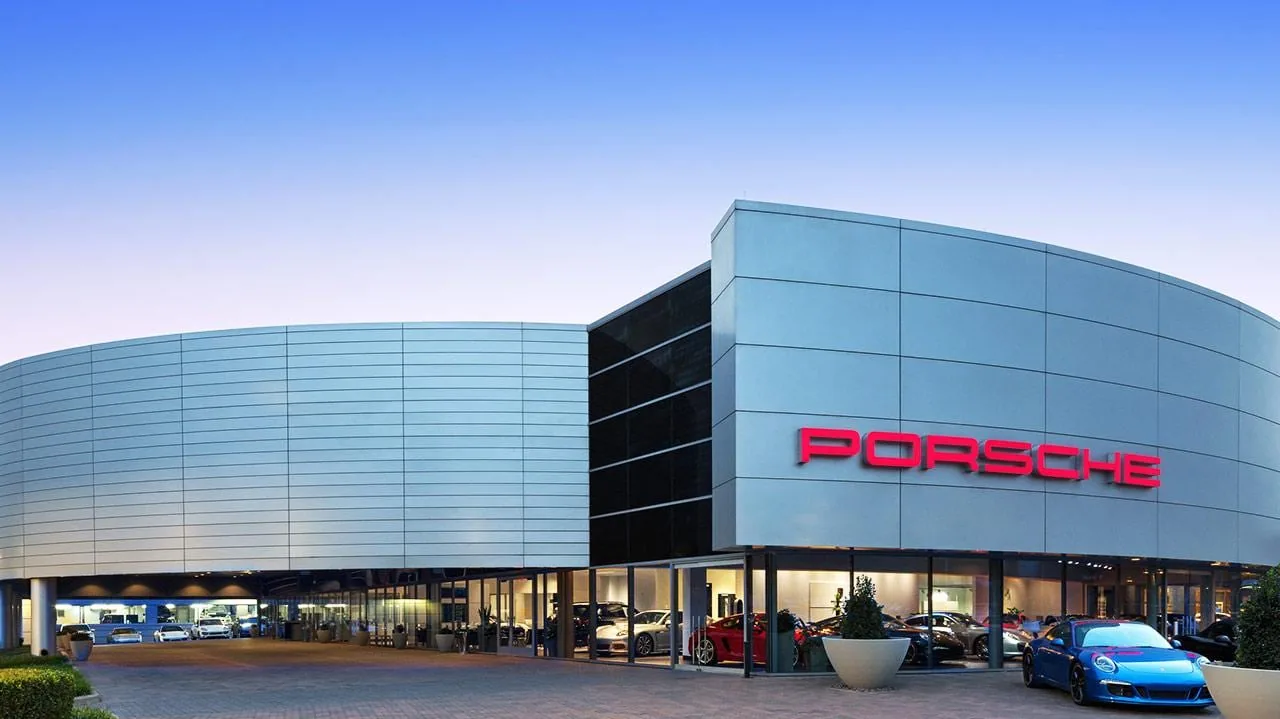
- Auto Dealership Roofing
Auto Dealership Roofing in Santa Clara, CA
Repeated Bay Area rain from late December 2022 through mid-January 2023 gives auto dealership managers in Santa Clara, CA a specific preparation question: where can roof work proceed while vehicle routes remain usable? We inspect the actual assembly and agree on the operating limits before setting a sequence. The atmospheric-river history supports seasonal planning. It does not establish a failed roof or a current vehicle arrangement at the property.
Sales areas, service bays and parts storage can have different restrictions if the subject dealership includes those uses. We confirm them with the operator. The roofing proposal identifies the correction and construction boundary; the dealership decides how vehicles and business activities will be arranged. Ownership gets a bid sheet that connects those decisions instead of a membrane price based on unrestricted access to the building.
Auto Dealership Roofing: What the Work Covers
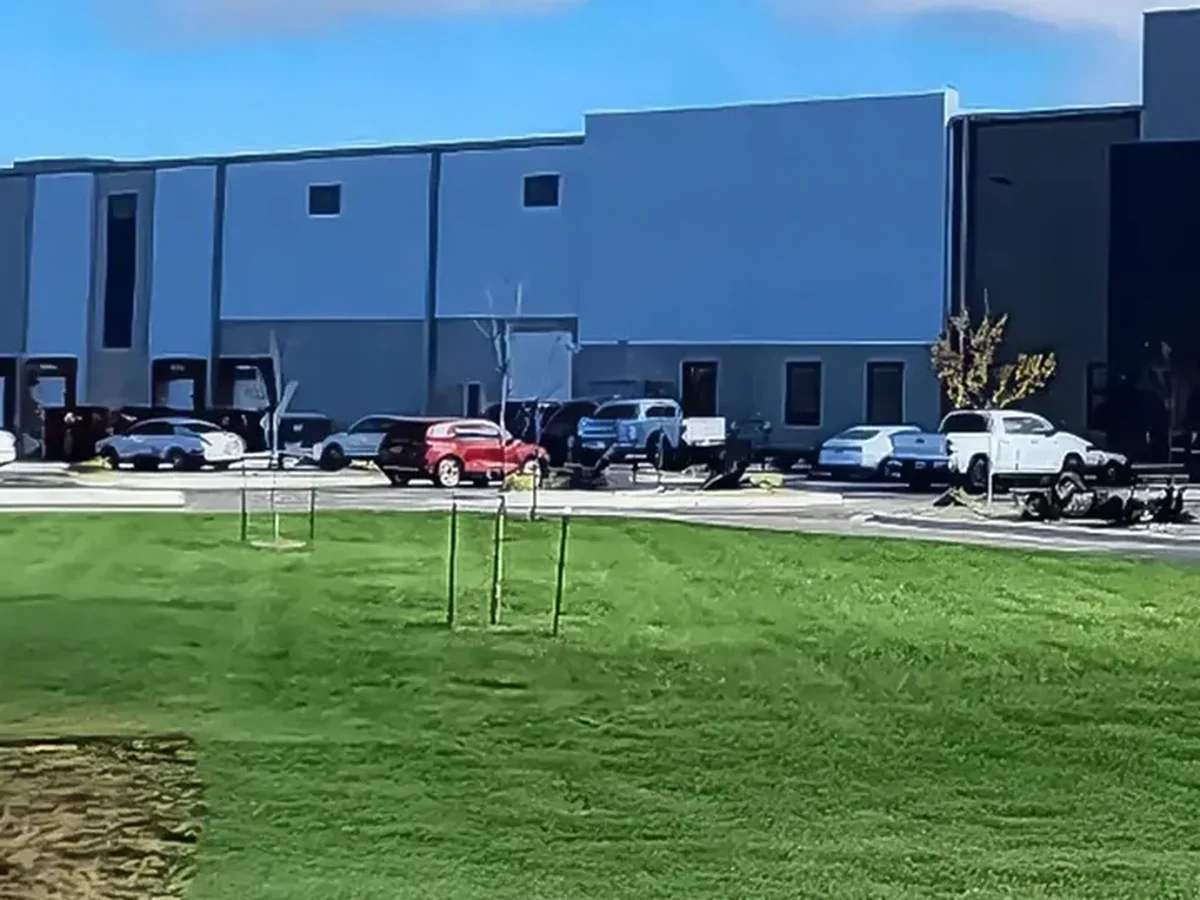
A delivery truck cannot be planned solely around the nearest roof edge. We discuss approved unloading, lifting and storage with the property contact. Vehicle circulation, visitor entrances and service access need a defined separation from roofing work. If vehicles must move, the operator authorizes and coordinates that task. The roof crew receives a clear boundary and a suitable material route before construction begins.
Reroofing during building use also requires a daily protection plan. Noise, debris and odors can affect different areas in different ways. We identify the selected construction method and the work area that can be protected under the forecast conditions. The operator reviews the effect on its activities. These access restrictions belong in the bid because they can change handling labor and the sequence even when the roof quantity stays the same.
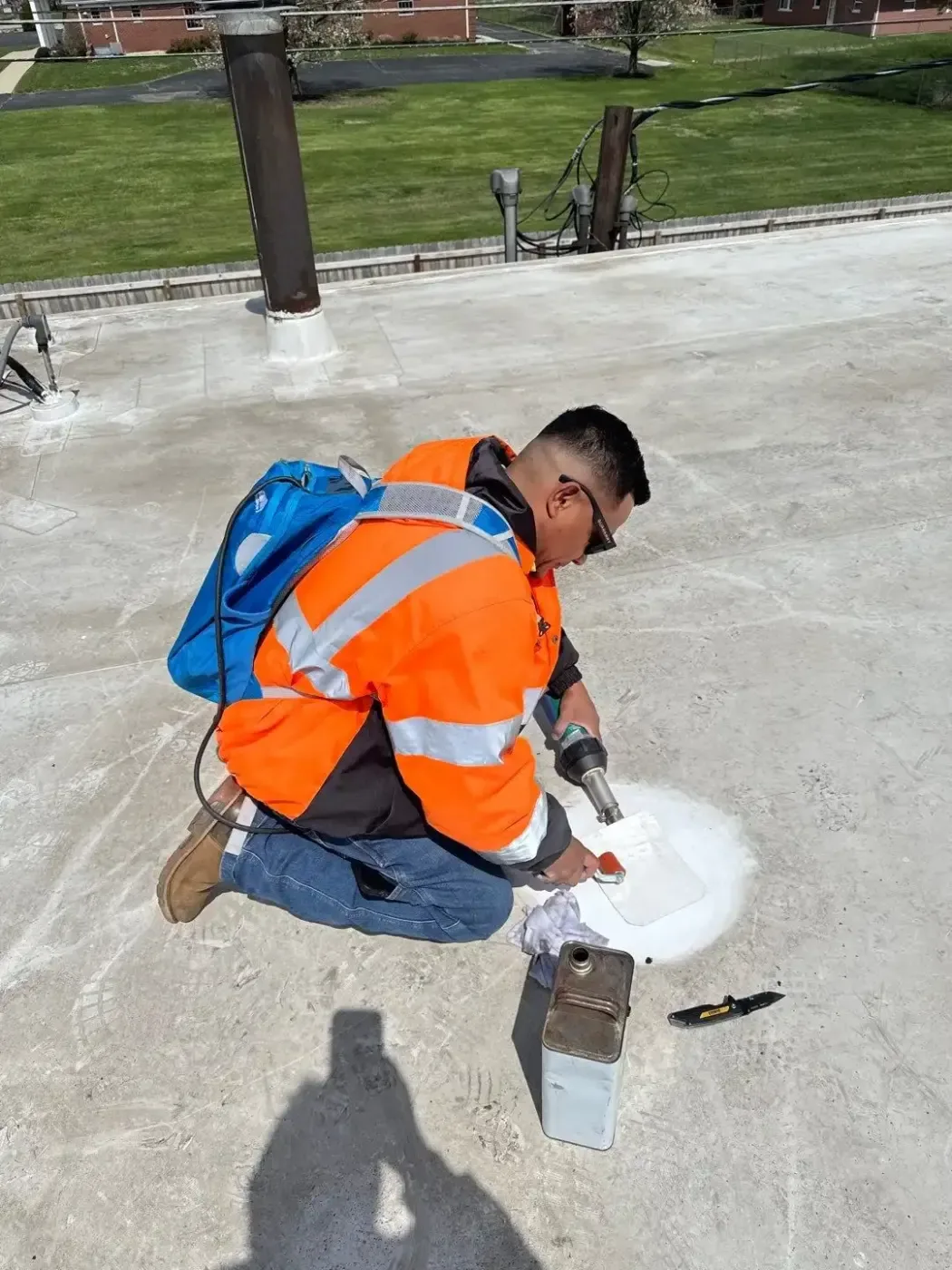
A stain reported near a service area does not identify the exterior entry automatically. We compare the location and timing with accessible roof details, including penetrations, wall transitions and outlets. The examination establishes a supported correction or states the investigation still needed. Water can move through concealed construction. We do not assign a repair solely because a visible opening is closest to the reported interior location.
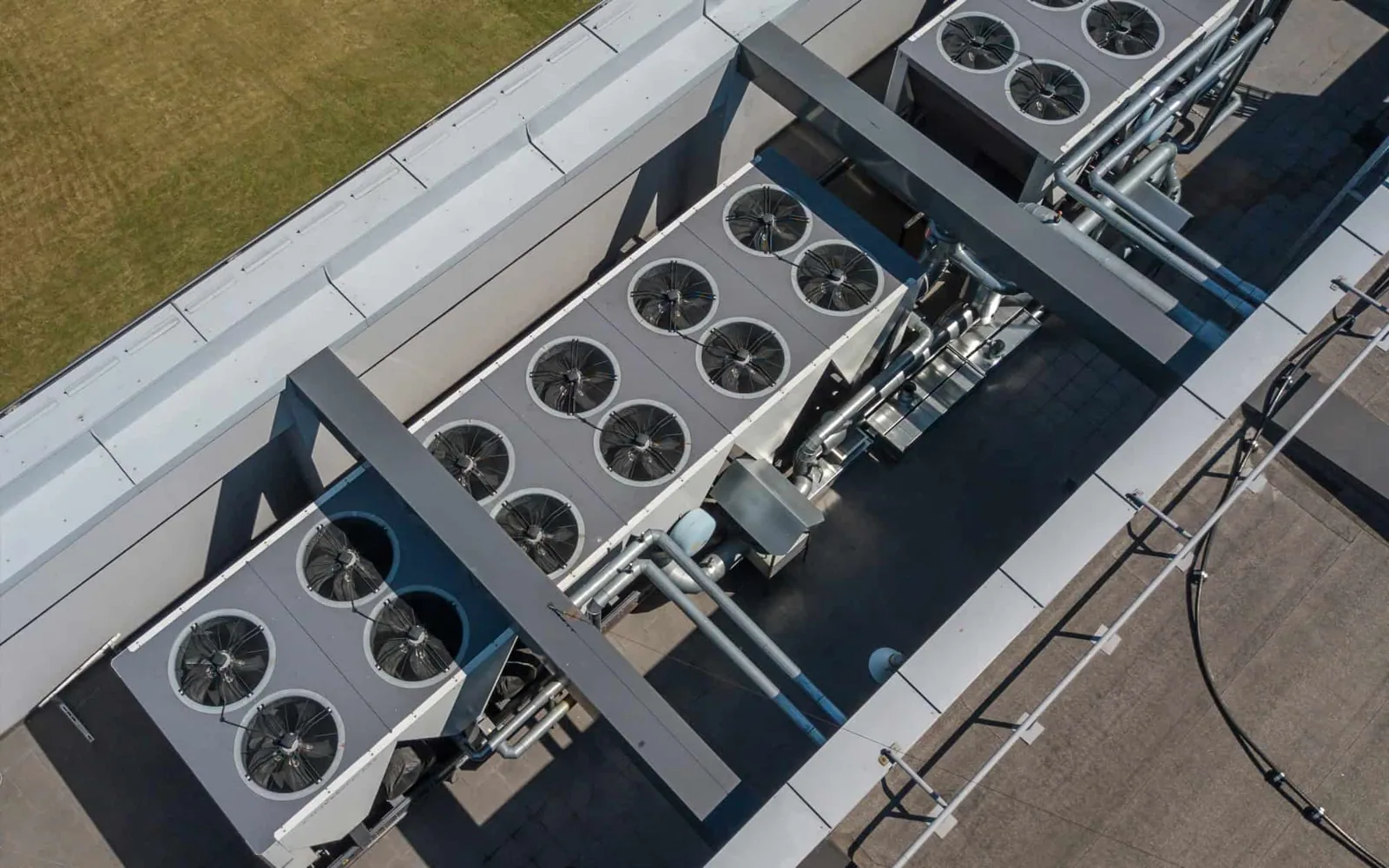
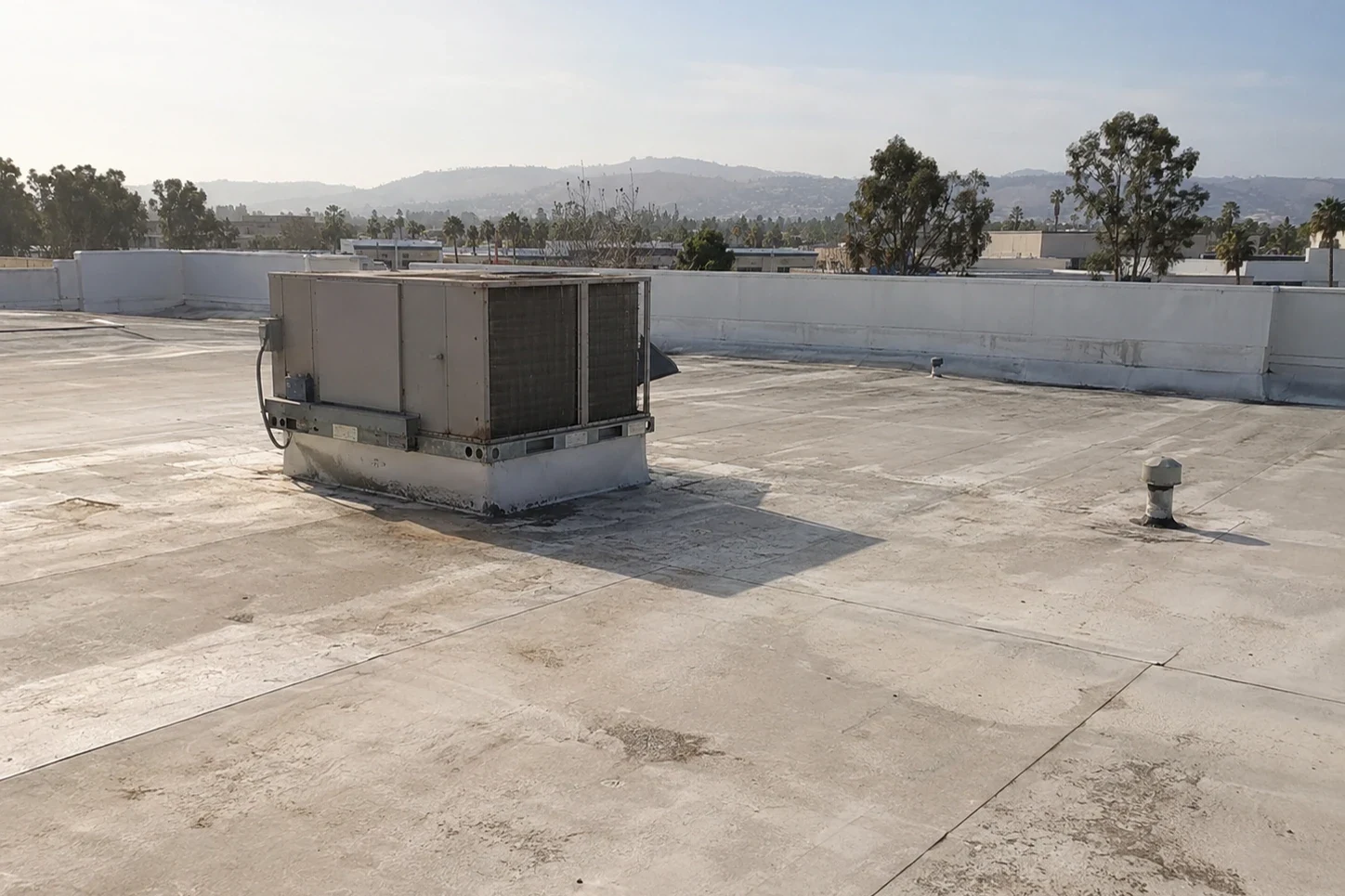
At an equipment curb, the roof transition needs adequate support, compatible flashing and a suitable termination. A damaged curb or changed equipment arrangement can require trade or design coordination. Curb and support corrections identify the roofing interface and the decisions needed from others. The operator and responsible trade authorize any equipment isolation. The roof bid should not silently assume those changes are included in a membrane repair.
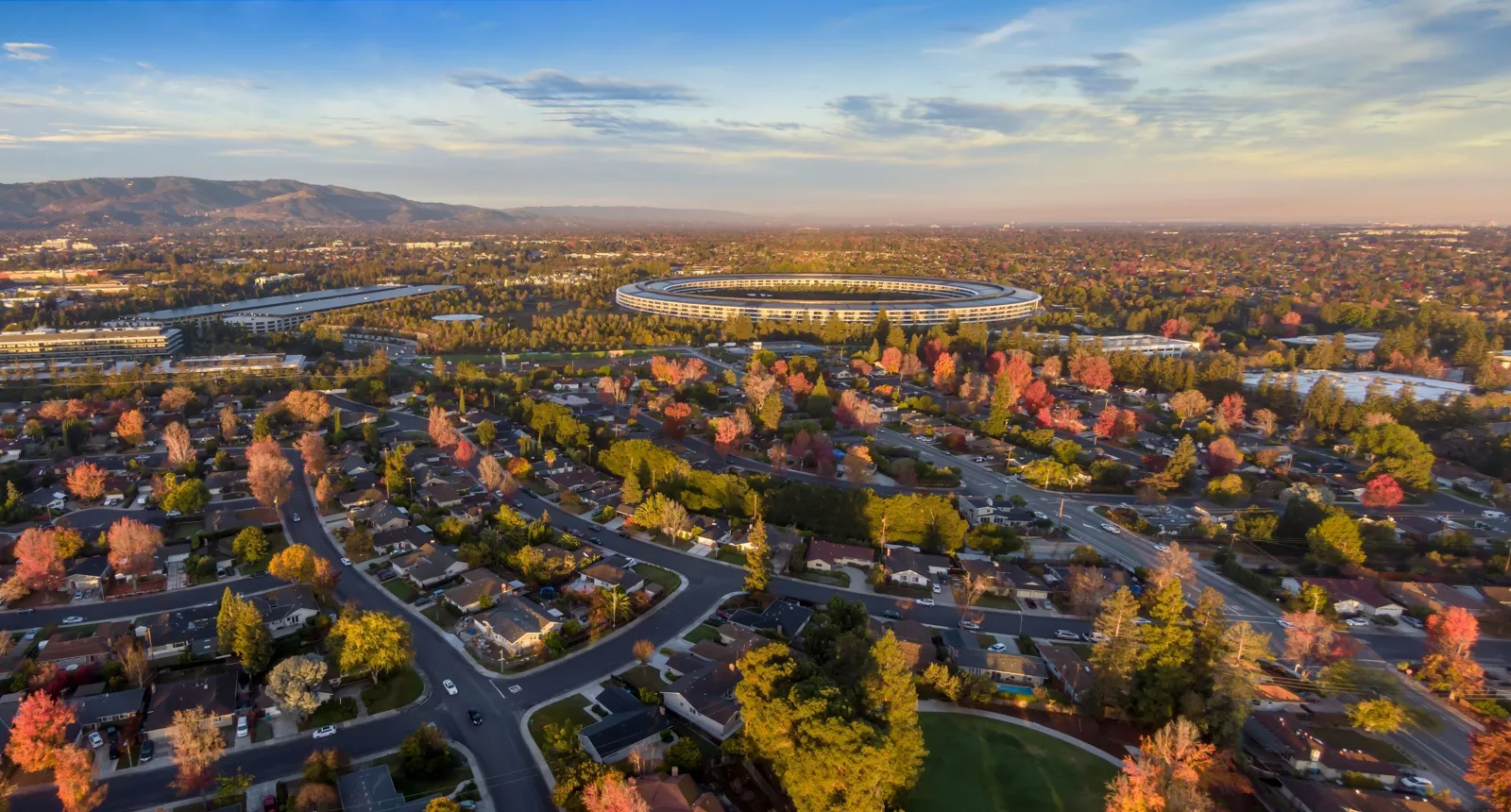
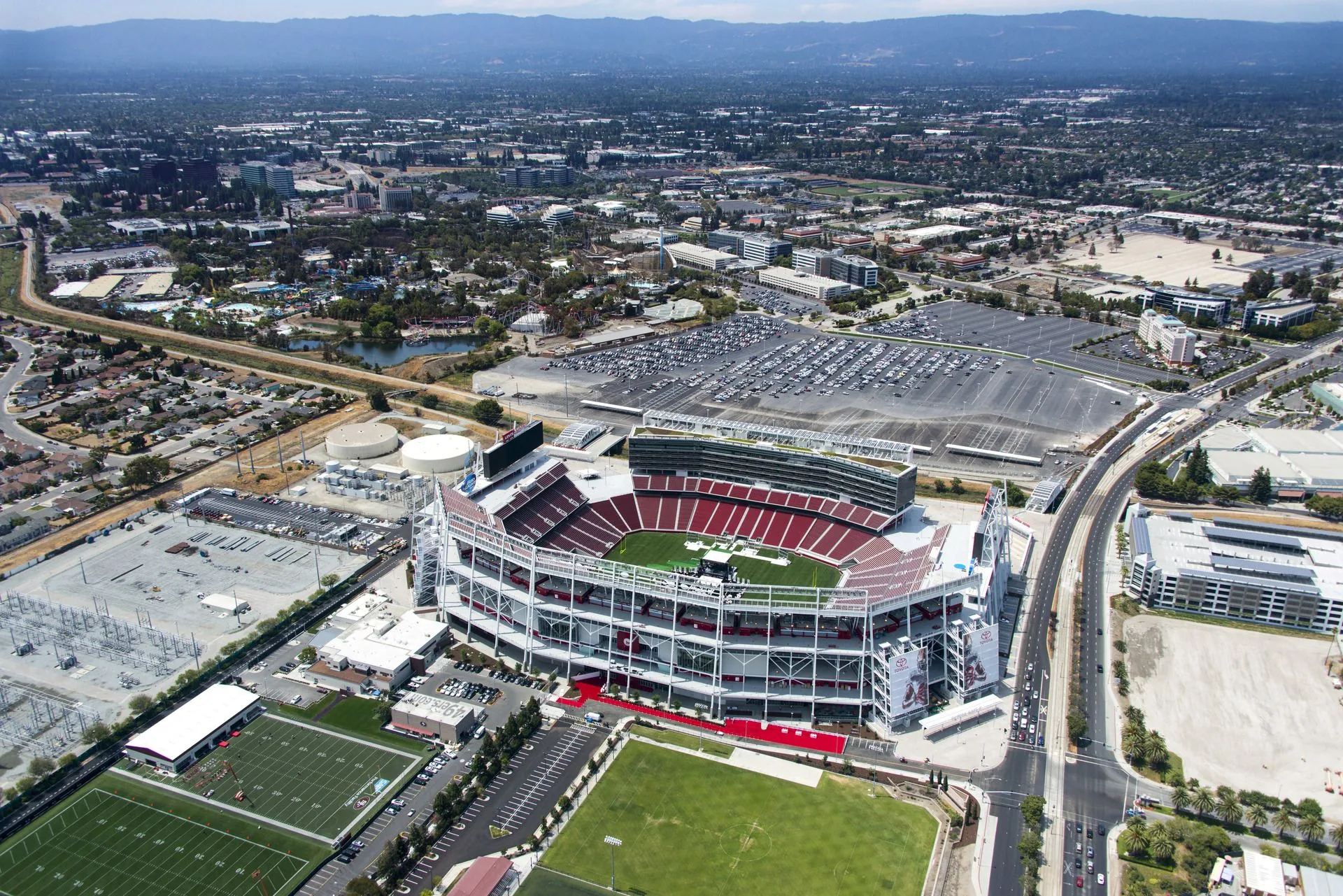
Occupied access is a practical planning item beside the office/R&D development along Scott Boulevard. For a dealership project along Tasman Drive and Scott Boulevard, we confirm the subject property vehicle routes and delivery restrictions. The assembly is established by its own examination. The bid pairs the selected method with the operator instructions so handling requirements are priced rather than discovered after materials arrive.
We establish who can approve a change if an inspection area extends beyond the initial boundary. Concealed findings during opening can also affect the work area. The condition is photographed and measured, and ownership receives the proposed added task. Temporary protection is specified while that decision is pending. The dealership can then coordinate vehicles and customer access against a defined construction limit instead of an expanding informal work zone.
Planning and Completing the Work
A dealership roof can have several construction types across different sections. We identify the subject assembly before choosing repair products or proposing a recover. A membrane seam, a metal transition and an asphaltic lap require different preparation and joining. Previous coatings or patches may also affect the repair. The scope shows the suitable receiving area and any underlying work needed to support the finished detail.
Large retail roofing can share customer access concerns, while manufacturing building roof work may involve separate operating interfaces. We use the actual dealership layout and construction to price this project. A repair and replacement comparison states removal, insulation, flashing and drainage assumptions beside each option. Ownership can see whether the price difference comes from material choice, a changed scope or restricted handling.
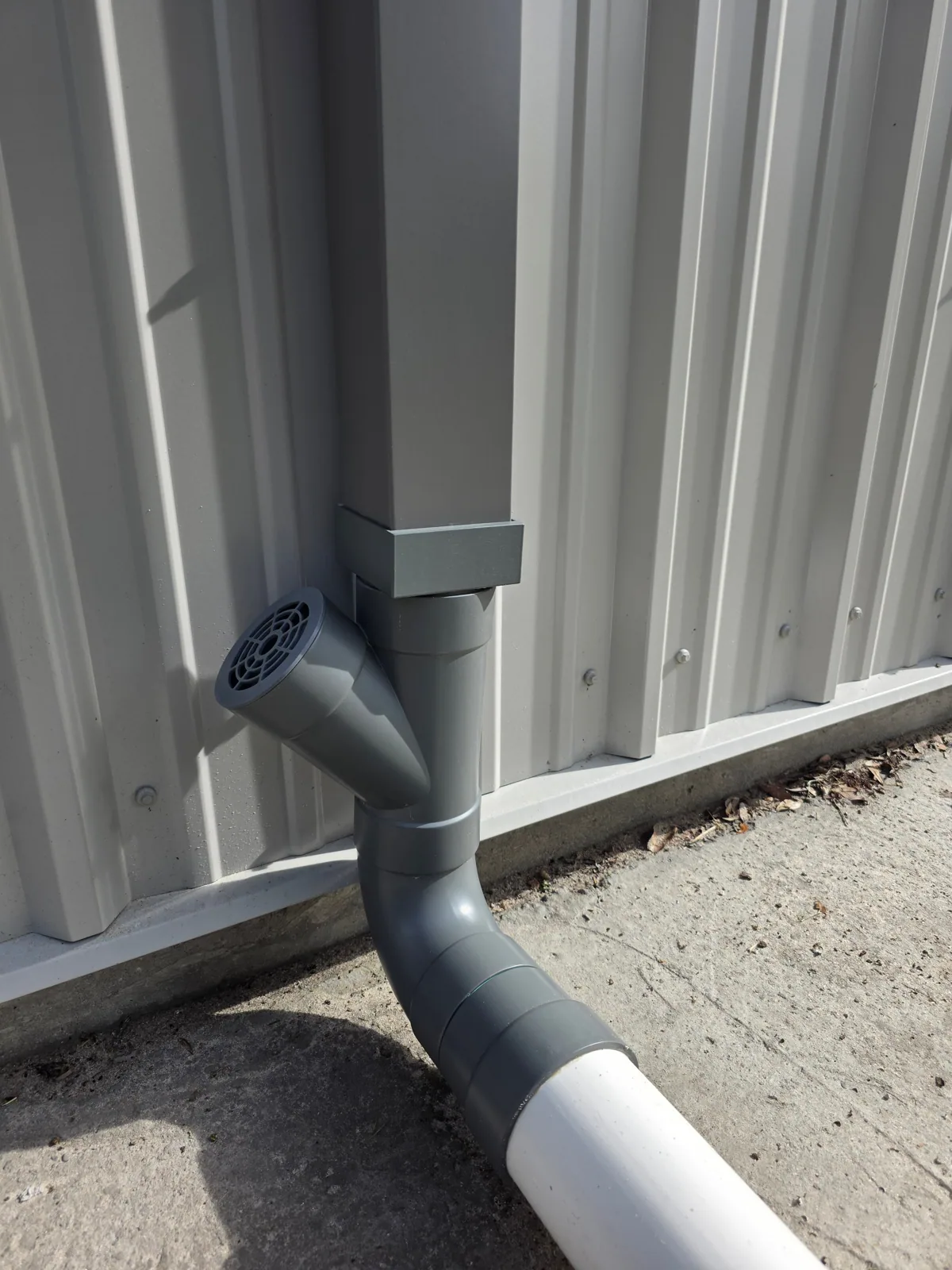
Clearing accessible loose debris differs from repairing a deteriorated outlet connection. We inspect the connection after cleaning where the task is authorized, and record the visible condition. A plumbing concern receives a separate responsibility. A persistent low point may need drainage evaluation before a surface treatment is considered. The manager should see the task supported by the finding rather than one general charge for drain service.
At a perimeter, visible metal damage also needs examination of its support and roof tie-in. Edge metal and gutter work describes those components instead of treating every loose section as a simple refastening task. We identify any design or trade coordination needed. Location photos make the finding usable for ownership review and provide a comparison point after the accepted correction is completed.
A suspected wet area below the membrane needs investigation appropriate to the assembly. We identify the examined locations and limitations. Surface appearance alone does not establish concealed condition. Where findings support retaining construction, the recommendation states that basis. Where more examination is needed, the next step remains separate from a firm removal quantity. This protects the manager from selecting a recover option before its supporting assumptions are settled.
For confirmed unsound material, we specify removal and replacement support. Additional deck deterioration discovered during opening receives a measured change proposal under the agreed approval terms. The work plan also states temporary protection if that finding interrupts installation. Ownership can then review the added construction with evidence and a price basis. The approved scope remains usable even when a concealed condition differs from the initial accessible examination.
Active leaks can require response outside sales or service hours. For auto dealership roofing, define the work boundary. The operator controls vehicle movement and interior precautions. We record temporary roofing measures with their locations and limits. The permanent detail is then specified with compatible materials and preparation, so an urgent action does not become an untracked unfinished repair.
A photographed roof condition record retains those findings alongside accepted changes and completed details. The closeout identifies the installed materials and work boundaries. For dealership ownership, the useful result is a clear correction and a realistic access plan. The manager can approve the pre-season task, coordinate vehicles through the operator and retain a roof file that supports the next inspection.
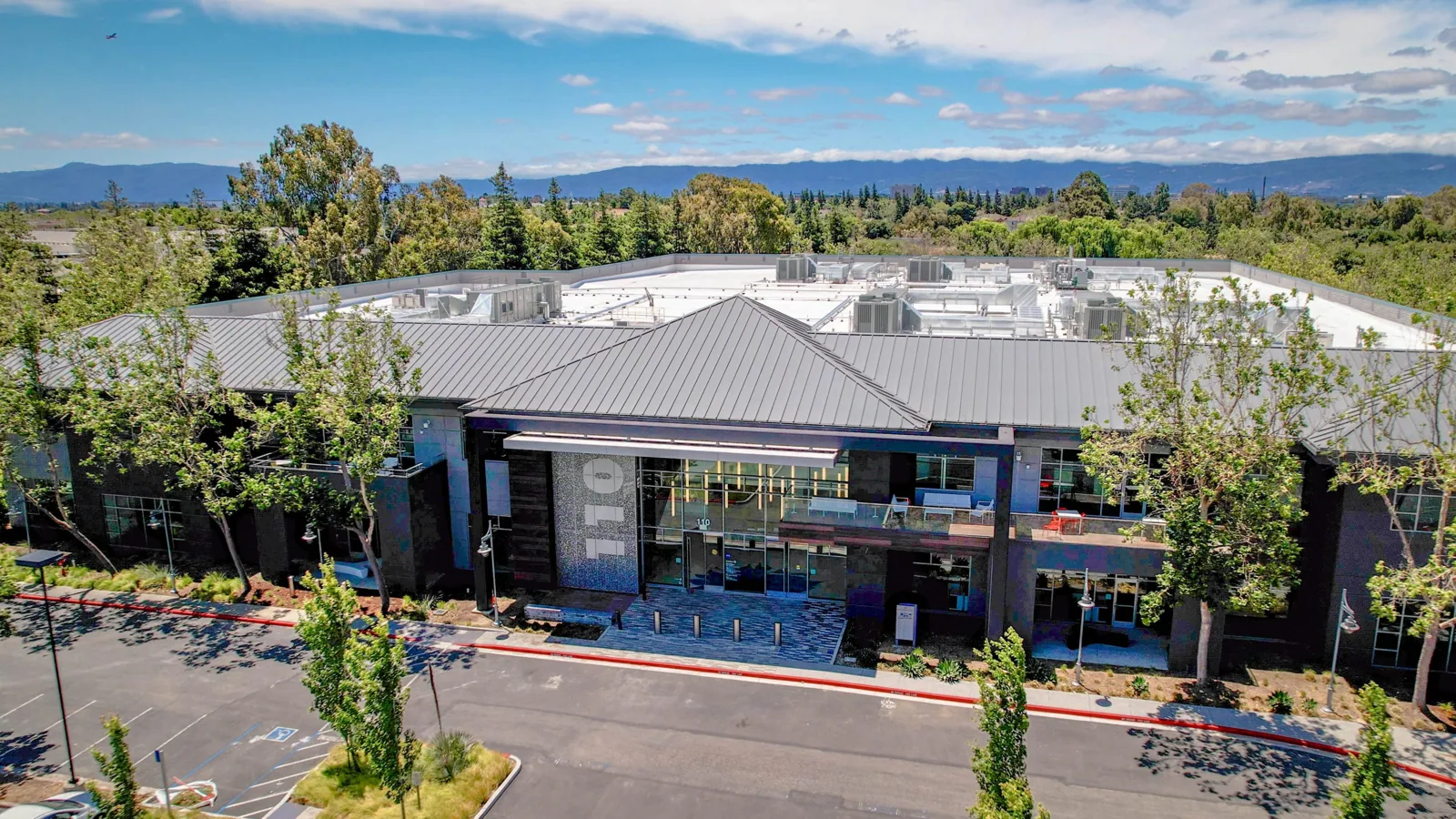
Dealership coordination: separate sales, service and vehicle zones. A dealership roof plan should identify showroom glazing, service bays, vehicle storage, customer routes and areas where dust or debris could affect inventory. The site contact sets operating restrictions and vehicle relocation needs; the contractor records the work boundary, protection method and closure sequence for each phase. Service equipment, exhaust and signs may require separate trade coordination before a roof opening is made. Compare bids for equivalent protection and staging assumptions. The final record should show completed zones and any remaining sign, mechanical or interior task so the dealership can distinguish roof acceptance from a broader facility handover.
Dealership roof review: protect the access plan
Have us check the dealership roof before seasonal work reaches ownership. The plain bid sheet will show repair boundaries and the vehicle routes needed during construction.
Frequently Asked Questions
The operator authorizes and coordinates vehicle movement. We define the construction boundary and material route.
The entry path requires inspection. We compare the report with accessible roof details before selecting the repair.
Restricted handling can change labor and sequence. The accepted total should reflect the approved access plan.
Each assembly needs compatible preparation and materials. We identify the construction at the repair location.
Provide photos, a measured condition and the proposed correction under the agreed change terms.
Roof Assessments
Santa Clara & the South Bay
Membrane, flashing, drainage and edge details checked and written up before any work is priced.
Request a Roof Assessment