- Home
- Property Types We Roof
- Big-Box Retail Roofing
Big-Box Retail Roofing in Santa Clara, CA
September 2022 brought a regional heat event with voluntary Flex Alerts. For a property manager considering big-box roofing in Santa Clara, CA, the useful question is construction-specific: does the bid include the receiver and equipment transitions beneath the proposed reflective surface? Heat context can prompt the review. It cannot establish cooling runtime, damage or the installed assembly at the subject store.
We examine the roof, available records and access requirements before recommending repair, recover or replacement. A large retail floor does not establish roof area or a particular membrane. Scott Boulevard's historical development for office and R&D use identifies a local commercial setting. It provides no retail roof inventory. Ownership receives defined findings and alternatives, with preparation and operating-store protection beside the covering, so the scope can be compared on more than its finished appearance.
Big-Box Retail Roofing: What the Work Covers
A covering proposal needs a suitable support and surface. We identify installed layers, accessible attachment and areas requiring investigation. Previous replacements or patches can change the receiver in different locations. The manager should not have to infer a uniform assembly from a general roof description. Where the option requires concealed-condition findings, selected openings can provide the necessary examination. Examination limits need to be explicit so unknown construction is not priced as confirmed sound material.
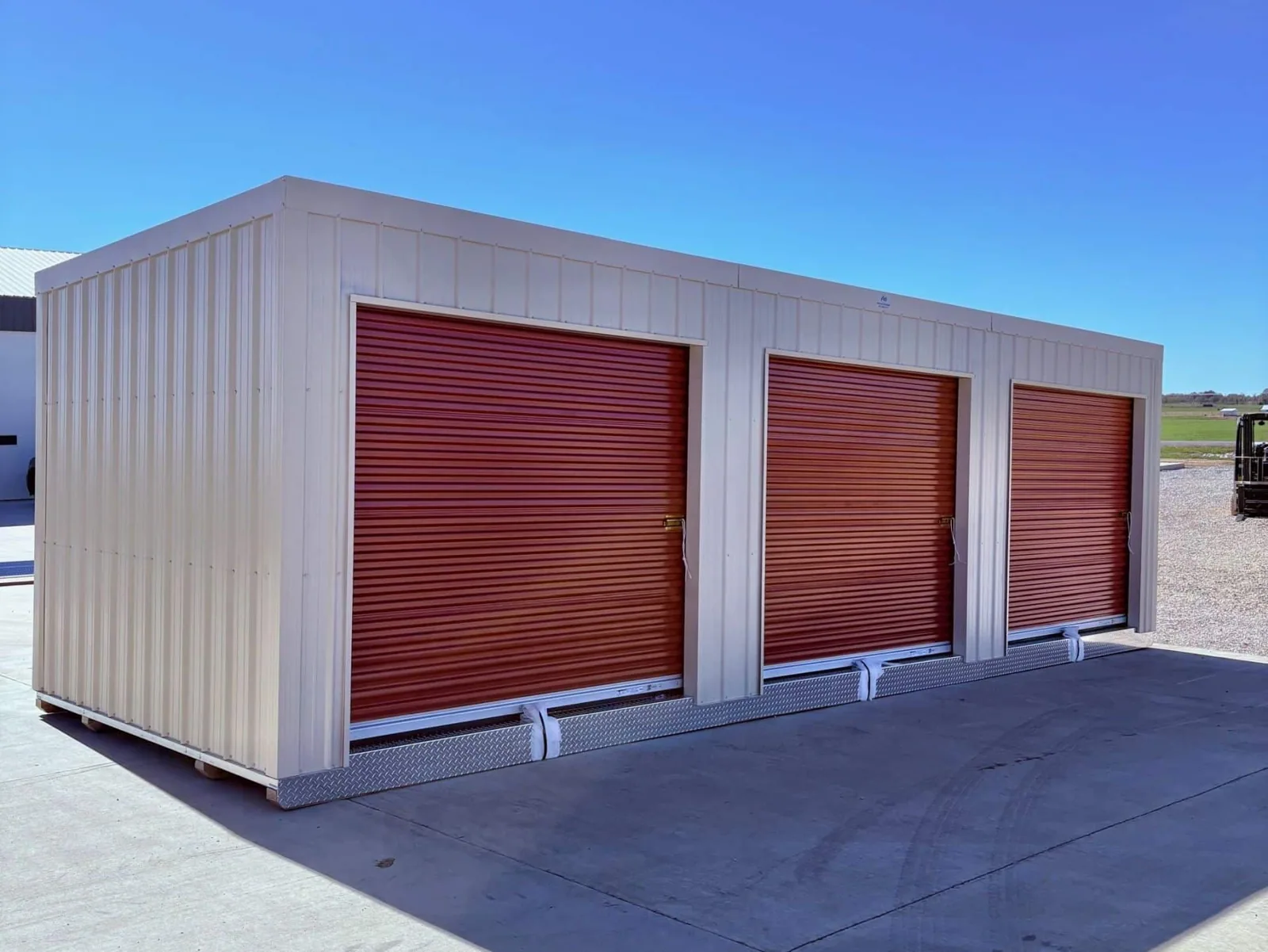
Roof planning at an adjoining retail center involves its own boundaries and access. A storage building roof also needs building-specific examination. We do not transfer findings between uses or neighboring properties. A recover requires suitable retained attachment, layer arrangement and receiver condition. A replacement identifies removal depth and conditional deck work. Each option should state what stays, what comes out and what must be resolved before a final construction decision.
Opening a roof over stock or sales space needs a plan for the interior. We discuss protected areas, restrictions and access with the actual operator. Product movement, delivery schedules and customer routes require confirmation. Debris and odor controls must suit the selected roofing method. The bid identifies daily opening limits and temporary protection, so the manager can assess the sequence rather than rely on an unqualified statement that the store will remain unaffected.
Roofing phased above retail operations should name the coordination contact and route for interior concerns. Lifting and material delivery need agreed zones and protection for people below. Equipment shutdowns belong to authorized personnel and qualified trades. We identify their role before changing curb connections. Where the proposed sequence needs an operational restriction, that should be part of approval planning rather than a decision improvised after roofing material is removed.
A roof outlet needs a clear opening, workable receiving component and suitable surrounding surface. We inspect those conditions separately. Accessible debris can support cleaning; a damaged connection needs physical repair. A depression can require measurement or design review to identify its mechanism. We do not infer blocked outlets or ponding from regional heat. The inspected construction establishes the correction and any need for further investigation.
Retail roof outlet corrections can require roofing and plumbing tasks with distinct limits. Added insulation or new covering layers can alter drain and curb relationships. Those changes need resolution before installation. Thermal moisture screening may help direct confirmation where concealed wet material affects the proposal. Water retained above the roof does not establish wet insulation below it. We identify confirmed removals and explain the basis for conditional work so ownership sees a complete preparation scope.
Planning and Completing the Work
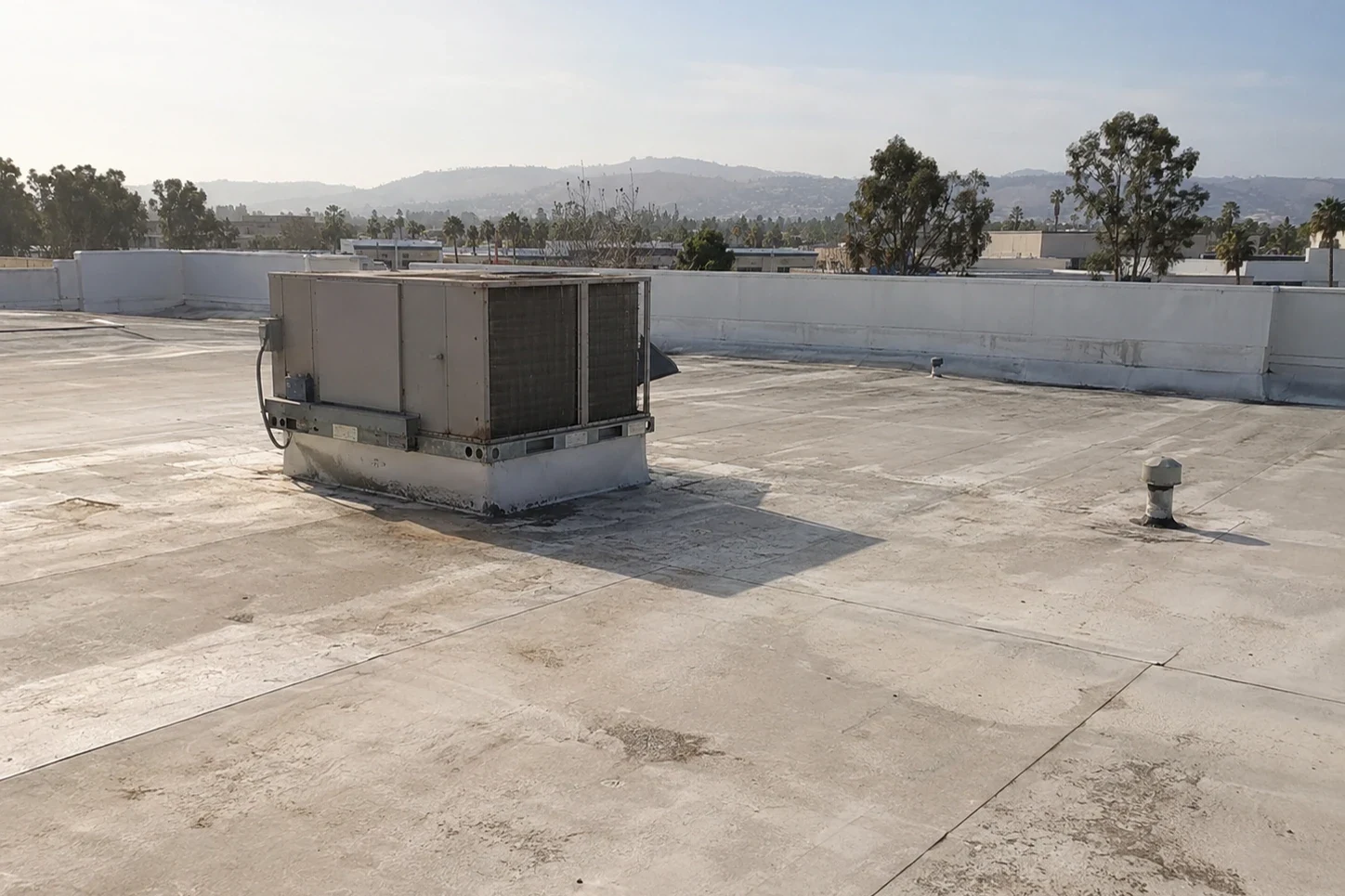
A curb or support needs a sound receiver for the membrane detail. We examine attachment, flashing height and secure termination. Observed metal corrosion requires an extent evaluation, not an assumption that coating will restore the component. Equipment work may need operator approval and trade participation. The proposal should identify that work separately so a roofing repair does not conceal an unresolved support or connection beneath a fresh surface.
A report locating roof and equipment-detail findings helps the manager assign approval tasks. Movement joints also need the detail suited to their intended function. Extra fasteners or a rigid patch can change restraint, so the repair method should follow the actual assembly. Later service access deserves review before a new installation is damaged by traffic or stored materials. We explain compatible repairs and protection needs alongside the selected covering's maintenance obligations.
Santa Clara's adoption of California building standards carries local changes. For a retail roof, we establish jurisdiction and the reviewing authority's accepted application basis. The defined repair, recover or replacement scope then determines relevant review tasks. Energy provisions require consideration through the applicable project pathway and exceptions. Reflectivity is an assembly characteristic, not a complete answer about approval. Retained insulation and proposed alterations need review alongside surface properties.
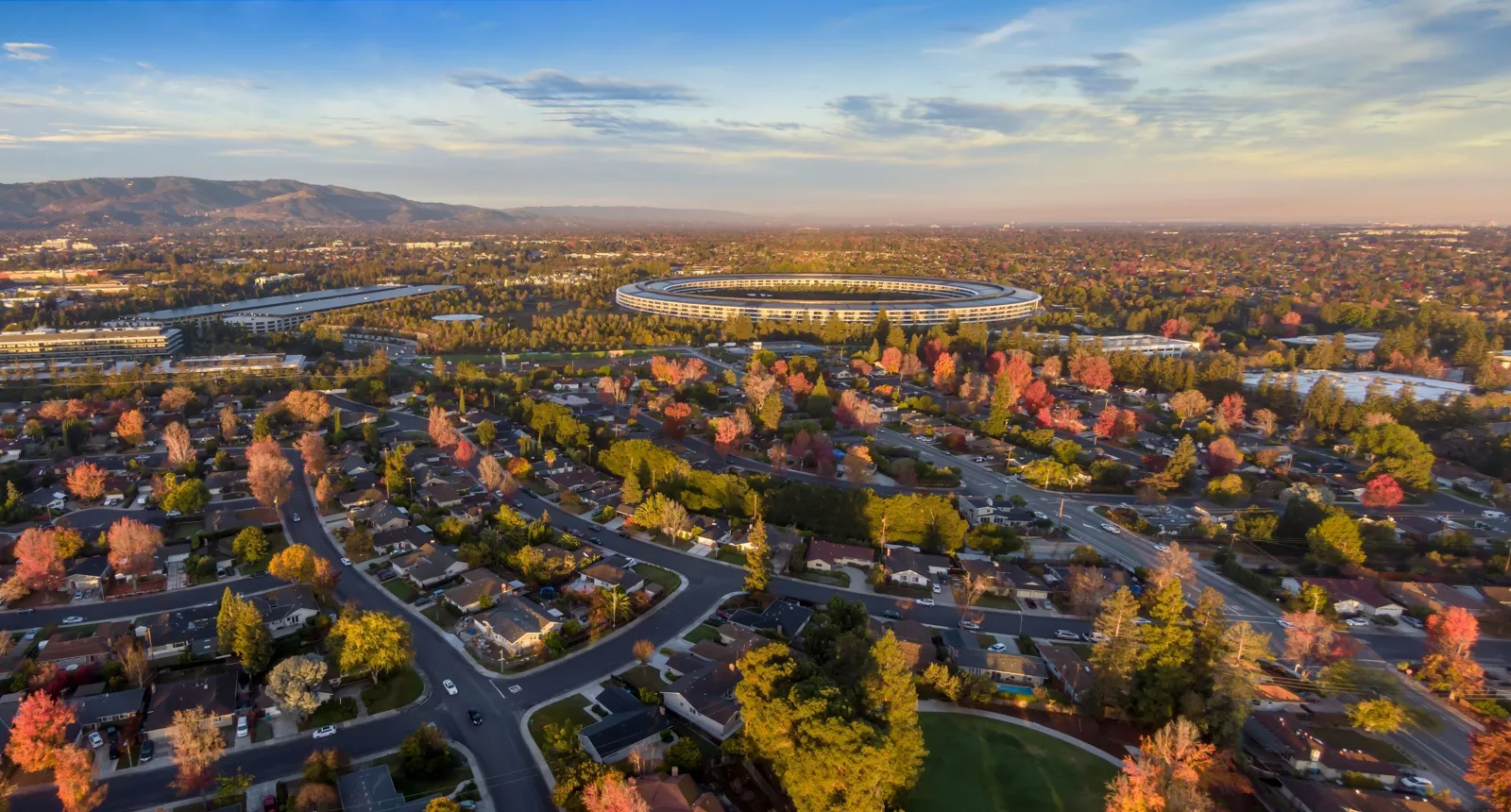
Tasman East has adopted planning identity around Tasman Drive and Lafayette Street. For a property in the commercial corridor near Scott Boulevard and Tasman Drive, that setting does not establish roof age or completion. Records and examination establish the construction. Ownership should receive known design, permit and related trade tasks beside installation, with a defined procedure for concealed findings. A complete bid makes those dependencies visible before an operating-store schedule is accepted.
A finished surface can conceal preparation that matters to future work. We record relevant removals, receiver corrections and installed transitions with location photographs where appropriate. The closeout description names materials and identifies retained limitations. Warranty responsibility should be clear about the issuing party, included work, exclusions and maintenance duties. Later equipment changes need roofing coordination where they affect the finished assembly.
A pre-season review examines accessible surfaces, outlets and details and produces an observed task list. We do not assign the same correction to every retail roof. For big box retail roofing, define the work boundary. Temporary action follows the actual defect. Permanent correction then addresses the examined assembly and confirmed concealed conditions, giving the manager a plain basis for the next ownership approval.
A project record should distinguish roof areas examined from areas outside the scope. That boundary helps subsequent maintenance personnel use the findings without applying a local repair conclusion to unexamined construction.
Large-format retail planning: set work and receiving boundaries. A large-format retail roof plan should coordinate store opening, deliveries, loading bays, rooftop equipment and customer access below the work. Confirm who can authorize temporary route changes and where materials or removed roofing may be staged. The proposal should divide the large roof into inspectable phases with clear weather closure and debris-control steps, rather than treating the entire area as one continuous operation. Identify equipment or signage interfaces needing another trade. These details let ownership compare bids on a consistent operational basis. At completion, provide a marked plan showing accepted phases and any deferred work that still requires access or approval.
Pre-season retail review: Put preparation beside the price
Schedule a big-box roof check and a plain ownership bid sheet. We will define receiving-layer work, store protection and budget decisions.
Frequently Asked Questions
Roof dimensions and construction need examination. Interior floor area cannot substitute for measuring the work being proposed.
The operator and work plan establish protected areas. We coordinate interior safeguards and daily limits before exposed construction is opened.
Equipment access, shutdown and reconnection can require authorized qualified work. We identify those dependencies before rebuilding the roof transition.
The actual project pathway and exceptions need consideration. Surface properties, retained insulation and alteration scope are reviewed together.
Roof Assessments
Santa Clara & the South Bay
Membrane, flashing, drainage and edge details checked and written up before any work is priced.
Request a Roof Assessment