
- Home
- Property Types We Roof
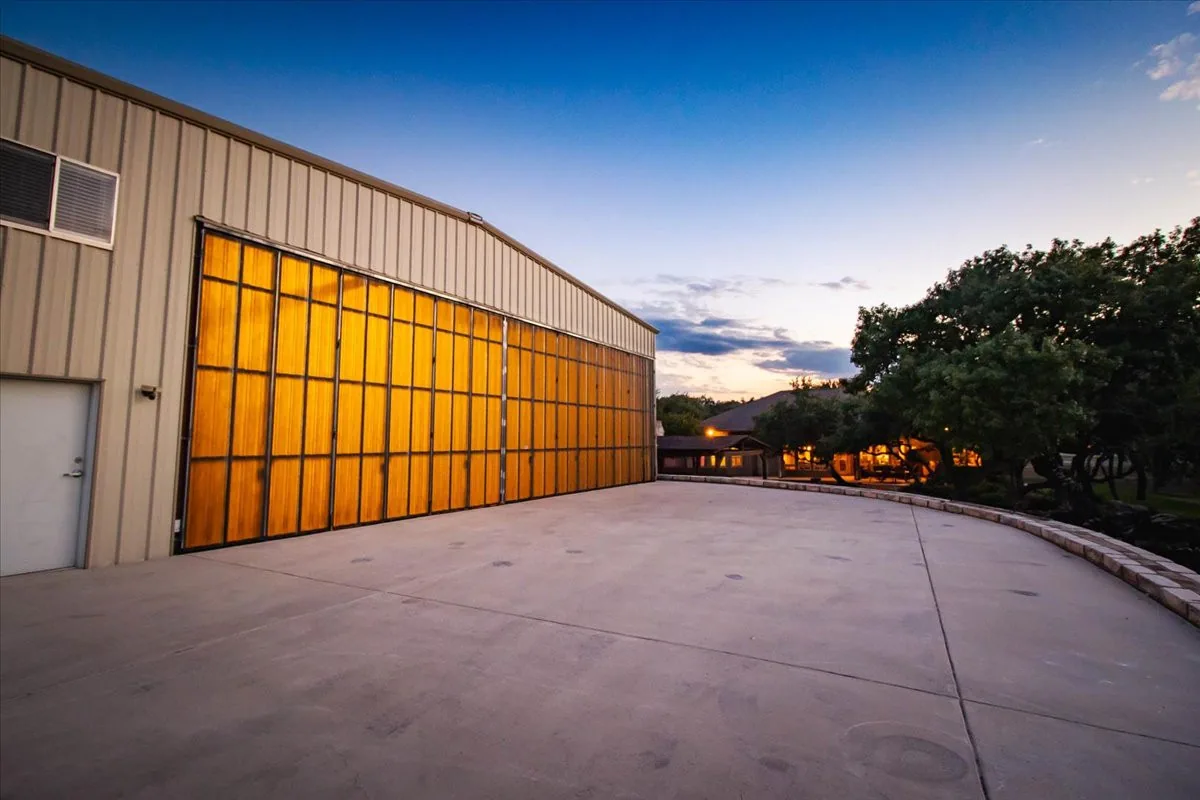
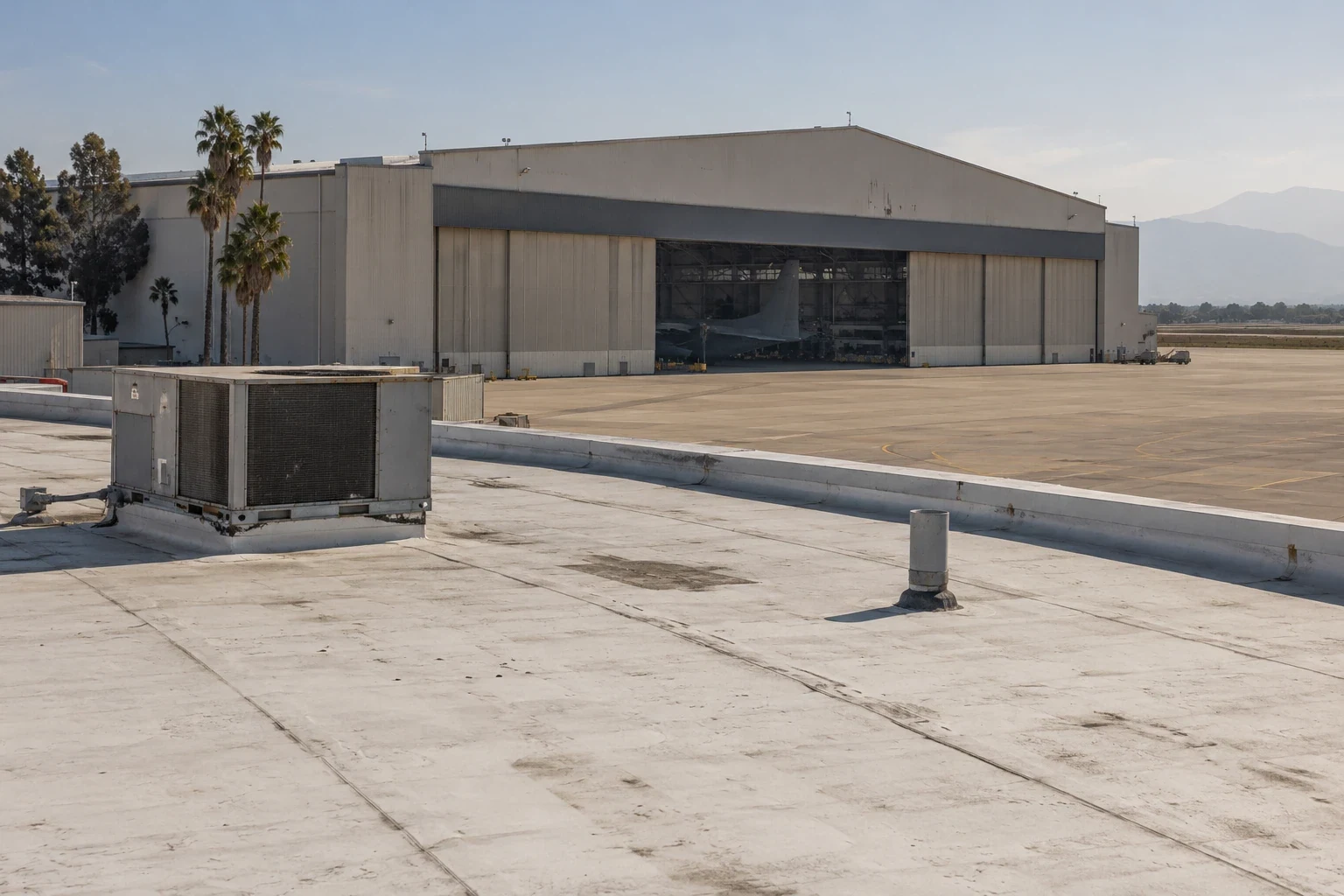
- Aircraft Hangar Roofing
Aircraft Hangar Roofing in Santa Clara, CA
Wet-season hangar preparation in Santa Clara, CA can use the regional storms between late December 2022 and January 2023 to frame an access question: can the correction fit the approved aircraft and equipment boundary? We inspect the assembly and establish the operator restrictions before setting a sequence. Regional weather history informs preparation. It does not identify the material, condition or aircraft use of a particular hangar.
A hangar project needs an aviation work plan as well as a roof scope. The operator controls aircraft movement and operational limits. The roofing proposal identifies access, material handling, affected details and temporary protection. We establish the approved construction boundary with the responsible contact. Ownership receives a defined task and the coordination needed to perform it, rather than a roof total that assumes unrestricted use of the surrounding apron.
Aircraft Hangar Roofing: What the Work Covers
San Jose Mineta International Airport lists airport-operated hangars and controlled general aviation access. For a project in the North First Street corridor, the specific operator and authority establish the applicable entry requirements. We obtain those instructions before scheduling a roof visit. Airport tenant access rules are not automatically construction permission, and an arranged inspection is not authorization to change aircraft movements or enter restricted areas.
Office/R&D development along Scott Boulevard presents a different operating setting from an aviation site. Roof planning near Scott Boulevard and Tasman Drive still requires property instructions, but a hangar project must resolve its own aviation controls. We separate those responsibilities in the scope. The contact identifies approved vehicles, escort requirements where applicable and the person who can authorize changes. The crew work plan then respects the actual site requirements.
Aircraft and equipment locations can affect lifting, debris control and material movement. The operator confirms the required separation and any relocation before work begins. We identify the construction effects and the area needed for the selected roof task. If that area is unavailable, the sequence needs revision. The bid should show the approved arrangement rather than assume roofing can proceed over or beside equipment without a specific protection decision.
Military hangar roof planning can involve another access authority, while warehouse roof work has different operating interfaces. The subject hangar instructions establish this project. We discuss door operation, work routes and service access with the responsible contact. Occupancy and aircraft decisions remain with the operator. The roofing scope describes which tasks depend on those approvals and which roof areas can be examined safely.
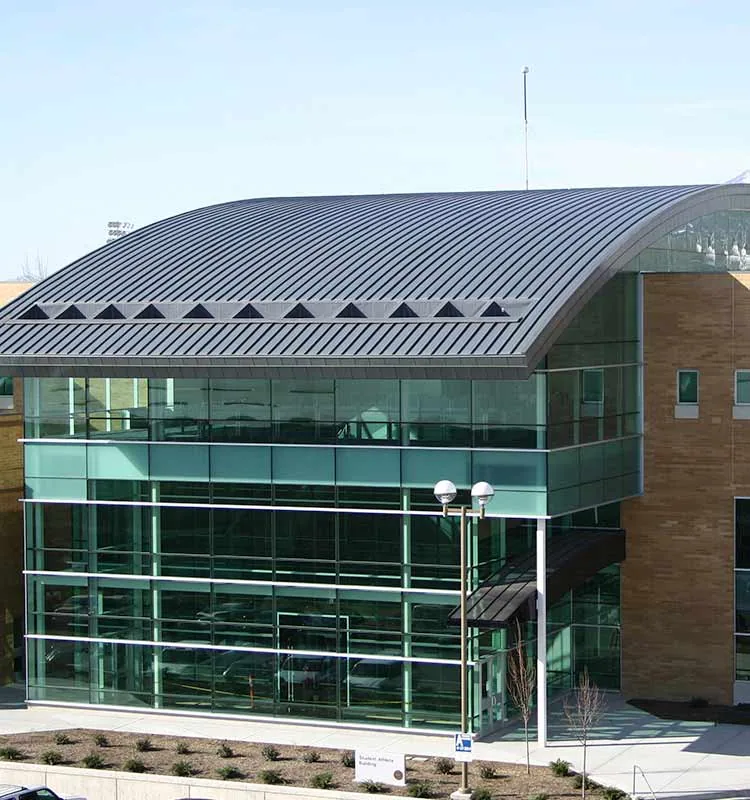
A metal hangar roof needs examination of panel connections, transitions and support where that construction is present. We identify accessible loose fasteners, damaged closures or deteriorated flashings as separate findings. Movement accommodation matters to the repair method. Simply adding restraint to a joint can interfere with the intended construction. We assess the detail before recommending refastening, rebuilding or a broader alteration.
For standing seam metal roofing, panels, clips and terminations function together. The proposal identifies the affected connection and any support or design coordination required. An opening may be localized while adjacent material remains suitable. We describe the compatible repair and its receiving area. A restoration treatment also needs a sound prepared substrate; it does not substitute for correcting unsound connections beneath the coating.
Planning and Completing the Work
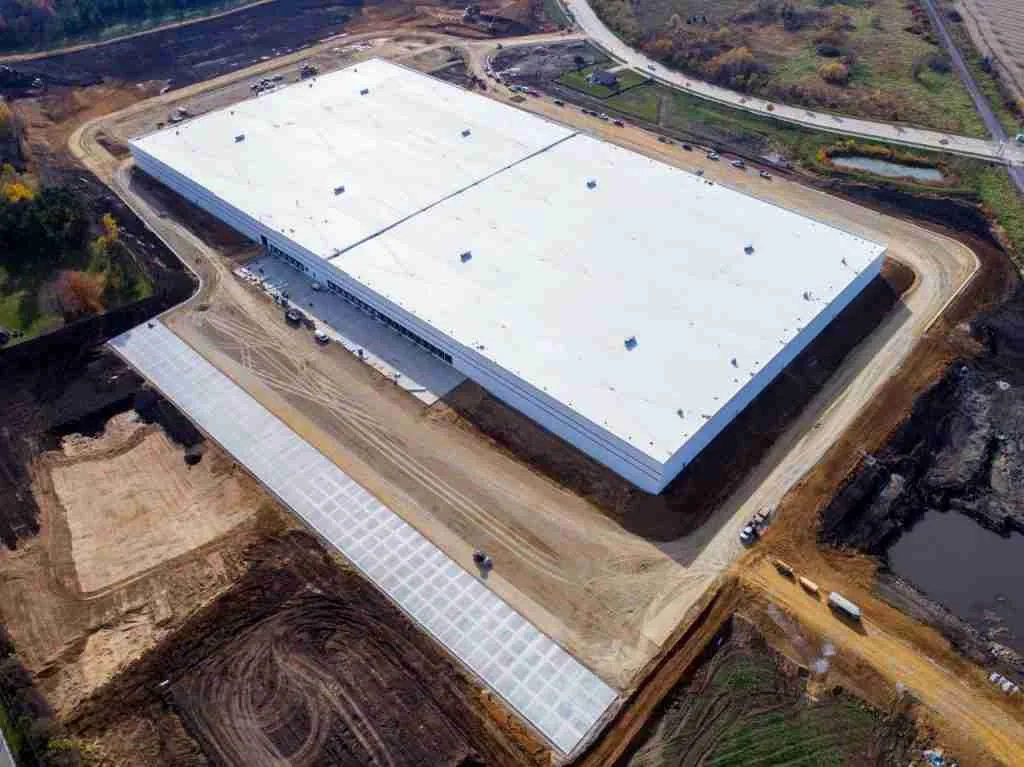
A hangar may include membrane construction on some areas, but the building type does not prove that arrangement. We inspect the subject roof and available records. The repair must suit the membrane, attachment and supporting layers actually present. Prior patches and contamination may affect preparation. The scope identifies those conditions before a product is selected. Ownership can then see why unlike roof sections require separate tasks.
A recover or replacement alternate states which construction stays and which is removed. Suspected moisture requires appropriate investigation, with examined locations and limits recorded. Confirmed unsound material needs a defined removal quantity and replacement support. We also examine elevation changes at curbs and outlets if new layers are proposed. The comparison should include these details alongside access and aviation coordination, not only the visible roof area.
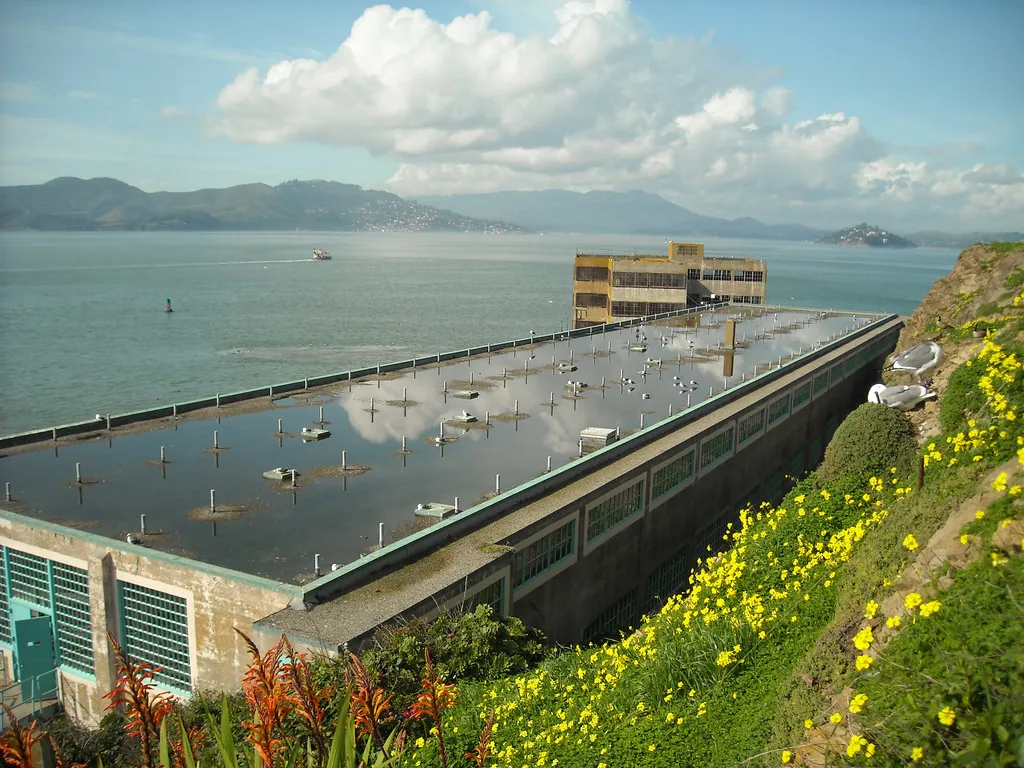
A gutter or outlet can appear clear while its connection to the roof needs correction. We inspect accessible transitions and separate loose debris from construction defects. A persistent water-holding area calls for evaluation of the drainage arrangement. The proposed task states whether it addresses an obstruction, a flashing defect or another condition. Plumbing and design responsibilities remain visible if the issue extends beyond routine roofing work.
Roof outlet repairs identify the preparation and compatible tie-in needed at the selected detail. We record accessible secondary drainage and any examination limitations. The operator reviews the work boundary before construction near aircraft or equipment. Completion photos are tied to locations so a later roof check can compare the same connection without treating an unmarked image as proof of the entire drainage system condition.
Roof removal needs a daily plan for the selected assembly and available conditions. We identify how much work can be opened and suitably protected before the crew leaves. A concealed finding can interrupt that sequence. The scope states how added removal will be measured and how ownership approval is obtained. Temporary protection is part of that decision rather than an informal response after material is already removed.
Work on an occupied roof should make noise, odors and debris control explicit. A hangar operator also identifies any aviation limits that affect the plan. We coordinate the interfaces without promising uninterrupted operations. The accepted sequence connects roof tasks to authorized access and the required construction boundary. If those conditions change, the plan is reviewed with the responsible people before work proceeds in a different area.
At closeout, location-based roof condition records retain the repair findings, installed materials and accepted changes. The manager can use that file for future inspection and budget review. Ownership should finish with a roof scope tied to the actual assembly and a work plan tied to authorized aviation conditions. Those two records make the pre-season decision practical without treating roof access as permission to control airport operations.
Hangar work plan: coordinate door movement and aircraft protection. For a hangar, establish the aircraft movement schedule, door operating rules, clearances and equipment restrictions with the authorized facility representative before defining roof access. The scope should show how materials and tools reach the work area without interfering with aircraft or door mechanisms, and specify protection below each opening. Do not assume the roofing contractor can authorize aircraft relocation or system lockout. Identify who reviews structural or fall-protection requirements where the project calls for them. Closeout records should include roof details, restored penetrations and any open aviation-facility coordination item for the owner to resolve.
Hangar roof assessment: settle access before construction
Schedule the hangar roof examination with the applicable access contact. We will prepare a plain bid sheet linking roof details to aviation coordination and ownership decisions.
Frequently Asked Questions
Construction access needs the applicable operator or authority approval. We obtain project-specific instructions before scheduling.
The operator controls aircraft movement. The roofing plan identifies the separation and construction effects needing review.
The detail needs examination first. Added restraint can interfere with intended panel movement.
Inspect the actual assembly. Hangar use alone does not establish its roof material or condition.
Applicable access approval and safe conditions are required. We assess temporary measures within those limits.
Roof Assessments
Santa Clara & the South Bay
Membrane, flashing, drainage and edge details checked and written up before any work is priced.
Request a Roof Assessment