- Home
- Roofing Manufacturers
- Soprema Commercial Roofing
Soprema Commercial Roofing in Santa Clara, CA
The Bay Area atmospheric-river sequence of late December 2022 through mid-January 2023 gives Santa Clara, CA managers a practical question: does a Soprema repair proposal address the field membrane, the flashing, or both? A product name alone does not answer it. We identify the installed construction, locate the affected detail and put the proposed correction beside its preparation. Ownership can approve a defined repair rather than a broad promise to seal the roof.
Soprema makes SBS-modified bitumen, PVC and liquid-applied roofing materials. Those families require different work. A layered asphaltic assembly is not repaired like a thermoplastic sheet, and a reinforced liquid detail requires more than a coat of resin. We establish the material and its support before selecting an intervention. The rain history sets a useful planning priority; the roof examination determines what belongs in the bid.
Soprema Commercial Roofing: What the Work Covers
A granular cap sheet can conceal several layers of construction. We examine accessible edges, existing repair records and permitted investigation points to identify the assembly. The field surface, base flashing and insulation each deserve a separate description. Where sampling is needed, we specify how openings will be closed. A suspected wet area remains a finding to investigate, not a quantity of removal until the evidence supports that quantity.
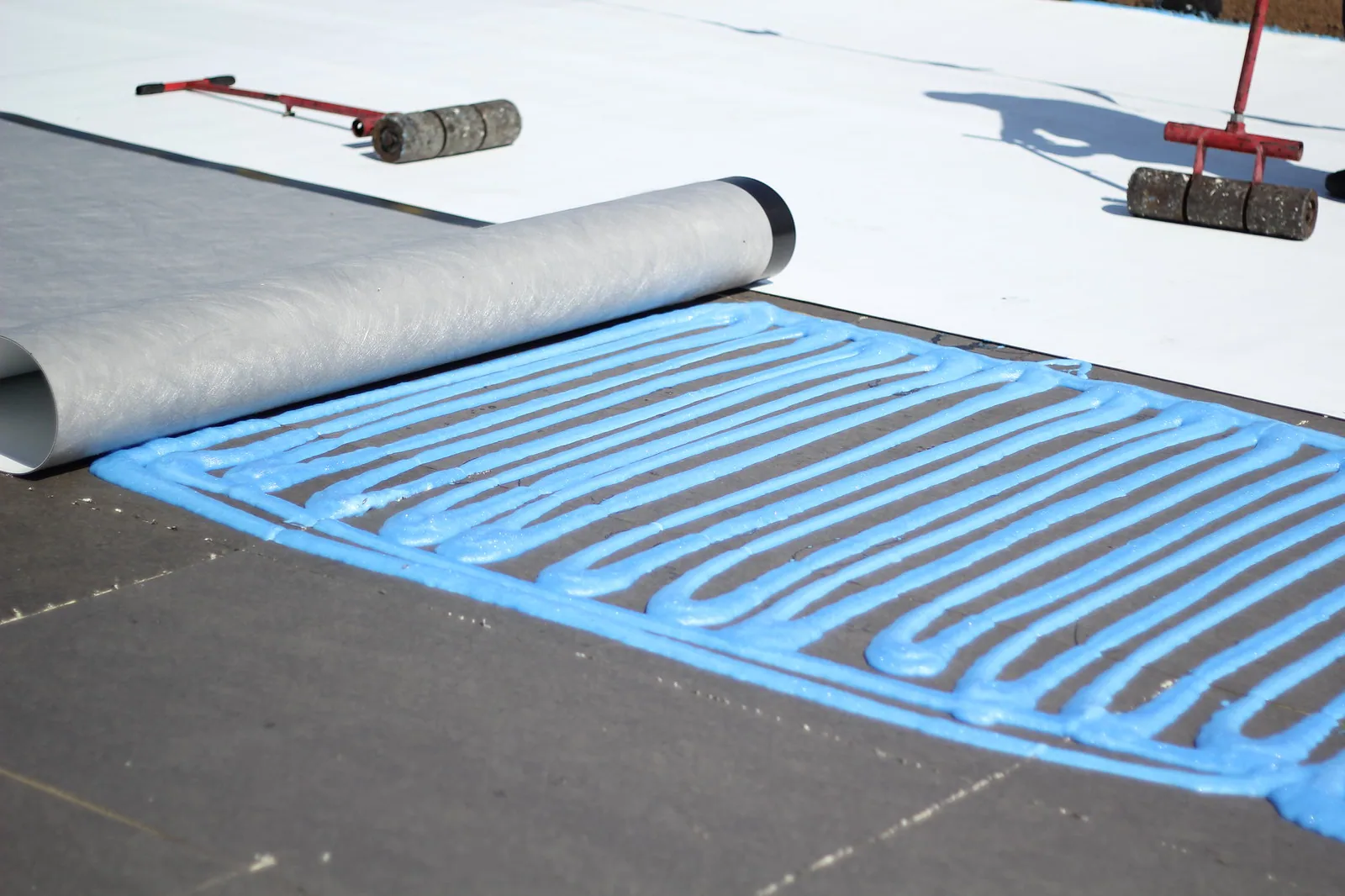
For a Soprema modified bitumen assembly, the repair must suit the installed membrane and application method. We look for lifted laps, damaged surfacing, unsupported transitions and separation at terminations. A short opening in an otherwise serviceable lap may support a localized repair. Widespread loss of attachment or concealed deterioration calls for a broader assessment. The manager receives the basis for the choice, including anything that could change the scope once exposed.
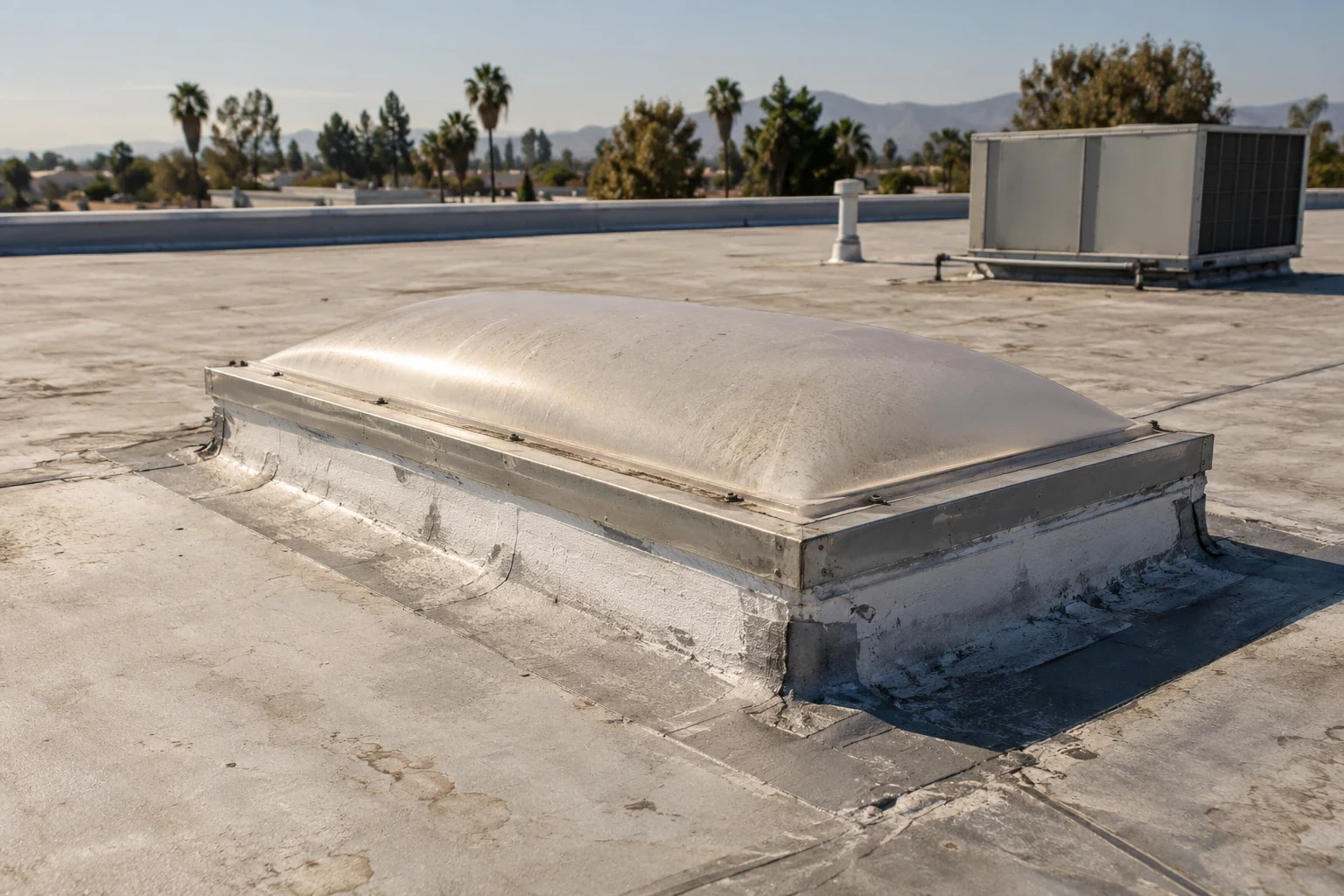
A penetration with several tight changes of direction can make sheet flashing difficult to fit. A compatible reinforced liquid-applied detail may be an option. We first evaluate substrate soundness, contamination, movement and the connection to the surrounding membrane. Primer, reinforcement and termination are part of that detail. Omitting one because the finished surface looks continuous leaves the bid incomplete.
Installation conditions matter as much as the product family. We check the selected material requirements for dryness, temperature, mixing, working time and cure. A rain interruption can affect exposed preparation and the ability to finish the detail correctly. We sequence work so an opened area can be protected. Where a curb or pipe requires new penetration flashing, the scope describes the height, substrate work and tie-in. A bead at the visible edge is not an equivalent correction.
A replacement proposal should identify which Soprema membrane family it includes. Thickness, reinforcement, layer arrangement, attachment and perimeter details affect the finished roof. The total must also account for insulation removal, replacement support, drainage work and access. We show those items distinctly so ownership can see why a repair, recover or replacement changes the project rather than comparing brand names as if they were complete roof designs.
A meaningful comparison with a Johns Manville roofing proposal keeps the substrate assumptions and detail quantities consistent. A Sika roofing alternate may introduce a different membrane or attachment approach. We state those differences without calling one manufacturer universally better. The suitable assembly must meet the building requirements, fit the existing construction and support a maintainable roof. An alternate that leaves out wet removal or wall transitions can appear cheaper while carrying a different scope.
Planning and Completing the Work
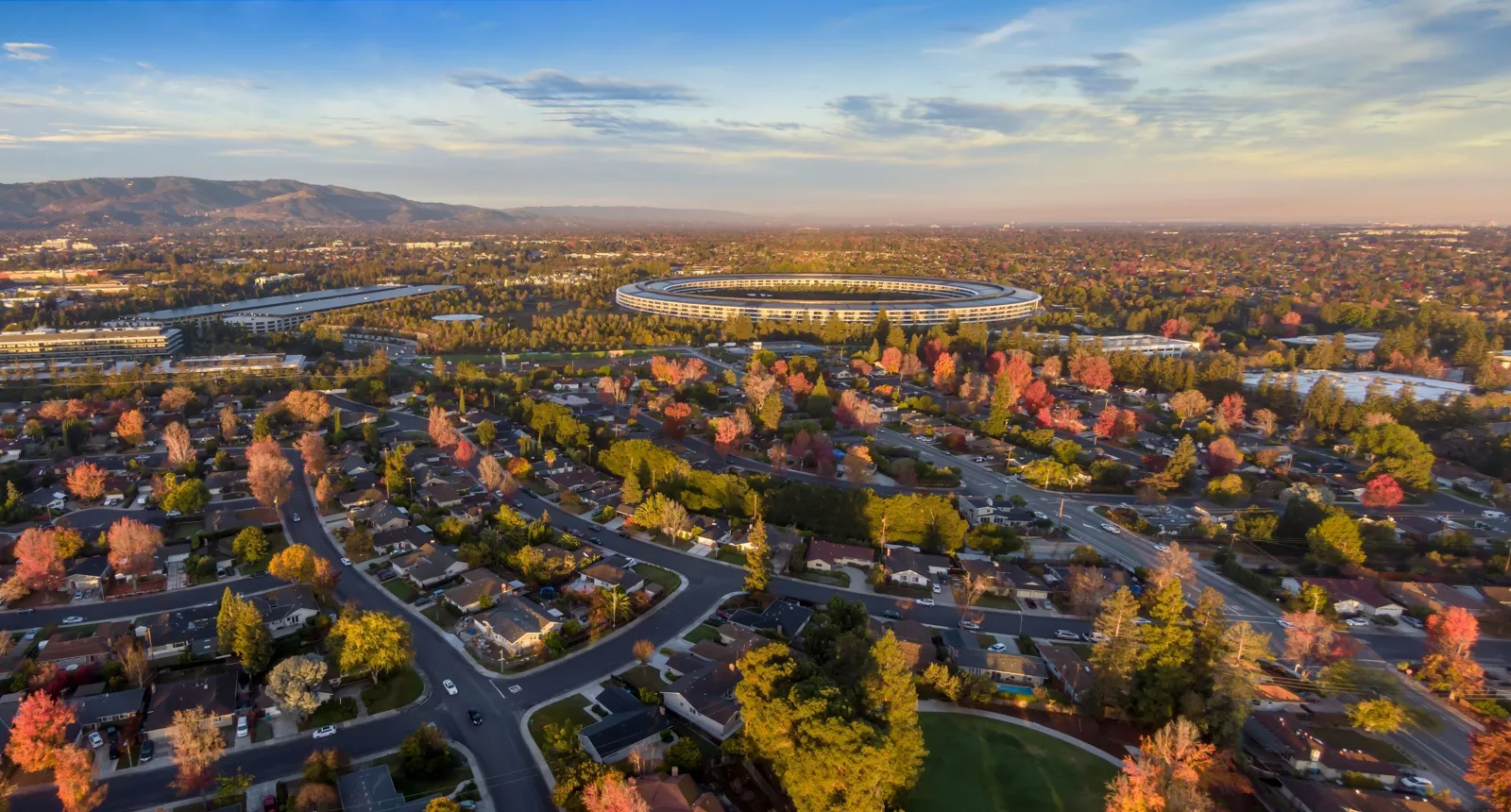
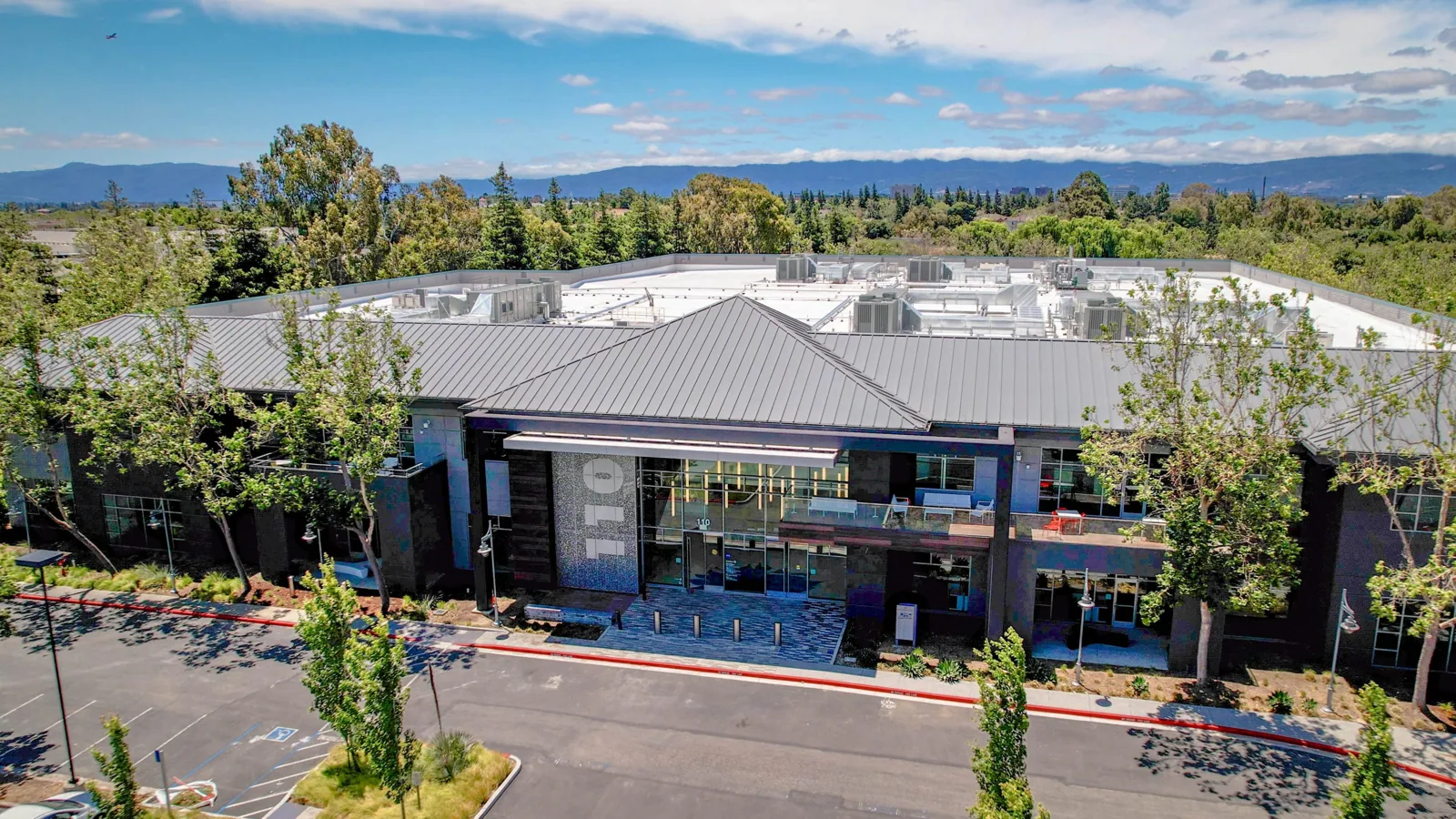
The office/R&D development along Scott Boulevard puts occupied-building planning alongside the material decision. For a building in the Tasman Drive and Scott Boulevard corridor, we establish roof access and operations with the responsible property contact. Sensitive rooms, deliveries and equipment restrictions need clear instructions before a repair area is opened. We inspect the subject roof to select its materials and repair method, then put the access limits beside that scope for ownership approval.
Hot work, odors, material storage and temporary protection need explicit treatment if the selected installation method involves them. We evaluate the method for the specific site rather than assuming a torch process from the manufacturer name. Operations staff approve any required equipment isolation with the responsible trade. We define who can authorize a schedule change, which entrance receives materials and where completed areas can be inspected. Those decisions protect tenants while keeping construction decisions with the people responsible for them.
Water must reach an outlet through a serviceable roof surface. We examine drains, sumps, scuppers and membrane connections for visible obstructions or deterioration. Clearing loose debris differs from changing a low point or repairing a drain connection. The report distinguishes those tasks. Where drain and scupper corrections are needed, the bid identifies the roofing work and any plumbing or design coordination that remains separate.
We also inspect repaired details after installation and retain photos tied to their locations. The manager can compare later observations with an identifiable baseline. A new stain needs its own investigation; it does not establish that the nearest recorded patch failed. For an active leak, protect occupants and electrical equipment through the facility response plan, then contact us with the location and access conditions. For soprema, define the work boundary.
A repair allowance needs a clear limit. We describe the initial area, the basis for extending removal and the ownership approval needed for additional work. Wet or unsound material discovered during opening can alter the repair. The bid should specify how that discovery is photographed, measured and priced before the work expands. It should also describe temporary protection if the manager needs time to approve the revised quantity.
Existing warranty documents can affect the next step. We examine notice requirements, exclusions and any conditions on alterations before work proceeds. Warranty coordination keeps that correspondence with the roof records; it does not make coverage automatic. After a Soprema repair or replacement, the closeout should name the installed materials and completed details. A manager can then take a bounded scope, an understandable allowance and a documented finish to ownership for review.
Soprema assembly review: separate system families in the bid. For a Soprema scope, identify whether the proposed work involves a modified-bitumen assembly, thermoplastic membrane or liquid-applied system. Each has its own substrate preparation, accessory and detailing requirements, so a product family name alone is not a repair specification. State the existing construction, affected detail, proposed layers and transition to retained materials. Compare bids only after confirming they address the same quantity and substrate assumptions. Where the project requires manufacturer review or a warranty process, cite the governing documentation. Closeout should preserve installed-product identification and photographs of transitions for later maintenance and future scope comparison.
Soprema check: bring ownership a defined scope
Arrange a pre-season examination. We will identify the assembly and prepare a plain bid sheet covering details, preparation and tenant coordination.
Frequently Asked Questions
A compatible system may suit the detail. We check the cap sheet, substrate and required preparation before specifying it.
No. The membrane family, layers and attachment still need to be stated.
A localized lap problem may be repairable. Extent, moisture and attachment determine the next step.
Compare the complete assemblies, including tearoff, insulation and flashing. The membrane price alone is incomplete.
Keep material identification, repair locations, completion photos and the actual warranty correspondence.
Roof Assessments
Santa Clara & the South Bay
Membrane, flashing, drainage and edge details checked and written up before any work is priced.
Request a Roof Assessment