- Home
- Roofing Manufacturers
- GAF Commercial Roofing
GAF Commercial Roofing in Santa Clara, CA
Rain-season GAF planning in Santa Clara, CA can start with the repeated Bay Area storms from December 2022 into January 2023 and a review of the actual assembly before another wet period. Which line covers the transition from roof membrane to drain? A proposal that names the membrane but leaves the outlet detail unresolved has not defined the entire job. We examine that connection along with the field surface and edge construction, then give ownership a scope with quantities and clear exclusions.
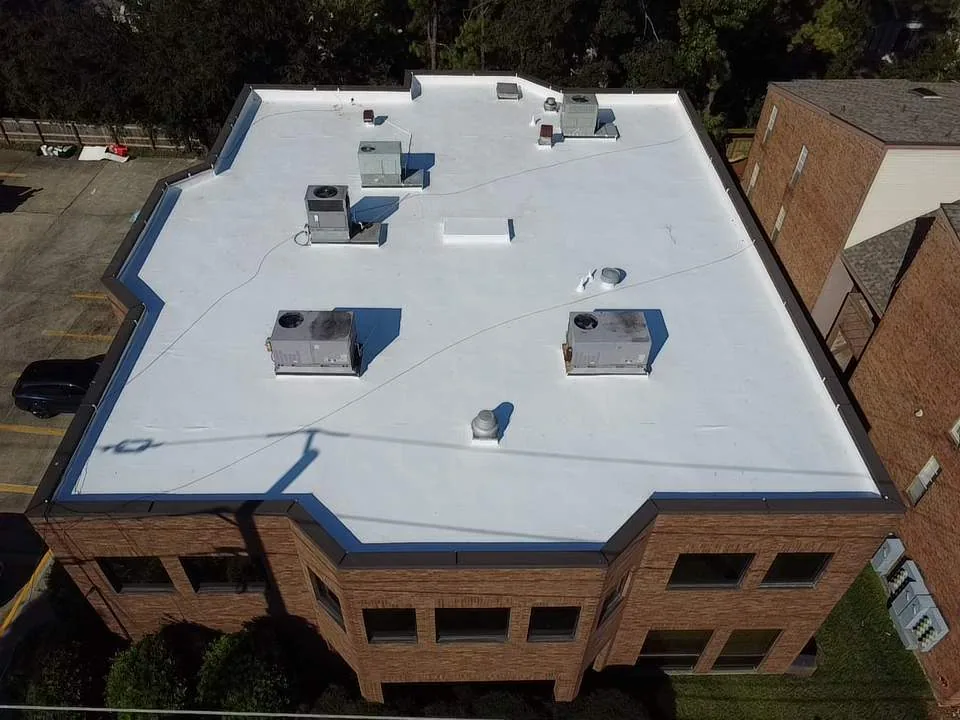
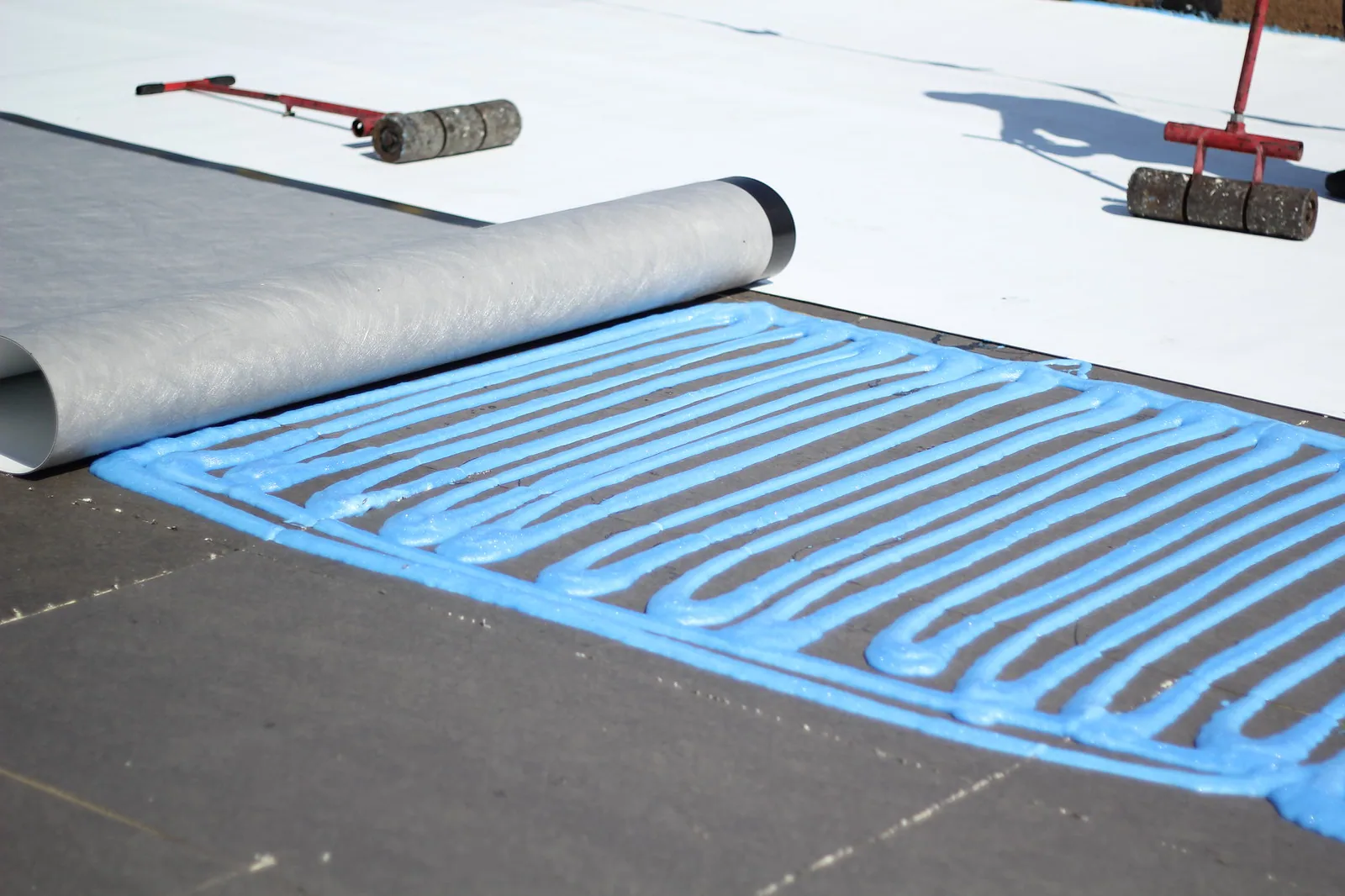
GAF offers commercial TPO, PVC, asphaltic membranes and roof coatings. The right choice starts with the installed roof and the intended project. An isolated repair, a coating treatment and a replacement each need a different supporting condition. We separate those choices so a product selection does not outrun the roof investigation. The property manager can then compare the actual work, including items that must be completed before new material goes down.
GAF Commercial Roofing: What the Work Covers
A recover total can look attractive because it avoids broad removal. That saving needs a defensible roof beneath it. We check the existing layers, attachment and accessible deck condition, and investigate moisture where conditions warrant. The resulting recommendation identifies what can remain and what needs removal. A blanket allowance for unexpected work does not replace that assessment. Ownership needs a stated assumption and a method for handling a discovery.
For a roof recover, the new assembly must be compatible with the prepared surface and satisfy applicable project requirements. Height at curbs, wall terminations and drains also changes when insulation or roof layers are added. We examine those details before proposing to leave the old roof in place. A scope that preserves usable construction but rebuilds inadequate flashing can differ substantially from a membrane-only price.
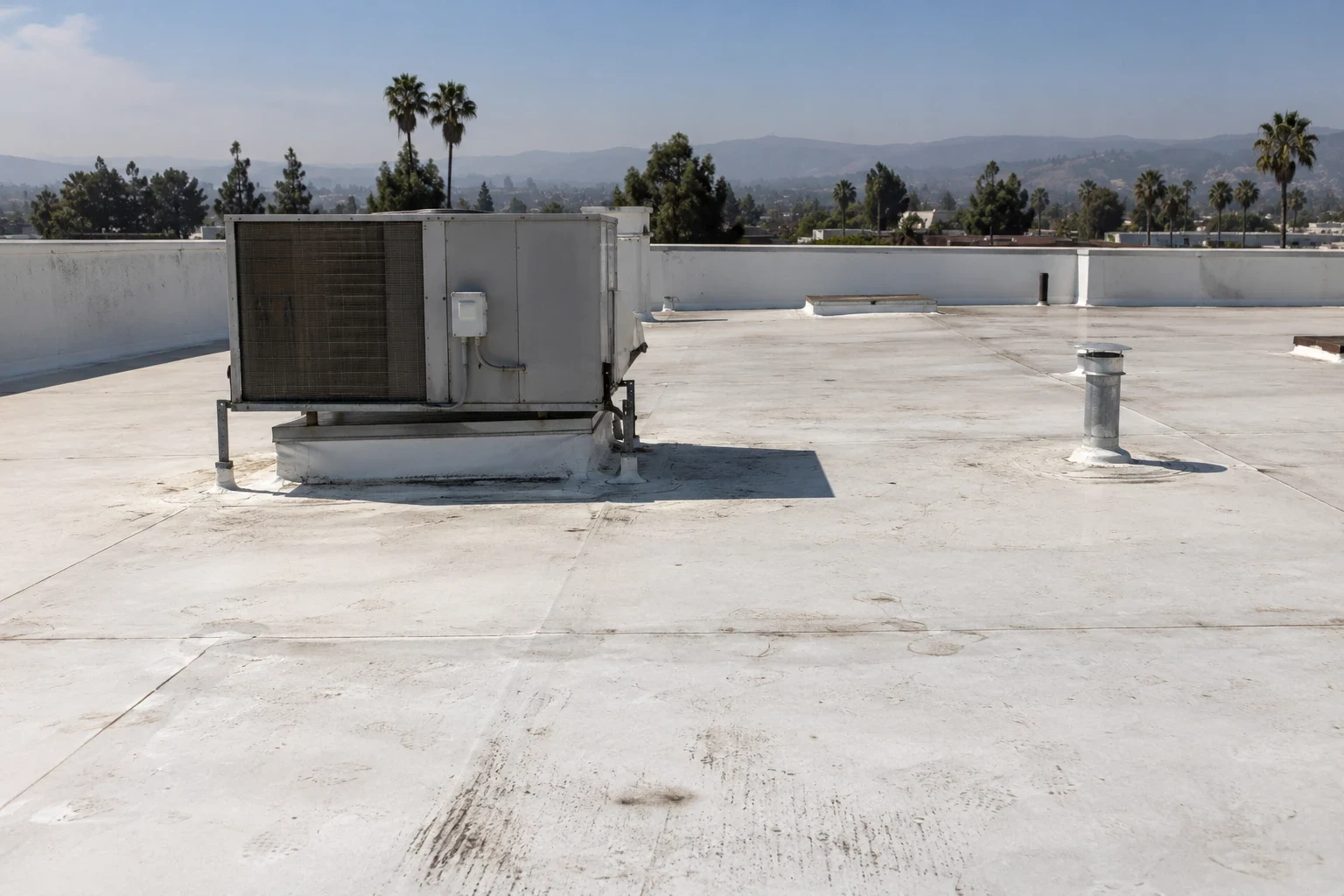
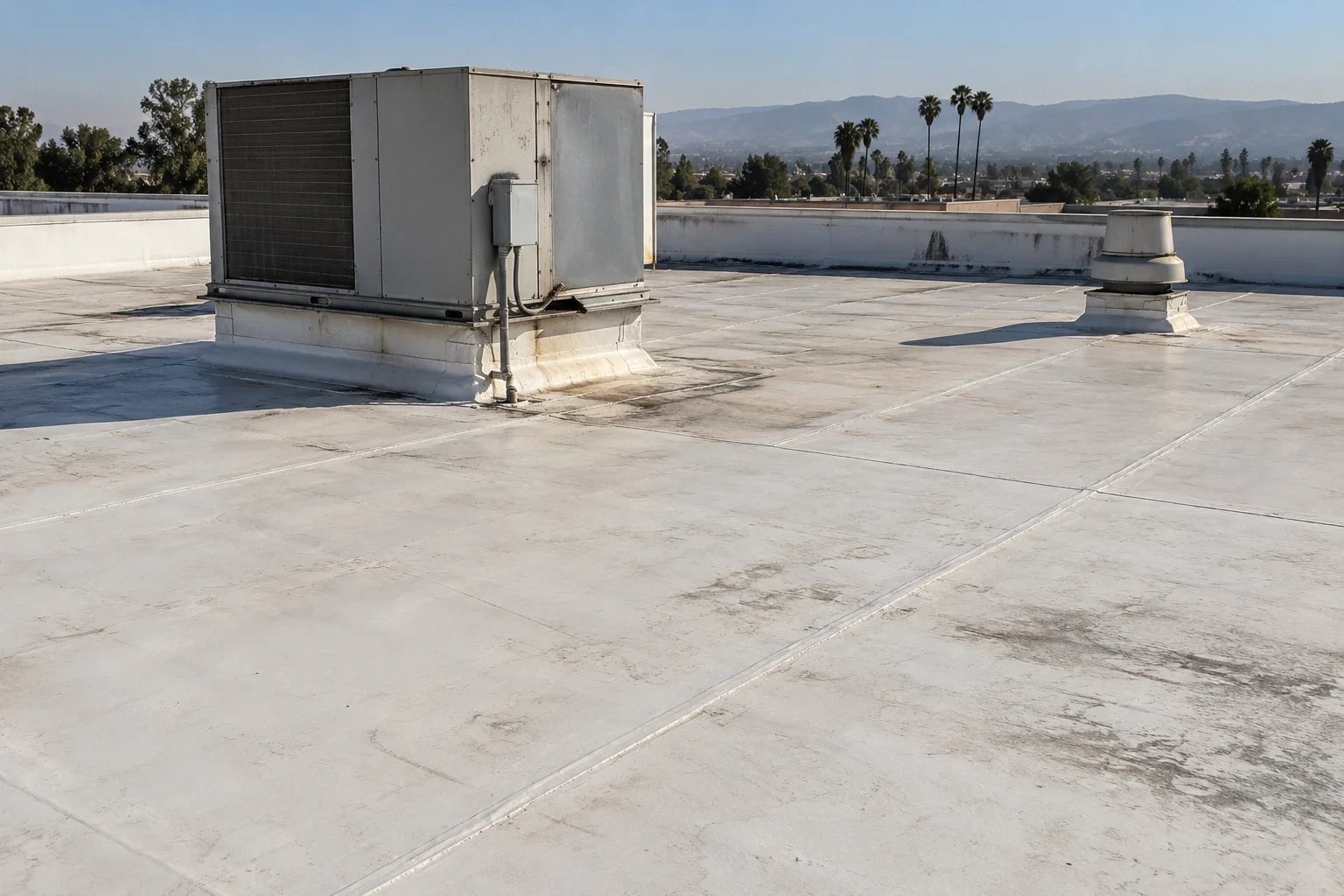
TPO and PVC are separate membrane families. Their similar appearance does not make their repair materials interchangeable. We identify the installed material and select the corresponding preparation, accessories and joining method. For TPO roof work, seam quality and details at penetrations deserve their own inspection. A clean field surface says little about an overlooked termination behind equipment.
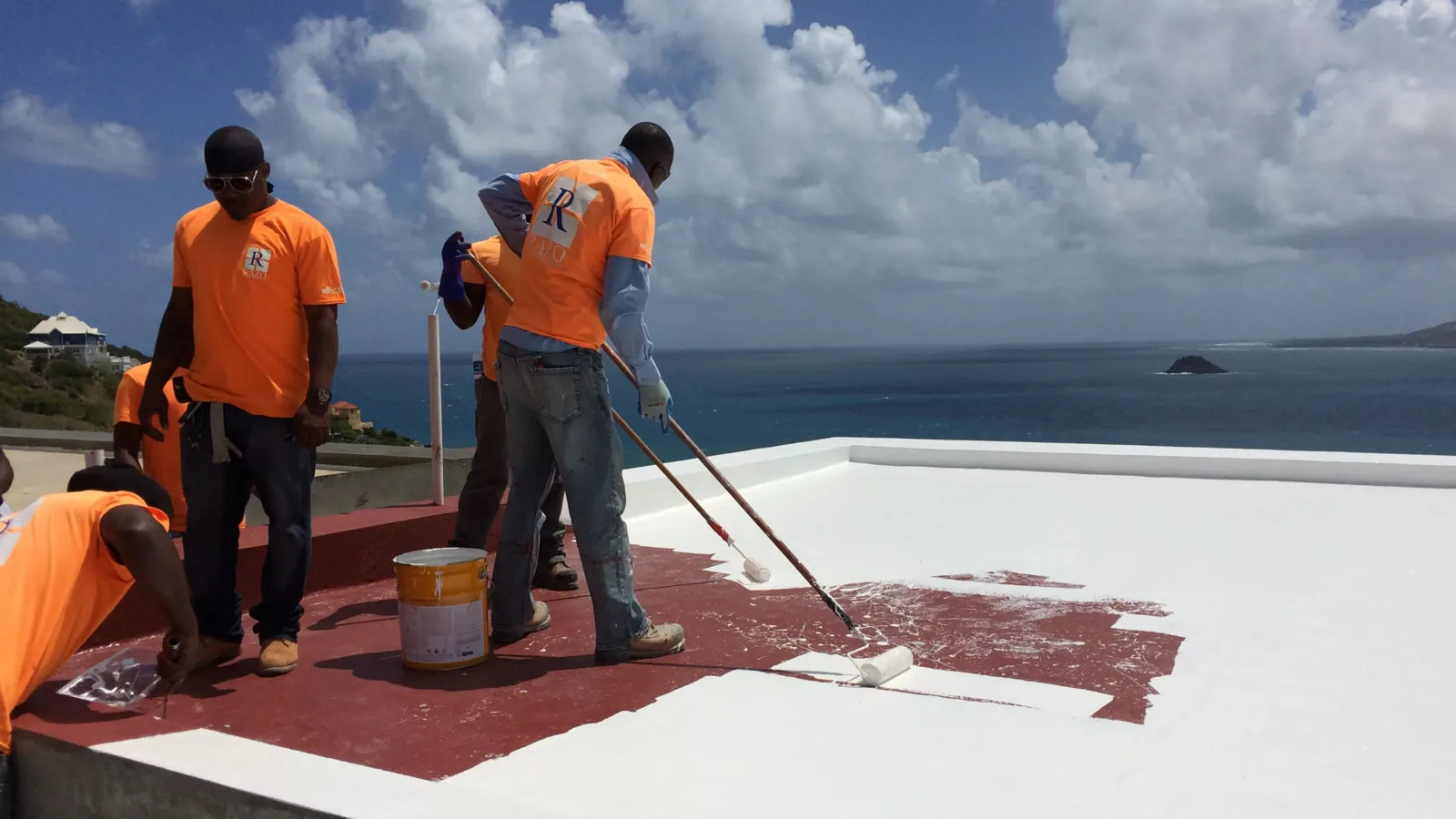
An asphaltic assembly presents a different question. We examine its layers, laps and surface condition before recommending a compatible patch or a replacement section. A coating candidate also needs a sound substrate and suitable preparation. We will not count concealed wet construction as usable simply because a coating can cover the visible surface. The proposed system, the roof condition and the actual detail requirements belong together in the scope that ownership reviews.
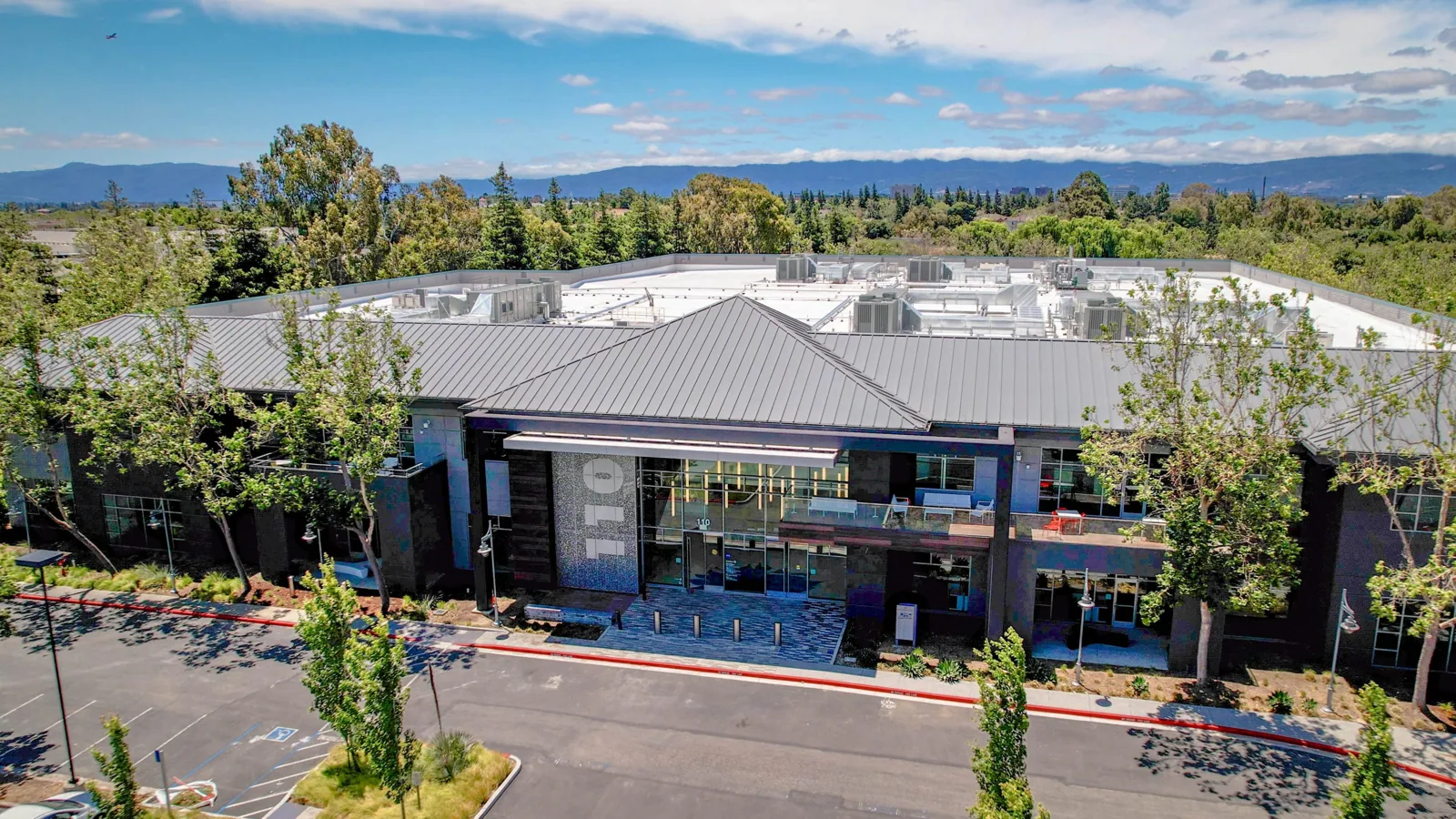
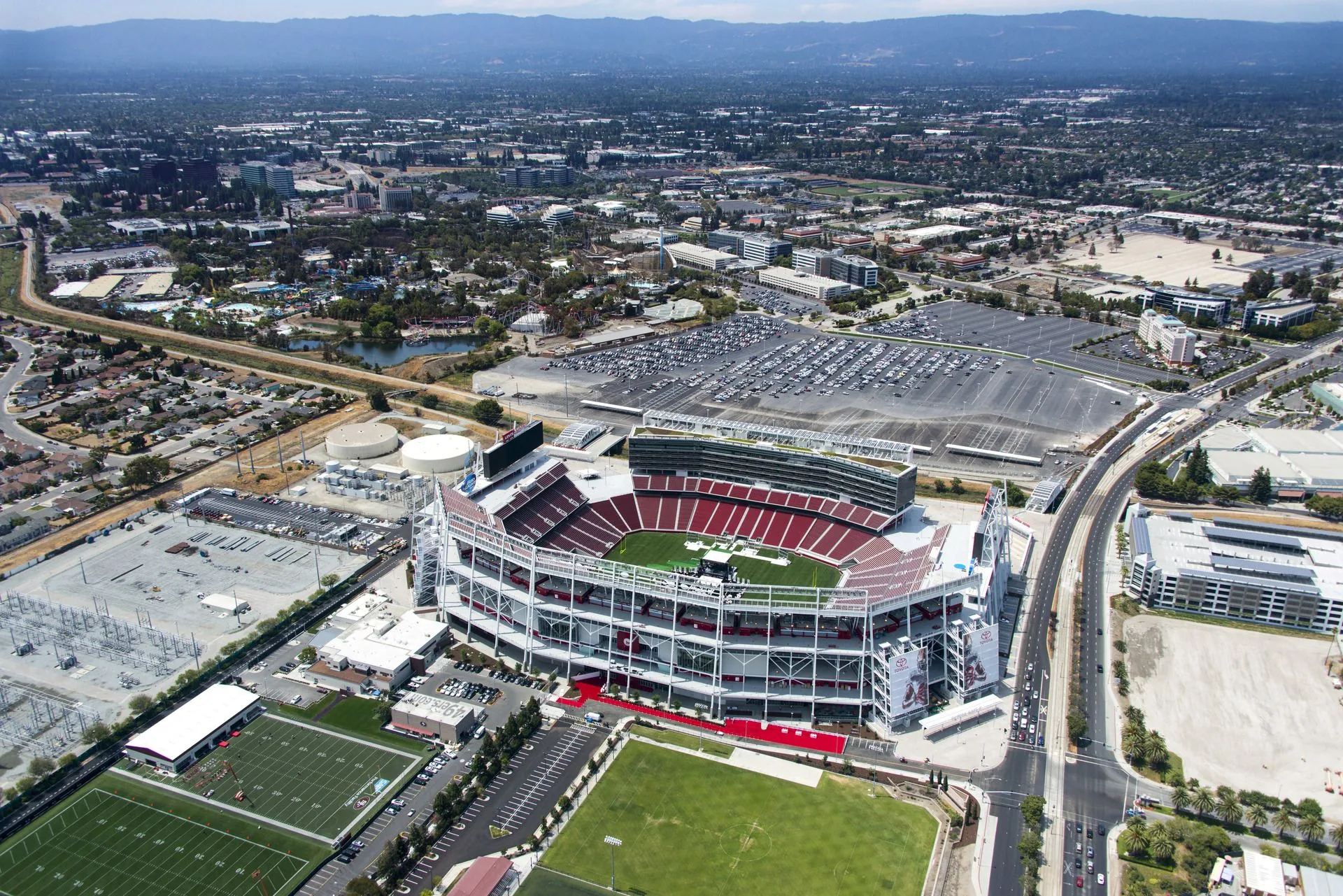
The office/R&D development along Scott Boulevard is one local reason to put tenant coordination beside a roofing proposal. Before work along Scott Boulevard and Tasman Drive, we discuss access with the responsible property contact. Tenant hours, intake locations and material delivery routes are confirmed for the project. We examine its own assembly and choose the construction method with those operating restrictions available, so the daily sequence reflects the actual building requirements.
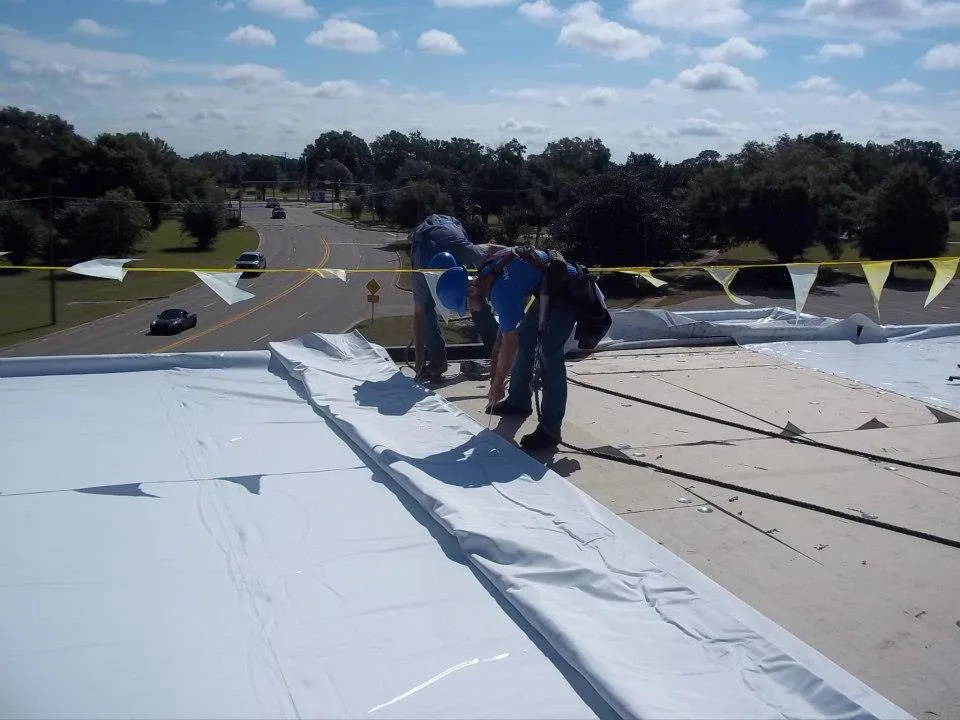
Attachment method can affect noise, handling and odors. The selected GAF assembly should fit the building requirements without treating those operational effects as an afterthought. We establish where materials can be stored, which walk routes remain open and how an exposed area will be protected overnight. Any equipment shutdown needs the operator and responsible trade to approve it. The roofing plan specifies the affected work area, while facility staff control operational changes inside their building.
Planning and Completing the Work
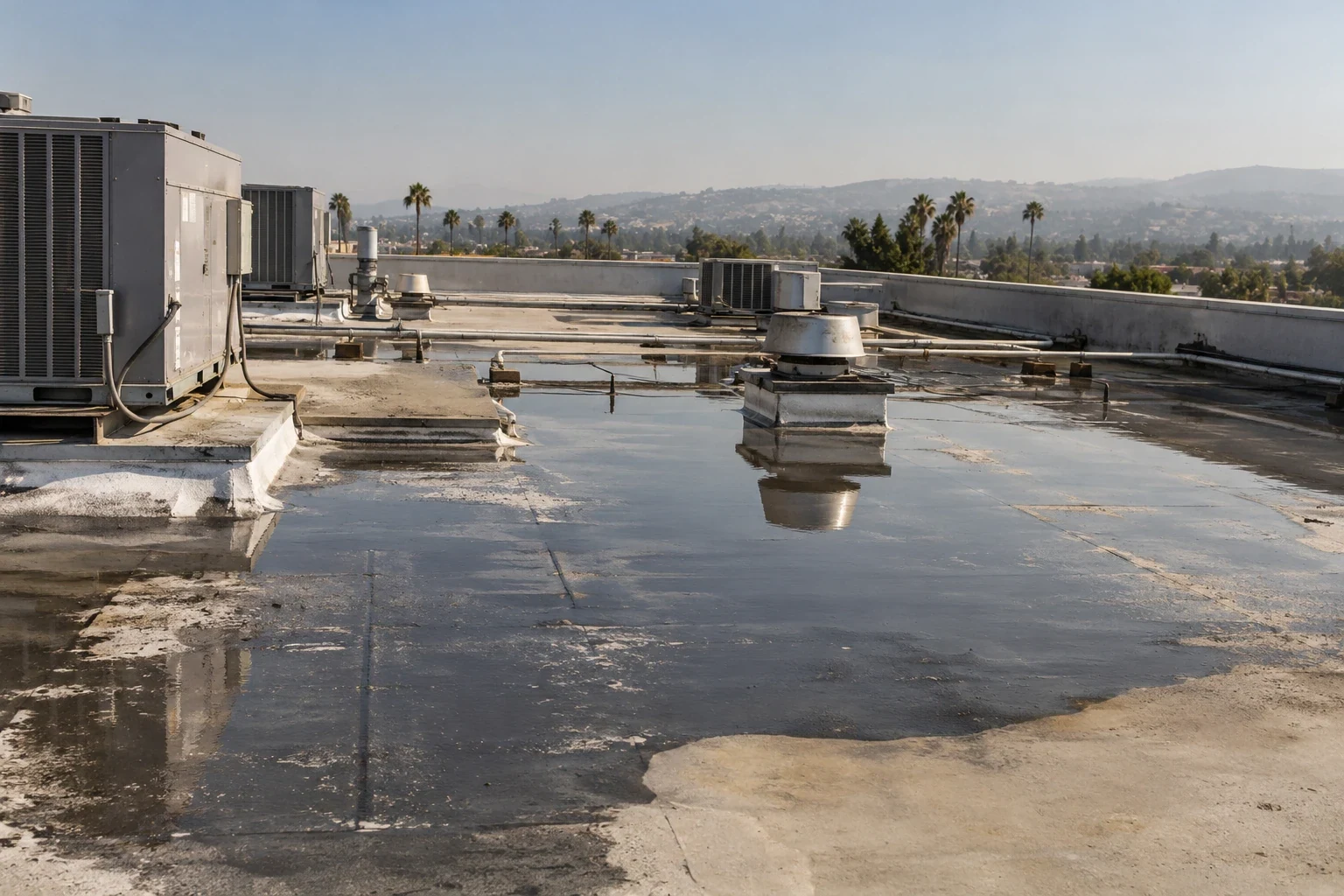
Debris at an outlet may be removable. A loose clamping connection, damaged flashing or an inadequate local slope needs another response. We record the visible condition and identify whether roofing, plumbing or design work is involved. A drain allowance that says only clean and seal can hide several unlike tasks. The manager should be able to see the specific correction beside its quantity and the part of the assembly it restores.
For a low spot, we investigate why water remains before proposing a surface treatment. Correcting persistent ponding may involve tapered insulation or outlet changes, subject to the building design and applicable requirements. It is not automatically a membrane failure. The repair must preserve an effective connection to the adjoining roof. We also examine secondary drainage where accessible and identify any coordination needed to assess the full drainage arrangement.
A Carlisle SynTec alternate can help ownership compare an assembly choice, provided the removal and detail assumptions remain clear. A Holcim Elevate specification may use another material family or attachment approach. We list those changes beside the base proposal. The comparison should show what changes in the roof and what changes only in the product selection.
We break out damaged decking discovered during removal, insulation replacement and any additional curb rebuilding. Those allowances need a measurable basis and an approval process. A lower total that omits these items carries a different construction risk. Scheduling allowances deserve the same scrutiny. Materials, delivery restrictions and tenant coordination can change the sequence even when membrane quantities match. We give the manager the reasons for those differences so the approval discussion stays tied to scope.
Completion photos should show more than an attractive field surface. We retain images of representative seams, rebuilt transitions and the outlet work included in the job. The closeout identifies materials and repair boundaries. Where concealed construction changed the scope, the record includes the finding and approved response. This makes future inspection practical because the manager can locate the affected detail rather than searching through an unmarked set of roof images.
Warranty review belongs before alterations and again at closeout. We distinguish the actual issued coverage from a proposed warranty description. Notice duties, exclusions and maintenance provisions matter to later claims. A written roof condition report helps the manager retain inspection evidence alongside those documents. A gaf commercial roofing report does not establish a repair quantity. Document the gaf finding and the next approval.
A pre-season visit can establish repair priorities without making a blanket replacement recommendation. We inspect the accessible roof, identify open questions and put the defined tasks in order. Some findings may support a localized correction; others may need further investigation before a budget can be set. We state that distinction. The report gives ownership something concrete to approve and keeps an unresolved condition from becoming an unsupported removal quantity.
For a GAF installation or repair, we want the bid to identify the membrane, preparation, drainage and tenant plan. The manager should also know who authorizes additional work and how an opened area will remain protected while that decision is pending. Those are practical approval terms. They help preserve a complete roof scope through procurement, construction and the final examination instead of leaving essential detail work outside the accepted total.
GAF scope: prepare for ownership review
Request a pre-season roof assessment and a plain bid sheet identifying GAF system options, needed preparation and tenant access.
Frequently Asked Questions
Wet or unsound construction needs investigation and correction. A coating does not make that material suitable to retain.
They require their own compatible materials and preparation. We identify the membrane before specifying a patch.
Cleaning, membrane connection work and plumbing corrections are different tasks. The item should say which one is included.
Keep removal assumptions, insulation, flashing and drainage quantities visible beside each assembly choice.
Issued documents establish coverage. We review the actual terms and project requirements rather than relying on a proposal heading.
Roof Assessments
Santa Clara & the South Bay
Membrane, flashing, drainage and edge details checked and written up before any work is priced.
Request a Roof Assessment