
- Home
- Roofing Manufacturers
- Carlisle SynTec Commercial Roofing
Carlisle SynTec Commercial Roofing in Santa Clara, CA
Storm-period planning for a Carlisle assembly in Santa Clara, CA brings attachment and water entry into the same review. The Bay Area rain sequence across late December 2022 and January 2023 provides that regional context. For a Carlisle SynTec roof proposal, which existing components will support the new work? We answer that before choosing a membrane. A field sheet, its attachment and the insulation beneath it form an assembly. Repairing one visible opening does not establish the condition of the other components.
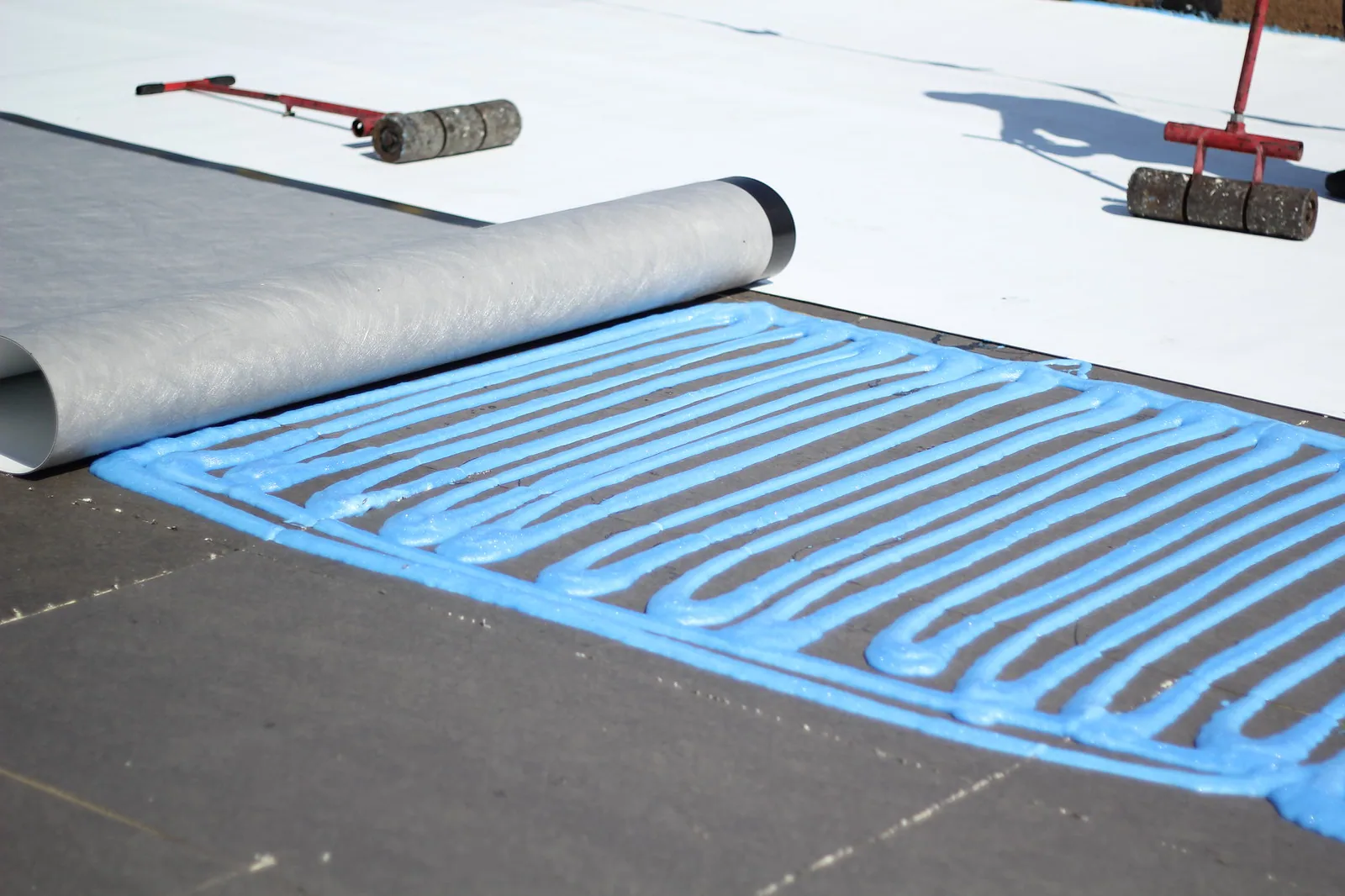
Carlisle SynTec offers EPDM, TPO, PVC and fleece-backed membrane options, along with insulation and roofing accessories. The range gives ownership choices, but it also makes material identification essential. We examine the installed roof, retrieve available roof records and identify the detail that needs correction. The written recommendation distinguishes a repair to retained construction from a new assembly with different attachment, flashing or drainage requirements.
Carlisle SynTec Commercial Roofing: What the Work Covers
A moving membrane deserves a close look at how the assembly is restrained. We inspect accessible fasteners, plates, adhesive areas and perimeter construction as the installed system allows. Movement can have several causes. We record the visible evidence before treating it as a broad attachment failure. Where the proposal requires additional investigation or testing, the scope names that step and the approval needed to proceed.
Attachment design must suit the deck, building geometry and applicable project requirements. The bid should identify the chosen approach and its associated components. New fasteners cannot be priced meaningfully without a suitable supporting deck and the correct installation details. We examine those assumptions during a hands-on commercial roof inspection. Ownership can then distinguish a localized attachment correction from a replacement project that needs a new assembly design.
EPDM uses different seam and flashing materials from TPO or PVC. We identify the membrane before specifying cleaning, priming or joining. On an EPDM roof, the condition of the seam components and surrounding sheet matters to the repair. A compatible patch needs enough sound membrane for the selected detail. Surface contamination and previous repairs can affect preparation and the area that must be rebuilt.
Thermoplastic repair also requires a suitable surface and correct joining conditions. Aged material may need careful evaluation before welding. We examine the sheet beside the opening rather than judging only the size of the hole. Fleece-backed construction introduces another layer to account for at a cut edge or transition. The manager receives the actual repair footprint and the work needed below it, including any insulation removal supported by investigation.
A suspected moisture pattern is a reason to investigate, not a finished removal schedule. We choose suitable survey methods for the assembly and confirm findings where necessary. A roof moisture survey can help target investigation, but readings must be interpreted with the roof construction and site conditions. The scope identifies which locations were examined and which remain uncertain.
For confirmed wet construction, we describe removal boundaries, replacement materials and how the new section connects to retained work. Concealed findings may extend those boundaries. We establish a pricing basis for that possibility before construction and require ownership approval for the change. Keeping the allowance measurable protects the manager from an open-ended instruction to replace whatever appears necessary. Temporary protection also belongs in that agreement if an unexpected finding interrupts installation.
Planning and Completing the Work
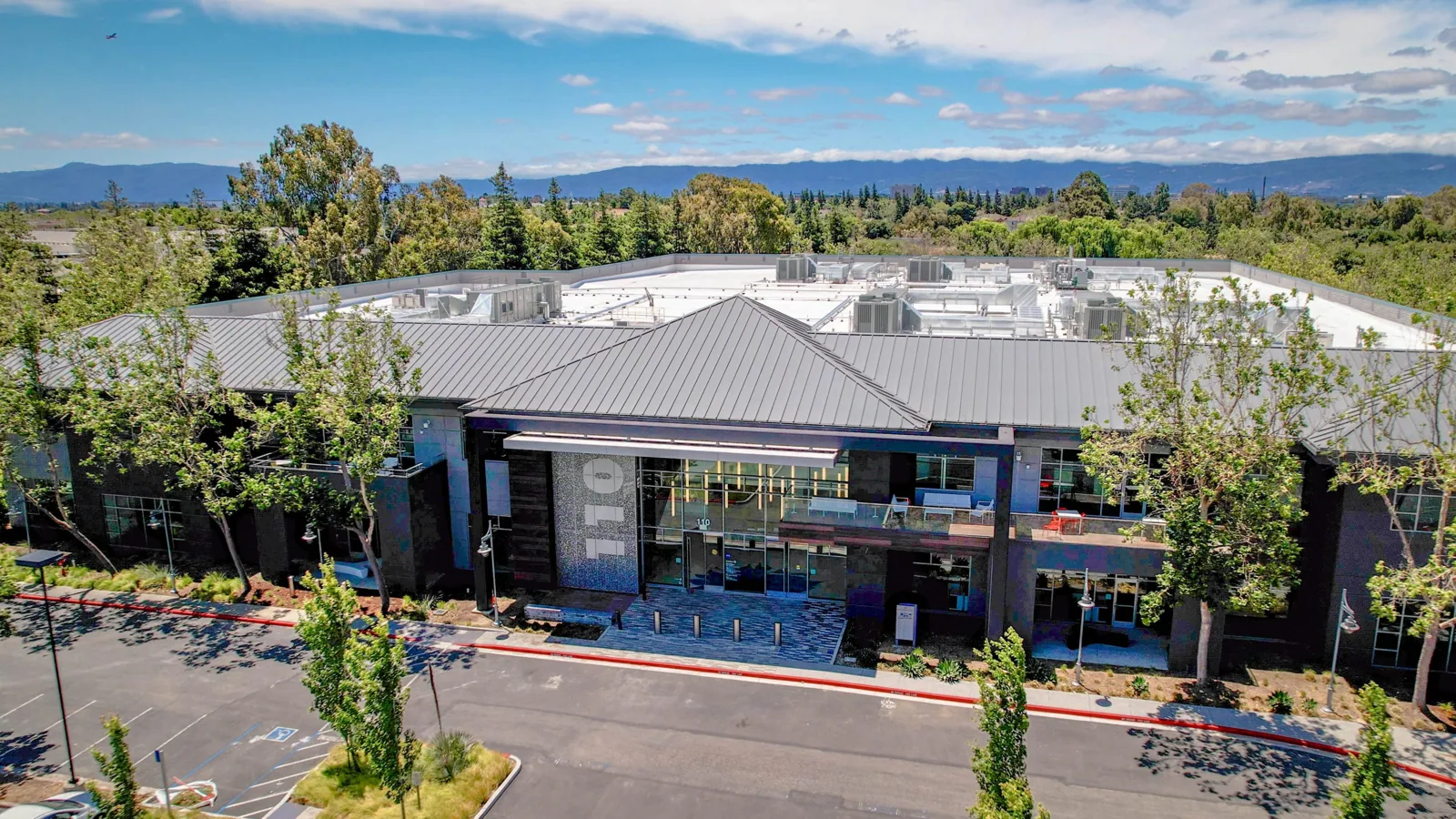
The office/R&D development along Scott Boulevard makes a useful operational question concrete: who approves a noisy roof task during occupied hours? For properties on Scott Boulevard and Tasman Drive, we confirm that authority with the responsible contact. Roof access, equipment service routes and tenant restrictions belong in the work plan. The inspected assembly establishes the material and method; the operator instructions establish how we schedule that work at the building.
We discuss drilling noise, deliveries, adhesives and work near air intakes before setting the daily sequence. Equipment service routes need to remain usable or have an agreed alternative. Any operational shutdown must be approved by the operator and responsible trade. The roof crew receives defined access limits, while the manager gets the areas and timing needed for tenant notices. A membrane selection alone cannot settle those decisions.
A Versico assembly alternate should identify its own membrane and attachment components even when the system families look similar. A GAF roof option also needs its own complete specification. We compare perimeter work, penetration quantities and insulation assumptions beside each option. Similar product descriptions are not permission to blend components or omit the manufacturer requirements for the selected assembly.
The cost difference can come from much more than sheet material. Removal depth, deck repairs, curb height adjustments and restricted access all affect the total. We identify those drivers directly. An alternate can preserve a sound substrate, change the attachment method or add a different support board, but each change needs an explained basis. Ownership can then choose among defined constructions with clear operational implications instead of relying on a manufacturer logo to represent the entire roof.
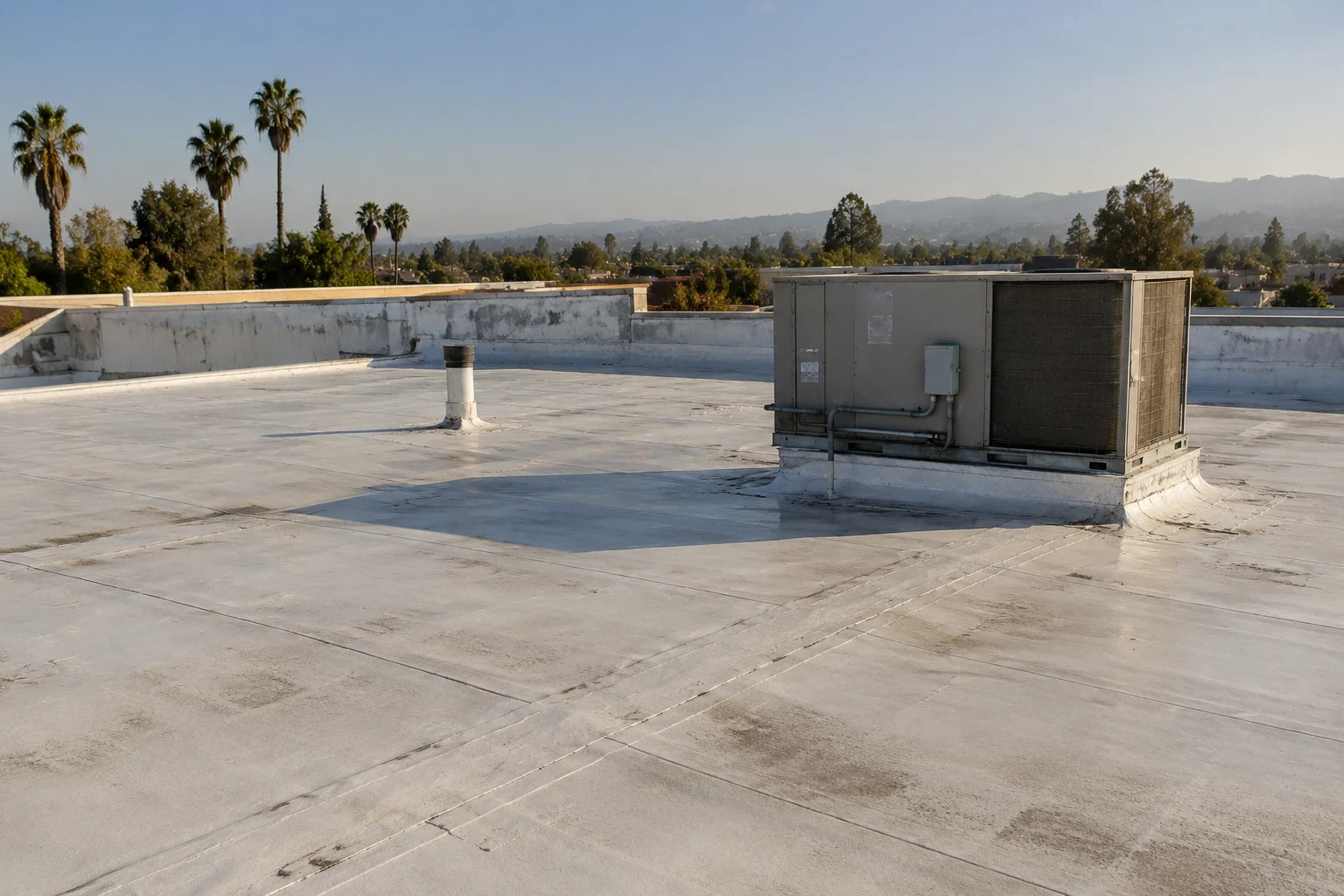
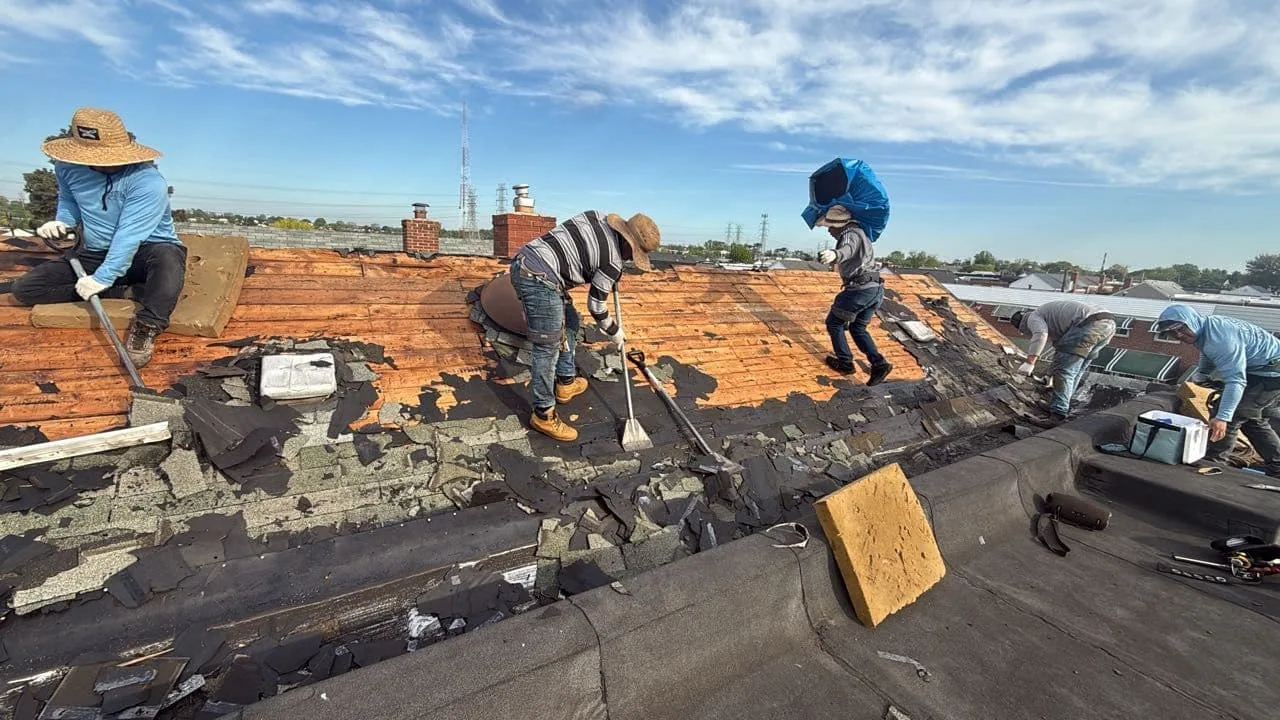
After rain, a visible stain may help locate an affected room without pinpointing the roof entry. We inspect nearby seams, penetrations, wall transitions and outlets, then connect evidence to a proposed repair. A loose termination and a membrane puncture require different corrections. The condition report labels the detail and records why it was selected. Uncertain entry paths stay open for further examination rather than becoming a broad sealant scope.
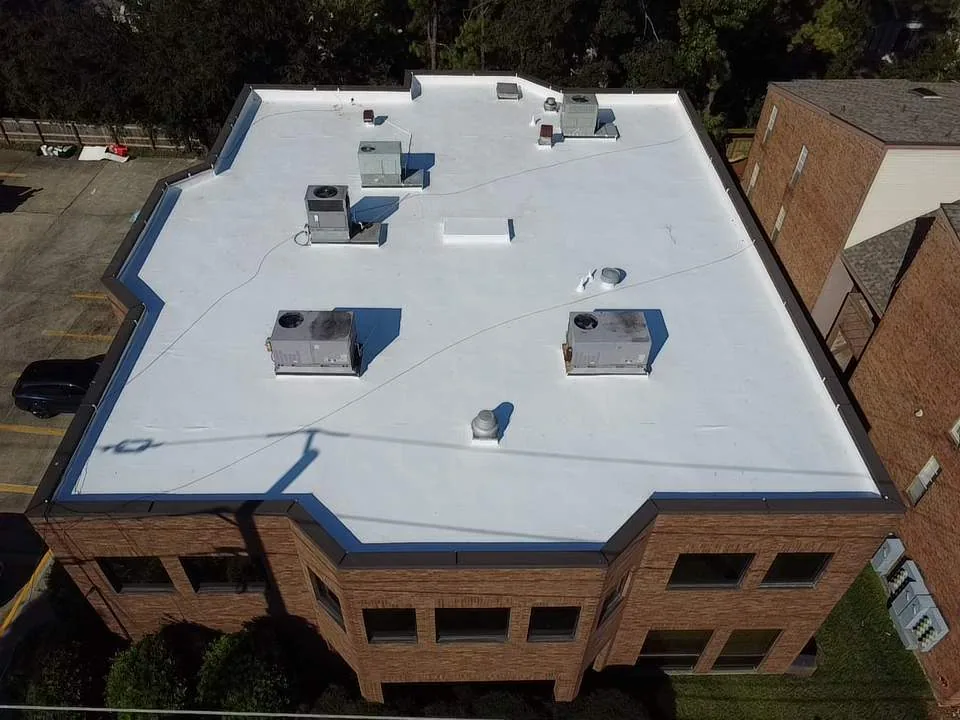
Drains and edge details also need examination during the seasonal review. We inspect accessible outlet connections and perimeter restraint, and record debris separately from construction defects. A carlisle syntec commercial roofing report does not establish a repair quantity. Document the carlisle syntec finding and the next approval. The temporary action is documented with its limits. A permanent repair follows with compatible materials and a scope that addresses the actual entry detail.
A Carlisle roof file should identify the assembly and the work performed, not merely the material purchased. We retain repair locations, photos and accepted changes with the closeout. If ownership selected an alternate, the final record reflects that choice. Clear records help a later inspection compare the same transition or seam without mistaking an older patch for recent work.
Reviewing roof warranty requirements before an alteration helps establish notice duties and any required coordination. We keep the actual documents separate from proposal expectations. Coverage and eligibility come from their terms and project compliance. A pre-season check can put these records beside current findings so the manager brings ownership a clear recommendation, a bounded allowance and the work sequence needed to protect tenants during the correction.
Carlisle system review: match the proposal to the specified assembly. A Carlisle-branded membrane name does not by itself define the project assembly. Compare the exact product and thickness, reinforcement, attachment, insulation, cover board, perimeter details and accessories against the specification and applicable manufacturer guidance. Confirm whether the project scope includes tear-off, substrate correction or a recover condition, and clarify what evidence supports that assumption. At drains, edges and penetrations, verify that the proposed detail matches the existing transition and design requirements. Retain product approvals, submittals, installed product identification and closeout photos so future maintenance can be tied to the system actually provided.
Carlisle review: clarify the retained assembly
Schedule a pre-season check. We will examine membrane and attachment conditions and prepare a plain bid sheet for ownership and tenant planning.
Frequently Asked Questions
Use materials compatible with the identified membrane. Rubber and thermoplastic repair details are different.
The proposed attachment needs suitable support. Deck type and condition affect the approved assembly and repair scope.
A pattern can direct investigation. Construction and site conditions must inform interpretation and confirmation.
The backing does not resolve concealed moisture. We assess retained construction before recommending an overlay.
State the measurable repair basis, approval procedure and temporary protection if the finding delays completion.

Roof Assessments
Santa Clara & the South Bay
Membrane, flashing, drainage and edge details checked and written up before any work is priced.
Request a Roof Assessment