- Home
- Roof Damage Repair
- Commercial Roof Fire Damage Repair
Commercial Roof Fire Damage Repair in Santa Clara, CA
Heat-period scheduling can draw on the regional September 2022 event and voluntary Flex Alerts; a fire-damage diagnosis still needs evidence at the subject building. For a property manager in Santa Clara, CA, the practical question after a reported fire is different: who has established safe access, and which construction must be examined before roofing repair begins? We coordinate our work with the property's authorized representatives and the relevant safety and design participants. The actual event and building condition determine the scope.
Fire-related roofing work can involve surface damage, concealed layers and supporting construction. An intact-looking area beside visible damage may still need investigation. The office and R&D history of development on Scott Boulevard helps identify the commercial corridor. It does not establish roof assembly or current occupants. We examine the authorized work area and describe the roofing corrections, investigation limits and related trade requirements that ownership needs to consider.
Commercial Roof Fire Damage Repair: What the Work Covers
A damaged building needs a defined access boundary before roof personnel enter affected areas. We coordinate with the owner and the relevant authorities or qualified reviewers as the event requires. Roofing personnel do not establish structural safety from a surface photograph. Electrical equipment, unstable components and damaged supports can require other qualified participants. The work plan identifies these dependencies rather than treating access as an ordinary maintenance visit.
Temporary protection should follow those access limits. Its method depends on the exposed construction and what can be installed safely. A temporary covering cannot make an unsafe support acceptable or authorize entry to a restricted area. We explain the available roofing actions once the boundary is established, then distinguish immediate protection from permanent reconstruction. The manager should know which decisions await another participant and which roofing tasks can proceed within the authorized area. That gives ownership a practical sequence with the remaining access and investigation requirements identified.
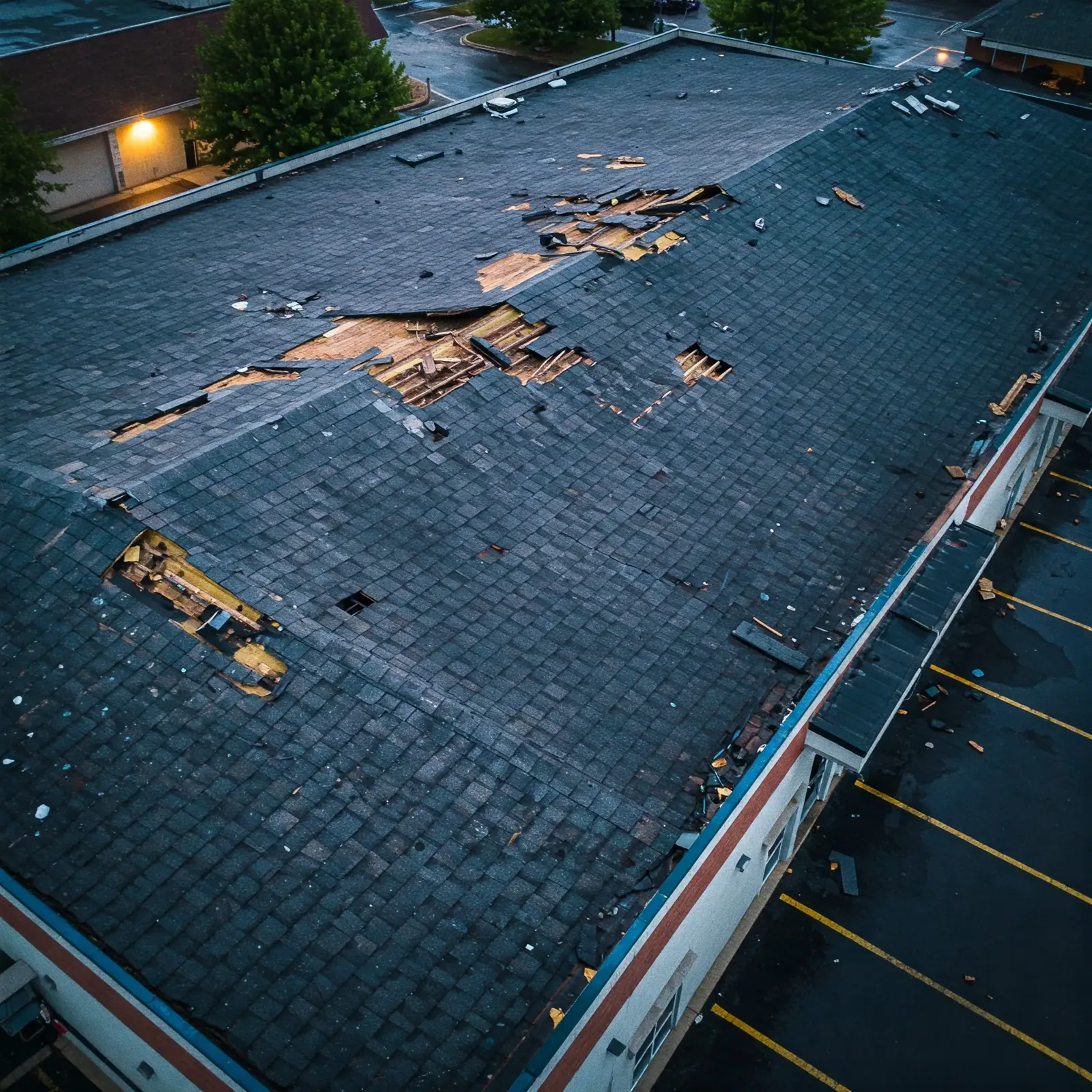
Heat exposure can affect different roof materials in different ways. We inspect visible changes and determine where selective examination is needed to establish layer condition. A damaged membrane may overlie insulation, cover board or deck requiring removal. Adjacent construction can need evaluation even where the surface appearance is less pronounced. Findings should be recorded as observed conditions, with the limits of examination made clear. The incident account alone does not establish the full repair boundary.
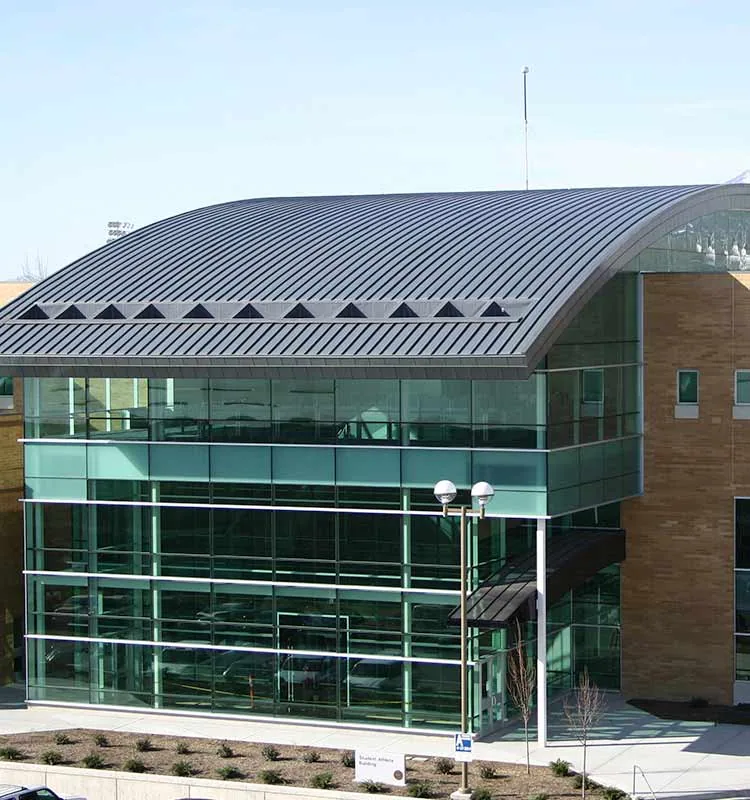
A built-up asphalt roof needs examination of plies and supporting layers. A standing seam metal assembly requires review of panels, connections and support where affected. Structural questions go to an appropriate qualified reviewer. We do not declare damaged construction reusable simply because a covering can be installed above it. The bid separates confirmed removals from investigation and conditional tasks so ownership understands what is established and what still needs review.
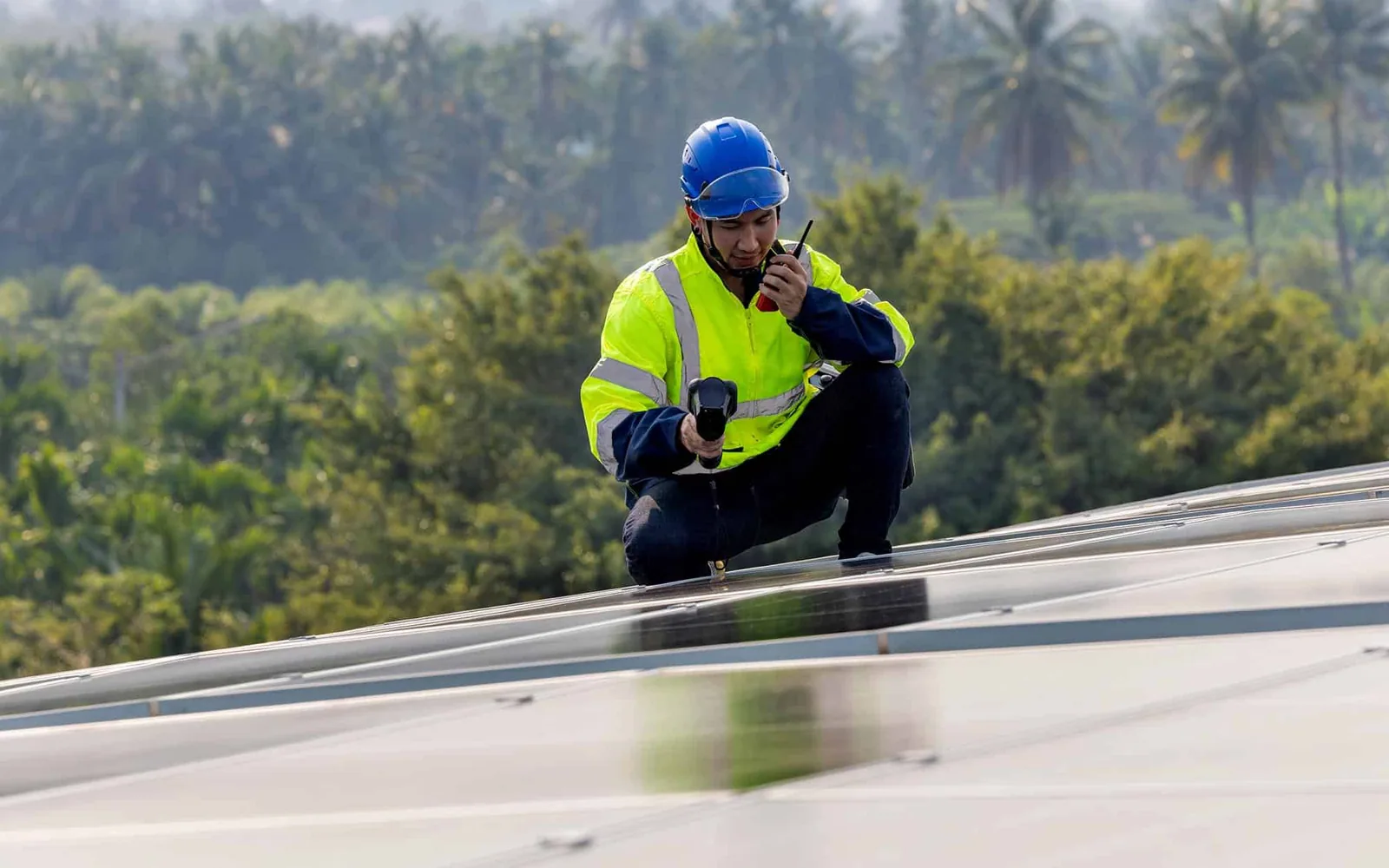
Water used during an incident can reach roof layers or interior areas through damaged construction. We investigate actual indications rather than assume a universal wet extent. Selective confirmation can establish which materials need removal. Thermal screening as part of a moisture investigation may assist under suitable conditions, but it cannot replace confirmation or establish structural suitability. The report explains its limitations and how the findings affect the roofing scope.
Open joints and damaged penetrations can also provide separate water routes after the event. Correction of affected membrane connections needs compatible preparation and a sound receiver. Reconstruction of damaged flashing details can involve curbs or wall components that require other trade work. We identify those tasks rather than price a broad surface repair over unresolved openings. Temporary weather protection remains distinct from a permanent detail rebuilt to suit the actual assembly.
Planning and Completing the Work
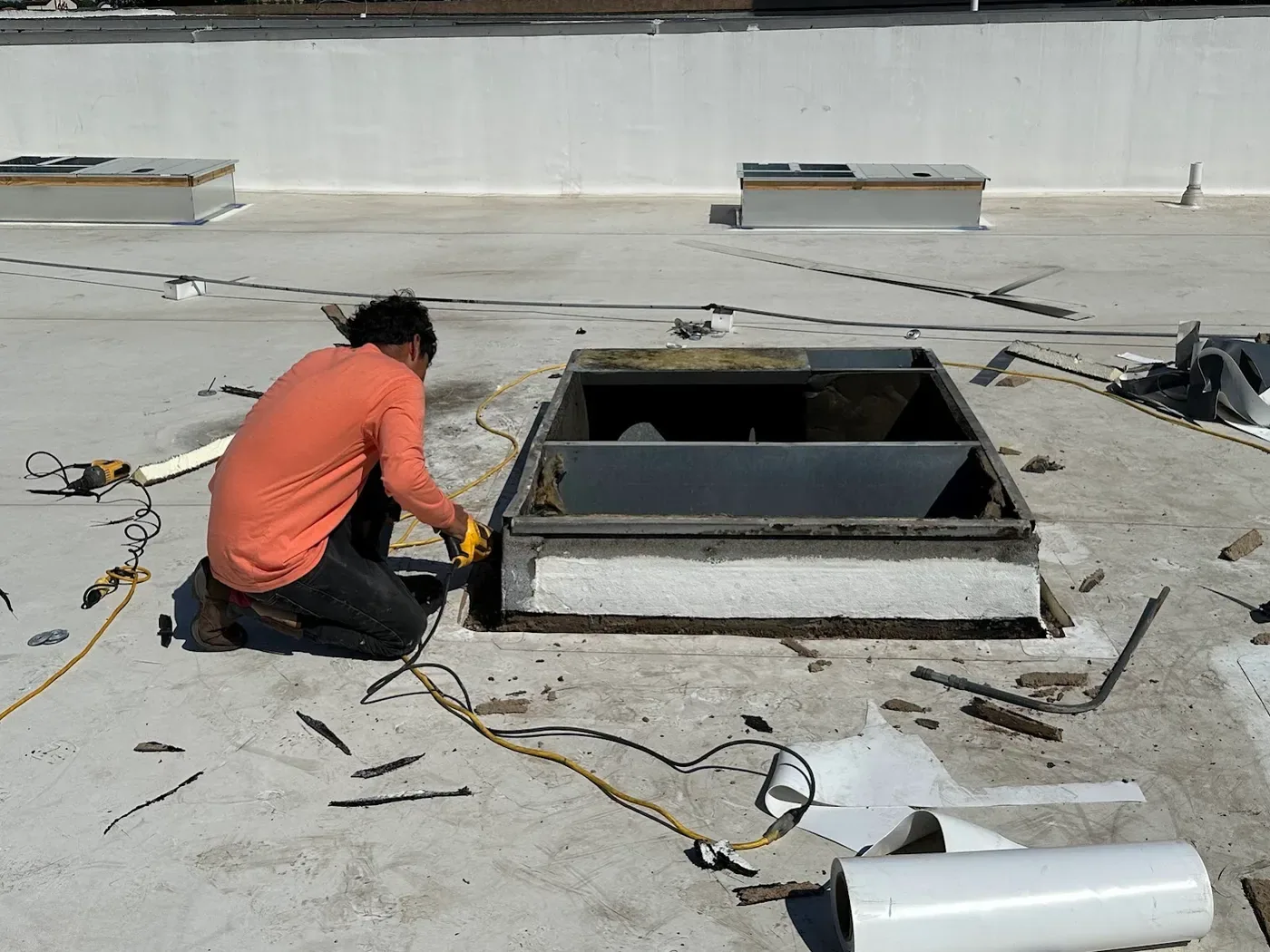
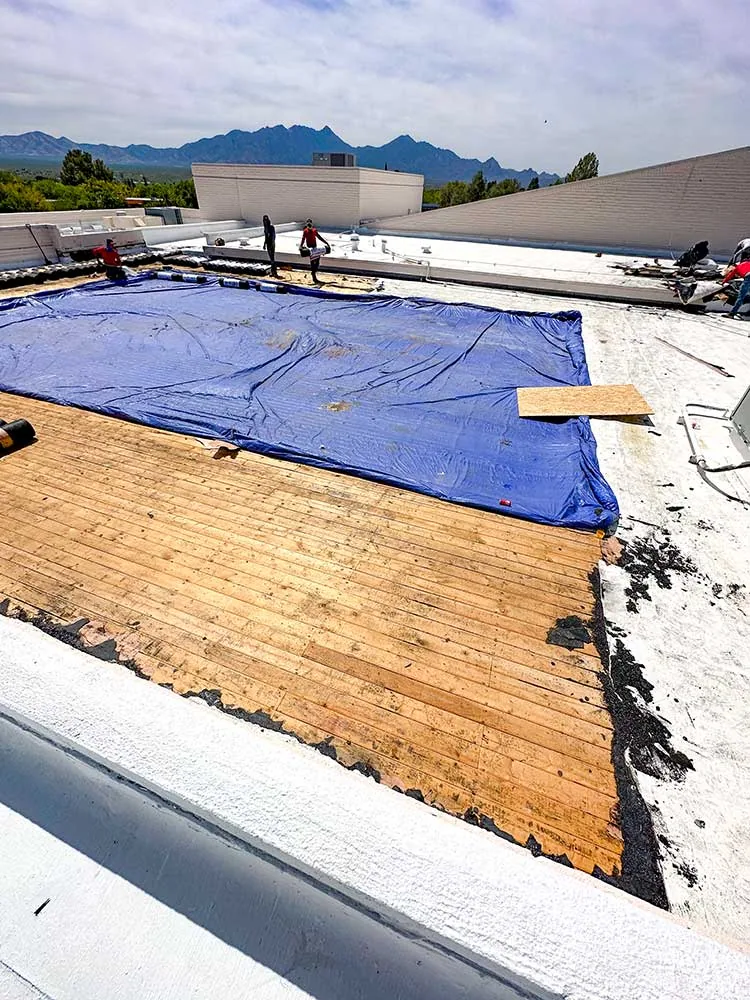
Removed material can expose conditions not visible at the initial examination. We document those findings and explain the additional work requiring approval. Deck replacement, support repairs and equipment reconstruction must be coordinated with the appropriate qualified participants. New roof materials need an acceptable receiver and an attachment arrangement suited to the reconstruction. A patch area cannot be considered ready simply because debris has been cleared from the surface.
The permanent proposal should state retained and new layers, attachment, perimeter work and drainage transitions. It also needs a plan for daily protection where reconstruction remains open. Work at a flex industrial building requires the actual operator's input for access and sensitive activities. We do not infer those operations from the property label. Equipment shutdown and reconnection decisions require authorization and the relevant trades. Ownership should see those dependencies beside the roofing installation rather than discover them after materials arrive.
Santa Clara's locally modified adoption of California standards informs approval planning. We identify the authority responsible for the damaged property, confirm its accepted application basis and define the reconstruction scope being submitted for review. Fire-related work may involve more than replacing a damaged covering. The approval path should reflect the actual changes to the building and assembly. Applicable energy compliance routes and exceptions need project-specific consideration. Surface properties alone do not establish compliance or settle whether damaged construction can remain.
Near Lafayette Street and Tasman Drive, the adopted Tasman East framework gives planning context. That identity cannot establish incident damage or completed roofing at a property along the Tasman and Scott corridor of Santa Clara. We use available records, authorized investigation and qualified review to define the work. The manager receives the permit, design and related trade requirements identified for the scope, together with any unresolved examination needed before final construction quantities are approved.
Photographs and location records help explain what was examined, removed and rebuilt. We record relevant roofing conditions and preparation, including work that will be concealed. Those records can support the owner's claim documentation without promising a coverage decision. The insurer and applicable policy determine coverage. Roofing recommendations follow the assembly findings and required construction, so the proposed repair remains understandable even where coverage questions are still being resolved.
Ownership also needs a defined change process for concealed findings. We explain additional tasks with their locations and practical effect before seeking approval. Temporary and permanent work should have separate descriptions where their purposes differ. Closeout names installed materials, completed transitions and retained limitations. Warranty responsibility needs clarification for the new work, particularly where adjacent construction remains. A material statement should not be treated as coverage for every part of the affected building.
Roof reconstruction above occupied or partially occupied space needs coordinated boundaries and tenant communication. We agree access routes, debris controls and protection beneath exposed areas with the representative. Sensitive activities require the operator's input and appropriate authorization. The finished roof also needs service access that preserves repaired details and drainage. Later equipment work should be coordinated before it changes the new assembly.
For an urgent roof condition after fire damage, site authorization, current conditions and safe access govern any protective measure. We record immediate work and permanent reconstruction separately. A pre-season check after reconstruction can examine the finished transitions, outlets and any retained areas identified for monitoring. The manager then has a short list tied to completed work and actual findings, with a clear basis for the next ownership decision.
Ownership plan: Define the roofing reconstruction
Arrange an authorized roof evaluation and a plain bid sheet. We will identify investigation, reconstruction and tenant protection needs for ownership review.
Frequently Asked Questions
Access and work must fit the established safety boundary. Where structural questions remain, the appropriate qualified review is needed before affected construction is used.
Appearance does not establish concealed layer condition. We identify where investigation is required and distinguish confirmed removal from unresolved extent.
Temporary work has a defined protective purpose. Permanent reconstruction needs suitable receiving construction, compatible materials and resolved transitions.
No. Moisture screening assists a different investigation. Structural suitability needs the appropriate examination and qualified review.
Coverage is determined through the policy and insurer. We provide roofing condition and work records to support the owner’s documentation.
Roof Assessments
Santa Clara & the South Bay
Membrane, flashing, drainage and edge details checked and written up before any work is priced.
Request a Roof Assessment