- Home
- Commercial Roofing Services
- Solar-Ready Roofing
Solar-Ready Roofing in Santa Clara, CA
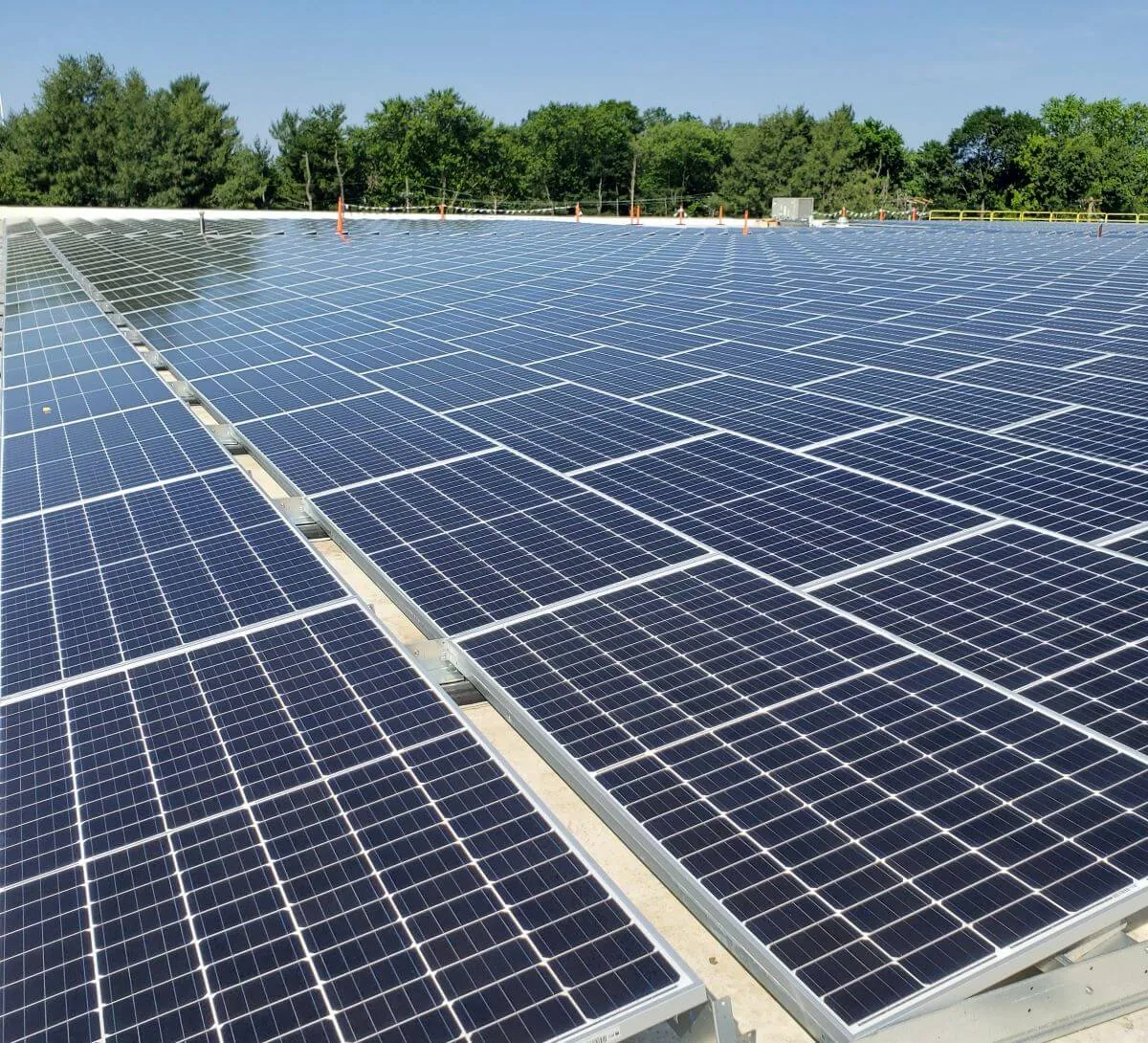
Regional Flex Alerts during the September 2022 heat event give Santa Clara, CA property managers a reason to examine future energy plans. Before approving solar, ask a narrower roofing question: can the proposed array be installed without burying unresolved roof work? The roof and electrical projects need coordinated decisions. A solar-ready roofing scope addresses the waterproof assembly and its interfaces. Structural capacity and electrical design remain separate reviews.
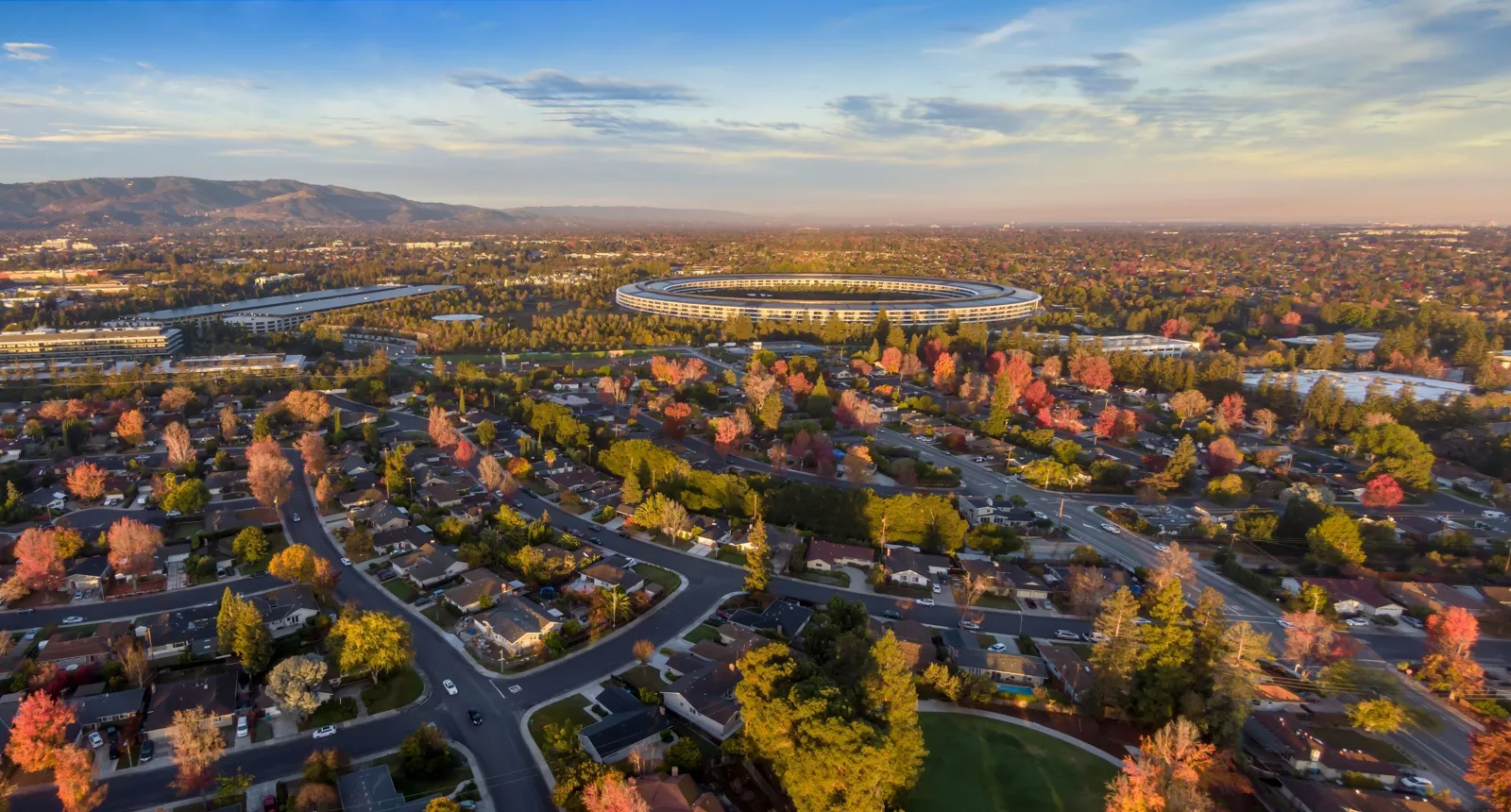
We inspect the accessible roof, identify likely work areas and examine the proposed support details. Historical office and R&D area along Scott Boulevard supplies local commercial identity. It does not establish whether a particular building can carry an array. Ownership needs the actual roof construction and the solar designer's proposed layout before the roofing scope becomes final.
Solar-Ready Roofing: What the Work Covers
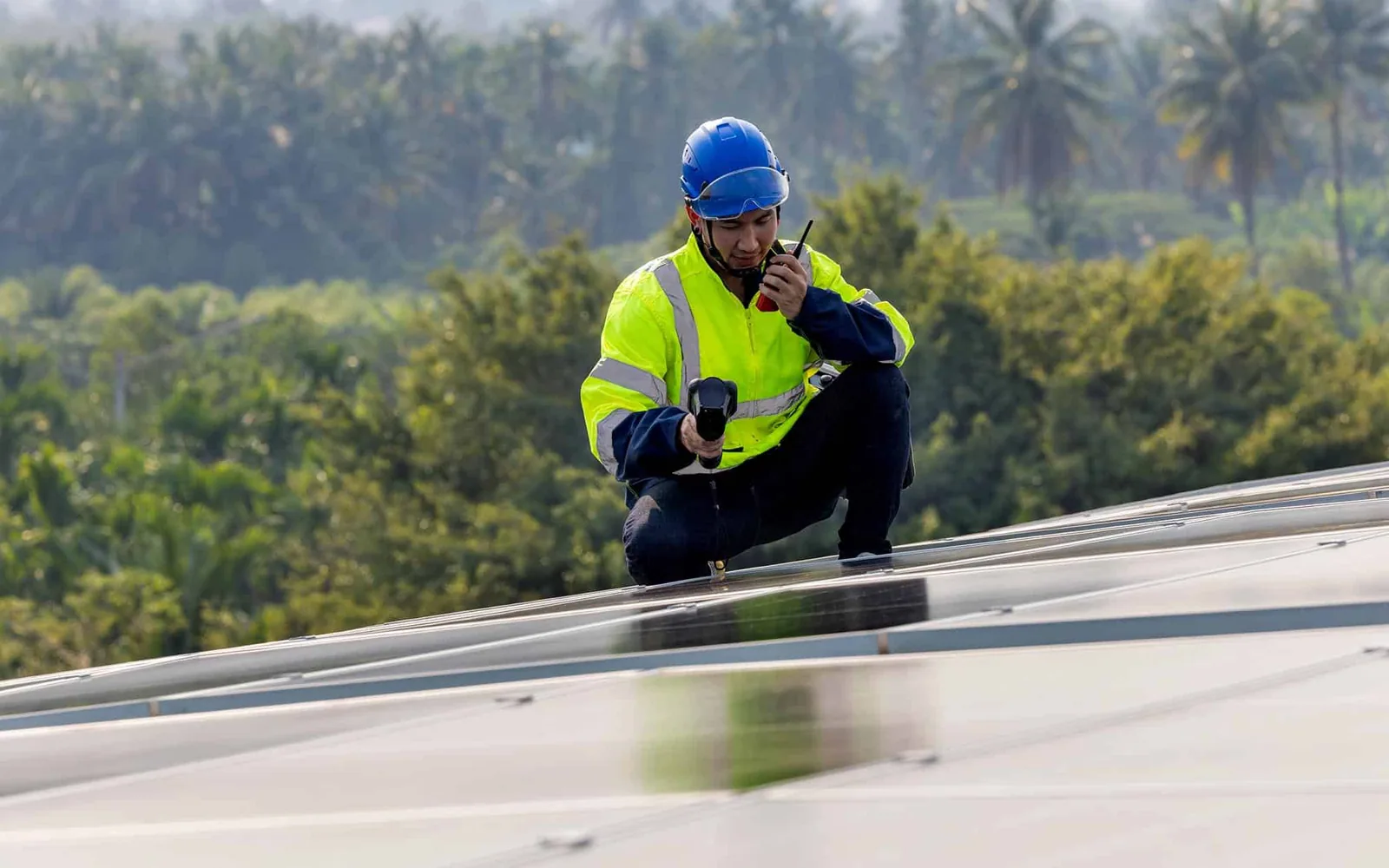
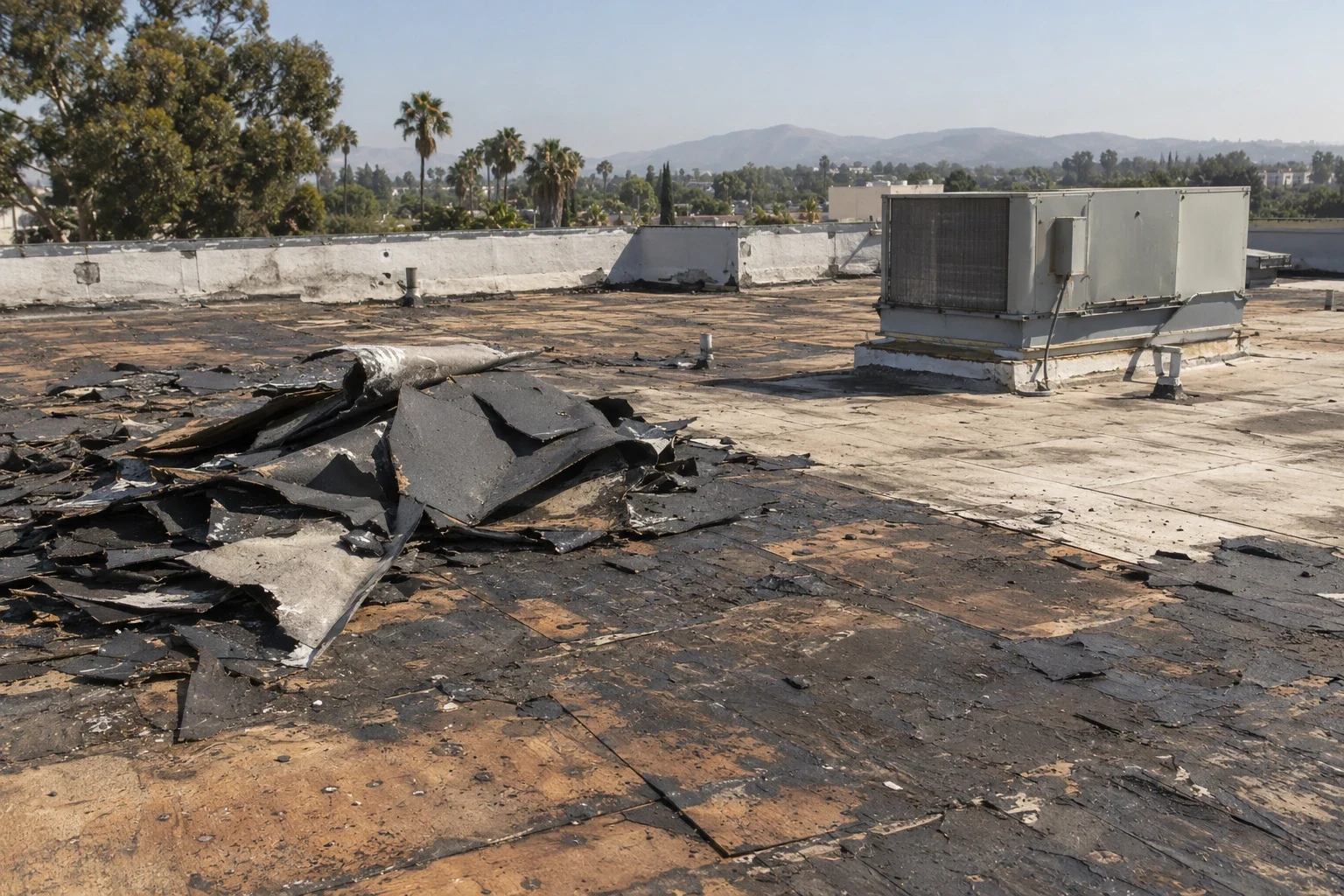
A future array can make some roof surfaces harder to reach. We assess membrane condition, seams, flashing and outlets before those areas become restricted. Wet insulation or deteriorated substrate requires a defined correction. An appropriately planned infrared moisture survey may support the investigation, but suspected wet areas need suitable confirmation. The proposal should state what is known and what still requires opening.
A roof approaching a replacement decision deserves coordinated timing. Removing panels later may add handling and trade costs. We compare necessary roof work with the owner's project schedule without assigning a remaining service life from appearance alone. A replacement assembly prepared for the solar layout can address details before the solar contractor installs equipment.
Recovery may be another candidate, subject to assembly condition and approval. The extra layer, insulation changes and finished heights can affect support details. We examine those consequences rather than treating solar readiness as a product label. The selected roofing option must work with the designed array and the actual deck.
A penetrating support creates a waterproof connection that needs a specified detail. We coordinate curb or post flashing with the solar designer. Termination height, material compatibility and later access matter. Sealant smeared around a post does not replace a designed connection. The roofing scope should include each penetration and the required preparation.
A ballasted array creates a different question. Ballast and support pads place weight and contact on the assembly. The responsible engineer evaluates load, wind behavior and structural capacity. We assess the roof interface and drainage clearance. A nonpenetrating arrangement is not automatically harmless to the membrane or eligible for every building.
The attachment package must identify responsibility for damaged roofing during installation. We coordinate roof interfaces at supports and curbs before equipment is set. Temporary construction traffic needs protection as well. Once the array is in place, a concealed abrasion point may be difficult to investigate without additional trade work.
Readiness work should leave the roof complete even if the array installation occurs later. Confirm the planned support locations, attachment approach, service clearances and any future penetrations with the responsible designer. Identify which items the roofing scope installs now and which remain for the solar contractor. Document temporary protection where supports are set before the array arrives. Ownership can then accept a weather-tight roof stage with a clear handoff, rather than assume a ready designation authorizes drilling or structural changes later.
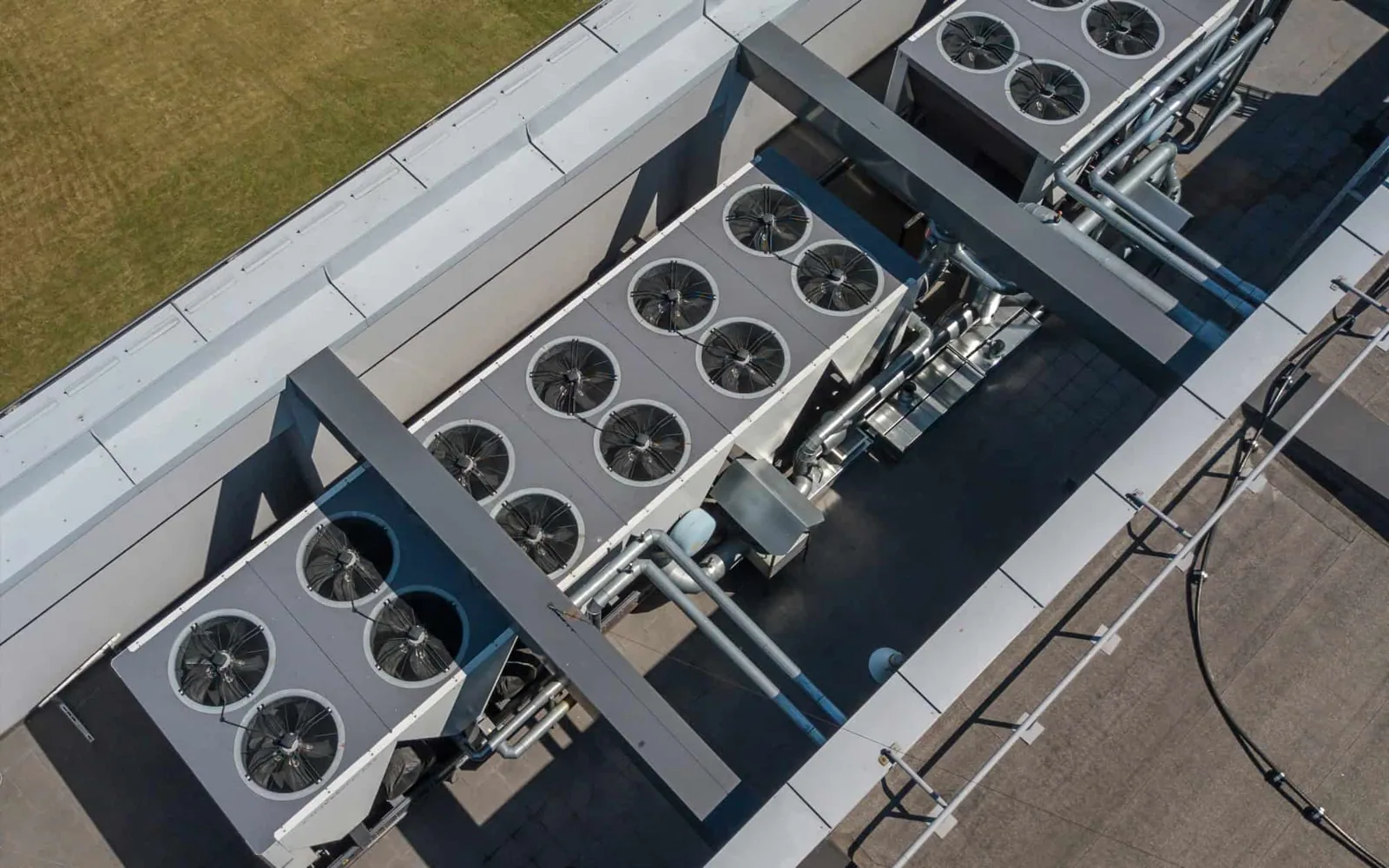
A panel layout should leave workable access to outlets and service points. We review the proposed paths with the project team. Roof personnel need safe ways to examine seams, curbs and discharge routes. Electrical safety and required clearances are determined by the responsible designers and authority. The roofing crew should not invent those dimensions on site.
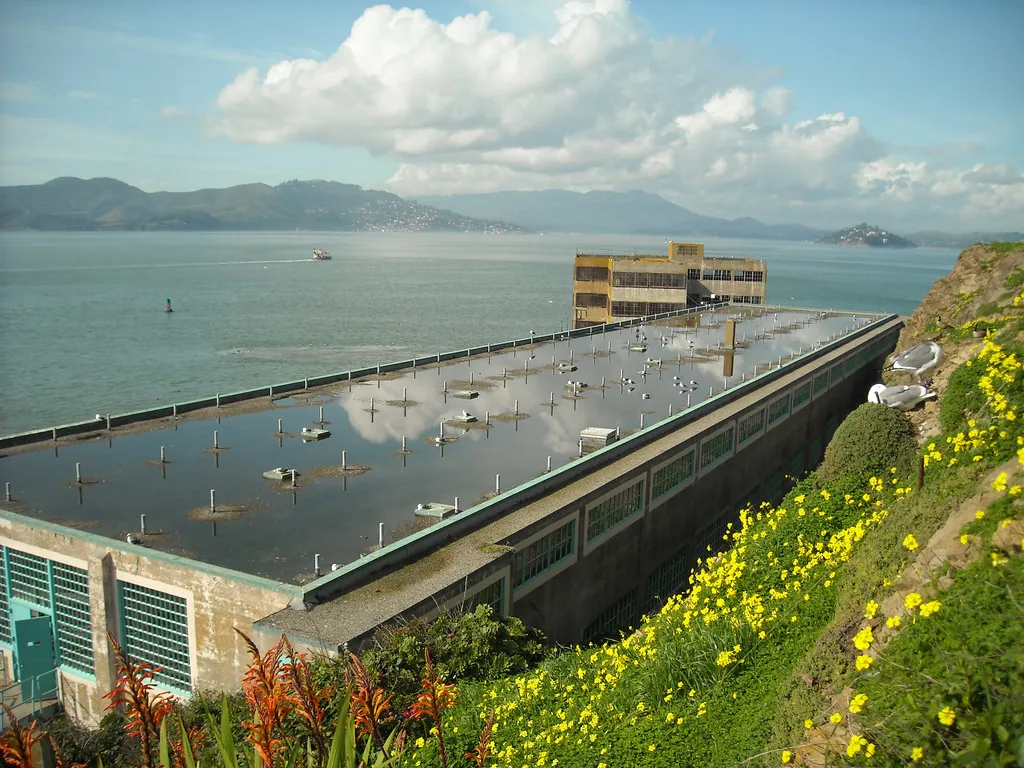
The regional atmospheric-river sequence spanning late December 2022 into mid-January 2023 is useful seasonal context for that review. Panels do not remove the need to inspect water routes. We identify outlets that need repair or better access from the actual roof. An array positioned over a maintenance point can turn a routine inspection into a coordinated removal task.
Tasman East planning near Tasman Drive and Lafayette Street is a local example of future building decisions requiring coordination. A planning framework is not a completed solar project. For a property in the Tasman Drive and Scott Boulevard area, the proposed construction and current assembly establish the roofing detail.
Planning and Completing the Work
Santa Clara's adoption of the 2025 California standards and local modifications supplies a permit reference for appropriate city projects. Confirm the authority, accepted submission basis and actual scope. Energy compliance paths and exceptions vary with the work. The solar design team also needs to establish its own requirements. A roofing proposal cannot replace that design review.
We identify the roofing materials, support interface work and inspection tasks included in our scope. Structural design, electrical work, inverter selection and utility approvals need named responsibility elsewhere in the coordinated package. Ownership should see those boundaries before approving the combined schedule. An excluded design task still has to be completed by the responsible party.
For managers coordinating owner approvals, we state which decisions affect tenant access. A lift, material staging or service interruption can require an agreed operating plan. Proposed energy savings do not authorize an unplanned shutdown. The authorized building representative controls operational approval.
A solar-ready bid should separate necessary roof corrections from optional alterations for the proposed array. We count penetrations, describe bearing protection and identify access work. Layout changes after approval can alter those quantities. The bid needs a change process so ownership can distinguish a revised solar design from an unforeseen roofing condition.
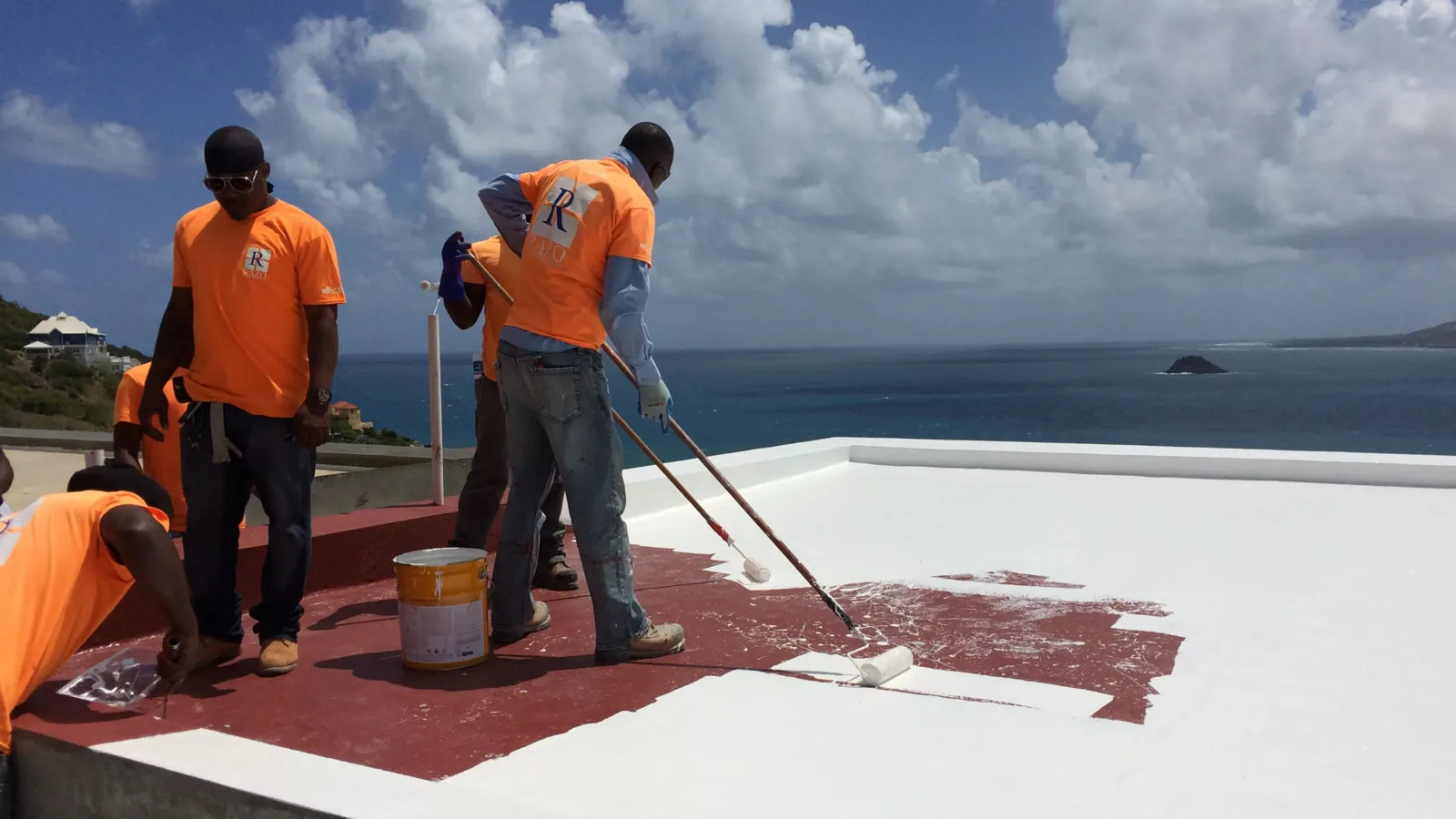
Material compatibility matters at every tie-in. The selected membrane may need welded accessories or a specified adhered flashing. We confirm the construction before choosing repair materials. PVC roofing with compatible connection details is one possible assembly; it must be evaluated against project conditions rather than selected solely because solar is proposed.
Completion inspection should take place while the roofing connections remain accessible. We coordinate the timing with panel installation. Photographs should show finished penetrations and protection layers before access becomes limited. A closeout record that only shows the completed panel field can leave the roof interfaces undocumented.
An equipment service visit can disturb roof protection or cable routes. The manager needs a procedure for reporting changes that affect the assembly. We provide the roof material information and the relevant completed-detail record. The solar contractor's service information should be retained with it. Neither trade should assume the other repaired a connection simply because equipment was moved.
Arrange inspection when panels must be removed for roof work. Safe isolation and handling belong to authorized electrical and solar personnel. We scope the exposed roofing repair after access is established. This reduces ambiguity about damage, temporary protection and reinstallation responsibilities.
Ownership should budget for access coordination along with ordinary roof maintenance. We can describe the roofing tasks in a plain schedule and identify the decisions needed from the other trades. That gives the manager a practical record for both rain preparation and future equipment changes.
Settle the roof scope before the solar order
Schedule a pre-season roof assessment and bring the proposed array layout. We will prepare an ownership bid sheet with roof corrections, access tasks and trade boundaries.
Frequently Asked Questions
Structural approval is a separate determination. The engineer needs the proposed loads and actual building construction.
We assess the assembly before choosing the sequence. Necessary roof corrections can be coordinated with the array schedule to reduce later removal and handling.
Some designs use ballast. Loading, wind restraint, bearing protection and drainage still require review for the specific property.
Assign that responsibility before installation. The coordinated package should name the repair process and required compatible materials.
Retain safe inspection routes to outlets, flashings and service points. Required electrical and fire access is established through the applicable design review.
Roof Assessments
Santa Clara & the South Bay
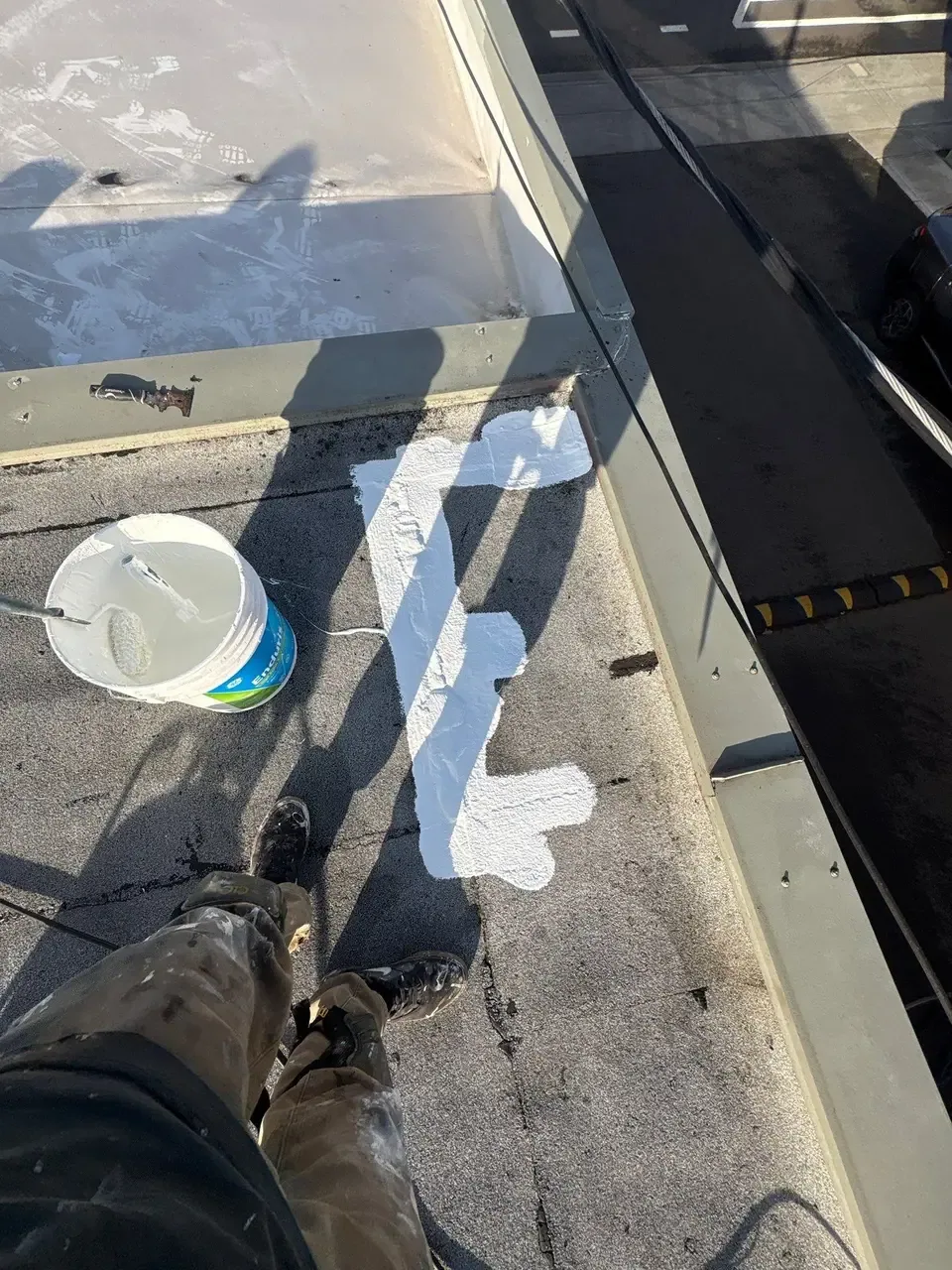
Membrane, flashing, drainage and edge details checked and written up before any work is priced.
Request a Roof Assessment