- Home
- Property Types We Roof
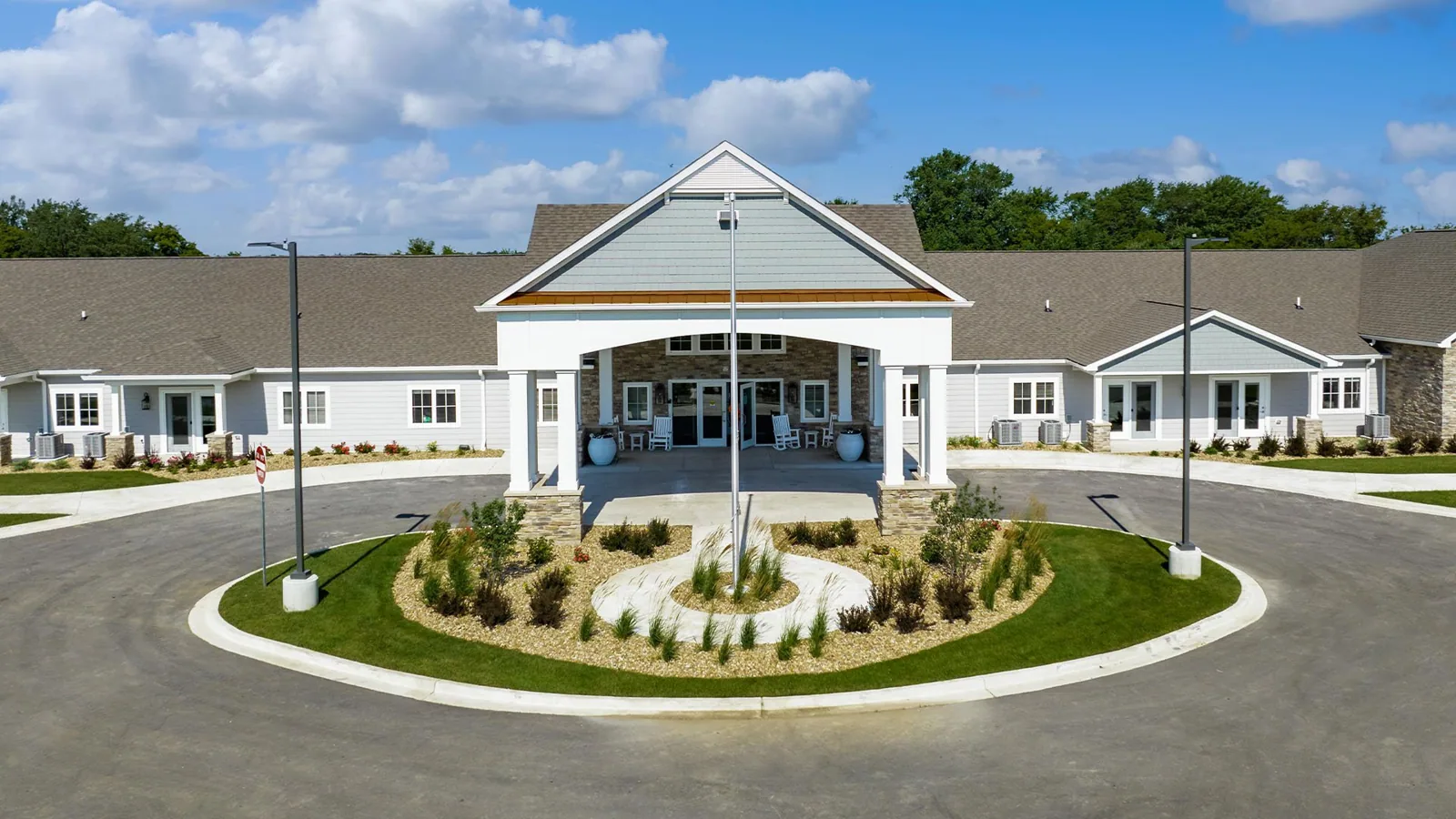
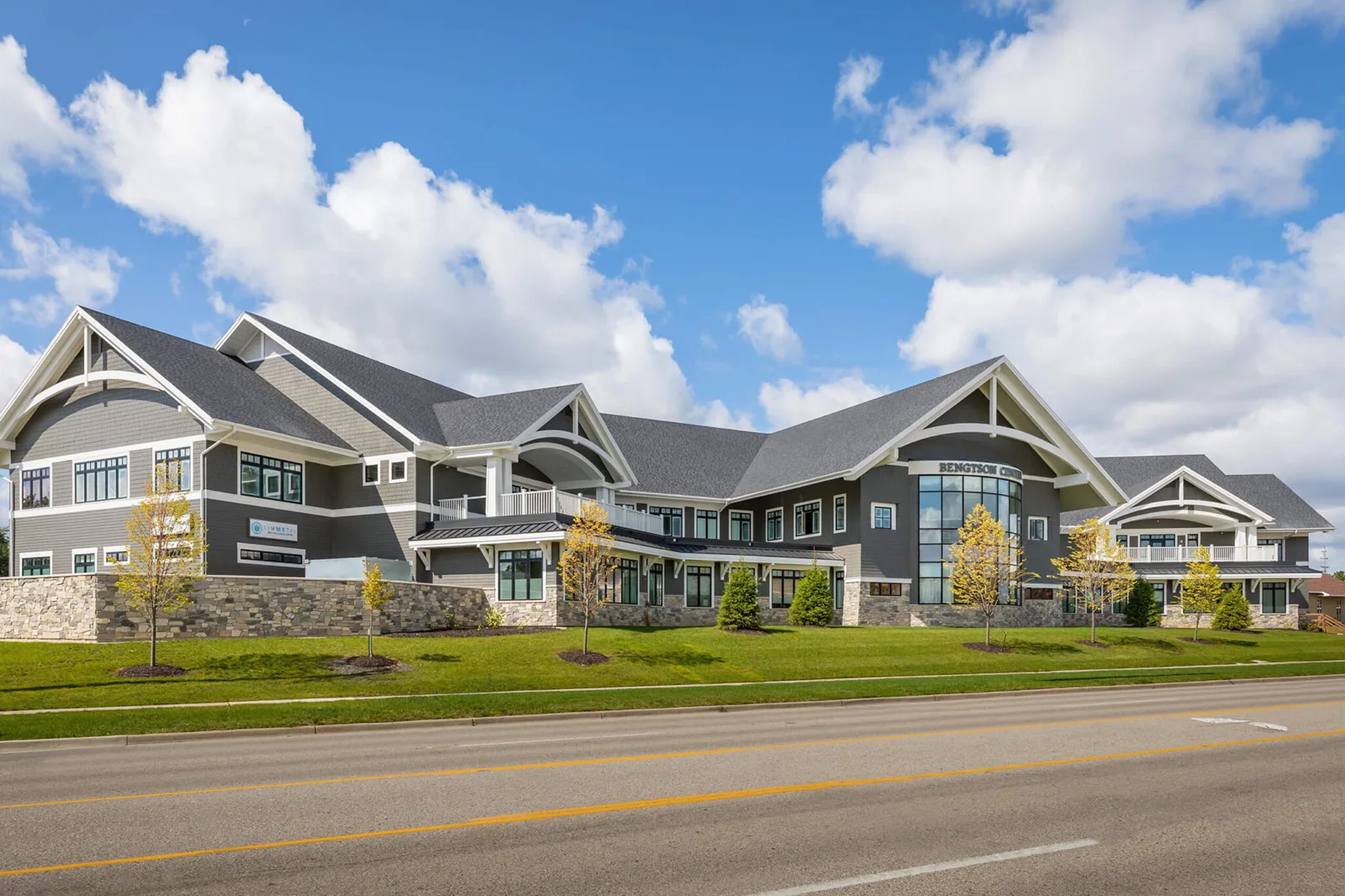
- Senior Living Roofing
Senior Living Roofing in Santa Clara, CA
The Bay Area rain sequence spanning late December 2022 and mid-January 2023 gives senior living managers in Santa Clara, CA a clear planning question: which roof tasks can proceed without blocking a resident route? We inspect the accessible roof and discuss the facility restrictions before setting the work sequence. A repair plan needs both parts. The regional atmospheric-river history supports early preparation, while the actual assembly and operating requirements determine the correction.
Resident movement, care routines and service deliveries need explicit coordination. We obtain those requirements from the operator rather than assume them from the building type. The roof scope identifies materials, affected details and work limits. The facility plan identifies the routes and services that must remain available. Ownership can then approve a roofing task with a practical schedule instead of a broad commitment to work quietly around everyone.
Senior Living Roofing: What the Work Covers
A delivery entrance may also be a route for residents or visitors. Before unloading roofing materials, we establish the approved entrance, staging area and separation from occupied paths. These decisions need the facility contact, especially if the work changes access for part of the day. The manager receives the proposed boundary and timing for review. A temporary route must be suitable and authorized before the existing route is restricted.
We discuss resident room locations and sensitive activities with the operator. The occupied-building reroofing plan identifies the construction effects that need attention, including noise, odors and temporary exposure. It does not authorize care or operational changes. Those remain with facility staff. We size each work area to the method and conditions so the roof can receive appropriate daily protection while the agreed access limits are respected.
An interior stain can be recorded without establishing the roof entry directly above it. We compare the reported location and timing with accessible seams, drains, wall transitions and penetrations. Concealed roof or wall components can carry water away from the exterior opening. The report identifies the detail supported by the findings and any additional investigation needed. A manager can approve that next step without receiving a blanket instruction to coat the roof above every affected room.
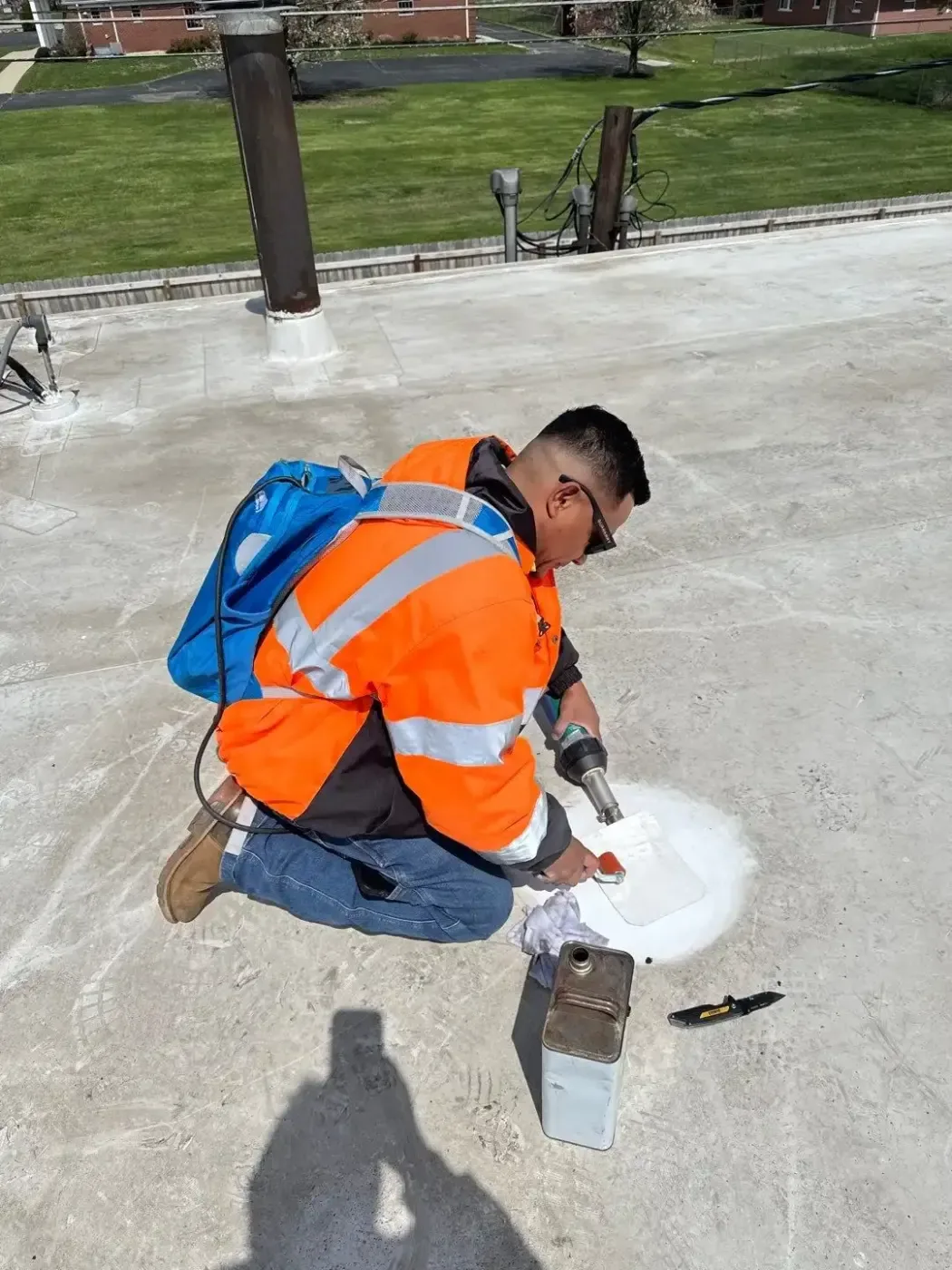
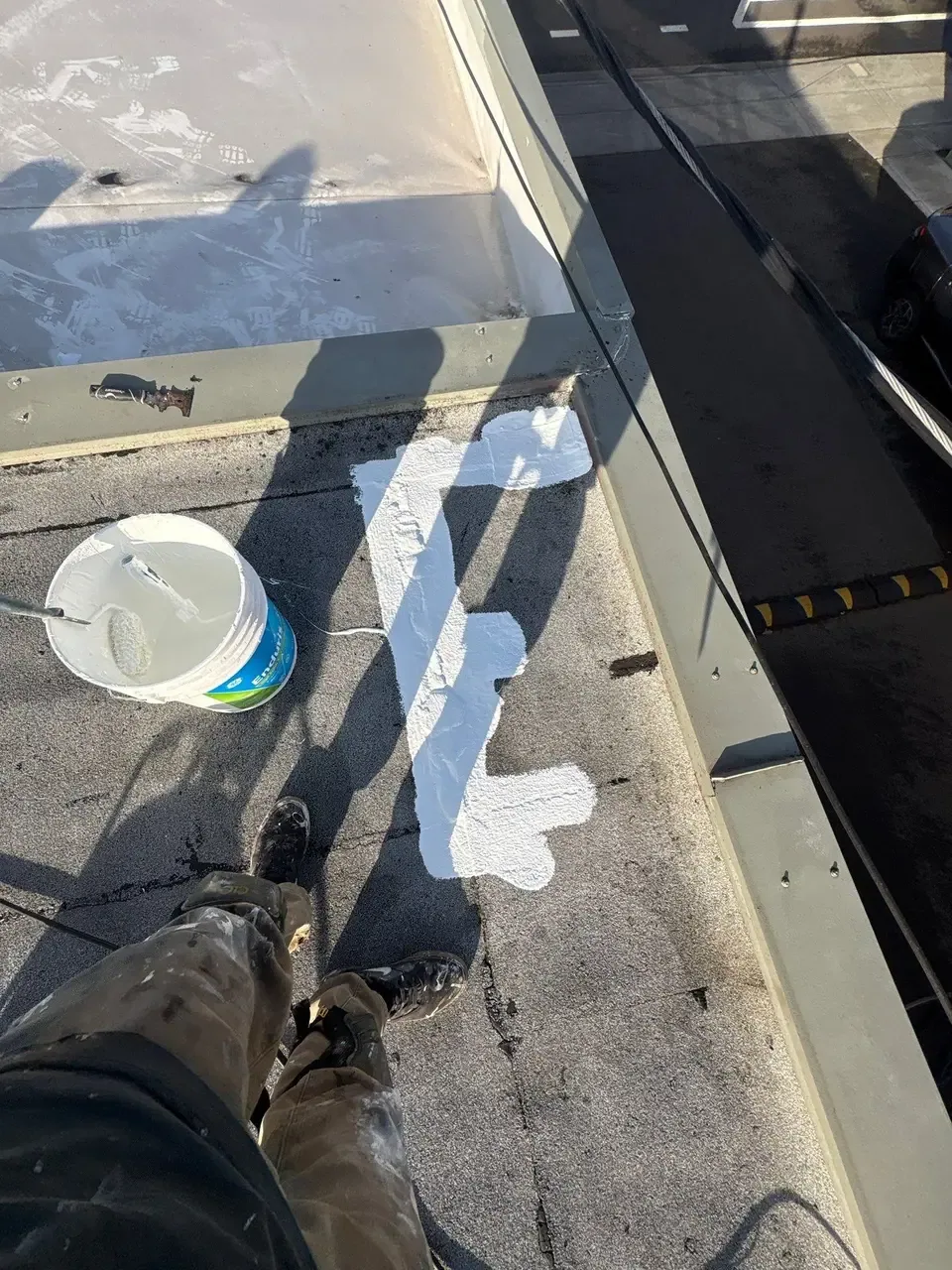
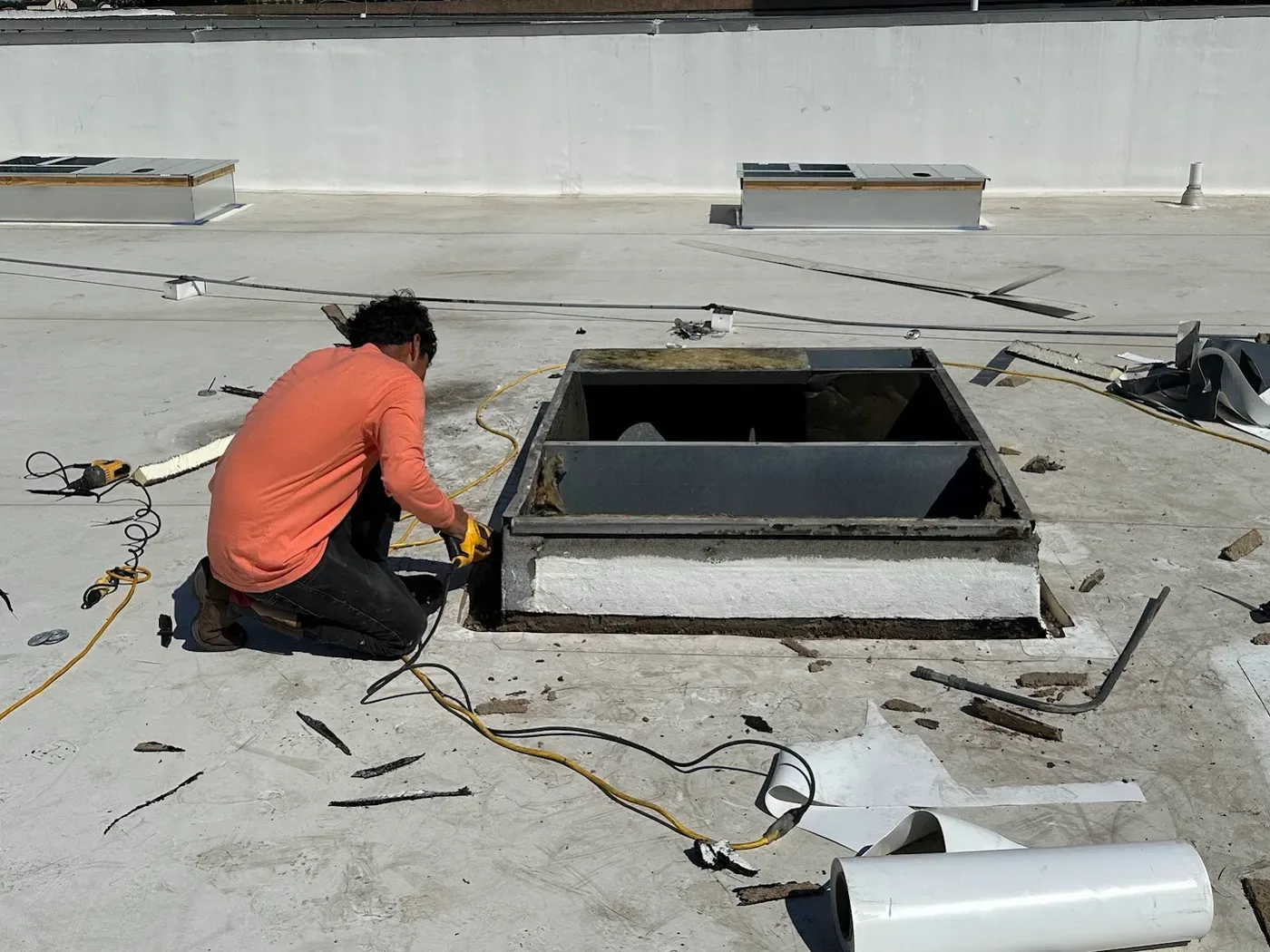
For a permanent leak repair, preparation and compatible materials belong beside the identified defect. A separated termination, an open seam and a damaged drain connection need different work. We describe the repair boundary and any underlying removal supported by investigation. If the extent changes during opening, ownership receives photographs and a measured finding before approving added construction. Temporary protection is included if that decision interrupts the planned work.
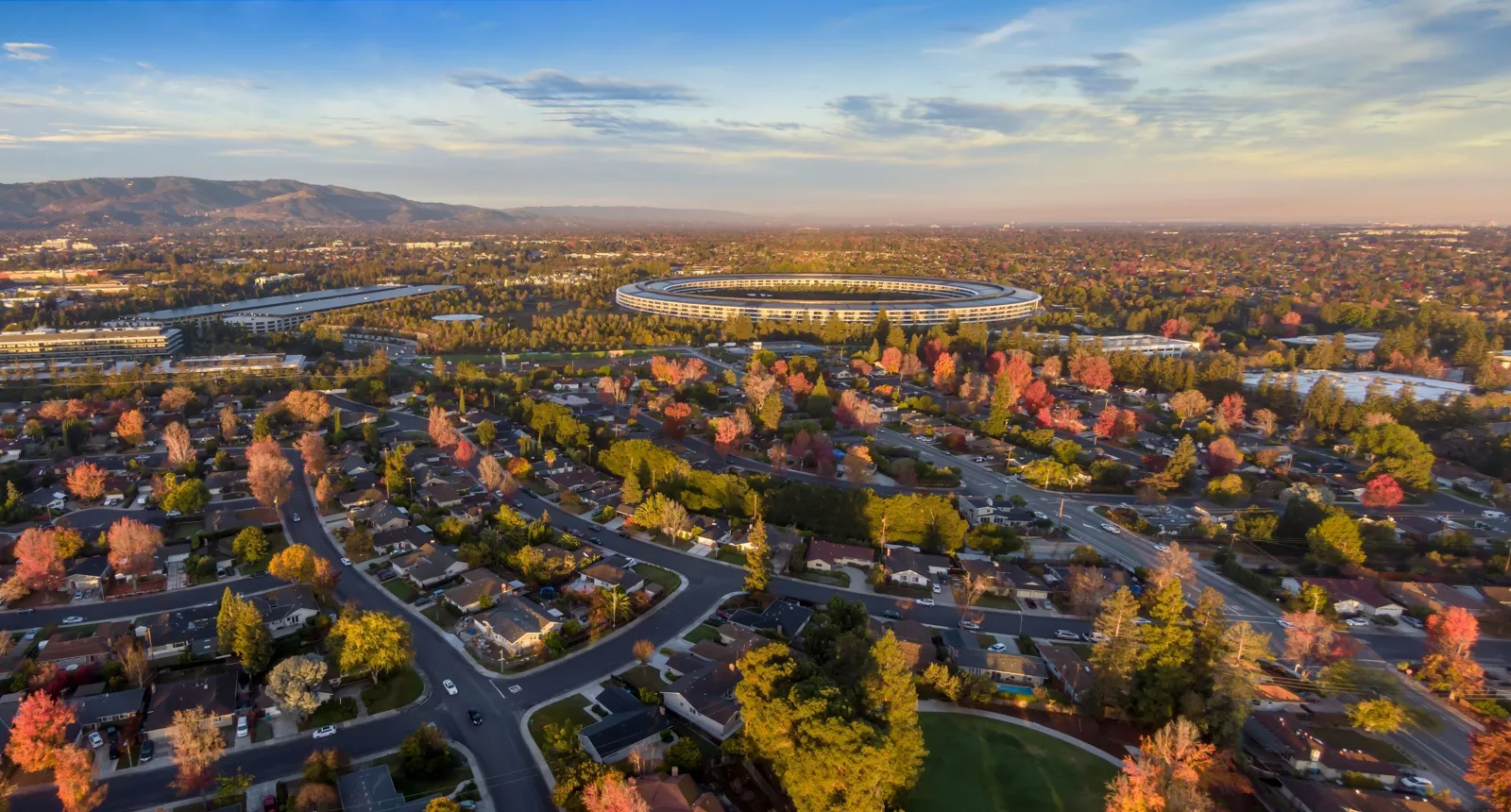
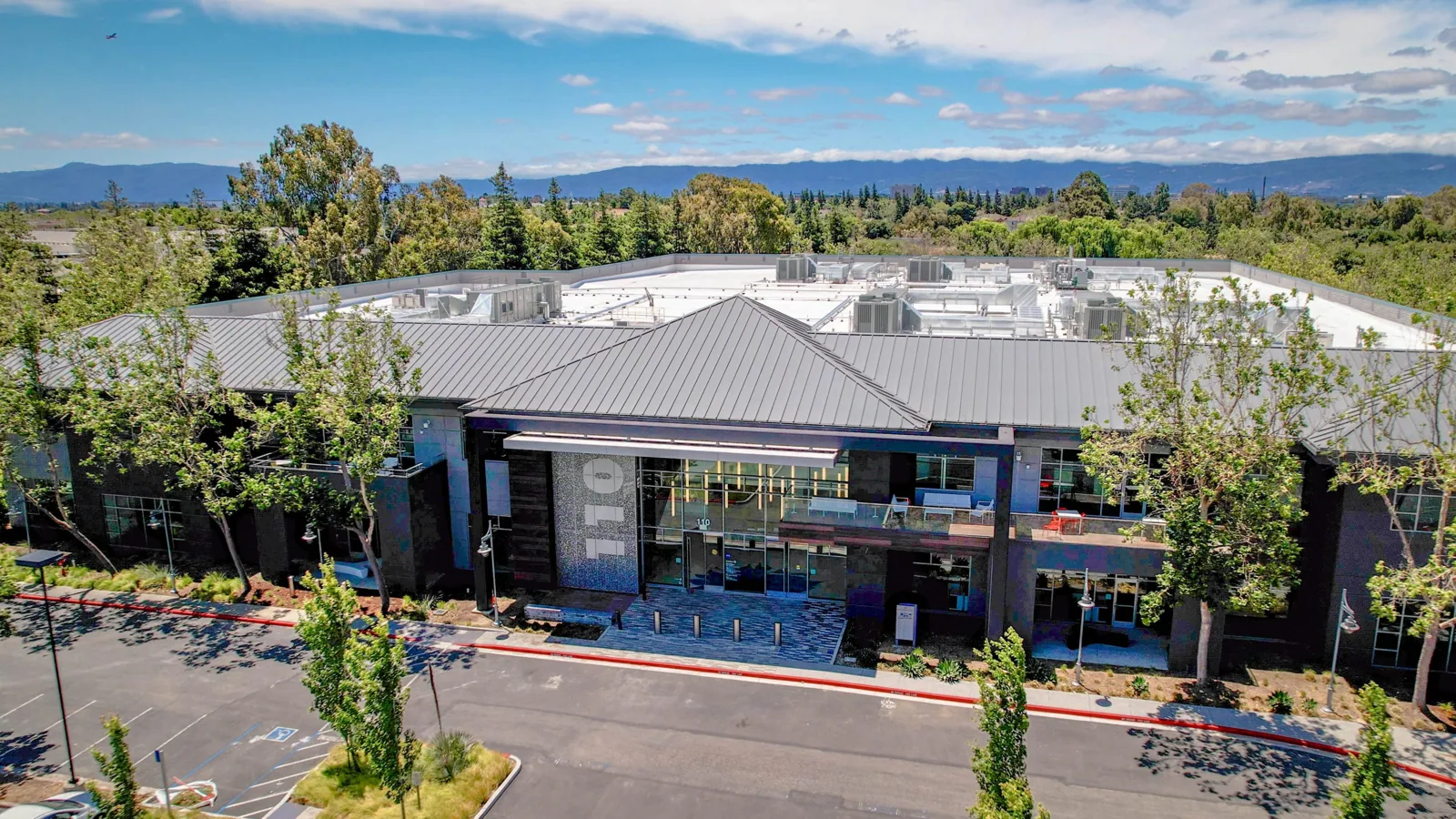
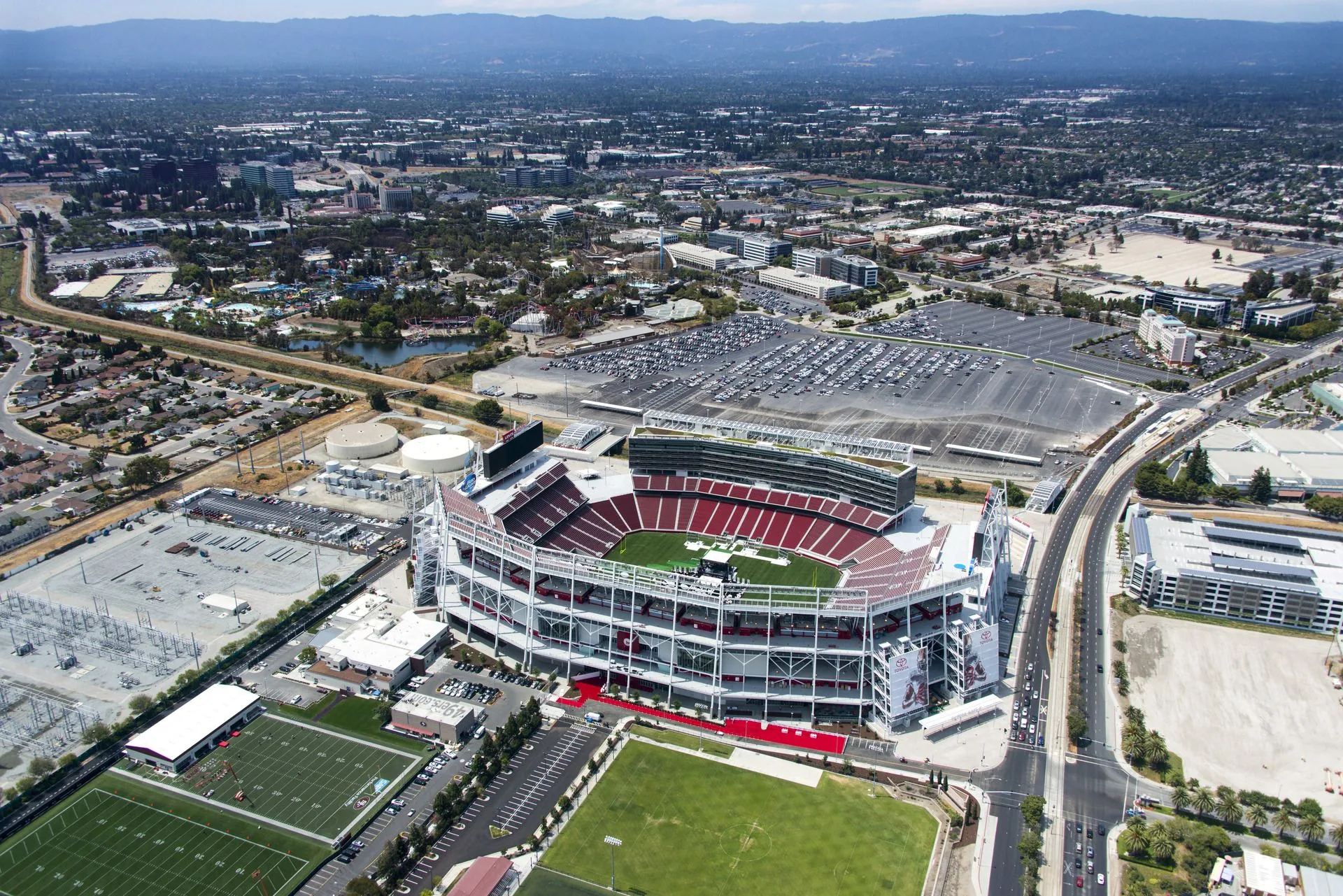
The office/R&D development along Scott Boulevard makes access approval a practical local subject. For a senior living property along Tasman Drive and Scott Boulevard, we obtain the actual facility instructions for its own roof work. The manager identifies who can approve deliveries, construction hours and changes to the daily sequence. That authority needs to be settled before a tenant complaint or access conflict stops an opened roof area.
A scheduled check also needs a suitable roof access arrangement. We establish whether a ladder, hatch or another approved route is appropriate, and keep resident circulation separate from the inspection. The roof examination identifies the construction; the operator supplies occupancy requirements. We combine those decisions in the bid sheet so ownership can review a defined task and an achievable sequence. We identify the facility assembly, required details and handling constraints before pricing the selected correction.
Planning and Completing the Work
A repair can retain serviceable construction where the defect is localized and the surrounding material can receive the selected detail. Replacement becomes a different decision when the assembly has broader deterioration or unsuitable support. We state the evidence and uncertainties behind each option. A product change does not resolve wet material below it. Retained layers need their own evaluation before any recover or restoration recommendation is made.
Apartment roof planning may share resident access concerns, while medical-office roofing work can involve other operating restrictions. For the subject facility, we price its actual conditions. Membrane, insulation, detail quantities and access limits should be visible in each alternate. Ownership can compare complete constructions without importing an assumption from another property type or treating a lower field-membrane price as the complete project.
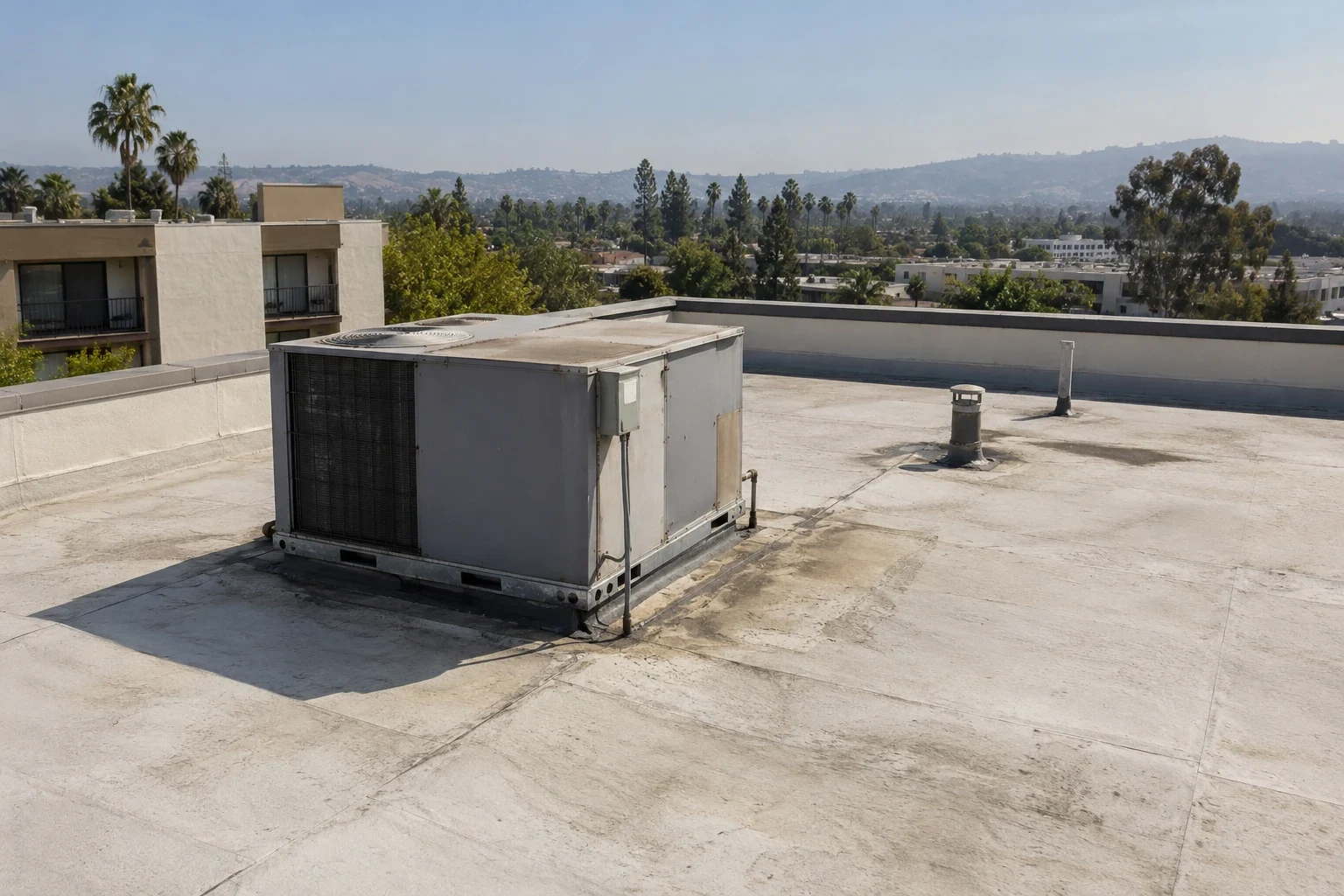
Loose debris can obstruct an outlet and conceal the membrane connection. We remove accessible material safely where the task is authorized, then examine the detail beneath it. A damaged connection needs a construction correction rather than more cleaning. The report marks each task separately. A persistent low point also deserves investigation of the drainage arrangement before a new surface treatment is proposed.
We record accessible primary and secondary outlets, with any limitations on the examination. Preventive roof maintenance should identify included tasks and the response when an inspected detail needs repair. Facility staff can then distinguish planned upkeep from work needing ownership approval. After completion, photos tied to locations provide a useful comparison for the next visit. A clean-looking field surface alone does not establish that the drainage connections are serviceable.
Active water entry needs the facility response plan as well as a roofing call. Staff control resident protection, room use and electrical precautions through the responsible personnel. We need the affected location, safe access and the relevant operating limits to assess roofing measures. A senior living roofing report does not establish a repair quantity. Document the senior living roofing finding and the next approval. Roof access and weather conditions determine what can be performed safely during the event.
Temporary roofing work has a defined purpose and limit. We record where it was placed and what remains for permanent correction. A later clear period does not make that task disappear from the work list. We identify the compatible permanent detail, preparation and any required removal. The manager can then take a bounded follow-on scope to ownership while facility staff continue to control resident care and occupancy decisions.
A senior living bid should distinguish known repair quantities, conditional work and the agreed operational restrictions. We identify the basis for additional removal and the approval required before it expands. That gives the manager a usable way to explain changes during construction. The closeout records the completed details and accepted changes rather than only the total membrane area.
A condition report with roof photos can put those findings beside the proposed work order. We keep unresolved areas identified and explain the investigation needed to settle them. The manager receives a plain bid sheet with preparation, protection and tenant coordination stated together. That is the document ownership can use to approve a pre-season correction without losing the facility requirements during procurement.

Resident protection: plan the roof check
Have us examine the senior living roof before the next wet season. The plain bid sheet will define the correction and resident-route decisions for ownership.
Frequently Asked Questions
The operator must approve a separated route and timing. We define the unloading boundary before restricting access.
Facility staff control those decisions. The roofing plan identifies construction effects that need their review.
The entry path needs investigation. We compare the reported location with roof details and concealed travel possibilities.
Retained construction needs suitable condition. Suspected moisture is investigated before that option is recommended.
Identify the temporary measure, its location and the permanent work still required.
Roof Assessments
Santa Clara & the South Bay
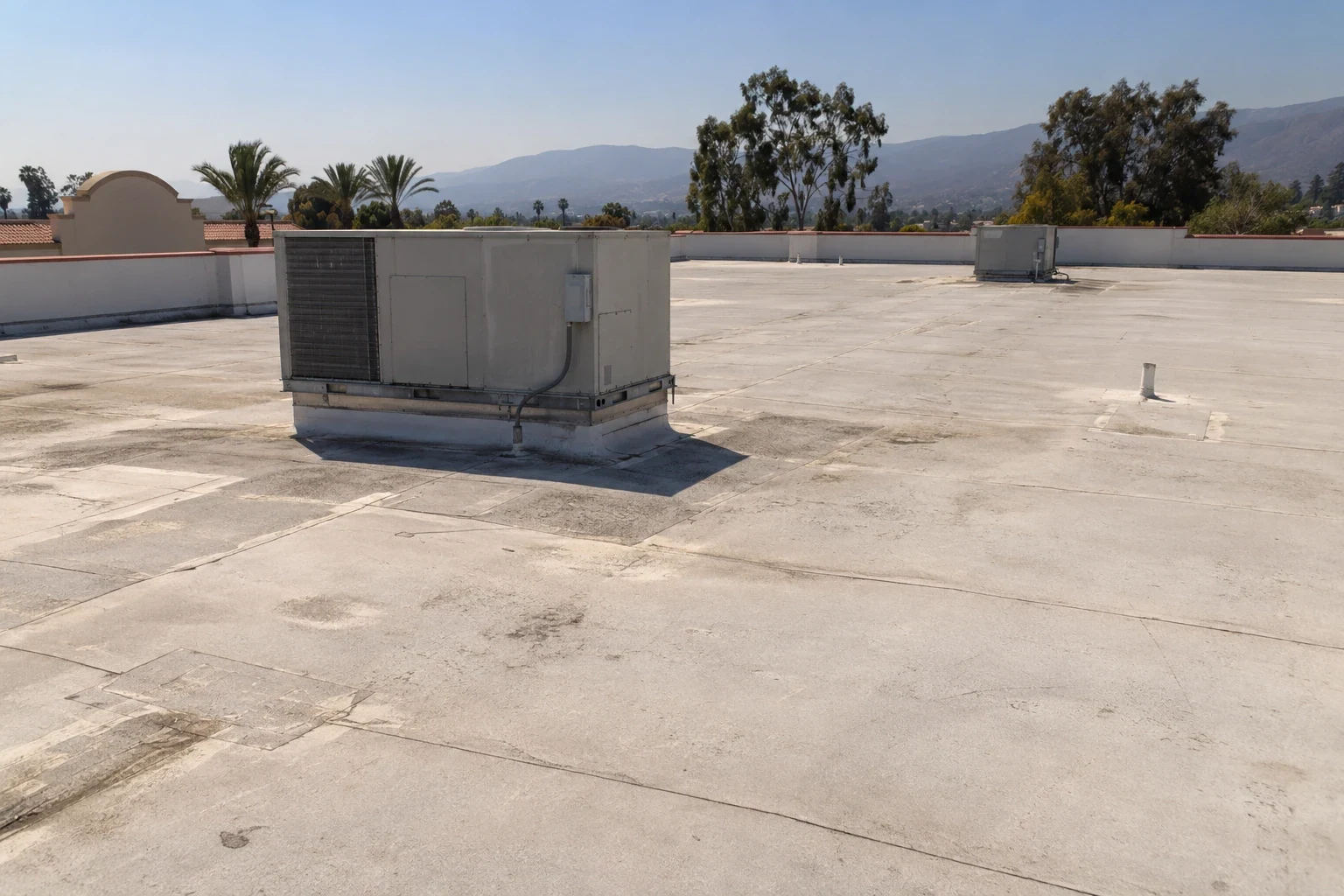
Membrane, flashing, drainage and edge details checked and written up before any work is priced.
Request a Roof Assessment