- Home
- Property Types We Roof
- Apartment Building Roofing
Apartment Building Roofing in Santa Clara, CA
Rain preparation above occupied apartments can use the Bay Area's successive atmospheric rivers from late December 2022 into mid-January 2023 as a regional planning reminder. An apartment property manager in Santa Clara, CA, needs a concrete planning answer: how will exposed roof areas be protected while residents continue using the building? Rain-season context helps set the review priority. It does not establish a leak or damage at this property. We examine the actual assembly and coordinate work boundaries with the representative.
A roof complaint from one unit can require investigation beyond the space where water appears. We trace actual roof routes and identify the receiving construction before selecting a repair. Historical office and R&D development gives Scott Boulevard a local commercial identity. It supplies no apartment roof inventory. Ownership receives a defined scope for the subject building, with resident communication, layer preparation and daily closure tasks beside the roofing material rather than left outside the bid.
Apartment Building Roofing: What the Work Covers
A roofing phase above occupied units needs a clear communication plan. We discuss affected areas, notices and access with the property representative. The manager identifies authorized contacts and protected routes. Noise, odor and debris controls need to suit the selected work method. We do not assume residents can leave or that a common area can be restricted without coordination. The proposed sequence should explain the practical limits before ownership approves it.
Roofing above hospitality occupants presents related protection questions with different operator requirements. A senior-living roof project also needs its actual activities and access constraints established. We do not transfer those requirements automatically to the apartment building. Material delivery and lifting need agreed zones and protection for people below. The representative receives a contact route for interior concerns and a procedure for approving changes to the work boundaries.
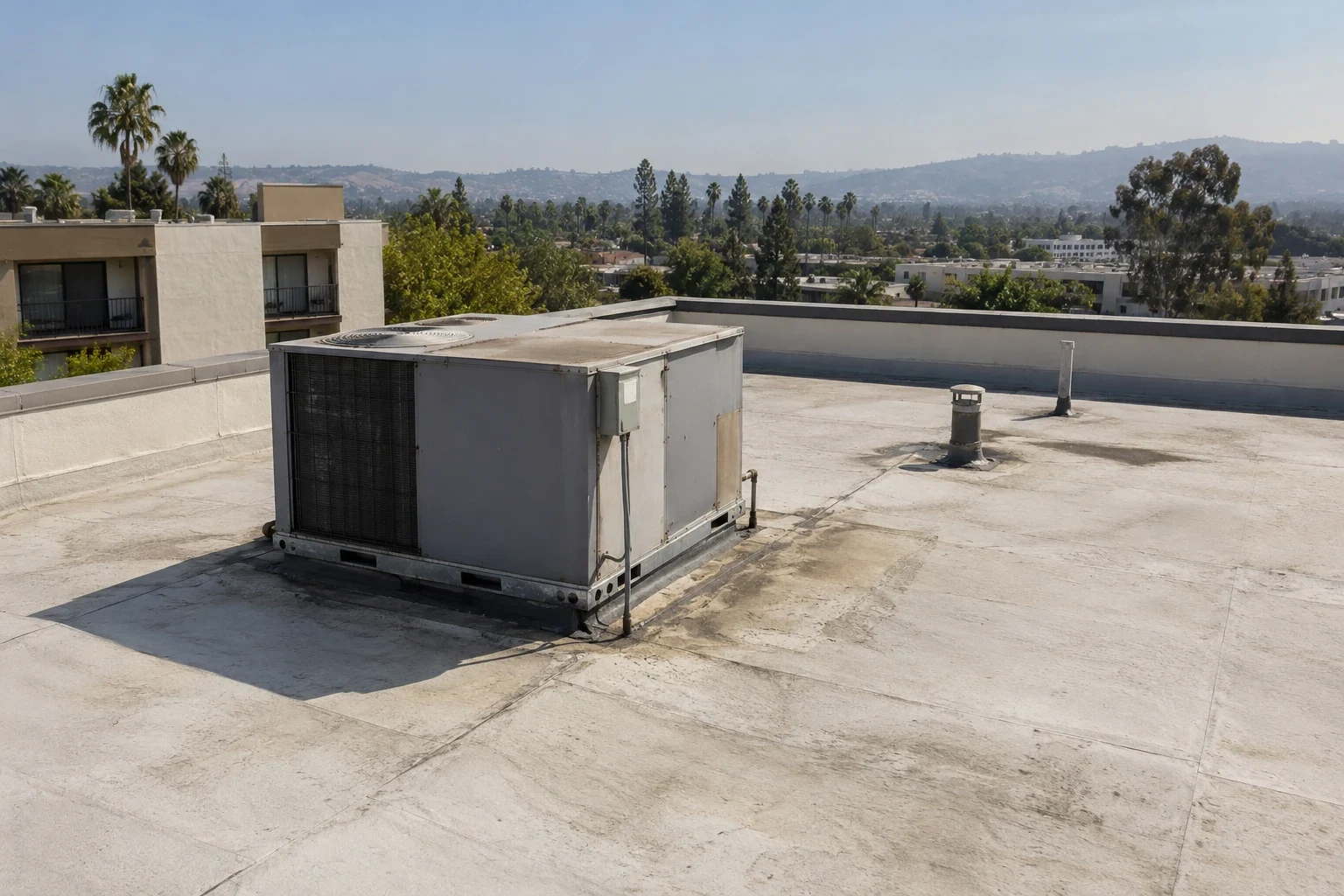
An interior stain can indicate where water arrives without proving its entry location. We examine nearby joints, penetrations, walls and outlets, then connect findings to the proposed repair. Different roof areas can drain or connect in ways that cross unit boundaries. The bid should locate the roofing task rather than treat the affected apartment as the entire work area. Further investigation may be needed where accessible evidence does not establish the route.
Leak correction tied to an examined water path distinguishes temporary protection from permanent work. A surface patch may not address a damaged receiver or concealed wet material. We identify those conditions where found and explain necessary removal. Controlled testing, if proposed, needs a method suited to the building and authorization for the affected areas. Ownership should receive the reason for the selected repair location, with uncertainty stated rather than converted into an unsupported diagnosis.
The visible surface cannot establish the condition of insulation and deck underneath. We identify installed material and use selective examination where receiving-layer condition changes the recommendation. Moisture screening can help direct confirmation under suitable conditions. Its indications require interpretation, and the report should identify limitations. Confirmed wet or deteriorated material needs appropriate correction before a new roof closes the assembly.
A moisture investigation informing removal limits can support a defined repair or replacement comparison. A recover requires acceptable retained construction, attachment and layer arrangement. A restoration needs a compatible surface and completed repairs. Each option should identify preparation, transitions and retained limitations. Conditional deck work needs a clear approval process. The manager can then compare the actual installed construction rather than infer that a new reflective surface means every concealed condition has been resolved.
Planning and Completing the Work
A wall flashing needs a sound receiver and secure termination. We inspect the component and roofing connection before proposing material. Observed corrosion or damaged backing can require physical correction. Sealant cannot replace necessary restraint or restore lost metal. A moving joint needs the detail appropriate to its function. Where design review is required, we identify that need rather than rigidly cover the joint as a routine patch.
Outlets also deserve examination of the opening, receiver elevation and surrounding slope. Debris clearing, damaged-component repair and drainage changes are different tasks. Added roofing layers can affect curb heights and outlet relationships, so those details belong in the proposal. Equipment shutdown or relocation requires authorization and qualified trade coordination. The regional rain account does not prove a particular defect. We use the examined construction to define work and distinguish observed conditions from areas that still need investigation.
California building standards adopted by Santa Clara carry local modifications. We establish the apartment property's reviewing authority and confirm its accepted application basis. The actual repair, recover or replacement scope determines the next review questions. Applicable energy compliance paths and exceptions require consideration for the proposed work. Surface color does not settle compliance. Design, permit and related trade tasks should be identified beside roofing installation before ownership approves the construction package.
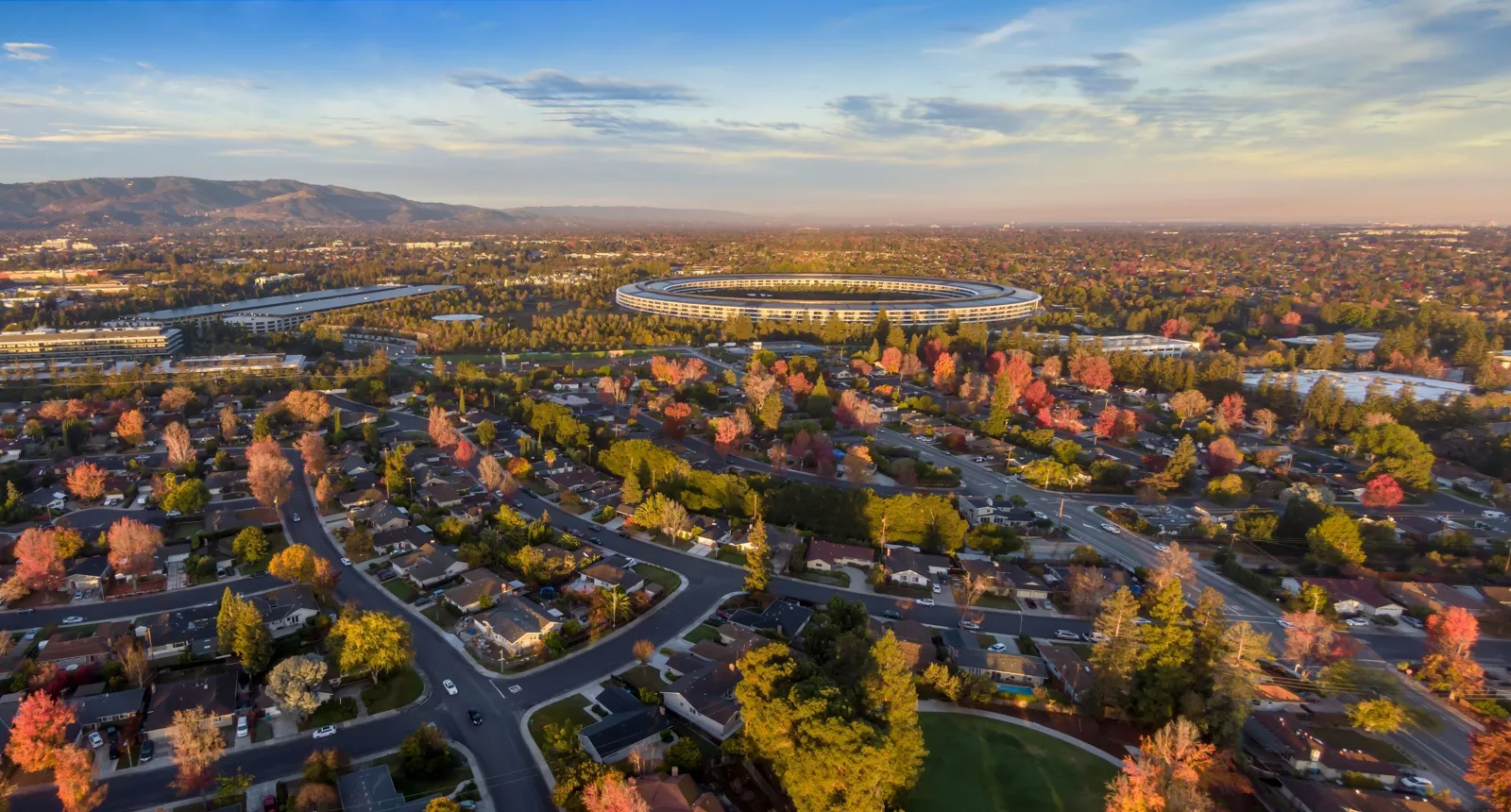
Near Tasman Drive and Lafayette Street, Tasman East supplies adopted planning identity. A property in the Tasman and Scott Boulevard commercial corridor still requires its own records and examination. Planning does not establish current tenants, completed buildings or roof age. Capital planning for the examined apartment roof can separate immediate corrections from a defined future project. Resident protection and temporary closure work belong in that comparison alongside the material and receiving-layer scope.
Roof removal exposes construction beneath the surface. We set daily limits that fit the protection plan, with temporary closure suited to the assembly. Material staging should not obstruct outlets or burden unfinished details. Work above protected interiors needs an agreed sequence and route for concerns. A localized repair can still require careful coordination if its position affects residents or building-service access. The bid should state those tasks rather than assume they have no cost or timing effect.
Closeout records locate work and identify installed materials. Relevant photographs show preparation that will later be concealed. Maintenance duties and warranty responsibilities need clarification, including how later equipment alterations should be coordinated. For an urgent roof concern, authorized access and resident-protection instructions govern any immediate measure. We document its limits and identify permanent correction separately. A pre-season check can then examine completed details and outlets, leaving ownership a task list tied to actual roof observations.
Multi-unit planning: define notice and interior follow-up. For an apartment property, confirm who represents ownership, who coordinates residents and how notice is delivered before roof access or work affecting occupied units. Map complaints and roof observations by building and unit location while keeping the cause open until examined. The scope should explain how crews reach the roof, protect common paths, manage debris and close each day's work. Interior access or repairs should be separately authorized rather than assumed from an exterior roofing agreement. On completion, give management a building-by-building record of repaired areas and unresolved reports so they can coordinate resident follow-up without treating every ceiling mark as a confirmed roof leak.
Before rain season: Define the resident protection plan
Schedule an apartment roof check and a plain ownership bid sheet. We will identify repair limits, receiving-layer work and resident protection tasks.
Frequently Asked Questions
The roof route needs examination. Water can cross assembly or drainage boundaries before appearing inside a unit, so the work location must follow evidence.
The actual work and protection requirements establish restrictions. We coordinate affected interiors and access with the representative before phases are approved.
Wet or unstable layers, unacceptable attachment or layer arrangement and an unsuitable receiver can rule it out. We examine those conditions before recommending retained construction.
The finished surface hides receiving-layer work. Location photographs and material descriptions help the manager understand repairs and coordinate later alterations.

Roof Assessments
Santa Clara & the South Bay
Membrane, flashing, drainage and edge details checked and written up before any work is priced.
Request a Roof Assessment