- Home
- Industries We Serve
- Public Agencies
Commercial Roofing for Santa Clara Public Agencies
Before a rain-season work request goes to procurement, identify the roof condition behind it. Santa Clara's public facilities need building-specific evidence. The Bay Area storm sequence of late 2022 and early 2023 provides context. It does not establish the quantity at a particular agency property.
Commercial Roofing Santa Clara connects the examination with a complete scope. We distinguish supported construction from investigation still needed. Operating requirements stay beside the physical task. Another reviewer can understand the amount without attending the original roof walk.
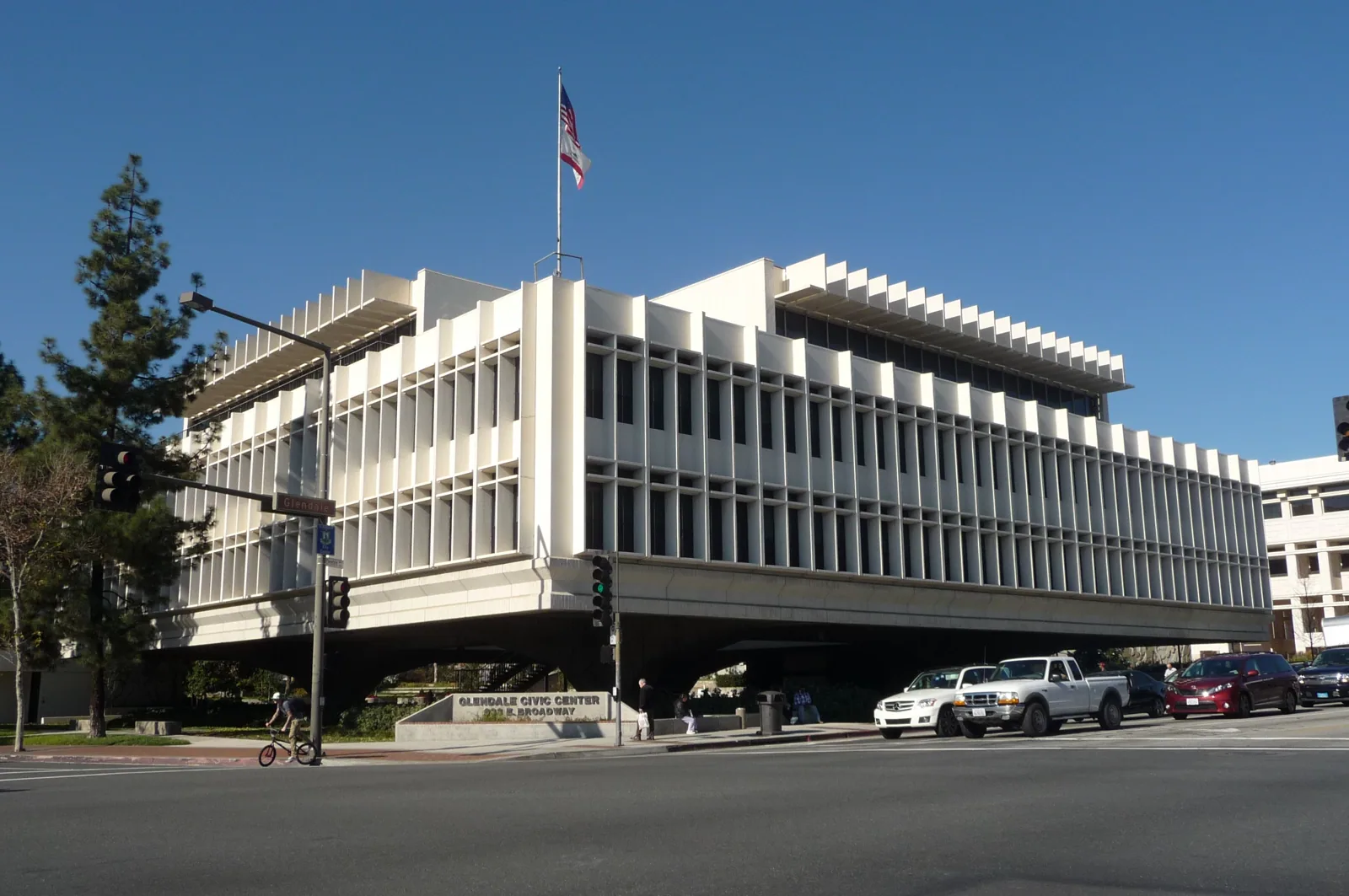
A public building near Scott Boulevard retains its own authority and contacts. Confirm the actual approval route. An ordinary private-property arrangement should not be assumed to govern the agency assignment.
Public Agencies: What the Work Covers
Locate the reported concern against recognizable building references. Collect occurrence timing and known equipment or maintenance activity. Keep the reported account distinguishable from the dated roof examination.
Public-building roof condition examination documents accessible construction and adjoining material. State where access limits the assessment. An overview image should not imply every hidden section was examined.
Match drawings and previous repairs with the affected assembly. A separate addition can differ. Preserve the difference where it changes receiving preparation or the proposed quantity.
One line in the work request should explain the approval needed. Investigation, maintenance and permanent correction are different tasks. Do not combine unresolved choices under an unexplained construction allowance.
Assign a contact for the next information task. Procurement review is easier when the report identifies what must be established before a wider scope can be selected.
Regional rain history can prioritize drain and connection inspection. Check the subject building before selecting work. Debris at an accessible inlet may support maintenance. A damaged receiving detail requires a different correction.
Roof outlet and scupper assessment keeps those quantities separate. Clearing an inlet does not establish downstream piping condition or drainage capacity. Appropriate qualified review belongs with unresolved design or plumbing questions.
No informal drain blocking or added water loading should be used to test an assumption. Investigation needs an appropriate method and responsibility for the conditions it creates. Regional climate cannot establish structural suitability.
The September 2022 heat event and voluntary Flex Alerts are also planning context. They do not document an individual facility's equipment runtime or membrane deterioration.
Ask which connection needs attention and why. A seasonal label cannot replace the construction evidence supporting that task.
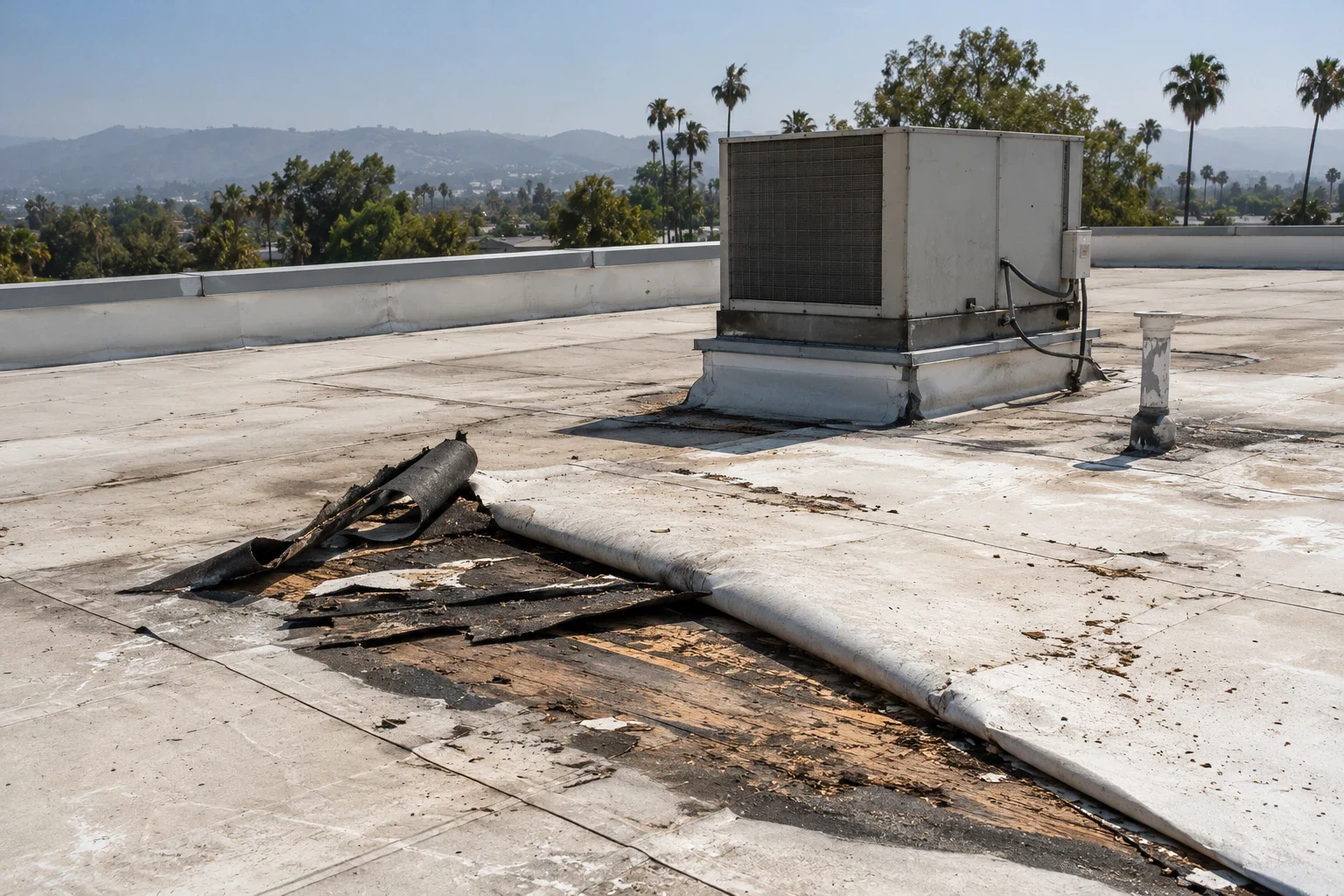
A roof defect needs its actual location and surrounding condition recorded. A grade can summarize observations when its basis is explained. It does not measure removal area by itself.
Investigation of an agency water report checks the supported exterior cause. A ceiling mark is an examination starting point. Equipment or another enclosure route may need a separate reviewer.
Where hidden construction affects repair suitability, identify the investigation required. Thermal differences need interpretation and appropriate confirmation. Samples describe their examined positions. A broader quantity requires evidence suited to its proposed extent.
Supporting or service hazards retain qualified review before closer access depends on them. Do not have staff cross uncertain construction for a photograph. State the resulting access limit clearly.
The agency can authorize further information before permanent work. That purchase should describe the question it resolves and the construction decision it will inform.
Planning and Completing the Work
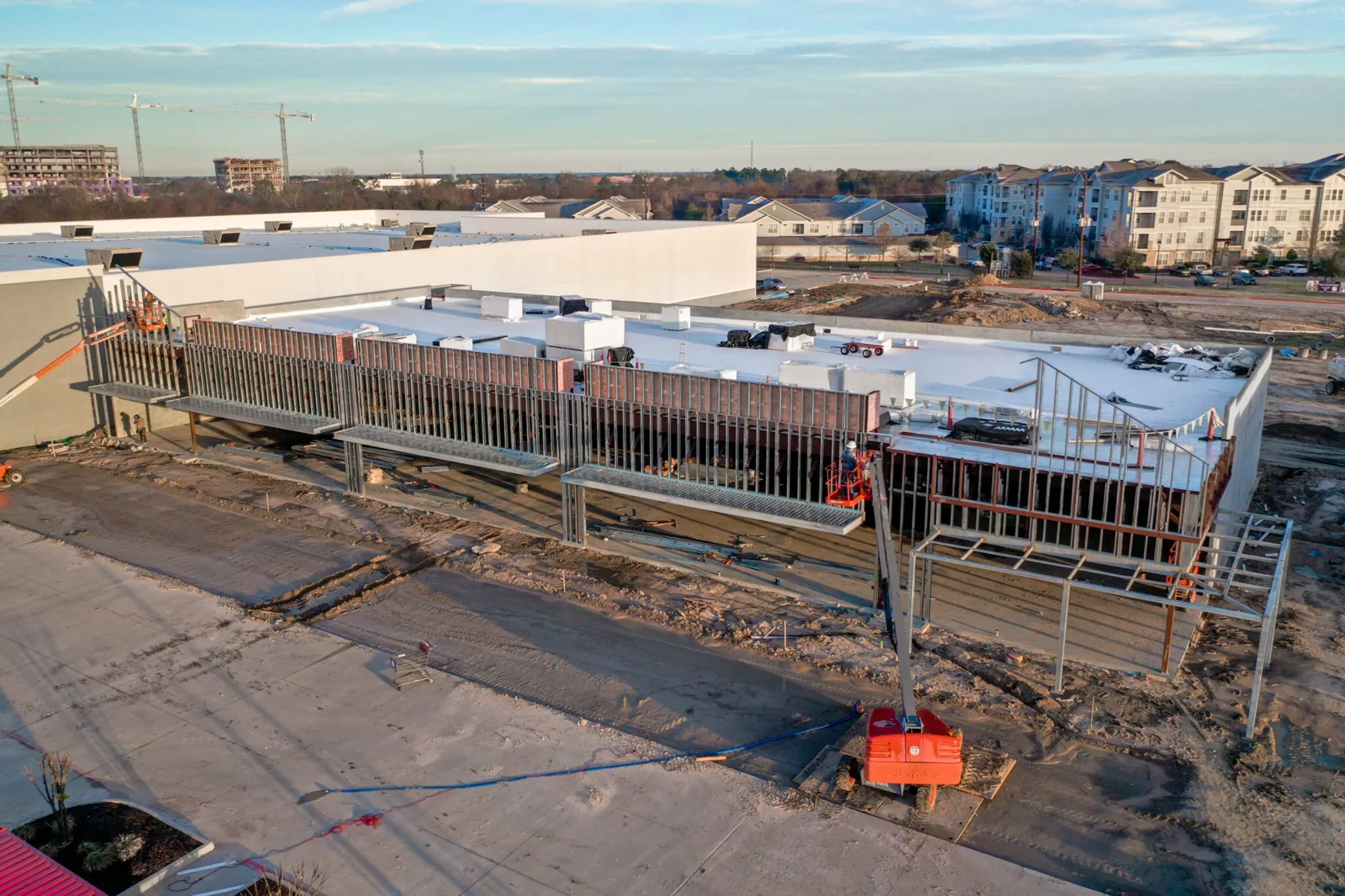
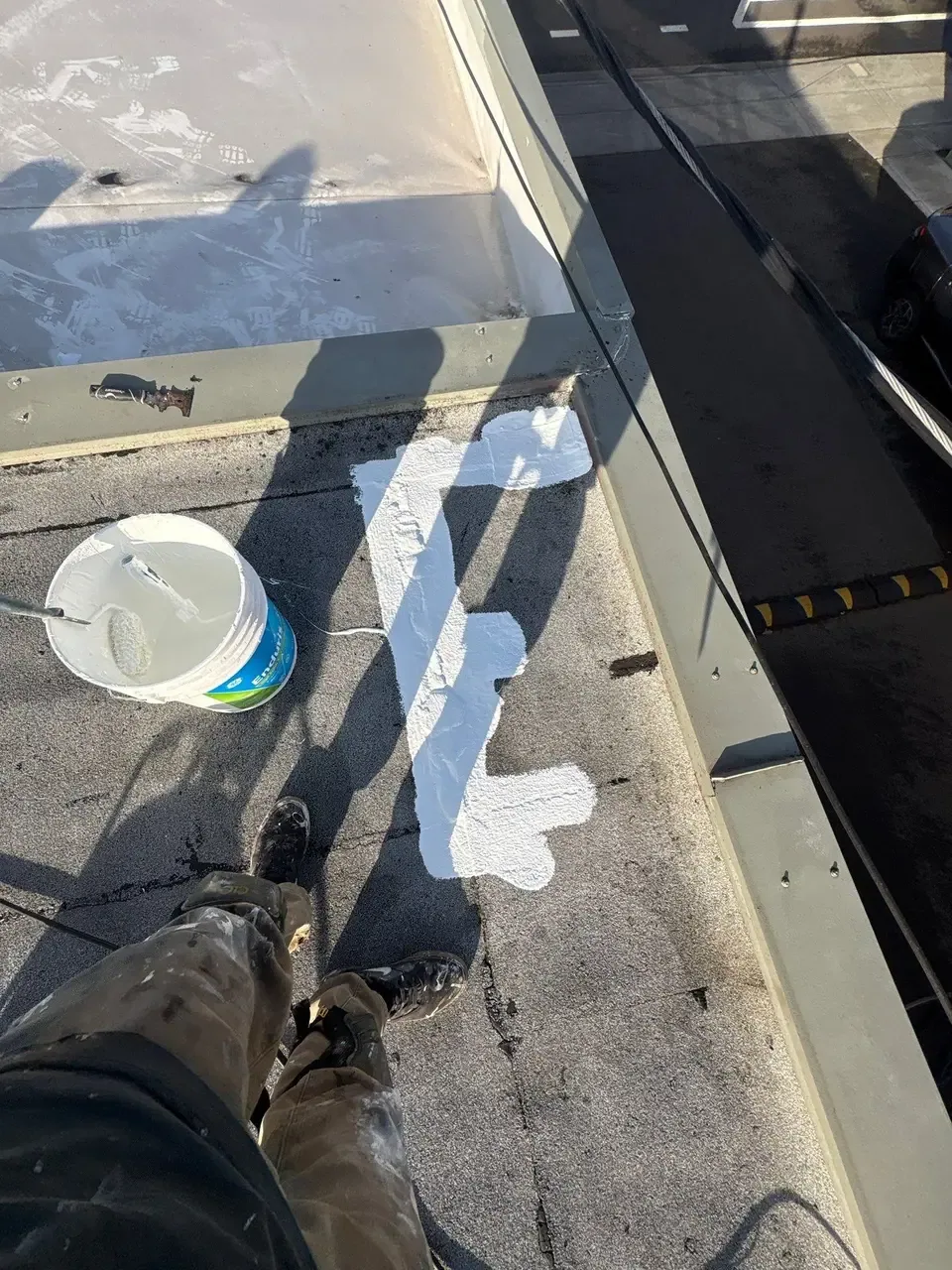
Identify removal, preparation and the final repair connection. Prior treatments or deterioration can alter the boundary. Explain the physical reason when new work reaches beyond the visible opening.
Compare complete options for the same finding. A material-only price can omit support, adjoining details or practical provisions. The reviewer needs the tasks included in each amount.
Public-facility roof capital planning separates current correction from later work. Keep the basis and reassessment trigger for a deferral. Age alone cannot determine a fixed remaining duration.
A conditional allowance needs measurement and approval requirements. State how discovered deterioration becomes a documented change. Confirmed quantities should remain distinguishable from the area not yet examined.
General contractor roofing coordination assigns related removal and rebuilding. A broad coordination note should not conceal the separate party providing receiving work before roofing proceeds.
Identify the representative controlling affected rooms and services. The inspection contact may not approve operating changes. Keep construction authorization, access permission and service decisions recognizable.
Roof work on occupied public buildings carries entrances, contents protection and handling routes into the method. Restricted periods may require repeated setup. Price those provisions where the agreed phase needs them.
Qualified mechanical, electrical and support trades handle their equipment tasks. The facility representative confirms interruption and return arrangements. Roof access alone does not authorize service changes.
Measure the intended finished connection before equipment placement. Added layers can change clearance. A former opening may need deck or insulation preparation before closure.
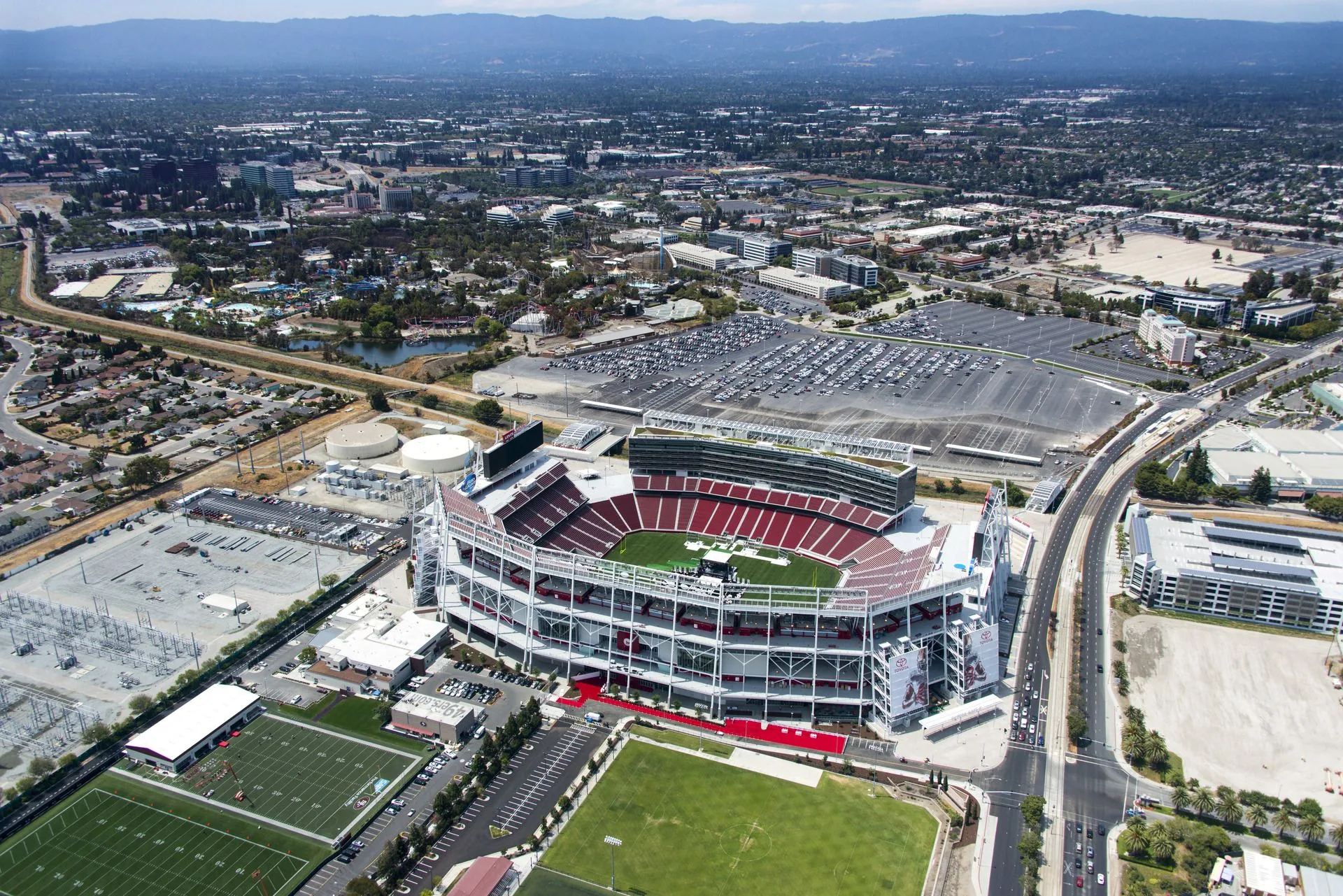
For the Scott Boulevard and Tasman Drive corridor, use the exact agency premises. Development and planning identity do not establish current roof condition or operating permission.
Revisit the phase if a new finding affects another area. Both the construction change and operating effect require their responsible approvals.
Santa Clara Council adopted Ordinance 2081 for the 2025 California standards. Confirm whether the actual agency property follows that authority and accepted application basis. Public ownership can involve a specific approval arrangement.
Energy requirements depend on the alteration and applicable compliance choices or exceptions. The selected surface description does not settle every provision. Connect the assembly and adjoining construction with the required review.
Procurement requirements need separate confirmation. Establish the actual documents and authorization steps. An inspection report or submitted estimate is not proof that a construction contract has been awarded.
Roof warranty document review retains issued terms matched to the installation. Notice and repair questions belong to those documents and actual responses. The scope should not promise coverage acceptance.
Weather, substrate and product requirements determine installation readiness. A budget deadline is a planning constraint. It cannot make unsuitable application conditions acceptable.
Located agency roof records join the initial finding with preparation evidence and completed work. Keep products and approved changes under the same references. Another reviewer should find the corrected connection.
Separate roofing acceptance from equipment commissioning, interior readiness and other operating decisions. Assign deferred work and remaining examination to responsible contacts. Do not imply that one final photograph accepts every related task.
A later water occurrence needs fresh timing and location information. Compare it with intervening alterations and completed roofing. The earlier record supports review without establishing the next cause.
The agency receives a clear expenditure basis and an actionable handover. Both stay tied to the construction actually examined and delivered.
Agency procurement: connect field conditions to approvals. A public agency roof scope should identify the contract path, authorized representative, site-access requirements and documentation format supplied by the agency. The contractor records the observed condition, proposed quantity, exclusion and any trigger for a change; the agency controls procurement, funding and acceptance. Where concealed conditions emerge, tie a request to a location and photo before proceeding under the applicable contract procedure. Separate required design review from field recommendations. This record allows procurement staff to compare bids and reconcile changes while leaving public funding, operational approvals and formal acceptance with the authorized agency.
Prepare a roof scope the agency can assess
Arrange a Santa Clara public-building review. We will explain the examined condition, complete construction amount and separate decisions needed for approval.
Frequently Asked Questions
Located evidence and complete tasks. Keep investigation, conditional construction and required approvals distinguishable.
Identify the authority responsible for this facility and obtain its submission requirements. The agency contact should confirm that arrangement before procurement relies on an ordinary private-building process.
The physical question, measurement process and approval contact. Retain supporting evidence when the quantity changes.
Recognizable completed work, installed products and approved changes, with separate operating acceptance and assigned open items.
Roof Assessments
Santa Clara & the South Bay
Membrane, flashing, drainage and edge details checked and written up before any work is priced.
Request a Roof Assessment