- Home
- Property Types We Roof
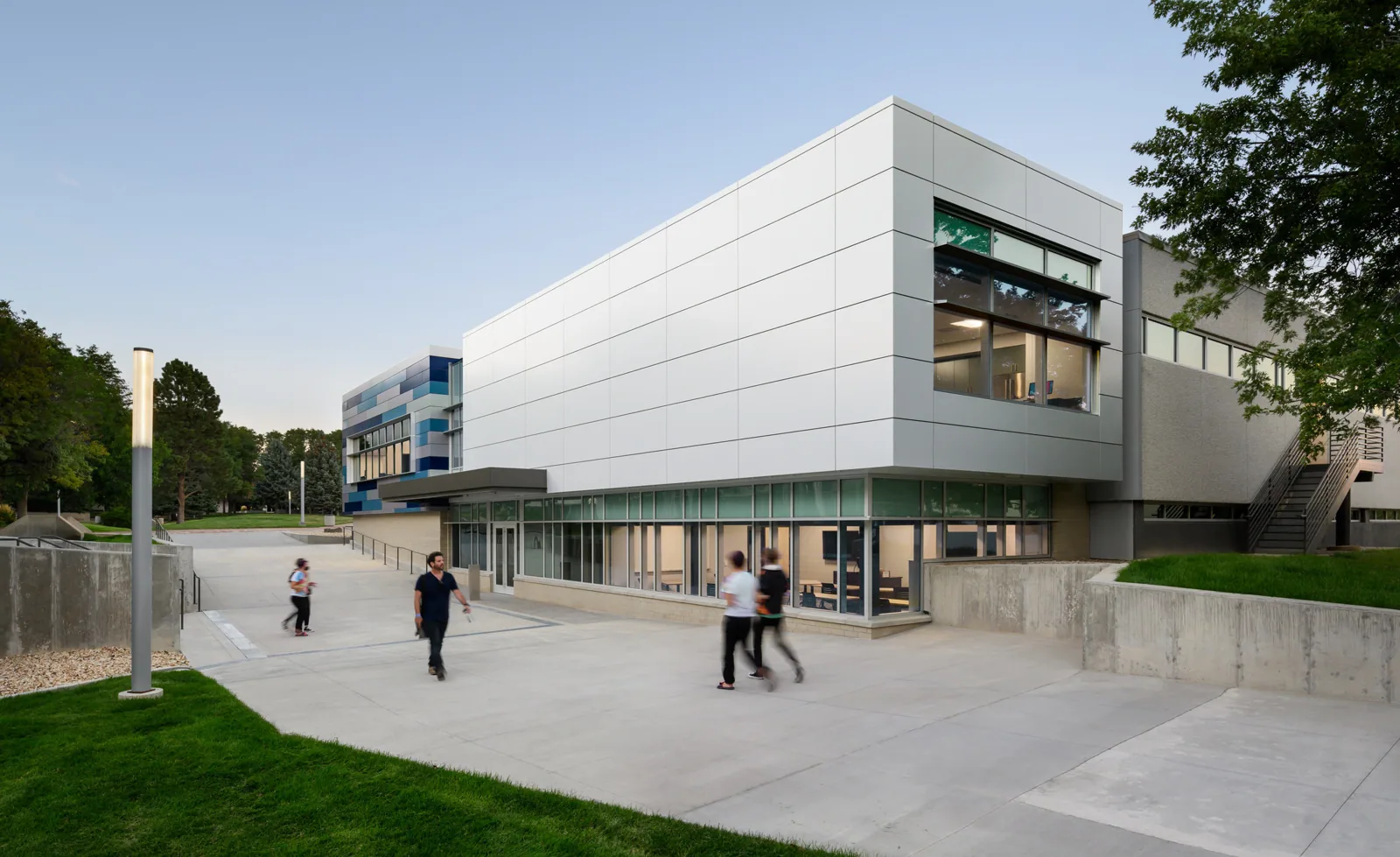
- College and University Roofing
College and University Roofing in Santa Clara, CA
Campus heat-period planning needs the building's roof scope and operator requirements explained together. The regional September 2022 heat event and voluntary Flex Alerts give that review a seasonal question: which operator release does the roof task need? For facilities representatives in Santa Clara, CA, a campus name cannot establish the assembly or access conditions of an individual building. We examine the subject roof and coordinate its work with the actual operator. Regional heat does not prove equipment stress or roof deterioration.
Classrooms, administrative space and other college uses can require different schedules and protection. We establish those requirements without assuming they occur in every building. Scott Boulevard is identified through historical office and R&D development. That nearby commercial identity provides local context, not a campus roof inventory. Our proposal states the examined construction, limits of investigation and operational requirements, so the manager can compare a complete scope for the building being considered.
College and University Roofing: What the Work Covers
An institution can hold records from different roof projects, but those records need reconciliation with current construction. We identify the installed covering, accessible layers and relevant alterations. A roof replacement date does not establish that every detail has remained untouched. Previous patches, equipment changes and drainage modifications deserve examination. Where concealed condition affects the option, we explain the investigation needed to establish a suitable receiver for repairs or new construction.
Classroom roofing work can involve protection and scheduling questions that differ from roofing above administrative offices. We define both the construction and operating boundaries of the subject project. Repair, recover and replacement alternatives should retain the same findings for comparison. A manager should not have to infer whether one bid includes deck work and another assumes a sound receiver. Each task belongs beside its quantity, limit or defined conditional approval process.
A building with sensitive activities needs the operator's input before roof work is phased. We ask which areas require protection, which access routes are available and who can authorize equipment changes. We do not assume continuous laboratory operations or special ventilation from the institution's name. The work plan responds to confirmed requirements. Noise, odor, dust and temporary restrictions can then be addressed using controls suited to the selected roofing method.
Equipment shutdowns, relocations and reconnections require authorized decisions and relevant trade work. Roof personnel should not make those choices independently. Material staging and lifting also need agreed boundaries. Roofing phased for occupied space should identify daily opening limits and temporary closure arrangements. The representative needs a contact route for interior concerns and a clear process for changes. These details make the schedule reviewable without promising that all operations will remain unaffected regardless of the work.
A ceiling complaint or soft area can prompt investigation without establishing a complete wet-roof extent. We inspect the actual water route and receiving construction. Where thermal screening is suitable, it can help direct selected confirmation locations. The interpretation needs the roof assembly and survey conditions. The report should identify examination limits so ownership can distinguish confirmed wet material from an area needing further review.
Moisture surveys tied to confirmation openings can support removal decisions. Wet or deteriorated insulation needs correction where established. Deck condition may require examination after layers are opened. We include temporary protection and a process for concealed findings. A recover proposal must address retained attachment, layer arrangement and receiver suitability as well as moisture. The bid should explain those shared requirements before comparing a new membrane with restoration or localized repair.
Planning and Completing the Work
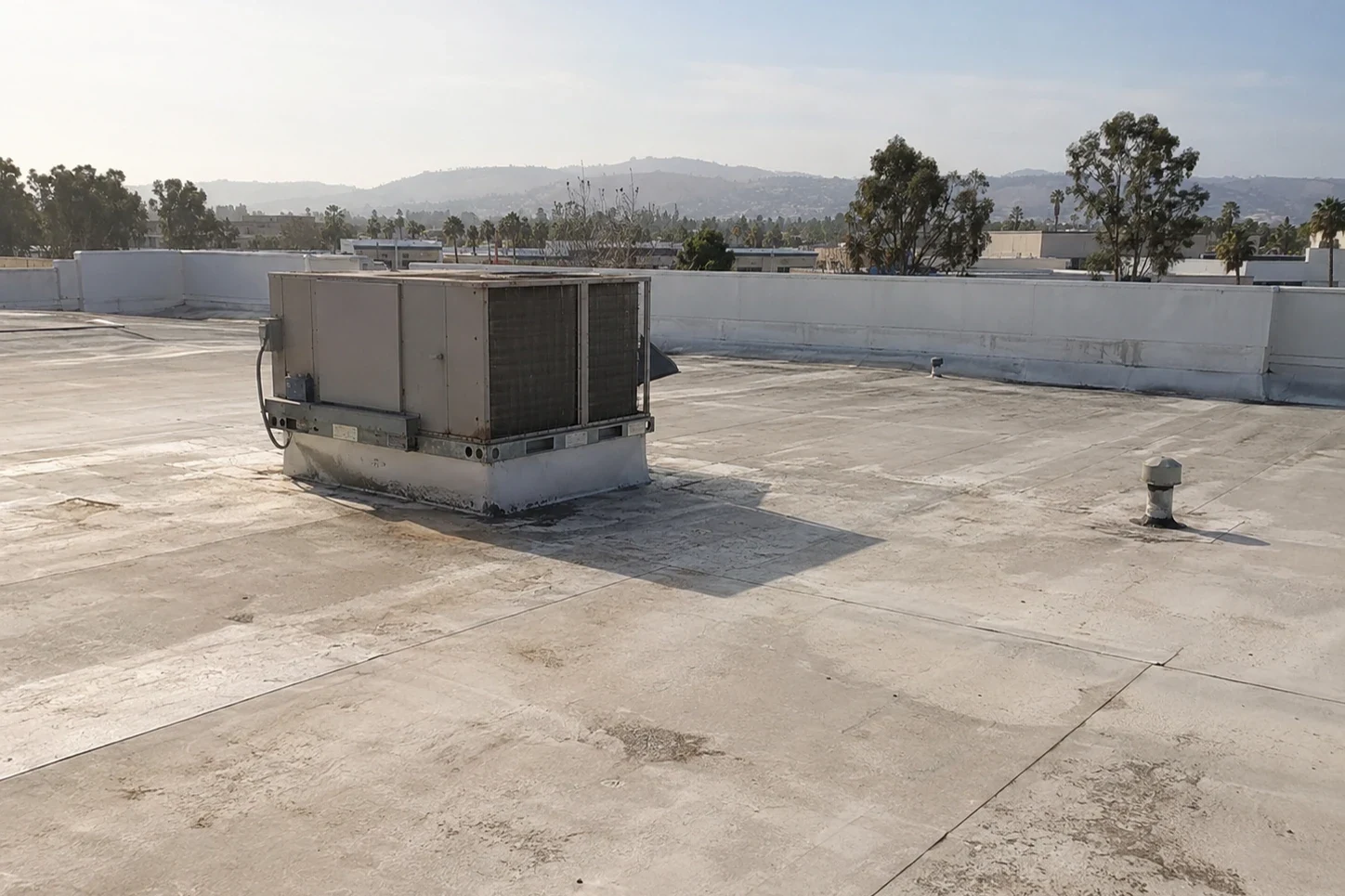
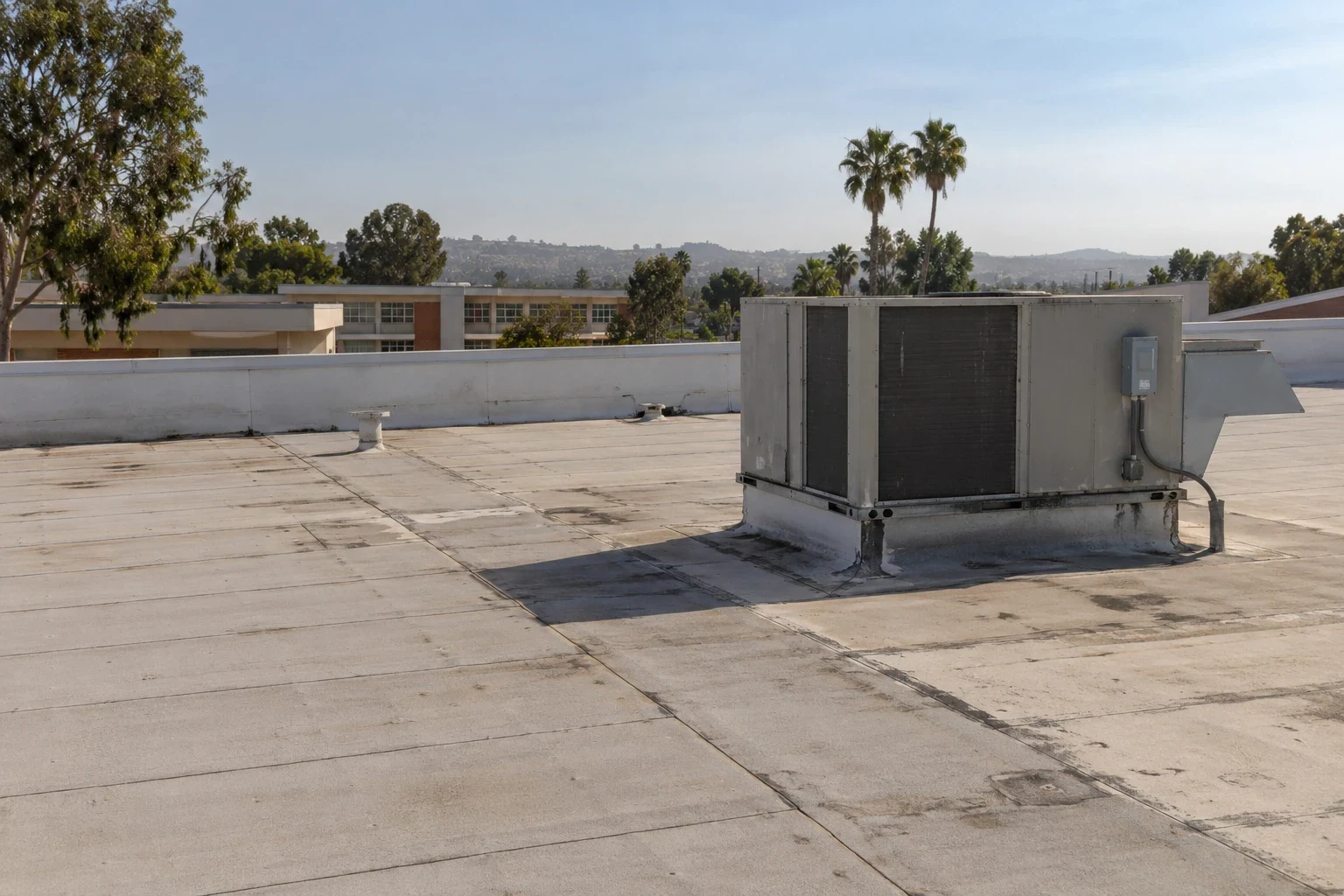
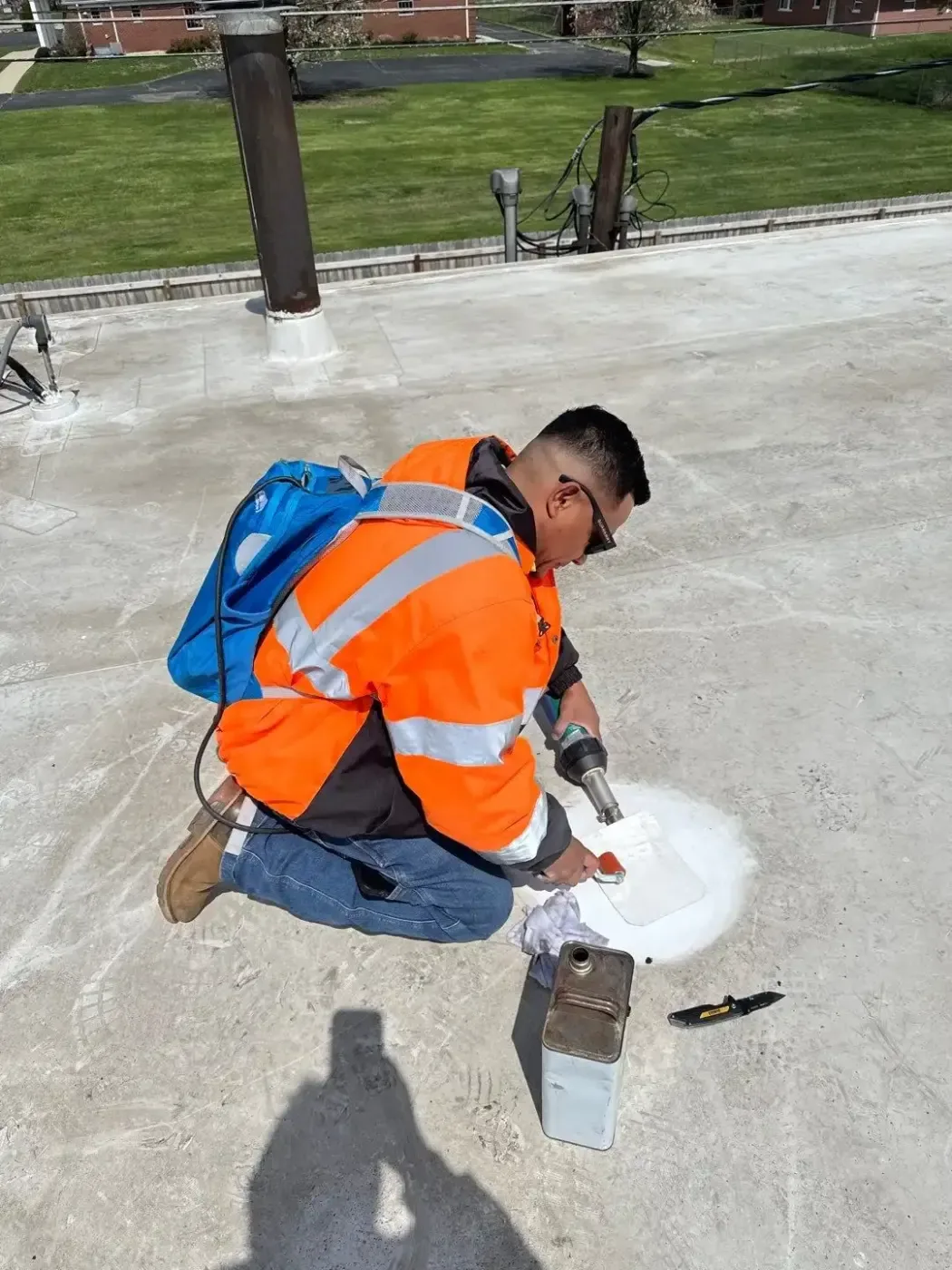
A roof detail needs a sound receiver. We inspect walls, curbs and penetrations for the actual connection and secure termination. Observed corrosion in a metal component requires an extent check before deciding it can remain. Surface treatment cannot replace lost material or required restraint. Where equipment blocks access, the scope identifies operator authorization and trade participation. New membrane should not be installed over an unresolved receiving component simply to finish the surface.
Outlets need clear openings and an appropriate elevation relative to the roof. We inspect drainage paths rather than assume an interior complaint identifies a drain defect. Accessible debris, damaged components and unsuitable slope require different corrections. Adding insulation can change flashing heights and outlet relationships. A complete proposal includes those detail changes alongside the field assembly. The regional heat account supplies no evidence about any of these conditions; examination and necessary design review establish the work.
California building standards form the basis of Santa Clara adoption, together with local modifications. The actual authority for a college property and project still needs confirmation. We identify its accepted application basis and define the repair, alteration or replacement scope being reviewed. Applicable energy compliance routes and exceptions are considered through that review. A reflective covering is only one assembly characteristic. It cannot settle all permit questions or establish that retained insulation meets the relevant requirements.
Around Lafayette Street and Tasman Drive, Tasman East is identified by an adopted planning framework. When a property is examined in the Scott Boulevard corridor and Tasman area, records and roof examination establish construction rather than nearby planning. Capital planning for individual education buildings can distinguish confirmed repairs from a broader roof decision. We keep design, permit and related trade work visible on the bid sheet so the approval package reflects the complete task.
A completion record should locate work and name installed materials. Photographs of relevant preparation can explain the receiver after it has been concealed. The manager then has a useful basis for later maintenance and equipment projects. Warranty responsibility should state the issuing party, included work and maintenance obligations. New alterations require roofing coordination where they change the finished assembly or affect coverage.
A pre-season check can examine accessible details and outlets, with tasks tied to observed condition. It should not treat every education building as due for the same correction. For college university roofing, define the work boundary. Track the college university roofing limit and remaining work. Temporary measures follow the condition found. Permanent work is then defined through the examined construction and the building's operating requirements, leaving the manager with a clear next decision.
Each building record should identify the examined roof area clearly, so later projects do not transfer findings to an assembly that was outside the original review.
Campus work plan: coordinate independent building users. A college or university roof project may involve separate building managers, academic calendars, research operations and public access paths. Identify the authorized decision-maker for each building and confirm escort, roof access, staging and notice requirements before pricing. The contractor should map work phases to the rooms and exterior routes affected, then state protection and daily closure conditions. Research or laboratory restrictions come from the institution and must be confirmed by its representative rather than presumed from building type. Closeout should name the accepted roof zones and any outstanding trade or access item so work in one facility is not mistaken for campus-wide approval.
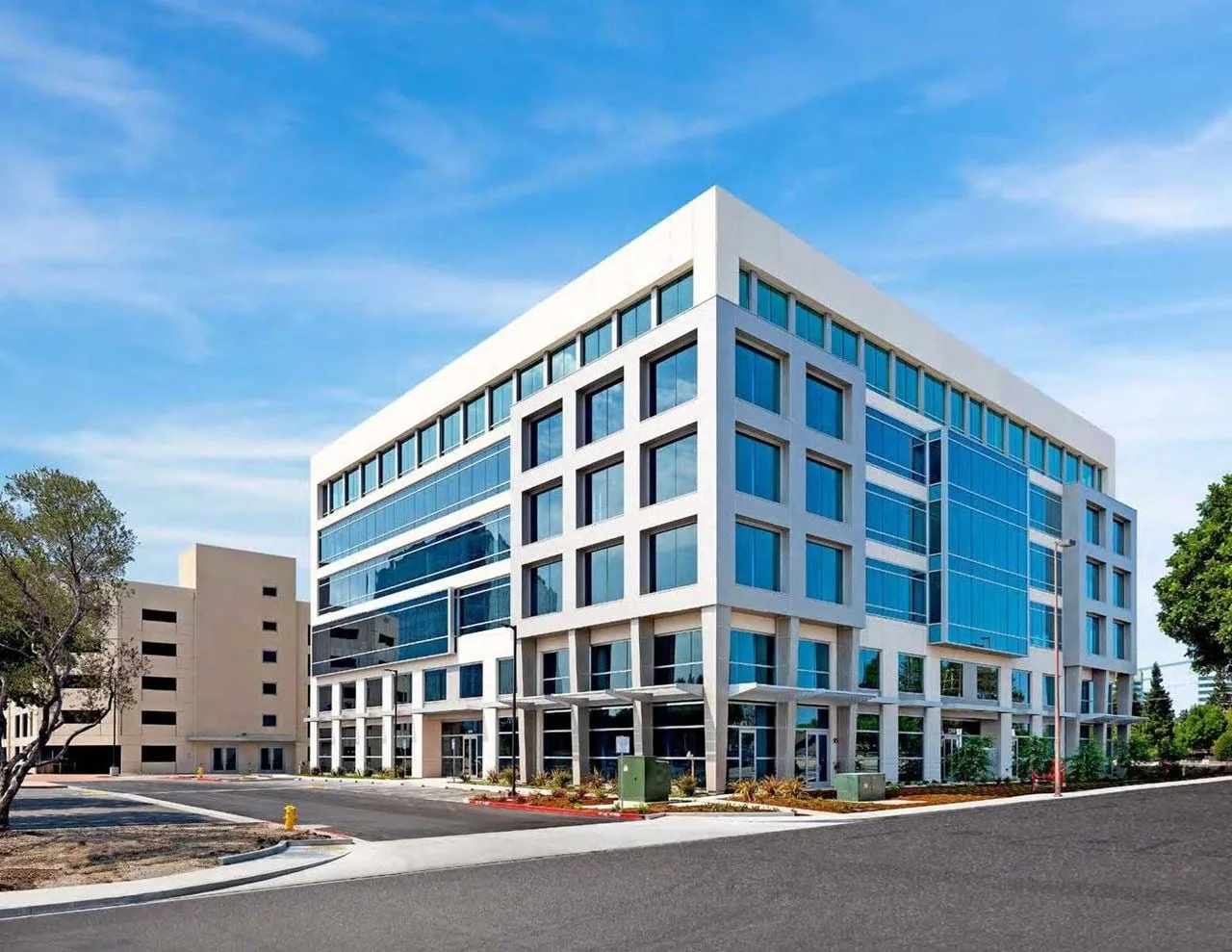
Season planning: Make the campus roof decision specific
Schedule a building roof check. We will prepare a plain bid sheet for approval, with assembly findings, occupant protection and defined budget tasks.
Frequently Asked Questions
A shared program can coordinate work, but each building needs its assembly and condition established. Repair quantities and operating limits remain building-specific.
The actual operator identifies sensitive activities and authorized controls. We confirm those requirements before assigning intake protection or shutdown tasks.
Indications need interpretation and selected confirmation. The report identifies examined areas, limitations and the basis for proposed removals.
Include preparation, detail changes, temporary protection, design and approval tasks, related trades and conditional concealed work. That supports a complete comparison.


Roof Assessments
Santa Clara & the South Bay
Membrane, flashing, drainage and edge details checked and written up before any work is priced.
Request a Roof Assessment